

Included Meals
- Breakfast: 7
- Lunch: 6
- Dinner: 7

Unbeatable Holiday Offers – Save Up to 20% on Your Next Adventure!
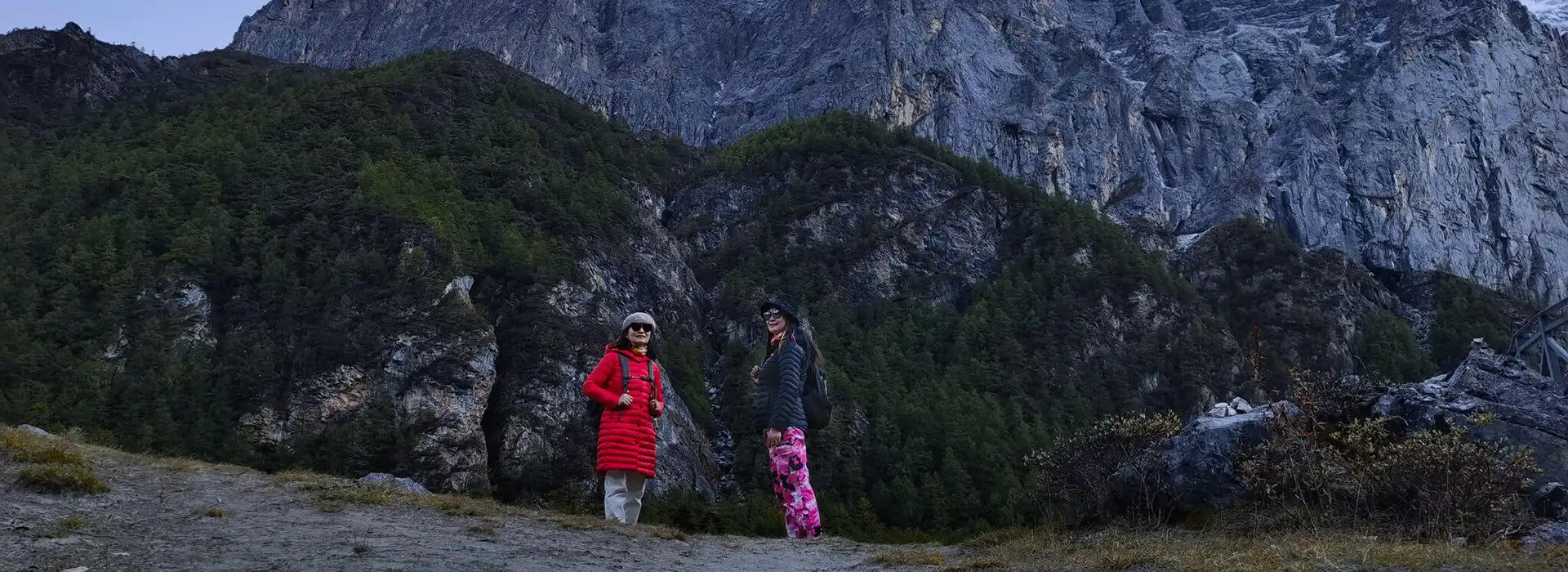
Nepal Hiking Company has designed the Bhutan Botanical Tour Package for travelers who want to spend calm days on the road surrounded by plants and forests. The route moves from cool river valleys to a high pass and then down into a warm subtropical valley, which keeps the walks varied and comfortable across seasons.
Three reasons for travelers to choose the Bhutan botanical-focused route:
Bhutan requires most travelers to obtain a visa before arrival, either online or through a tour operator or hotel. The government charges two main fees: a non-refundable visa application fee and the Sustainable Development Fee (SDF), typically US$100 per adult per night, with discounts for children and a separate rate for Indian nationals.
Nepal Hiking Company collects your passport scan, a recent passport-style photo, and confirmed travel dates, then submits all documents through the official system. Travelers must ensure their passports remain valid for at least 6 months beyond their departure. The Department of Immigration may request additional documents if needed. Processing times vary during peak seasons and public holidays, but the portal generally reviews submissions within 5 working days, enabling smooth planning ahead of flights.
Healthy plant viewing begins with careful foot placement. Stay on established trails and garden paths, because repeated steps crush seedlings and tear slow-growing moss. The Royal Botanical Park enforces strict waste control and encourages a “garbage in, garbage out” mindset, which helps protect these sensitive habitats. Never pick flowers, leaves, or seed pods, as removing plant material reduces regeneration and disrupts pollinators. Avoid touching petals directly, since skin oils can shorten bloom life, especially during dry or windy conditions.
Keep a safe distance from fragile edges and stand on firm ground during bloom stops. Let your guide position the group in a single line when paths narrow, so everyone can see the plants without damaging them. Choose clothing and footwear carefully. Wear walking shoes with good grip for wet grass and forest paths, carry a light rain layer in warm months, and pack quick-dry socks for comfort on valley walks.
Plant image tips that protect habitats:
Daypack setup for nature days:
The Tiger’s Nest hike stands as the most physically demanding part of the itinerary. Perched at about 3,120 m and nearly 900 m above the Paro Valley, the climb requires steady, controlled pacing rather than speed. Most groups spend around 4–6 hours for the round trip, including rest stops, with the uphill sections naturally taking longer than the descent.
The trail winds through pine forests and shaded paths before reaching the final stone stair sections that lead directly to the monastery. This route suits travelers who are comfortable walking for several hours, can maintain a consistent uphill pace, and are confident on uneven terrain. Those who prefer a gentler day can remain in Paro for a heritage-focused alternative while the rest of the group completes the hike.
What to pack for the hike:
There are Pony options that cover part of the trail, but hikers must still handle the final steps near the monastery. For safety, start early, maintain a steady pace, and follow your guide’s spacing instructions on narrow sections.
Most days feature short, moderate walks, with longer hikes reserved for Khamsum and Tiger’s Nest. The Khamsum hike typically takes a few hours round trip, including temple stops, while Tiger’s Nest requires more time due to sustained uphill climbing and high altitude. Punakha’s lower elevation feels warmer, whereas Dochula and Thimphu bring cooler air, making layered clothing and proper hydration essential on pass-crossing days.
Travel insurance provides support for delays, weather changes, or medical needs. Guides manage pacing, breaks, and route safety, but guests remain responsible for personal limits. Travelers with heart or respiratory conditions should share details in advance to ensure safer high-altitude walks.
Prepare your travel documents well in advance. Submit a clear passport scan and a recent passport-style photo to your trip coordinator, along with confirmed arrival and departure dates. Bhutan’s official visa guidance requires these items, along with payment details. Set expectations for plant blooms by season: spring often highlights rhododendrons near Dochula and Lampelri, though timing varies with weather and elevation. After arrival, your guide conducts a brief orientation covering the daily schedule, walking plans, clothing recommendations, and stop etiquette. Share your preferred pace early, as the itinerary allows gentle adjustments without altering the fixed route.
Bhutanese dining typically features rice, vegetables, soups, and chili-forward dishes. Many hotels also serve Indian fare and milder options for those who prefer less spice. Guides direct guests to reliable restaurants that maintain hygiene and manage groups efficiently. Sample local flavors cautiously, start with milder versions, and adjust spice to taste. For beverages, follow your guide’s advice on safe water choices during drives and hikes.

Included Meals

Trip staff
Driver
Guide

Trip Grade
Airport staff welcome you on arrival and organize a quick transfer. Soon after, you follow the river corridor toward Thimphu, which keeps the journey calm and unhurried. Your guide sets the botanical focus right away. As you move along, you observe changing plant life, from riverside growth to scattered valley trees shaped by elevation.
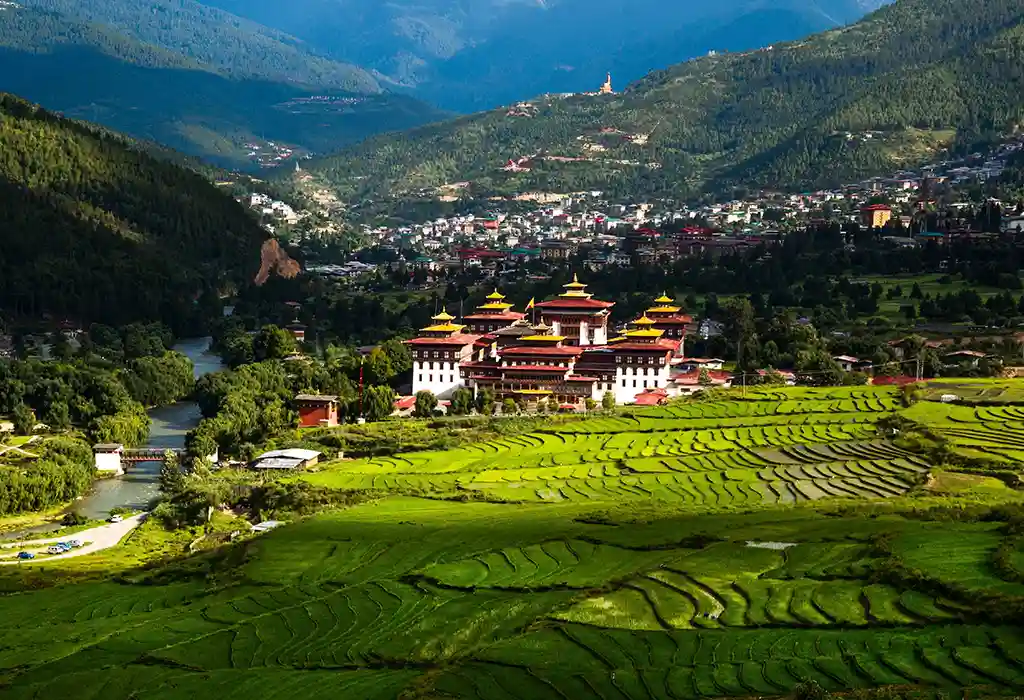
At intervals, the vehicle pauses, letting you step out briefly while still maintaining an easy flow to the day. Once you settle into the hotel, head out for a gentle walk nearby. At the same time, maintain a quiet presence and respect enclosed garden spaces. Importantly, avoid handling plants, since even light contact can harm delicate surfaces.
Tips of the day: Keep your daypack organized, apply lip balm to manage dry air, and stick to stable ground when walking near riverbanks.
Meals Dinner
Difficulty
Start the day with breakfast in Thimphu, then drive out toward the forested slopes below Dochula, near the Lampelri entrance. On arrival, your guide chooses the most comfortable time to begin the walk, adjusting the pace and stops as weather conditions shift.
As you move through the Royal Botanical Park, the landscape transforms quickly with elevation. Within a short distance, you see clear changes in plant life, including clusters of rhododendrons and other high-altitude species. Throughout the visit, the park’s “garbage in, garbage out” rule guides responsible travel and protects the habitat.
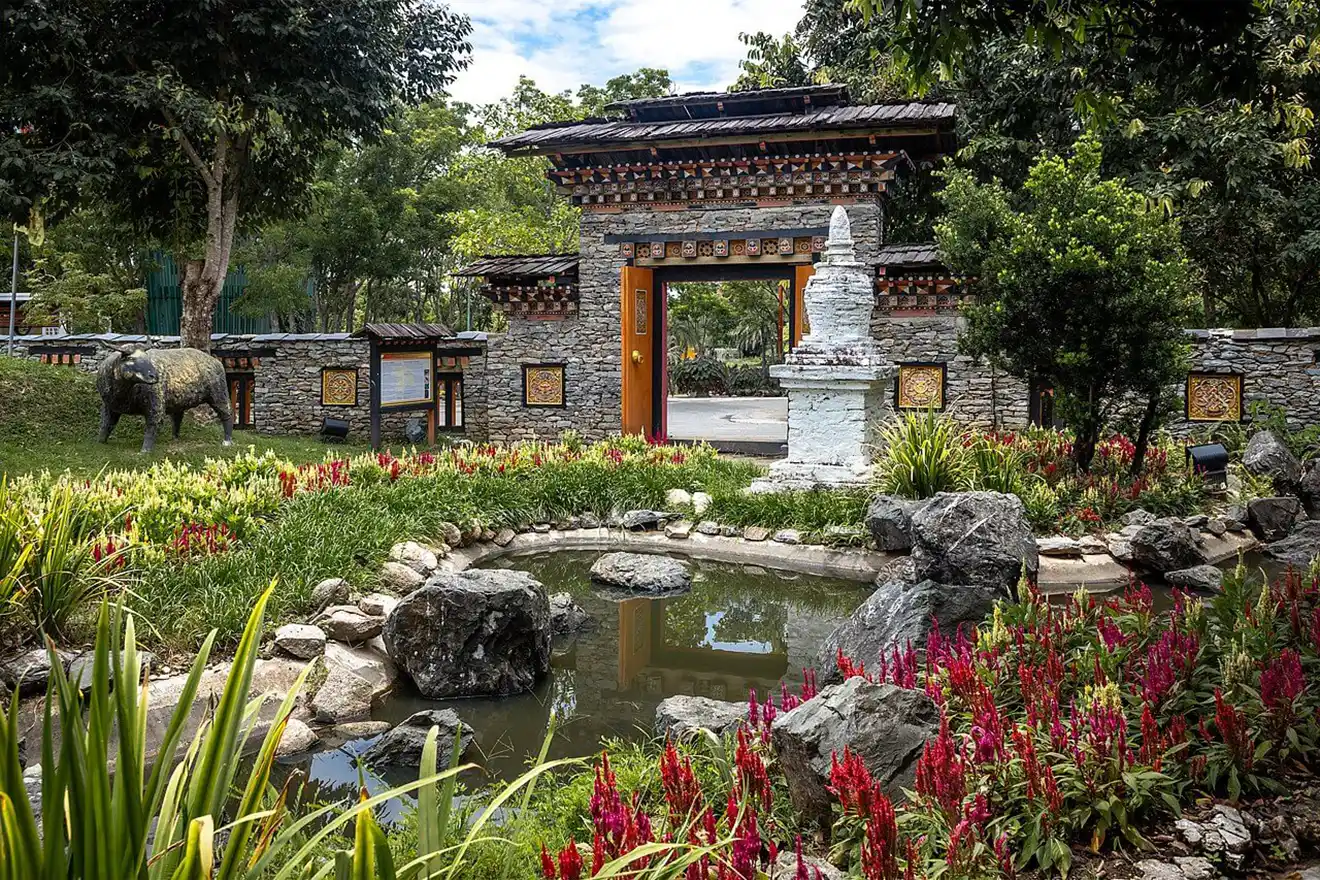
By afternoon, you return to Thimphu and settle into a slower rhythm. Even so, cooler air from the higher passes can linger, so keep gloves or warm layers within reach. While exploring, follow marked trails and step carefully, since mossy ground cover breaks easily and takes years to recover.
Tips of the day: Bring a light fleece, carry enough water, and store all waste securely until you reach a proper disposal point.
Meals Breakfast, Lunch, Dinner
Difficulty
Head uphill toward Dochula to reach a higher plant zone and, when skies open, wide Himalayan views. The pass sits around 3,100 meters, so the air feels cold and often foggy even when the lower valleys stay mild. During spring, the area features seasonal blooms, especially rhododendrons.
At first, early flowers appear after late-winter conditions, and then stronger blooms develop as temperatures rise. The intensity varies each year and across elevations, so no two visits look the same. Beyond the pass, the road descends into the warmer Punakha valley. As a result, vegetation shifts toward riverine plants, and cultivated farmland expands. Keep a light jacket ready for stops at higher elevations, and switch to breathable layers as temperatures rise below.
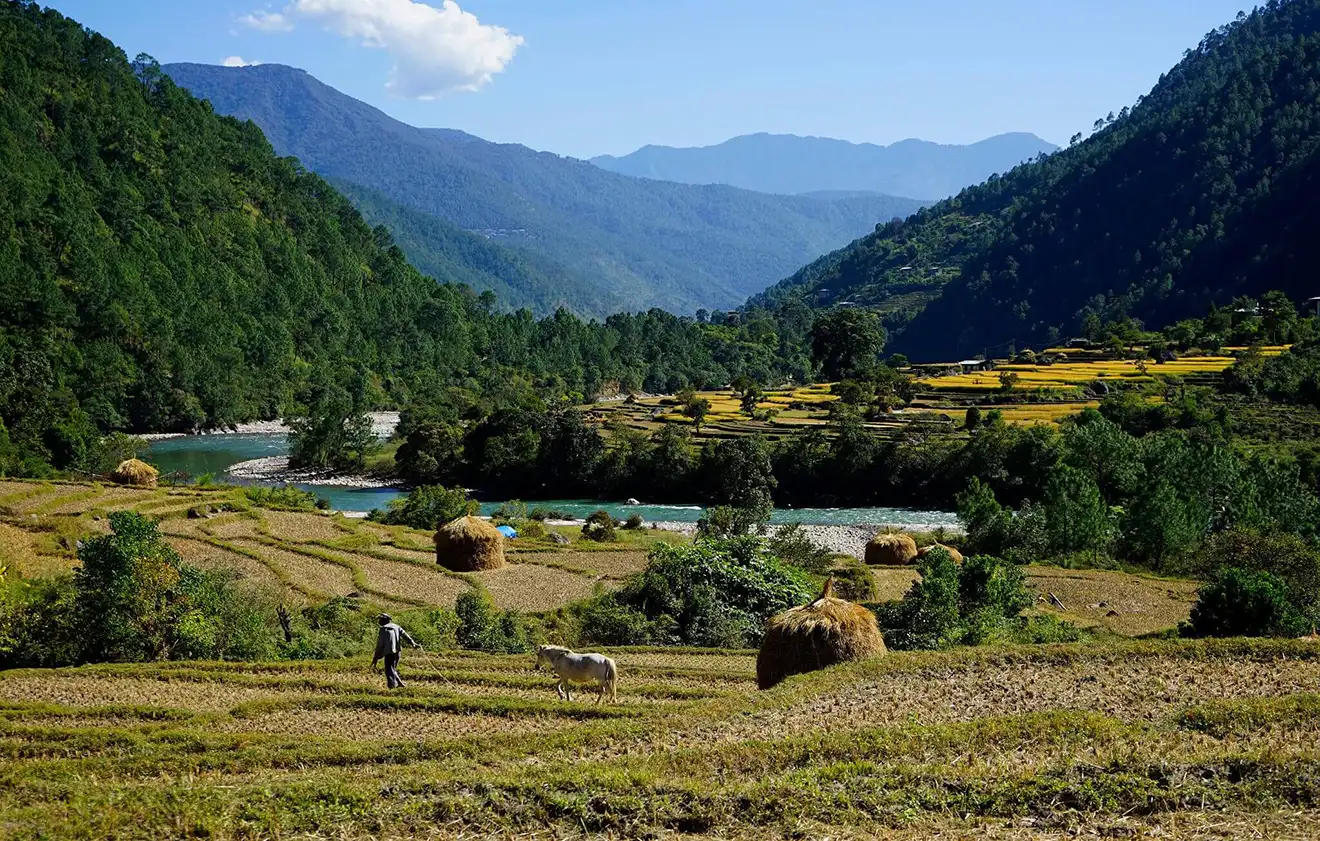
Tips of the day: Stand on firm gravel during flower stops, avoid trampling roadside plants, and follow your guide’s choice of safe pullout points.
Meals Breakfast, Lunch, Dinner
Difficulty
Base the day in Punakha and keep the schedule easy with only short drives. Because the valley lies much lower than Thimphu, it feels noticeably warmer, especially from late spring onward. Focus the walks along river corridors, where moisture supports diverse plant life.
Along the way, you observe broadleaf trees, field hedgerows, and vegetation shaped by nearby water sources. In the early hours, calm conditions allow steady walking and closer plant observation. Pause in shaded spots and maintain a relaxed pace throughout the day. At the same time, soft valley soil compresses easily, so stay on established paths and avoid stepping onto planted edges or damp riverbanks.
Tips of the day: Wear a hat, apply sunscreen, and carry insect repellent, especially in warmer areas near water.
Meals Breakfast, Lunch, Dinner
Difficulty
Begin the morning with the Khamsum Yulley Namgyal Chorten hike, a rewarding, short, uphill walk in the Punakha Valley. Depending on route choices and rest stops, the round trip takes roughly 3–3.5 hours, including time at the chorten.
The trail winds through farmland and edges into greener areas, showing how people and plants share the valley floor. Your guide sets a gentle pace, using natural stopping points to keep the climb comfortable and unhurried. Pause at viewpoints for longer breaks and choose simple snacks to avoid litter. Respect quiet zones near religious sites and avoid touching plants along steps or walls.
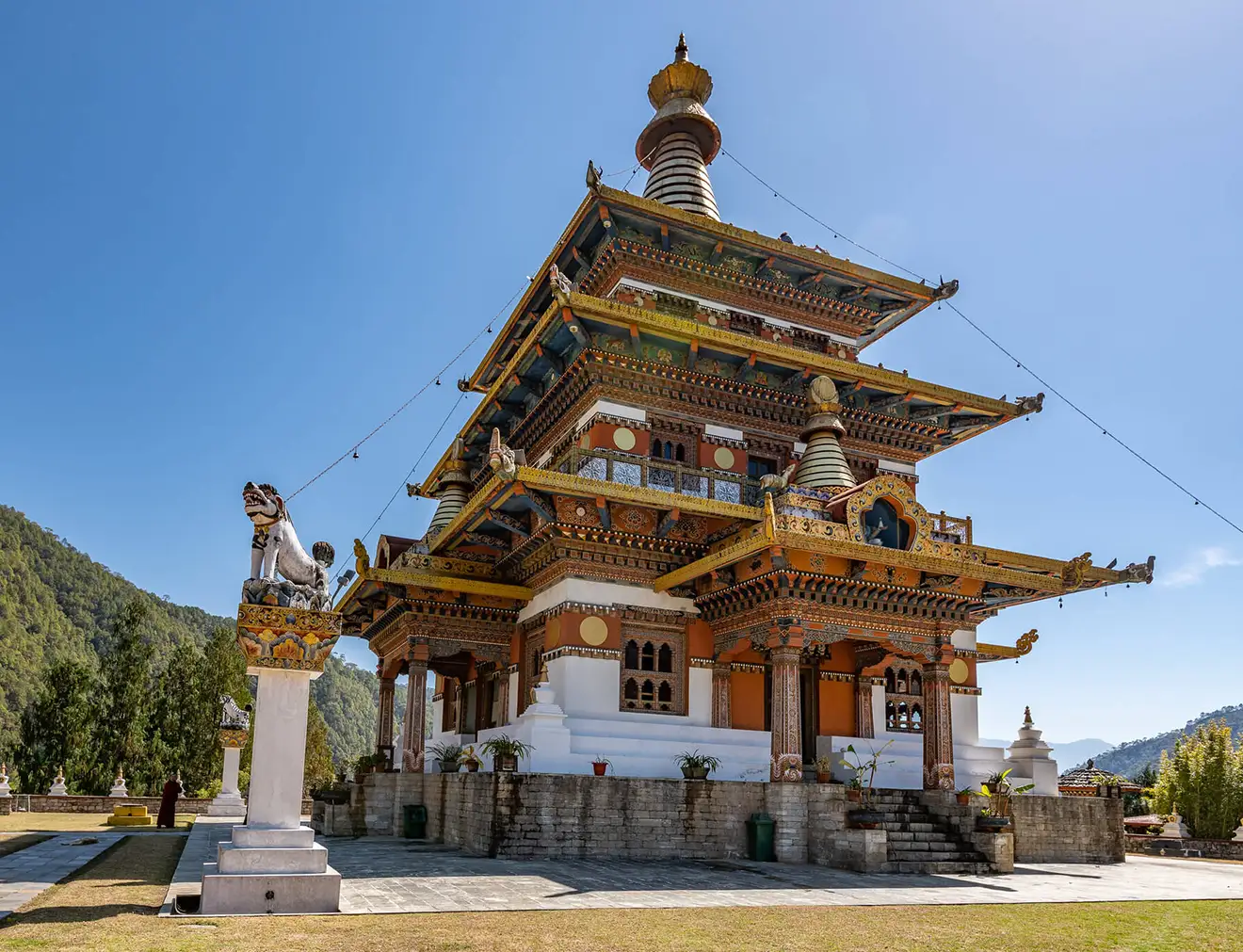
Tips of the day: Bring a light walking pole if your knees need support, wear closed-toe shoes for uneven terrain, and keep your voice low near the chorten.
Meals Breakfast, Lunch, Dinner
Difficulty
Drive back toward Paro at a pace that allows comfort and short plant stops. As the road climbs, cooler air and new forest types appear along the roadside. Focuses on forest edges and small nature viewpoints rather than long sightseeing blocks. Your guide selects pullouts carefully to avoid trampling roadside vegetation. Upon arrival in Paro, keep the evening easy. Take light walks through town to stretch after the drive.
Tips of the day: Carry a warm layer for higher elevations, sip water throughout the day, and maintain quiet behavior near monasteries and along quiet streets.
Meals Breakfast, Lunch, Dinner
Difficulty
Begin the day before sunrise to tackle the Tiger’s Nest hike. The cliffside monastery sits high above Paro valley, so the focus stays on steady, comfortable pacing rather than speed. The trail climbs through pine forests and shaded areas, with the guide pausing at natural viewpoints and a common mid-trail cafeteria.
Layered clothing helps manage the chill of early morning and the warmth that builds with exertion. Guests wanting less walking can explore Paro town, its Dzong, and local monasteries while the group hikes. Pony rides cover part of the ascent, though the final section requires climbing stairs.
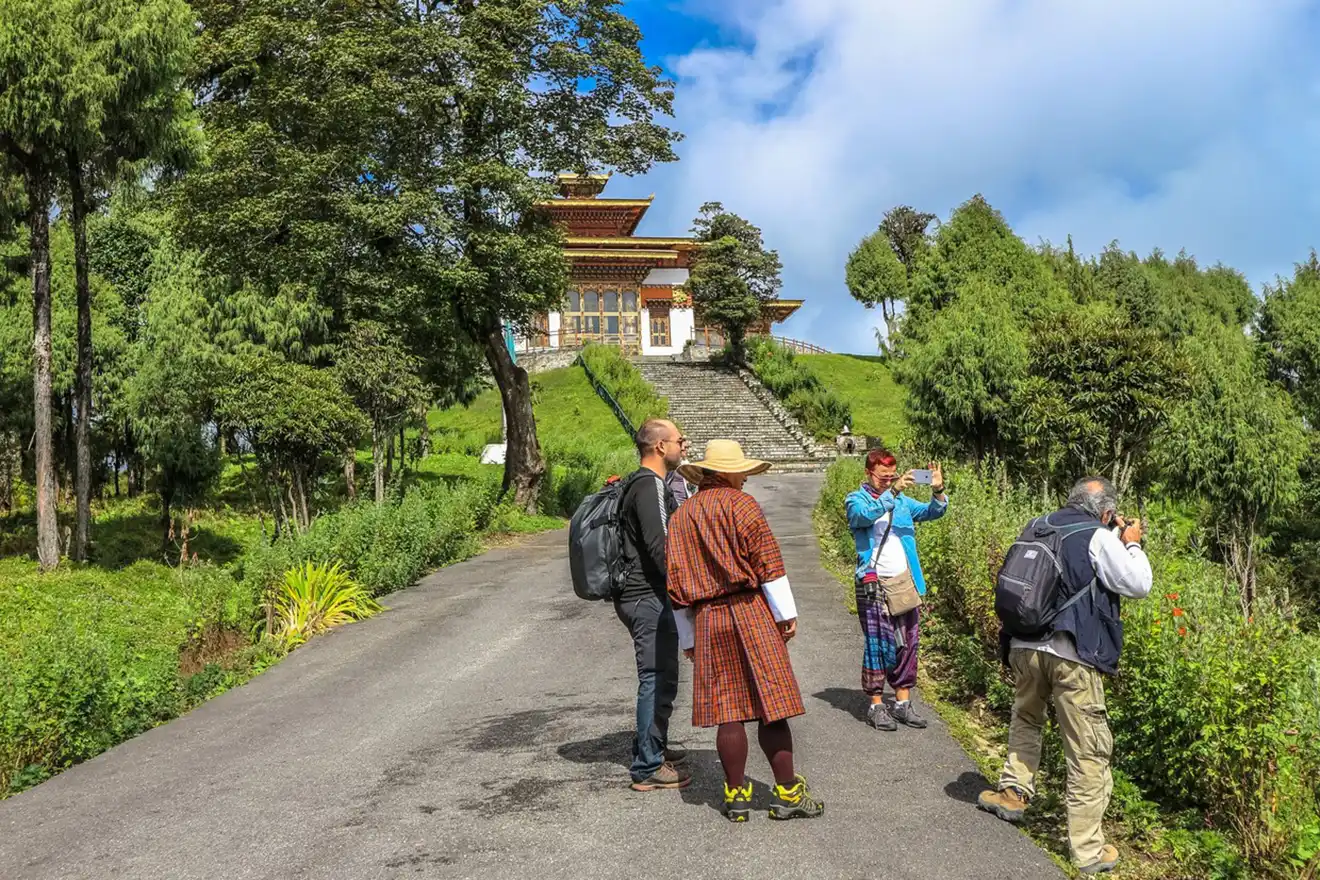
Tips of the day: Drink water regularly, keep steps steady on steep paths, and stay on designated trails to protect fragile plants and tree roots.
Meals Breakfast, Lunch, Dinner
Difficulty
Your guide coordinates the airport transfer with your flight schedule. Paro International Airport lies just 6 km from town, so departures remain simple when traffic is light. If timing allows, the group can enjoy a short morning walk or a quick visit to a local market. Keep stops brief and stay on firm paths, avoiding muddy shortcuts that damage plants and leave lasting scars.
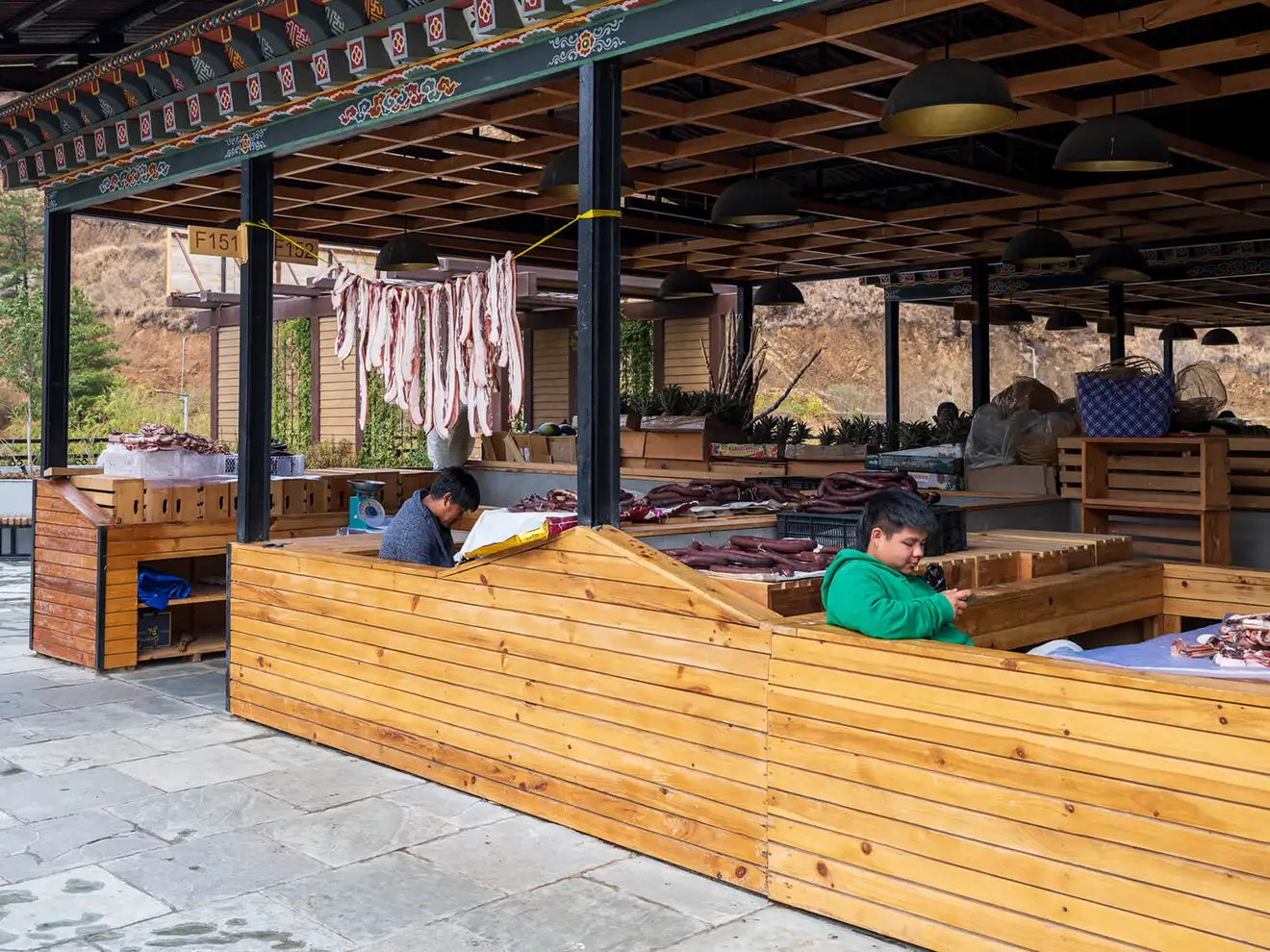
Tips of the day: Store travel documents in a waterproof folder, bring a warm layer for the terminal, and check daypack pockets to prevent items from falling on the trail or into vehicles.
Meals Breakfast
Difficulty
Nepal Hiking Company offers three comfort tiers, providing similar standards across Paro, Thimphu, and Punakha, depending on availability and season.
Standard 3-star hotels focus on clean, practical rooms, helpful service, and central access. Guests find simple layouts, basic heating, and functional dining spaces. Some properties provide limited cooling in warmer valleys, so staff often recommend opening windows early and closing them before midday to maintain comfort.
Premium 4-star hotels add larger rooms, improved service flow, and more spacious lounges. Many properties feature better insulation, more reliable hot water, and stronger Wi Fi, although mountain terrain still occasionally affects signal stability. Travelers enjoy added comfort for relaxing after full-day walks and sightseeing.
Luxury upgrades focus on quiet rooms, premium bedding, curated dining, and higher staff-to-guest ratios. These properties also provide more consistent hot water and in-room heating, making evenings after long hikes especially comfortable. Guests often appreciate the enhanced attention and seamless service during multi-day stays.
Heating, hot water, and Wi Fi vary by property, season, and local power reliability. Punakha nights feel milder than Thimphu due to lower elevation, but some winter evenings still require warm layers indoors.
Spring supports the strongest botanical theme for this itinerary. Warmer days and rising soil temperatures often trigger fresh growth at multiple elevations, and rhododendrons gain attention around Dochula and in the Royal Botanical Park zones. Guides rely on local elevation and conditions rather than official bloom calendars to plan daily timing and ensure the best plant viewing.
Dochula often feels cold and foggy, even in otherwise mild periods. Travelers may experience chilly winds and occasional frost before sunrise, while clearer Himalayan views are more common between October and February. These patterns help guests choose between spring bloom-focused trips and autumn or winter travel for clear skies.
Summer brings stronger rain chances across many Himalayan regions. Punakha’s lower elevation and warmer climate support lush green growth along rivers and fields, though humidity and wet conditions may affect trail comfort. Guides plan walks carefully to balance viewing opportunities with safety on slippery terrain.
Autumn favors walking comfort for many guests. Crisp mornings and stable weather help on longer uphill days, especially around Tiger’s Nest, which sits high above the valley on a steady trail. The thinner undergrowth in forests also improves visibility for observing plants and birds.
Winter travel shifts the focus toward clear air, quiet trails, and fewer crowds. Guests need warm layers for higher road stops and early starts, particularly around Thimphu and Dochula. With proper preparation, travelers can enjoy crisp winter mornings and unobstructed views along the trails.
For the best light, early starts remain ideal. Calm morning winds and clean air at higher elevations allow sharper plant detail and wider mountain vistas without harsh glare.
Road travel in Bhutan follows winding mountain routes with steady climbs and descents. The Paro to Thimphu drive usually takes just over an hour, while the Thimphu to Punakha drive often requires around three hours, depending on stops and pace. Along the way, elevation changes create noticeable shifts in climate: fog and chill near Dochula can contrast sharply with the warmer climate of the Punakha valley later in the day.
Traveling in a private vehicle enhances both comfort and flexibility. The driver adjusts speed on curves, selects safe pullouts, and pauses to observe plants or wildlife. Passengers should keep seat belts fastened, carry a light scarf to protect against dust, and store snacks in a sealed bag to avoid litter. These measures help everyone enjoy the journey while protecting Bhutan’s fragile roadside habitats.
Warm Layers
Walking Gear
Rain & Sun Protection
Modest Clothing
Nature & Extras
Health & Comfort
Tech & Organization
Respectful behavior improves access and supports calm visits.
Etiquette in sacred spaces:
Etiquette in Nature:
How to Book this trip:
Documents needed:
Cancellation Policy:
Non-Refundable items:
A: Nepal Hiking Company runs this tour as a private guided experience, ensuring smooth timing and flexible plant-focused stops. Guests control their walking pace while guides adjust break lengths for comfort. Private travel also supports quiet nature walks and easier meal coordination. Group departures happen only when multiple travelers book the same dates.
A: Nepal Hiking Company handles all visa and permit processing through Bhutan’s official system, collecting required documents like passport scans, photos, and travel dates. The company submits applications on your behalf, and travelers receive the clearance document before arrival. Ensure passports meet the six-month validity rule and send documents early to avoid delays during busy periods.
A: Nepal Hiking Company handles the Sustainable Development Fee (SDF) during the Bhutan visa process. At US$100 per adult per night, with child and Indian rates, the fee supports national development. Your invoice shows the SDF clearly, either included or as a separate line, so you see government charges versus tour costs.
A: Rhododendron blooms at Dochula vary by elevation and spring temperatures, with lower slopes flowering first. The Royal Botanical Park extends the viewing window, and Nepal Hiking Company guides adjust daily timing to catch peak blooms, usually in spring.
Punakha and Dochula show Bhutan’s plant diversity through altitude. Punakha (1,242 m) supports subtropical riverside and farmland vegetation, while Dochula (3,100 m) favors high-elevation forests and spring rhododendrons. The Royal Botanical Park (2,100–3,750 m) adds variety along short trails, creating a clear contrast on the drive from Thimphu into Punakha.
A: Tiger’s Nest is the most active day, climbing about 900 m to 3,120 m over 4–6 hours, making it a bit difficult. Guests can hike or take a partial pony option, with final steps still on foot. Nepal Hiking Company supports both choices for comfort and safety.
A: Nepal Hiking Company offers standard 3-star, premium 4-star, and luxury hotel options. Standard focuses on clean rooms and practical service, premium adds comfort touches like larger rooms and consistent hot water, and luxury provides quieter rooms and curated dining. Elevation affects comfort, with colder nights in higher valleys and warmer evenings in Punakha.
A: Spring is considered one of the best times for a botanical tour as it offers peak blooms, especially near Dochula. Autumn brings clear skies for hiking, winter provides quiet trails and mountain views, and summer shows lush valleys with more rain. Choose based on flowers, comfort, crowds, or greenery.
A: Pack layers for varying elevations: warm clothes for Dochula, breathable for Punakha. Bring walking shoes, sun and rain protection, a daypack with essentials, and modest clothing for monasteries. Use a simple base-mid-outer layering system.
A: Many travelers prefer guided tours in Bhutan because official entry, visa, and SDF processes pair naturally with licensed guides and organized transport. Guides help manage trail pacing, protect sensitive habitats during bloom stops, and ensure safe, comfortable travel on winding roads with private vehicles.