
Unbeatable Holiday Offers – Save Up to 20% on Your Next Adventure!

Nepal Trekking Gear List: A Detailed Packing Guide for Every Trekker
A smart packing list can make or break your trek in Nepal. Good gear keeps you warm, dry, and comfortable. It also helps you stay safe when the weather changes fast, trails turn rough, or altitude starts to affect your body.
Nepal trekking does not require the heaviest or most expensive equipment. You need the right gear for the route, the season, and your trekking style. Most teahouse treks in Nepal require layered clothing, sturdy footwear, a practical daypack, sun protection, water purification, and a small medical kit. Nepal Tourism Board advises trekkers to carry a handy first-aid kit, drink plenty of clean water, and use gradual altitude gain as a core safety rule. CDC also recommends a travel health kit, sunscreen, and protective items suited to outdoor activities.
Gear also needs to change from one trek to another. Everest Base Camp, Annapurna Circuit, Langtang Valley, Mardi Himal, Manaslu Circuit, and Upper Mustang do not demand the exact same setup. Season matters too. Autumn and spring usually allow lighter packing than winter. Monsoon needs better rain protection and faster-drying clothing. Higher routes and longer treks need warmer layers, stronger boots, and better personal planning.
Use this guide as a complete base list for Nepal teahouse trekking. Then adjust it for altitude, month, and route.
Why the Right Gear Matters in Nepal
Nepal trails often start warm and end cold. You may leave a sunny village in a T-shirt and reach a windy ridge in a fleece and shell jacket a few hours later. At higher elevations, cold mornings, strong UV, dry air, and quick weather shifts can wear you down fast. Government travel advice for Nepal also warns trekkers to prepare for changing mountain weather and to pack warm clothes, wet-weather gear, sunscreen, and sunglasses.
Good gear helps you in five main ways:
- It protects you from cold, rain, sun, and wind.
- It reduces fatigue on long walking days.
- It lowers the chance of blisters and minor injuries.
- It supports hygiene and hydration on the trail.
- It helps you respond better to altitude and weather stress.
Poor gear often causes avoidable problems. Wet cotton clothing stays cold. Unbroken boots create blisters. A weak backpack hurts your shoulders. Not carrying water treatment can upset your stomach. Packing too much also creates problems because a heavy bag drains your energy day after day.
How to Pack for a Nepal Trek
Before you start filling your bag, follow three simple rules.
1. Pack in layers
Nepal trekking works best with a layering system. You should add or remove clothing as the day changes. A basic layer system includes:
- base layer for moisture control
- mid-layer for warmth
- outer shell for wind and rain
- insulated jacket for cold evenings and high camps
2. Pack for function, not fashion
Trail comfort matters more than style. Choose gear that dries fast, fits well, and works in changing weather. Dark or bright color choice does not matter much. Fit, warmth, and weight matter more.
3. Keep your load realistic
For most teahouse treks, a porter carries your duffel or main trekking bag while you carry a daypack. Even then, you should pack light. A lighter kit helps the whole team. It also makes repacking, lodge changes, and airport transfers much easier.
Main Bags You Need
Duffel bag or trekking bag
Most trekkers in Nepal use a soft duffel bag for the main load. A bag around 60 to 80 liters usually works well for teahouse trekking. Soft bags fit better on porter systems than hard suitcases or framed travel bags.
Choose a duffel that offers:
- durable fabric
- strong zippers
- grab handles
- light weight
- basic weather resistance
Use packing cubes or dry bags inside to stay organized.
Daypack
Your daypack is one of your most important items. You will carry it every day. A 25 to 35 liter daypack suits most Nepal treks.
Your daypack should hold:
- water
- rain jacket
- fleece or warm layer
- sun hat
- gloves
- camera or phone
- sunscreen
- snacks
- personal medicine
- documents
- headlamp
Look for a pack with a waist belt, padded shoulder straps, side pockets, and a rain cover.
Waterproof covers and dry bags
Even in dry seasons, keep your critical gear protected. Use a backpack rain cover and a few dry bags or zip pouches for:
- electronics
- documents
- spare layers
- sleeping clothes
Clothing for Nepal Trekking
Clothing makes the biggest difference in comfort. A good Nepal trekking gear list should focus on flexible layers, not bulky weight.
Base layers
Base layers sit next to your skin. They move sweat away and help regulate body temperature.
Pack:
- 2 moisture-wicking T-shirts
- 1 or 2 long-sleeve base layers
- 1 thermal top for cold routes
- 1 thermal bottom for cold routes
Merino wool and synthetic fabrics work well. Avoid cotton for trekking days because it holds moisture and dries slowly.
Trekking shirts
Quick-dry trekking shirts work better than normal casual shirts. Long sleeves help with sun, dust, and wind. Short sleeves feel better on lower and warmer trails.
A good mix includes:
- 1 short-sleeve trekking shirt
- 1 or 2 long-sleeve trekking shirts
Mid-layers
Mid-layers give you warmth while walking in cool air. Fleece jackets remain the most practical choice for Nepal trekking. They are light, warm, and easy to use with a shell jacket.
Pack:
- 1 fleece jacket or grid fleece
- optional light insulated mid-layer for colder treks
Insulated jacket
A down jacket or synthetic insulated jacket is almost essential for higher treks in Nepal. Even on teahouse routes, evenings and early mornings can get cold. High places such as Dingboche, Lobuche, Thorong Phedi, Manang, or Kyanjin Gompa often feel much colder than lower villages.
Choose:
- 1 warm down jacket or synthetic insulated jacket
- medium to high warmth depending on season and altitude
Synthetic insulation performs better in wet conditions. Down packs smaller and feels warmer for the weight.
Waterproof shell jacket
A waterproof and windproof shell is one of the most important items in your Nepal trekking gear list. It protects you from rain, sleet, snow flurries, wind, and sudden cold.
Look for:
- waterproof fabric
- adjustable hood
- pit zips if possible
- light to medium weight
- enough room over fleece and base layers
Government travel advice for Nepal specifically tells trekkers to pack warm clothes and wet-weather gear for mountain conditions.
Trekking pants
You need pants that move well and dry fast. One pair is not enough for most treks.
Pack:
- 2 trekking pants
- 1 thermal bottom for cold routes
- 1 light camp pant or lodge pant
- optional waterproof over-pants in monsoon or winter
Convertible pants can work, but many trekkers prefer regular trekking pants because they fit better and feel stronger on long days.
Underwear and sports bras
Keep this part simple and practical.
Pack:
- 4 to 6 pairs of quick-dry underwear
- 2 sports bras if needed
- 1 sleep set kept clean and dry
Quick-dry items help a lot because you can wash and rotate them.
Socks
Socks matter more than many first-time trekkers expect. Bad socks can ruin good boots.
Pack:
- 3 to 4 pairs of trekking socks
- 1 to 2 liner socks if you use them
- 1 warm sleep sock for cold nights
Merino or synthetic trekking socks work best. Avoid thin cotton socks.
Footwear for Nepal Trekking
Trekking boots
Boots should fit well, support your feet on uneven trails, and already feel broken in before the trek starts. Never bring brand-new boots to Nepal for a long trek.
Choose boots with:
- solid grip
- ankle support
- comfortable toe box
- good heel hold
- water resistance or waterproofing for wet seasons
Mid-height trekking boots work well for most Nepal routes. Heavier full boots help more on winter or rougher high-altitude routes.
Camp shoes or sandals
After a long day in boots, your feet need a break. Bring one light pair of camp shoes, sandals, or slip-ons for evenings, lodge use, and bathroom trips.
Choose something:
- light
- easy to wear
- decent on wet lodge floors
- good enough for short walks around the village
Gaiters and traction gear
Not every trek needs them, but some do.
Bring gaiters for:
- winter treks
- snowy passes
- muddy monsoon trails
Microspikes may help on icy sections in late fall, winter, or early spring, but only some routes and months need them.
Sleeping Gear
Many teahouses provide blankets, but quality and warmth vary. At altitude, your sleeping setup matters.
Sleeping bag
For most popular Nepal treks, a sleeping bag rated around -10°C to -15°C comfort range works well in spring and autumn. Colder months or higher routes may need warmer. Some trekkers rent sleeping bags in Kathmandu or Pokhara, but your own bag gives more confidence in warmth and cleanliness.
Choose a sleeping bag that offers:
- real warmth, not only marketing numbers
- reasonable pack size
- hood
- full zipper
- compression sack
Sleeping bag liner
A liner adds comfort, helps keep the sleeping bag cleaner, and gives a little extra warmth. Silk or fleece liners both work. Fleece adds more warmth. Silk packs smaller.
Nightwear
Keep one dry set only for sleeping. Dry clothes at night help you rest and stay warm.
Pack:
- 1 thermal sleep top
- 1 thermal sleep bottom
- warm sleep socks
Headwear and Hand Protection
Sun hat or cap
Strong UV is common in Nepal, especially at altitude. A sun hat or cap should always stay easy to reach in your daypack. CDC also advises travelers to pack sunscreen and protective clothing for outdoor activity.
Warm hat or beanie
Even if days feel mild, cold mornings and evenings arrive fast on Himalayan treks. A simple fleece or wool hat helps a lot.
Buff or neck gaiter
A buff is one of the most useful small items for Nepal trekking. It helps with:
- cold air
- dust
- wind
- sun
- early morning chill
Gloves
Pack at least one pair of warm gloves. For colder treks, use two-layer hand protection:
- light fleece gloves
- waterproof or insulated outer gloves
Trekking Accessories
Trekking poles
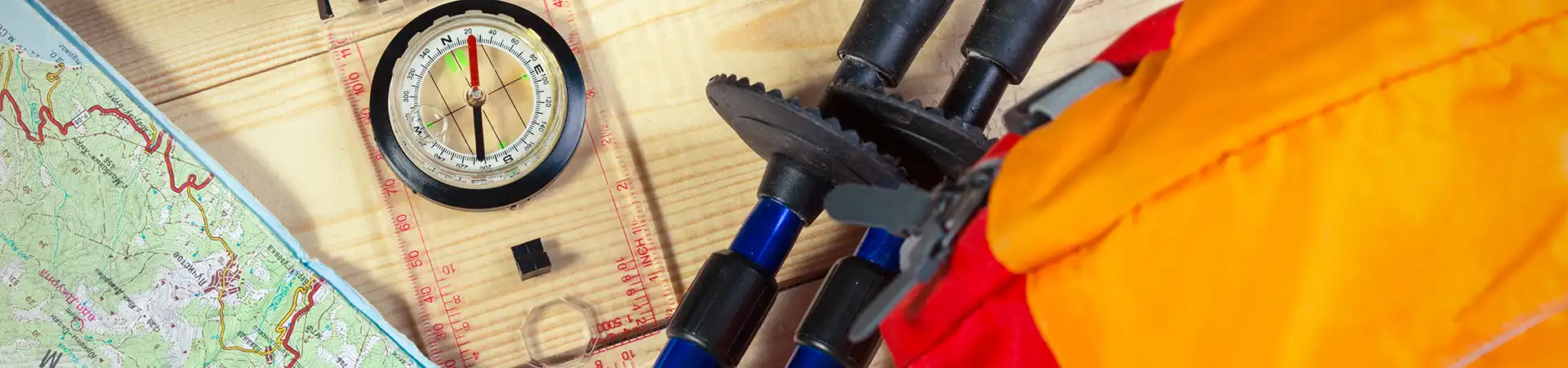
Trekking poles help on steep climbs and long descents. They reduce knee strain and improve balance on stone steps, loose gravel, mud, and snow patches. Adjustable poles work best because you can shorten or lengthen them as the trail changes.
Sunglasses
Good sunglasses are essential, not optional. High UV, bright trails, and snow glare can hurt your eyes quickly. Choose lenses with strong UV protection and a wrap style if possible. UK travel advice for Nepal also tells trekkers to bring sunglasses for mountain travel.
Headlamp
A headlamp helps during:
- early starts
- late arrivals
- power cuts
- lodge toilets at night
- repacking before sunrise
Bring spare batteries or a reliable charging method.
Water bottles or hydration system
Hydration plays a major role in trekking comfort and altitude management. Nepal Tourism Board advises trekkers to drink plenty of clean water. Carry enough capacity for a full walking day. Many trekkers do well with 2 liters total capacity.
Choose:
- 2 hard bottles
- or a hydration bladder plus backup bottle
Hard bottles work better in freezing conditions because bladders can freeze more easily.
Water purification
Water treatment belongs on every Nepal trekking gear list. Do not rely only on buying bottled water on the trail. It costs more, creates plastic waste, and may not always be practical. Nepal Tourism Board advises trekkers and travelers to use clean drinking water. CDC’s Nepal packing list also includes water purification tablets.
Carry one of these:
- purification tablets
- filter bottle
- squeeze filter
- UV purifier if you already trust it
Many trekkers combine boiled water from teahouses with a backup treatment method.
Personal Toiletries and Hygiene Items
Nepal trekking hygiene should stay simple and efficient.
Pack:
- toothbrush and toothpaste
- small soap or biodegradable soap
- quick-dry towel
- toilet paper
- hand sanitizer
- wet wipes used sparingly
- lip balm
- sunscreen
- moisturizer
- nail clipper
- small comb
- menstrual products if needed
Hand hygiene matters on the trail. CDC advises travelers to wash hands often and use sanitizer when needed.
Toiletries you should not forget
Sunscreen
Sun exposure stays strong in Nepal, especially at altitude. Apply sunscreen daily to face, neck, and hands. Reapply during long sunny days. CDC advises sunscreen with at least SPF 15, but many trekkers prefer higher SPF in the Himalayas.
Lip balm
Dry cold air, wind, and sun crack lips quickly. A small SPF lip balm helps more than you might expect.
Toilet paper and small waste bag
Carry your own toilet paper in your daypack. Keep a small waste bag or zip pouch for proper disposal when needed.
Personal First-Aid and Health Kit
Nepal Tourism Board recommends carrying a handy first-aid kit, and its health guide lists pain relief, antihistamine, rehydration mix, antiseptic care, and stomach support among useful medical items for travelers. CDC’s Nepal packing list also recommends bandages, blister care, oral rehydration salts, and other first-aid basics.
A practical personal kit includes:
- personal prescription medicine
- pain relief tablets
- blister pads or tape
- bandages
- antiseptic cream or wipes
- oral rehydration salts
- diarrhea medicine
- antihistamine
- cough drops
- cold medicine
- electrolyte tablets
- small roll of tape
- any altitude medicine prescribed by your doctor
Keep all essential medicines in your daypack, not only in the porter bag.
Documents and Money
Do not overlook the small but critical items.
Carry:
- passport
- passport copy
- travel insurance copy
- permit copies if given to you
- emergency contact details
- a few passport photos
- cash in small notes
- bank card kept safely
- booking confirmation or operator contact details
CDC’s packing list for Nepal also advises carrying health insurance documents and copies of prescriptions.
Electronics for Nepal Trekking
You do not need many electronics on the trail, but a few items help a lot.
Pack:
- phone
- charger
- power bank
- universal adapter
- camera if you use one
- spare batteries if needed
- charging cables
- headlamp charger or batteries
Power can cost extra in teahouses at higher elevations. Cold also drains batteries faster. Keep electronics warm at night by storing them inside the sleeping bag or near your body.
Optional but Useful Items
Some items are not essential, but many trekkers appreciate them.
Useful extras include:
- earplugs
- eye mask
- light notebook
- zip bags
- laundry soap sheet
- small sewing kit
- book or e-reader
- snacks from home
- compression sack
- lightweight sit pad
Seasonal Additions
Spring and autumn
Spring and autumn are the main trekking seasons. Most trekkers can follow the standard list above with a warm sleeping bag, down jacket, shell, gloves, and sun protection.
Winter
Add more warmth for winter treks.
Bring:
- warmer insulated jacket
- heavier gloves
- warmer base layers
- warmer sleeping bag
- gaiters
- stronger shell setup
- traction gear when needed
Monsoon
Monsoon trekking needs extra rain planning.
Bring:
- better waterproof jacket
- rain pants
- backpack cover
- fast-drying clothing
- more socks
- sandals with grip
- insect repellent for lower and warmer areas
CDC advises protective items such as bug spray for outdoor travel, and Nepal’s health guidance also warns travelers in warmer zones to use mosquito protection.
What Not to Pack
Many trekkers bring too much. Heavy bags make every climb harder. Leave these items behind unless your route clearly needs them:
- extra casual outfits
- jeans
- multiple heavy sweaters
- too many toiletries
- large bottles
- hard suitcases
- unnecessary electronics
- dress shoes
- bulky towels
- full makeup kits
- several books
A Nepal trek rewards simple, functional packing.
Final Tips Before You Pack
- Test your boots before the trek.
- Wear your daypack on practice walks.
- Check every zipper, strap, and rain cover.
- Keep important items in your carry-on during flights.
- Do not put medicine, documents, or warm essentials in checked luggage only.
- Pack for the worst weather you may reasonably face, not only the forecast in Kathmandu.
- Aim for gear that works across many days, not gear that looks good for one photo.
A strong Nepal trekking gear list should keep you warm, dry, mobile, and organized. Pack light, but do not pack carelessly. A smart kit supports better walking, better recovery, and a much better trek.
Nepal Trekking Gear List FAQs
What gear do I need for trekking in Nepal?
You need layered clothing, trekking boots, a daypack, a warm jacket, a waterproof shell, trekking pants, a sleeping bag, water bottles, sun protection, and a personal first-aid kit. The final list depends on the route, season, and altitude.
Do I need a sleeping bag for the Nepal trek?
Yes, a sleeping bag is strongly recommended for most Nepal treks. Teahouses often provide blankets, but warmth and cleanliness can vary. A sleeping bag gives better comfort and helps on cold nights at higher elevations.
Can I rent trekking gear in Nepal?
Yes, you can rent many trekking items in Kathmandu and Pokhara. Common rental items include sleeping bags, down jackets, trekking poles, and duffel bags. Boots are better if you bring your own because fit matters a lot.
What kind of boots are best for trekking in Nepal?
Mid-ankle or high-ankle trekking boots with good grip and strong support work best. Your boots should already feel broken in by the time the trek starts. New boots often cause blisters and foot pain.
How many clothes should I pack for a Nepal trek?
Pack light and focus on layers. For most teahouse treks, two trekking shirts, two trekking pants, one fleece, one insulated jacket, one shell jacket, a few socks, and quick-dry underwear are enough.
Is a down jacket necessary for trekking in Nepal?
Yes, for most mid- and high-altitude treks, a down or insulated jacket is very useful. Mornings, evenings, and higher villages can feel cold even in peak trekking seasons.
Do I need trekking poles in Nepal?
Trekking poles are not mandatory, but they are very helpful. They improve balance, reduce strain on knees, and support you on steep climbs and descents.
How much water should I carry on a Nepal trek?
Most trekkers carry around 2 liters of water during the day. You should also carry a water purification method, such as tablets, a filter, or a purifier bottle.
What should I not pack for trekking in Nepal?
Avoid jeans, extra casual outfits, bulky sweaters, hard suitcases, too many toiletries, and unnecessary electronics. Heavy bags make trekking harder.
What is the most important item on a Nepal trekking gear list?
Good trekking boots are one of the most important items. After that, warm layers, a waterproof jacket, and a proper daypack make the biggest difference.
Do not hesitage to give us a call. We are an expert team and we are happy to talk to you.
info@hikinginnepal.com- Local Experience
- Financial Protection
- Effortless Travel
- Intimate Group Size
- Bespoken Itinerary