
Included Meals
- Breakfast: 0
- Lunch: 0
- Dinner: 0

Unbeatable Holiday Offers – Save Up to 20% on Your Next Adventure!
The Everest Three Passes Trek is one of the most physically challenging and rewarding treks in the Everest region. This luxury trek passes through Kongma La Pass, Cho La Pass, and Renjo La Pass, each standing above 5,000 meters.
Along the route, trekkers visit the iconic Everest Base Camp, admire the stunning Gokyo Lakes, and hike to the Kala Patthar summit for panoramic views of Mount Everest and surrounding peaks. This organized trek combines high-altitude adventure with rich cultural experiences and luxurious comfort.
The trek passes through numerous Sherpa villages, where travelers can observe traditional stone houses, prayer flags, and mani walls. Visiting centuries-old monasteries offers insight into the region’s spiritual life. The trails lead above the tree line into open alpine landscapes, giving trekkers both cultural and natural experiences at every step.
The main highlight of this trek is crossing the three high passes: Kongma La, Cho La, and Renjo La. Each pass challenges trekkers with high-altitude terrain, glaciers, and rocky paths.
Expert guides provide support and ensure safe navigation, while scheduled acclimatization days help trekkers adjust to the elevation. Crossing these passes provides unmatched panoramic views and a profound sense of achievement.
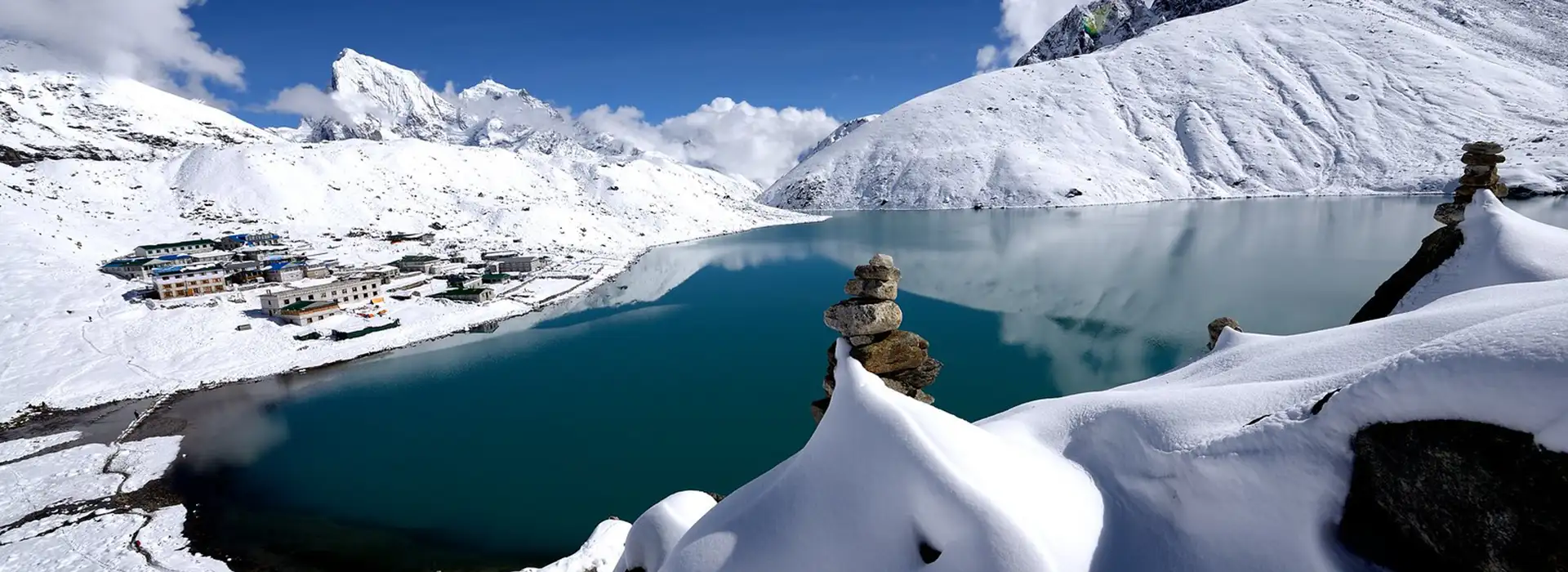
From the Kala Patthar summit, trekkers can enjoy breathtaking views of Everest, Lhotse, Nuptse, and Ama Dablam. The Gokyo Lakes add a serene contrast, with their turquoise waters reflecting the surrounding mountains. These lakes are among the highest freshwater lakes in the world and hold spiritual significance for locals, enriching the cultural richness of the trek.
This luxury trek is designed for comfort and safety. Travelers stay in carefully selected lodges, follow a well-planned itinerary with acclimatization hikes, and receive guidance from experienced local guides. Every aspect of the trek, from meals to route planning, ensures a challenging but safe and unforgettable Himalayan adventure.
The Everest Three Passes Trek is perfect for trekkers seeking high-altitude adventure, cultural immersion, and spectacular mountain scenery. Crossing three high passes, visiting Sherpa villages, exploring monasteries, and standing atop Kala Patthar make this trek one of the most memorable experiences in Nepal’s Everest region.

Included Meals

Trip staff
Guide
Porter

Transport
Flight
Hiking

Accommodation
Teahouse

Trip Grade
Group Size
Our trek officially starts with a flight to Lukla. The 35-minute flight from Kathmandu will give you beautiful aerial views of the giant mountain ranges.
Lukla airport is considered one of the most dangerous airstrips in the world. The rest of your team members will be waiting for you there. Lukla has a few lodges where you can have a quick hot drink. After briefing everything, you will begin trekking to Phakding.
You will trek across the Dudh Koshi Valley and through pine forests and villages. After hiking for about 3 to 4 hours, you will reach Phakding. The trek is not too challenging, with a gentle trail. Phakding is a small village. It is your stop for the day.
Difficulty
After breakfast, we begin the hike again. We continue through Dudh Koshi Valley and cross several suspension bridges lined with prayer flags. We will cross the iconic Hillary Bridge today. As we enter Sagarmatha National Park, we hike through pine and rhododendron forests and check in at the Monjo permit point. From there, the trail climbs steeply. Along the way, we get our first view of Mount Everest just peeking over the ridge. After a final push uphill, we reach Namche Bazaar (3,440m).
Namche is the main trading center in the region, with shops, bakeries, and gear stores. It is the crossroads for most of the Everest trails. Namche offers museums and. insight into the Sherpa culture. We check into our lodge and have time to walk around Namche in the evening.
Difficulty
Today is an acclimatization day. Resting doesn’t mean sitting idle. We will hike to a nearby destination at a higher altitude. Some famous destinations include Everest View Hotel, Syangboche Airport, and nearby villages.
These places offer great views of Ama Dablam, Lhotse, Everest, and other peaks. You can visit the nearby Sherpa Culture Museum and Khumjung village, visit the famous monastery, and see the “yeti scalp.” This side trip gives us insight into Sherpa culture and helps our bodies adjust to the altitude. By afternoon, we return to Namche Bazaar.
The rest of the day, you can rest at the lodge or wander the town’s shops. We maintain good hydration and nutrition to aid acclimatization.
Difficulty
After a day of acclimatization, today, we resume our trek. We trek on a high trail, and after two hours, we descend to Phunki Thenga. Phunki Thenga is a small riverside settlement. We will cross a bridge over Imja Khola and begin the steep ascent to Tengboche. The climb is challenging on the legs, so be careful. You can catch glimpses of Himalayan Thar and musk deer. By early afternoon, we will reach Tengboche.
Tengboche is a village in the Khumbu region famous for its monastery. You can see the famous Tengboche Monastery here. You also get 360° views of Everest, Nuptse, Lhotse, Ama Dablam, and Thamserku. Tengboche offers excellent views of the mountains and cultural significance.
Accommodation: Local Guest House in Tengboche
Difficulty
You will start your trek through a forest in Debuche. After crossing Imja Khola, you will begin crossing the tree line. After trekking for a few hours, you will reach Upper Pangboche (3,900m). The tree line starts thinning out from here, and you may see some alpine landscapes. You gently climb up a wide valley and arrive at Dingboche by afternoon.
Dingboche (4,340m) offers a view of Lhotse and the north face of Ama Dablam. The altitude is high, so take every step with caution and rest the day. Peak 38 (7,590m), Island Peak, Mount Chiumo (6,890m), and Ama Lapcha from here.
Difficulty
Dingboche is our next acclimatization stop. You need to adjust to the significant increase in altitude and decrease in oxygen level. You will hike up to Nangkartshang Hill (around 4,800m to 5,000m).
This 3 to 4-hour round trip will take you to the top of the hill from which you view Makalu, Ama Dablam, Island Peak, and the vast Imja Valley. You will return to Dingboche for lunch and rest the day. Let your body recover and prepare for the days ahead.
Difficulty
Today, the trek resumes again. It is the shortest trekking day of our trip. You will trek further up the Imja Valley towards Chukkung. You will climb the rising trail along the glacial moraine and alpine landscape. The hike is about 3 hours long and relatively easy. You cross Birbire, a temporary settlement with yak stables.
Chukkung is the final village before Island Peak, the base for Kongma La. Your guide will brief you on the Kongma La pass and rest for the night. Chukkung offers magnificent views of Lhotse, Baruntse, Ama Dablam, and others.
Difficulty
Today is one of the trek’s most challenging but most rewarding days. We start early from Chhukung. We trek with packed lunches as the teahouses are on the way. The trail climbs steeply over grassy hills and rocky paths.
After several hours, we reach the top of Kongma La Pass at 5,535 meters. Prayer flags mark the summit. Take a moment to rest and enjoy the view. The descent is steep and slow, with some snow or ice depending on the weather. Trekking poles help.
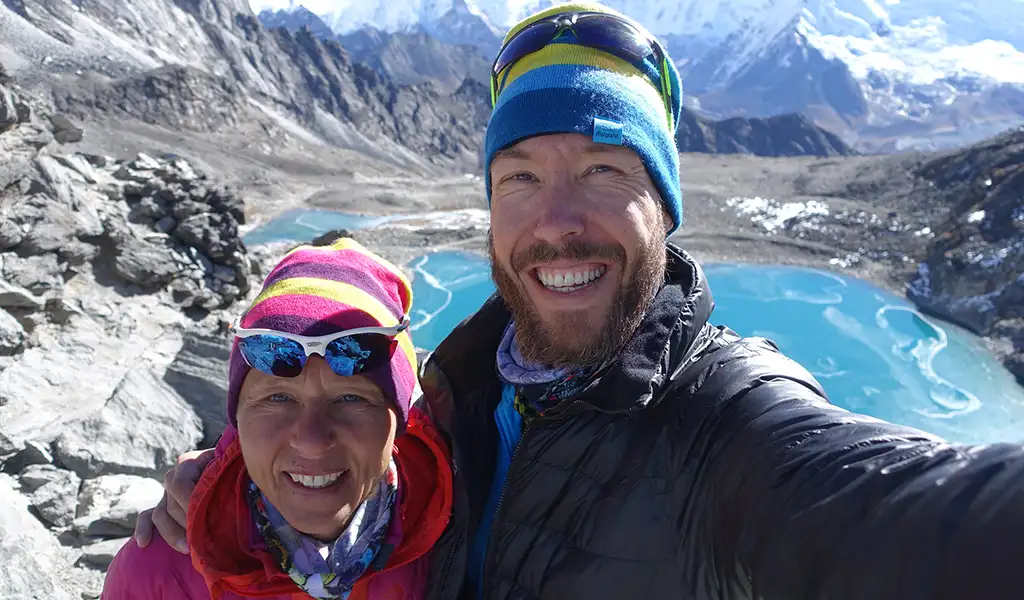
We reach the Khumbu Glacier and join the main trail from Dingboche. From here, we hike towards Lobuche at 4940 meters. We arrive 7 to 9 hours on the trail. Rest well to relax the body from the long, tiring day.
Elevation: Chhukung – 4,730m, Kongma La – 5,535m, Lobuche – 4,940m
Trek Duration: 7 to 9 hours
Meals: Breakfast, Lunch, and Dinner
Accommodation: Local Guest House in Lobuche
Difficulty
Today, we will trek from Lobuiche, reach Gorakshep, rest the bags there, visit the Everest Base Camp, and return. It is a long trekking day with challenging trails and high altitude.
The trail passes through the Khumbu Glacier moraine with a gradual ascent. After hiking for about 2 to 3 hours on the rugged and barren land, you will reach Gorakshep (5,170m). Gorakshep is the last village on the trail. It also used to be the previous base camp during the 1953 expedition. Rest your bags here and start towards the Everest Base Camp (5,364m).
After about 2 hours from Gorakshep, you will reach Everest Base Camp. You will enjoy your time there, celebrate your win, and return. Today, you trek for 7 to 8 hours, tiring your body. Rest well for tomorrow.
Difficulty
We wake early to climb the famous Kala Patthar, a rocky hill at 5,545m. We start the hike pre-dawn, slowly in the cold, for about 1.5 to 2 hours. The viewpoint offers sunrise views of Nuptse, Pumori, Everest, and other peaks. Take photos, enjoy the view, and return to Gorak Shep for breakfast.
After breakfast, our hike will resume on a different route towards Dzongla. The trail mostly descends along the moraine, with a few short climbs. After about three hours, we reach Dzongla (4,830m), a small, quiet place with just a few lodges. Today, you trek for a total of about 5 hours. You can see the Chola Pass from here. Rest your body and eat well.
Difficulty
Today, we cross Cho La Pass, the second of our three big passes. The trail from Dzongla starts with a gradual climb through a valley, then gets steeper as we approach the top. At 5,420 meters, prayer flags and a small glacier mark the Cho La pass. We take a short break to enjoy it, then begin the descent.
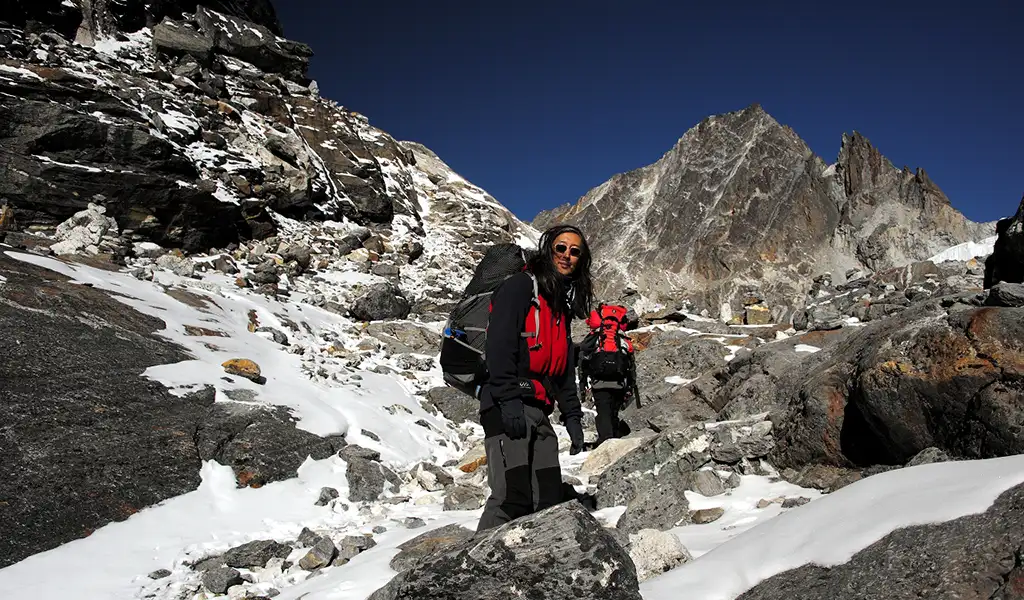
The descent starts steep and rocky and gets easier along the way. By midday, we reach Thangnak, a small village near the edge of the Ngozumpa Glacier. After a challenging day of 6 to 7 hours, we relax and rest. You have crossed three passes today. The lodge is simple, but the hot meal is very satisfying.
Difficulty
Today’s trek is shorter and more relaxing after the recent tough days. We leave Thangnak in the morning and cross the rocky surface of the Ngozumpa Glacier, the longest in Nepal.
The trail is uneven, with occasional creaks of ice beneath us. After carefully hiking over glacial debris, we climb a small ridge and suddenly see the turquoise Gokyo Lakes.
After about three hours, we reach Gokyo Village by the third lake, Dudh Pokhari. The village sits at 4,790 meters beside the lake, surrounded by towering peaks like Cho Oyu.
Many trekkers call Gokyo the most memorable part of the trip. We spend the night in a cozy dining hall, likely sharing stories with others.
Difficulty
Today is the final acclimatization day. We will climb the Gokyo Ri (5,360m) in the morning for altitude adjustment. This steep hill is north of the village and offers a 360° view of Everest, Lhotse, Makalu, and Cho Oyu. You can also see the Gokyo Lakes and Ngozumpa Glacier from the tip. The two-way trip is almost 3 hours. You return to your lodge for lunch and rest the day. The rest of the day is free for whatever you want to do. You can explore the nearby Gokyo Lakes or visit the village.
Difficulty
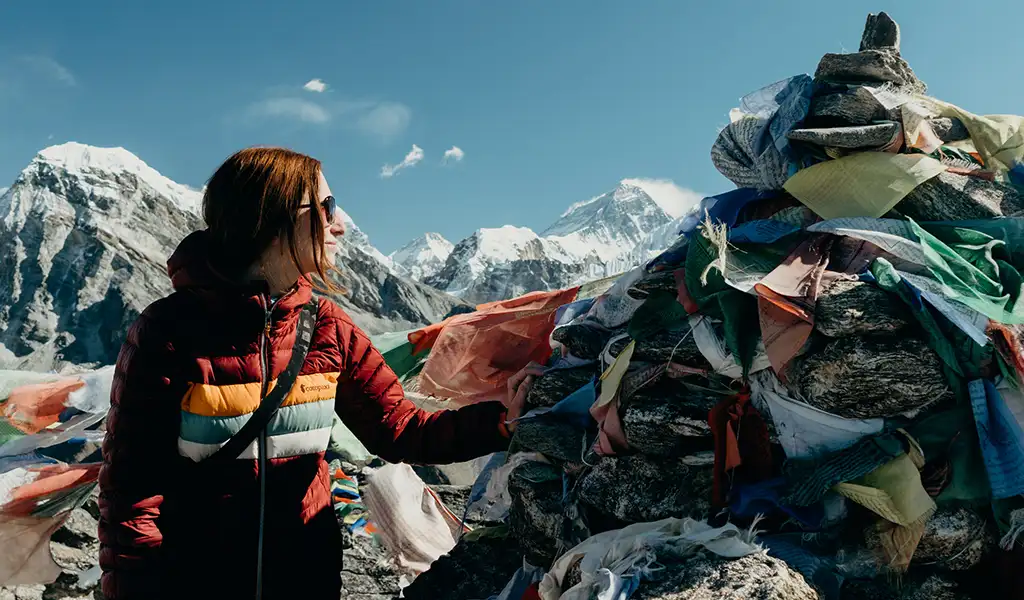
Today, we hiked to the final pass of the trip, Renjo La Pass. The climb is steady, with zigzags up a barren slope. The trail is more challenging near the summit, with stone steps and switchbacks. After the final push, you will reach the Renjo La Pass at 5,360m. Prayer flags mark the summit. You get views of Gokyo Lakes beneath you and Everest, Lhotse, Cholatse, and other peaks in front of you.
From Renjo La Pass, we descend into the Bhote Koshi Valley. The trial is steep, so be careful. After a couple of hours, you reach Lungfden(4,350m), a quiet place with basic facilities. If time allows, you might trek further to Thame; otherwise, this is your stop for the day.
Difficulty
We continue the hike following the Bhote Koshi Valley through small settlements. You will pass Marlung and Thame. Thame is a pretty village famous for its monasteries. From Thame, the path rejoins the main trail of EBC.
You will continue descending and, by late afternoon, reach Namche Bazaar. You can have various facilities here, unlike the high villages. You trek for about 7 hours today; rest early. You may celebrate with your crew and enjoy the evening. Rest your body to energize.
Difficulty
After breakfast in Namche, we begin our final trek day with a long, steep descent to the valley. We cross high-suspension bridges and pass familiar villages like Monjo and Phakding along the Dudh Koshi River. The path feels greener and more alive after days in the high mountains. We will reach Lukla by late afternoon after a final short climb. We enter a comfortable lodge and enjoy a farewell dinner with our team.
Difficulty
In the morning, we fly from Lukla to Kathmandu. The short flight offers final views of snowy peaks above if the weather is clear. We land in Kathmandu after about 35 minutes and transfer to our hotel. You can rest or go shopping for souvenirs for the rest of the day. We gather for an optional farewell dinner in the evening to celebrate the trip. An extra buffer day is included in case of delays, giving peace of mind for your flight home.
Difficulty
Here are all the places you will stay overnight during the trip. It includes Kathmandu and high villages. It also provides meal options and facilities in each accommodation. Remember, the facilities start to get minimal as the altitude increases.
Kathmandu: You can choose any hotel to stay in Kathmandu. We have not included hotel accommodation in Kathmandu.
Teahouses along the trail: The family-run guesthouses offer cozy but straightforward shelter. You’ll get a twin-sharing room with two single beds, mattresses, pillows, and blankets. Rooms are usually bare, wooden, and somewhat insulated. Bathrooms are mostly shared. Nights get cold at high altitudes, so we provide a quality sleeping bag for extra warmth. In lower villages like Namche Bazaar or Lukla, we stay in the best lodges available, which may offer attached bathrooms, hot showers, or even electric blankets for an extra fee. Higher up, facilities become more basic because of the remote location. Some stops offer hot showers for a small fee. We always choose lodges known for cleanliness, good food, and a welcoming atmosphere.
Dining and Facilities: Every lodge has a communal dining room. Every trekker and guest will share the same big table. The dining room feels warm and welcoming, often decorated with prayer flags or Himalayan photos.
Our lodges serve a mix of Nepali, Sherpa, and simple Western dishes. You’ll find meals like dal bhat, noodles, fried rice, momo, pasta, and soups. We focus on good nutrition, which helps keep your energy and supports acclimatization.
If you have any dietary restrictions, inform us before the trek so we can arrange accordingly. Tea, coffee, hot lemon, and other drinks are available at every stop.
Camping: Camping is not necessary for this route. There are teahouses everywhere on this route. We may stay in camps only in extreme conditions, such as when lodges are closed. It will likely not happen. Even if it did, our guides and team members will set up a nice tent for the night with all possible facilities. We will cook the food and serve it while camping.
Electricity and Charging: Pay the lodge for your electronics and Wwifi. We recommend carrying high-capacity power banks so you won’t run out of battery while hiking. We do make sure everybody can charge their phones in the lodge.
Luxury Touches: We ensure you stay in the best accommodation available at each stop. In lower villages, that might mean a well-known lodge with excellent facilities. For example, we often use premium lodges with en-suite bathrooms, wifi, or a coffee bar in Namche Bazaar. In Lukla and Phakding, we chose places with beautiful views or peaceful gardens. Higher up, options are more basic, but we have strong local ties and always try to get the most comfortable rooms. While luxury is limited in remote areas, we focus on what matters most: clean bedding, plenty of blankets, a warm dining room, and kind hosts. Each evening, your guide checks your room and helps with anything you need, like charging devices or getting an extra blanket.
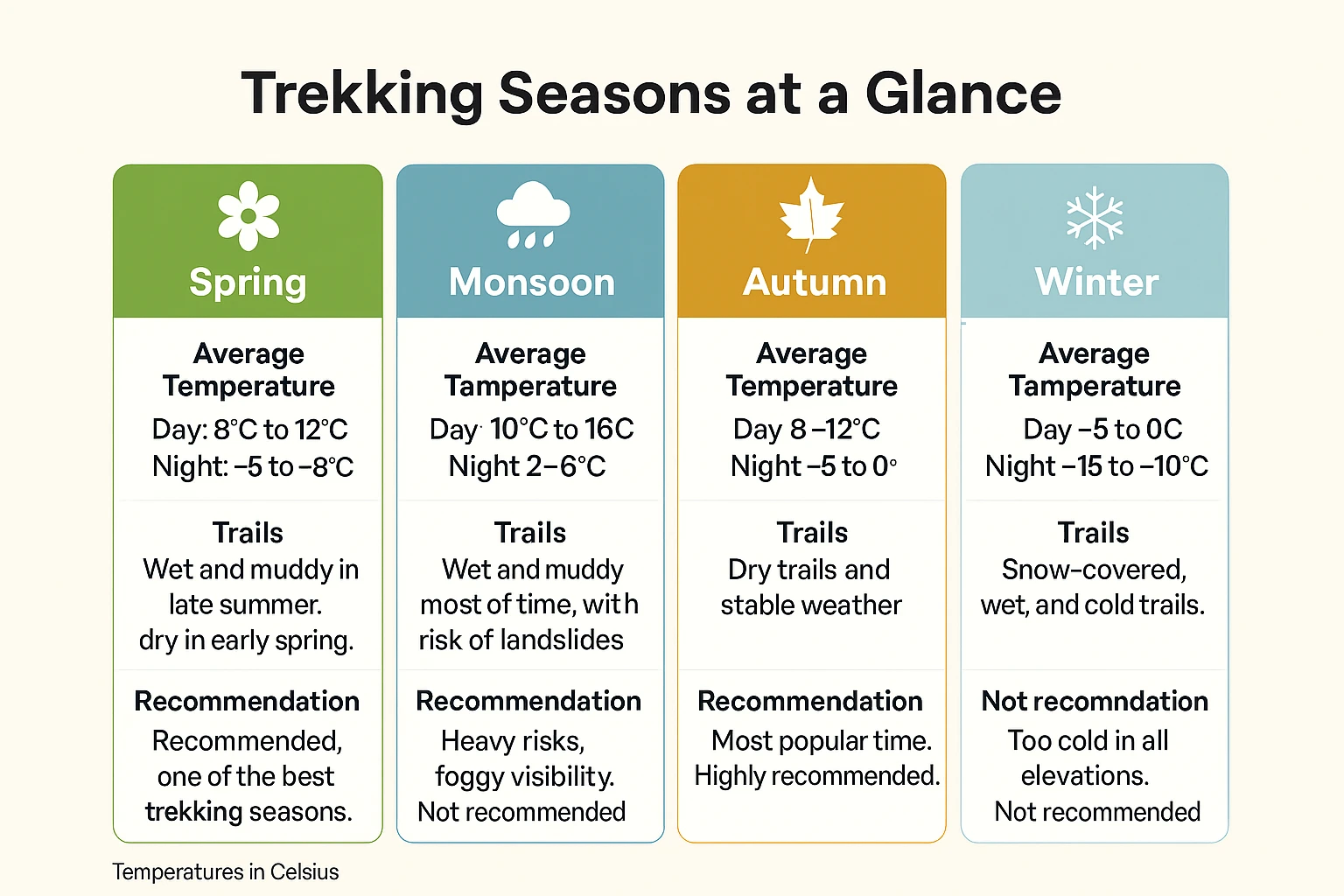
Experts consider Autumn the best trekking season. It is also the peak trekking season. Trekkers flock to the trails from late September to November. The air is crisp, and the views are clear. Spring is also well-liked by trekkers. March to May also has clear views and mild temperatures. There are chances of rain in late May, so be careful.
The experts and trekkers do not quite like the monsoon. There are a few trekkers during this time, but it is still not recommended. Rivers flood the trails, and the air is humid. There are also leeches everywhere, making the trail even harder. Landslides are also common; thus, every part of the trail is dangerous.
Winter is freezing. Even days are below zero. Lodges on higher altitudes are closed for the season. Snow covers the trails, and you need additional gear for the trek. Experienced trekkers can take on this trek during winter. Otherwise, we don’t recommend it to anyone.
We consider the Everest Three Passes Trek to be challenging. It is more demanding than the Everest Base Camp trek. It passes through three challenging passes and is longer than the EBC trek. The Everest Three Passes Trek is difficult but doable with correct fitness.
Trekking conditions: You will be trekking for about 6 hours daily for about 16 days. It is not only physically challenging but also mentally challenging. You must prepare for the challenge that follows you everywhere with this trek. The trails are steep, and you must trek through the glacier moraine. The rocky paths and barren lands make the hiking conditions challenging. Your challenge is not only the trail but also the altitude. The three passes are all over 5000m. You will be over 4000m for most of the trek. Even taking a small step in these high altitudes may leave you breathless. The chances of altitude sickness are high.
Fitness guideline: Aim for regular cardio a few times a week, such as hiking, jogging, cycling, or swimming for 30 to 60 minutes. If you can, go on practice hikes using the boots and backpack you plan to bring so your body gets used to the gear and uneven trails. Stair climbing or walking uphill is also great for preparing your body. Add simple strength exercises like squats, lunges, and planks. They help build your leg and core strength. Gradually increase the time and difficulty of your hikes to avoid injury. Try to build up to walking five to six hours a day. The key is to stay consistent. Regular moderate training will make the trek feel easier and more enjoyable.
Age and Health: We have trekkers aged 18 to 70+ on this trek. Age is not a barrier if you are fit enough for the trek. Do a medical check-up before the trek to know whether you can take on this challenge. Asthma patients can take their inhalers with them for an easier trek. Pack your medicines accordingly. We also recommend getting a flu shot before the trek.
Acclimatization is essential in this trek. You will be trekking above 5000m. This high altitude is harsh. You need strategies to tackle the altitude.
You need the correct gears to complete the gears. The weather is unpredictable. You should prepare yourself for any circumstance. Someday it might rain, someday it can be sunny, while some are freezing. Here are the detailed packing lists with the trekking gear you need for the Everest Three Passes Trek.
Additional stuff: Bring earplugs if you are a light sleeper. Trekking maps will help give you an overview of the places you will visit. You can carry small locks for extra protection.
Guides: Our guides are professional experts licensed by the Nepal Government. They are either local or have enough experience in the region. They speak Nepali, Sherpa, and English. Knowing the local language makes your experience more intimate.
They will identify landmarks and peaks for you along the way. They also have extensive knowledge of the local folklore and culture.
Guides can identify symptoms of AMS. They can detect the early symptoms and help avoid them. They will make sure you are safe before starting or continuing the trek.
They also provide technical support to the trekkers. Guides are essential for the trek. Your experience is affected positively by guides.
Porters: Porters are the backbone of any trek in Nepal. They carry your considerable weight and make your trek easier. Carrying the weight at any altitude is hard. Higher altitudes make even walking without any weight hard.
We ensure ethical working conditions for all of our team members. Porters are vulnerable to unethical working conditions. Some porters have to carry more than 30 kg. These are extremely harsh conditions and keep the porter’s health in line.
Our team is all treated fairly. We have a weight limit and tipping culture to ensure fair pay for our porters and work in good working conditions.
Guides and Porters make the trek easier. They act as a cultural bridge for trekkers. We make sure to take care of our staff. Many of our guides and porters have been with us for years, even decades. We arrange a whole female crew for a women-only trek. Our team makes sure your safety and experience are their top priority.
We preach freedom. However, we also preach respect. You must realize that while paying for the trek, you are still a guest in the area. You need to respect the local culture and practices. Here are some ways you can:
Acute Mountain Sickness (AMS) Prevention and Response: AMS is one of the most significant concerns for the trek. Altitude sickness can affect different people differently. There is no actual response to severe AMS except for descending. Symptoms include headache, nausea, fatigue, tiredness, loss of sleep and appetite, and dizziness. If the symptoms are mild, you can rest, acclimate, hydrate, and eat well. If the symptoms are severe, you will have a helicopter rescue. We have acclimatization days to avoid these severe conditions. But we cannot be sure you will or won’t get altitude sickness.
Weather and Route Safety: Weather in the mountains is not predictable. We will check the forecast every day to prepare for the next day. The weather can influence the trail condition. If anything affects the trial, we will schedule our trek accordingly. Our guides will fix a rope or use an ice axe to cut steps if needed on tricky sections. It is typically not required for the Everest Three Passes Trek.
Communication and Emergency Contact: Our guides will carry a local mobile phone. If anything happens, they will be in line with our Kathmandu office. We will proceed with the actions accordingly. Wifi is slow. You can carry a local SIM card to have a network connection and buy data.
Helicopter Evacuation: We will handle the logistics for helicopter evacuation. We will make sure this is not needed. But if you need a helicopter evacuation, we will manage it. Most insurers work with local helicopter companies and usually approve evacuations quickly. In places like Pheriche or Namche, helicopters often arrive within 30 to 60 minutes if the weather allows. In remote areas, we first move the person to the nearest flat or safe spot. It might involve walking with support, carrying a porter, or using a yak.
Every trekker must have travel insurance. We require travel insurance for client safety. Travel insurance helps people avoid financially straining themselves.
Having travel insurance is mandatory for all of our clients. We mandate this so you can trek freely and without worries. Buy a package that covers all of the points mentioned above. Choose the package carefully so you can avoid any surprises later.
Here are a few things you need to know about the Nepal tourist visa and currency,
Nepal Tourist Visa: It is not hard for most nationals to get a Nepal tourist visa. You can get one from the Nepal Embassy in your home country. Otherwise, a visa on arrival is also available. You can fill out the form online and pay the fees at the airport. You can also fill out the physical form at the airport. Carry some passport-sized photos for the visa. Show your valid passport with at least 6 months and a few blank pages left. Pay your visa fee according to the number of days you want to stay. You can visit the Nepal Government page to learn about the stay and costs.
Trekking Permits: You need a Khumbu Pasang Lhamu Rural Municipality Permit and a Sagarmatha National Park Entry Permit. You can get these at Kathmandu or the Monjo checkpoint. We will manage the permits for you. Make sure you have multiple passport-sized photos for these permits.
Nepal Currency – The Nepalese Rupee (NPR): You must carry cash on the trek. Exchange money in Kathmandu and take hard cash for any economic transactions. The trail villages don’t typically accept credit cards. ATMs are also not available above Namche. Even the one in Namche may not work. You need cash to pay for additional facilities, snacks, and to tip the porters. Take at least NPR 20,000 to 30,000 for expenses. Carry this cash separately in different places, giving you extra money, even if you lose some.
We offer some optional additions for clients. These additions will cost more but provide more comfort. Here are some add-ons we provide:
Additional stuff: We can arrange professional videos and photos for you. You can also rent gear if you don’t want to buy any. Finally, we can arrange a homestay or volunteer in villages like Khumjung or Thame.
Booking with us is easy. Here are the instructions if you want to book with us:
The Everest Three Passes trek is a thrilling adventure in the Everest region. We look forward to trekking with you. Feel free to reach out to us about any inquiries. We are happy to help. Have a memorable adventure.