

Included Meals
- Breakfast: 0
- Lunch: 0
- Dinner: 0

Unbeatable Holiday Offers – Save Up to 20% on Your Next Adventure!
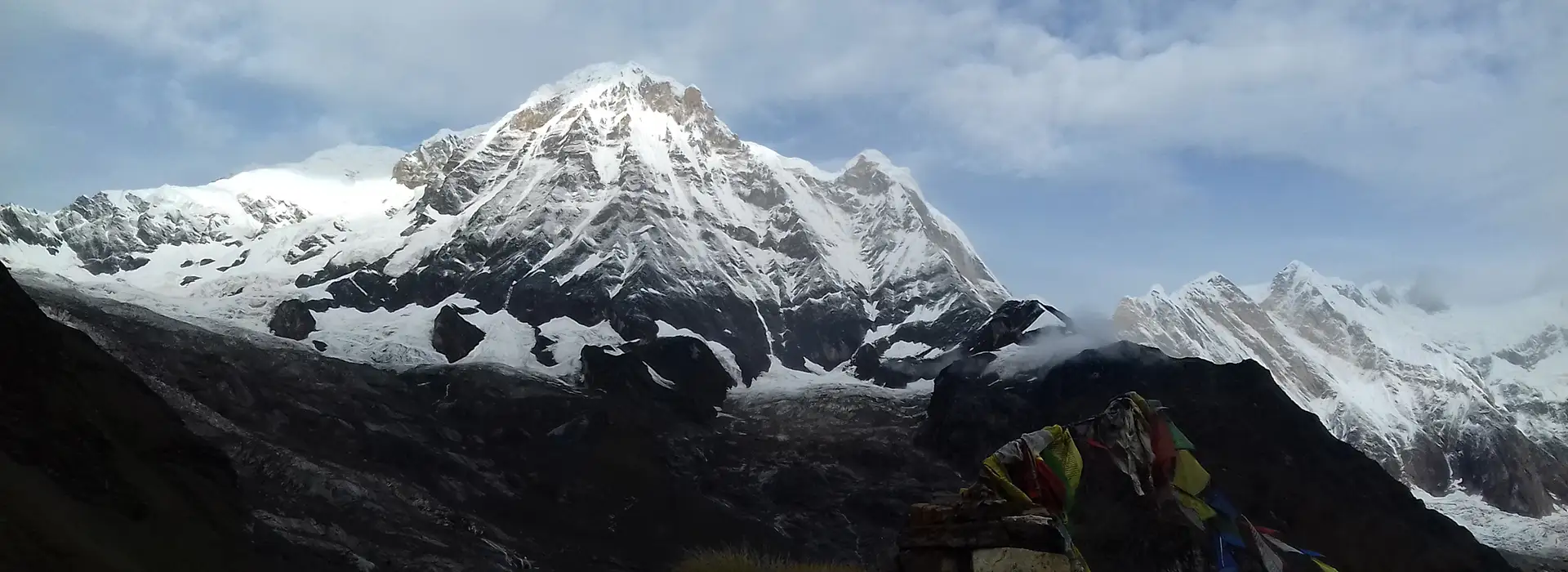
The Short Annapurna Trek offers a 7-day adventure through vibrant Gurung villages nestled in the Annapurna Sanctuary. You trek along peaceful rhododendron forests, cross glacial rivers, and pass terraced fields while enjoying incredible mountain views of Annapurna I, Machhapuchhre, Hiunchuli, and other peaks.
Along the trail, you notice colorful prayer flags decorating hilltop monasteries, blending natural beauty with cultural immersion. This trek is perfect for travelers seeking a short yet rewarding Himalayan adventure.
During the Short Annapurna Trek, you hike through some of the most iconic trekking routes in the world. The trail takes you to the Annapurna Base Camp, where panoramic views of towering peaks leave a lasting impression. You interact with locals in Gurung villages, learning about their traditions, lifestyles, and stories. The journey offers a balanced mix of serene nature, cultural encounters, and breathtaking mountain scenery, making it ideal for both beginners and seasoned trekkers.
The Short Annapurna Trek prioritizes comfort and safety for every trekker. You stay in high-quality lodges along the route, travel with experienced guides, and have porters to carry your main luggage. The trek follows ethical, responsible practices, ensuring minimal environmental impact while supporting local communities. With all logistics taken care of, you can focus entirely on enjoying the trek stress-free.
The Short Annapurna Trek welcomes trekkers of all experience levels. Moderate fitness and mental preparation are all you need. The trek’s manageable pace and well-planned itinerary allow you to experience the Himalayas’ beauty, culture, and adventure in just 7 days.

Included Meals

Trip staff

Transport

Accommodation

Trip Grade
Group Size
The day begins with a drive from Pokhara to Kimche. You will pass Nayapul and Syauli Bazaar along with rivers and terraced hills. After about a 3-hour-long drive, you will begin trekking from Kimche at 1,784m. The trek climbs through well-maintained stone trails for about 2 hours to Ghandruk. Ghandruk is a large and picturesque Gurung village in the Annapurna region. It is your stop for the day, where you can enjoy the views of Machhapuchhre, Annapurna South, and Hiunchuli. You can explore the village, the cultural Gurung museum, and the hilltop monastery.
Start and end altitude: 820 m to 1,940 m
Elevation gain: +1,120 m (drive + hike)
Distance and hours: ~4.5 km; 3 hours by vehicle, 2 hours trek
Accommodation: Teahouse in Ghandruk
Difficulty
The day starts with breakfast with a view of sunrise. Continue the trek by descending through terraced fields towards Kimrong Khola. You will climb a long set of stone steps to Chhomrong village and reach your destination for the day. Chhomrong is a beautiful village on the hillside, the gateway to the Annapurna Sanctuary. It offers gorgeous views of Machhapuchhre and Annapurna. Eat your lunch and relax in the teahouse for the day.
Start and end altitude: 1,940 m to 2,170 m
Elevation gain: +230 m (net), with significant descent and ascent
Distance and hours: ~6.5 km; 4–4.5 hours trek
Accommodation: Teahouse in Chhomrong
Difficulty
The trek is longer today as you enter the Annapurna Sanctuary. You will cross the Chhomrong Khola by a suspension bridge, then climb through the dense Bamboo and rhododendron forest to Sinuwa. As you continue through the shaded jungle, you will reach Bamboo, then Dovan, your lunch stop. Then the trail rises through Hile and follows the Modi Khola valley to Deurali.
The trees start thinning out, and dry cliffs, waterfalls, and ridgelines appear. You will stop at Deurali for the night.
Start and end altitude: 2,170 m to 3,170 m
Elevation gain: +1,000 m
Distance and hours: ~11 km; 6–7 hours trek
Accommodation: Teahouse in Deurali
Difficulty
The trek starts early above the tree line into alpine terrain. You follow the Modi Khola valet while ascending to the Machhapuchhre Base Camp at 3,700m. You reach Machhapuchhre Base Camp after 2 hours of hiking, then continue to the Annapurna Sanctuary. You will arrive at Annapurna Base Camp midday after a 2-hour hike from the MBC. The ABC is your highest point and acts as a natural amphitheater. Annapurna I, Annapurna South, Hiunchuli, and Gangapurna form a 360° wall of snowy mountains. You will stay in a teahouse at the Base Camp for the day.
Start and end altitude: 3,170 m to 4,130 m
Elevation gain: +960 m
Distance and hours: ~9 km; 4–5 hours trek
Accommodation: Teahouse at Annapurna Base Camp
Difficulty
You can wake up before dawn to enjoy the beautiful sunrise over the Annapurna range. After breakfast, continue the trek by descending the path to the Machhapuchhre Base Camp, Deurali, and the Himalaya. As you descend through the rhododendron and bamboo forest, you will notice the air getting warmer and thicker. You can stop for lunch in Dovan or Himalaya, then continue to Bamboo. Bamboo is a peaceful riverside village surrounded by dense farms. The downhill can be hard on your knees, so check your balance. Check into a lodge and rest overnight in Bamboo.
Start and end altitude: 4,130 m to 2,350 m
Elevation loss: –1,780 m
Distance and hours: ~14 km; 6–7 hours trek
Accommodation: Teahouse in Bamboo
Difficulty
Today, the trek begins with a steep ascent to Sinuwa, then a long descent to Chhomrong Khola. You will cross a suspension bridge, then climb the staircase back to Chhomrong. Rest in Chhomrong for a while before descending towards Jhinu Danda. You will arrive in the village early in the afternoon. You can take a 15-minute walk to the nearby natural hot spring to soak your body. The hot spring beside the Modi Khola helps relax sore muscles. Enjoy your final mountain dinner and rest in the teahouse.
Start and end altitude: 2,350 m to 1,780 m
Elevation gain/loss: Approx. +400 m / –970 m
Distance and hours: ~8 km; 4–5 hours trek
Accommodation: Teahouse in Jhinu Danda
Difficulty
Today is the final day of the trek. Enjoy the final mountain breakfast and the views before descending through the terraced fields and river forests. Follow the Modi Khola, cross several suspension bridges, and pass some quiet villages. You will reach Siwai or Ghandruk Phedi after about 4 hours of trekking. A vehicle will be waiting for you in Siwai to take you to Pokhara. Big goodbye and drive to Pokhara through scenic hills and farmlands. Check into your luxury hotel in Pokhara and relax your body. You have the evening for yourself.
Start and end altitude: 1,780 m to 820 m
Elevation loss: –960 m (trek + drive)
Distance and hours: ~6 km, 3–4 hours trek; ~3 hours drive
Accommodation: Kuti Resort & Spa or similar in Pokhara
Difficulty
You will be staying in teahouses while on the trail. These lodges are family-run and straightforward, providing a warm place to recover. Rooms have two single beds, a foam mattress, pillows, and a blanket. You won’t have an attached bathroom. Lower altitude villages like Ghandruk and Chhomrong may have western toilets, and higher altitude villages have squat toilets.
The nights can be too cold for the blankets to handle; we recommend sleeping bags. Ensure your sleeping bag is -15°C rated. You can also bring a sleeping liner for hygiene purposes and extra warmth.
Hot showers, WIFI, and charging electronics cost extra. Dining halls are communal, with trekkers gathering near them for dinners. The menu includes dal bhat, noodles, fried rice, pasta, and baked items like an apple pie. The packages include your breakfast, lunch, and dinner for the trek.. The teahouses are modest and a vital part of the trek. We pre-book available lodges to avoid any hassles.
You will stay in an elaborate hotel in Pokhara. You will enjoy modern comfort here. You can also enjoy a massage to soothe the body after the hike. You get air-conditioned rooms with attached bathrooms, hot showers, comfortable beds, and a strong WIFI connection. We can arrange extra days in Pokhara if you want.
Upgrades: We can arrange an upgraded lodge in lower altitude villages like Ghandruk and Chhomrong. You will enjoy private rooms with an attached bathroom, a hot shower, and WIFI. Let us know if you want to upgrade accommodation in any specific location.
While you can finish the Short Annapurna Base Camp trek year-round, some seasons offer better conditions.
Spring (March to May): Mild temperature, stable weather, and blooming flowers. The forest is lush and free, with good visibility of the mountains. March and early April are adorable. Late spring brings haze and occasional showers. Regardless, spring is a beautiful time to trek. Temperature is 10–20 °C during the day at mid-altitudes and 5–10 °C at the ABC with drops of up to -5-0°C.
Autumn (September to November): Autumn has dry weather and clear mountain views, making it the most popular trekking season. The temperature is 15–20 °C in lower areas during the day and 0–5 °C at Base Camp. Nights can drop below freezing. Nepali festivals like Dashain and Tihar also fall this season, making it culturally rich.
Winter (December to February): The weather is cold but doable. The days are sunny and the sky is clear. Temperature is 5–10 °C during the day at lower altitudes and 0°C or below at the base camp. Nights can go even lower than -10°C.
Monsoon (June to August): Monsoon/Summer brings heavy rain. The forest is lush, and the waterfalls are full. The trail is muddy, filled with leeches, and with landslide-prone hills. Mornings can be clear but quickly change to rainfall or cloudy days.
Shoulder Season (Late February and Early September): Shoulder Seasons are transitional months and can be ideal for trekking. Late February is similar to early spring, and September has clear days. The temperature is cool and the trails/teahouses are less busy.
For the best weather and views, we recommend October or April. For fewer crowds, trek during early March or late November.
The Short Annapurna Base Camp Trek is moderate. People in good health can easily finish this trek.
Trail Condition: The trek follows an established route through dirt paths, stone-paved steps, forest, and alpine trails. The long staircase to Chhomrong is especially hard on the knees. There are many suspension bridges and some intense sections. There might be snow or ice above Deurali, and the trail might be slippery. We will adjust the route in case of a blockage so you can easily trek.
Daily Walking Hours: You will walk about 6 hours daily, covering 10-15km, depending on the section. It is manageable in lower altitudes, but hiking in higher altitudes can be extremely difficult. The trek from 2,000m to 4,000m is difficult; take a short break and stay hydrated.
Altitude Consideration: The oxygen level is thin, about 60% of the sea level at Annapurna Base Camp. It causes heavy breathing, slow movement, or a mild headache. It is essential to acclimate and pace yourself to adjust to the quickly ascending trek. The altitude adds a layer of challenge.
Physical Fitness and Non-technical Climb: The trek is beginner-friendly and doesn’t require any technical climbing. You will hike daily for about 4 to 5 hours with a light daypack. Some sections can be challenging, but steady pacing and trekking poles help.
You don’t need any prior experience for the trek. Your guide will manage the route and adjust plans to make the trek enjoyable even for first-timers.
Here is everything you need to know about physical fitness:
Cardio and Endurance: Good Cardiovascular fitness builds your endurance. If you can walk up to 10km or climb 20 flights of stairs in one day, you can also finish the trek. The trek demands about 4 to 5 hours of hiking daily, so train your body with brisk walks, hikes, or cycling. You can swim and go jogging to improve stamina.
Strength and Flexibility: You need good legs and core strength to endure the uphill climb and long descents. Simple exercises like lunges, squats, and stair-climbing help. Stretch regularly and do yoga to improve flexibility, as it helps with recovery and reduces soreness.
Trekking Experience: You don’t need prior experience to finish this one. Be familiar with the itinerary, weather, and trail routine so you know what you are getting into. Since it requires physical effort, go on practice hikes or overnight trips before the trek with your gear to test them and build your confidence.
Mental Readiness: Trekking requires mental preparation as much as physical. There will be challenging moments where you’ll feel like giving up. Stay calm, pace yourself, and focus on your progress. Your guide and group will support you, so you know you are not alone. Having a positive mindset will help finish the trek more easily.
Age and Health Conditions: Anyone aged 25 to 65 can go on this trek. If you have prior medical conditions, it is best to consult with your doctor to check if you are fit for the trek. It is crucial for patients with heart, lung, or joint problems. With proper preparation, anyone can finish the trek comfortably.
Eating, hydrating, and stretching after hiking help reduce strain on the body. Trekking poles help relieve knee pain and balance the body in downhill sections. Let your guide know if you are experiencing any discomfort.
The weather is unpredictable in the mountains. It can shift from a clear morning to a hazy afternoon.
Regardless of the season, you should pack waterproof layers. Keep your gears in a plastic bag to protect them from moisture. The changing weather is a part of the adventure. Be prepared, stay flexible, and trust your guide. Correct gear and mindset take you a long way.
Built-in Acclimatization: Though the trek doesn’t include designated rest days, the itinerary progresses steadily to help your body adjust naturally. You will stop in Chhomrong at 2,170m from Ghandruk at 1,940m before climbing to Deurali at 3,170m. This steady elevation gain stimulates the body, adjusting it to the altitude. You won’t sleep at Machhapuchhre Base Camp at 3,700m; instead, you continue to Annapurna Base Camp at 4,130m for the night and descend immediately the next day. We follow the principle of climbing high and sleeping low. Our guides have expert knowledge of mountain altitude sickness and can recognize the early symptoms and adjust the plans if required.
Hydration and Diet: Hydration is the easiest way to acclimate. Your body loses moisture faster in high altitudes, so drink water often. You should eat enough carbs even if you don’t feel like it. The locals believe garlic soup helps with altitude sickness.
Sleep and Pace: The body adapts better with proper rest. The trek ends by mid-afternoon every day, so you have enough time to rest and recharge your body. You might experience sleeping problems, which are common in high altitudes. Make sure you can talk while walking; if you’re gasping, slow down.
Communication: Inform your guide if you feel any discomfort. Early signs of altitude sickness include loss of appetite/sleep, headaches, or fatigue. Managing these early symptoms helps prevent severe altitude loss, so communicate. We will check in with each trekker regularly to ensure everyone is okay.
Diamox (Acetazolamide): Most trekkers take Diamox for altitude sickness prevention. If you are taking it, start a day before reaching 3,000m. Take Diamox before the trek to see how your body reacts to it. Diamox has side effects like frequent urination, so take it with caution.
Getting a Nepal Tourist Visa is simple. Fill out the form, pay the visa fee, and receive your visa on arrival. The airport accepts most major currencies, including Nepalese rupees. For this short trek, a 15-day visa costing USD 30 is sufficient. Ensure your passport has at least six months’ validity and has a few blank pages left. It’s also smart to bring two passport-sized photos for the application.
Another option is to apply for a Nepal eVisa online before travelling from the official website of the Department of Immigration. Indian nationals don’t need a visa, and some SAARC countries’ nationals get a free visa for a short visit. Check with your local Nepal Embassy for any confusion.
You need two permits for the Short Annapurna Base Camp trek: Annapurna Conservation Area Permit (ACAP) and Trekkers’ Information Management System (TIMS) card. Bring two ID photos and a copy of your passport for these permits. We will handle all your licenses so you can trek in peace.
Nepal uses the local currency of Nepalese Rupees or NPR. There are plenty of ATMs and money exchange counters in Kathmandu and Pokhara, but none in the trekking trail. You must carry enough cash for the entire trek.
Withdraw or exchange rupees before the trek starts and bring small bills like NPR 50,100, or 500. The trail shops and lodges don’t accept foreign currency, so convert the cash in the city. We can recommend a trusted money exchange center.
The package covers most expenses, like accommodation and three daily meals, but you must pay for drinks, boiled or bottled water, and sacks. The lodge charges extra for hot showers, charging devices, and WIFI. You may want to buy souvenirs or local handicrafts, so budget that too. You must also tip your guide and porter, so carry enough cash.
Prices increase with altitude. A trekker spends around NPR 2,000-3,000 ($15-25) daily. Upscale hotels and shops in Kathmandu and Pokhara accept credit cards. Secure your money and split it between bags or pockets for extra security.
The Annapurna range has many Gurung and Magar villages, with most of our guides and porters from the local ethnic groups. Here are some ways to show respect for their culture:
Greetings: “Namaste” is a common greeting term. Press your palms together in a prayer hand and greet with a slight bow and a smile. It is a respectful and standard greeting. Local children love seeing trekkers do this.
Clothes and Behavior: Trekking clothes are fine, but avoid skin-revealing outfits while staying in a village. Take consent before clicking anybody’s picture, especially from monks and elders.
Monasteries and Shrines: Remove your shoes and hat when entering monasteries and cultural sites. Walk clockwise around stupas, mani walls, and prayer wheels. It is a Buddhist tradition to show respect.
Local Customs: If you encounter folk song or dance sessions in teahouses or on the trail, you can join in respectfully. Nepali people are known for their hospitality. You can ask questions about the local festivals, lifestyle, and food to learn more about the place. You can learn basic phrases like “Dhanyabad” for Thank you and “Ramro cha” for it’s good to show appreciation.
Trail Etiquette: Stand on the hillside when giving way to mules or yaks to avoid being pushed off balance. Carry your waste in a sealable bag and throw it in a waste collection centre. Avoid littering the environment. Avoid loud music and shouting to maintain a peaceful trail. Walk on established trails to avoid disturbing the local flora and fauna.
Interaction with Staff: Guides and porters are key members of the team. They enjoy sharing their experience in the villages and love hearing yours. You should treat them with kindness to make the trek more enjoyable. We recommend tipping them about 10% of your total trekking cost.
Your safety is our top priority. We have designed the itinerary with gradual acclimatization and safety.
Follow your guide: Your guides are well-versed in the local weather and terrain. They make every decision in the team’s best interest. Listen and follow their instructions for your safety.
Stay with the group: Don’t wander off alone and stay within the sight of your guide or a group member. If you get ahead or behind the group, pause and wait for them to reach you. Our guides do regular headcounts so no one gets lost.
Pace yourself and Hydrate: Ensure you can talk and not gasp while trekking. If you are gasping, slow down. Hike at a slow and comfortable pace so you don’t overexert yourself. Drinking plenty of liquid helps the body avoid altitude sickness. We provide boiled/treated water during meals.
Use your gears properly: Distribute the weight in your daypack evenly and use the waist strap to avoid back strain. Keep your jacket and headlamp within reach in case of sudden weather changes.
Trail Conditions: The trail takes you through stone steps, narrow ledges, and suspension bridges. Use your trekking poles to help with balance. Take every step with caution in slippery or foggy conditions. Don’t rush and risk through unstable and low-visibility terrain.
Wildlife and Environment: There might be leeches in a humid forest, especially in summer. Carry salt or leech oil to remove them. Don’t disturb the plants, rocks, or religious artifacts. Don’t leave any trace behind in the environment.
Travel Insurance and Medical Emergencies: All trekkers must have travel insurance covering high-altitude trekking up to 4,500m and helicopter evacuation. Our guides have training in basic medical response. We may have to operate an emergency helicopter rescue in case of severe injury or altitude sickness. Please provide us with your insurance details before the trek so we can talk directly to the insurer.
Communication: Ghandruk and Chhomrong have decent cell coverage. The higher altitude doesn’t have the ideal coverage. Our guide will carry a phone to maintain 24/7 support in Pokhara and coordinate emergency responses. We will provide emergency contact numbers before the trek to keep them secure.
Insurance Coverage: Your policy should include high-altitude trekking up to 4,500m and emergency helicopter evacuation. It should also cover medical treatment and hospitalization in Nepal. Furthermore, it should include trip cancellation/interruption and repatriation to your home country.
Here is how you can book our Short Annapurna Base Camp Trek with us:
Booking Process: You can contact us via email, phone, or website. Provide us with your ideal trekking date and group details, and we will get back to you as soon as possible. You will usually pay a deposit of 20% to secure the booking. You can pay the remaining amount after landing in Nepal.
After Booking: After booking, we will send all necessary information about the trek. We will also request documents like your passport scan and insurance proof to proceed with permits.
Cancellation and Change: We offer a full refund if you cancel the trek 30 days before the trek, and a partial refund if you cancel closer to the trekking date. You also have the option to reschedule the trek within a year. Though not common, you will get a full refund if we cancel the trek.
Package: The package includes the cost for your permits, meals, lodging, guides, porter, and transport. You must pay for your insurance, gear, snacks, and tips.
After the trek: We appreciate feedback. We will organize a farewell dinner. We hope you enjoyed the trek and will come back for more.