

Included Meals
- Breakfast: 0
- Lunch: 0
- Dinner: 0

Unbeatable Holiday Offers – Save Up to 20% on Your Next Adventure!
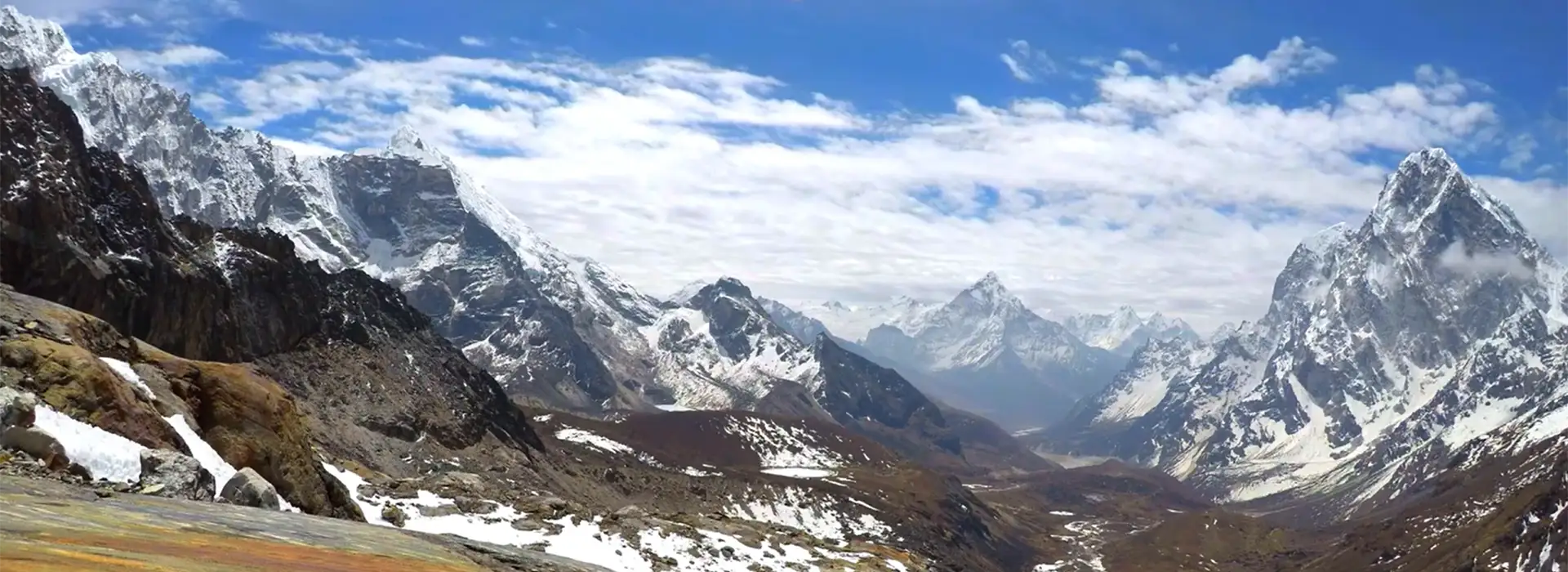
Lobuche Peak Climbing is one of the most popular high-altitude trekking and mountaineering experiences in the Everest region. This 19-day package combines trekking through Sherpa villages, panoramic Himalayan views, and the technical climb of Lobuche East Peak. Trekkers get a chance to experience high-altitude landscapes while developing mountaineering skills in a well-structured itinerary.
The trek begins in Lukla, the gateway to the Everest region, and moves through lush forests, rivers, and open Himalayan valleys. Along the way, trekkers will see Sherpa villages, traditional monasteries, and prayer flags fluttering in the wind. Lobuche East, the main summit, provides a challenging climb and rewarding views of Everest, Nuptse, Lhotse, and Ama Dablam.
A key highlight of Lobuche Peak Climbing is the journey through authentic Sherpa villages, including Namche Bazaar, Pangboche, and Dingboche. These villages offer a glimpse of high-altitude Himalayan life, where locals engage in farming, trade, and religious rituals.
Staying in teahouses along the route allows trekkers to enjoy freshly cooked local food and interact with Sherpa residents. Observing monasteries, mani walls, and prayer flags gives a deeper understanding of Tibetan Buddhist culture, which is an integral part of the Everest region.
Lobuche Peak Climbing is renowned for its breathtaking Himalayan vistas. From viewpoints like Everest Base Camp and Kala Patthar, trekkers can see Mount Everest, Lhotse, Nuptse, Ama Dablam, and other towering peaks. The surrounding glaciers, valleys, and high-altitude landscapes make every step visually stunning.
The climb itself, at 6,119 meters, challenges trekkers to navigate rocky terrain, ice fields, and high-altitude conditions. Reaching the summit of Lobuche East is a rewarding experience that offers a sense of accomplishment and unmatched photographic opportunities.
Lobuche Peak Climbing requires a moderate to high level of physical fitness. Trekkers should have previous experience in high-altitude trekking or basic mountaineering. Key preparations include:
This package is perfect for trekkers seeking Lobuche Peak Climbing combined with cultural and scenic experiences. It is recommended for experienced trekkers looking to attempt a Himalayan peak, mountaineers seeking summit practice at moderate altitudes, and adventure travelers who want Sherpa village culture and mountain views.
The combination of trekking, climbing, and cultural immersion makes Lobuche Peak Climbing a complete high-altitude adventure.

Included Meals

Trip staff

Transport

Accommodation

Trip Grade
Group Size
After arriving in Kathmandu, we will help you check into your hotel. We will organize a meeting in the afternoon to brief you about the Lobuche Peak Climbing.
Difficulty
Today, you are free to do anything you like. You can go sightseeing or do some last-minute shopping in Kathmandu. In the evening, meet your guide for a gear check. If you need any missing items, you can rent or purchase them in Kathmandu. Rest early for tomorrow.
Difficulty
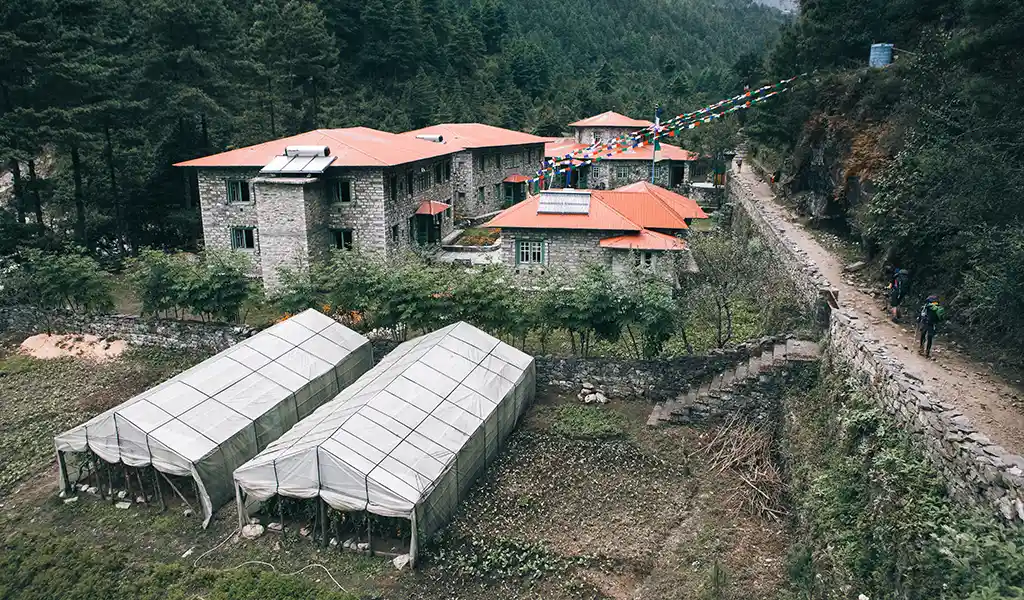
You will board the flight to Lukla early in the morning. The 30-minute ride offers you some of the best aerial views of the Himalayas on clear days. The rest of the trekking team is already waiting for you here. After finalizing the load distribution, you will set out for Phakding. Phakding is a nearby village about 3 to 4 hours away. Today marks the beginning of your trek. You will follow the Dudh Koshi valley, passing through pine forests and a Sherpa village. You will arrive at Phakding by mid-afternoon and stay the night.
 Difficulty
After breakfast, you will start walking north towards Namche Bazaar. Following the Dudh Koshi Valley, you will cross several suspension bridges like the Hillary Bridge. After reaching the village of Monjo, you will enter the Sagarmatha National Park, where you’ll have to show the permit to move forward. By early afternoon, you will reach the bustling Namche Bazaar. Check into your lodge and enjoy the day.
 Difficulty
You will stay an extra day in Namche to acclimate. We recommend hiking short distances to prepare your body further. You can hike to places like the Everest View Hotel for 2- 3 hours. Enjoy the views of Everest, Lhotse, Nuptse, Ama Dablam, and other peaks. Return to Namche and enjoy or rest for the day. Acclimatization is crucial for adjusting the body to rising altitude.
Difficulty
The trail is relatively flat for a while after Namche. You can see Himalayan tahr and danphe pheasants here. You will reach Kyangjuma, where the path descends to the Imja River at Phunki Tenga. Cross a bridge and walk uphill steadily. You will reach Tengboche by early afternoon. You can visit the famous monastery and delve into the spiritual town. Rest and prepare for tomorrow.
Difficulty
After breakfast, descend through a forest and pass Debuche. You will cross a suspension bridge over Imja Khola near Pangboche. The trail starts climbing up and passes the tree line. Ama Dablam, Lobuche, Taboche, and Lhotse start coming into view. You will reach Dingboche by afternoon, the gateway to Island Peak and Lobuche Peaks. You will stay in a modest and straightforward lodge for the night.
Difficulty
Today is another acclimatization day. The altitude is over 4,000 m and will only go up from here. You will hike to Nangkartshang Hill above Dingboche and return for lunch. The hike offers a great view of Makalu and the East and West views of Lobuche peaks. You can rest the rest of the day or go exploring the town. Rest early for tomorrow.
Difficulty
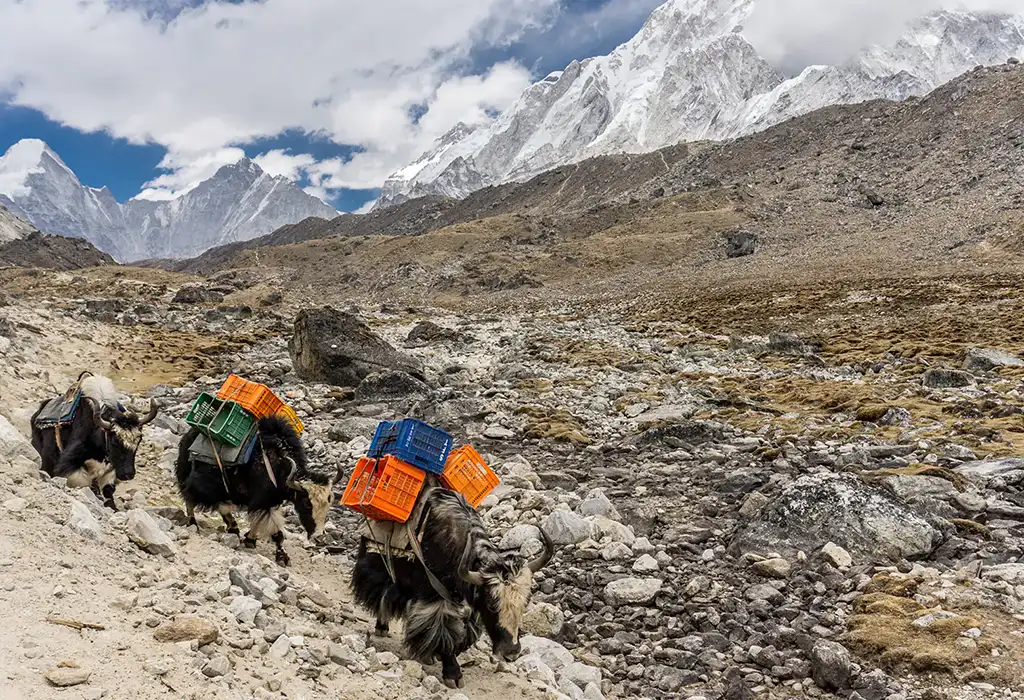
Today, you’ll go above 4,500m. The trail starts with a gradual ascent. You will walk with a view of the North Lobuche. After 2 hours, you’ll reach Dughla, your lunch spot. From there, you will climb up to Dughla Pass and pay respect to the memorials of the fallen climbers. Then, we continue through the lateral moraine of Khumbu Glacier. The trail starts evening out as we get closer to Lobuche. Lobuche is a small cluster of teahouses. Rest early and energize yourself for the big day tomorrow.
 Difficulty
Today is one of the highlights of the trek. Set out early from Lobuche and walk across the valley beside Khumbu Glacier. After about 3 hours of walking on rocky trails and glacier moraines, you will reach Gorakshep. You will rest your bag in a lodge, eat lunch, and then set out for the Everest Base Camp. The base camp is about 2 to 3 hours away from Gorakshep on a rocky path. You will walk over glacial debris, pass some ice ridges, and finally reach the Base Camp. Celebrate your win and return to Gorakshep for the night.
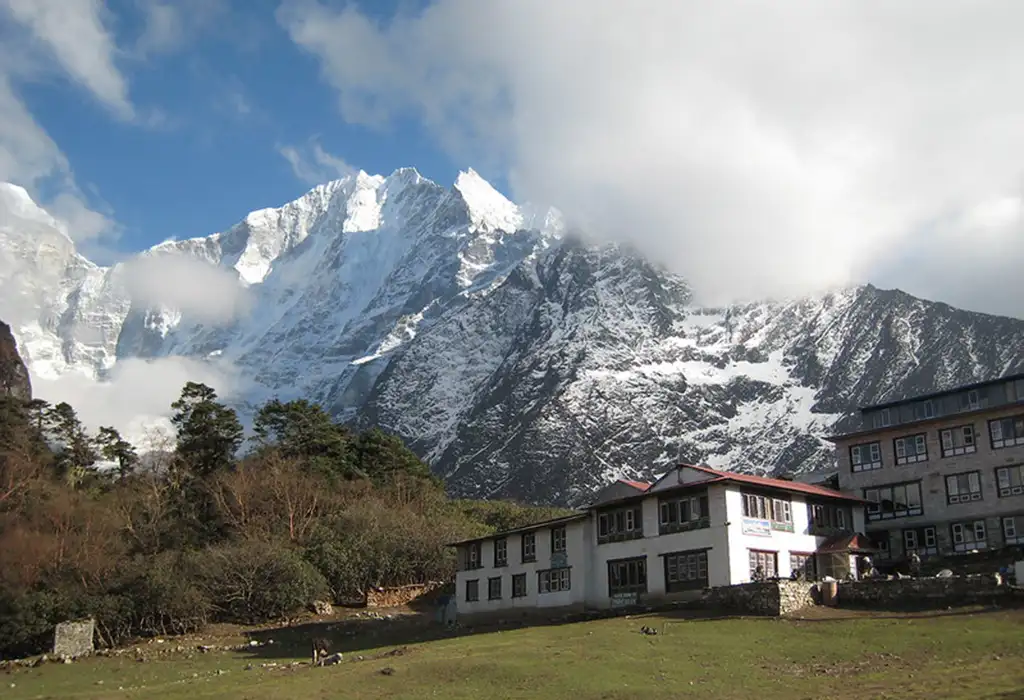 Difficulty
You trek early before dawn. You will be hiking for 2 hours up to Kala Patthar. Kala Patthar is a famous sunrise viewpoint. After reaching the top, you will see the beautiful sunrise hitting the world’s peaks. Everest, Ama Dablam, and other peaks are visible from here. Return to Gorakshep for breakfast and set out again. You will retrace your steps to Lobuche. The air gets thick, making it easier. You can stay in Lobuche or descend further depending on your physical health. Rest early and stay the night. Trek Duration: 5 to 6 hours
Difficulty
You will leave the main EBC trail and follow along the Lobuche East Peak’s base area. It’s a steep, short hike along a rocky moraine and rugged path. The High Camp is around 5,400m. You will walk with additional gear along the challenging path with thin air. After reaching the High camp, your guides will prepare the camp and meals. A pre-training will help you with the use of climbing equipment. You get familiar with walking in crampons, using an ice axe, ascending on single ropes with a junar, and descending using a rappel device. Organize your gear and rest for the risky day tomorrow.
Difficulty
You will wake up around midnight, have a light snack, and wear your climbing gear. You will set off at 2 to 3 AM. Your climb will begin with a screen and change to snow and ice as you climb higher. The steep 40-50-degree slopes are hazardous and are physically challenging. You will be tied to a fixed rope in these sections for safety. You will summit the peak by mid-morning. The view from the top is breathtaking. You can see Everest, Lhotse, Makalu, and Ama Dablam here. You can even see Cho Oyu and the Tibetan Plateau if you look hard enough. After celebrating, descend carefully. By late morning, you will be back at the camp. After resting and energizing for a few hours, you will descend from the camp. You will reach Pheriche or Lonbuche village on the same day to recover from the altitude. Total climbing was 8 to 10 hours today. Rest early.
Difficulty
Today is a well-earned rest day. If any delays occur, today can be a recovery day. If the summit was impossible before, today’s the day to catch up to the itinerary. If everything goes well, you can use today as a rest day. If you stayed at Lobuche the previous night, you can hike down to Pheriche for the night.
Difficulty
The main goals for this trek were EBC and Lobuche Peak. You will descend to a lower altitude through the previous route now. If your starting point is Lobuche, you will cross Dughla and join the main trail at Pheriche. If your starting point is Pheriche, you will walk through the villages for 4 to 5 hours. You will reach Pangboche by afternoon, depending on where you started the trek. The air is thicker here, and you will lose significant altitude. Enjoy the evening and rest your body.
Difficulty
From Pangboche, we will start hiking through lush rhododendron forests. You can stop at Tengboche to visit the monastery and have lunch. Your trek will continue through the descent to Dudh Koshu at Phunki Tenga. After crossing a bridge and a final climb to Kyangjuma, you will walk the even trail to Namche Bazaar. The town is bustling, and the market is lively. Enjoy the day.
Difficulty
Today is our final trekking day. We will have an early breakfast at Namche and begin the descent. We will walk through the rocky, steep trails. We will pass the Sagarmatha National Park at Monjo and continue through Jorsale and Phakding. The elevation drop will make the trail more lush. Hiking for about 6 to 7 hours will take you to Lukla. Check into a hotel, enjoy the celebratory dinner, and reflect on the trip.
Difficulty
If the weather allows, you will fly from Lukla to Kathmandu today. Enjoy the flight and get back to Kathmandu. We will take you from the airport to your hotel. Rest or explore the city for the day, or go souvenir shopping. Visit historical sites in the capital and reflect on your trip.
Difficulty
You will reach the airport according to your departure time. We hope the trip was memorable and you are looking forward to coming back in the future.
Difficulty
Kathmandu: You will stay in Kathmandu before and after a trek. We arrange a 3-star or an equivalent hotel for your stay. You will remain in central Kathmandu with a private room. You get modern amenities here. If you want a luxurious experience, we can arrange a four or 5-star hotel with an additional charge.
Teahouse Lodges on Trek: You get shared rooms in most places with shared bathrooms. Lodge facilities will drop as the altitude increases. Your meals are simple, energizing meals, and the accommodation is modest. You pay for WIFI, a hot shower, and charging your electronics. Dining halls are shared and double as a gathering spot. Rooms above 4000m are freezing, so bring a sleeping bag for warmth.
Camping (High Camp on Lobuche Peak): We use high-quality waterproof mountaineering tents for the high camp. The team will set up different tents for dining and sleeping. A makeshift toilet tent will be far from the sleeping tents. Everyone will stay close to avoid any emergencies.
Your trip starts from Kathmandu at 1,350m. It grows significantly when you land in Lukla at 2840m. The next day, you reach Namche Bazaar at 3,440m. Acclimating here is a good choice to adjust the body to the growing altitude. Dingboche is at 4,410m, and Lobuche village is at 4940m. Above 4000 m, the air is fragile. You will continue to Gorak Shep at 5170m. It is the highest sleeping altitude on the trek.
Kala Patthar sits at 5,545m. It is the highest trekking viewpoint. Your stay in High Camp is around 5400m. Finally, your highest point in the trek is the Lobuche East summit at 6,119m. Because the altitude is increasing significantly, we include multiple rest days for acclimatization.
7. Climbing gear: Here are the climbing gear items you will need:
8. Personal Essentials: Bring any necessary items during the trip. Pack basic toiletries, a first-aid kit, and any medications you need. Take a sealable bag to throw away used toilet paper. You also need sunscreen, lip balm, hand sanitizer, and feminine hygiene products.
9. Documents and Money: Don’t forget your passport, Nepal visa, travel insurance details, and ID pictures. Bring some photocopies of the documents for backup. Carry enough Nepali rupees in cash for the trek.
10. Snacks (Optional): You can bring snacks and drinks to make your trek better. High-energy bars, tea, and coffee are popular.
11. Money belt or Pouch: You may want to secure your documents and money, keeping them close to you. A money bag or pouch may help.
Training your body at least 2 months in advance to build your fitness is better. Regular cardio exercises like hiking, jogging, cycling, or swimming three to five times a week for thirty to sixty minutes help. You can go on practice hikes with a loaded backpack on rocky trails. Do strength exercises like squats, lunges, and planks to build up your legs and core. Climbing stairs or hills will help prepare you for the uphill parts of the trek. You should practice breathing exercises as well. Staying consistent with your training will help your body.
Training Plan Example: If you’re starting from moderate fitness:
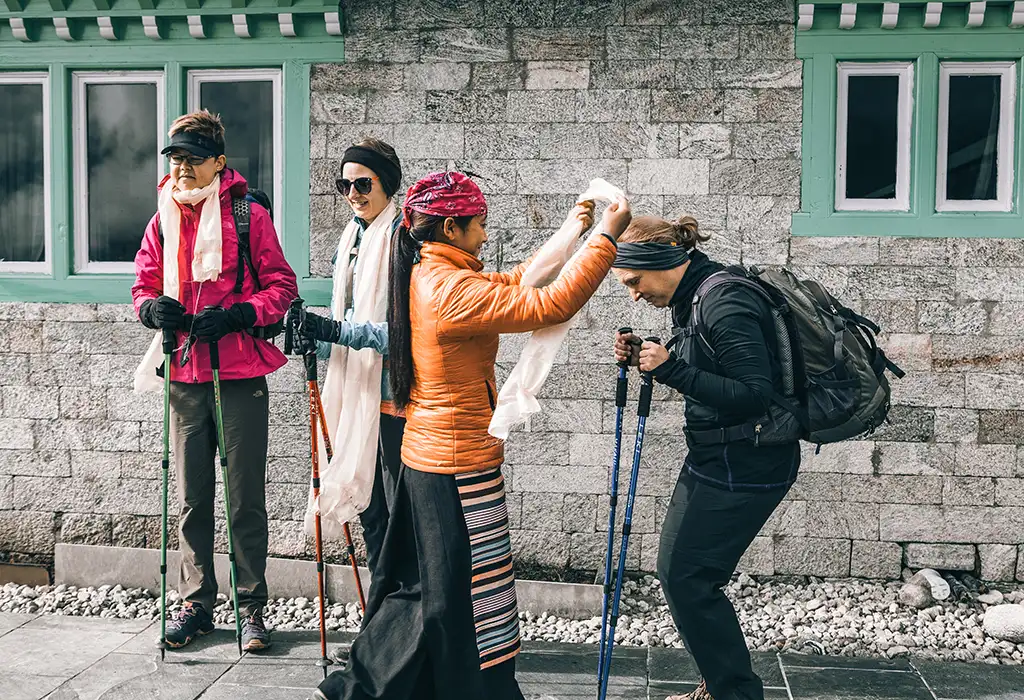
Walking through the Khumbu, you’ll notice prayer wheels, stone carvings, and white chortens. These are part of the Sherpa people’s Tibetan Buddhist faith. It’s respectful to pass on the left side of these and to tiptoe in monasteries like Tengboche. Take off your shoes and hat before entering, speak softly, and feel free to sit quietly at the back if a ceremony is happening. Sherpa culture values patience and kindness, so stay calm and avoid loud behavior. If you’d like to take someone’s photo, it’s always polite to ask first.
In villages like Namche and Pangboche, you’ll see Sherpa life daily, like stone houses, fields of potatoes, and yaks grazing nearby. Most meals are simple, hearty, and shared in teahouses run by local families. Try the Sherpa stew, dal bhat, or momos. A warm “Namaste” or “Tashi Delek” goes a long way. You’re supporting the local community, and if you want to do more, buying something handmade or giving it to a school or clinic is always appreciated.
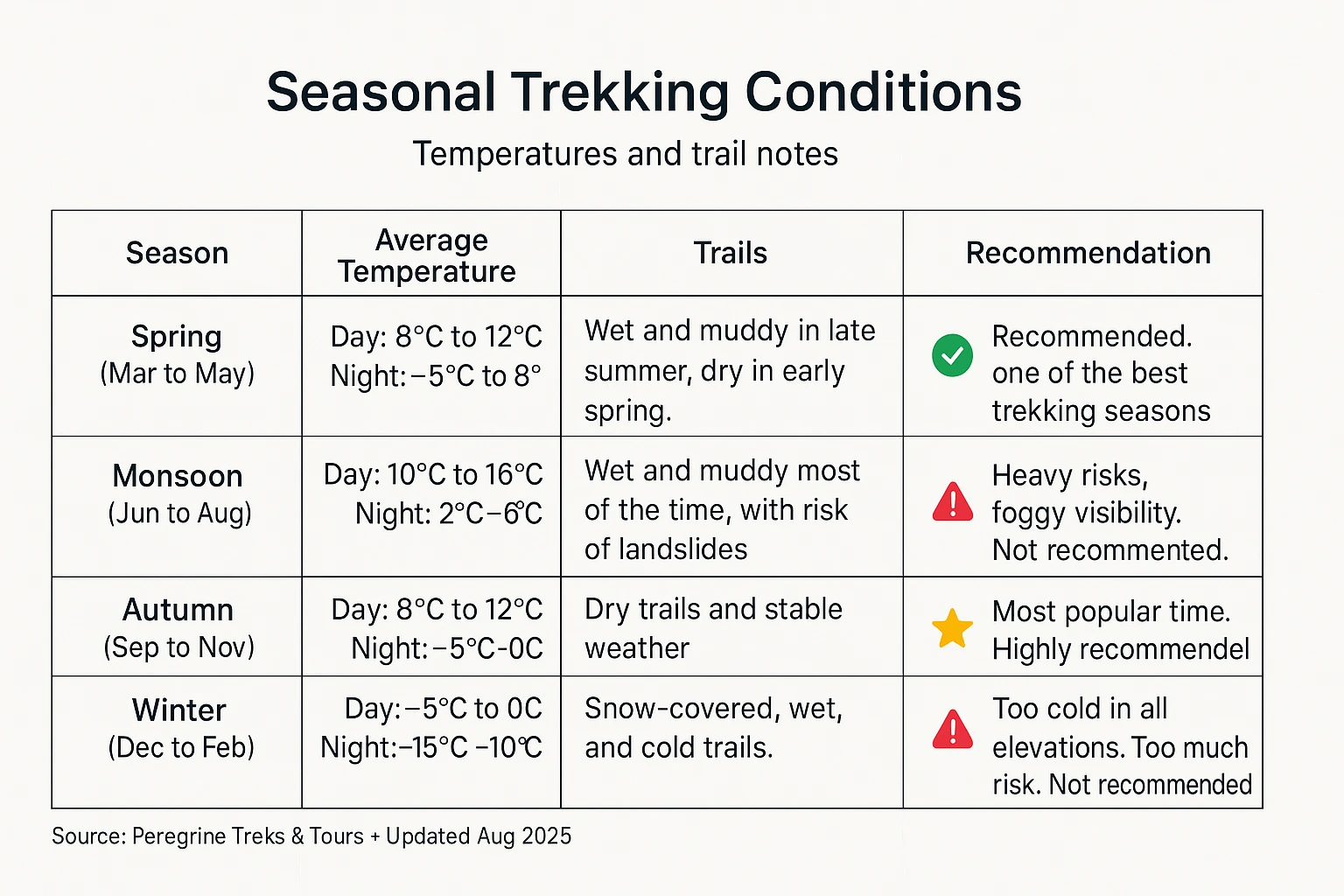
Lobuche Peak is a challenging but doable climb for fit trekkers. The trek follows the Everest Base Camp trail. Expect long trekking days with uphill sections, rocky paths, and high altitudes. You will be walking for six to seven hours daily. As you go higher, the air gets thinner, making even simple tasks harder. You might feel tired, get headaches, or lose your appetite. That is all normal. The climb is non-technical, but the altitude and long days take a toll on your body.
The climb to the summit is more challenging than Island Peak but still within reach. You will use ropes, crampons, and a harness as you make your way up steep snow slopes. The summit climb starts early, often around two in the morning, and takes about eight to ten hours.
It is cold and dark, with thin air. The final ridge is narrow and risky, but you will be secured and guided the whole way. If you stay positive, follow your guide’s lead, and keep moving at your own pace, reaching the top at over six thousand meters is absolutely possible and incredibly rewarding.
Our guides are friendly, knowledgeable, and licensed by the Nepal Government. They speak fluent English and know the trails like the back of their hand.
They keep you safe, spot any early signs of altitude sickness, and help with anything from adjusting your gear to answering your questions. They take care of all the planning and logistics so you can enjoy the trip without stress. If anything unexpected comes up, they’re always in touch with our team in Kathmandu to handle it.
Our porters are just as necessary. They carry your main bags so you can hike with a light daypack. Many locals work as farmers most of the year and take on porter work during the trekking season.
We treat our porters with respect and ethics. Guides and porters work closely to support everyone and step in when help is needed. Trekking with them offers a meaningful connection to the people of the mountains.
We do our best to follow the planned itinerary, but we understand that it might not always go as planned. The weather around Lukla flights can cause delays.
Altitude can affect each person differently, so we build buffer days in case. Our guides adjust the pace or route depending on the group’s safety.
We value your feelings and safety and make sure the trek goes comfortably. If you want to do something on the trek that may delay the itinerary, we will proceed with it, ensuring safety. Emergencies may delay the group’s pace; we will not proceed further unless everyone is safe.
We’ll share all the trek details with you ahead of time. Please arrange your travel insurance and international flights to Nepal well in advance. Reach out if you have any questions.