

Included Meals
- Breakfast: 15
- Lunch: 10
- Dinner: 10

Unbeatable Holiday Offers – Save Up to 20% on Your Next Adventure!
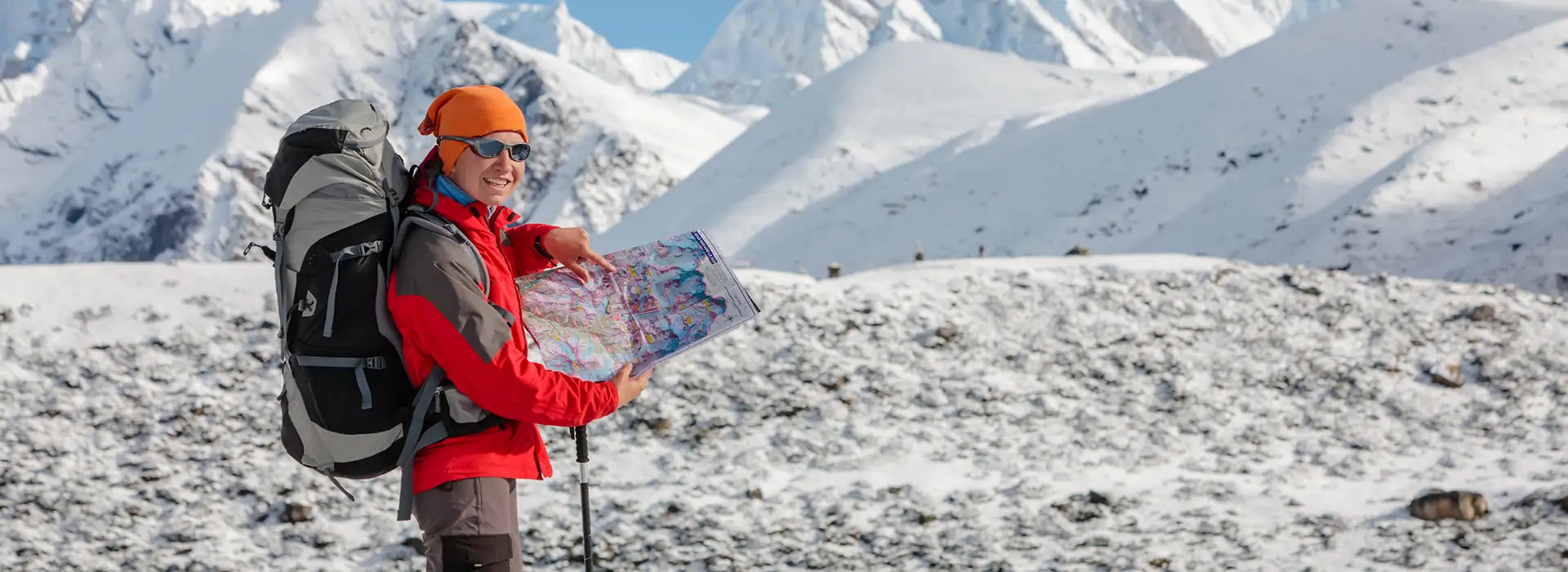
The Annapurna Base Camp Trek for Beginners begins with time in Kathmandu, where travelers explore ancient temples, local markets, and historic sites. This cultural introduction prepares trekkers for life in rural mountain communities. A short flight then leads to Pokhara, a calm lakeside city with clear views of the Annapurna range. Rest and sightseeing here help prepare both body and mind for the trek.
The trail starts from the foothills near Pokhara and climbs gradually through terraced farmland and traditional Gurung and Magar villages. Forest paths pass through rhododendron and oak trees, with birdsong filling the air. Warm teahouses along the route provide rest, meals, and friendly local interaction. A sunrise hike to Poon Hill offers one of the most famous mountain views in Nepal, with Annapurna and Dhaulagiri glowing in early light.
Crossing Ghorepani, the Annapurna Base Camp Trek for Beginners enters the Annapurna Sanctuary. The trail follows the Modi Khola River, with scenery shifting from dense forests to bamboo groves and alpine landscapes. Each day brings closer mountain views and cooler air, creating a true high-altitude experience.
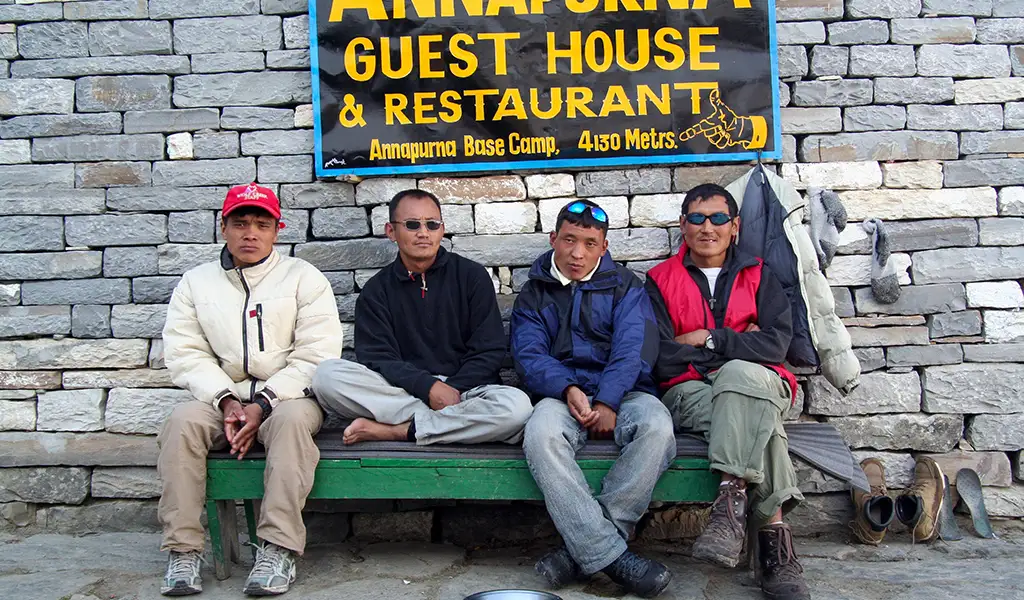
Reaching Annapurna Base Camp at 4,130 meters marks the highlight of the trek. Surrounded by Annapurna I, Machhapuchhre, and Hiunchuli, trekkers enjoy a panoramic view of the surrounding mountains. The return route descends along the same trail, offering new perspectives. A relaxing stop at Jhinu Danda hot springs helps ease tired muscles before returning to Pokhara and flying back to Kathmandu. The Annapurna Base Camp Trek for Beginners ends with a strong sense of achievement and lasting memories of Nepal’s mountains and culture.

Included Meals

Trip staff

Transport

Accommodation

Trip Grade
Group Size
Welcome to Nepal! We’ll pick you up after you finish your airport formalities. The trip starts when you arrive in Kathmandu. A driver will drive you to your hotel and let you check in. Check into your hotel, and spend the day as you like. You can rest or take a stroll around the lively Thamel district. Meet your guide and trekking crew later in the evening for a trekking brief and orientation. Your guide will explain the daily itinerary, check the gear, and answer any questions you may have about the trek.
Difficulty
Transportation Private Car
The day begins with a cultural trip to the Kathmandu Valley. Have breakfast, then hop into a private vehicle with your guide to visit some of Nepal’s UNESCO World Heritage Sites. Your first stop is the Pashupatinath Temple, the holiest Hindu shrine of Nepal. Settled beside the Bagmati River, you can witness the religious Hindu rituals. Then, you’ll head to Boudhanath Stupa, the largest one in the world. Walk clockwise around the giant white dome while spinning the prayer wheel in a place filled with the aroma of incense and butter lamps. Your final stop of the day is at Swayambhunath stupa, otherwise known as the Monkey Temple. This stupa sits on a hill, offering sweeping views of Kathmandu Valley. In the afternoon, you will have time to buy or rent any last-minute trekking supplies and gear.
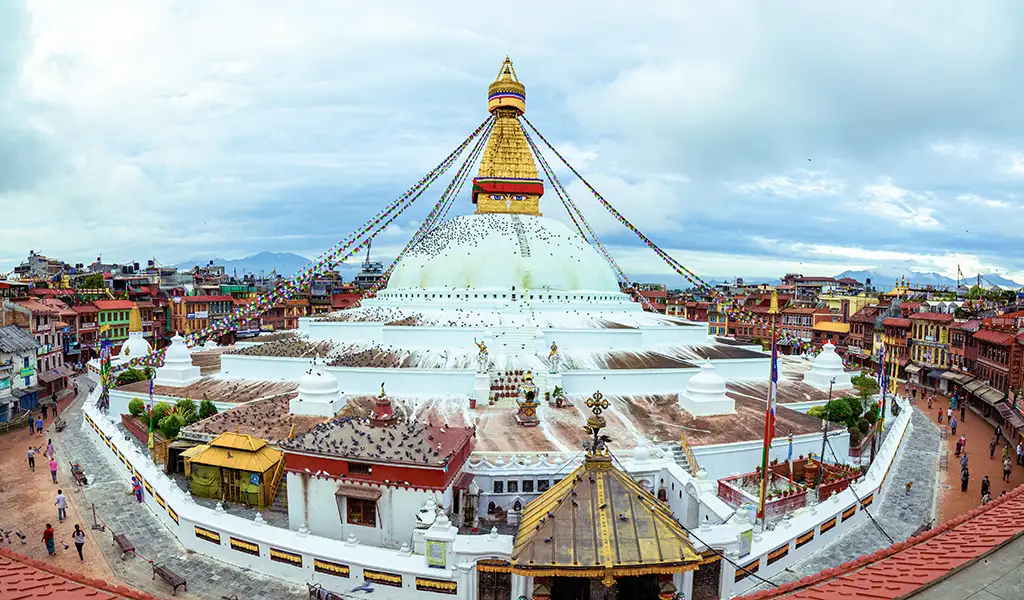
Tip: Remember to wear comfortable walking shoes, stay hydrated, dress modestly, and ask before taking pictures at religious sites.
Accommodation:
Meals Breakfast
Difficulty
Transportation Private Car
Have breakfast and board the 25-minute morning flight from Kathmandu to Pokhara. You can choose the window seat for the best mountain views on the right side of the plane. After arriving in Pokhara, you’ll visit your hotel near the lively lakeside area. Pokhara is known for its relaxed vibe and outstanding natural beauty, making it a perfect place to rest. Check into your hotel and spend the day as you prefer. You can walk along the Phewa Lake shore and enjoy the reflection of Machhapuchhre mountain in the water. Go on a boat ride to the island temple of Tal Barahi in Phewa Lake or visit the World Peace Pagoda for the sweeping views of Pokhara and the Annapurna range. Alternatively, you can see the Mahendra Cave or Devi’s Falls. Have dinner in the evening at one of many lakeside restaurants and return to your hotel.
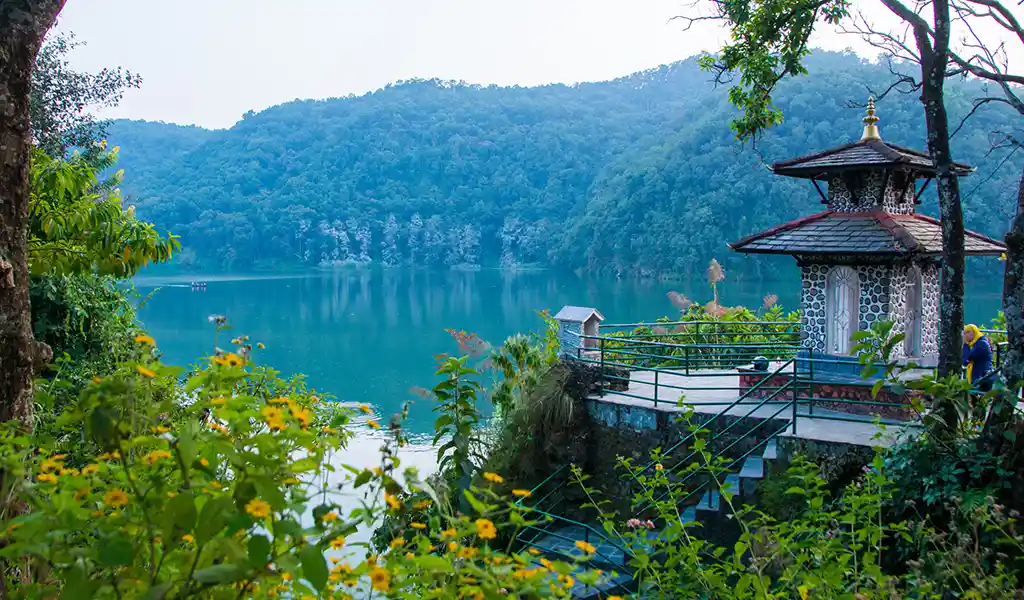
Tip: Pokhara’s temperatures are warmer than in the mountains, so dress lightly here. Repack your bags for trekking and leave your essentials in your hotel.
Meals Breakfast
Difficulty
Have breakfast and leave Pokhara in the morning for a scenic two-hour drive to Nayapul. It is the starting point of your trek. Register at the Annapurna Conservation Area checkpoint upon arrival in Nayapul before the trek.
The trail follows a river and through lovely villages like Birethanti (1,025m). You continue the trek along dirt paths and footbridges through rice fields and small hamlets. You will each Hile (1,500), where you’ll stop for lunch. Continue the trek after lunch in Hile. The trail now surges eastward into a challenging climb. You’ll climb almost 3,000 stone steps to Ulleri. Take your time, rest often, and climb the stairs while enjoying the views of the valley below. You’ll arrive in Ulleri (1,960) by late afternoon. Ulleri is a Magar village on a hillside offering views of the Annapurna South and Hiunchuli. You can relax in your teahouse lodge and rest to recover from today’s demanding ascent.
Tip: Use trekking poles on today’s steep climb to ease the strain on your knees and stay hydrated. Evenings are cooler as Ulleri is almost 2,000m, so wear a light jacket to keep warm.
Altitude gain: From 820 m to 1,960 m
Distance: Approximately 6 km (if starting from Nayapul)
Trekking hours: 4–5 hours
Activity level: Moderate to challenging, due to the steep climb
Highlights: Scenic river trail, terraced fields, village life in Birethanti and Hile, steep stone staircase to Ulleri, panoramic mountain views
Meals Breakfast, Lunch, Dinner
Difficulty
Today, you’ll trek higher into the mountains towards Ghorepani. Have your breakfast and continue your trek. The trail begins with gentle ascents through beautiful forests of rhododendron and oak. Suppose you’re traveling during spring. The entire forest turns red, pink, and white with blooming rhododendrons. Pass small villages like Banthanti and Nangethanti, where you can stop for lunch or tea. The air becomes cooler and thinner as you start gaining elevation. You should trek at a steady pace to support smooth acclimation. You can spot langur monkeys swinging in the trees and various native birds in these forests.
After trekking for about four hours, covering about eight hours, you’ll reach Ghorepani (2,874m) in the early afternoon. “Ghorepani” translates to “horse water” in Nepali, reflecting its history as a watering spot for mule caravans. Ghorepani sits on a ridge with forests surrounding it. It is a popular village with many cozy lodges and offers your first view of the towering peaks on clear days.
Tip: Evenings are chilly at this altitude, so wear a warm layer when exploring Ghorepani.
Altitude gain: 1,960 m to 2,874 m
Distance: Approximately 8 km (5 miles)
Trekking hours: 4–5 hours
Activity level: Moderate
Highlights: Rhododendron and oak forests, local villages, wildlife spotting, first Himalayan Mountain views, cozy lodges at Ghorepani
Meals Breakfast, Lunch, Dinner
Difficulty
Wake up before dawn at around 4:00 A.M to hike to Poon Hill. Wear warm layers, take your flashlight or headlamp, and join your fellow trekkers on a 45-minute to one-hour climb through forested trails. You’ll arrive in Poon Hill (3,210m) by the time of sunrise. Witness the beautiful sunrise panorama over Dhaulagiri (8,164m), Annapurna I (8,091m), and other peaks. You can see the giant white peaks colored with golden and pink hues of the morning sunlight. Enjoy the views and descend to your lodge in Ghorepani for breakfast.
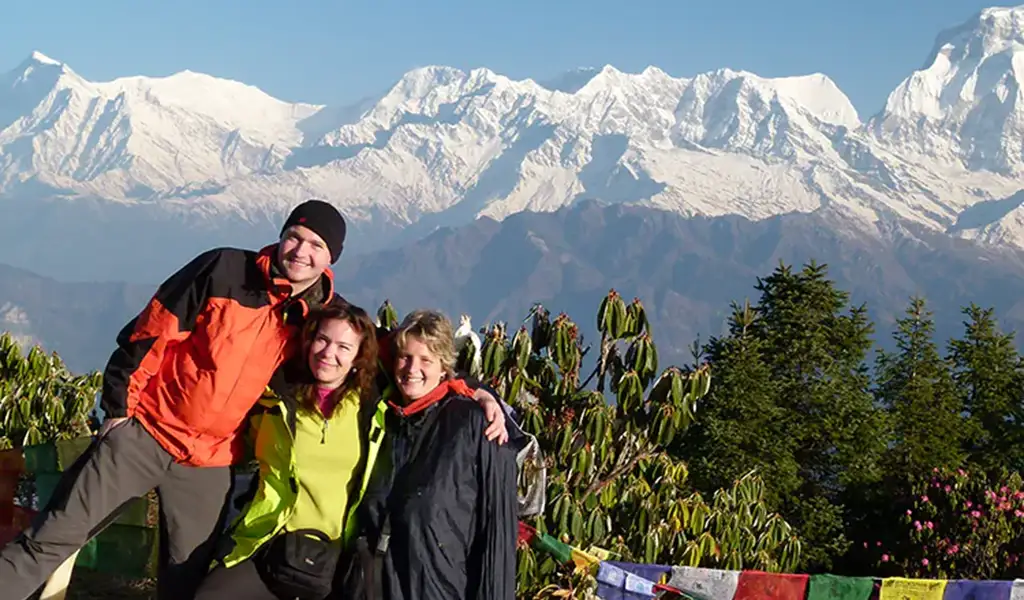
Pack your ears, and continue your trek eastwards towards Tadapani today. The trail begins with an ascent to Deurali Pass at about 3,100m, offering some of the best mountain views. Descend through dense rhododendron, oak, and pine forests covered in morning mist after arriving in Deurali. You will pause for lunch in one of the small villages while trekking at midday. Continue the trek and reach Tadapani (2,630m) by afternoon. Tadapani means “far water” in Nepali, reflecting the village’s distant water source. Tadapani is a small settlement in the first with a handful of lodges offering close-up views of Mount Machhapuchhre, Annapurna South, and Hiunchuli. Relax in your lodge and have dinner to recover from today’s trek.
Tip: Dress in layers and bring a headlamp for the chilly, early-morning climb to Poon Hill. Evenings in Tadapani can also be cold, so layer up. You can drink warm tea and share stories with fellow trekkers.
Meals Breakfast, Lunch, Dinner
Difficulty
Have breakfast in Tadapani with beautiful sunrise views before beginning the trek towards the Gurung village of Chhomrong. Your day started with a steep descent along a forested ridge toward the Kimrong Khola. Cross the river with a suspension bridge, and climb the opposite hill. Although tiring, with breaks at small tea shops along the way, you can finish today’s trekking section comfortably.
You’ll arrive in Chhomrong (2,170m), one of the largest villages in the Annapurna sanctuary, by early afternoon. Chhomrong also acts as the gateway to the upper Modi Khola village. Sitting on a hillside with terraced fields, Chhomrong offers stunning views of Annapurna South and Machhapuchhre and blends traditional homes and a trekker’s lodge. Check into your lodge and explore the village’s stone-paved lanes. You can visit the village’s local monastery and enjoy the views.
Tip: Today’s descent and ascent involve many stope steps, so take your time to protect your knees. Try Gurung bread or momo in Chhomrong to enjoy the local specialties.
Altitude change: 2,630 m → 2,170 m
Distance: Approximately 9 km (5.6 miles)
Trekking hours: Around 5 hours
Activity level: Moderate, with steep descents and climbs on stone steps
Highlights: Suspension bridge over Kimrong Khola, Gurung village life, panoramic mountain views, local monastery, traditional food specialties
Meals Breakfast, Lunch, Dinner
Difficulty
Wake up early and have breakfast before trekking to Dovan today. The trail descends through stone steps towards Chhomrong Khola below. You’ll lose around 150-200m of elevation when reaching the Khola. Cross a long suspension bridge and begin our climb towards the opposite side/ The trail climbs sharply to Sinuwa (2,340m), a small cluster of lodges where you’ll rest before the uphill push. The landscape changes beyond Upper Sinuwa to a cool, shared forest of bamboo, rhododendron, and oak. The trail gets gentle here with comfortable ascents and descents. You will arrive in Bamboo (2,310), a village with few teahouses surrounded by dense bamboo groves. Have your lunch here, then continue through the peaceful forest. The final stretch to Dovan takes a couple of hours and takes you deeper into the Annapurna Sanctuary. Dovan (2,310m) is a serene forest outpost with a few lodges. You can hear the rushing water of the Modi Khola and the sounds at night.
Tip: The forest trails can be muddy or slippery after rain, so take steady steps and use trekking poles for extra stability.
Altitude change: 2,170 m → 2,600 m
Distance: Approximately 8 km (5 miles)
Trekking hours: 5–6 hours
Activity level: Moderate to challenging (steep descent followed by ascent, then rolling forest terrain)
Highlights: Suspension bridge over Chhomrong Khola, shaded bamboo and rhododendron forest, peaceful atmosphere in Dovan, deep entry into Annapurna Sanctuary
Meals Breakfast, Lunch, Dinner
Difficulty
Leave Dovan and begin your trek by continuing deeper into the Modi Khola River as the gorge narrows down as you go higher. The forests start thinning out with open stretches coming into view, and the mountains get closer. After hiking for about one hour, you will reach the Himalayan Hotel (2,900m), a quiet village named after one of the area’s earliest lodges. The environment dramatically shifts from lush forest to rugged alpine terrain here.
You’ll pass Hinku Cave, a natural rock overhang used by herders and porters as shelter in the older days. The trail combines stone steps and rocky sections and climbs steadily through the river banks. You arrive at Deurali by early afternoon. Deurali (3,230m) is a small settlement beneath cliffs and avalanche chutes with a few teahouses. Deurali also highlights a memorial honoring climbers and trekkers. Afternoons can be benign, with clouds and a chilly atmosphere. The trek is shorter today, allowing your body to adjust to the higher altitude. Make sure to stay warm and hydrated.
Tip: You are above 3,000m now, where altitude sickness can appear. Look out for symptoms like headache, nausea, or dizziness, and speak up immediately if you notice any. You can try garlic soup, a local remedy for acclimation in the evening.
Altitude change: 2,600 m → 3,230 m
Distance: ~6 km (3.7 miles)
Trekking hours: 3–4 hours
Activity level: Moderate (steady climb, thinner air)
Highlights: Narrowing river gorge, Himalayan Hotel stop, Hinku Cave, dramatic cliffside setting at Deurali
Difficulty
Have your breakfast and set out for another short hike today. While today’s distance is short, you must climb steadily towards Machhapuchhre Base Camp, making it complicated. The trail begins through a narrow valley. You’ll cross small streams and avalanche-prone areas. The landscape shifts completely to shrubs and alpine grasses, with a few scattered trees here and there. As you continue the trek, you will begin to see Machhapuchhre on the horizon.
After 2 to 3 hours of trekking, you will reach the Machhapuchhre Base Camp at 3,700m. Despite being the base camp, the summit of Machhapuchhre doesn’t begin here, as the mountain is sacred and permanently closed for climbing. The MBC is a cluster of lodges on a plateau, surrounded by towering peaks such as Machhapuchhre, Annapurna South, Annapurna III, Gangapurna, and more. It is an essential stop for acclimatization, as the altitude here is significantly high. You’ll arrive at the MBC by lunchtime, have your lunch here, and then spend the afternoon resting. Watch the beautiful mountain scenery and the sunset over the towering peaks in the afternoon. Evening temperature drops sharply, so wear warm layers.
Altitude change: 3,230 m → 3,700 m
Distance: ~4 km (2.5 miles)
Trekking hours: ~3 hours
Activity level: Moderate (steady climb in thinning air)
Highlights: Panoramic views of Machhapuchhre, Annapurna South, Annapurna III, and Gangapurna; dramatic alpine valley; vivid sunset glow on Fishtail
Meals Breakfast, Lunch, Dinner
Difficulty
Have your breakfast and continue through the trek for the final stretch to Annapurna Base Camp. You’ll gradually climb through the upper valley with the revealing view of the Sanctuary’s 360° mountain amphitheater. The air is thin at this altitude, so you should take every step in steady motion as you cross open meadows, though rocky paths.
You’ll reach the Annapurna Base Camp (ABC) at 4,310m in 1.5 to 2 hours from MBC. The ABC is a vast plateau surrounded by giant peaks of Annapurna I (8,091m), Annapurna South, Baraha Shikhar, Tent Peak, and Machhapuchhre. The base camp has simple lodges offering warmth, hot drinks, and a resting place.
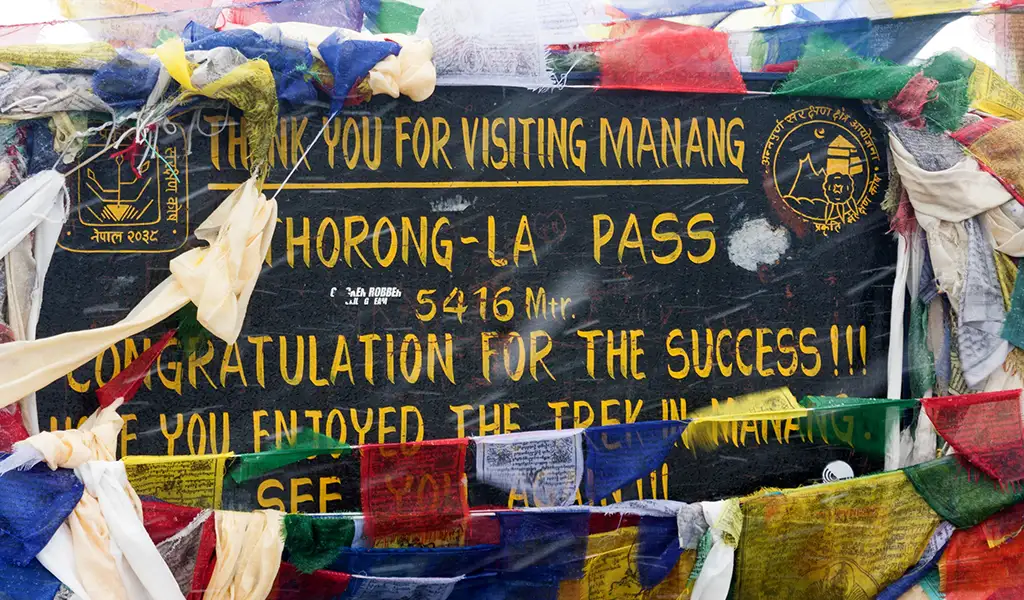
You can explore the base camp area in the afternoon. You can walk to Annapurna South Glacier’s edge and see the player flags fluttering in the wind. The sunset is beautiful over the giant white peaks.
Tip: The ABC is the highest overnight point of the trek. You should move slowly and stay warm. And hydrate well. The afternoon is perfect for photography.
Altitude change: 3,700 m → 4,130 m
Distance: ~3 km (1.9 miles)
Trekking hours: ~2 hours
Activity level: Moderate (steady ascent at high altitude)
Highlights: Reaching the heart of the Annapurna Sanctuary; 360° panorama of Annapurna I, Annapurna South, Machhapuchhre, Baraha Shikhar, and Tent Peak; sunset glow over snow-capped giants; edge of the Annapurna South Glacier
Meals Breakfast, Lunch, Dinner
Difficulty
Wake up early to catch the beautiful, unforgettable sunrise at the Annapurna Base Camop. The panoramic view of the mountain’s glows in pink and white. Have your breakfast and begin your return trip to Bamboo.
Descending is quicker, and the air gets richer with oxygen as you lose altitude. But the long downhill requires careful footing; we recommend using a trekking pole to protect your knees. You will reach Deurali or the Himalayan Hotel by lunchtime, where you will rest and have your meal. After lunch, continue through the trek and cross the forested stretch to return to Bamboo at 2,310m by late afternoon.
Today you descend over 1,800m and cover about 12-15 km. Bamboo feels warmer compared to the chilly base camp. Settle into your teahouse and rest for the day.
Tip: Although you’re descending, it’s essential to hike steadily. Fatigue can cause slips on roots or rocks, so watch out for yourself. Take frequent breaks to rest your knee and consider knee support if you experience discomfort.
Altitude change: 4,130 m → 2,310 m
Distance: Approximately 12–15 km (7.5–9.3 miles)
Trekking hours: 6–7 hours (mostly downhill)
Activity level: Moderate to challenging (long descent with some technical footing)
Highlights: Sunrise over the Annapurna peaks, a scenic descent through alpine and forested terrain, and a return to the warmer, lush Bamboo village.
Meals Breakfast, Lunch, Dinner
Difficulty
A couple of days remain in your ending trek. Leave bamboo and retrace your steps through the forest to Sinuwa. You’ll then climb the long stone staircase to Chhomrong Khola and back to Chhomrong village. You can rest for a while in Chhomrong and have lunch there, which has views of Annapurna South.
You will descend through a path different from the one you used while ascending. You will descend from Chhomrong to Jhinu Danda at 1,760m. The descent takes you 500m down stone steps. Jhinu Danda is popular for its natural hot springs, about 20 minutes from the village near Modi Khola. After arriving in Jhinu Danda, check into your lodge and head to the riverside to soak in the warm mineral water. You will spend a night in Jhinu. Here, you can even get a cold drink while enjoying the views of the valley below.
Tip: Pack your swimsuit before the trek to the hot spring. You might feel light-headed after the warm soak, so watch your steps as you return from the pool.
Altitude change: 2,310 m → 1,760 m
Distance: Approximately 8–10 km (5–6 miles)
Trekking hours: 5–6 hours
Activity level: Moderate (steep descent on stone steps, some climbing)
Highlights: Hot springs soak by Modi Khola River, scenic forest trails, views of Annapurna South
Meals Breakfast, Lunch, Dinner
Difficulty
Today is your final morning in the peaceful hills. Have your breakfast in Jhinu Danda and begin your final trekking day. The trail descends gently along the Modi Khola valley and follows the river downstream through small villages and terraced farmland. The terrain gets easier, and the climate gets warmer and more tropical.
You will arrive at the roadhead in Siwai or Nayapul in about 2 to 3 hours. Hop on the private vehicle to get back to Pokhara. The drive is roughly three hours and passes along the hill roads before joining the highway. You’ll reach Pokhara by afternoon. Check in at your hotel and enjoy a hot shower, a cozy bed, and bustling restaurants. These amenities feel like luxury after days in the high mountains. You can celebrate in the evening for completing the trek successfully with your guide and porters if they join you in Pokhara.
Tip: Celebrate your win in Pokahra. You can enjoy something different from the usual dal bhat today.
Altitude change: 1,760 m → 820 m
Distance: Approximately 7–9 km (4.3–5.6 miles) trekking, plus a 3-hour vehicle drive
Trekking hours: 2–3 hours (mostly downhill)
Activity level: Easy to moderate (gentle descent along river valley)
Highlights: Final river valley trek, scenic drive back to Pokhara, comfort and celebration after the trek
Meals Breakfast, Lunch, Dinner
Difficulty
Today is your rest day. If bad weather or other delays affect the trek schedule, we will add a buffer day today. If your trek went smoothly, you can rest and enjoy the lakeside city today. If you have energy to spare, you can do plenty of activities in Pokhara. You can fly over the lake with a pilot and experience the world’s longest and steepest zipline, ZipFlyer. Visit the International Mountain Museum to learn about the rich history of Himalayan mountaineering. If you want something slower, simply relax by the lake, get a spa, or shop for handicrafts. Since today is your free day, you can tailor it to your mood and interests.
Tip: If you want to go paragliding or ultralight flying, book it in the morning, as the weather is calmest. Watch the sunset over Phewa Lake in the evening and enjoy your final Annapurna views.
Meals Breakfast
Difficulty
Have breakfast and drive to Pokhara Airport for your flight back to Kathmandu. This 25-minute flight offers the last views of the Himalayas from the air. You’ll arrive in Kathmandu and drive back to your hotel.
The rest of the day is for you to enjoy. You can browse Thamel’s streets for souvenirs or visit any cultural sites. Celebrate the end of your trek in the evening with your fellow trekkers and crews.
Tip: Kathmandu may feel intense after half a month in the Himalayas. You should take your time to adjust, stay hydrated, and enjoy your final dinner in Nepal.
Meals Breakfast
Difficulty
Your 17-day Annapurna Base Camp trek ends today. We’ll drive you to the airport, ensuring enough time for you to complete the airport formalities. We will proceed if you’ve booked additional adventures or other activities. Otherwise, you will bid goodbye to the mountains, trails, and the warm hospitality you experienced.
Tip: Ensure you pack all your stuff, including any chargers or other small belongings. Try reaching the airport at least 3 hours before departure for a smooth trip back home.
Meals Breakfast
Difficulty
You should ensure the trek fits your expectations and abilities before you take the trip. This trek is best suited for those with a basic level of physical fitness. You need to be in good health and should be able to walk for several hours per day. Jog, hike, or do gym workouts to make the trek more enjoyable.
This trek is for first-time trekkers. If you’ve never done a high-altitude or a multi-day trek before, this package is the perfect option to get an introduction. You don’t need to address any technical issues, and the pace is moderate, around 4 to 6 hours of walking each day. You will trek on hilly terrain with some uphill and downhill sections. Consider training beforehand if you have joint problems or difficulty walking for extended periods on uneven paths.
You’ll get the remote, high-altitude mountain experience away from city comfort. You will stay in cozy teahouses and eat cooked meals, but conditions are modest, the internet is limited, and roads do not reach most of the trail. The facilities are basic but enough. If disconnecting and immersing in wilderness and mountains appeals to you, this trek is for you.
You get to experience the local culture with this trek. The trails go through traditional Gurung and Magar villages, giving you plenty of opportunities to interact with local people and learn their way of life. You can learn some basic Nepali phrases and experience the remote Nepali village life.
If you’re looking for high-intensity expeditions or want to push yourself to the limit, maybe this trek is not for you.
You will stay in a traditional Himalayan teahouse throughout the trek. These lodges are cozy and straightforward, offering authentic Nepali hospitality. You will stay in 3-star or equivalent hotels in Kathmandu and Pokhara.
Rooms: Teahouses usually have twin-sharing rooms with two single beds, a mattress, a pillow, and a blanket. Furnishings are minimal, with occasional tables or hooks for hanging clothes. Walls of plywood or stone are thin, and noise is a huge factor.
Beds: We recommend bringing a four-season sleeping bag for extra comfort. While the lodges provide blankets, you need a sleeping bag, especially in higher elevations like Annapurna Base Camp, where the temperature can be freezing at night.
Facilities: You will use shared bathrooms. Lower elevations may have Western-style toilets, and higher elevations mostly have squat toilets. Some lodges provide hot showers for a small fee. Hot showers get scarcer and pricier the higher you go.
Dining: Every teahouse has a communal dining area where trekkers gather for meals. A central stove light in the evening keeps the room cozy. You’ll enjoy staples like dal bhat, noodles, soups, and momo.
Electricity: Most lodges generate electricity from local grids, solar panels, or generators. While you can charge your devices, power is unreliable, and charging costs extra. It’s better to carry a power bank.
You can add some optional activities to enhance your Nepal trip. These add-ons are entirely optional and come at an extra price. We arrange them on request when booking. We customize your itinerary according to any add-ons you choose.
Everest Mountain Flight: Take a long flight from Kathmandu over Mount Everest. You’ll board the flight in the early morning to glide past the giant Himalayan peaks. It is the perfect way to admire the world’s 8,000m giants without actually trekking to them.
Everest Base Camp Helicopter Tour: Take a half-day trip to the Everest Base Camp. Board a helicopter and fly to the Everest Base Camp at 5,364m and the iconic viewpoint of Kala Patthar at 5,545m.
Paragliding in Pokhara: You can paraglide over Phewa Lake and the city on a tandem paragliding flight with a specialist pilot. Enjoy the views of the Annapurna range and Machhapuchhre in the background as you glide over the city.
Chitwan Jungle Safari: Fly or drive to Chitwan National Park in southern Nepal to enjoy a different landscape. You will stay in a jungle lodge and explore the jungle by jeep and canoe: spot rhinos, crocodiles, deer, and even Bengal tigers.
Hotel upgrades in Kathmandu and Pokhara: You can add extra comfort to your Kathmandu and Pokhara stay by upgrading the accommodation to a 4-star or 5-star hotel. To improve your trip, you can enjoy premium amenities, a plush room, and a relaxing atmosphere.
How to Book: You can book your Annapurna Base Camp Trek for Beginners simply by visiting our website. Choose your trek, then click the book now button to proceed with your booking. Choose your departure date and the number of travelers, then select your payment option. You can either pay a 20% deposit or the entire cost of the trek upfront. Fill in the information form with your name, contact details, and special requirements. You can choose between a secure bank transfer and card payment options. After we receive your payment, we will follow up with booking details and a receipt. Our team will get to you shortly with trip details, answer your questions, and help prepare for the trek.
Payment Terms: You must pay a 20% deposit to secure your booking. You can pay the remaining balance at least 30 days before the trip departure date. We require full payment upfront if you book less than 30 days before the departure date. Remember, the deposit is non-refundable in any case. You can pay through a secure bank transfer or any major credit card. We will send you a receipt and booking confirmation after we receive your payment. The package price includes twin-sharing accommodation and the standard services as mentioned. If you want any other services or upgrades, they will cost you extra.
Cancellation Policy: You can cancel your trek anytime. If you book the trek more than 30 days from the trekking date, and decide to cancel it within 7 days, we will refund any and every payment. After this grace period, we don’t refund the deposit. Cancelling 30 days before the departure date means you get a full refund on any payment except the deposit. If you cancel within 30 days of the trek or don’t show up for the trek, you get no refund. We pre-pay hotels, transportation, permits, and other logistics in advance, making it impossible to refund your payment after the 30-day mark.
If we cancel the trip in case of unforeseen circumstances, we will refund your full payment or recommend another trip of similar value.
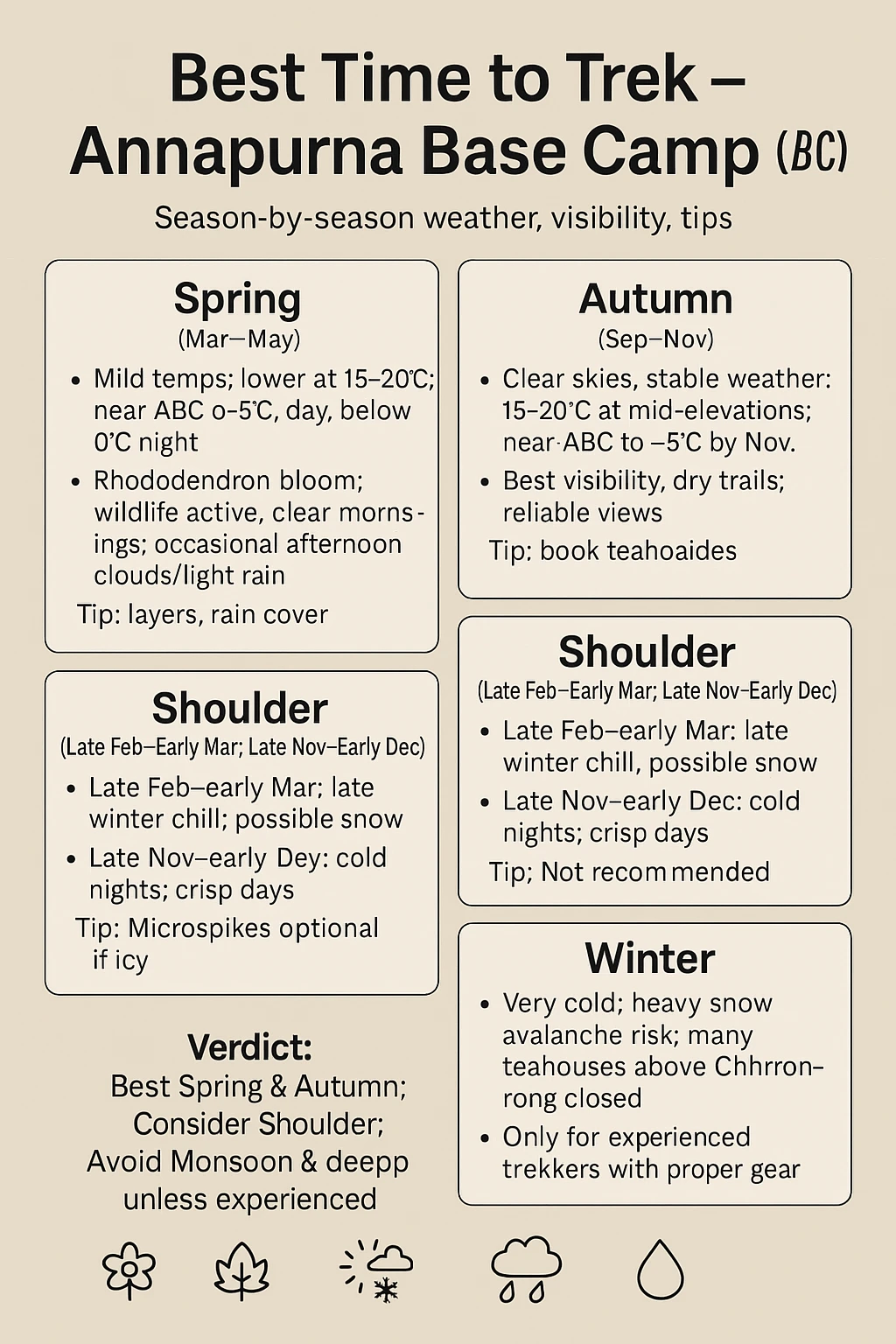
Spring (March to May): Spring offers mild temperatures and vibrant landscapes. Flowers are in full bloom, covering the trails with red, white, and pink rhododendrons and wildflowers. Kathmandu is vibrant with jacaranda trees. The lower elevations are pleasant with daytimes ranging from 15-20°C, and higher latitudes remain cool. Morningstar is usually clear and offers some of the best mountain views. Afternoons can be cloudy and occasionally have light rain. Wildlife is more active, and you may even spot exotic birds or a long-tailed monkey while trekking through forested trails. Evenings are colder, and Base Camp temperature can go below or hover around freezing temperature. Bring warm clothes to stay comfortable.
Autumn (September to November): Autumn is Nepal’s most popular trekking season, bringing crystal clear skies, stable weather, and fresh air. The monsoon ends, leaving the surroundings with crisp air and excellent visibility. The sky stays vibrant blue throughout the season. Daytime temperatures are moderate, with 15-20°C in mid-elevation areas and nights dipping to -5°C in the Base Camp by November. The countryside stays lush and green throughout the season with outstanding visibility and generally dry trails. Photographers live for this season for the sharp panoramic views of the Annapurna range almost daily.
Shoulder Seasons – Late February to Early March and Late November to Early December: Shoulder seasons’ months are rewarding but require extra preparation. The temperature is a mix of late winter chill or early snow in late February and early March. Expect increasingly cold nights in late November and early December. The weather can change quickly, so pack proper gear to stay prepared for any weather. Perfect trails and fewer cords with moderate temperatures make this season rewarding.
Off Seasons – Monsoon and Winter: Monsoon lasts from June to August. It brings heavy rains, making the trail muddy and slippery. Monsoon also increases leeches in the trail. Clouds block the mountain views, and the risk is high. The weather is also likely to cause flight delays or cancellations.
Winter lasts from December to February, bringing cold, heavy snow, and avalanche risk. Winter is a challenging time to trek—many teahouses above Chhomrong are closed for the season. Unless you have prior experience and have training in high-altitude trekking, we don’t recommend the Annapurna Base Camp trek during winter.
Spring and autumn undoubtedly have the best conditions for trekking. They offer mild temperatures with reliable trail conditions. Unless you have previous trekking experience, don’t attempt trekking in other seasons.
The Annapurna Base Camp Trek is moderately challenging. It is not easy, but it is also achievable for most first-time trekkers with a decent fitness level and the right mindset.
Trekking Hours: Most days, you’ll hike for about 4 to 6 hours at a steady pace. On shorter days, you’ll trek from 3 to 4 hours for acclimatization, with fewer longer days with 7+ hours during descents or in case of delays. Take frequent rest breaks to keep the pace comfortable.
Terrain: The trail is well-marked through a variety of terrain. You climb and descend long stone staircases, and occasionally steep uphill or downhill sections. You will also walk along scenic flat sections through valleys. The trail can be rocky, uneven, or slippery in some sections, so balance yourself with careful footing. You can use trekking poles to reduce strain on the knees. Since no technical climbing is involved, endurance is the key to finishing the trek successfully.
Altitude: The trek starts at around 1,000m and gradually ascends to 4,130m at Annapurna Base Camp. Increasing altitude means thinner air, leading to shortness of breath and fatigue. We design our itinerary with a gradual ascent and an overnight stay in Machhapuchhre Base Camp to help your body adjust. Most first-time trekkers can handle the altitude well, and our guides stay alert to any signs of altitude sickness in three trekkers.
Physical Stamina: You don’t need previous trekking experience or an ultimate fitness level to complete this trek successfully. A basic fitness level will help you be comfortable walking up and downhill for several hours. Good cardiovascular endurance and leg strength will help you easily handle the daily climbs and descents.
Porters: We assign one porter to two trekkers to make the trek easier for you. Porters carry about 10 to 15 kg of your weight, so you can trek with just a light daypack with water, snacks, an extra layer, and personal items. Having a porter support reduces physical strain.
Mental Determination: While you need good physical fitness for the trek, you also need a correct mindset. A positive attitude and mental resilience help when you feel tired or want to give up midway.
Guides: An expert guide will lead you and the team throughout the trek. Our guides are licensed, speak fluent English, and have over a decade of experience in the Nepali mountains. They have training in trekking leadership, first-aid, and high-altitude medicine, ensuring your safety and comfort. Our guides have enough experience and knowledge of the region. You’re safe in their hands. Guides navigate the trail, closely watch the group’s health, and manage all logistics. They will secure meals and lodgings and coordinate daily plans. Your guides are a leader and the cultural bridge between you and the local people. They will share insights about regional traditions, mountain legends, and wildlife. They are friendly and approachable, and space the trek to suit everyone in the group. Guides make sure everyone stays together throughout the trek so everyone can enjoy their trip.
Porter: We offer hardworking and reliable porters to ease your trekking load. Two trekkers will share one porter. They carry a combined weight of 30 to 30 kg; about 10-15 kg per person. We recommend keeping your duffel bag around 10 to 12 kilograms so porters can comfortably carry their load. Most porters are from the nearby mountain communities and are used to navigating the rugged terrain. They may have limited English skills, but you can always communicate with them with your smile. We ensure our porters have proper gear, fair pay, and reasonable loads. We follow the ethical trekking standards to respect their health and livelihood. You’ll be contributing to the local economy of rural Nepal by employing local porters.
Support and Safety: Having a porter and guide in the team means you will never be left alone while trekking. The guide can adjust the pace or split the group if you need to slow down or face issues like fatigue, injury, or altitude-related symptoms. Guides carry a basic first-aid kit and maintain communication for emergencies, including arranging evacuations when necessary. Porters carry your main luggage so you can trek with a light daypack, reducing fatigue and risk of strain or injury.
Cultural Interaction: Our team offers authentic cultural experiences. These moments often last as cherished memories and add depth to your adventure beyond the landscapes.
While you don’t need to be an athlete or have prior trekking experience, you need basic physical and mental fitness. A bit of preparation makes the overall trip far more enjoyable and comfortable.
Cardiovascular Endurance and Stamina: The trek involves several hours of uphill and downhill sections, so improving your cardio fitness helps maintain a steady pace and recover faster during breaks. To build endurance, do brisk walking, jogging, cycling, or swimming. Try to do 30 to 45 minutes of cardio exercises about 3 to 4 times a week. If possible, hike on hilly trails to mimic trail conditions. Go on practice day hikes or long walks with your trekking boots and a small backpack to build stamina for the long hours of trekking days. Consistency is more important than intensity. You should do regular moderate exercise to increase your fitness over time safely.
Leg and Core Strength: Strong legs and a stable core help manage the ups and downs on the tail and prevent fatigue or injury. Do strength exercises like squats, lunges, step-ups, and calf raises to help with trekking. Core workouts like planks or yoga help improve balance and reduce back strain when carrying a daypack.
Altitude Preparation: You can prepare by improving your aerobic fitness to help your body use its efficiency. You should try to replicate high-altitude trekking conditions. If you cannot reproduce them, try breathing exercises or yoga, focusing on deep, rhythmic breathing. Proper acclimatization during the trek is essential to minimize altitude sickness.
Health Check: You must consult your doctor before the trek to ensure the trek is safe for you. Patients with existing health conditions should not skip it at all. Many trekkers aged 50 and above have completed the trek. Proper preparation and acclimatization help finish the trek with comfort.
Mental Preparation: You will deal with simple toilets, cold nights, unfamiliar food, and no hot water. A positive and open mindset will help you adapt to the “rough” conditions. The trek paces slowly and steadily. With correct preparation and determination. You will accomplish your goal with confidence.
Mountains have shifting weather conditions. You must be open-minded and accept changing conditions when trekking in the Himalayas. While we provide a detailed itinerary, mountain weather, and trail conditions, we may make adjustments to ensure your safety.
Weather and Trail Conditions: Weather shifts quickly, and sometimes rain or snow can make the trails slippery and unsafe. In case of heavy rain or poor visibility, the guide will delay the hike, take an alternate route, or adjust the plan accordingly.
Group Pace and Accommodations: Our guides will set a pace so everyone can trek comfortably. You may arrive sooner or later than planned at your destinations. Teahouses can fill up during peak seasons so that we may change lodging plans. You will have a safe place to stay and a warm meal daily.
Acclimatization and Health: Every trekker acclimatizes differently. If someone needs extra room to rest or has to descend due to mild symptoms, we’ll adjust the plans to include additional rest days or modify the group’s pace. Significant changes are uncommon as the itinerary consists of proper acclimatization days, but your health remains our top priority.
Guides: Our guides can decide for the group’s safety and overall experience. They will determine according to the day’s condition. Due to bad weather, you may have to descend early or visit a local festival. We encourage open communication with the guide so you can share your input. But remember, the guide’s decisions are in your best interest.
Customization: Private groups have even more flexibility. You can extend your stay in a specific spot, add a side hike, or take a rest day. You can discuss your preferences with your guide.
Mountains don’t follow strict schedules. You should be open to changing conditions. Maintain a positive attitude and trust the team for a safe trek.
Acclimatization is the process of your body adjusting to higher altitudes and low oxygen levels, and is a massive part of a successful and safe trek. We design our itinerary to support your acclimatization with a gradual ascent and planned rest days.
Gradual Ascent and Planned Rest: We climb high and sleep low to help the body acclimate properly. You will spend the night in Machhapuchhre Base Camp at 3,700m before ascending to Annapurna Base Camp at 4,130m. The itinerary avoids rapid altitude gain without rest. Days like the half-day hike to Machhapuchhre Base Camp or trek to Deurali provide essential rest for the body. Proper acclimatization helps increase red blood cells, improves oxygen efficiency in the body, and helps reduce the risks of Acute Mountain Sickness.
Listening to your body and safety: Everyone acclimatizes differently. You should communicate with your guide if you experience headaches, nausea, dizziness, or trouble sleeping. They monitor these signs, carry tools like pulse oximeters, and check oxygen saturation. We arrange additional rest or descent to lower altitudes if necessary. Please don’t ignore your symptoms, as they can be dangerous. You know your body the best, so listen to it.
Hydration and Nutrition: Proper hydration helps with acclimatization. Dehydration is common due to dry, cold air and increased breathing rates. Drink about 4 liters of water or tea daily to hydrate your body. Avoid alcohol and excessive caffeine, as they cause dehydration. Many trekkers drink garlic soup in the evenings as a local remedy to aid acclimatization.
Pacing and Mental Approach: Trek is a slow and steady pace, especially at higher altitudes. Overexertion increases the risk of altitude sickness. You should take frequent rest, breathe deeply, and climb gradually. Take your time, enjoy the scenery, and take as many breaks as needed.
Emergency Preparedness and no heroics: Don’t push yourself too hard, like skipping acclimatization days. We designed the itinerary to ensure safety and long-term success. If someone is struggling, we adjust the plan to allow extra time. In cases of severe AMS, we will arrange an immediate evacuation, including a helicopter rescue if necessary. If you reach the destination feeling energized, don’t continue to the next day’s destination. You may think it is easy, but it negatively affects your overall trek.
This trek is specifically for beginners. It has a gradual pacing with plenty of opportunities to learn about the place you’re trekking in. You don’t need prior trekking experience and can enjoy the trek like any other person. It is a perfect way to get an introduction to high-altitude trekking without challenging yourself with extreme conditions.
Duration and Pace: You’ll hike for about 10 days over 17 days at a comfortable pace for acclimatization. Daily distances are manageable, ranging from about 4 to 6 hours of hiking. We designed this itinerary to allow a gradual pace so you don’t experience extreme fatigue and reduce the AMS risk.
Altitude Consideration: You’ll reach 4,130m at Annapurna Base Camp. It is your highest sleeping point throughout the trek. Ascending gradually and following a proper acclimatization strategy helps you adjust to the altitude safely. Many first-time trekkers manage the altitude by slowly resting, hydrating, and ascending.
Trail Terrain: The trail has varied terrain. The trek begins on wide, dirty paths through villages and farmlands, then takes you to stone staircases. You will encounter these staircases, especially on the uphill section from Tikhedhunga to Ulleri and downhill from Chhomrong to Jhinu. These sections can be challenging, so take your time to manage them. Then the trail goes through forest paths with some rocks and roots. Higher up, the trail follows riverbeds and moraines with rocky portions. Ice or light snow might appear at the base camp in late autumn or early spring. Bring good trekking boots with ankle support.
Accommodation and Food: You won’t stay in tents in any part of the trek unless you choose a special expedition. You will sleep in beds and enjoy hot home-cooked meals each night. The food is warm with rice, noodles, potatoes, eggs, and vegetables. Tea, coffee, and snacks like energy chocolate bars or Pringles are available, but prices will increase as the altitude increases.
Cultural Experience: The trek offers a rich cultural experience beyond the mountains. You’ll trek through Gurung and Magar villages and experience their warmth and hospitality. Experiences like fluttering prayer flags, the taste of dal bhat, and sightings of yaks and mules create lifelong memories.
Best time to trek: Spring and autumn offer ideal weather conditions and are the best seasons for this trek. Beginners should avoid the monsoon and winter at all costs since the conditions are neither perfect nor risky.
Preparation: Before the trek, prepare your body and mental strength to boost confidence and comfort. Do a few day hikes or a weekend camping trip to get used to walking with a pack and wearing your trekking boots. You can learn a few Nepali phrases or read about the local culture to enrich your experience.
Booking and Logistics: We recommend booking the trek with an agency for beginners. We at Peregrine Treks and Tours handle your permits, transportation, and accommodations, and provide experienced guides and porters. Independent trekking is possible, but local support ensures a smoother and safer trip.
Why this Trek is Ideal for Beginners: This 17-day Annapurna Base Camp trek for beginners offers a moderate challenge without requiring advanced skills. The gradual elevation gain and acclimatization day allow the body to adapt to the altitude and reduce the risk of AMS. The teahouses provide comfort and support throughout the trek. The trek rewards you with beautiful mountain views and provides a deep sense of accomplishment upon reaching Annapurna Base Camp. Many trekkers begin their Himalayan trip here and attempt more challenging treks later. It is a perfect starting point to get into trekking.
Yes, the package includes complimentary airport transfers. Our representatives will welcome you with a sign with your name and our company logo at the airport. They will also drive you to your hotel. We arrange the transfer back to the airport after the trek concludes. You must share your flight details in advance so we can arrange these transfers.
We will send a detailed trip guide via email upon booking. You can find itinerary, packing, training advice, visa requirements, and other essential details in the guide. We will also hold an in-person briefing after you arrive in Kathmandu. You will meet your guide, go over the route, check your gear, and you can ask any last-minute questions. We also help arrange gear rentals so you can fully prepare before the trek begins.
A local company offers you an expert with on-the-ground knowledge from the team and deep familiarity with the trails, weather patterns, and culture. You also get better value and can support the local communities directly. Our guides and porters receive fair wages, and we follow ethical trekking practices. You can enjoy authentic cultural experiences and receive a personalized service according to your needs, ensuring a safe trip.
Most lodges have electricity. Lower villages like Ulleri and Ghorepani generate electricity using power grids or solar charging facilities. Higher elevations like Annapurna Base Camp have limited electricity available only in the evenings via solar panels or generators. You must pay a small fee to charge devices, so we advise carrying a power bank, spare batteries, and appropriate adapters.
Some teahouses in villages like Ghorepani, Chhomrong, and Annapurna Base Camp offer WiFi through services like Everest Link for $3-5. But the connection can be slow, weak, or unreliable. Few careers might have mobile overage with a local SIM card, but you’ll mostly be offline.
Some lodges offer hot showers for a $2-5 fee with water heated from gas or solar systems. Hot weather is limited to bucket showers in higher altitudes like Deurali and Annapurna Base Camp. Many trekkers choose not to shower daily and use wet wipes to stay fresh. You can enjoy a hot spring in Jhinu Danda on Day 13 to relax and soak in warm water after days on the trail.
Teahouses serve simple warm meals like dal bhat, porridge, pancakes, fried rice, momo, and snacks. We advise avoiding meat at higher altitudes due to limited refrigeration. Drinks include tea, instant coffee, and soft drinks. Drink plenty of water to prevent illness. Carry purification tablets or a UV filter for safe drinking water.
We strongly recommend a good travel insurance policy covering high-altitude trekking, emergency medical treatment, helicopter evacuations, trip cancellations, and lost belongings. Ensure your policy covers trekking up to 4,500m and share your insurance details with us before the trek so we can assist when necessary. You can choose reliable providers like World Nomads or Travel Guard for suitable coverage.
You need an Annapurna Conservation Area Permit (ACAP). The Trekkers’ Information Management System (TIMS) card is mandatory to keep track of all trekkers and their safety. We take care of these permits for you. You need to provide four passport-sized photos and a copy of your passport so we can arrange them. Your guide will carry your permits and show them at checkpoints to ensure a smooth and hassle-free trek.