Western Bhutan Exploration Package
- 6 Day
- |
- Easy Hike

Unbeatable Holiday Offers – Save Up to 20% on Your Next Adventure!
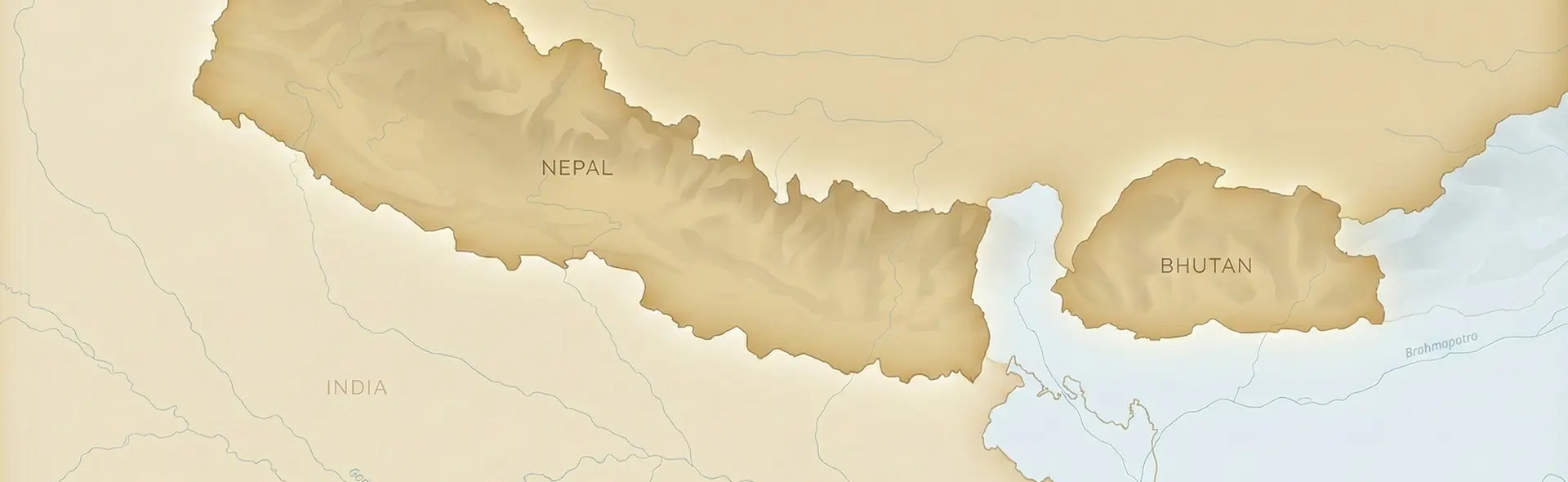
Bhutan Tour Packages are best for travelers who want a guided and well-planned trip with visa support, private transport, hotels, sightseeing, and local guidance arranged in advance. Most travelers choose 5 to 8 days to visit Paro, Thimphu, and Punakha at a comfortable pace. Longer trips often add Gangtey, Bumthang, Haa Valley, or trekking routes for deeper cultural and scenic experiences. These tours suit first-time visitors, couples, families, seniors, and travelers who want a smooth cultural holiday in the Himalayas.
You can choose from cultural tours, scenic holidays, trekking trips, family-friendly itineraries, and luxury Bhutan tours. Most packages include a guide, a driver, private ground transport, hotels, and sightseeing, while the visa fee and Sustainable Development Fee may be either included in the package price or listed separately, depending on the trip.
Bhutan offers a rare mix of living Buddhist culture, peaceful valleys, mountain views, and carefully protected heritage. Travelers visit ancient monasteries, impressive dzongs, traditional villages, and quiet landscapes where nature and culture remain closely linked. With Bhutan Tour Packages, travel feels simple, comfortable, and well-organized from arrival in Paro to the final departure.
Quick Facts
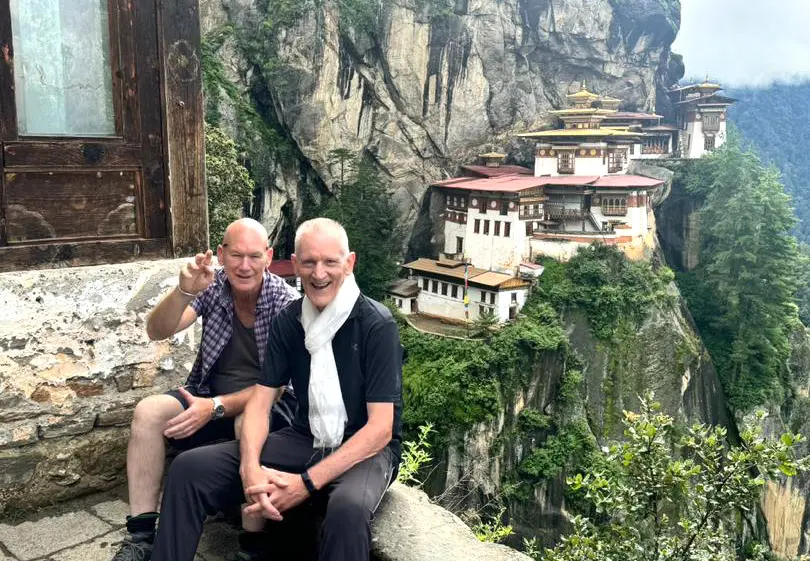
Bhutan Tour Packages offer travelers a simple, structured way to visit a country that carefully manages tourism. Most foreign visitors need a visa before arrival, and guided travel remains the standard way to explore the country. A local guide is required throughout the trip, and route permits are no longer needed for normal travel inside Bhutan when you travel with a certified guide.
Most trips start in Paro and continue to Thimphu, Punakha, and other valleys, depending on the length of the trip. Cultural tours are the most common, but Bhutan also suits trekking, wellness, festival travel, photography, and family holidays. The country stays attractive year-round because each season offers a different experience, from spring flowers and autumn festivals to winter crane season and green summer landscapes.
Travelers usually choose Bhutan for its quiet pace, its living Buddhist culture, its scenic mountain valleys, and its strong environmental values. Bhutan uses the Sustainable Development Fee to support long-term national development, environmental preservation, cultural protection, healthcare, education, and tourism training. That makes Bhutan Tour Packages feel more meaningful than a standard sightseeing trip.
Many travelers choose Bhutan Tour Packages because they want a slower and more peaceful travel experience. Bhutan feels calm, clean, and deeply rooted in its traditions. You visit temples where monks chant, see prayer wheels spinning in village lanes, and enjoy landscapes that feel quiet and undisturbed.
Bhutan also offers a rich culture and tradition in one trip. You may see rare wildlife, such as takins or black-necked cranes, in winter. You also visit impressive dzongs, where carved woodwork, painted walls, and traditional architecture reflect Bhutan’s religious and artistic heritage.
Daily life in Bhutan adds even more value to the trip. You may watch an archery match, see women weaving fine textiles, and taste fresh food from nearby farms. In this way, Bhutan offers more than sightseeing. It gives visitors a closer look at mountain life, local values, and a culture that still feels protected and alive.
Paro is the arrival point for most Bhutan travelers and the best place to begin a first trip. It sits at about 2,200 meters and is home to Bhutan’s only international airport. The drive from Paro to Thimphu usually takes about 1.5 to 2 hours on a paved mountain road, so Paro makes a good natural first stop on most western Bhutan routes.
Why go:
Choose Paro for Bhutan’s most famous monastery, a strong mix of culture and scenery, and an easy first stay after arrival.
Ideal stay:
2 nights works well for most first-time visitors. It gives you time for the Tiger’s Nest hike, local sightseeing, and a relaxed first day after landing.
Best for:
First-time visitors, short Bhutan trips, Tiger’s Nest hikers, couples, and travelers who want a strong mix of culture and scenery.
Top 3 highlights:
Paro is also one of the easiest places to explore on foot. Beyond the major landmarks, it offers Kyichu Lhakhang, traditional homes, small craft shops, and open valley views. If a traveler has only a few days in Bhutan, Paro deserves a larger share of the trip because it combines Bhutan’s best-known icon with a peaceful town setting.
Thimphu is the capital and the main urban stop on most Bhutan Tour Packages. It sits at around 2,334 meters and is about 1.5 to 2 hours by road from Paro. Thimphu is where travelers see how Bhutan combines tradition, religion, government, and modern life in one valley.
Why go:
Choose Thimphu for museums, city comforts, cultural sites, and a clearer understanding of modern Bhutan.
Ideal stay:
2 nights are usually enough for most travelers. It allows time for major sightseeing without making the trip feel city-heavy.
Best for:
Culture lovers, first-time visitors, families, seniors, and travelers who want easier sightseeing with good hotels and dining options.
Top 3 highlights:
Thimphu also works well for travelers who want craft, local food, and museums without losing the calm feel of Bhutan. The Folk Heritage Museum, Textile Museum, art school, and Takin Preserve add variety, while cafes and comfortable hotels make it easy to rest between longer drives. If Paro feels spiritual and scenic, Thimphu feels cultural and practical.
Punakha is one of the most rewarding places to visit after Paro and Thimphu. The drive from Thimphu usually takes about 2.5 to 3 hours and crosses Dochula Pass. Punakha sits much lower, around 1,200 meters, so it feels warmer, greener, and softer than Thimphu. That change in climate and landscape is one reason many travelers enjoy it so much.
Why go:
Choose Punakha for warmer weather, river scenery, village life, and one of Bhutan’s most beautiful dzongs.
Ideal stay:
1 to 2 nights is ideal. One night works for shorter trips, but two nights allow for village walks and a slower pace.
Best for:
First-time visitors, honeymoon travelers, families, seniors, and travelers who want scenic beauty without high altitude stress.
Top 3 highlights:
Punakha is a strong choice for travelers who want to slow down. It mixes history with easy walking, river views, and village life. Some travelers also add rafting or a short hike to Khamsum Yulley Namgyal Chorten. Compared with Thimphu, Punakha feels more open and relaxed, so it is often a favorite stop on a 6- to 7-day Bhutan trip.
Phobjikha, often paired with Gangtey, is one of Bhutan’s best nature stops. The drive from Punakha usually takes about 2 hours 20 minutes to 3 hours, depending on the route and stops. The valley sits at about 2,900 to 3,000 meters and is known for its open glacial landscape, black-necked cranes, and quiet rural setting.
Why go:
Choose Phobjikha for quiet landscapes, crane season, nature walks, and a more peaceful rural experience.
Ideal stay:
1 to 2 nights works best. One night is enough for the main sights, but two nights suit slow travelers and nature lovers.
Best for:
Nature lovers, birdwatchers, photographers, couples, seniors, and travelers who want a calmer stop away from busy sightseeing.
Top 3 highlights:
This is the right stop for travelers who want space, quiet, and more gentle activities. It lacks the concentration of major monuments found in Paro or Thimphu, but it offers something different: wide views, birdlife, a monastery atmosphere, and a slower rhythm. In winter, the black-necked crane season makes it especially attractive. For many travelers, Gangtey is where Bhutan feels most peaceful.
Bumthang suits travelers who want to go deeper into Bhutan’s spiritual and cultural landscape. It is usually added on longer trips after central Bhutan. A practical route is via Trongsa, and the drive from Trongsa to Jakar in Bumthang is about 30 to 45 minutes, with Jakar at about 2,587 meters. Longer western-to-central overland itineraries often treat Bumthang as the heart of the deeper route.
Why go:
Choose Bumthang for older temples, stronger spiritual history, quieter valleys, and a more local side of Bhutan.
Ideal stay:
2 to 3 nights is a strong minimum. Bumthang has several valleys and important religious sites, so a quick stop feels too short.
Best for:
Repeat visitors, spiritual travelers, culture-focused guests, photographers, and travelers taking 8 to 10 days or more.
Top 3 highlights:
Bumthang is less about one single icon and more about depth. It rewards travelers who want old temples, village life, local products, and a slower, deeper understanding of Bhutanese beliefs and history. If Paro and Punakha show Bhutan’s famous highlights, Bumthang shows its inner religious character. It is one of the best additions for a deeper cultural itinerary.
Haa Valley is best enjoyed as a peaceful extension of Paro. It lies about 65 to 70 kilometers from Paro and usually takes around 2.5 hours to reach by road via Chele La Pass. Haa sits at roughly 2,670 to 2,740 meters and feels more remote, less visited, and more traditional than the main western circuit.
Why go:
Choose Haa for a quieter valley, fewer tourists, a scenic high pass drive, and a more hidden side of western Bhutan.
Ideal stay:
1 night is enough for many travelers, though it also works as a long day trip from Paro.
Best for:
Travelers seeking less-visited places, photographers, couples, slow travelers, and people returning to Bhutan for something quieter.
Top 3 highlights:
Haa is not usually the first choice for a short Bhutan trip, but it adds real depth for travelers who want something quieter than Paro and Thimphu. The pass views are a major part of the appeal, and the valley itself feels traditional, open, and calm. Haa fits especially well into private trips, photography tours, and second visits to Bhutan.
Trongsa is one of the most important historical stops in central Bhutan. From Punakha, the drive is usually about 3 hours and 45 minutes, and it is often paired with Bumthang on longer routes. Trongsa town sits at about 2,100 meters and holds a strong place in Bhutan’s political and royal history.
Why go:
Choose Trongsa for its dramatic dzong, central location, and strong historical importance in Bhutan’s monarchy.
Ideal stay:
1 night works well for most travelers moving between western and central Bhutan.
Best for:
History lovers, deeper cultural travelers, photographers, and travelers doing 8-day or longer overland routes.
Top 3 highlights:
Trongsa is a destination for travelers who care about history and atmosphere more than easy sightseeing. The dzong spreads across the hillside in one of Bhutan’s most dramatic settings, and the museum helps explain the country’s monarchy and regional history. It is not essential on a short trip, but it adds real depth to a longer Bhutan route.
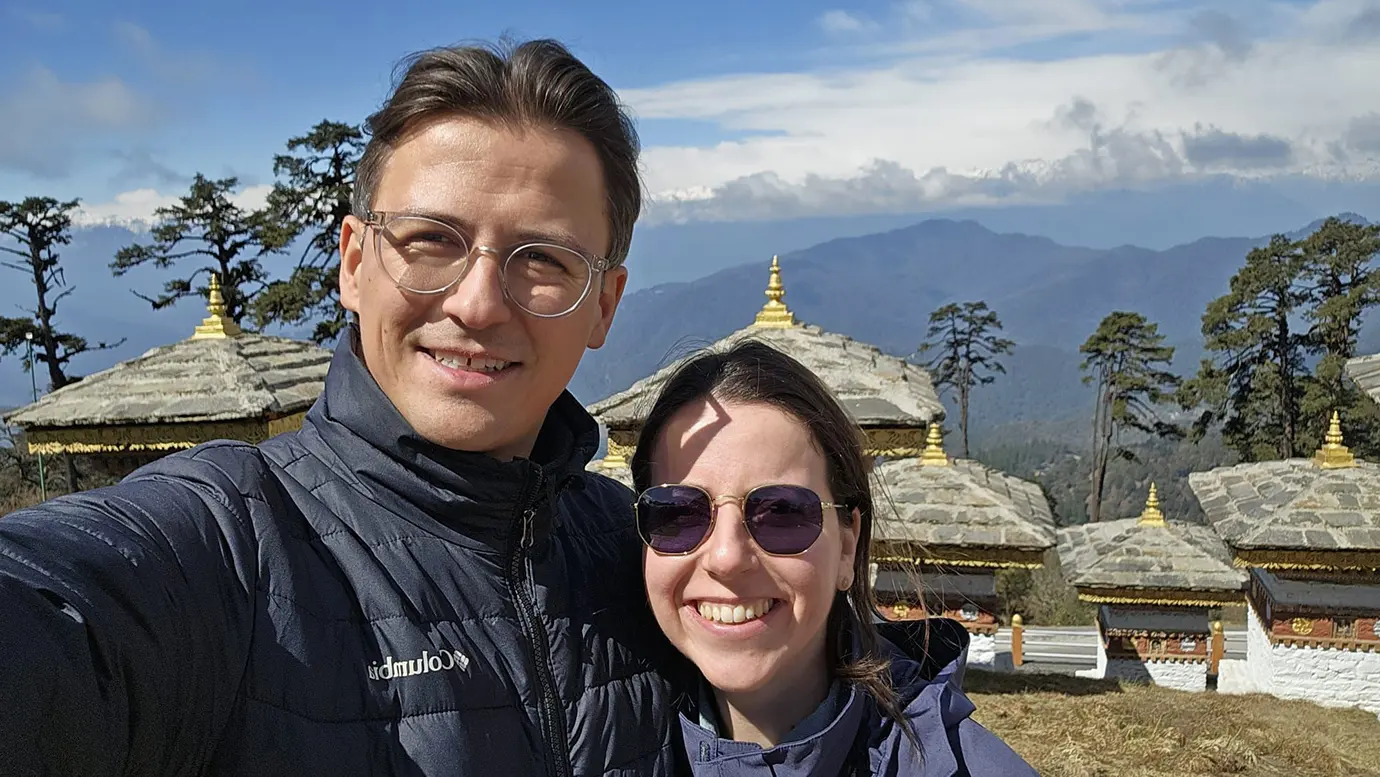
If you only have a short trip, focus on Paro, Thimphu, and Punakha. That gives the best first-time balance. If you have more time and want nature, add Phobjikha. If you want deeper religion and history, add Bumthang. If you want something quieter and less visited in western Bhutan, choose Haa. If you are traveling across the country and want stronger historical depth, add Trongsa.
Bhutan Tour Packages come in different styles, so travelers can choose the experience that best suits them. Some focus on culture and heritage, while others focus on nature, comfort, wellness, or trekking. The right choice depends on your pace, budget, and interests.
Cultural tours are the most popular option. These trips focus on monasteries, dzongs, museums, village life, and local traditions. Travelers visit Paro, Thimphu, and Punakha and learn about Bhutanese Buddhism, architecture, and daily customs. These Bhutan cultural tours are ideal for first-time visitors.
Luxury trips suit travelers who want a slower pace and greater comfort. These luxury Bhutan tours include premium hotels, private vehicles, experienced guides, and carefully planned service. Many also add wellness features such as spa treatments, hot stone baths, and fine dining.
Adventure-focused travelers often choose trekking routes such as the Druk Path Trek or Jomolhari Trek. These Bhutan trekking tours combine mountain scenery, remote camps, and cultural contact in highland villages. They suit travelers who want more walking and time in nature.
Families usually prefer shorter drives, easier walks, and more flexible sightseeing. These Bhutan family tours work well for parents, older travelers, and multigenerational groups. Wellness trips focus more on quiet stays, meditation, yoga, and peaceful valley settings.
Festival departures follow Bhutan’s religious calendar and give travelers a chance to watch mask dances, monastery rituals, and local celebrations. Bhutan festival tours are a strong choice for cultural travelers and photographers. Bhutan photography tours focus more on landscapes, monasteries, village scenes, and seasonal events.
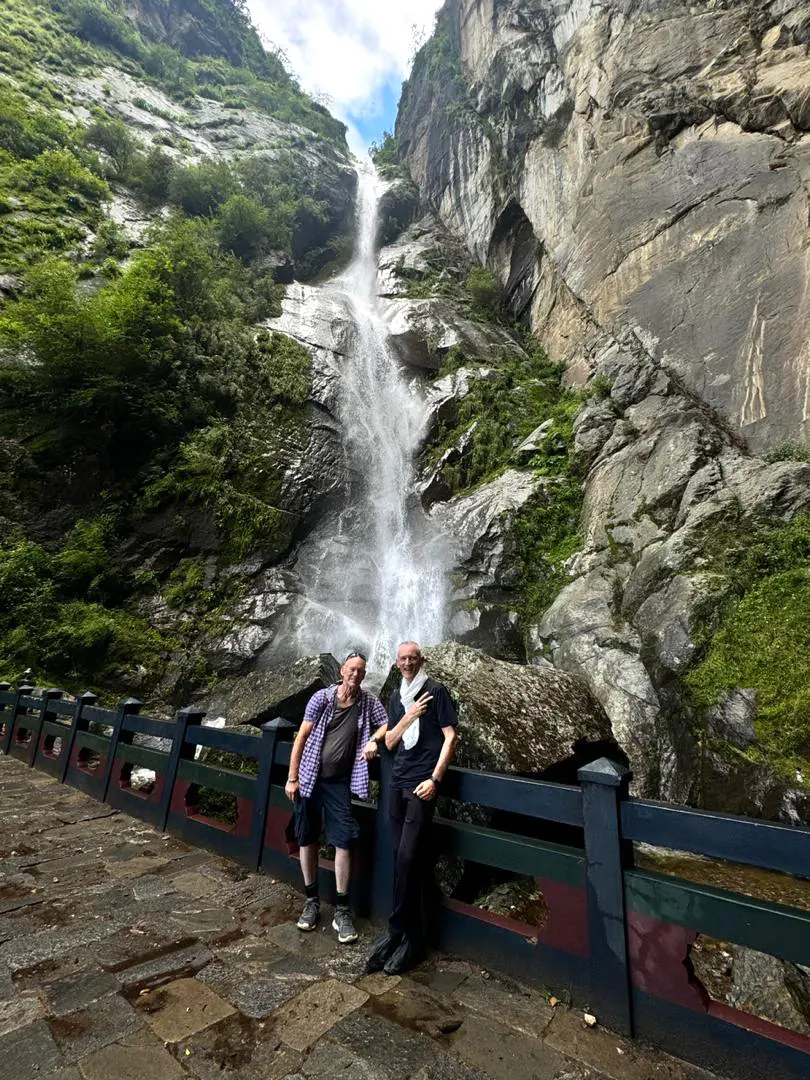
Bhutan looks small on the map, but travel takes longer than many visitors expect because the roads follow mountain ridges and valleys. As a rule of thumb, the drive from Paro to Thimphu usually takes about 1.5 to 2 hours. The drive from Thimphu to Punakha usually takes about 2.5 to 3 hours. The drive from Punakha to Gangtey / Phobjikha usually takes about 2 to 3 hours. These are normal planning times for most Bhutan Tour Packages, not rushed transfers.
Roads on the main Bhutan circuit are generally paved and usable, but they are often narrow, winding, and slow because of the terrain. The route from Thimphu to Punakha crosses Dochula Pass and includes many bends, while the Bhutan road toward Gangtey climbs through forest and mountain sections. Travel feels scenic, but it is not fast. Visitors should expect regular curves, elevation change, and slower average speeds than in flat countries.
Yes, motion sickness is fairly common on Bhutan road trips, especially between Thimphu, Punakha, and Gangtey, where the mountain roads have many curves. Travelers who know they are sensitive to winding roads should sit in a forward-facing seat, stay hydrated, avoid heavy meals before long drives, and carry motion-sickness medicine. A slower itinerary helps a lot.
Winter nights in Bhutan can feel cold, especially in Gangtey, Bumthang, and higher valleys. Many mid-range and upscale hotels list heating as a room feature, but you should not assume every property offers strong heating in every room. It is better to confirm this before booking, especially for winter travel or senior-friendly itineraries.
Wi-Fi is available in many Bhutan hotels, but the quality varies. Official Bhutan tourism guidance says most hotels have Wi-Fi, though it also recommends using a guest SIM for more reliable access. In Paro and Thimphu, the internet usually works better. In quieter valleys such as Gangtey, Phobjikha, or Bumthang, the connection may be slower and less stable. Travelers who need regular internet should keep expectations realistic.
Cards work well in urban areas, but cash still matters. Official Bhutan tourism guidance says Visa and Mastercard are accepted at ATMs and are widely used in urban Bhutan. It also notes that card service may not be available in all parts of the country. Carrying some cash in ngultrum, US dollars, or Indian rupees is still a smart idea for smaller purchases and rural stops.
Bhutan Tour Packages come in several trip lengths. The best duration depends on how much of the country you want to see and how much road travel you are comfortable with.
A 5-day Bhutan trip is best for travelers who want to see the highlights in a short time. Most 5-day Bhutan Tour Packages focus on Paro and Thimphu, with the Tiger’s Nest hike, major dzongs, museums, and a few cultural sites. This option suits travelers with limited time who still want a guided and comfortable introduction to Bhutan. The visa still needs to be arranged in advance, and the SDF applies for each night of stay.
A 7-day Bhutan itinerary is the best choice for many first-time visitors. It usually adds Punakha to the Paro-Thimphu route, adding variety to the trip. You get time for monasteries, dzongs, scenic drives, local food, and a more relaxed pace. A week in Bhutan often feels balanced because it includes the main cultural highlights without rushing from one valley to the next.
A 10-day Bhutan Tour Package suits travelers who want more depth. This version often adds Gangtey or Phobjikha for nature and cranes, or Bumthang for older temples and a more spiritual feel. Some travelers also add the Haa Valley or a short trek. A longer trip works well for photographers, slower travelers, and guests who want to see more than the standard western Bhutan route.
Choosing the right Bhutan Tour Package depends on your time, travel style, comfort level, and interests. Some travelers want the main cultural highlights in a few days. Others want a slower route with more valleys, village life, and scenic drives. Some want trekking. Others want comfort, photography, or family-friendly pacing.
This guide helps you choose the Bhutan trip that best suits you.
A short Bhutan trip works best for travelers with limited time. This option focuses on Paro and Thimphu, which are the two most important starting points for first-time visitors.
You usually visit:
This trip offers a quick yet meaningful introduction to Bhutan’s culture, religion, and daily life. You see sacred sites, traditional architecture, and mountain scenery without long road travel.
Best for:
This option is not the best choice if you want a slower pace or a deeper look at rural Bhutan. It works more as a compact cultural introduction.
This is the most balanced choice for many travelers. A 6 to 7-day Bhutan Tour Package gives you time to see the main western Bhutan highlights without feeling rushed.
You usually visit:
Punakha adds a very different side of Bhutan. The valley is lower, warmer, greener, and more relaxed than Thimphu. You get a better mix of history, nature, and village life.
Best for:
If someone asks for the best overall Bhutan trip for a first visit, this is often the right answer.
An 8- to 10-day Bhutan Tour Package offers more depth. After Paro, Thimphu, and Punakha, you can add either Gangtey / Phobjikha or Bumthang, depending on your interests.
Gangtey is a strong choice for travelers who want calm landscapes, birdlife, and a slower pace. It works very well for couples, seniors, and nature lovers.
Bumthang suits travelers who want to go beyond the standard Western circuit. It adds more religious depth and a stronger sense of Bhutan’s traditional heartland.
Best for:
A 10+ day Bhutan Tour Package is best for travelers who want to see Bhutan in greater depth. At this length, you can combine western Bhutan with central valleys, hidden areas, or trekking routes.
This kind of trip may include:
This longer route gives you more time for scenic drives, local interaction, village stays, temple visits, and less crowded places. It also gives your body more time to adjust to mountain travel and longer road distances.
Best for:
If your main goal is trekking, this is also the right range to consider. Popular trekking options such as the Druk Path Trek or Jomolhari Trek need more time and a different pace than a standard cultural tour.
Families usually do best with a 6 to 7-day Bhutan Tour Package covering Paro, Thimphu, and Punakha.
Why it works:
Families often enjoy:
For families with younger children, the trip should avoid too many hotel changes. It should also use a gentle pace and allow more rest time.
Best family route:
Paro + Thimphu + Punakha
Seniors often prefer a comfortable, well-paced cultural trip rather than a long cross-country road trip. The best choice is usually 6 to 8 days, with stops in Paro, Thimphu, and Punakha, and sometimes Gangtey if road time feels manageable.
Why it works:
Many senior travelers also enjoy:
Tiger’s Nest can still be part of the trip, but it should be presented honestly. Some seniors may prefer the cafeteria viewpoint instead of the full hike.
Best senior route:
Paro + Thimphu + Punakha
or
Paro + Thimphu + Punakha + Gangtey
Honeymoon travelers usually want scenic beauty, privacy, comfort, and a calm pace. The best choice is often a 6 to 8-day Bhutan Tour Package with premium hotels and a mix of culture and quiet valleys.
A honeymoon trip works best when it includes:
Why it works:
Punakha is especially good for honeymoon travel because it feels warmer, greener, and softer than the higher valleys. Gangtey also works well for couples who want privacy and nature.
Best honeymoon route:
Paro + Thimphu + Punakha
or
Paro + Thimphu + Punakha + Gangtey
Photography travelers usually need more time, better light planning, and more route variety. A short trip still works, but 8 to 10 days is much better for a photography-focused Bhutan trip.
Photographers often want:
Gangtey is strong for landscape and crane photography. Bumthang adds older temples and quieter village scenes. Festival travel also works very well if dates match your travel plans.
Best photography route:
Paro + Thimphu + Punakha + Gangtey
or
Paro + Thimphu + Punakha + Bumthang
Trekkers need a different plan from cultural travelers. A standard 4- to 7-day sightseeing trip is not enough if your goal is to walk in the mountains.
The best trekking-focused choices usually need 10 days or more, especially if you want:
Popular trekking options include:
A trekking guest should not choose a short cultural package unless the main goal is sightseeing with only light day walks.
Best trekking route:
Paro + trek extension
or
cultural west Bhutan + multi-day trek
The best time for a Bhutan Tour depends on what you want to see and do. Bhutan Tour Packages run year-round, but spring and autumn are the most popular months.
Spring is one of the best seasons for Bhutan Tour Packages. The weather stays mild, flowers bloom across the valleys, and mountain views are often clear. This season is ideal for cultural tours, photography, and hiking.
Autumn (September to November) is another peak season. The skies are usually the clearest, and many of the most famous festivals take place during this time. These months are excellent for Bhutan cultural tours, scenic trips, and photography.
Winter brings cold mornings and nights, but many days stay sunny and clear. This is a good time for travelers who want fewer crowds and lower valley travel. Gangtey and Phobjikha also attract visitors during crane season, which adds value to winter Bhutan travel packages.
Summer is the monsoon season. The hills turn very green, but rain and cloud can limit views of the mountains. This season works better for travelers who care more about landscapes, quiet travel, and off-season pricing than long treks or high mountain scenery.
Most travelers choose spring or autumn for the best mix of weather, views, and cultural experiences.
| Season | Months | Temperature | Highlights |
|---|---|---|---|
| Spring | Mar – May | 10°C – 22°C | Flowers, mild days |
| Summer | Jun – Aug | 18°C – 28°C | Green hills, rain |
| Autumn | Sep – Nov | 12°C – 24°C | Clear skies, peaks |
| Winter | Dec – Feb | -2°C – 15°C | Sunny, cold nights |
Most foreign travelers need a Bhutan visa before arrival. The visa application fee is a one-time USD 40 and is non-refundable. Most adult international visitors also pay the Sustainable Development Fee of USD 100 per night. Children aged 6 to under 12 pay USD 50 per night, and children under 6 do not pay the SDF. Indian nationals follow a permit process and pay Nu. 1,200 per person per night, with a reduced rate for children aged 6 to 12. Visa applications are completed online and are usually reviewed within 5 working days.
To apply, travelers need a passport with at least 6 months of validity, a digital passport photo, travel dates, and payment details. Our team can handle the visa process on your behalf, making the booking smoother and reducing paperwork for you. Please note that package pricing may list the visa fee and SDF as either included or as separate government charges, so it is best to check the final travel cost breakdown before confirming.
| Item | Details |
|---|---|
| Visa fee | USD 40 one-time, non-refundable |
| SDF for international adults | USD 100 per night |
| Child SDF discount | Ages 6 to under 12 pay USD 50 per night. Under 6 pay no SDF. |
| Indian visitor fee | Nu. 1,200 per person per night. Children 6 to under 12 pay Nu./INR 600. |
| Passport validity | Minimum 6 months |
| Who handles the process | We can process the visa through our licensed Bhutan partner on your behalf. Officially, a tour operator or hotel can also apply for you. |
| Are fees included in the package price? | This depends on the package. Some Bhutan Tour Packages include the visa fee and SDF in the displayed cost, while others list them separately as government charges. |
Bhutan Tour Packages include all flights and cars. Only two airlines fly into the country. These are Drukair and Bhutan Airlines. They fly from cities like Bangkok and Delhi. You can also fly from Singapore and Kathmandu.
The flight into Paro is very exciting. You see the Everest and other peaks. Inside the country, you use a private SUV. The roads are narrow and have many turns. Drivers are very skilled on the mountain paths.
Bhutan Tour Packages cover all the fuel costs. You do not drive the car yourself. The guide and driver stay with you. Domestic flights connect Paro to the east. This saves a lot of driving time. Most travelers prefer scenic road trips.
The total cost of a Bhutan tour depends on five main factors: trip length, hotel level, season, route, and whether the trip is private or shared. The biggest fixed government costs are the visa fee and the Sustainable Development Fee. Every extra night increases the SDF, which is why a longer itinerary always costs more, even before hotels, transport, and guide service are added.
After the government fees, the biggest price differences usually come from hotel choice and internal travel style. A simple cultural trip with standard hotels costs less than a luxury Bhutan tour with premium resorts, spa services, and private upgrades. The route also matters. A short western Bhutan circuit is easier to price than a longer trip that adds Gangtey, Bumthang, Haa, or domestic flights.
| Flight No | From | To | Days |
|---|---|---|---|
| KB541 | Singapore | Paro | Thu, Sun |
| KB540 | Paro | Singapore | Wed, Sat |
| KB401 | Kathmandu | Paro | Weekly |
| KB201 | Delhi | Paro | Daily |
Bhutan Tour Packages provide various types of accommodation. Standard packages use certified 3-star hotels. These hotels are clean and very safe. They offer local charm and good service. Luxury Bhutan Tour Packages feature 5-star resorts.
You can find famous international brands here. These have spas and very fine rooms. Bhutan Tour Packages also offer farmhouse stays. You live with a family in a village. This is the best way to see the culture.
Trekking guests sleep in high-quality tents. The crew sets up the camp for you. Most hotels have heaters for the cold nights. Hot water is available in the bathrooms. You find free Wi-Fi in the major towns. Bhutan Tour Packages select hotels with good views.
Most Bhutan Tour Packages include three daily meals, especially on guided cultural tours and standard hotel-based trips. Breakfast and dinner are usually served at the hotel, while lunch is often taken at a local restaurant or tourist-standard dining place during sightseeing. The food is fresh, simple, and closely tied to local farming, so many meals use vegetables, cheese, red rice, and seasonal produce from nearby valleys.
The most famous Bhutanese dish is Ema Datshi, a stew made with chilies and local cheese. It is the national dish, but it can be very spicy for many visitors. Another common dish is Kewa Datshi, which uses potatoes and cheese and is often milder. Momos, steamed dumplings filled with vegetables, cheese, or meat, are also popular and easier for many travelers to enjoy. You may also try Suja, or butter tea, along with red rice, local honey, and fresh fruits such as apples and pears.
Vegetarian food is easy to find in Bhutan, especially in hotels and tourist restaurants. Guests who prefer less spicy meals can usually ask for milder food, and most hotels are used to preparing dishes with less chili for foreign travelers. Families and senior travelers often choose simpler options such as fried rice, noodles, mild vegetable curries, egg dishes, soups, potatoes, and momos. These meals are easier to digest and suit travelers who do not want heavy spices.
If you have dietary needs, you should share them before arrival. This includes vegetarian meals, vegan food, gluten-free options, and low-spice requests. Most Bhutan Tour Packages can accommodate basic dietary preferences when the hotel and guide are informed in advance. That small step makes the trip more comfortable and helps your meals stay safe, simple, and enjoyable throughout the tour.
Bhutan Tour Packages offer amazing mountain treks. The Druk Path Trek is the most popular. It takes 6 days to walk from Paro to Thimphu. You see high lakes and great peaks. The Jomolhari Trek is another top choice.
It lasts for 9 to 12 days in the wild. You reach the base of a sacred mountain. The Snowman Trek is for very fit people. It is the hardest trek in the world. You walk for 25 days over high passes.
Bhutan Tour Packages provide full support for treks. You walk with a guide and a cook. Horses carry your heavy bags and gear. You sleep in tents and eat hot food. The air is thin at high altitudes. You take days to rest and adjust.
| Trek Name | Duration | Max Altitude | Difficulty |
|---|---|---|---|
| Druk Path | 6 days | 4,210 m | Moderate |
| Jomolhari | 9 days | 4,930 m | Challenging |
| Owl Trek | 3 days | 3,600 m | Easy |
| Snowman | 25 days | 5,320 m | Extreme |
Bhutan Tour Packages align with local festivals. These are colorful events with religious dances. The Paro Tshechu takes place in spring. The Thimphu Tshechu takes place in autumn. You see masks and ancient costumes.
The dancers tell old stories through their moves. Bhutan Tour Packages include entry to the dzongs. You sit on the floor with the local people. It is a very happy and social time. You hear the sounds of horns and drums. Many people get blessings from the monks.
Festivals are the best time for photos. You see the whole community in their best clothes. Bhutan Tour Packages help you find the dates you need. Some festivals celebrate the arrival of cranes. Others honor the birth of Guru Rinpoche. It is a deep cultural experience for all.
| Festival | Place | Start Date | End Date |
|---|---|---|---|
| Punakha Tshechu | Punakha | Feb 27, 2026 | Mar 01, 2026 |
| Paro Tshechu | Paro | Mar 29, 2026 | Apr 02, 2026 |
| Thimphu Tshechu | Thimphu | Sep 21, 2026 | Sep 23, 2026 |
| Jakar Tshechu | Bumthang | Oct 18, 2026 | Oct 21, 2026 |
| Black-Necked Crane | Gangtey | Nov 11, 2026 | Nov 11, 2026 |
Bhutan works well for families because travel is guided, private transport is standard, and the country promotes a calm and safe travel environment. The official Bhutan tourism site also presents Bhutan as family-friendly. It highlights Tiger’s Nest and shorter scenic hikes as suitable family experiences, with ponies available for part of the climb.
Bhutan also suits many senior travelers when the itinerary is planned at a gentle pace. A slower route with Paro, Thimphu, and Punakha usually works better than a fast-moving cross-country program. Seniors often enjoy Bhutan because the travel style is private, cultural, and scenic rather than rushed. Good hotels, private vehicles, short walks, and flexible sightseeing make the experience much more comfortable.
For both families and seniors, the key is to choose the right package. A page should clearly state which tours are best for children, which are best for older travelers, and which involve longer drives, colder weather, or greater physical effort. That kind of guidance helps readers make confident choices.
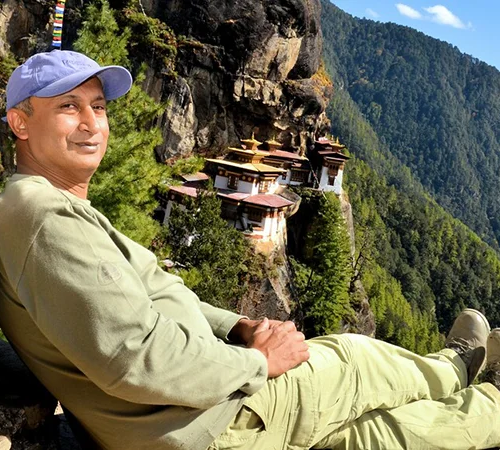
Tiger’s Nest Monastery is one of the biggest highlights in Bhutan, but the hike is not easy for every traveler. Official Bhutan tourism content describes it as a steady climb of about two hours to reach around 10,000 feet, with an elevation gain of about 3,000 feet from Paro Valley. Ponies are available for younger guests for part of the route.
For most healthy travelers, the hike feels moderate. It is steep in places, and the altitude makes the effort feel harder than a normal lowland walk. Travelers who do not want to hike the entire route can still enjoy part of the route and stop at the cafeteria viewpoint, which offers a good view of the monastery without completing the full climb.
A package page should explain this clearly. Do not call the hike easy. Do not call it extreme either. It is best described as a rewarding uphill walk suitable for most active travelers, but it requires a steady pace, proper footwear, and realistic expectations.
Bhutan is culturally conservative when it comes to religious sites, so temple attire should be modest and respectful. A package page should guide travelers clearly here. Long pants, covered shoulders, and neat clothing work best for both men and women. Avoid shorts, sleeveless tops, and overly tight clothing when visiting dzongs, monasteries, and sacred places.
You should also tell travelers to dress in layers. Mornings and evenings in Bhutan can feel cool, even when daytime sightseeing is warm. A light jacket, scarf, or fleece is useful in spring and autumn, while winter needs heavier layers.
Footwear matters too. Travelers should wear easy, comfortable shoes that can be removed when required and are stable enough for monastery steps and uneven paths. A practical clothing section helps readers prepare better and reduces confusion after arrival.
Nepal Hiking Company offers more than a standard Bhutan trip. We work with a licensed Bhutan handling partner to arrange your travel legally and smoothly. Our team supports the visa process, helps prepare the required documents, and keeps the trip organized from the start.
We provide a private guide and driver for a more comfortable and flexible experience. You travel at your own pace and get clear local support throughout the route. We also offer a range of hotel categories, from comfortable standard stays to luxury properties, so you can tailor the trip to your budget and comfort level.
Our Bhutan Tour Packages also work well for different travel needs. We arrange custom departures for couples, families, solo travelers, and private groups. We can adjust the pace, walking level, and sightseeing plan for older guests, children, or travelers who prefer a softer itinerary.
Before the trip, we help with planning, documents, route advice, and hotel selection. During the trip, our local team stays available for on-ground support. If weather, road conditions, or health issues affect the plan, we coordinate the next steps quickly. This includes local assistance, hotel adjustments, transport updates, and emergency response support when needed.
Bhutan Tour Packages cater to every type of guest. Luxury packages offer the most comfort. You get a private guide and a fancy car. These packages include high-end meals and drinks. You enjoy a hot stone bath every night. It is a very relaxing way to see the land.
Family Bhutan Tour Packages focus on child safety. You find shorter walks and more activities. Bhutan Tour Packages offer big discounts for kids. You visit animal parks and local schools. The food is made for young tastes. Families feel safe and welcome in the hotels.
Guides keep the kids happy with local stories. You find many open fields for kids to play. Bhutan Tour Packages for families use larger vans. This gives everyone more room for the trip. It is a great place for a family holiday. You learn about a different world together.
Bhutan Tour Packages allow you to change the plan. You pick the dates that work for you. You choose the valleys you want to visit. Bhutan Tour Packages are tailored to your specific interests. Some guests want more time for birdwatching. Others want to focus on local art and crafts.
You can decide the level of the hotels. Bhutan Tour Packages for solo travelers are easy to book. You get a private guide for your trip. Groups can also customize their own routes. You can add extra days for rest or prayer. Your operator helps you make the best choice.
Customization makes every trip feel very special. You are not forced into a standard group. Bhutan Tour Packages adjust to your physical fitness. You can pick easy walks or hard mountain climbs. This flexibility is a key part of the service. You get the trip that you really want.
A clear What Is Included and Excluded section helps travelers understand the real value of your Bhutan trip before they book. It also helps them compare packages more fairly. A good Bhutan Tour Packages page should present the cost structure in plain language and explain whether government fees are included or billed separately.
Most Bhutan Tour Packages usually include the core travel services needed for a smooth and guided trip.
Visa processing support
Licensed local guide
Private driver and vehicle
Hotel accommodation
Meals
Sightseeing and monument entry fees
Airport transfers
Trip coordination
Some Bhutan Tour Packages include extra services, while others list them separately. This should always be stated clearly.
Bhutan visa fee
Sustainable Development Fee
Domestic flights
Special experiences
Most Bhutan Tour Packages do not include certain personal or optional costs. These should be listed clearly to avoid confusion.
International flights
Travel insurance
Tips
Personal expenses
Alcohol and premium drinks
Spa and wellness services
Extra hotel nights
Optional activities
A good Bhutan package page should clearly explain whether the following charges are:
These charges usually include:
This is important because many travelers compare prices without realizing that one company may include the visa fee and SDF, while another may list them separately. A package may look cheaper at first, but the final cost can be much higher once those charges are added.
Before booking, travelers should confirm the following points:
A strong inclusion and exclusion section makes your package page more useful and more trustworthy. It helps travelers:
When your Bhutan package page clearly and early explains the cost, it becomes much easier for readers to make a decision.
Bhutan is a very safe country for every visitor. The crime rate is extremely low for tourists. Bhutan Tour Packages provide a guide at all times. This ensures that you are never alone or lost. The drivers are very careful on the steep roads. Roads are narrow but well-maintained by the state.
Altitude is a concern for some people on treks. Your guide monitors your health every day. You drink a lot of water to stay healthy. Bhutan Tour Packages for treks have Bhutan Travel Safety plans. They carry kits to treat minor injuries.
The tap water here is not safe to drink. You must use bottled or boiled water. The Bhutanese food in hotels is clean and very fresh. Hospitals in major towns provide good care. Bhutan Tour Packages ensure a worry-free experience. You feel safe walking in the towns at night.
Packing for Bhutan Tour Packages needs some planning. You must bring modest clothes for the temples. This means long pants and shirts with sleeves. Layering is the best way to handle the weather. The mornings are cold, but the days are warm.
You need a warm jacket for winter. A raincoat is good for the summer rains. Bhutan Tour Packages involve a lot of walking. Bring sturdy and comfortable shoes for the trails. Sneakers are fine for the city tours.
Sun protection is very important at high altitudes. You need sunglasses and a good sun hat. Bring all your personal medicines with you. Most hotels have basic items, but not all. Bhutan Tour Packages provide a full packing list of what to bring.
| Season | Items | Why |
|---|---|---|
| Spring | Light jacket, scarf | Cool mornings, wind |
| Summer | Raincoat, insect spray | Monsoon rain, bugs |
| Autumn | Fleece, hiking boots | Clear days, dry paths |
| Winter | Down jacket, thermals | Freezing nights, snow |
Bhutan Tour Packages focus on green travel goals. The country stays carbon-negative every year. They protect the forests and the clean air. Bhutan Tour Packages follow the no-plastic rule. You use a reusable water bottle.
The SDF fee helps the local environment stay clean. It funds schools and free medical clinics. Bhutan Tour Packages support the local people directly. You eat food grown by nearby farmers. This keeps the money in the local community.
Travelers must respect nature and the sites. You never litter on the mountain trails. You stay on the marked paths to protect plants. Bhutan Tour Packages teach you about the values. Every visitor helps save this special place.
Booking Bhutan Tour Packages is very straightforward. You find a licensed operator in the kingdom. They help you pick the best route for you. You send a copy of your passport photo page. You must pay the full trip cost in advance.
The money goes into a secure bank account. Once the payment is clear, they apply for the visa. It takes 5 to 7 days to get the papers. Bhutan Tour Packages make this process very easy. You receive your e-visa via email.
You show this paper at the airport check-in. The flights are often part of the package. You can buy them through your tour agent. It is better to book your trip months in advance. This ensures you get a room and a flight.
Travelers must understand the cost structure for their visit. Bhutan Tour Packages include various fixed and flexible costs. The sustainable development fee remains the largest fixed expense. The standard rate is $100 per person per night. The visa processing fee is a one-time charge of $40.
| Category | Cost (per night) | Notes |
|---|---|---|
| SDF (Adult) | $100 | Mandated by the state |
| SDF (Child 6-11) | $50 | 50% discount |
| 3-Star Hotel | $60 – $150 | Mid-range choice |
| Luxury Hotel | $250 – $1000+ | High-end brands |
| Guide & Driver | $40 – $100 | Group size dependent |
| Meals | $25 – $60 | Often in a package |
Bhutan Tour Packages provide a unique value for this price. You contribute to the happiness of a whole nation. The services are high-quality and very personal. Most travelers find the experience worth every single cent. It is a trip that you will never forget.
Bhutan Tour Packages offer a rare path into a hidden world. The kingdom protects its nature and culture with great care. Every visitor helps the local people through the daily fee. You see high peaks and meet friendly monks in the hills. The food is fresh, and the air is very clean.
Bhutan Tour Packages make your visit safe and very easy. You do not have to worry about the legal rules. A guide is there to show you the best sacred sites. You learn about a way of life that values peace. This is a special place that remains true to its roots.
2026 is a perfect time to book your visit to Bhutan. The new rules offer more flexibility for every guest. You can find the right hotel for your own budget. Whether you want a trek or a quiet spa, it is here. The kingdom of Bhutan waits for you with open arms.
Is Bhutan expensive?
Bhutan is usually more expensive than many South Asian destinations because most foreign visitors pay a daily Sustainable Development Fee of USD 100 per adult, plus a one-time visa fee of USD 40. The total cost also depends on the hotel level, trip length, transport, and whether you choose a standard or luxury package.
How many days do you need in Bhutan?
Most first-time travelers need 5 to 7 days to see Paro, Thimphu, and Punakha at a comfortable pace. A shorter trip can cover the main highlights, but 7 to 10 days gives more time for Gangtey, Bumthang, or a slower cultural experience. Longer trips work best for trekking or deeper regional travel.
Do you need a visa?
Yes. Most foreign visitors need a visa before entering Bhutan. Indian nationals need a permit instead, while visitors from Bangladesh and the Maldives follow a separate process. Bhutan’s official tourism site says visa applications are completed online and are usually reviewed within five working days.
Is Bhutan good for families?
Yes. Bhutan works well for families because travel is guided, private transport is common, and the country feels calm and safe. Families can combine short hikes, dzong visits, nature walks, and cultural experiences without rushing. A well-planned itinerary with Paro, Thimphu, and Punakha suits most families very well.
Is Bhutan safe for solo travelers?
Yes, Bhutan is generally very safe for solo travelers. Travel is structured, and a guide is required for most foreign visitors, which adds support and local help throughout the trip. Solo guests can still book private tours and enjoy a flexible itinerary, even though independent travel is not the normal way to visit.
What is the best month for Bhutan?
There is no single best month for every traveler, but April, October, and November are often the strongest choices. Spring brings flowers and mild weather, while autumn offers clearer mountain views and major festivals. Winter suits travelers who want fewer crowds and the black-necked crane season in Gangtey and Phobjikha.
Is the food very spicy?
Bhutanese food is often very spicy because chilies are a core part of local cooking, not just a seasoning. Ema datshi is the best-known example. Many local dishes can feel quite hot, but hotels and restaurants that serve international visitors usually prepare milder versions on request.
What is the currency?
Bhutan’s currency is the Ngultrum (Nu.). The Indian rupee is also widely accepted, and visitors can exchange money at Paro airport, banks, larger hotels, and authorized exchange businesses. ATMs and cards work in urban areas, but carrying some cash remains a good idea for smaller towns and rural travel.
Is there high-speed internet?
Most hotels in Bhutan offer Wi-Fi, but the quality varies. Internet access is usually better in Paro and Thimphu and less reliable in remote valleys. Bhutan’s official tourism site recommends getting a local SIM card for more convenient data access, though mobile data can still be costly.
Can I smoke in public?
Smoking in public is heavily restricted in Bhutan. Public areas such as parks, shops, restaurants, airports, and festival grounds do not allow smoking. Some places may have designated smoking areas, but travelers should never assume smoking is allowed. It is best to check with your guide or hotel first.
Do I need to tip?
Tipping is not required by law in Bhutan, but many travelers tip their guide and driver as a gesture of appreciation for good service. It is usually a voluntary gesture rather than a fixed rule. Most people give tips quietly at the end of the trip, often in cash and often in an envelope.
What language do they speak?
The national language of Bhutan is Dzongkha, but English is widely used and understood. Bhutan’s official tourism site says English is used throughout the education system, so most travelers have little trouble communicating in hotels, restaurants, and guided tours across the country.
Is it safe for women?
Bhutan is generally considered a safe destination for women travelers. Official tourism content describes low crime rates and a society with strong community values, while guided travel is standard for most foreign visitors. That structure adds support throughout the trip and makes Bhutan comfortable for both solo women and women traveling in groups.
Click here for more Bhutan Travel FAQs
Do not hesitage to give us a call. We are an expert team and we are happy to talk to you.
info@peregrinetreks.com