

Included Meals
- Breakfast: 0
- Lunch: 0
- Dinner: 0

Unbeatable Holiday Offers – Save Up to 20% on Your Next Adventure!
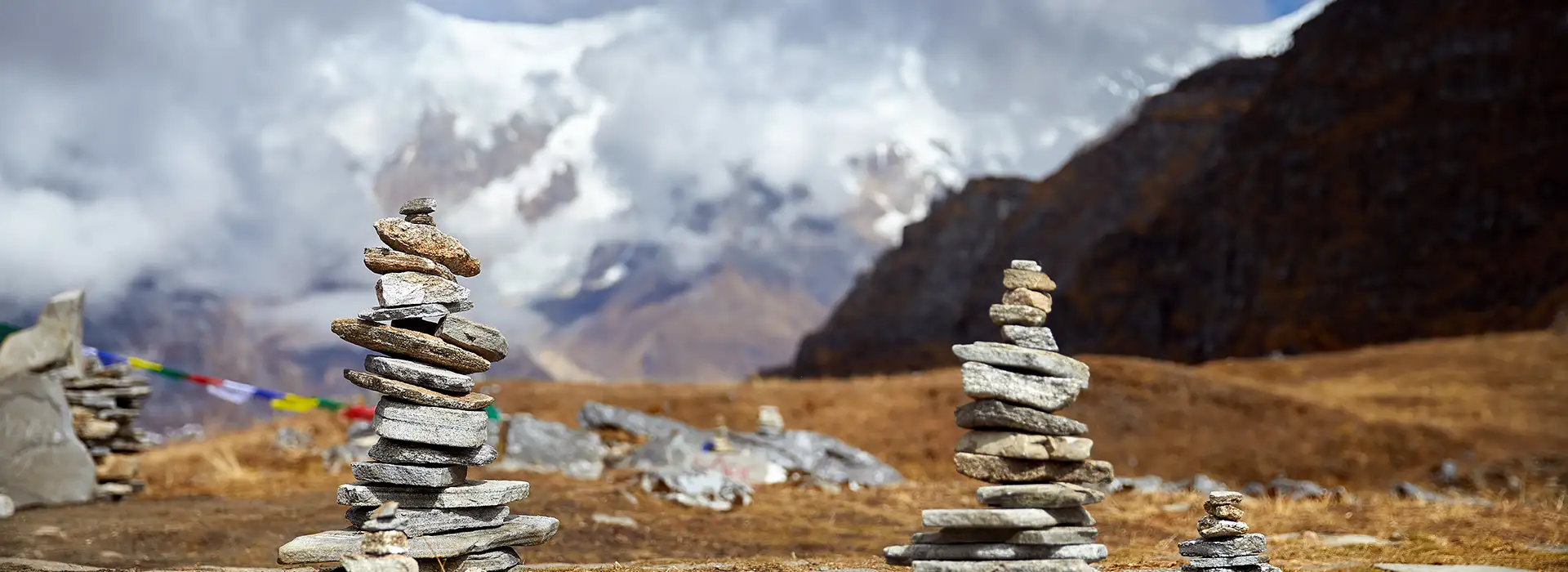
The Mardi Himal Trek offers a quiet and peaceful trekking experience in Nepal’s Annapurna region. You walk along serene trails, pass through lush rhododendron forests, and visit traditional Gurung villages. The trek provides stunning panoramic views of the entire Annapurna range, including Machhapuchhre, Annapurna South, and Hiunchuli. The Mardi Himal Trek is famous for its combination of natural beauty, cultural encounters, and tranquil mountain scenery.
During the Mardi Himal Trek, you hike along well-maintained trails that blend forested slopes with open ridgelines. You experience the vibrant culture of local Gurung villages, interact with villagers, and witness their daily lifestyle. The trail’s moderate pace allows you to fully enjoy the surrounding mountains, forests, and the peaceful atmosphere that distinguishes Mardi Himal from more crowded trekking routes.
Our Peregrine Treks and Tours team manages all logistics for the Mardi Himal Trek with care and professionalism. We arrange permits, accommodation, and the detailed itinerary so that you can focus entirely on the trek. With our support, you enjoy a stress-free trekking experience, allowing you to fully immerse yourself in the natural and cultural beauty of the Annapurna region.

Included Meals

Trip staff

Transport

Accommodation

Trip Grade
Group Size
Your trek begins after arriving in Pokhara. Pokhara is a lakeside city and the gateway to the Annapurna region. You can spend the day exploring the town or preparing for the trek. You will stay in the Kuti Resort. Rest early to begin the actual trekking tomorrow.
Max. Altitude: 820 m / 2,690 ft
Distance/Duration: ~200 km, 6–7 hours drive
Overnight: Comfortable hotel in Lakeside (Kuti Resort)
Difficulty
After breakfast, hop on the vehicle for a drive from Pokhara to Kande at 1,770m. After arriving in Kande, you begin trekking uphill along a stone-paved path. You will pass terraced fields and oak forests. The climb will take you to the Australian Camp (2,060 m), a beautiful viewpoint for Machhapuchhre and the Annapurna Range. Continue the hike along the village of Pothana, where you’ll enter the Annapurna Conservation Area. After a gentle push through a forest, you will reach Deurali at 2,125m/. It is your spot for the day. Rest and watch the sunset view of the mountains.
Max. Altitude: 2,125 m / 6,975 ft
Distance/Duration: ~12 km, 5–6 hours trek
Overnight: Local teahouse in Deurali
Difficulty
Today, you will leave Deurali and trek towards Deurali Camp. You will pass thick rhododendron and oak forests. The trail has shades from the forest canopy with echoes of birds singing. You will pass a few settlements and arrive at the Forest Camp by early afternoon. Forest Camp or Kokar, at 2,520m, is your overnight spot. Check into your lodge and rest amid the forest.
Max. Altitude: 2,520 m / 8,268 ft
Distance/Duration: ~8 km, 5–6 hours trek
Overnight: Simple teahouse at Forest Camp
Difficulty
The trek begins early today. You will pass the Low Camp at around 3,000m, where the forest starts thinning and you can see the mountains up close. Then, you will climb to Badal Danda at 3,210m. Badal Danda is a ridge often above the clouds. You can enjoy great views of Annapurna South and Machhapuchhre from here. It is also your lunch spot. After lunch, you will continue climbing the ridge and reach the High Camp at 3,580m by afternoon. High Camp offers even greater views of the mountains. Rest early to recover your body.
Max. Altitude: 3,580 m / 11,745 ft
Distance/Duration: ~10 km, 6–7 hours trek
Overnight: Teahouse at High Camp
Difficulty
Begin your trek with only your essentials today. This pre-dawn hike will begin with a steep climb from the High Camp along a narrow ridge. You can see the sunrise views of the Annapurna Range as you go. After about 4 hours, you will reach the Mardi Himal Base Camp at 4,500m. You can see panoramic views of giant snowy peaks like Machhapucchre, Mardi Himal, and Annapurna Rnafe. After celebrating the win, you will begin the trek to High Camp. After resting and having lunch, pack up and descend to Low Camp. You will descend along the ridge and arrive at Low Camp by late afternoon. Check into a teahouse and rest. Today’s trek was the longest out of all days, so sleep early to recover.
Max. Altitude: ~4,500 m / 14,764 ft
Distance/Duration: ~12 km, 7–8 hours trek
Overnight: Teahouse at Low Camp
Difficulty
After breakfast, you will start hiking down to the valley. The steep trail passes peaceful rhododendron forests, terraced fields, and small farms. You will reach a small Gurung village of Siding by early afternoon, 1,700m. Here, a vehicle will be waiting for you. You will take the road back to Pokhara and reach the city after 2 to 3 hours by evening. You will stay at the Kuti resort again. You have the night to yourself. You can rest or take a walk along the Phewa Lake.
Max. Altitude: 3,000 m / 9,843 ft (Low Camp)
Distance/Duration: ~8 km trek (3–4 hours), ~2–3 hours drive
Overnight: Comfortable hotel in Lakeside, Pokhara (Kuti Resort)
Difficulty
You will drive back to Kathmandu in the morning. The drive is about 6 to 7 hours through the middle hills and river valleys of Nepal/ After arriving in Kathmandu, you can check into your hotel. Arriving in Kathmandu marks the end of the trek. Recover and reflect on your trip.
Max. Altitude: 1,400 m / 4,593 ft (Kathmandu)
Distance/Duration: ~200 km, 6–7 hours drive
Overnight: Hotel in Kathmandu
Difficulty
You will stay in a teahouse while trekking in the trails of the Mardi Himal. These teahouses are small and family-run. They offer cozy and straightforward beds with warm, home-cooked meals. Rooms usually have two single beds, basic bedding, and blankets. They provide pillows and mattresses, but bring a sleeping bag for warmth and comfort. The bathroom is shared and basic. You get limited hot water with extra fees.
The dining hall is heated with a wood or yak-dung stove in the evenings and is communal. You can eat Nepali and Tibetan dishes like dal bhaat, noodles, soups, and momo. Some teahouses also offer basic Western meals like pasta.
You will stay in comfortable hotels in Pokhara and Kathmandu. For example, you will remain in Kuti Resort, a well-equipped standard hotel in Pokhara. You can upgrade these hotels in the cities for even more comfort. We select and regularly inspect the trail lodges for your comfort and safety.
Altitude sickness is a real concern. It can affect many people once they go above 2,500 meters. Symptoms include dizziness, headaches, tiredness, loss of appetite, and trouble sleeping. Our itinerary allows time to acclimatize gradually, but altitude sickness can still happen. To help prevent it, drink plenty of water, rest well, and eat regularly. Avoid alcohol and smoking while trekking.
You can exchange money at currency centers in Kathmandu or Pokhara. Carry enough cash in small bills for personal expenses on the trail. You’ll need some money to buy snacks and water, charge your devices, and pay for hot showers. Don’t forget to have some cash to tip your guide and porter. Prices increase as the altitude increases. Buy your snacks from the city.
You need a Nepal tourist visa for the Mardi Himal Trek. You can get it in your home country at the Nepal Embassy to get a visa upon arrival in Kathmandu. Most nationals can get it easily. You can fill out the online form after landing at the airport. The visa fee varies depending on the days you plan to stay in Nepal. Ensure your passport has a few pages left and has at least 6 months of validity.
We will organize the permits for the Mardi Himal Trek for you. We include their price in the package and arrange it before you land in Nepal. You need an ACAP permit and a TIMS card for the trek. Bring your passport and passport photos if the authorities ask for them.
Passing through the ethnic villages allows you to learn and experience the rich tradition of the communities. You can greet the locals by joining your hands in a prayer motion and saying “Namaste” with a slight bow. Children especially love it when trekkers do this. Dress modestly while passing villages. Remove your shoes/hats and cover your shoulders and legs while entering the prayer room in monasteries. Walk in the monasteries and spin the prayer wheels clockwise. If someone invites you to their home, remove your shoes when entering. Use your right or both hands when receiving something, and don’t point your fingers at anything or anyone. You can ask your guides about local culture and tradition.
We will brief you on the trail, the route, and safety guidelines before the trek. It makes you feel confident and prepared. Don’t walk alone or wander off. Follow your guide’s advice and trust their decision. Guides are professional with a deep understanding and knowledge of the area. They will carry a basic first-aid kit for minor injuries. If needed, we’ll arrange a prompt rescue. Bring any personal medications you need for the trek.
Spring (March to April): The weather is stable with mild daytime and cool nights. Rhododendrons bloom, making the trails colorful and fun. Mornings are often clear with great views of the surrounding mountains. Days are longer with occasional pre-monsoon showers in the afternoon. March to April is popular and one of the best times to trek.
Autumn (September to November): The sky is clear with crystal visibility and dry trails. You get clear views of the mountains against the deep blue sky. The temperature is lovely with warm days and chilly nights. Many Nepali festivals fall in this season. Dashain and Tihar are celebrated nationwide by Nepali people. You will get to immerse yourself in the cultural richness of the trail if the timing is right. The trial is busy but quieter than other trekking routes in the Annapurna region.
Winter (December to February): Winter has crisp air, clear skies, and snow-filled mountains. The views are clear, but the temperature might be below freezing. Snow may block the trail, and teahouse facilities might be minimal. But you can trek this season if you have prior experience.
Monsoon (June to August): Monsoon is summer. Every day, it experiences heavy rainfall. Trails are slippery and muddy with leeches everywhere. Clouds block views, and landslides are common. On the plus side, forests are lush and waterfalls are full. The trail is also quiet with minimal crowds.
Travel Insurance helps you be prepared in the mountains. We require every trekker to have travel insurance covering high-altitude coverage up to 4500 m and emergency evacuation. A proper insurance gives peace of mind throughout the journey. Make sure your insurance includes trekking in Nepal to ensure you are protected. You can trek with peace of mind with the right travel insurance. You must provide your insurance details before the trek so we can coordinate with them in an emergency. Bring a printed copy of your insurance and emergency contact numbers.
Being physically fit allows you to experience the trek with more comfort and fun. Start training about 6 weeks before the trek to build endurance and stamina. Hiking, jogging, cycling, and swimming are also good options. Go on weekend hikes on hills while carrying a small backpack. Do leg and core strength training. Practice lunges, squats, and yoga to build balance and endurance
While on trek, pace yourself to conserve your energy and reduce the risks of injury. You will get regular breaks. Drink plenty of water and eat energy snacks to keep your spirits up. Listen to your body and let the guide know if you feel tired or need a break. Don’t push your body too much. A little preparation and positive attitudes go a long way.
The Mardi Himal Trek is moderately challenging. Beginner trekkers can do the trek with some preparation. It doesn’t involve any technical climbing. The trail has some steep uphill sections with great valley views and mountains. You can complete the trek with basic fitness and a positive mindset.
You will trek 7 hours at max daily. The distance is not great, but the altitude gain is significant. The trek to High Camp to Mardi Himal Base Camp jumps from 3,800m to 4,500m. It is challenging with thin air and difficult trails. It’s better to walk slowly to help the body acclimate properly.
The trail is rocky in some sections. You can even see trails with snow during early spring or late autumn. Experienced trekkers find this trek relatively easy. If you want to get into trekking, this trip can be a great introduction.
Our guides will support you throughout the trek. They will look after you, pace the group, and share local knowledge. The trek is not challenging, but it’s also not very easy.
We provide experienced guides for your trek. The Nepal Tourism Board licenses them and has extensive knowledge of the area. Our guides are experts who speak fluent English, Nepali, and their local language. They lead the way, arrange adjustments, look after the team, and make decisions regarding the group’s safety. They have mountain first aid training and altitude awareness. In any case of discomfort, inform them. They also handle all the logistics, such as arranging meals and rooms, and operating the trek smoothly.
Porters carry your main duffel bag so you can trek while carrying only your daypack. We assign one porter for two people with a weight limit of 15kg per person. Strict weight limits protect the well-being of our porters, who are paid fairly and insured. Guides and porters make your trek easier and connect you with local culture. At the end of the trek, tipping them is a kind way to show your appreciation.
Our itinerary progresses steadily with proper acclimatization. However, we can arrange extra days if you want to spend more time in a place or another day. We can shorten your walking time. Add a night in a villa or even descend early in case of severe altitude sickness.
Private groups and trekkers have even more freedom. You can add resting days and go off-route to different villages and viewpoints. You can spend extra time in the Australian Camp. You can combine the trek with other add-ons like a Chitwan National Park safari or an adventurous sport in Pokhara. Share your ideas with us, and we will make them accurate.
The weather is brutal to predict in the mountains. Be ready for the changing weather and pack well. Mornings can be clear and sunny, but clouds may take over by afternoon. Temperature varies throughout the day. At lower altitudes, days can be around 20°C, and around 10°C at higher altitudes. After the sun sets, the temperature can be freezing in higher altitudes.
Wear your clothes in layers to be prepared for any weather. Begin the day with a fleece or jacket and drop the layers as the sun rises, or add more if the day is cold. You need a waterproof coat regardless of the temperature. Pack a rain cover to protect your gear from moisture and rain.
Mountain forecasts are not always precise. Guides will watch the sky and figure out the day’s conditions. Listen to them and follow their instructions. Be mentally prepared for any weather surprises and pack the right gear.
Acclimatization is essential when trekking in a high-altitude terrain. We follow the principle of climbing high and sleeping low. The trek is short but gains significant altitude. We have built the itinerary to follow a steady altitude gain over many days.
We encourage hydration throughout the trek to help with acclimatization. Drink plenty of water or herbal tea. Dehydration makes altitude sickness worse. With an increase in altitude, you may face a loss of appetite. We have early dinners in our overnight stops to ensure you get enough sleep. Our guides carry an oximeter and will check your oxygen levels daily. They know about altitude sickness and will take appropriate measures to help you. Medications like Diamox help, but we don’t recommend them without a doctor’s consultation.
The team will descend immediately if anyone shows severe symptoms like extreme headache, shortness of breath, or loss of coordination. In the worst-case scenario, we will arrange a rescue and halt the trek. We will provide a complete guide to altitude sickness and prevention before the trek so you can be more confident and aware.
You can book your Mardi Himal Trek easily with us. Contact Peregrine Treks and Tours through our website, email, or phone. You need to pay a 25% deposit to secure your spot. You can pay the rest after arriving in Nepal. We accept bank transfers, major credit cards, and cash. After you pay your deposit, we will send you confirmation details and a trek preparation checklist.
We also offer a cancellation policy. You can reschedule your trek to a future date without penalties. If you want to cancel, we offer refunds based on how early or late you want to cancel. If you cancel within 30 days, we will provide a full refund minus a small fee. We will communicate all terms and conditions while booking, so you are aware of everything you need to know.
You can also send another person in your place if you cannot come. Let us know in advance so we can arrange the permits.
We assist with hotel bookings in Kathmandu and Pokhara, arrange domestic travels, and gear rentals. Reach out if you have any questions.
Ready to begin your trek? Our local team organizes your trek, ensuring comfort, safety, and a rich experience. The Mardi Himal Base Camp trek is ideal if you want to get into trekking.
Reach out to us to book your Mardi Himal Trek today. Ask any questions you have and join us on the peaceful trails of the trek. With Peregrine Treks and Tours, you will support ethical and responsible trekking and working conditions. You get to experience incredible views of the majestic peaks and warm hospitality. Plan your Himalayan adventure with us today.
NOTE: We operate the Mardi Himal Trek for the entire year. We can arrange monsoon or winter treks with extra precautions if you want.