

The Everest Panorama Trek provides a shorter, safer way to see stunning Everest views and experience Sherpa culture.

Unbeatable Holiday Offers – Save Up to 20% on Your Next Adventure!
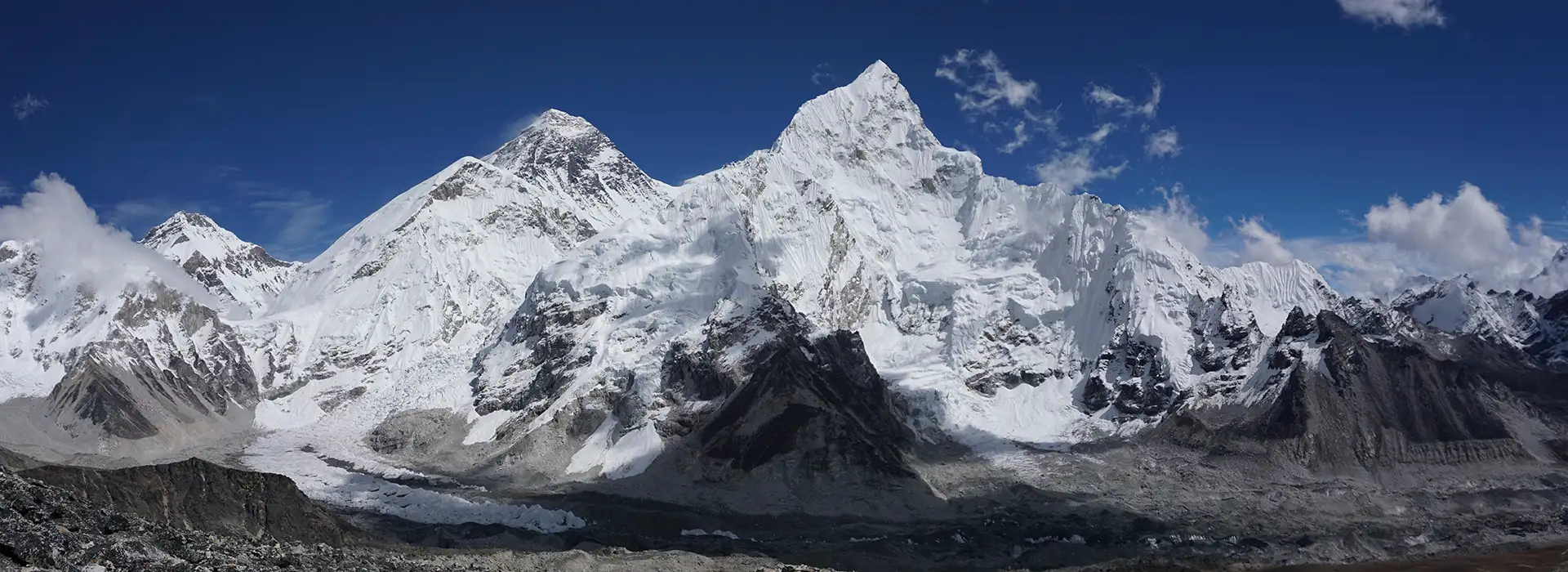

The Everest Panorama Trek provides a shorter, safer way to see stunning Everest views and experience Sherpa culture.
The Everest Panorama Trek is a shorter trek that offers breathtaking mountain views and an introduction to Sherpa culture. Perfect for travelers who want the essence of Everest without a long trek, this trek takes about a week and passes through beautiful villages, forests, and alpine landscapes. The highest point is Tengboche, offering incredible Himalayan scenery without the challenges of extreme altitude.
This trek is ideal for those who want to experience Everest in a limited time. While shorter than the 16-day Everest Base Camp trek, it still offers panoramic views of Mount Everest, Lhotse, and Ama Dablam, and provides travelers with a rich cultural experience along the way.
Along the trek, you will pass through traditional Sherpa villages, interact with locals, and witness daily life at high altitudes. The trail features monasteries, prayer flags, and yak caravans, offering you the chance to experience the region’s spiritual and cultural traditions. Staying in teahouses along the route ensures comfort and opportunities to taste local cuisine.
The trek reaches its highest point at Tengboche, approximately 3,870 meters. From here, trekkers can enjoy magnificent panoramic views of Everest, Lhotse, Nuptse, and Ama Dablam. The surrounding Sagarmatha National Park, a UNESCO World Heritage Site, adds natural beauty with its alpine forests and wildlife, including musk deer and Himalayan tahr.
The Everest Panorama Trek can be done in the best trekking seasons, typically spring and autumn, when the weather is clear and stable. Essential packing includes warm clothing, good trekking boots, a hat, gloves, and sun protection. Trekking poles can help with uneven trails, and following acclimatization tips ensures a safe and enjoyable experience.
The Everest Panorama Trek is perfect for travelers who want a taste of the Himalayas, majestic mountains, and Sherpa culture in a shorter timeframe. It combines moderate trekking with cultural immersion, stunning landscapes, and unforgettable views, making it an excellent choice for first-time trekkers or those with limited time in Nepal.

Included Meals

Trip staff

Transport

Accommodation

Trip Grade
Group Size
Everest Panorama Trek starts and ends at Lukla. It usually ends within 8 days. Here is a detailed day-by-day itinerary for the trekkers. It covers walking hours, altitude changes, key places, and overnight stops. Its starting and ending point is Kathmandu.
You will arrive in Kathmandu and begin the trip. A company representative will be at the airport waiting to pick you up. After checking into your lodge, you can rest and prepare for tomorrow. You will attend a final briefing for the trek with your guide in the afternoon.
Pack your bags and buy or rent any missing items you may need. Don’t forget to exchange money and carry cash. You will rest in Kathmandu.
Difficulty
Board an early morning flight from Kathmandu to Lukla. Upon arrival, meet the rest of the team. Land in Lukla airport and start your trek right away.
Walk through the beautiful Dudh Koshi Valley along easy downhill trails. After 3 to 4 hours, arrive at Phakding, a small riverside village where you’ll rest overnight.
Difficulty
After breakfast, continue trekking along the Dudh Koshi Valley, crossing several suspension bridges. After about two hours, you’ll reach Monjo, the gateway to Sagarmatha National Park, where the authorities will check your permit.
The trail becomes steep from here as you climb approximately 600 meters up a forested ridge to Namche Bazaar. This bustling market town is the central hub for Everest trekkers. Check into your lodge and rest.
Hiking Time: 6 to 7 hours
Difficulty
Today is a rest day. We include an acclimatization day even on this shorter trip, as altitude sickness is a big concern. Adjust your body to the increasing altitude and rest well.
The guide will lead to nearby hiking destinations. You can walk to Everest View Hotel (3,880 m), Syangboche Airport, or the nearby villages of Khumjung and Khunde (around 3,780 m). These walks will take you about 4 to 5 hours round-trip.
After the hike, you can do whatever you like for the day. Explore the village, the museums, or rest. Eat and hydrate well to prepare the body for tomorrow.
Difficulty
Your body is more used to the altitude now. Today, you start hiking towards the spiritual spot of the Khumbu region. You will see Everest, Ama Dablam, and Thamserku on your trail.
After passing through small villages like Kyangjuma and Sanasa, you will reach Phunki Thenga in about 2 hours. Phunki Thenga (3,250 m) is a riverside village with few lodges.
You can have your lunch there. Climb the 600-meter slope to reach the village of Tengboche. You can get great views of Mount Everest, Nuptse, Lhotse, Ama Dablam, Kangtega, and Thamserku from a 360-degree Himalayan amphitheater around you.
You will stay at a lodge near the monastery in Tengboche for the night.
Difficulty
Today, you will retrace part of the Everest Base Camp trail on your way back. Walking back the same trail as yesterday, you will get new perspectives on the trek.
You may walk a different path if you didn’t hike to Khumjung on Day 4 during acclimatization at Namche. This alternate path goes from Sanasa junction and climbs to Khumjung village. You will briefly stop in Khumjung for lunch and continue the descent.
The trail alternates and connects back to Namche Bazaar, and by afternoon, you will get to the destination. You can celebrate completing the trek and enjoy some rest. You will stay overnight in a Namche lodge.
Difficulty
Today is the final day of trekking. The trek from Namche to Lukla begins steeply downhill, so be careful on your knees.
After about 1 to 2 hours, you will exit the Sagarmatha National Park. From here, you will walk the riverside and reach Phakding. The hike is long, but the altitude drop helps.
There are about 200 m uphill in the final steps towards Lukla. Climb it, and your trek will officially end. The trip is not over yet, but your walking portions are complete. You will enjoy a celebratory meal with your crew and reflect on the last 7 days.
Difficulty
If the weather allows, you will board an early morning flight back to Kathmandu. The 35-minute flight will show you the final views of the mountains.
Upon reaching Kathmandu, check into the hotel and finally relax your body. Join the celebratory dinner in the evening and enjoy the final conversations with your guide. You will stay overnight in Kathmandu or depart if scheduled.
Today marks the official end of the entire trip. You have walked daily for the last week through the beautiful mountain villages. Connecting with nature leaves you feeling healed.
Reflect on your adventure and revisit the memories of the past few days.
Difficulty
You’ll stay in basic teahouses, with private or shared twin rooms available. You will share the bathroom. You will eat in the same lodge as is the practice. Consider bringing a sleeping bag for the nights. The rooms might be cold, and a sleeping bag will warm you. The lodges will have slow WIFI, hot showers, charging ports to charge electronics, and a refilled hot water system, all for an additional price. The dining halls are communal and often double as a gathering spot.
You will mostly eat the classic Dal Bhaat for the whole trek. Other meal options exist, as our trek doesn’t venture into higher altitudes. But Dal Bhaat is still the most popular choice because of its filling and energizing quality. You can get momo, pasta, thukpa, omelets, potatoes, and even apple pie or pancakes. Breakfast usually includes porridge, eggs, toast, or chapati, with tea or coffee. Many trekkers follow a vegetarian diet to avoid getting stomach bugs in the mountains. The facilities and meals are basic but an integral part of your trekking experience.
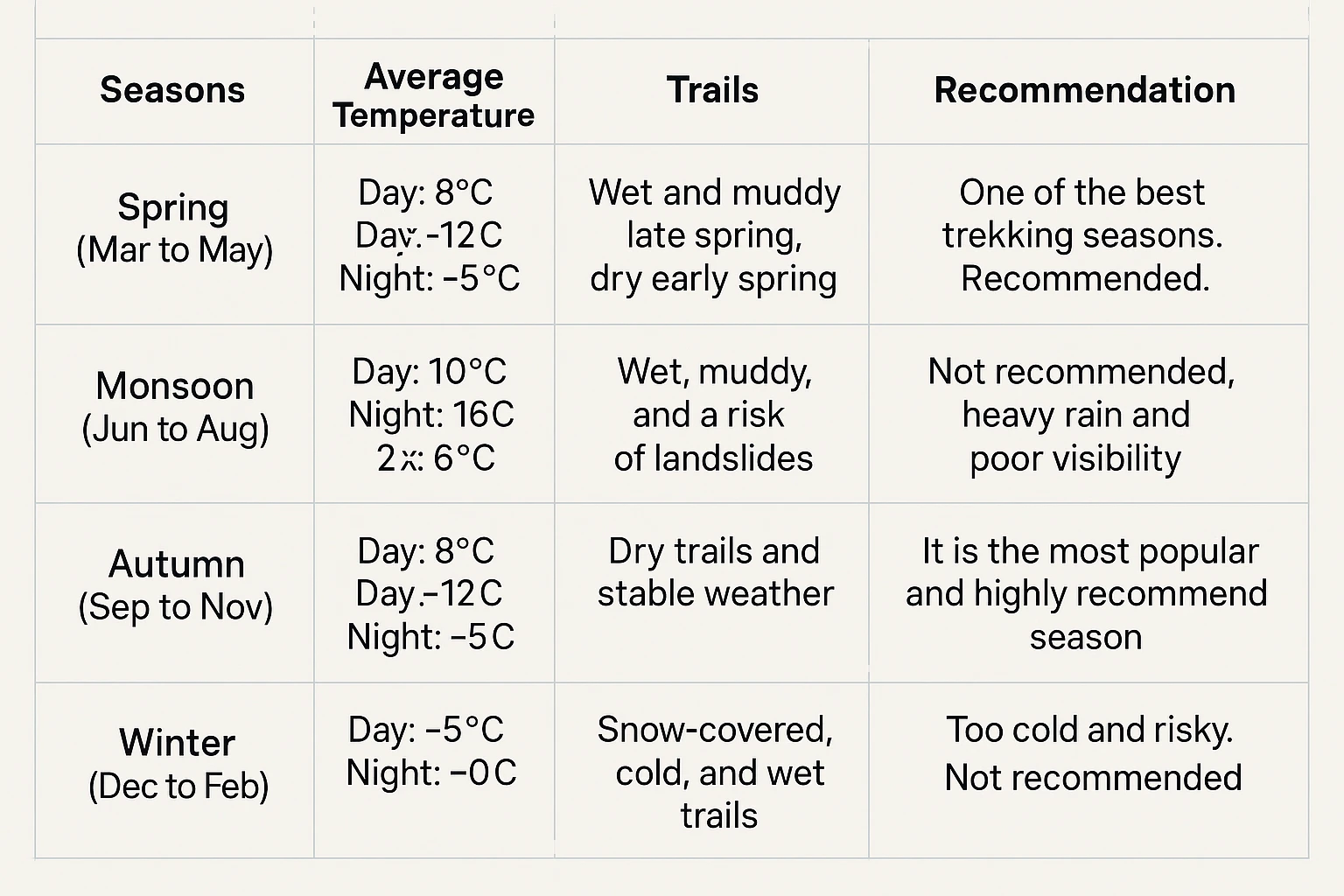
The best time is Autumn, from late September to November. The views are clear, and the temperature is mild. It is the most popular season for trekking. The worst time would be the Winter season, from December to February. The temperature is freezing even in lower altitudes. Snow may cover the trails, and lodges are closed in the higher altitudes.
Spring is also very popular among trekkers. March to May also has clear views and mild temperatures. There are chances of rain in late May, so be careful. Monsoon is another not-recommended season. The heavy rainfall from June to August leaves the trails flooded and the sky foggy. Weather causes flight delays, you won’t get any views of the mountains, and you can even get leeches on your body.
Here is a table to explain it further:
Even though the Everest Panorama Trek is not as long as the 16-day Everest Base Camp trek, it still has altitude sickness possibilities. You will be reaching up to 3,870 m of altitude. Acute mountain sickness, or AMS, happens when the body doesn’t get enough oxygen at higher altitudes.
Symptoms to watch for: Mild headache, nausea, Loss of appetite, or trouble sleeping are common symptoms of altitude sickness. Communicate with your guide if you experience these, especially after a significant altitude gain. You should not ignore them. Detecting the symptoms early helps prevent them.
Acclimatization Strategy: We mostly follow the “climbing high and sleeping low” strategy on acclimatization days. Doing this increases the red blood cells in the body and helps them adjust faster. On Day 4, we added an acclimatization day on Namche. The plan for the day included a small hike to a nearby spot. That is climbing high and sleeping low. We also try not to exceed 500 m altitude gain each day.
Preventive Measures: Hydration is key. Drink about 4 liters of water each day. Avoid alcohol and limit caffeine, as they cause dehydration and can affect sleep. Eat enough to maintain energy. Stroll on climbs to help your body adjust. Some trekkers take Diamox to prevent altitude sickness. Ask your doctor before the trip. If you use it, start early, usually around Namche. Finally, always listen to your body. If you feel unwell, communicate immediately for treatment.
It is unlikely that you will get severe altitude sickness during this trek. The max elevation of the trek is not high, so chances are low, but never zero. Everest Panorama Trek is relatively straightforward, and the guides will help you when needed. Most people complete it with ease.
The trek is relatively easy and doesn’t require being ultra-fit or an athlete. Having good endurance helps you complete it with ease.
Physical fitness: Do exercises like hiking, jogging, cycling, or swimming a few times a week for about thirty to sixty minutes. Simple strength exercises like squats, lunges, and planks help build your leg and core strength. Go on practice hikes on uneven trails with a loaded backpack. The key is staying consistent. Regular moderate training will go a long way in making your trek feel easier and more enjoyable.
Gear Prep & Breaking In: Ensure you have fitted the right gears before the trek. Don’t hike in brand-new boots. Break them in to prevent blisters and walk better on the trek. Go on hikes with your complete gear for a checkup so there are no surprises on the trek.
Mental Preparation: Trekking also requires strong mental health. You must prepare to stay away from the comfort of your home. Life in the villages can be very different from what you’re used to. Prepare yourself mentally for this. Remember, the living conditions you may not feel good about are someone else’s daily routine. Don’t judge. Many people finish this trek with ease and mental comfort every year. You can, too.
Health Check: Go on a hospital tour before the trek. You might get a prescription for altitude sickness medicine. If you have any chronic illness, make sure you manage it well. Carry enough medication and buy travel insurance.
Guides: Guides are the professional leaders of the trek. The Nepal Government licenses them. Guides are highly recommended, especially for beginners. Guides know the local culture, tradition, language, and history. They also monitor health and ensure the safety of the team. They will lead the path and make sure no one is left behind. Guides are also fluent in English and will act as a cultural bridge between you and the local people. Solo trekkers should travel with a guide or in a group for safety.
Porters: Porters carry your bags. They are permitted to take about 20kg above 4000m. But some trekkers do make them exceed the weight limit. This unethical service is highly prohibited. Having porters carry most of your load makes it easier for you. You only need to bring your daypack and your essentials. Most porters have limited English language knowledge. They are the key to having a successful and enjoyable trek. It is essential to treat them with respect and kindness.
Guide/Porter Combination: Some trekkers hire a guide porter who can lead and carry up to 15 kg. It’s a budget-friendly choice for solo travelers. On the Panorama Trek, a separate guide and porter are more comfortable and better suited to the trail.
Clothing: Pack layers, moisture-wicking base layers, and a warm fleece or down jacket with a waterproof shell. Bring quick-dry trekking pants and shirts, thermal underwear for cold nights, and extra socks and underwear. A warm hat, sun cap, gloves, and sunglasses are also essential.
Footwear: Use sturdy, broken-in trekking boots. Carry camp shoes for evenings. Gaiters help in snow or mud but are optional.
Backpacks: Carry a daypack for water, snacks, and layers. Your main gear goes in a duffel carried by a porter. Use rain covers or pack liners to stay dry.
Sleeping: Bring a warm sleeping bag rated to at least minus 10°C. A liner adds warmth and keeps it clean.
Accessories: Use trekking poles for support. Carry sunscreen, lip balm, a headlamp, and two liters of water. Purify all drinking water with tablets or a filter.
First Aid & Hygiene: Carry basic medicine, prescriptions, and bandages for blisters. Carry a toiletry kit, toilet paper, wet wipes, and hand sanitizer.
Other Useful Items: Snacks, a quick-dry towel, earplugs, a power bank, and copies of your ID and permits. Keep everything dry with waterproof bags inside your duffel.
Stick to the Porter weight limit. If you forget something, you can buy or rent gear in Namche. Packing smart means a more comfortable trek.
Here’s everything you need to know about the documents you need for the trek.
Trekking permits:
It is essential to keep these permits safe so you don’t go through any surprising hassles.
Following these steps, you can complete your Everest Panorama Trek with ease. You will be leaving with great memories. If you have any confusion, contact us anytime. We are happy to hear from you.