Upper Mustang Jeep Tour
- 9 Day
- |
- Easy Hike

Unbeatable Holiday Offers – Save Up to 20% on Your Next Adventure!
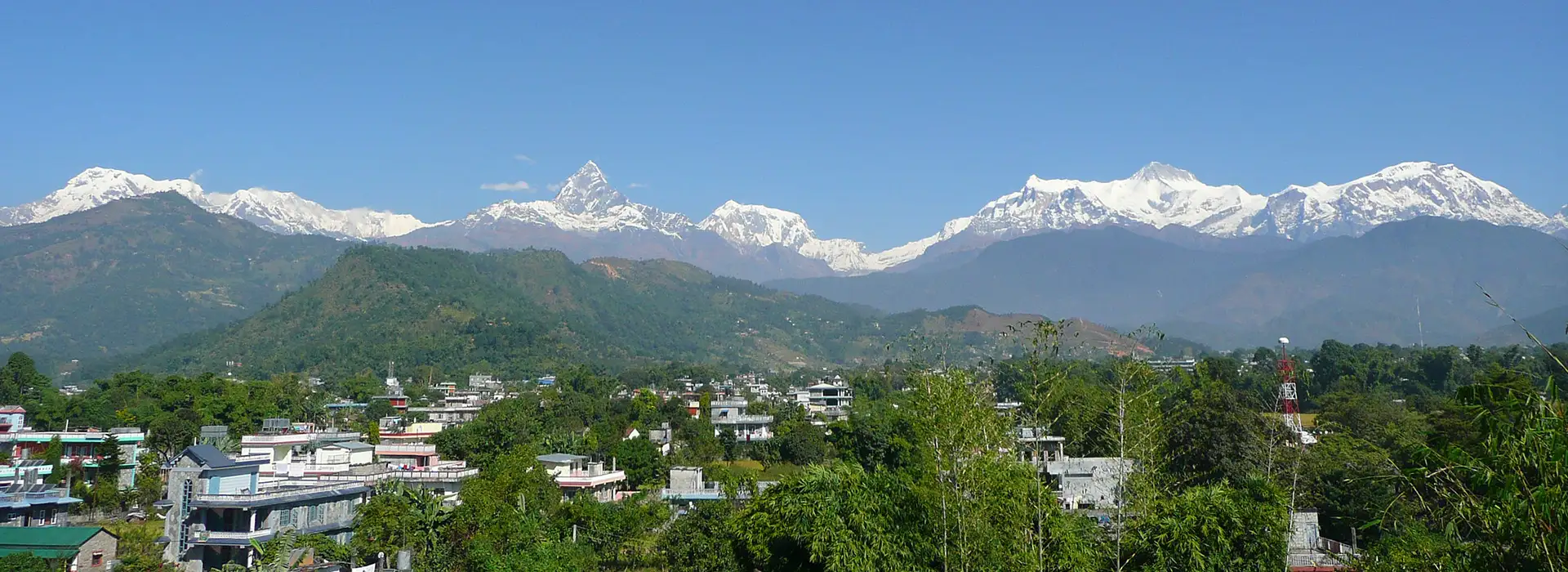
A Nepal travel plan can feel simple when you match places, seasons, and travel pace. Nepal offers big-mountain scenery, living culture, wildlife, and spiritual sites in one compact country. Climate and temperature change fast across the country, from hot lowlands to cold high mountains, so smart packing and route planning matter.
A strong Nepal Tourism Board resource base helps travellers plan Nepal Tour Packages around clear themes: heritage, nature, adventure, and wellness. Nepal sits on major trekking and pilgrimage routes, and it also supports short, easy breaks with city tours and lake stays.
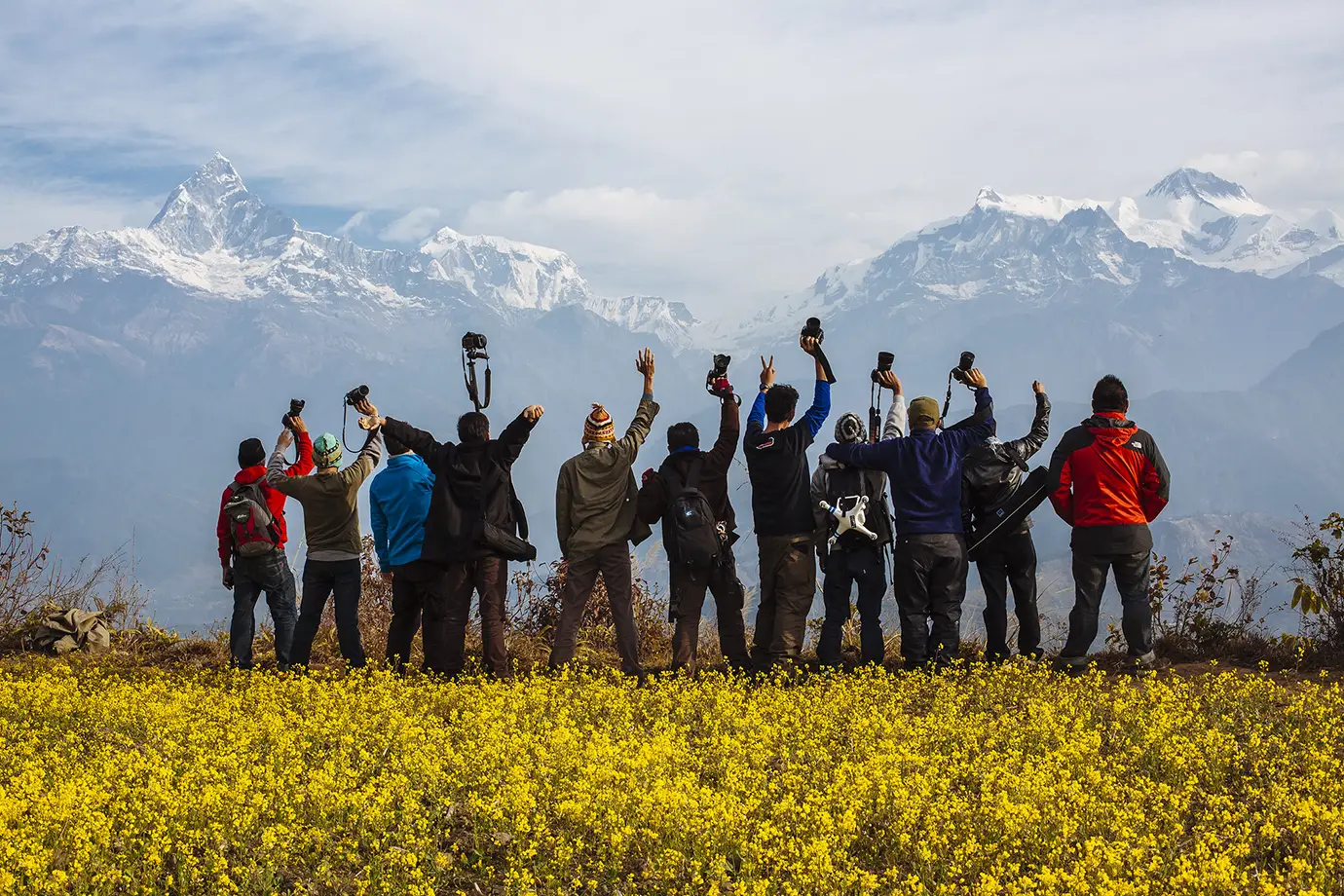
A Nepal Travel package suits many travel styles.
Unique selling points appear across three big pillars.
Design a Nepal Tour Package with a simple “triangle” first: the capital area, the lake city, and the jungle. Add ‘pilgrimage’ or ‘mountain time’ after the triangle works. A clear route cuts fatigue, reduces road hours, and keeps the trip fun. A practical Nepal Tour Packages often include these core destinations.
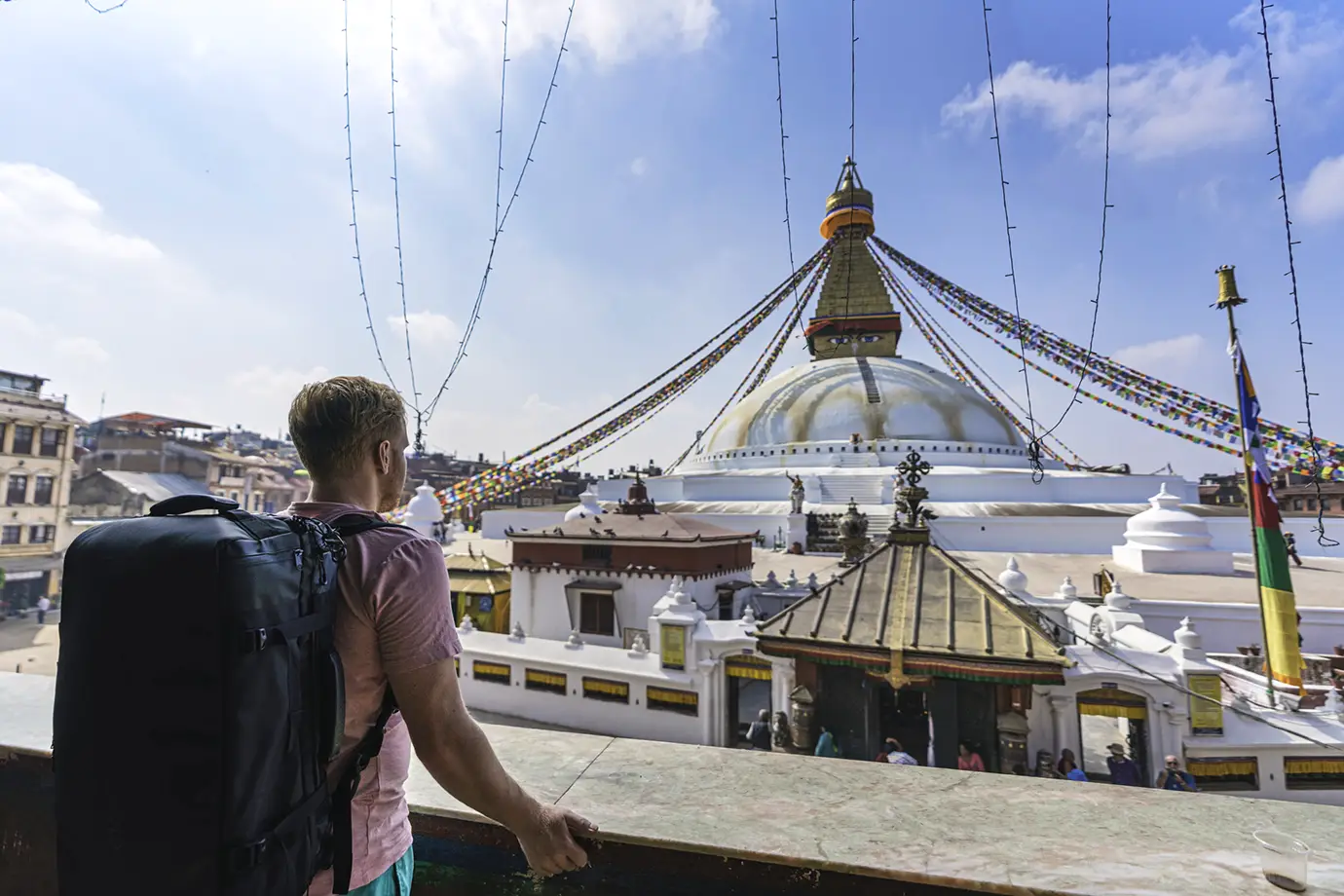
Kathmandu anchors most itineraries because international arrivals and the largest cluster of heritage sites are nearby. Key stops in a Nepal Travel Package often include:
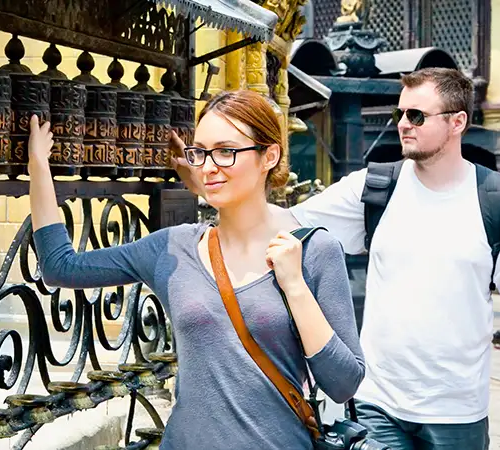
Our tour packages work best in the Valley when you plan your mornings around the busiest sacred sites, keep shoes off and dress rules in mind, and ask before taking photos.
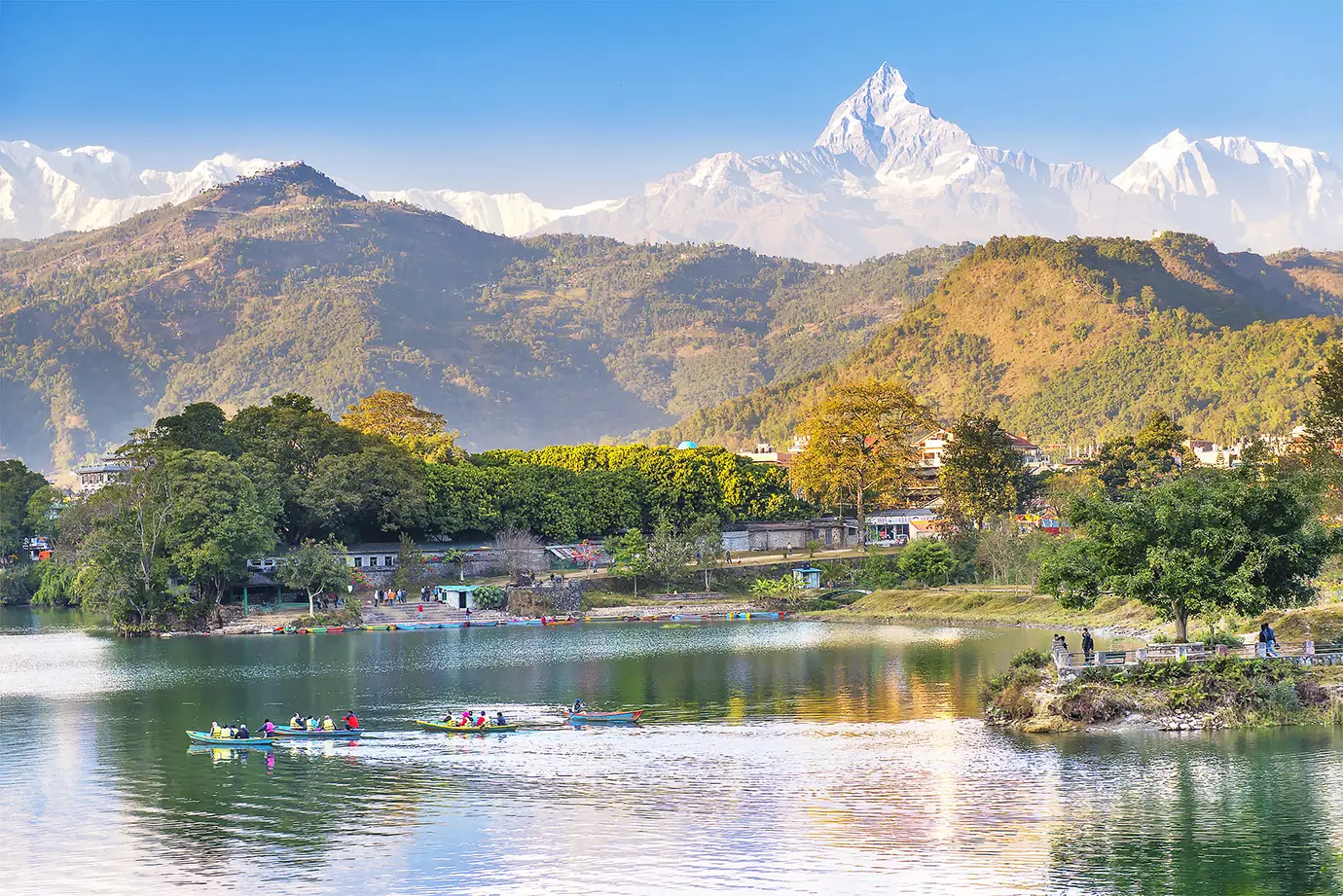
Pokhara gives breathing space after Kathmandu, with lakeside walks and close Annapurna views. Key Nepal Tour Packages highlights include:
A Nepal Tour Package in Pokhara often works best with one early-morning viewpoint, one relaxed lake day, and one activity day.
Chitwan adds protected lowland forests, river landscapes, and wildlife. UNESCO highlights the park’s Terai ecosystem and its flagship species, including the one-horned rhinoceros and the Bengal tiger. Common Nepal Travel Packages activities in and around Chitwan include guided safaris, birding, and cultural programs linked to the indigenous Tharu community.
Season planning matters here: Nepal Tourism Board notes October to March as a key window, with very hot months before the monsoon.
Lumbini attracts visitors for its Buddhist heritage and a peaceful pace. UNESCO identifies Lumbini as the birthplace area associated with Siddhartha Gautama, with significant pilgrimage value and archaeological remains. Nepal Tourism Board also notes many international monasteries and the sacred garden zone, which fits nicely in a slower Nepal Tour package.
A Nepal Tour Package can add the Everest Region for mountain culture and iconic trails. Nepal Tourism Board describes routes from Lukla to Namche Bazaar, with high-altitude risks that require acclimatisation. A “see the Himalaya without trekking” option also exists through mountain flights, often about an hour from Kathmandu, with close mountain views.
A Nepal Tour package is easier to sell and deliver when you label it by purpose. Travellers search by intent more than by geography, so clear package types help. A good package also stays modular, so clients add nights or swap destinations without breaking logistics.
Common Nepal Travel Packages formats include the following.
Cultural Tour Packages
The focus remains on UNESCO World Heritage Sites, museums, food culture, and crafts in Kathmandu Valley. UNESCO describes the seven monument groups that anchor these types of Nepal Tour Packages.
Luxury Tour Packages
Comfort comes first: upgraded hotels, private transfers, fewer check-ins, and time-saving add-ons like mountain flights. Nepal Tourism Board frames mountain flights as a luxury way to view the Himalaya.
Family Tour Packages
Shorter drives, earlier dinners, flexible mornings, and animal-focused days work well. Pick lower-altitude viewpoints and limit late nights. Nepal Tourism Board’s climate notes help families manage temperature swings between regions.
Pilgrimage Tour Packages
Key stops often include Pashupatinath and Lumbini, as well as the Muktinath Temple, a Hindu-Buddhist site at high altitude. Nepal Tourism Board describes Muktinath at about 3,800 m and notes shared religious importance.
Wildlife Tour Packages
Base the plan around Chitwan, with safari blocks and buffer-zone cultural visits. UNESCO and the Nepal Tourism Board both emphasise the park’s rich fauna and key flagship species.
Adventure Tour Packages
Mix Pokhara activities, rafting, and selected treks. Nepal Tourism Board lists paragliding and other adventure options, which make it easier to build an activity-led Nepal Tour package.
Nepal with Bhutan or Tibet add-on
A combined Nepal Tour Package can suit travellers who want to explore a broader stretch of the Himalayan cultural belt. Plan extra visa steps and border logistics early, and keep buffer days for route disruption, especially in the monsoon.
A Nepal Tour package can run year-round, yet most travellers get the best visibility and comfort in spring and autumn. Nepal Tourism Board explains that Nepal experiences five seasons and notes that monsoon rains are concentrated in the June-September window. Nepal Tourism Board also provides a simple snapshot of temperature and rainfall for Kathmandu, Pokhara, and Chitwan, which helps you set client expectations.
Use a clear month-by-month season frame for Tour Packages.
Clear days and blooming hills often make trekking and sightseeing possible. Nepal Tourism Board links spring and autumn with the best trekking periods, and it also notes the rhododendron bloom in spring. Heat is rising in the lower regions, so plan earlier starts in the Terai.
Many travellers pick autumn for stable weather and strong mountain views. Nepal Tourism Board recommends September to November as key months for walking and fair daytime weather. Nepal Tour Packages in autumn often sell fastest, so book hotels early.
Clear skies often support views, and crowds drop, so city tours feel easier. Cold nights hit hard in the hills and mountains, and some high routes become less practical. Nepal Tourism Board notes winter temperature ranges in the Kathmandu Valley and colder conditions at higher altitudes.
Green landscapes look stunning, and prices often soften, yet the risk of road disruption from landslides and flooding rises. UK travel guidance warns that monsoon travel can become hazardous, especially by road, with delays and impassable sections.
A monsoon Nepal Travel Packages works best with flexible routing and extra buffer days.
Regional temperature differences shape packing and daily timing for every Nepal Tour Package.
Every Nepal Tour Package starts with entry rules, then moves to permits. Rules can change, so keep the latest official guidance at hand during trip design. Nepal Tourism Board summarises the basics of the tourist visa and points travellers to the official visa system.
Nepal offers a visa on arrival for many travellers at the airport and major land borders, and Nepal Tourism Board lists standard tourist visa fees and lengths.
Standard visa fee bands for Nepal Tour Packages commonly follow:
Nepal Tourism Board notes a maximum stay of 150 days in a visa year (January to December) for tourist visas, which matters for clients on longer Nepal Tour Packages. Visa on arrival does not apply to some nationalities, and the Nepal Tourism Board lists countries that require a visa before travel.
Nepal Tourism Board states that a tourist visa extension starts with a minimum 15-day extension fee, plus a daily rate beyond that, and it also lists a late fine per day for issues such as delays.
Integrate extension steps into long Nepal Tour Packages, especially for multi-country itineraries.
Many Nepal Tour Packages include trekking or hiking, even if the trip stays light. Nepal Tourism Board describes a revised TIMS provision adequate from March 31, 2023, under which specific protected-area treks require a licensed trekking guide and a trekking agency–issued TIMS card.
Nepal Tourism Board lists many routes under the guide-and-TIMS rule, including major Everest, Annapurna, and Manaslu treks. Nepal Tourism Board also lists TIMS charges as NPR 1,000 for SAARC nationals and NPR 2,000 for others, payable online under the described system.UK travel guidance also advises against trekking alone, and a permit and a TIMS card are needed for entry into the central trekking regions.
A Nepal Tour package that includes visits to protected areas requires park entry permits. Nepal Tourism Board provides a full fee table by nationality group, including key parks and conservation areas.
Common examples:
Some conservation areas also offer online permits, and the National Trust for Nature Conservation’s online permit portal lists entry fees for foreigners and SAARC nationals for certain conservation areas.
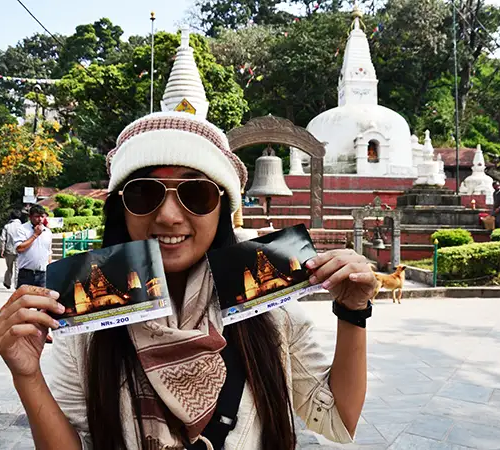
A Nepal Tour Package that covers Kathmandu Valley or Lumbini usually includes multiple ticketed sites. Nepal Tourism Board lists official entry fees for the main sites, with different rates by visitor category. Typical examples for foreign nationals:
Chitwan tourism also includes separate attraction tickets, and the Nepal Tourism Board lists example fees for items such as the Tharu Cultural Museum and elephant breeding camp, plus notes VAT on certain park entry charges.
A Nepal Trekking Package that includes restricted areas requires special permits through the immigration system, often obtained through a registered trekking agency. Nepal Tourism Board explains that restricted-zone trekking requires a license from the Department of Immigration and lists example permit fees, including high-cost areas like Upper Mustang.
A Nepal Tour package flows smoothly when hotels, roads, and meals align with the client profile. Expect considerable variation between city hotels, lakeside resorts, and mountain lodges. Nepal Tourism Board notes that Nepal offers everything from international-standard star hotels to budget lodges and advises using government-registered hotels and homestays for consistent service quality.
A practical way to position accommodation inside a Nepal Travel Package:
Peak season planning matters. Nepal Tourism Board cautions that hotels run near full capacity in spring and autumn, so early booking is recommended.
Road and flight planning shapes the real “feel” of a Nepal Tour Package more than almost any other factor. Nepal Tourism Board describes tourist buses for key stretches, such as Kathmandu to Pokhara and Kathmandu to Chitwan, and also notes long-distance day or night buses from Kathmandu to major cities.
Transport options to match traveller needs:
Road reality deserves plain language. UK travel guidance warns that road and bus accidents are common and advises against night bus travel, noting that tourist buses usually offer greater comfort and safety.
A Nepal Tour package feels more memorable when clients understand what they eat and how to order it. Nepal Tourism Board explains that Nepali food varies by region, influenced by Indian and Tibetan cooking, and points to Newari and Thakali cuisines as key “authentic” tastes in the Valley.
Core food experiences to plan into a Nepal Tour Package:
Vegetarian and vegan travellers often do well in Nepal. Nepal Tourism Board states that Nepal offers many vegan and vegetarian options, with dedicated areas and easy-to-find vegetarian Thakali plates.
Price clarity sells Nepal Travel Packages faster than big promises. Budget levels also shift by season, group size, and travel speed. Many costs are attached to permits and entry tickets, so transparent lists reduce surprises.
BudgetYourTrip aggregates reported traveller spending and lists Nepal as an affordable destination, with average daily cost figures by travel style.
BudgetYourTrip’s Nepal-level estimates show:
Kathmandu spending tends to run higher than in smaller towns. BudgetYourTrip lists Kathmandu averages around USD 18 (budget), USD 58 (mid-range), and USD 216 (luxury) per person per day, depending on travel style.
Treat those figures as planning anchors, not fixed quotes. The Nepal Tour Package price still varies based on hotel class, private transport, domestic flights, and guide staffing.
A standard Nepal Travel Package commonly bundles:
A Nepal Tour Packages often exclude:
Ticket costs add up fast in Kathmandu Valley, so list them clearly in every Nepal Tour Packages proposal. Nepal Tourism Board’s fee tables offer reliable reference numbers for the core UNESCO cluster.
Common paid add-ons:
Money tips that improve the client experience:
A Nepal Travel package feels relaxing when travellers understand safety basics before arrival. Road risk, altitude risk, and health planning matter more than most first-time visitors expect. UK travel advice also highlights current disruption risk around national events, which can affect transport and business hours.
Travel insurance deserves a central place in every Nepal Tour package briefing. UK health guidance states that Nepal has no central public ambulance service and that rapid helicopter evacuation can be difficult in remote areas. UK guidance also warns of costs: helicopter evacuation can cost £1,000 to £2,000 per flying hour, so strong insurance limits financial risk.
The Centers for Disease Control and Prevention recommends a doctor visit before travel and lists destination-specific vaccine and medicine guidance for Nepal, including typhoid recommendations for most travellers and measles vaccination advice for international travel. CDC’s Nepal Yellow Book chapter also flags a high risk of enteric diseases, states that tap water is not safe to drink, and recommends boiled or bottled water.
Altitude risk deserves clear, simple action steps in any Nepal Tour Packages that include high areas.
Basic protection steps:
UK safety guidance describes low serious crime rates but warns about pickpocketing in tourist areas like Thamel and advises extra caution at night.
UK guidance also warns about trekking scams tied to expensive helicopter evacuations and advises caution about “too cheap” trekking deals.
Transport safety affects daily planning.
Respectful behaviour improves every Nepal Tour Package, especially at sacred sites. Nepal Tourism Board lists practical etiquette points, including the Namaste greeting, removing shoes, walking clockwise around temples and stupas, and conservative dress in rural areas. Nepal Tourism Board also notes that some Hindu temples restrict entry for non-Hindus and ban leather items in certain temple areas.
Nepal Tourism Board lists key “just in case” contacts, including Tourist Police numbers and crisis cell contacts. Build those numbers into every Nepal Tour Packages welcome sheet.
A 7-day Nepal Travel Package works best when you balance culture, nature, and rest. Keep one long travel segment per two days where possible. Plan early starts for sacred sites and sunrise viewpoints.
Day 1: Arrival in Kathmandu
Meet the staff at Tribhuvan International Airport and transfer to the hotel. Walk the local area for cash exchange, SIM support, and light shopping. Nepal Tourism Board suggests carrying an extra passport photo for a local SIM and notes strong urban mapping support for navigation.
Day 2: Kathmandu Valley sightseeing
Cover Kathmandu Durbar Square and Boudhanath, then end with a view of Pashupatinath from permitted areas. Follow shoe rules, dress modestly, and ask before taking photos. Nepal Tourism Board lists entry fees and key etiquette points for these sites, which support a clear daily budget.
Day 3: Drive or fly to Pokhara
Choose a tourist bus or a short domestic flight based on comfort and time. Nepal Tourism Board describes tourist bus services to prime areas such as Pokhara, as well as domestic airline networks.
Check road and weather conditions in the monsoon season.
Day 4: Pokhara exploration
Start early for the Sarangkot sunrise. Spend the late morning at Phewa Lake and the lakeside areas. Add paragliding if weather and comfort allow.
Day 5: Travel to Chitwan
Move to Chitwan by private vehicle or tourist bus. Settle at a lodge outside the park and attend a cultural evening program with local communities. UNESCO notes the long presence of the Tharu community in the area and the park’s high biodiversity value.
Day 6: Jungle activities
Plan a morning safari and an afternoon walk or river activity as offered by the lodge and park rules. Nepal Tourism Board lists the variety of wildlife and seasonal notes to help you pick a suitable time.
Day 7: Return to Kathmandu and depart
Return by road or flight, based on schedule and fatigue. Allow buffer time for delays, especially during the monsoon or civic disruptions. UK travel advice notes that protests can disrupt travel at short notice and calls out election-related disruption risk around early March 2026.
Is Nepal safe for tourists?
Nepal is often considered safe for visitors who follow standard precautions, yet pickpocketing, nighttime risks, and trekking hazards still require planning. UK travel advice highlights key safety risks, including road accident risk and weather hazards during the monsoon.
How many days do you feel are enough for a Nepal Tour Package?
Seven days often cover Kathmandu Valley, Pokhara, and Chitwan. Ten to fourteen days allows Lumbini or an Everest-region extension with better pacing. Nepal Tourism Board’s destination structure supports that “triangle plus extension” design.
Do travellers need a guide?
City guiding stays optional but valuable for meaning and efficiency. Trekking guidance is often required on many hallmark routes under the revised TIMS provisions, and UK travel advice also warns against trekking alone.
What currency do travellers use?
Travellers use the Nepalese Rupee (NPR) for day-to-day payments. Many official fee tables list NPR charges for heritage and park entry, while visa fees are often quoted in USD.
A guided Nepal Tour package delivers clear benefits in real-world travel conditions. Local expertise improves time use in complex heritage zones, where a guide can group sites by geography and opening rhythm. Safety support improves trekking outcomes, and UK travel advice and Nepal Tourism Board guidance both emphasize compliance with permit requirements and the need for guided trekking on many routes. Permit handling also becomes easier through organised services, mainly when a Nepal Tour Package includes protected areas, restricted zones, or multiple entry-fee sites.
Do not hesitage to give us a call. We are an expert team and we are happy to talk to you.
info@peregrinetreks.com