


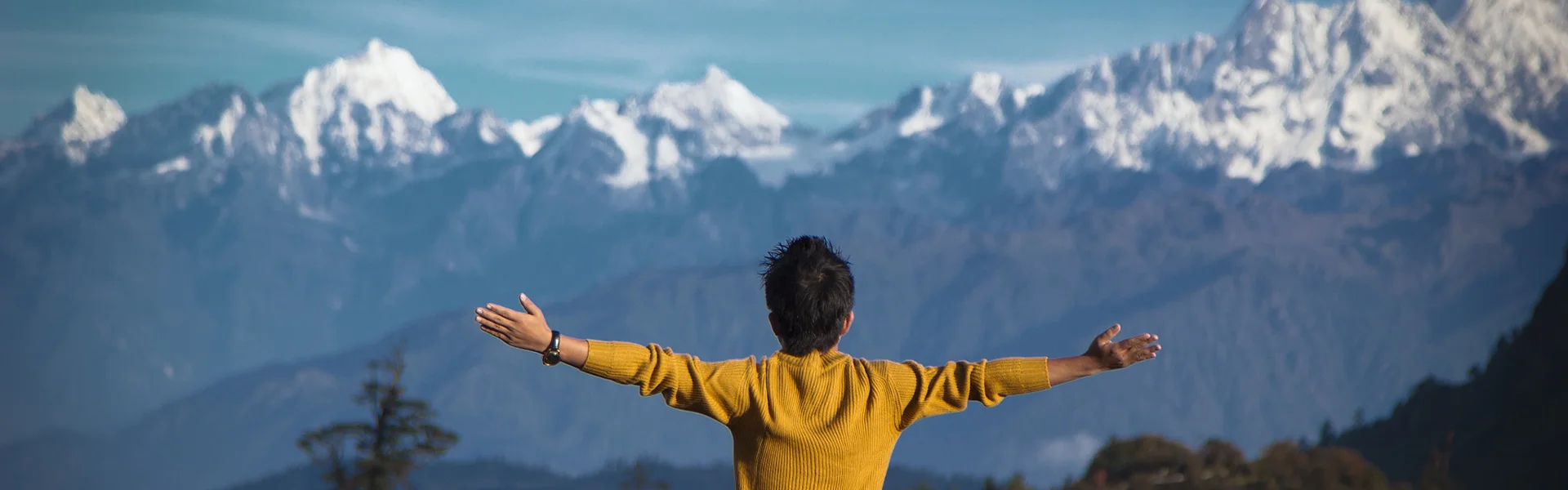

The Annapurna Base Camp (ABC) trek is a “moderate” trek, but it’s essential to understand what moderate means in the Himalayas. This trek doesn’t require technical climbing skills – you won’t need ropes or mountaineering gear – but it is still challenging. You will be walking for many hours a day on steep mountain trails. The challenge is real, but with the proper preparation, the trek is achievable for anyone in good health.
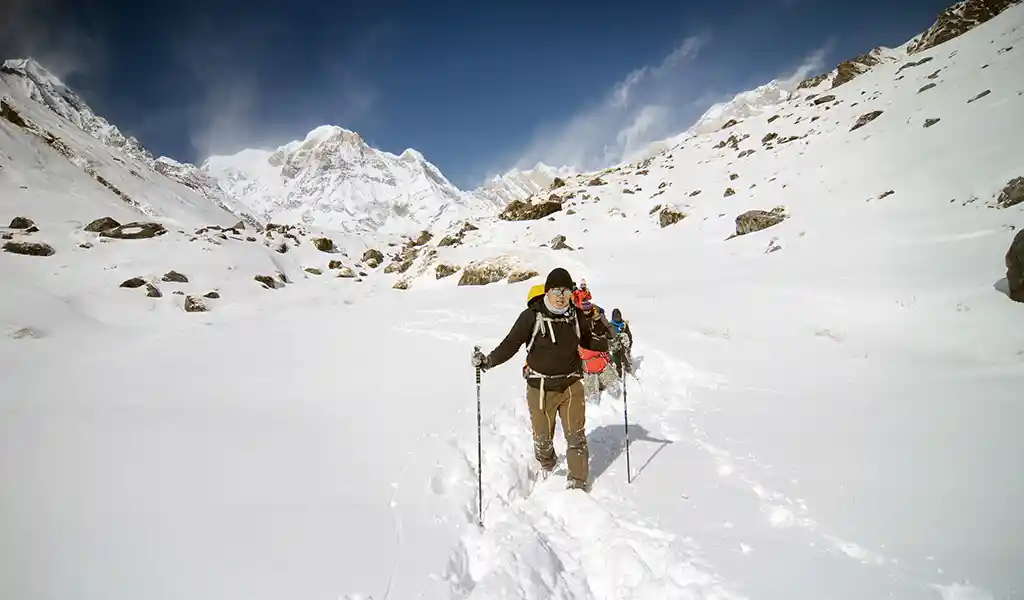
This Annapurna Base Camp Fitness article aims to explain the kind of fitness you need for the Annapurna Base Camp trek and give you a practical training plan to get ready. The great news is that you do not need to be a marathon runner or a mountaineer to succeed. You need consistent Training, a positive mindset, and an understanding of the trek’s physical demands.
Understanding the Physical Demands of the ABC Trek
Endurance and Stamina
Trekking to Annapurna Base Camp means hiking about 5 to 7 hours almost daily, for a week or more. Endurance is the ability to keep going for long durations without excessive fatigue. You need to be able to walk for several hours on consecutive days instead of just going off fast. Some days, you might cover 10 to 15 kilometers of distance with significant elevation gain.
For example, one of the tougher days involves climbing thousands of stone steps from a riverside up to a village on a ridge. Such a climb can test your endurance. Build cardiovascular endurance through jogging, cycling, or swimming, and muscular endurance through long hikes or stair climbing. Think of the trek as more of an aerobic marathon than a sprint. You want to reach camp each day pleasantly tired, but not utterly exhausted or in pain.
Cardiovascular Fitness
One unique aspect of trekking at high altitudes is that the air gets thinner as you go up. The oxygen level is significantly lower at Annapurna Base Camp (4,130 m) than at sea level. In the thinner air at high altitude, your heart and lungs must work harder to get the oxygen your body needs. Good cardiovascular fitness helps your body use oxygen more efficiently, which means you’ll handle the altitude better (though, importantly, being fit doesn’t make you immune to altitude sickness – more on that later).
You can build cardiovascular fitness through aerobic exercises that increase your heart rate and improve your lung capacity. Think of activities like running, brisk walking, swimming, cycling, or even dancing. When trekking, especially uphill, you will find yourself breathing heavily. The better your cardio fitness, the quicker you can recover your breath during breaks, and the more comfortable you’ll feel walking at high elevation.
Leg and Core Strength
The trail features a lot of climbs and descents. A famous trek section involves climbing a seemingly endless staircase of stone steps. Strong thighs will help power you up those steps, and strong knees will help you handle the descents without pain. Descending can be tough on the knees, so having good muscle support is essential to avoid joint strain. Your calves and glutes also work hard on steep sections, so they need conditioning too. A strong core helps balance on uneven terrain and while carrying your backpack. It also helps maintain good posture, resulting in efficient breathing and less fatigue.
Mental Resilience
Trekking tests your mental strength. You’ll be tired, the weather might not be on your side, or you might miss home comforts. Staying positive and motivated during those challenging moments helps in a successful trek. It’s better to have some strategies, like focusing on the breathtaking scenery around you, remembering why you wanted to do this trek first, or breaking the day’s hike into smaller goals. Many trekkers find that their mental determination carries them through when their muscles tire.
A Pre-Trek Training Guide (3–4 Months Out)
It’s wise to start training at least 8–12 weeks before your Annapurna Base Camp trek. Suppose you have more time, even better. The training doesn’t need to be highly intense, but it should be consistent. A mix of cardiovascular workouts, strength training, practice hikes, and flexibility exercises will cover all bases.
Cardiovascular Training(3–4 times a week)
Pick activities you enjoy that get your heart rate up, like brisk walking or light jogging. If you haven’t been active recently, start with a 20-30-minute walk around your neighborhood or on a treadmill. Gradually increase the duration or intensity. Aim to be able to do a continuous cardio session of about 60 minutes by the time you start your trek. Running, cycling, swimming, or using a stair-climber machine are great options.
Aerobic or spinning classes can also build endurance if you prefer group classes. You need to improve your lung capacity and stamina. Over a few weeks, you should notice you can go longer or at a faster pace before getting out of breath – that’s a sign your fitness is improving.
Strength Training (2–3 times a week)
Squats: These strengthen your thighs, glutes, and core. Start with bodyweight squats (no added weight), doing sets of 10–15. Make sure to keep your knees over your toes and your back straight. You can hold something heavy (like water bottles or dumbbells) to increase resistance. As you get stronger
Lunges help each leg gain strength individually and improve balance. Do forward lunges or step up onto a stair or bench. Do 10 lunges on each leg to target the quads and glutes, which will help when climbing steps on the trek.
If you can access a staircase or a sturdy bench, step-ups are fantastic training for all those stone steps on the trail. Step up and down for a minute or two at a time, rest, and repeat. It imitates trekking uphill and builds endurance in the same muscles you’ll use on the trail.
Don’t neglect your calves – they help push you uphill and stabilize you downhill. Stand on a step on your toes, then raise and lower your heels (you’ll feel your calf muscles working). Do sets of 15–20. Strong calves also help prevent muscle cramps.
For core strength, exercises like planks (holding a push-up position, either on your hands or forearms) and bridges (lying on your back and lifting your hips off the ground) will build a solid midsection. Hold a plank for 20–30 seconds and add more time as you progress. Bridges will strengthen your lower back and glutes – hold each bridge for a few seconds at the top and do sets of 10–15.
Consistency is key. Train about 4 days weekly and take rest days to recover and strengthen your muscles. As you get closer to the trek, do higher repetitions instead of heavy weights. Also, try doing balance exercises to strengthen those smaller stabilizer muscles.
The All-Important Hiking Practice (1–2 times a week)
Go for actual hikes if you have hills or nature trails nearby. Nothing prepares you better for a trek than spending time walking on uneven terrain. Start with shorter hikes (2–3 hours) and work up to longer ones (5–6 hours) as the trek approaches. While hiking, carry a backpack with some items to simulate carrying your daypack on the real trek. It helps your shoulders, back, and legs get used to the load. It’s also a great way to break in your trekking boots and find the right clothing combinations to avoid chafing or blisters.
Suppose you live in a flat area with no hills. In that case, you can improvise: climb stairs in a tall building (perhaps take the stairs instead of the elevator whenever possible), use a treadmill set to an incline, or even do repeated step-up exercises for an extended period. Some people find a local stadium and walk up and down the bleachers. The key is to simulate uphill walking.
Additionally, practice hikes help toughen your feet and get your body accustomed to spending hours on the move. They’re also a good mental training – you can test out how you feel after a long day on your feet. Over time, you’ll notice you can handle longer distances or time with the same weight, which is a huge confidence booster before the trek.
Flexibility and Recovery
After every workout or hike, take some time to stretch, which helps prevent muscle soreness and injury. Focus on your calves, hamstrings (back of the thigh), quads (front of the thigh), hip flexors, and lower back. Gentle stretching of these areas will improve your flexibility and reduce the risk of strains. For example, do a calf stretch against a wall, or gently pull your heel toward your butt to stretch your quads. Don’t bounce while stretching; hold each stretch for about 20 seconds and breathe deeply.
Yoga can be very beneficial as a complement to trekking training. It improves flexibility, balance, and core strength. Yoga also teaches breath control and mental focus, which can be very helpful when trekking at altitude and maintaining steady breathing and a calm mind. Even if you’re new to yoga, doing a short routine of sun salutations or gentle stretches a few times a week can make a difference.
You also need rest days while training. Your body builds endurance and strength during the recovery periods. Aim for at least one or two weekly rest days where you do only light activity or take a break. Also, pay attention to your sleep and nutrition – they quietly but powerfully affect your fitness. Eat a nutritious diet with enough protein and stay hydrated to aid your training progress. As the trek draws closer, avoid any activity that could injure you (like playing a new, intense sport) – stick to the routine and arrive in Nepal healthy and energized.
A Word on Altitude Acclimatization
You might be extremely fit and still out of breath on the trek, especially as you near Base Camp – this is entirely normal. Fitness helps, but does not make you immune to acute mountain sickness (AMS), also known as altitude sickness. Altitude is the great equalizer, regardless of how strong or fast you are at sea level. The only proven way to acclimatize is a gradual ascent, and a well-planned itinerary is the best form of “altitude training.” A good trek itinerary will limit your daily altitude gain (often aiming for no more than 500 m increase in sleeping altitude per day once above 3,000 m) and include occasional rest days or half days to let your body adjust.
Listen to your body during the trek. Symptoms of AMS can include headache, dizziness, nausea, loss of appetite, or trouble sleeping. These can happen to the fittest individuals. If symptoms are mild, the usual protocol is to rest where you are and not ascend further until you feel better. If they worsen, the only cure is to descend to a lower altitude. Staying well-hydrated helps with acclimatization, as does avoiding alcohol.
Some trekkers prophylactically use Diamox (a medication that can prevent AMS) – discuss this with a doctor before your trip if you’re considering it. But never use fitness as an excuse to ignore acclimatization guidelines. Sticking to the plan is safer even if you feel strong and want to push on to a higher camp. You can’t “tough out” altitude sickness with willpower or fitness. The mountains will always be there tomorrow – your priority is to stay healthy and enjoy the journey.
Tips to Make the Trek Easier – Annapurna Base Camp Fitness
Don’t Rush the Trek
You must not try to finish the trek in just a few days. Some trail runners or very fit individuals complete the trek quickly, but most people can’t. Having more time to rest and acclimatize helps you enjoy the experience better. A slower pace significantly reduces the risk of altitude sickness and allows you to recover better each day.
Consider Hiring a Porter
Carrying a heavy pack can wear you out, especially over multiple days. If your budget allows, hiring a porter to carry your main bag (usually up to 15 kg) will lighten the load enormously. Then you’ll trek with just a daypack containing water, a jacket, and essentials. Many people are amazed at how much more they enjoy the trek when they only carry 5 kg instead of 15 kg. Using a porter helps you physically and employs people in the local community (a win-win situation). You still get a great workout hiking, just without the extra strain on your back and knees.
Listen to Your Body
Everyone has different strengths and weaknesses on a trek. You might handle the uphill sections well but struggle on downhills, or vice versa. Always communicate with your guide and take action if you feel unwell or uncomfortable. At high altitude, pride and ego can put you at risk, so listen to your body. Take breaks whenever you need to and pace yourself for safety.
Hydration and Nutrition
Dehydration can worsen AMS, so drink water regularly throughout the day. You should aim for three to four liters daily and eat enough food. You can eat carbs like rice, potatoes, and pasta. Dal Bhat is another excellent option since it’s filling and nutritious. Good hydration and nutrition will help you maintain endurance and recover faster daily.
Conclusion
Proper preparation helps you complete the trek safely and with fewer complications. You don’t need to be a super athlete to do this, as trekkers of all ages finish the Annapurna Base Camp trek each year. The key is to prepare well and pace yourself. Building endurance, strength, and mental resilience will help you tackle the trail successfully like hundreds of others do yearly.
Training hikes can be fun and a great way to explore your local area. You’ll see yourself getting stronger and more confident with each hike. Even with preparation, the Annapurna Base Camp trek will challenge you, but you’ll also discover you are ready. With the proper fitness and mindset, you can enjoy the trek safely and create memories of Annapurna that will last a lifetime.