


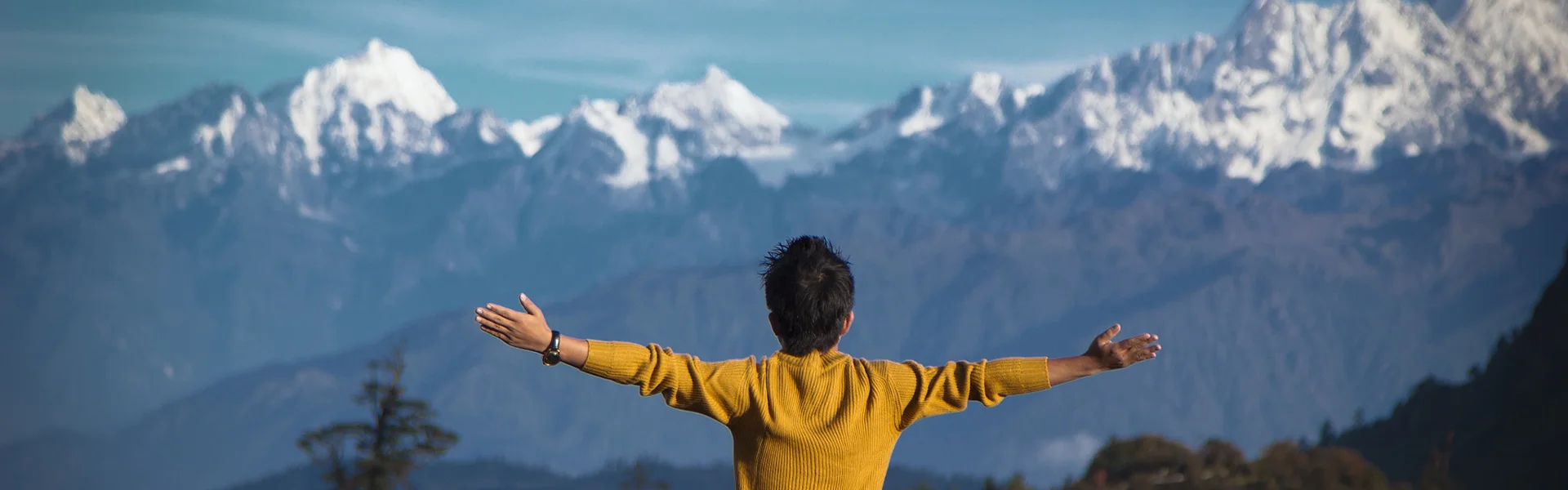

Annapurna Base Camp, often called ABC, is one of Nepal’s most famous trekking destinations. ABC trek is popular for many reasons, and the mountains are the major attraction. The base camp sits at around 4,130m with skinny air. Annapurna Base Camp draws thousands of adventurers yearly with its landscape and unique cultural experiences.
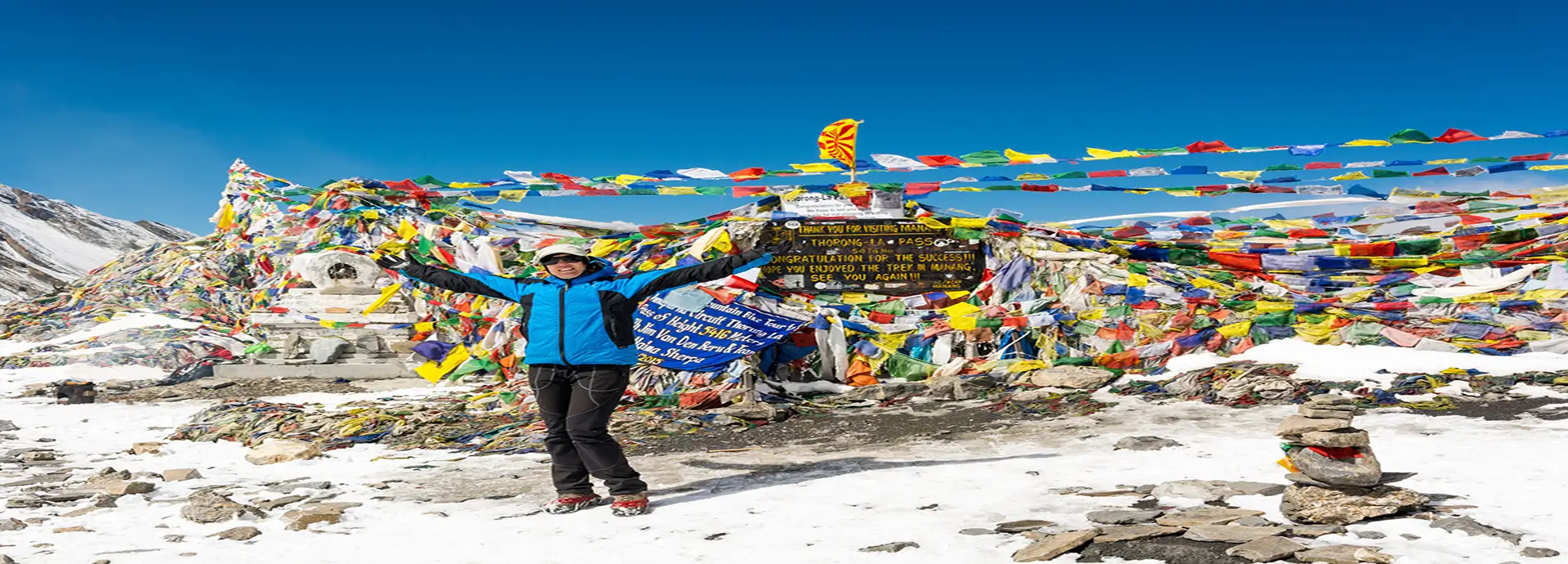
The base camp sits in an oval-shaped glacial basin surrounded by mountains. You’ll trek through diverse landscapes and finally reach this fantastic place. You are amid a 360-degree panorama of giant peaks at Annapurna Base Camp.
The high Annapurna Base Camp height means trekkers must prepare well and respect the mountain environment. Proper acclimatization, physical preparation, and a good itinerary are key to a successful trek. You must take it seriously and trek at a measured pace.
The Trek Itinerary and Altitude Progression
The Annapurna Base Camp trek allows a gradual ascent. Part of why it is so popular is due to the gradual ascent it will enable. The gradual altitude progression is safe and enjoyable. You can appreciate the changing landscapes and recover between challenging segments.
Pokhara – ~820 meters (2,690 feet): The trek usually begins in Pokhara, a lakeside city that serves as the base for many treks. From this low elevation, you drive to the trailhead to start walking.
Nayapul – ~1,070 meters (3,510 feet): This village is a common trek starting point. A short drive from Pokhara brings you here, where you set off on foot.
Ulleri – ~2,050 meters (6,725 feet): Reaching Ulleri involves climbing up more than 3,000 stone steps – a steep staircase that marks one of the trek’s first significant challenges. Ulleri is a beautiful village with great views and a sense of accomplishment once you’ve conquered those steps.
Ghorepani – ~2,860 meters (9,383 feet): A charming village surrounded by rhododendron forests. Ghorepani is a significant stop because it sits near the base of Poon Hill, a famous viewpoint.
Poon Hill – ~3,210 meters (10,531 feet): An optional early morning hike from Ghorepani takes you to Poon Hill for sunrise. Many trekkers include it to see panoramic views of the Annapurna and Dhaulagiri ranges. Though it’s a side trip, going up to 3,210 m and returning down helps with acclimatization.
Tadapani – ~2,630 meters (8,628 feet): After Poon Hill, the trail typically leads to Tadapani. Getting here involves descending from Ghorepani and ascending through beautiful forest trails. You end up sleeping lower than Poon Hill’s height – that descent is intentional. It helps your body recover by “sleeping low” after climbing high.
Chhomrong – ~2,170 meters (7,119 feet): Some itineraries route through Chhomrong, a Gurung village perched on a hillside. It’s known for amazing close-up views of Machhapuchhre (Fishtail) and Annapurna South. Reaching Chhomrong requires descending into a valley and another climb, which gives your body time to adapt.
Deurali – ~3,200 meters (10,500 feet): This settlement marks the beginning of the true alpine zone. Vegetation thins out, and the air gets noticeably cooler and thinner. By this point, you’re gaining altitude steadily and must be mindful of altitude symptoms.
Machhapuchhre Base Camp (MBC) – ~3,700 meters (12,140 feet): Often the second-to-last stop, MBC sits at the base of Machhapuchhre, the sacred “Fishtail” mountain. Many trekkers spend a night here. It offers breathtaking views and lets your body have one more night to acclimate before the final push to ABC.
Annapurna Base Camp (ABC) – 4,130 meters (13,549 feet): The ultimate destination, surrounded by the peaks of the Annapurna Sanctuary. ABC is the highest point of this trek and stands as the grand finale of the route.
The list above shows how the Annapurna Base Camp trek itinerary gradually brings you from the low elevation of Pokhara to the high altitude of ABC over a series of days. Notice the pattern of going up, then sometimes dropping down or staying at the same level, then up again. Those built-in variations in the route (like going up to Poon Hill then down to Tadapani, or descending to Chhomrong before climbing to Sinuwa/Deurali) are deliberate. They help trekkers adjust to the increasing elevation and reduce the risk of altitude sickness.
Acclimatization and Its Importance
Acclimatization is the body’s adjustment to the lower oxygen levels at higher altitudes. You’ll risk developing Acute Mountain Sickness (AMS) if you gain altitude too quickly. Altitude sickness starts affecting people at altitudes of 2,500 meters and above. It causes headaches, nausea, dizziness, and in severe cases, even death.
Most itineraries follow the climb high and sleep low principle to manage altitude. On the day you trek to Poon Hill (about 3,210 m) for a sunrise view, you descend and sleep in Tadapani (around 2,630 m). You experience a higher altitude for a short period, then give your body a break overnight at a slightly lower elevation. Gradual ascent is safer and more enjoyable because you feel stronger and can take in the scenery.
You must pace yourself and trek gradually to the ABC. You can reduce overexertion and give your body more time to adapt to the altitude. It might be tempting to push ahead, but it’s wise to be cautious and listen to your body. If you feel symptoms of altitude sickness, you must stop ascending or descending immediately. Stay at the same altitude until you feel better, or descend to a lower elevation if symptoms worsen.
Most standard Annapurna Base Camp itineraries do not include formal “rest days”. However, the ABC trek’s naturally moderate pace and the ups-and-downs of the route provide acclimatization in effect. Some people try to do the trek in less than a week, which is risky because the ascent becomes very rapid. Sticking to a well-planned itinerary of about 7 to 10 days from the trailhead to ABC is a safer strategy that gives your body the time it needs to adjust.
What to Expect at the Annapurna Base Camp?
The ABC is a natural amphitheater of towering mountains. You will see some of the best views of the mountains and landscapes while trekking to the base camp. You’ll stand in the middle of towering peaks, several of which are over 7,000 m, and one is over 8,000 m.
The base camp gives you direct views of Annapurna I (8,091 m), the world’s tenth-highest mountain. You’ll also see Annapurna South (7,219 m) and Machhapuchhre (6,993 m) (Fishtail Mountain). Other peaks include Hiunchuli (6,441 m), Tent Peak (Tharpu Chuli), and Gangapurna. Whatever direction you look, you will see mountains.
You’ll stand at 4,130 m when reaching the base camp. Standing in a high-altitude bowl feels isolated from the rest of the world. The area is a vast, flat glacial basin with a few simple buildings. A few simple lodges provide meals and a place to sleep, but don’t expect luxury at this altitude.
Many trekkers reach ABC by the afternoon and enjoy the sunset. The mountains glow with hues of pink and orange as the temperature drops sharply. Since there is no light pollution, you can see the sky filled with stars and the Milky Way across the sky.
Trekkers worldwide share the small space, congratulate each other, swap stories of the trail, and enjoy the stunning view. You can bond with fellow trekkers over shared experiences. Since ABC is a starting point for climbing expeditions to Annapurna and other peaks in the Sanctuary, you might even see some climbers.
Annapurna Base Camp vs. Other Treks
Annapurna Base Camp vs. Everest Base Camp (EBC)
Altitude: Everest Base Camp height is about 5,364 meters, whereas the Annapurna Base Camp height is 4,130 meters. You’ll spend more time trekking at an extreme altitude to EBC than ABC. ABC’s lower altitude makes it slightly less harsh regarding oxygen levels, but it is still a high-altitude trek.
Difficulty: EBC is more challenging due to the higher elevation and longer duration. A standard round EBC trek takes about 12–14 days, whereas the ABC trek typically takes 7–10 days. The EBC trek also has a higher risk of altitude sickness. Annapurna Base Camp also requires reasonable fitness and involves long days of hiking with plenty of steep ascents and descents.
Scenery: The Everest Base Camp trek is known for its stark, rugged high-mountain scenery with iconic views of Mount Everest, Lhotse, and Nuptse, especially from viewpoints like Kala Patthar. However, some parts of the EBC trail (the higher sections) are above the tree line and can be quite barren (lots of rock and glacier).
In contrast, the Annapurna Base Camp trek offers incredibly diverse landscapes: you start in subtropical forests with rivers and waterfalls, trek through terraced fields and villages, then through dense rhododendron forests, and finally into the alpine sanctuary surrounded by peaks. Many hikers find the variety of scenery on the ABC trek is a big highlight. Instead of focusing on one iconic peak (Everest), you get a circle of big mountains around you at ABC.
Culture and Comfort: On the EBC trail, the culture is predominantly Sherpa and Tibetan Buddhist, with many monasteries along the way. On the ABC trail, you’ll experience Gurung and Magar village cultures, combining Hindu and Buddhist influences. Both treks offer teahouse accommodations, but the Everest region teahouses can be a bit more basic at higher altitudes and often more crowded in peak season.
The Annapurna region’s teahouses can be pretty comfortable, especially in the lower villages (some even have hot showers and diverse menus). The food variety might be greater on the Annapurna trek since the area is more accessible for supplies. Accessibility-wise, ABC starts with a drive from Pokhara, whereas EBC begins with a dramatic flight to Lukla (or a long drive and walk-in nowadays). Flights to Lukla are weather-dependent, so EBC treks have that logistical challenge.
Annapurna Base Camp vs. Poon Hill Trek
Maximum Height: Poon Hill is about 3,210 meters, which is over 900 meters lower than Annapurna Base Camp. The Poon Hill trek (often called the Ghorepani Poon Hill trek) is a shorter loop usually done in 4–5 days. It’s a moderate trek suitable for beginners or those with limited time. On the other hand, Annapurna Base Camp goes higher and usually takes around 7–10 days, making it a more serious high-altitude experience.
Purpose and Highlights: The goal of the Poon Hill trek is primarily to reach the Poon Hill viewpoint for a spectacular sunrise over the Himalayas. It’s like a quick sampler of Nepal’s mountain scenery. You can see beautiful forests, villages like Ghorepani and Ghandruk, and a sunrise panorama of mountains, including the Annapurna and Dhaulagiri ranges. However, you do not venture into the Annapurna Sanctuary itself.
The Annapurna Base Camp trek can include the Poon Hill experience (many ABC trekkers go to Poon Hill on the way) and continues further into the heart of the mountains. So, with ABC, you get everything the Poon Hill trek offers plus the extraordinary amphitheater at ABC. Essentially, Poon Hill is an excellent trek for what it is – shorter and less high – but ABC is more comprehensive.
Difficulty: The Poon Hill trek has plenty of uphill (like the Ulleri staircase of 3,000 steps), but it’s shorter. At a lower altitude, it’s less strenuous overall and has virtually no risk of altitude sickness. Annapurna Base Camp trek requires more days of hiking and includes all the challenges of the Poon Hill section, and then additional high-altitude trekking beyond. While many fit beginners have successfully done ABC as their first trek, it is a step up in challenge and commitment from doing just Poon Hill.
Crowd and Culture: Poon Hill can be very crowded during peak season because it attracts large groups and even travelers on tight schedules. The longer Annapurna Base Camp trek tends to disperse trekkers over a larger area and different schedules, so the trails usually feel less congested beyond the Ghorepani-Poon Hill section. Both routes pass through Gurung and Magar communities, so you can taste local mountain culture.
On the Poon Hill trek, you’ll spend nights in villages like Ghorepani and Ghandruk that are well-known for their hospitality. On the ABC trek, you’ll get those same villages plus spend nights in places like Sinuwa, Deurali, and, of course, ABC, interacting with local lodge owners and guides all along the way.
Annapurna Base Camp offers a more extensive high-mountain experience than Poon Hill and is somewhat less demanding than Everest Base Camp. You reach high altitude with incredible views in fewer days and a lower maximum elevation than EBC. Many trekkers who have done ABC praise its accessibility, stunning scenery, and cultural experience.
Practical Tips for a Successful Trek
Best Season to Trek
The most popular times for the Annapurna region are spring (March–May) and autumn (September–November). In spring, the weather is relatively warm, and you get the bonus of a blooming rhododendron forest, which adds vibrant colors to the trails. Autumn is beloved for its generally stable weather and crystal-clear skies after the monsoon, offering the best mountain views.
During these seasons, days are mild and nights are cold but not brutally freezing. Monsoon season (June–August) brings heavy rain, slippery trails, and leeches in the lower forests, making it less appealing for most trekkers (though the forests become lush). Winter (December–February) offers quiet trails and beautiful snowscapes, but it gets extremely cold at base camp (night temperatures far below freezing), and heavy snow can sometimes block the route. If you trek in winter, be prepared for snow and have some flexibility in your schedule.
Packing Essentials
Packing right, as you’ll experience various temperatures and conditions. Layered clothing is the key to adjusting to warm days and cold nights. Bring thermal base layers, a fleece or down jacket, and a waterproof/windproof outer jacket. Good trekking pants (and maybe thermal leggings for cold nights) are essential. At high altitudes, nights at Annapurna Base Camp can go subzero, so you must bring a warm sleeping bag (rated around -10°C or 14°F comfort).
Don’t forget a woolen hat, gloves, and quality trekking socks. Trekking boots that are broken-in and comfortable are a must – the trails are rough and you’ll be walking for many hours. You need a lightweight rain jacket or poncho in case of rain (especially in summer or early autumn). Other essentials include a reusable water bottle (water can be refilled and purified along the way), sun protection (sunhat, sunglasses, sunscreen) because the sun is intense at altitude, a headlamp (for early morning hikes like Poon Hill or moving around teahouses at night), and a basic first aid kit (with any personal medications, blister care, and something for headaches).
It’s also smart to carry some water purification method (filter, UV pen, or tablets) since buying bottled water is expensive on the trail and not eco-friendly. Finally, pack light where possible – whether you carry your bag or use a porter, keeping the weight down (around 10-15 kg or less) will make the trek easier.
Permits:
Trekking in the Annapurna region requires two main permits. One is the Annapurna Conservation Area Permit (ACAP), which helps fund environmental conservation and local development. The other is the Trekkers’ Information Management System (TIMS) card, which is for safety and record-keeping of trekkers. You need to obtain these permits before you start trekking. You can get them in Kathmandu or Pokhara at the Nepal Tourism Board offices or through a trekking agency.
Obtain these permits from the Nepal Tourism Board offices or a registered trekking agency, and carry them with you – there are checkpoints (for example, at Birethanti/Nayapul when you start the trek) where you must show them. As of 2025, the regulations require trekkers in Annapurna (if not with a group) to have a guide. Your guides manage the TIMS cards accordingly. Usually, your guide or agency will handle permit paperwork if you’re not doing it alone.
Fitness Preparation
You don’t need to be a marathon runner to do the Annapurna Base Camp trek. A reasonable fitness level will make the trek far more enjoyable. Training a couple of months in advance is beneficial. Focus on cardiovascular fitness and leg strength. Activities like hiking, jogging, cycling, or swimming build endurance. If possible, incorporate uphill hiking or long stair climbs (since you’ll face many steps on the trek).
You can practice by doing day hikes or using a Stairmaster/step mill at the gym. Build your leg strength with exercises like squats and lunges, and work on core strength for overall stability with exercises like planks. Also, practice walking with a lightly loaded backpack, so you get used to trekking with the weight of water and extra layers. If you know how your body reacts to multi-day hikes (soreness, knee pain, etc.), you can address those with appropriate exercises or gear (like knee support or trekking poles). The fitter you are, the more you’ll be able to enjoy each day rather than endure it.
Stay Hydrated and Eat Well
At altitude, staying hydrated helps with acclimatization and overall energy levels. Hydrate well by drinking at least 3–4 liters per day. You can fill your bottle from taps or springs and then purify the water using tablets or a filter, or you can buy boiled water from teahouses (safer than untreated water and avoids plastic bottles). Likewise, eat enough calories.
The Annapurna Base Camp trek teahouses provide hearty meals like dal bhat (rice with lentil soup and vegetables), noodle soups, momo, pasta, etc. Dal bhat is a trekker’s favorite because it’s filling and usually comes with free refills! You’ll burn much energy each day, so don’t skimp on meals – this is not the time to be on a diet. Having some snacks (chocolate, nuts, energy bars) in your pack is also helpful for between meals or in case you feel a bit low on energy during a long ascent.
Go with a Guide or Porter
A guide can enrich your experience by explaining local culture, naming peaks, and handling logistics like finding good teahouses each night. They also monitor your health and can be critical if altitude issues arise, advising you to slow down or descend if needed. Your porter can carry up to 15 kg of your load. You can trek with just your light daypack, which makes the trek much easier and enjoyable.
Hiring local staff also directly supports the local economy. Ensure that whomever you hire is through a reputable agency or has good recommendations, and that porters get proper gear and weight limits. As of recent regulations, hiring at least a guide has become mandatory for specific regions, including Annapurna, primarily for trekker safety. Beyond rules, having local expertise is never bad in the mountains.
Stay Flexible and Positive
You must maintain a good mindset. Mountain adventures can throw the unexpected at you, like weather changes, maybe a minor injury like a sprained ankle, or just slower progress than you anticipated. You need a buffer day in your schedule. Some days you might feel strong, and others might arrive tired.
Conclusion
While the ABC is a rewarding destination, the views, newfound friendships, and a personal sense of accomplishment improve the trek. You’ll understand its hype when you reach the base camp yourself. You’ll experience both the natural beauty and warm hospitality of the region.
Annapurna Base Camp is a trek that challenges you, tests you with its beauty, and provides insight into mountain life. Trekkers carry an adventure with them long after leaving the mountains.