


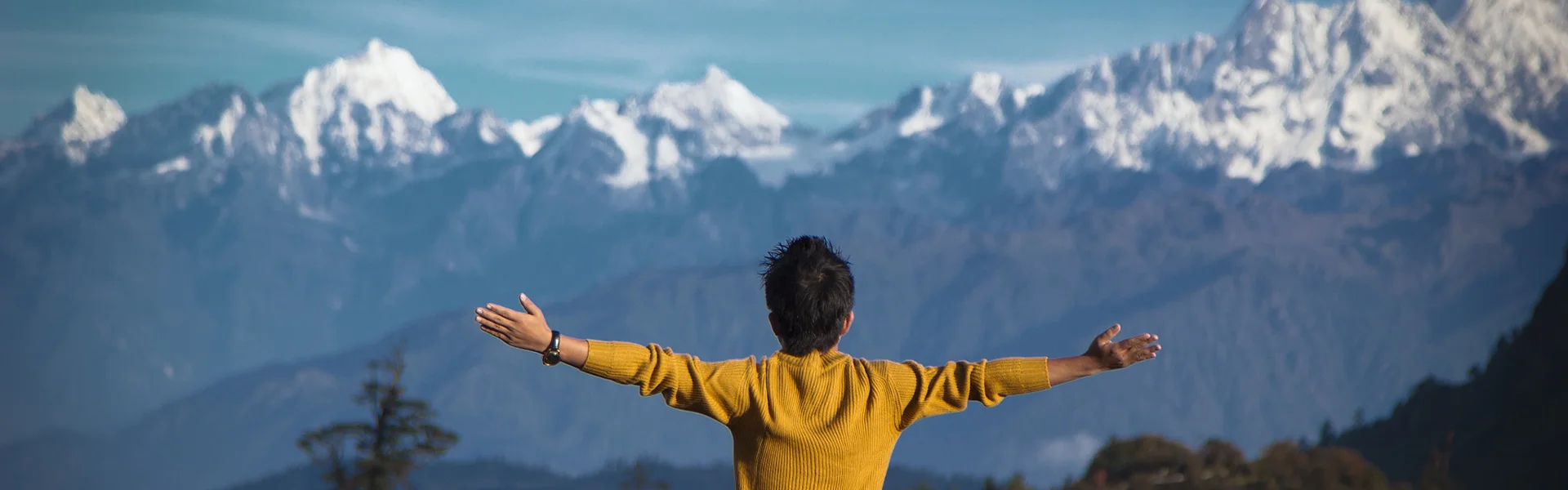

Many people dream of trekking through the Himalayas in Nepal with just a backpack while enjoying nature at their own pace. Searching your path, making decisions, and finding personal insight is appealing. If you’re a foreign trekker, you must hire a licensed guide to trek in national parks and conservation areas. The government of Nepal implemented this rule on April 1, 2023, but it has not been strictly implemented. Here we have elaborated on the Annapurna Base Camp Solo Trek.
New Rule of a Mandatory Guide
The Nepal Tourism Board introduced this policy of mandatory guides primarily to improve trekker safety. In the past, many solo trekkers used to get lost or face severe altitude sickness without immediate help. Having an experienced guide means less risk of injuries and risky search-and-rescue operations. If an emergency happens, having a guide means someone can quickly call for help and administer first aid.
Trekking tourism is the backbone of the local economy in regions like Annapurna. Managing guides for trekkers means increasing job opportunities for the locals. Before, many trekkers went alone and offered little support to the local guiding economy. Trekking with a guide, you help Nepali guides earn a living and provide for their families.
You’ll hire a licensed guide and trek without joining a larger group of travelers if you want to trek solo now. You still feel free since you are not part of a big tour group, but are not entirely alone. Your guide will be with you at all times on the trail. You can face fines at checkpoints or get turned back if you lack the required guide and permit.
The “Solo with a Guide” Experience
Since a fully independent trek is no longer legal on the ABC route, solo adventurers will have a private guide accompanying them. There are many positive aspects to this approach, along with a couple of drawbacks to consider.
Pros of solo trekking with a guide
Enhanced Safety and Navigation: Guides know the trails of Annapurna like the back of their hand. Solo trekkers used to follow a well-marked trail to Annapurna Base Camp. But even with marled trails, there are still places where you could take a wrong turn or face a sudden weather change. Your guide will ensure you stay on the right path and avoid known hazards. Guides have training in first aid and learn how to recognize altitude sickness symptoms. This added safety is a huge benefit, especially if you are trekking solo without the support of a larger group.
Logistical Support: Your guide will handle all the logistics for you. Guides talk with teahouse owners in Nepali, often call ahead to reserve rooms, and ensure you have space. They also help when ordering food, especially if you have dietary needs or preferences, since they can explain everything directly to the cooks.
Cultural Insight: Your guide can tell you the names of mountains, explain the legends or religious significance behind local temples and chortens, and share what life is like in the villages. Trekking solo with a guide means you have a knowledgeable companion to answer your questions. It can make your experience more meaningful than trekking alone without context.
Flexibility and Freedom: Some trekkers worry that having a guide might feel restrictive, but you still have plenty of freedom with a private guide. You can set the pace, decide when to take breaks, and even adjust daily plans within reason. Your guide will keep things flexible while ensuring your choices stay safe and practical. You trek your way, with expert support at your side.
Supporting the Local Economy: Hiring a guide directly contributes to the local economy. The remote Himalayas rely heavily on trekking tourism for employment. Your adventure helps support families in the Annapurna region, so your trek is more sustainable and beneficial to the people who make it possible.
Cons to consider for solo trekking with a guide
Added Cost: A licensed guide in Nepal usually costs $25 to $40 per day. On an 8 to 10-day trek, that adds a few hundred dollars to your budget. You also cover the guide’s food and accommodation during the trek. This can feel like a significant increase for trekkers planning the cheapest possible trip. However, the safety, convenience, and local insight a guide provides make the cost worth it for most people.
Less Solitude: Many people imagine a solo trek as complete natural solitude. With a guide, you are never entirely alone. A good guide gives you space when you want it and stays quiet while you walk, but they are there for support and company. Some trekkers may feel that this changes the pure solo experience and must adjust their expectations. On the other hand, many solo trekkers enjoy the company and even form friendships with their guides. Remember that hiring a guide shifts that dynamic if you picture long, solitary days.
Trekking with a private guide as a solo traveler offers an excellent balance for most people. You maintain the freedom of setting your itinerary and pace, while having the security and convenience of expert help.
Essential Preparations for an “Annapurna Base Camp Solo” Trekker
Permits and Paperwork
Every trekker must have an Annapurna Conservation Area Permit (ACAP) for the Annapurna region. This permit contributes to conservation projects and grants you access to the Annapurna Conservation Area. The authorities will check this permit at various points on the trail. As of 2023, you don’t need the TIMS card anymore for the Annapurna region when you have a guide. The new guide requirement has effectively replaced the TIMS card in this area.
If you book through a trekking agency, they will often arrange the ACAP permit for you in advance. You can visit the Nepal Tourism Board offices in Kathmandu or Pokhara to get the permit yourself. Pay the NPR 3,000 permit fee and give your details to the authorities. Ensure your guide also carries a valid license ID, as officials may check it at trail checkpoints.
Registered Trekking Agency
You can hire a guide by contacting a reputable trekking agency, ideally one registered with the Trekking Agencies’ Association of Nepal (TAAN), and request a guide for the Annapurna Base Camp trek. Agencies provide a licensed guide and can arrange a porter if you need one. Using an agency gives you confidence that your guide is certified and insured, and ensures support if any issues arise.
Independent Guide
Some travelers seek guides independently by meeting them in Kathmandu or Pokhara or via online forums. If you choose this route, ask to see the guide’s government-issued license. Don’t hesitate to ask about their experience on the ABC trek and their training (many have basic first aid training, too). Agree on the guide’s daily rate and what it includes beforehand. The typical daily rate will cover the guide’s meals and lodging during the trek, but double-check so there are no misunderstandings.
Whether through an agency or independently, ensure your guide is insured (many agencies cover their guides with insurance; an independent guide should ideally have their own).
Communication and Compatibility
Since you will spend many days with your guide, make sure you can communicate well. Most Nepali guides speak English to a conversational level and some other languages. If you have any specific preference, like a guide fluent in French or German, mention it in advance. It helps to choose a guide who has completed the Annapurna Base Camp trek several times, as experience often makes it smoother. Please talk with your guide about your expectations and ask how they usually approach the trek. A short conversation can make sure you are on the same page.
Fitness and Training
The Annapurna Base Camp trek is moderately challenging. Moderate doesn’t mean it’s easy. Build your endurance with regular cardio exercise, like hiking, jogging, cycling, or swimming in the weeks or months leading up to the trek. Do squats and lunges, and if possible, do some weekend hikes on local trails or stairs with a backpack on for core and leg strength. The better shape you are in, the more you will enjoy the trek instead of it feeling like a suffer-fest. Mental preparation is essential, too.
Be ready for long, consecutive days of walking and basic living conditions with simple meals, no hot showers, limited electricity, etc. The trek will test your stamina and resilience, so come with a positive mindset and realistic expectations.
Packing Smart
You must carry your essentials when trekking with a guide. Bring a personal first aid kit with bandages, antiseptic wipes, pain relievers, blister care, personal medications, and altitude sickness medicine if your doctor recommends. Pack a reliable headlamp with spare batteries, a rechargeable option, and a power bank of at least 10,000 mAh to keep your electronics charged.
Carry a water purification method, like tablets or a small filter, and two bottles if possible. Dress in layers with rain gear, gloves, hats, sunglasses, and an insulated jacket for cold nights. Your guide can also advise on what to bring, so you carry only what you truly need.
Sample Annapurna Base Camp “Solo” Trek Itinerary
Day 1: Pokhara (820 m) to Nayapul, then trek to Ghandruk (1,940 m)
Start with a morning drive from Pokhara to the trailhead at Nayapul. The drive is about 2 hours long and really scenic. From Nayapul, you trek through charming villages and terraced fields. Lunch can be at a small town like Kimche. Aim to reach Ghandruk by late afternoon. Ghandruk is a large Gurung village with comfortable teahouses, fantastic Machhapuchhre (Fishtail), and Annapurna South views. (Trekking: ~5–6 hours)
Day 2: Ghandruk to Chhomrong (2,170 m)
The trail from Ghandruk descends to the Kimrong Khola river and climbs up through rhododendron forests and terraced fields to reach Chhomrong. Chhomrong is another beautiful village on a ridge with a direct view toward the Annapurna Sanctuary. It’s the last central village on the way to Base Camp, with many guesthouses. (Trekking: ~5 hours).
Day 3: Chhomrong to Dovan (2,600 m)
From Chhomrong, you trek down a long stone step to cross the Chhomrong Khola, then immediately face a steep ascent to Sinuwa. The trail winds through lush forest to Bamboo and continues up to Dovan. Dovan is a small, peaceful spot in the forest with quiet greenery. (Trekking: ~6–7 hours)
Day 4: Dovan to Deurali (3,230 m)
Continuing up the Modi Khola valley, the trail passes through the Himalayan Hotel and Hinku Cave areas. The landscape becomes more alpine with sparser vegetation as you gain altitude. Deurali is a small cluster of lodges at the foot of the sanctuary’s entrance. You’ll feel the air getting thinner here. It’s wise to have a slightly shorter day to aid acclimatization. (Trekking: ~4–5 hours)
Day 5: Deurali to Annapurna Base Camp (4,130 m)
You start early and trek via Machhapuchhre Base Camp (MBC, 3,700 m). As you enter the Annapurna Sanctuary, the valley opens up, with a vast amphitheater of peaks. The hike from MBC to ABC steadily climbs, but the dramatic scenery fuels your steps. Annapurna Base Camp has towering mountains surrounding it, including Annapurna I (8,091 m). (Trekking: ~5 hours)
Day 6: Annapurna Base Camp to Bamboo (2,345 m)
Wake up early to catch the unforgettable sunrise across Annapurna and other peaks. After breakfast, you’ll start the descent. You’ll trek past MBC, Deurali, and Dovan and cover more distance than when climbing. Bamboo is a good stopping point. It’s a long descent, but the lower oxygen levels ease as you go down. (Trekking: ~6–7 hours)
Day 7: Bamboo to Jhinu Danda (1,780 m)
Climb back up to Sinuwa and Chhomrong (yes, those stone steps you came down, you must go back up!). From Chhomrong, take the trail descending steeply to Jhinu Danda. Jhinu is famous for its hot springs by the Modi Khola – a dip in the warm pools is an excellent reward for your legs. The hot springs are about a 15–20-minute walk from the teahouses. Enjoy the evening relaxing here. (Trekking: ~5–6 hours)
Day 8: Jhinu Danda to Siwai (ending the trek), drive to Pokhara
From Jhinu, you trek along the Modi Khola River through hills and farmland until you reach Siwai (or New Bridge), where the road access begins. Many trekkers arrange a jeep pickup from Siwai. By late morning or midday, you’ll hop into a vehicle for the bumpy ride back to Pokhara (3–4 hours). You’ll return to Pokhara by afternoon or early evening with a hot shower and plenty of memories. (Trekking: ~4 hours, then drive to Pokhara)
Conclusion
Trekking to Annapurna Base Camp with a guide is both freeing and unforgettable. You still set your own rhythm and pause when needed. The ABC trek is as adventurous as ever, but a professional accompanies you this time. A guide notices what you might overlook. They also make sure you’re safe. The guide rule has actually made solo trekking more rewarding. You’re not just protecting yourself, you’re also supporting the villages and people who make these treks possible year after year. So, we can’t recommend Annapurna Base Camp Solo Trek.