


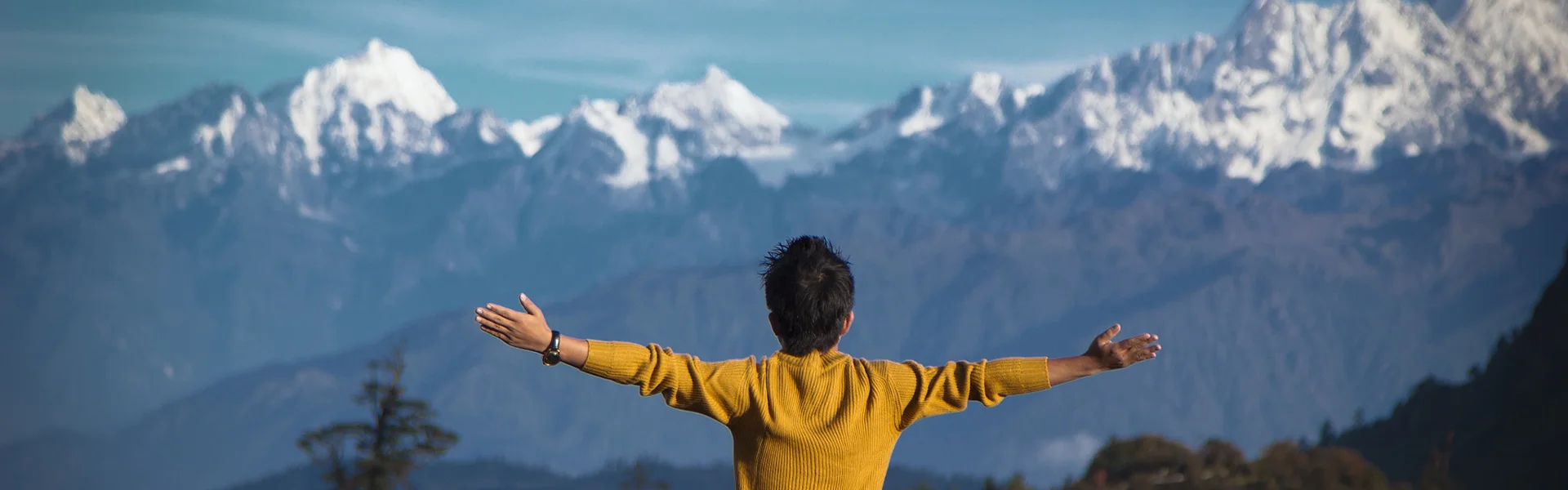

This Annapurna Base Camp Trek Guide covers everything you need to plan one of Nepal’s most rewarding moderate-altitude treks. The Annapurna Base Camp Trek route climbs from Pokhara’s green foothills through Gurung villages, terraced farmland, rhododendron forests, bamboo groves, and the Modi Khola Valley before reaching Annapurna Base Camp at 4,130 meters.
The ABC trek enters the Annapurna Sanctuary, a dramatic mountain basin surrounded by Annapurna I, Annapurna South, Machhapuchhre, Hiunchuli, Gangapurna, Annapurna III, and nearby peaks.
Unlike the Everest Base Camp Trek, the Annapurna Base Camp Trek stays lower, takes fewer days, and suits travelers who want close Himalayan views without extreme altitude. This Annapurna Base Camp Trek Guide explains the route, itinerary, Sanctuary experience, altitude, cost, permits, difficulty, best season, packing, safety tips, helicopter return, trek comparisons, and practical planning advice.
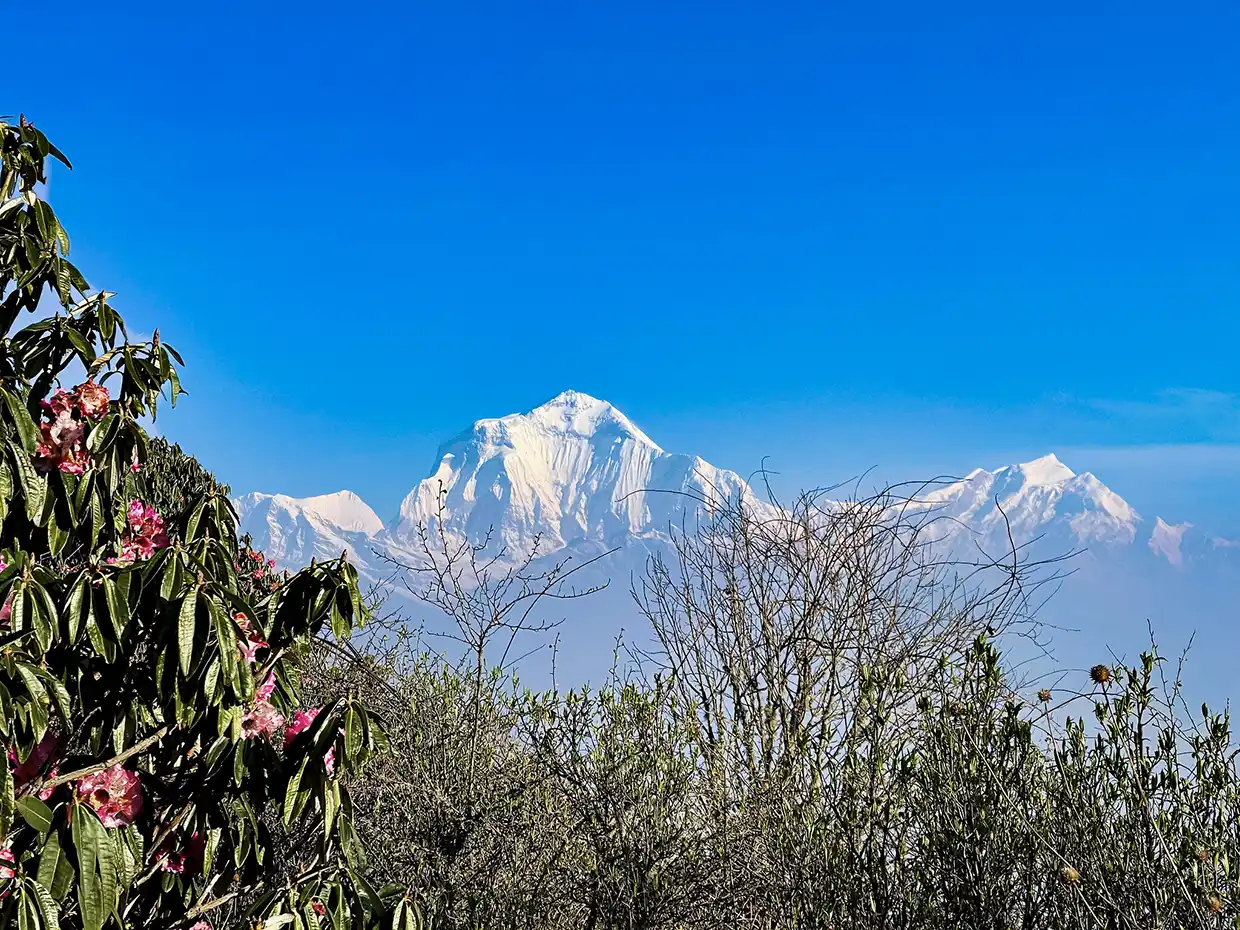
This Annapurna Base Camp Trek Guide covers everything you need to plan one of Nepal's most rewarding moderate-altitude treks. The…
 10 Days
 Moderate
Quick Answer: What Makes the Annapurna Base Camp Trek Special?
The Annapurna Base Camp Trek leads into the Annapurna Sanctuary, a natural mountain amphitheater surrounded by Annapurna I, Annapurna South, Machhapuchhre, Hiunchuli, Gangapurna, and Annapurna III. This ABC trek takes 7 to 12 days, reaches 4,130 meters, and follows a valley route without crossing a high pass. This Annapurna Base Camp Trek Guide helps you plan every stage of the journey with confidence.
| Topic | Details |
|---|---|
| Trek Region | Annapurna Conservation Area |
| Gateway City | Pokhara |
| Typical Duration | 7 to 12 days |
| Highest Point | Annapurna Base Camp, 4,130 m |
| MBC Altitude | About 3,700 m |
| Difficulty | Moderate |
| High Pass | No |
| Best Seasons | March–May and September–November |
| Best For | Fit beginners, families, photographers, moderate hikers |
| Helicopter Return | Available from ABC or MBC, weather permitting |
The Annapurna Sanctuary Explained
The Annapurna Sanctuary sits at the head of the Modi Khola Valley and forms the centerpiece of this Annapurna Base Camp Trek Guide. Trekkers enter through a narrow valley between Machhapuchhre and Hiunchuli. The terrain changes quickly above Deurali and Machhapuchhre Base Camp. MBC delivers the first open panorama of the Sanctuary. ABC sits deeper inside the glacial basin at 4,130 meters. The Sanctuary floor has glacial moraine, rocky ground, and sparse alpine vegetation. Mornings consistently offer the clearest views of the Annapurna range on the Annapurna Base Camp Trek. Clouds typically build during the afternoon, so early risers enjoy the best photography and visibility.
Mountains Visible from Annapurna Base Camp
| Mountain | Altitude | Direction from ABC | View Quality |
|---|---|---|---|
| Annapurna I | 8,091 m | North | Dominant south face |
| Annapurna South | 7,219 m | West/Northwest | Excellent |
| Machhapuchhre | 6,993 m | East | Excellent and close |
| Hiunchuli | 6,441 m | West | Strong wall-like view |
| Gangapurna | 7,455 m | Northeast | Strong |
| Annapurna III | 7,555 m | Northeast | Good |
| Tent Peak | 5,663 m | South/Southeast | Good |
Sunrise on the Annapurna Base Camp Trek lights Annapurna South and Machhapuchhre first. The 360-degree mountain setting defines the ABC trek experience at the Sanctuary. Morning light delivers the best photographs. Annapurna I’s massive south face dominates the entire northern view from base camp.
Annapurna Base Camp Trek Route Options and Starting Points
| Route Option | Starting Point | Duration | Best For |
|---|---|---|---|
| Classic ABC Trek via Ghandruk | Nayapul/Kimche | 8–10 days | First-time trekkers |
| Poon Hill + ABC Trek | Nayapul/Ulleri | 11–13 days | Sunrise views and rhododendrons |
| Short ABC Trek | Kimche/Jhinu | 7–9 days | Time-limited travelers |
| ABC Trek with Jhinu Hot Springs | Return via Jhinu | 8–10 days | Relaxed descent option |
| ABC Trek with Helicopter Return | Trek up, fly back | 5–7 days | Luxury and time-saving |
All Annapurna Base Camp Trek routes pass through Chhomrong. From Chhomrong, one main trail leads through Sinuwa, Bamboo, Dovan, Deurali, MBC, and ABC. The Poon Hill extension adds two to three days. The helicopter return saves two to four descent days and suits luxury travelers and those with limited time.
Annapurna Base Camp Trek Itinerary: 10 Days
| Day | Route | Altitude | Walk Time | Highlights |
|---|---|---|---|---|
| 1 | Arrive Pokhara | 820 m | — | Hotel check-in, trek briefing, gear check |
| 2 | Drive to Ghandruk, trek to Chhomrong | 2,170 m | 4–5 hrs | Gurung villages, Annapurna South views |
| 3 | Chhomrong to Dovan | 2,600 m | 5–6 hrs | Sinuwa, bamboo forest, Modi Khola valley |
| 4 | Dovan to Deurali | 3,230 m | 5–6 hrs | Forest trail, waterfalls, rocky terrain |
| 5 | Deurali to ABC via MBC | 4,130 m | 7–8 hrs | Annapurna Sanctuary entry, ABC arrival |
| 6 | Sunrise at ABC, descend to Bamboo | 2,310 m | 6–7 hrs | Golden sunrise over Annapurna, long descent |
| 7 | Bamboo to Jhinu Danda | 1,780 m | 4–5 hrs | Forest trail and natural hot springs |
| 8 | Drive to Pokhara | 820 m | Drive | Return to Pokhara lakeside |
| 9 | Pokhara free day or onward travel | — | — | Buffer day or transfer |
| 10 | Departure | — | — | Transfer to Kathmandu or onward destination |
Short 7-Day Annapurna Base Camp Trek With Helicopter Return
- Day 1: Arrive in Pokhara and prepare for the ABC trek.
- Day 2: Drive to Ghandruk, trek to Chhomrong.
- Day 3: Chhomrong to Dovan or Deurali.
- Day 4: Trek to Machhapuchhre Base Camp.
- Day 5: MBC to Annapurna Base Camp, sunrise views, helicopter return to Pokhara.
- Day 6: Pokhara rest day or fly to Kathmandu.
- Day 7: Departure from Nepal. The helicopter’s return shortens the descent — it should never rush the ascent pace.
Annapurna Base Camp Trek Altitude Profile
| Location | Altitude | Role in Trek |
|---|---|---|
| Pokhara | 820 m | Gateway city and trek start |
| Ghandruk | 1,940 m | Gurung Cultural Village |
| Chhomrong | 2,170 m | Gateway to the Sanctuary trail |
| Sinuwa | 2,340 m | Forest entry section |
| Bamboo | 2,310 m | Bamboo and rhododendron forest zone |
| Dovan | 2,600 m | Mid-forest overnight stop |
| Deurali | 3,230 m | Transition to the alpine zone |
| Machhapuchhre Base Camp | 3,700 m | First open Sanctuary panorama |
| Annapurna Base Camp | 4,130 m | The highest point of the ABC trek |
| Jhinu Danda | 1,780 m | Natural hot springs descent stop |
The biggest altitude gain on the Annapurna Base Camp Trek comes between Deurali and ABC. Altitude sickness risk on the ABC trek remains lower than on EBC but still occurs above 3,500 meters. Slow your pace above Deurali. Drink clean water consistently. Report any headache or nausea to your guide immediately.
Key Villages and Trail Highlights on the Annapurna Base Camp Trek
- Ghandruk: A classic Gurung village with stone houses, terraced farmland, and direct views of Annapurna South, Hiunchuli, and Machhapuchhre. The cultural museum and traditional village atmosphere make Ghandruk one of the most rewarding early stops on the Annapurna Base Camp Trek.
- Chhomrong: The last major village before the Sanctuary trail begins. Stone steps, a Modi Khola crossing, good teahouses, and views of Annapurna South and Machhapuchhre define this important ABC trek waypoint.
- Bamboo: A small forest settlement sitting inside the bamboo and rhododendron zone. The trail atmosphere stays quiet here. Bamboo serves as a common ascent and descent stop on the Annapurna Base Camp Trek.
- Dovan: A calm forest stop ideal for an overnight before Deurali. Less developed than Chhomrong, but peaceful and well-positioned on the ABC trek route.
- Deurali: An upper valley setting with rocky terrain, waterfalls, and steep cliffs. This marks the transition from dense forest to open mountain terrain. Weather awareness is essential from Deurali onward on the Annapurna Base Camp Trek.
- Machhapuchhre Base Camp (MBC): The first wide Annapurna Sanctuary panorama at approximately 3,700 meters. Machhapuchhre views feel immediate and close. MBC works well as an overnight stop before the final push to ABC.
- Annapurna Base Camp (ABC): The main destination of this Annapurna Base Camp Trek Guide is at 4,130 meters. The full mountain amphitheater surrounds you. Sunrise views here rank among the finest in all of Nepal. Teahouses at ABC stay cold and basic.
- Jhinu Danda: The natural hot springs stop on the descent route of the ABC trek. Natural pools along the Modi Khola offer a welcome respite after long downhill days.
Rhododendron Season on the Annapurna Base Camp Trek
Rhododendrons bloom on the Annapurna Base Camp Trek mainly during March and April. Lower trail forests bloom earlier in the season. Higher forests bloom as the spring progresses. The Ghandruk to Chhomrong section and the Sinuwa to Dovan stretch display the richest spring color on the ABC trek. The Poon Hill extension gives the densest rhododendron experience available anywhere in the Annapurna region. Autumn delivers the clearest mountain views on the Annapurna Base Camp Trek, but without flowers. Trekkers who want both blooms and clear mountain views should target late March to mid-April for their ABC trek.
Best Season and Weather for the Annapurna Base Camp Trek
| Season | Months | Sanctuary Views | Trail Condition | Rating |
|---|---|---|---|---|
| Spring | Mar–May | Good to excellent | Rhododendrons, occasional rain | Recommended |
| Autumn | Sep–Nov | Excellent | Dry and clear | Best season |
| Winter | Dec–Feb | Good on clear days | Snow possible above Deurali | Prepared trekkers only |
| Monsoon | Jun–Aug | Often poor | Wet, slippery, leeches | Not ideal |
Annapurna Base Camp Trek Difficulty and Fitness Requirements
The Annapurna Base Camp Trek rates as a moderate trek. Stone steps near Chhomrong, long downhill sections, four to seven hours of walking per day, wet forest trails, cold nights at MBC and ABC, and the sustained altitude gain between Deurali and ABC present the main challenges on this ABC trek. Trekkers should be able to walk for 5 to 6 hours on hilly terrain, climb stairs without frequent breaks, carry a light daypack, and manage long descents comfortably. Train for 6 to 10 weeks before your Annapurna Base Camp Trek departure with hill walks, stair climbing, and leg strength exercises.
| Traveler Type | Suitable? | Note |
|---|---|---|
| Fit beginner | Yes | Excellent first moderate Himalayan trek |
| Active adult | Yes | Best with 6–10 weeks of pre-trek training |
| Family with children 12+ | Yes | Steady pace and proper gear required |
| Experienced trekker | Yes | Shorter and lower than EBC but equally rewarding |
| Very low fitness level | Challenging | Train first or choose the Poon Hill trek |
| Luxury traveler | Yes | Helicopter return option available from ABC or MBC |
Annapurna Base Camp Trek vs Other Nepal Treks
| Factor | ABC Trek | EBC Trek | Poon Hill | Mardi Himal | Annapurna Circuit |
|---|---|---|---|---|---|
| Duration | 7–12 days | 12–14 days | 4–5 days | 5–7 days | 12–18 days |
| Max Altitude | 4,130 m | 5,364 m+ | 3,210 m | ~4,500 m | 5,416 m |
| High Pass | No | No | No | No | Yes |
| Difficulty | Moderate | Challenging | Easy–Moderate | Moderate | Moderate–Challenging |
| Best For | Sanctuary views | Everest goal | Short sunrise trek | Quiet ridge walk | Long Valley Circuit |
Annapurna Base Camp Trek Helicopter Return Option
| Factor | Detail |
|---|---|
| Pickup Points | Annapurna Base Camp or MBC |
| Destination | Pokhara |
| Flight Time | Approximately 20–30 minutes |
| Days Saved | 2–4 days of descent |
| Best For | Luxury travelers, time-limited guests, and knee protection |
| Weather Dependency | High — morning departures work best |
| Key Rule | Shortens descent only — never rush the ascent |
Annapurna Base Camp Trek Permits and Guide Rules
| Permit / Rule | Required? | Notes |
|---|---|---|
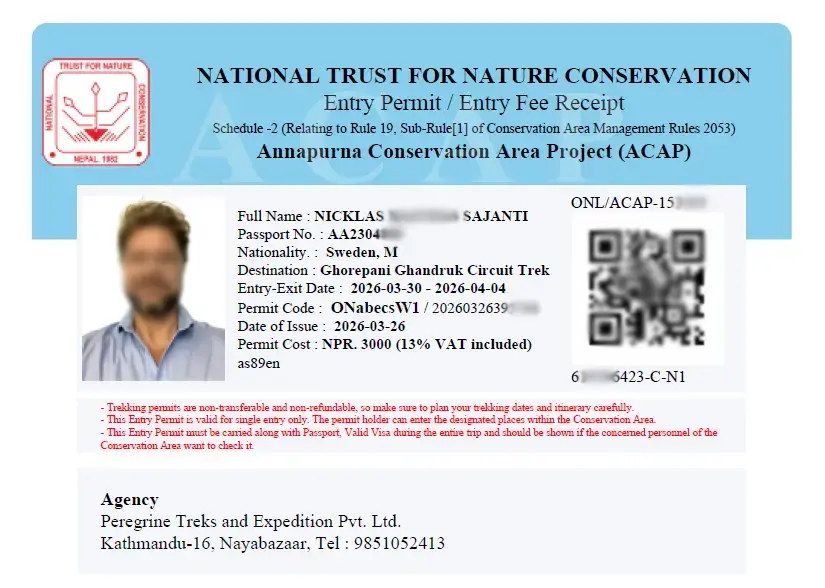
| ACAP Entry Permit | Yes | Required for Annapurna Conservation Area entry |
| TIMS / agency trekker record | Yes | NTB lists Poon Hill–ABC under revised provision |
| Licensed trekking guide | Yes | Mandatory under the NTB revised TIMS provision |
| Restricted Area Permit | No | Not required for the standard ABC trek route |
Permit fees and guide regulations for the Annapurna Base Camp Trek are subject to change. Confirm the latest ACAP fee and TIMS requirements with a registered trekking agency before finalizing your ABC trek booking.
Annapurna Base Camp Trek Cost Breakdown
| Cost Item | Budget | Standard | Comfort/Luxury |
|---|---|---|---|
| Guide and porter | USD 250–450 | USD 450–800 | USD 800+ |
| Permits (ACAP + TIMS) | USD 40–90 | USD 40–90 | USD 40–90 |
| Transport | USD 20–50 | USD 50–100 | USD 100+ |
| Teahouse accommodation | USD 80–180 | USD 180–400 | USD 400+ |
| Food and drinks on the trail | USD 120–250 | USD 250–400 | Often included |
| Pokhara hotel | USD 30–100 | USD 100–250 | USD 250+ |
| Helicopter return | Optional | Optional | Major additional cost |
| Estimated Total | USD 700–1,400 | USD 1,400–2,800 | USD 2,800+ |
The Annapurna Base Camp Trek typically costs less than an EBC trek because it avoids the Lukla flight. The helicopter return adds high cost but saves two to four days. Trail extras on the ABC trek include hot showers, Wi-Fi, device charging, bottled drinks, and tips for the guide and porter.
Annapurna Base Camp Trek Packing List
Clothing
- Moisture-wicking base layers, trekking shirts, and mid-layer fleece jackets
- Down jacket — essential for cold MBC and ABC mornings on the ABC trek
- Waterproof shell jacket, convertible trekking pants
- Warm hat, wide-brim sun hat, light gloves, warm gloves for Annapurna Base Camp
- Buff or neck warmer, moisture-wicking trekking socks
Footwear and Gear
- Well broken-in waterproof trekking boots, lightweight camp shoes
- 30–40L daypack, separate duffel bag for porter, trekking poles
- Headlamp with spare batteries, UV-protection sunglasses, sleeping bag rated to -5°C to -10°C
- Insulated water bottle, purification tablets or filter, power bank
Health and Comfort
- High-SPF sunscreen, SPF lip balm, and personal prescription medicines
- Blister prevention kit, basic first-aid supplies, and hand sanitizer
- Wet wipes, toilet paper, small trowel for emergencies
- Swimwear or quick-dry shorts for the Jhinu Danda hot springs on the ABC trek descent
Pack for both warm, low-altitude trail walking days and freezing, high-altitude mornings on the Annapurna Base Camp Trek. The lower trail from Ghandruk to Chhomrong feels warm. MBC and ABC feel genuinely cold, especially before sunrise.
Teahouse Accommodation on the Annapurna Base Camp Trek
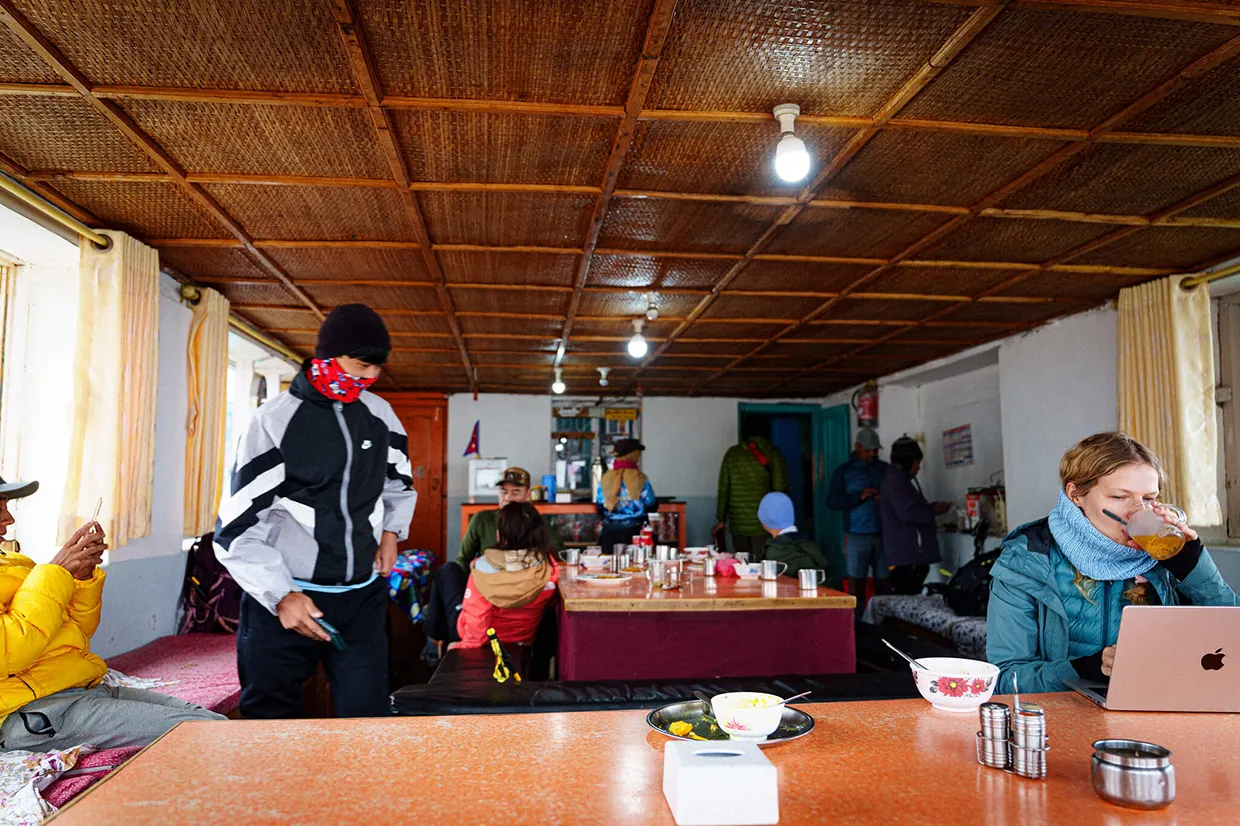
Teahouses operate along the entire ABC trek route. Ghandruk and Chhomrong offer the best facilities on the Annapurna Base Camp Trek. Bamboo, Dovan, and Deurali provide simpler lodge options. MBC and ABC teahouses stay basic and cold — the communal dining room provides the main heat source. Hot showers function better in lower villages. Charging facilities and Wi-Fi come at an extra cost throughout the ABC trek.
Annapurna Base Camp Trek Side Trip Connections
| Connection | Extra Days | Best For |
|---|---|---|
| Poon Hill | 2–3 days | Sunrise viewpoint and rhododendron forest walks |
| Mardi Himal Trek | 4–5 days | Ridge trekking and close Machhapuchhre views |
| Ghandruk–Landruk Loop | 1–2 days | Extended Gurung village cultural experience |
| Jhinu Danda Hot Springs | Half day | Natural hot spring recovery on the descent |
| Helicopter Return from ABC | Saves 2–4 days | Luxury travelers and time-limited trekkers |
Common Mistakes to Avoid on the Annapurna Base Camp Trek
- Underestimating the stone steps between Ghandruk and Chhomrong on the ABC trek
- Rushing the altitude gain from Deurali to Annapurna Base Camp
- Ignoring headache or nausea above 3,500 meters on the Annapurna Base Camp Trek
- Packing only for the cold and forgetting the warm lower trail sections
- Starting the ABC trek with new, unbroken boots
- Skipping the Jhinu Danda hot springs on the descent
- Booking with no buffer day before onward travel from Pokhara
- Trekking the ABC route in the monsoon without proper rain gear and leech protection
- Arriving at Annapurna Base Camp late and missing the best sunrise light
- Expecting luxury lodge facilities at MBC and ABC teahouses
- Overloading the porter’s duffel with unnecessary items
- Forgetting sufficient cash for trail expenses and tips
Frequently Asked Questions About the Annapurna Base Camp Trek
Q: How many days does the Annapurna Base Camp Trek take?
A: The Annapurna Base Camp Trek typically takes 7 to 12 days, depending on your starting point and pace. A standard ABC trek route beginning from Pokhara requires approximately 8 to 10 days. Including the Poon Hill extension adds two to three more days. Choosing a helicopter return from ABC or MBC can significantly reduce the total duration. This flexibility allows trekkers to tailor the ABC trek to their schedule and fitness level.
Q: How difficult is the Annapurna Base Camp Trek?
A: The Annapurna Base Camp Trek is rated as moderate difficulty and requires no technical climbing or high-pass crossings. The main challenges on the ABC trek include hundreds of stone steps near Chhomrong, sustained uphill climbs, long descents, wet forest trails, and cold nights at MBC and ABC. The Annapurna Base Camp Trek is manageable for most fit travelers who prepare with 6 to 10 weeks of pre-trek training and choose a steady daily pace.
Q: What altitude does the Annapurna Base Camp Trek reach?
A: The Annapurna Base Camp Trek reaches its highest point at 4,130 meters at ABC itself. Machhapuchhre Base Camp, the intermediate stop before ABC, sits at approximately 3,700 meters. These altitudes on the Annapurna Base Camp Trek are high enough to require respect and steady acclimatization but remain lower than many other major Himalayan base camp treks, including EBC at over 5,364 meters.
Q: What mountains can I see from Annapurna Base Camp?
A: From Annapurna Base Camp, trekkers are surrounded by Annapurna I at 8,091 meters, Annapurna South, the iconic Machhapuchhre, Hiunchuli, Gangapurna, Annapurna III, and Tent Peak. This natural amphitheater at the heart of the Annapurna Sanctuary offers a full 360-degree view of some of the world’s most dramatic Himalayan summits — the defining experience of the ABC trek.
Q: When is the best time for the Annapurna Base Camp Trek?
A: The best seasons for the Annapurna Base Camp Trek are March to May and September to November. Spring ABC trekkers enjoy vibrant rhododendron blooms throughout the lower forest sections. Autumn delivers the clearest skies and best mountain visibility at the Annapurna Sanctuary. Both seasonal windows on the Annapurna Base Camp Trek avoid heavy monsoon rains and extreme winter cold above Deurali.
Q: Does the Annapurna Base Camp Trek suit beginners?
A: Yes, fit beginners can successfully complete the Annapurna Base Camp Trek with steady pacing, proper gear, and a licensed guide. This ABC trek is recommended as an ideal first moderate Himalayan trekking experience. Beginners should complete 6 to 10 weeks of hill and stair training before departure. Preparation is the single most important factor in enjoying the Annapurna Base Camp Trek comfortably from start to finish.
Q: Do I need a guide for the Annapurna Base Camp Trek?
A: Yes, a licensed trekking guide is now required for the Annapurna Base Camp Trek under revised Nepal Tourism Board provisions. This regulation applies to the Poon Hill and ABC routes within the protected Annapurna Conservation Area. A licensed guide on the ABC trek significantly improves safety, logistics, cultural understanding, and emergency response. Always confirm the latest guide requirements with a registered trekking agency before booking your ABC trek.
Q: What permits do I need for the Annapurna Base Camp Trek?
A: The Annapurna Base Camp Trek requires an ACAP entry permit for the Annapurna Conservation Area and a TIMS card or equivalent agency-issued trekker documentation. A restricted area permit is not required for the standard ABC trek route. Permit fees for the Annapurna Base Camp Trek change periodically, so confirm the latest costs with a registered trekking agency before departing Pokhara to avoid delays at checkpoints.
Q: Is a helicopter return available on the Annapurna Base Camp Trek?
A: Yes, a helicopter return from Annapurna Base Camp or Machhapuchhre Base Camp to Pokhara is available on the ABC trek when weather permits. This option saves two to four descent days and suits luxury travelers, time-limited guests, and those with knee concerns. Morning departures give the best weather window for the helicopter return. The ascent pace on the Annapurna Base Camp Trek should never be rushed to compensate for a planned helicopter return.
Q: Are there hot springs on the Annapurna Base Camp Trek?
A: Yes, natural hot springs are located at Jhinu Danda on the descent route of the ABC trek, sitting beside the Modi Khola river. Most Annapurna Base Camp Trek trekkers visit these springs to soothe tired muscles after the long downhill sections. The warm natural pools provide a welcome contrast to the cold temperatures experienced at Annapurna Base Camp just days earlier — a perfect way to celebrate completing the ABC trek.
Q: Do rhododendrons bloom on the Annapurna Base Camp Trek?
A: Yes, rhododendrons bloom beautifully on the Annapurna Base Camp Trek during March and April. The richest displays occur in the lower forest sections between Ghandruk and Chhomrong, and along the Sinuwa to Dovan stretch of the ABC trek. The Poon Hill extension delivers the most spectacular rhododendron experience available in the entire Annapurna region. Spring blooms combined with clear mountain views make late March to mid-April the most visually rewarding time for the ABC trek.
Q: Is the Annapurna Base Camp Trek easier than EBC?
A: Generally, yes — the Annapurna Base Camp Trek is considered more accessible than the Everest Base Camp Trek because it is shorter in duration and reaches a lower maximum altitude of 4,130 meters compared to EBC’s 5,364 meters. The ABC trek also avoids the Lukla flight and its associated costs. However, the Annapurna Base Camp Trek still demands real fitness for the stone steps, long daily distances, and sustained altitude gain above Deurali. Both treks deliver world-class Himalayan experiences.
Final Advice From This Annapurna Base Camp Trek Guide
The Annapurna Base Camp Trek delivers a close, immersive Himalayan experience at a manageable moderate altitude. The ABC trek route starts in Pokhara’s foothills and passes through Gurung villages, stone steps, bamboo forests, rhododendron sections, Deurali, MBC, and the Annapurna Sanctuary at 4,130 meters. No high pass stands in the way, but genuine fitness and careful daily pacing still matter greatly on the Annapurna Base Camp Trek.
Use this Annapurna Base Camp Trek Guide to choose your season first. Select October or November for the clearest mountain views at the Sanctuary. Choose March or April for the rhododendron blooms and spring atmosphere. Train specifically for stone steps and long descents before departure. Confirm the latest ACAP permit fees and guide requirements with a registered agency. Then select the ABC trek route option that best matches your available time, fitness level, and comfort preference.