


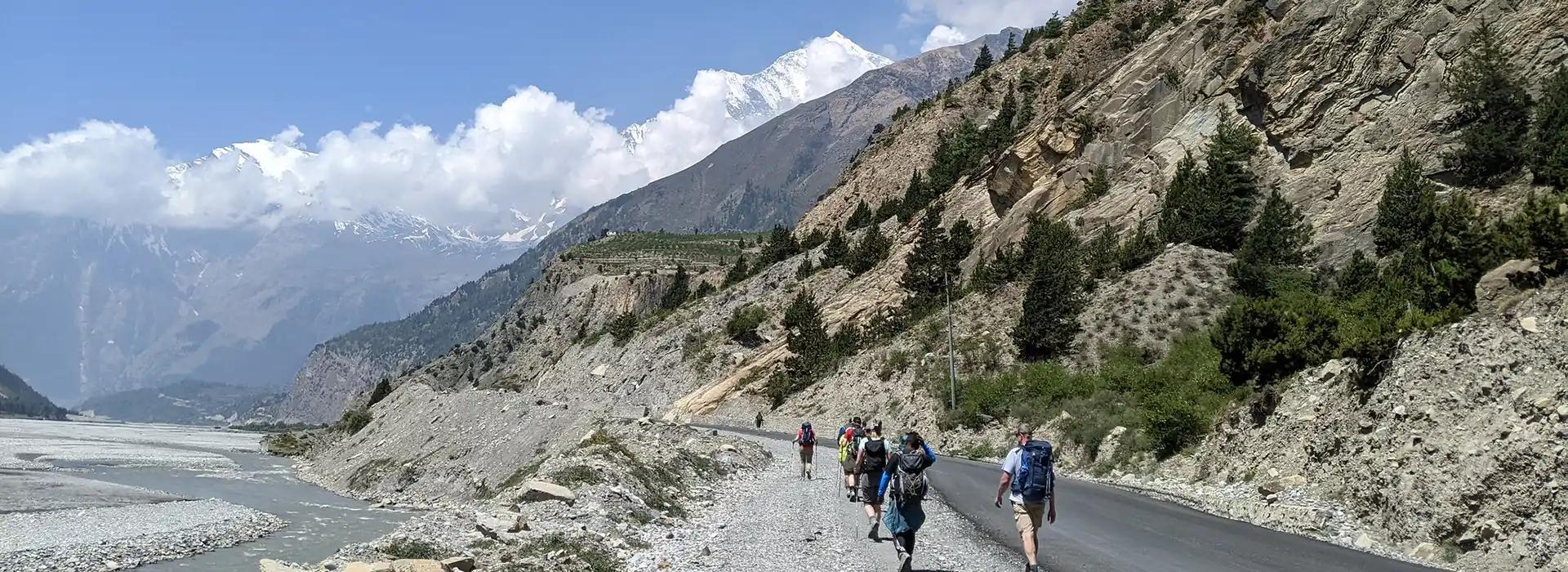

The Annapurna Base Camp Trek Packing List helps trekkers pack smart for one of Nepal’s most popular moderate treks. The ABC trek route passes through warm lowland villages, forests, stone steps, bamboo groves, and the Modi Khola Valley before reaching Annapurna Base Camp at 4,130 meters.
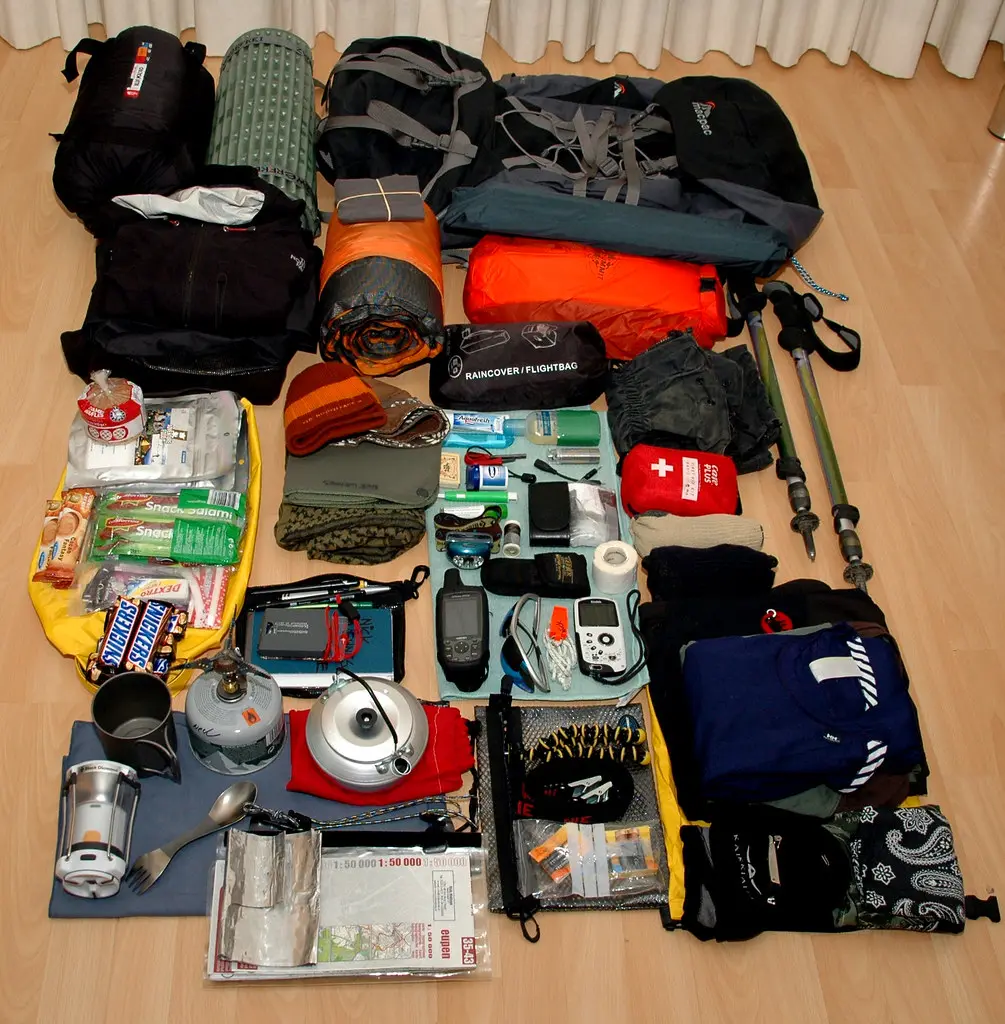
Packing correctly for your Annapurna Base Camp Trek solves one main problem: staying warm, dry, safe, and comfortable without carrying too much weight. The trail crosses multiple climate zones within a few days. A three-layer clothing system, waterproof boots, a warm sleeping bag, reliable rain protection, and a light pack make the trek safer and far more enjoyable from start to finish.
Quick Answer: What Should You Pack for the Annapurna Base Camp Trek?
Your Annapurna Base Camp Trek Packing List should include a three-layer clothing system, waterproof trekking boots, a warm down jacket, a sleeping bag rated around -5°C to -10°C, trekking poles, rain protection, a headlamp, water purification supplies, first-aid items, travel documents, permits, cash, and a power bank. Keep your main bag light and practical throughout the entire route.
Annapurna Base Camp Trek Packing List at a Glance
| Item | Qty | Why You Need It | Rent in Nepal? |
|---|---|---|---|
| Base layer top | 2 | Wicks sweat and dries fast on the trail | Better to bring |
| Thermal bottom | 1 | Warmth at night and ABC sunrise | Better to bring |
| Fleece jacket | 1 | Main mid-layer for warmth | Bring or buy |
| Down jacket | 1 | Essential warmth at ABC and MBC | Yes |
| Rain jacket | 1 | Rain and wind protection | Yes |
| Trekking pants | 2 | Daily walking comfort | Better to bring |
| Trekking boots | 1 pair | Grip and ankle support on stone steps | Bring your own |
| Wool socks | 3–4 | Warmth and blister prevention | Bring your own |
| Sleeping bag | 1 | Warmth and personal hygiene | Yes |
| Trekking poles | 1 pair | Knee support on stone steps and descents | Yes |
| Headlamp | 1 | Power cuts and early morning starts | Bring or buy |
| Power bank | 1 | Charging backup in remote teahouses | Bring |
| Water bottles | 2L total | Daily hydration on the trail | Bring or buy |
| First-aid kit | 1 | Blisters, stomach issues, and pain relief | Bring |
| Passport + permits | 1 set | Checkpoints and identification | Required |
Scroll left or right to view the full table.
Why Packing Correctly Matters for Your Annapurna Base Camp Trek
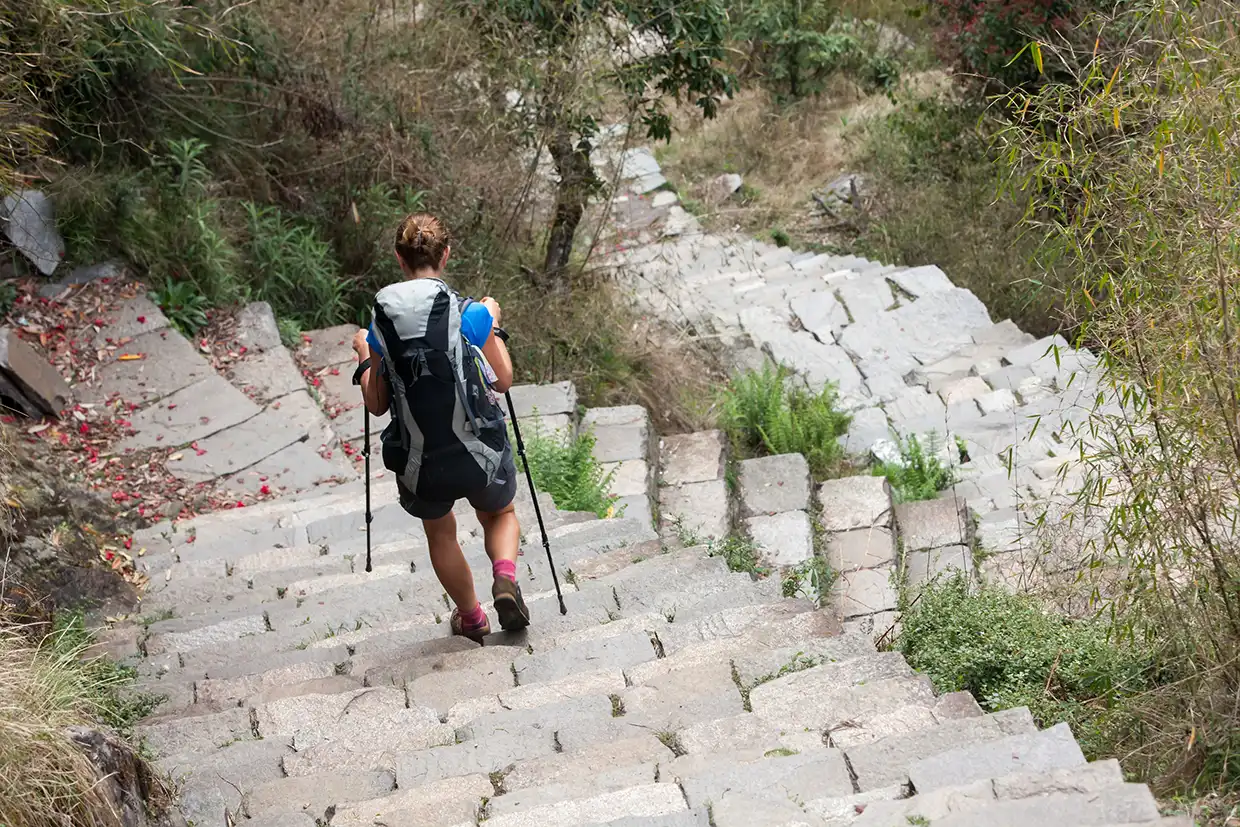
The ABC trek route moves from warm lowland villages to cold alpine terrain across just a few days. Weather changes rapidly near Deurali, MBC, and Annapurna Base Camp. Teahouse rooms feel genuinely cold above the bamboo zone. The stone steps near Chhomrong punish heavy, overpacked bags throughout the ascent. Rain falls in every trekking season without exception. A light, well-organized Annapurna Base Camp Trek Packing List protects your knees and supports fair, safe porter loads. ABC reaches 4,130 meters, so warm layers are essential for cold mornings and evenings at the upper camps. The right gear keeps the trek comfortable. Too much gear makes every step exhausting.
The Annapurna Base Camp Trek Packing List helps trekkers pack smart for one of Nepal's most popular moderate treks. The…
 10 Days
 Moderate
The Three-Layer Clothing System
Base Layer: Against Your Skin
- 2 moisture-wicking tops — merino wool or synthetic fabric
- 1 thermal top for cold mornings and upper sections
- 1 thermal bottom for nights and the ABC sunrise experience
- 1 quick-dry T-shirt for warm lower trail sections
Base layers form the foundation of your Annapurna Base Camp Trek Packing List because they move sweat away from your skin. Merino wool and quality synthetic fabrics work best throughout the route. Cotton stays wet, making you dangerously cold at altitude. Avoid cotton in every single section of the ABC trail.
Mid Layer: Warmth
- 1 fleece jacket
- Optional light, puff,y or softshell jacket for colder months
A fleece jacket works well in teahouse dining rooms and during trail rest breaks. It dries significantly faster than heavy wool. A light puffy jacket makes an excellent addition to your Annapurna Base Camp Trek Packing List during colder months or breezy alpine evenings.
Insulation Layer: Heavy Warmth
- 1 down jacket or quality synthetic insulated jacket
ABC and MBC feel genuinely cold at night and before dawn. A down jacket is one of the most important items on your Annapurna Base Camp Trek Packing List for surviving the sunrise, cold evening meals, and exposed rest stops at altitude. Travelers can rent down jackets in Kathmandu or Pokhara at a reasonable cost.
Outer Shell: Weather Protection
- 1 hardshellf hardshell jacket with sealed seams
- 1 pair of rain pants or waterproof trekking trousers
- 1 pack rain cover
Rain falls even well outside the monsoon season on the ABC trek. Wind near MBC and ABC cuts through lighter fabrics sharply. A quality outer shell layer protects against rain, unexpected snow, and cold alpine wind. Choose a jacket with a hood and fully sealed seams for your Annapurna Base Camp Trek Packing List.
Footwear for the Annapurna Base Camp Trek
Trekking Boots
Choose waterproof boots with mid-cut or high-cut ankle support and a strong lugged grip sole. Break in new boots at least two full weeks before the trek begins. The Annapurna Base Camp Trek includes stone steps, dense forest paths, wet sections, and rocky upper terrain. New boots cause significant blisters by Day 2 or Day 3 — one of the most common and preventable problems on the ABC trail. Trekking boots are the single most important item on the Annapurna Base Camp Trek Packing List.
Socks
- 3–4 pairs of wool or wool-blend trekking socks
- 1–2 pairs of thin liner socks to reduce friction and prevent blisters
- 1 dedicated dry pair reserved for sleeping
Camp Shoes
Pack sandals, crocs, or lightweight slip-on shoes for teahouse evenings, bathroom visits, the Jhinu Danda hot springs on the descent, and resting tired feet after long walking days.
Gaiters and Microspikes
Gaiters help effectively manage mud, snow, and monsoon conditions on the trail. Microspikes are appropriate for winter or icy trail conditions above Deurali. Do not include microspikes as a mandatory item on your Annapurna Base Camp Trek Packing List for every season. Always ask your guide about current trail conditions before departure.
Backpack, Duffel Bag, and Porter Packing
Daypack
Use a 20 to 30-liter daypack if you hire a porter for the ABC trek. Use a 35-45 liter pack if you carry all your own gear. Your Annapurna Base Camp Trek Packing List daypack should always contain a rain jacket, a warm layer, water, trail snacks, sunscreen, sunglasses, a headlamp, medicine, documents, cash, and toilet paper.
Duffel Bag
Use a 40 to 60 liter soft duffel bag for porter carry on the Annapurna Base Camp Trek. Add a waterproof liner or dry bags inside for protection. A soft duffel works far better than a hard suitcase on narrow mountain trails and inside small teahouse storage areas.
Pack Weight Advice
Daypack weight target: 5 to 7 kg. Porter bag target: 10-15 kg, where possible. Keep total packing weight as low as practical. Fair, reasonable porter loads protect the people who carry your gear on the Annapurna Base Camp Trek. Never overload a porter simply because someone else is carrying the bag.
Sleeping Gear
- Sleeping bag rated -5°C to -10°C for spring and autumn ABC trek conditions
- Sleeping bag rated -10°C to -15°C for winter trekking
- Sleeping bag liner — silk or cotton — for added warmth and improved hygiene
- Optional: inflatable travel pillow, earplugs, eye mask, warm sleeping socks
Teahouses along the Annapurna Base Camp Trek provide blankets, but upper lodges near MBC and ABC feel genuinely cold through the night. A personal sleeping bag significantly improves both warmth and hygiene. Rental sleeping bags from Pokhara work well when used with a clean liner inside — a practical addition to any Annapurna Base Camp Trek Packing List.
Technical Gear and Accessories
- Trekking poles — essential for reducing knee strain on Chhomrong stone steps and long descents
- Headlamp with spare batteries for power cuts and pre-dawn starts
- Sunglasses with full UV protection — critical above the treeline
- Wide-brim sun hat and warm fleece beanie
- Buff or neck gaiter for wind and dust protection
- Light gloves for lower trail and warm insulated gloves for ABC
- Two water bottles with a total carrying capacity of at least 2 liters
- Dry bags and resealable zip-lock bags for document and electronics protection
- Small padlock for securing the teahouse room doors
- Lightweight, quick-dry microfiber towel
Electronics and Charging
- Mobile phone and compatible charger
- Universal power adapter for Nepal sockets
- Power bank rated 10,000 to 20,000 mAh
- Camera with extra batteries and a spare memory card
Charging costs extra at most teahouses along the Annapurna Base Camp Trek route. Cold temperatures drain batteries considerably faster at altitude. Keep camera batteries stored inside your jacket, near ABC and MBC, to preserve their charge. Use airplane mode to conserve phone battery between villages. A laptop is unnecessary weight — leave it at home when building your Annapurna Base Camp Trek Packing List.
Water and Hydration
- Two 1-liter bottles or a hydration bladder for the ABC trail
- Water purification tablets are a reliable primary option
- Optional: lightweight water filter or UV purification pen
- Electrolyte powder sachets for altitude hydration support
Carry at least 2 liters of water throughout the Annapurna Base Camp Trek. Use purification tablets, a quality filter, or boiled water purchased from teahouses along the route. Avoid single-use plastic bottles wherever possible. Refilling and purifying your own water reduces environmental waste and keeps you properly hydrated at altitude.
Toiletries and Hygiene
- Toothbrush, toothpaste, and small bar soap
- Quick-dry microfiber towel, wet wipes, and hand sanitizer
- Toilet paper — teahouses rarely provide this reliably
- Sunscreen SPF 50+ and SPF lip balm — both essential above the treeline
- Light moisturizer, nail clipper, and small comb
- Female hygiene products and sealable waste bags were needed
First Aid and Personal Medicine
- Blister plasters, moleskin padding, and medical tape
- Pain relief tablets and antiseptic wipes
- Bandages and oral rehydration salts
- Anti-diarrhea medicine and cold and flu tablets
- Antihistamine and all personal prescription medications
- Water purification backup supply
ABC sits at 4,130 meters. Altitude symptoms can occur above 3,500 meters and represent a critical reason why a complete first-aid kit belongs on every Annapurna Base Camp Trek Packing List. Walk slowly above Deurali. Report any headache, nausea, or dizziness to your guide immediately. Consult your doctor before using altitude medication such as Diamox.
Documents, Permits, and Money
- Original passport and a valid Nepal visa
- 2 to 3 photocopies of your passport
- Travel insurance policy with printed copy — must cover trekking altitude and helicopter evacuation.
- Emergency contact details are stored separately from your phone
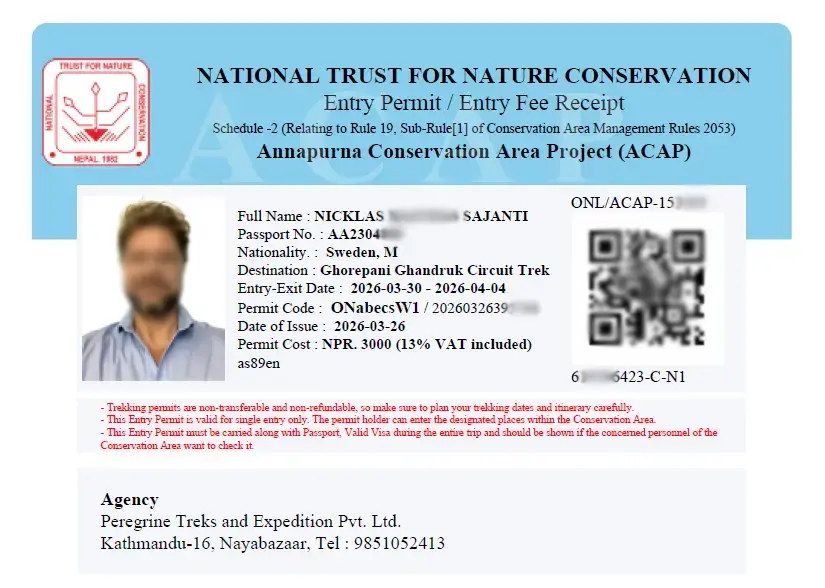
- ACAP permit — NPR 3,000 for foreign trekkers, NPR 1,000 for SAARC nationals
- TIMS card or agency-issued trekker documentation
- Hotel and flight booking confirmations
- Sufficient cash in Nepali rupees — withdraw the full amount in Pokhara before beginning the trek
Seasonal Adjustments to Your Annapurna Base Camp Trek Packing List
| Item | Spring | Autumn | Winter | Monsoon |
|---|---|---|---|---|
| Rain jacket | Essential | Essential | Useful | Heavy-duty required |
| Down jacket | Needed at ABC | Strongly needed | Heavier down required | Light version |
| Sleeping bag | -5°C to -10°C | -10°C | -10°C to -15°C | -5°C |
| Gloves | Light | Light and warm | Insulated | Light |
| Base layers | 1–2 sets | 2 sets | 2+ thermal sets | Quick-dry only |
| Extra socks | Useful in the rain | Useful in cold | Essential | Essential in wet |
| Gaiters | Optional | Optional | Useful in snow | Useful against leeches |
| Microspikes | Not needed | Not needed | Useful above Deurali | Not needed |
Scroll left or right to view the full table.
Annapurna Base Camp Trek Packing List for Women
- 2 to 3 moisture-wicking sports bras for multi-day trekking
- Menstrual products — pads, tampons, or a reusable menstrual cup
- Sealable waste bags for proper disposal of used products
- Extra underwear — quick-dry synthetic preferred
- Warm sleepwear for cold teahouse nights above bamboo
- Loose, comfortable trekking pants for extended daily walking
- Wet wipes for hygiene between available shower stops
Teahouse privacy varies considerably along the Annapurna Base Camp Trek route. Some teahouse rooms share thin walls with neighboring guests. Pack warm,, dedicated sleepwear for the coldnights at the upper cams. Avoid overpacking beauty products on the ABC trek. Focus your Annapurna Base Camp Trek Packing List entirely on warmth, comfort, and practical hygiene.
What to Rent vs Buy in Kathmandu or Pokhara
| Rent These Items | Buy or Bring These Items |
|---|---|
| Down jacket | Trekking boots — always bring your own |
| Sleeping bag | Wool socks — bring your own for the best fit |
| Trekking poles | Moisture-wicking base layers |
| Duffel bag | All personal prescription medicines |
| Gaiters | Toiletries and personal underwear |
| Microspikes — winter only | First-aid kit and blister supplies |
Scroll left or right to view the full table.
Thamel in Kathmandu and Lakeside in Pokhara both have extensive trekking gear shops offering rental options for the Annapurna Base Camp Trek. Rental costs stay reasonable for most bulky items. Always bring trekking boots, wool socks, base layers, and personal medicine from home for the best fit, hygiene, and reliability on the trail.
Sample Annapurna Base Camp Trek Packing List Weight Breakdown
| Category | Approx. Weight |
|---|---|
| Clothing layers | 2.5–3 kg |
| Down jacket | 500–800 g |
| Sleeping bag | 1.2–1.8 kg |
| Toiletries | 400–700 g |
| First-aid kit | 300–500 g |
| Electronics | 500–900 g |
| Documents and money | 200 g |
| Snacks and trail extras | 500–1,000 g |
| Total | Around 7–10 kg |
Scroll left or right to view the full table.
What Teahouses Provide vs What Your Annapurna Base Camp Trek Packing List Should Include
| Teahouse Item | Available? | Pack Your Own? |
|---|---|---|
| Bed | Yes | No |
| Blanket | Usually | A personal sleeping bag is still strongly recommended |
| Pillow | Usually | A pillowcase is optional for hygiene |
| Towel | Rare | Yes, bring a quick-dry microfiber towel |
| Toilet Paper | Not reliable | Yes, always carry your own supply |
| Hot Shower | Some places, paid extra | Wet wipes are useful as a backup |
| Charging | Often available, paid extra | A power bank is essential on the Annapurna Base Camp Trek |
Scroll left or right to view the full table.
What NOT to Include on Your Annapurna Base Camp Trek Packing List
- Jeans — heavy, very slow-drying, and deeply uncomfortable in mountain terrain
- Cotton T-shirts and cotton underwear — both stay wet and cause cold
- Heavy wool sweaters — too bulky and slow to dry
- Laptop computer
- Hair dryer or large toilet, Hardshell
- Hard-shell suitcase
- Too many outfit changes — repeat and layer instead
- New, untested boots worn for the first time on the trail
- Heavy physical books — use your phone or a lightweight e-reader
- Multiple bulky camera lenses
- Formal or dress shoes of any kind
Common Annapurna Base Camp Trek Packing List Mistakes
| Mistake | Better Choice |
|---|---|
| Wearing new boots on the first day | Break in boots at least 2 weeks before departure |
| Packing cotton base layers | Use merino wool or quality synthetic layers only |
| Overloading the duffel bag | Limit clothes and repeat outfit combinations |
| Skipping the sleeping bag | Always carry or rent a properly rated sleeping bag |
| No rain protection hardshell | Carry a hardshell jacket and waterproof pack cover |
| Forgetting a headlamp | Carry one with spare batteries from Day 1 |
| Not enough Nepali rupees | Withdraw the full required amount in Pokhara before starting |
| No water purification | Carry tablets or a quality filter throughout the route |
| Too few socks, only 1 or 2 pairs | Pack 3 to 4 pairs minimum on the Annapurna Base Camp Trek |
| No blister prevention kit | Carry plasters, moleskin, and medical tape from Day 1 |
Scroll left or right to view the full table.
Frequently Asked Questions About the Annapurna Base Camp Trek Packing List
Q: What should I pack for the Annapurna Base Camp Trek?
A: Your Annapurna Base Camp Trek Packing List should include layered clothing, waterproof trekking boots, a down jacket, full rain gear, a properly rated sleeping bag, trekking poles, a headlamp, water bottles, and purification tablets. Add first-aid items, toiletries, travel documents, required permits, sufficient cash, and a power bank. Quality layered gear lets you adapt to rapidly changing temperatures across multiple climate zones on the ABC route.
Q: Do I need a down jacket on the Annapurna Base Camp Trek?
A: Yes — a down jacket is one of the most critical items on any Annapurna Base Camp Trek Packing List: cold evenings, pre-dawn starts, and the ABC and MBC sunrise demand reliable insulation. Lower trail sections feel warm during the day, but the upper route turns genuinely cold after sunset. A quality down jacket protects you from freezing alpine air at the trek’s highest elevations and keeps you comfortable during the most memorable mountain mornings.
Q: What sleeping bag rating do I need?
A: For spring and autumn ABC trekking, use a sleeping bag with a comfort rating of -5°C to -10°C. For winter trekking, choose temperatures between -10°C and -15°C. Teahouses along the Annapurna Base Camp Trek provide blankets, but a personal sleeping bag improves both warmth and hygiene considerably. A good sleeping bag ensures consistent insulation and better overnight recovery regardless of how cold the upper camp teahouses become.
Q: Can I rent Annapurna Base Camp Trek gear in Pokhara?
A: Yes, Pokhara Lakeside has extensive trekking gear shops where you can rent sleeping bags, down jackets, trekking poles, gaiters, and duffel bags at a reasonable cost. However, your Annapurna Base Camp Trek Packing List should always include boots, socks, base layers, and all personal medicine brought from home. Renting allows you to access technical equipment without a permanent purchase and reduces total luggage weight on international flights.
Q: What backpack size do I need for the Annapurna Base Camp Trek?
A: Use a 20 to 30 liter daypack if you hire a porter to carry your main duffel. Use a 40- to 50-liter backpack if you carry all your own gear for the Annapurna Base Camp Trek. Keep the total carrying weight as low as possible throughout. A well-sized pack maintains balance on steep stone steps and narrow mountain paths. Removing unnecessary items from your Annapurna Base Camp Trek Packing List reduces physical fatigue and lets you enjoy the mountain views far more fully.
Q: Do I need trekking poles for the Annapurna Base Camp Trek?
A: Yes, trekking poles are among the most valuable items on any Annapurna Base Camp Trek Packing List. They reduce knee impact significantly on the long stone steps near Chhomrong and provide essential balance on wet, uneven trail sections throughout the route. By distributing weight more evenly across the body, poles protect your joints during steep descents and help you conserve energy for the altitude push above Deurali.
Q: Do I need microspikes on the Annapurna Base Camp Trek?
A: Microspikes are generally not required for spring or autumn ABC trekking. In winter conditions or after fresh snowfall, they help significantly above Deurali, MBC, and ABC. Before finalizing your Annapurna Base Camp Trek Packing List, always ask your guide about current trail conditions. A lightweight pair is a sensible precaution if your trek falls during seasonal transitions or unexpected weather events above the Annapurna Sanctuary entrance.
Q: How much cash should I carry on the Annapurna Base Camp Trek?
A: Withdraw enough Nepali rupees in Pokhara to cover snacks, hot showers, device charging, Wi-Fi access, extra drinks, and appropriate guide and porter tips. No reliable ATMs exist once you leave Pokhara on the Annapurna Base Camp Trek. Trail costs for basic services increase with altitude. Having sufficient local currency ensures you can pay for daily necessities and support the local teahouse economy throughout the entire route.
Q: Can I wear trail runners instead of boots on the Annapurna Base Camp Trek?
A: Some experienced hikers use trail runners during the dry season, but waterproof trekking boots with ankle support suit most ABC trekkers considerably better. The Annapurna Base Camp Trek Packing List should prioritize footwear that is safe on stone steps, mud, forest trails, and rocky upper terrain. Trekking boots keep feet dry during rain, provide essential ankle stability, and protect against the varied and unpredictable mountain terrain found throughout the route.
Q: What should I NOT pack on the Annapurna Base Camp Trek?
A: Remove jeans, cotton clothing, heavy electronics, formal shoes, large toiletry bottles, excessive outfit changes, and new untested boots from your Annapurna Base Camp Trek Packing List. These items add unnecessary weight and reduce trail comfort. Cotton and denim absorb moisture and dry dangerously slowly in mountain conditions. Focus your packing entirely on high-performance, multifunctional gear that maximizes comfort and safety across every climate zone on the ABC route.
Final Advice on Your Annapurna Base Camp Trek Packing List
A smart, well-considered Annapurna Base Camp Trek Packing List keeps your bag light but genuinely complete. Pack in reliable layers for every climate zone. Bring proven footwear with ankle support. Carry warm insulation specifically for Annapurna Base Camp at 4,130 meters. Protect yourself from both rain and high-altitude sun. Keep all key items accessible in your daypack throughout every walking day. Rent bulky gear in Kathmandu or Pokhara where practical, but always bring trekking boots, wool socks, personal medicine, and base layers from home.
Before leaving Pokhara, lay out every item on your Annapurna Base Camp Trek Packing List and remove anything you do not genuinely need for the route ahead. Check boots, rain gear, warm layers, first-aid supplies, all documents, and your cash supply carefully. A lighter, smarter Annapurna Base Camp Trek Packing List makes the climb to 4,130 meters safer, more manageable, and considerably more enjoyable every single day.