


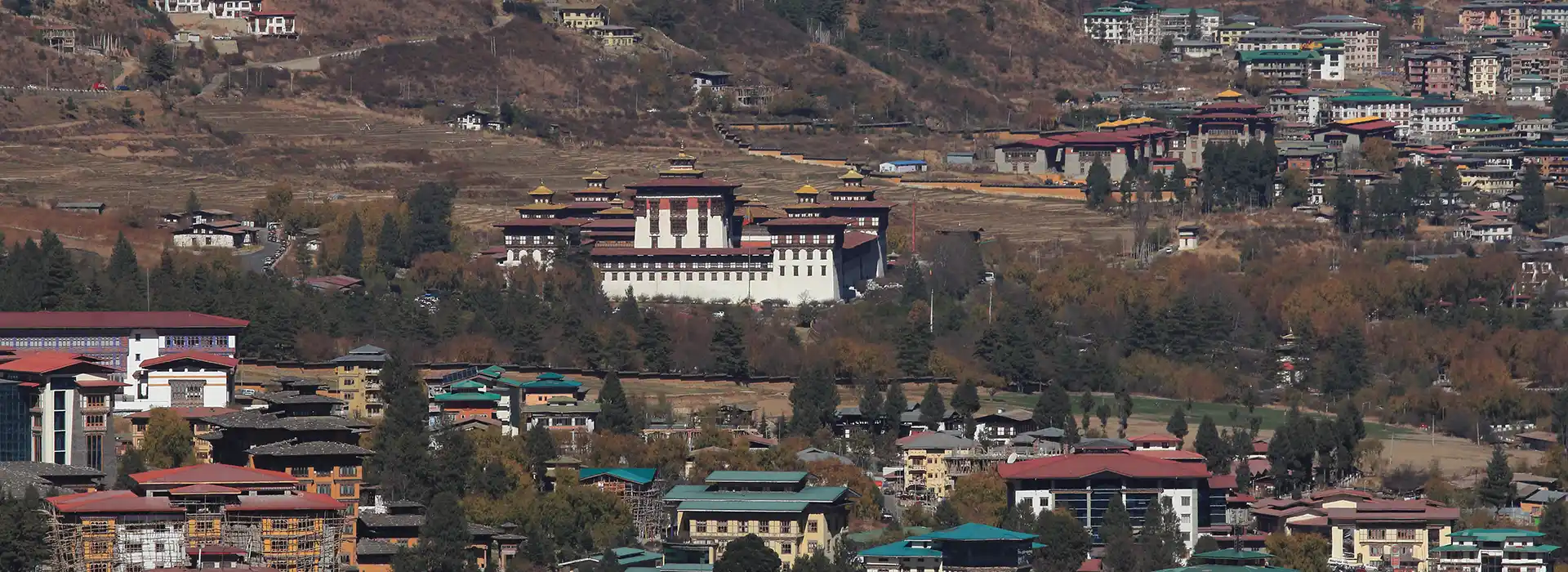

When planning a visit to Bhutan, consider several factors, as the best time to visit Bhutan depends on the weather, altitude, and the rich calendar of cultural festivals. Travelers have different priorities. Some come for the deep history and vibrant culture, while others seek the stunning mountain scenery. For this reason, no single month suits every traveler. Bhutan’s climate changes dramatically from one valley to the next.
Its most essential festivals follow the lunar calendar, so their dates shift annually. The best time to visit Bhutan is the one that aligns with your personal interests and these variable conditions. Choosing the right season is essential for any Bhutan trip. The country’s narrow mountain roads involve long journeys, and weather can cause delays or close high passes altogether. Major religious festivals draw large crowds, increasing demand for flights, hotels, and guides.
Planning around these factors significantly improves your comfort. It raises your chances of clear mountain views and ensures smoother access to both cultural events and key destinations. The ideal time for your Bhutan trip depends directly on your personal priorities. For instance, some visitors prioritize clear Himalayan views, while others deliberately schedule their journey around major festivals. In contrast, many travelers prefer a quieter, more reflective cultural encounter. Therefore, a clear understanding of Bhutan’s distinct seasons and typical weather becomes essential. This knowledge ultimately allows you to select a travel period that aligns perfectly with your specific interests and expectations for the experience.
Overview of Bhutan’s Climate
Bhutan’s climate varies widely due to its dramatic elevation changes. The country may be small, but it stretches from subtropical southern lowlands to cold, high northern mountains. Consequently, travelers often pass through several distinct climate zones on a single journey.
In Bhutan, elevation has a far greater influence on local temperature than latitude does. Bhutan experiences most of its annual rainfall during the summer monsoon from June to August. The southern regions typically receive the heaviest downpours during these months. In contrast, winter creates a much drier landscape with frequent, sunny days. The transitional seasons of spring and autumn provide a balanced climate, offering mild temperatures and significantly less rain.
Temperature shifts are considerable, dictated by both elevation and season. Low valleys can reach summer daytime highs of around 30°C, yet see winter nights fall to 0°C or lower. Meanwhile, high mountain passes maintain a cold climate year-round and often remain below freezing.
Best Time to Visit Bhutan by Season
Each season in Bhutan offers unique advantages and specific considerations. Below is a detailed look at the typical conditions you can expect in spring, summer, autumn, and winter.
Spring in Bhutan (March to May)
Spring is one of the most favorable seasons for visiting Bhutan. After winter, the valleys become lush and green, while hillsides burst with seasonal flowers. Rhododendrons are particularly spectacular, coloring the mountains in vibrant red and pink. The season also offers frequent clear skies, providing sharp views of the Himalayas before the summer haze arrives. Daytime temperatures are comfortable, and nights stay cool without being harsh.
By March and April, most winter snow has cleared from the roads. This generally ensures smooth, reliable travel throughout the country. Spring also offers rich cultural opportunities, as several of Bhutan’s major festivals occur during this season. The renowned Paro Tsechu, typically held in March or April, attracts both local devotees and international visitors to witness its elaborate masked dances and sacred rituals.
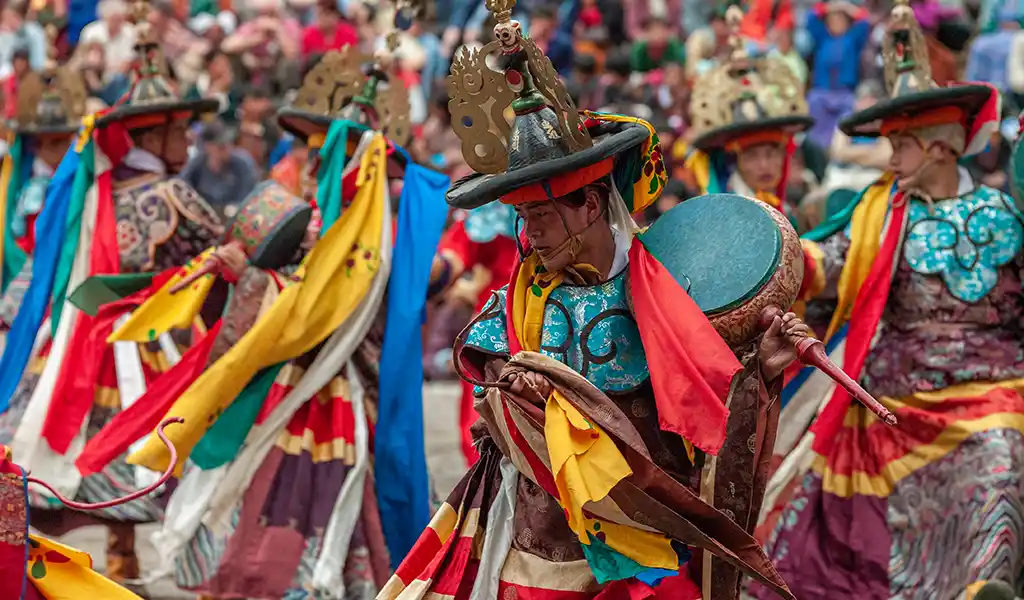
Many other districts host their own vibrant festivals throughout spring, providing additional occasions to experience authentic Bhutanese traditions. Tourist traffic during this period remains moderate rather than excessive.
Consequently, it is easier to secure desirable accommodations and explore popular sites without facing the significant crowds common during peak travel months.
Spring offers ideal conditions for sightseeing and light outdoor activities in Bhutan. Travelers can comfortably explore monasteries and dzongs beneath clear skies and mild temperatures. The landscape comes alive, with valley walks and forest hikes revealing abundant wildflowers and active birdlife.
Photographers appreciate the bright blossoms and the crisp morning light. Short treks are also delightful during this season, as the trails are dry and the mountain views are consistently clear. Overall, spring successfully blends pleasant weather, natural beauty, and cultural vibrancy. For many visitors, this balance makes it the preferred season for a well-rounded Bhutanese experience.
Summer/Monsoon in Bhutan (June to August)
Summer in Bhutan, spanning June to August, coincides with the monsoon season. Heavy rains sweep across the country during these months, turning the landscape intensely lush and green. Temperatures are warm, and humidity rises significantly, particularly in the southern lowlands. Rain typically falls in short, intense bursts rather than lasting all day. Mornings often stay clear or dry, while afternoon showers are common.
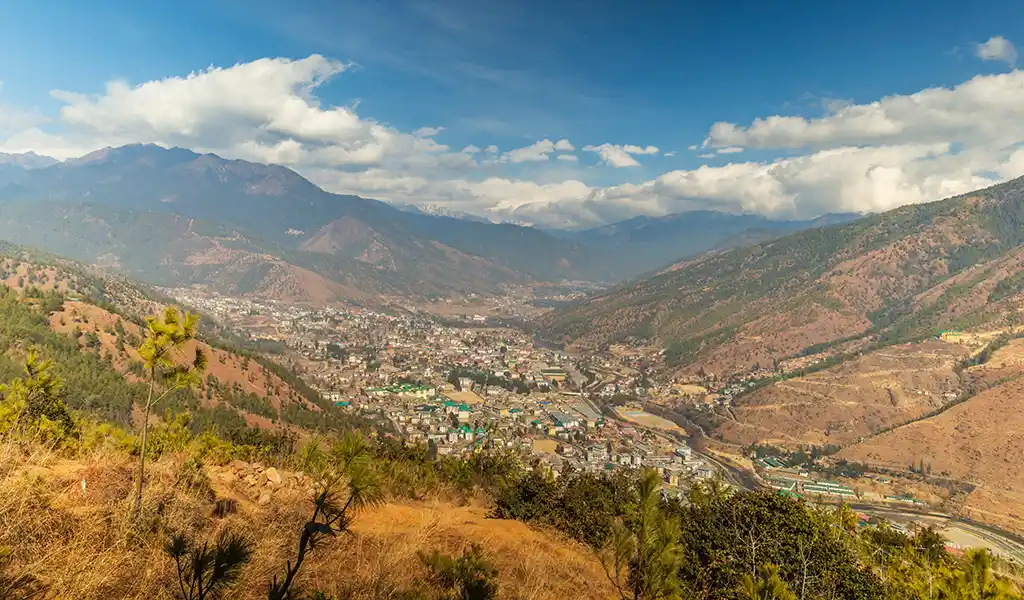
Consistent cloud cover during this period usually obscures views of the Himalayas. Main roads generally remain open. However, occasional landslides in remote areas can lead to travel delays. Tourist numbers drop significantly during summer, creating a quieter, more reflective atmosphere at Bhutan’s popular temples and historic sites. Hotels have noticeably greater availability, and many properties offer reduced off-season rates. Despite the frequent rains, the landscape achieves its most vibrant green. Waterfalls flow at their fullest, and the valleys appear lush and teeming with life.
Summer is not the optimal season for trekking or for clear mountain views in Bhutan. Trails frequently become muddy and slippery, and clouds regularly obscure the Himalayan peaks. Travelers must remain flexible, as weather can delay flights and road travel, and occasional landslides can cause temporary closures.
Building a one or two-day buffer into your schedule is a prudent measure. However, for budget-conscious or culture-focused visitors, summer does present distinct advantages. It offers a quieter, less crowded atmosphere, and many important cultural activities and festivals continue indoors, unaffected by the rain.
Autumn in Bhutan (September to November)
Autumn is Bhutan’s peak travel season and is widely considered the optimal time for a visit. The summer rains typically end by early September, leading to clear skies and crisp, fresh air. From late September through November, the country experiences consistently dry and stable weather. The days are sunny and comfortable, while nights become brisk, turning cold at higher elevations. This season offers the clearest and most dramatic views of the Himalayan peaks. Road travel is also at its best, with a very low risk of landslides and all central high mountain passes reliably open.
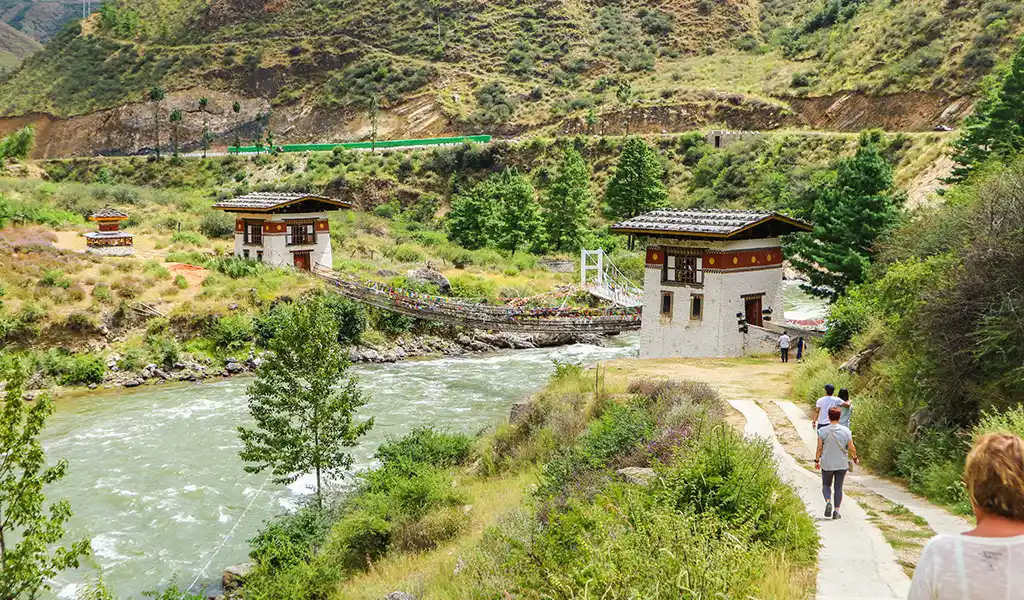
Autumn is Bhutan’s primary festival season, featuring many of its most important cultural events. The grand Thimphu Tsechu, usually held in late September or early October, offers several days of intricate masked dances at the Tashichho Dzong.
Numerous other districts host their own vibrant Tsechu celebrations concurrently. Consequently, tourist demand increases significantly during this period. Hotels in popular towns book up quickly, and flights to Bhutan often sell out around significant festival dates. For this reason, travelers planning an autumn visit should secure their accommodations and transportation several months in advance.
Autumn provides clear skies and rich cultural events, appealing to every type of traveler. Trekkers prioritize October for its stable weather and superb mountain views on high-altitude routes. Sightseers and culture enthusiasts enjoy the mild temperatures for exploring dzongs, temples, and rural villages, all of which are enhanced by the lively festival schedule. Photographers also choose autumn for its optimal conditions, capturing vibrant landscapes and expansive Himalayan panoramas.
The season delivers a comprehensive Bhutanese journey, successfully merging physical adventure, cultural depth, and stunning scenery. This powerful combination explains why most travelers consider autumn the premier time to visit Bhutan.
Winter in Bhutan (December to February)
Winter in Bhutan, from December to February, features calm, cold, and clear conditions. Higher elevations receive significant snow and endure frigid temperatures, while the lower valleys remain cool and dry. Days are generally sunny with bright blue skies and outstanding visibility. Daytime temperatures in valleys like Thimphu and Paro range from mild to cool. Nighttime temperatures, however, regularly drop to freezing or lower.
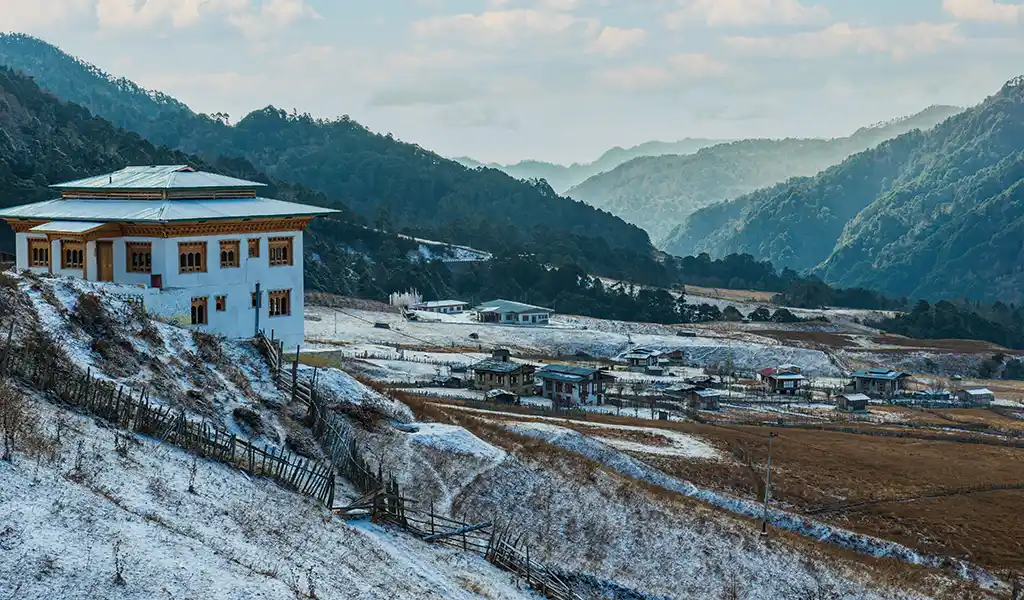
Although heavy snow can temporarily close high mountain passes, most primary roads remain open throughout the season. Winter brings very few tourists to Bhutan, creating a uniquely calm and peaceful atmosphere. Popular landmarks and temples, often crowded in peak seasons, remain quiet. This allows for more personal and reflective visits.
The period is ideal for cultural travelers who wish to engage deeply with local life without large groups. Winter also presents the special opportunity to see rare black-necked cranes in the Phobjikha Valley. These migratory birds arrive in late October and stay through February, offering a unique attraction for bird watchers and nature enthusiasts.
Winter travel in Bhutan requires careful preparation and realistic expectations. High-altitude treks become impractical, and snow confines most outdoor activities to lower elevations. Travelers who prioritize cultural immersion, photography, or a quiet retreat, however, find the season highly rewarding. The landscape takes on a stark, serene beauty under the clear winter light.
Visitors who dress warmly for the cold evenings can enjoy a unique, crowd-free experience. For this reason, many cultural travelers consider winter the ideal time to explore Bhutan’s monasteries and traditions at a truly relaxed pace.
Month-by-Month Travel Guide
Below is a quick month-by-month overview for the best time to travel to Bhutan:
January
- Cold climate
- Best for cultural tours
- Less crowd
February
- Cold mornings with clear skies
- Start of bird watching season
- Less crowd
March
- Warmer climates
- Early flowers begin to bloom
- Rise in visitors
- Comfortable travel conditions
April
- Spring is at its peak with vibrant flowers blooming and clear views of the scenery
- Increase in tourist demand
May
- Warm valleys with a late spring climate
- Stable road conditions
- Fewer visitors than in April
June
- Start of Monsoon season
- Lush landscapes with frequent rainfall
- Fewer crowds of tourists
- Tour plans should be flexible
July
- Heavy rain periods
- Green valleys dominate the scenery, with mountain views obscured
- Fewer tourists
August
- Frequent rainfall
- Lower prices than in other months
- Focuses on cultural tours
- Slower pace of travel
September
- Return of clear skies with the fading of rainfall
- Beginning of festival season
- Increase in tourist demand
October
- Peak travel season
- Major festivals fall in this month
- Ideal weather for travel
- Increase in tourist demand
November
- Cooler days with clearer skies
- Ends of the main trekking season
- Stable road conditions
December
- Colder nights and drier weather
- Towns are quieter
Bhutan Festivals and the Best Time to Experience Them
Bhutan’s religious festivals, or Tsechus, are some of the country’s most vibrant cultural events. Many travelers plan their entire trips around these celebrations. During a Tsechu, monks and laypeople perform elaborate masked dances to honor Guru Rinpoche, the saint who introduced Buddhism to Bhutan. Local communities attend dressed in their finest traditional clothing.
Together, the sacred dances and communal gathering create a unique atmosphere that balances deep reverence with genuine festivity. Festival dates in Bhutan follow the lunar calendar, shifting each year. Therefore, travelers should confirm the current schedule and make arrangements well in advance. Major Tsechus draw large crowds, causing flights and local hotels to fill rapidly.
Participating in a festival offers a rare and profound insight into Bhutan’s living culture. The overall experience is deeply immersive and truly memorable for visitors.
Some of the key festivals of Bhutan are:
- Paro Tsechu: Held in the spring season in Paro.
- Thimphu Tsechu: Held in the Autumn season in the capital city, Thimphu.
- Punakha Drubchen: Held in the late winter or early spring in Punakha.
- Jambay Lhakhang Drup: Held in the autumn in Bumthang.
Most of Bhutan’s major festivals fall in the spring and autumn seasons, making these seasons the most popular time to visit Bhutan. If witnessing Bhutan’s cultures and traditions is your goal, plan your trip around these seasons. Watching the masked dances at the grand festival in Thimphu or in a smaller local Tsechu in a countryside village will deepen your understanding of Bhutan’s cultural heritage.
Best Time to Visit Bhutan for Trekking
Trekking in Bhutan requires stable, dry weather for optimal safety and comfort. The best months for high mountain trails are April and May in the spring, and late September through October in the autumn. During these periods, skies are consistently clear, mountain views are unobstructed, and trail conditions remain excellent. Trekking outside these seasons presents significant difficulties. Winter snowfall closes high-altitude passes and campsites entirely.
The summer monsoon transforms paths into muddy, slippery routes, and lower forests teem with leeches, making extended hikes highly undesirable. Therefore, Bhutan’s most celebrated treks, such as the Jomolhari and Snowman Treks, are only feasible in spring or autumn. Travelers planning to trek must visit during these dry months to ensure a safe and rewarding experience.
Best Time to Visit Bhutan for First-Time Travelers
For first-time travelers to Bhutan, spring and autumn are the ideal seasons. These seasons feature clear days and comfortable temperatures, making it a perfect place to tour for newcomers. With suitable weather, touring also becomes easier.
Spring and autumn also offer opportunities to experience Bhutan’s famous festivals. These events provide an excellent introduction to the country’s rich culture and living traditions. Travel logistics are generally more reliable during these seasons as well, with roads in good condition and flights less susceptible to weather delays. Choosing to visit in spring or autumn allows first-time travelers to sidestep many common complications. This timing enables visitors to fully enjoy Bhutan at its scenic and cultural best.
Crowd Levels and Pricing by Season
Bhutan’s tourism has clear high and low seasons that shape both crowd sizes and travel costs. The peak season runs from April to October. These months offer the ideal blend of pleasant weather and major cultural festivals, attracting the highest volume of visitors.
Hotels and flights fill up quickly, and premium rates apply. For a seamless peak season trip, confirm all bookings several months in advance. The low season covers the cold winter from December to February and the rainy monsoon from June to August. Tourist traffic slows dramatically during these periods, ensuring minimal crowds.
Hotels frequently provide discounted rates, and flight availability improves. The trade-off is less predictable weather, featuring freezing temperatures in winter and persistent rain in summer. Several popular activities, especially high-altitude trekking, become impractical.
The shoulder seasons of March and November offer a strategic compromise. These months deliver a favorable balance, with manageable visitor numbers and typically agreeable weather, for a more relaxed exploration of the country.
What to Avoid and What to Expect
Avoid planning a trekking expedition during the peak of the summer or monsoon season. These seasons experience heavy rainfalls, making the trekking trails unsafe to walk on. Also, avoid depending on high passes in the winter, as snow can block the route, disrupting your plans.
The significant festival periods are the most popular travel periods in Bhutan, so expect large crowds. Night is cold year-round, so pack some warm clothes. Travelling through the winding mountain roads in Bhutan is slow, as even short distances can take hours. So, make your plan according to the route to your destination.
Practical Travel Tips by Season
- Pack warm clothes year-round, as nights are often cold.
- Book festival season trips early, as flights and hotels fill up fast around this time.
- Allow buffer days in your itinerary for unexpected things like weather or road delays.
- Stay flexible and open-minded as conditions can change. Being adaptable to the changing conditions will make you enjoy the trip more.
Conclusion: Choosing the right Time for you
No single time of year is ideal for every traveler’s visit. The best time to visit Bhutan depends entirely on your personal priorities. For pleasant weather and vibrant festivals, choose spring or autumn. For a quieter, more intimate cultural experience, and for those who can manage the cold, winter is the best option. Travelers focused on lower costs or the country’s lush green landscapes may find the summer monsoon rewarding, provided they remain flexible and maintain realistic expectations.
Whichever time period you choose, careful planning and a bit of flexibility to adapt to unexpected situations will help your trip be more enjoyable. Choose the time period with the experiences you want and the value you want.
Prepare for the conditions of that period and welcome the unique experience it brings. Whether you visit in spring or summer, every season offers a unique perspective on Bhutan. Timing your Bhutan trip with your travel goals in mind will yield unforgettable memories and a deeper appreciation of the people, culture, and beauty of Bhutan.