


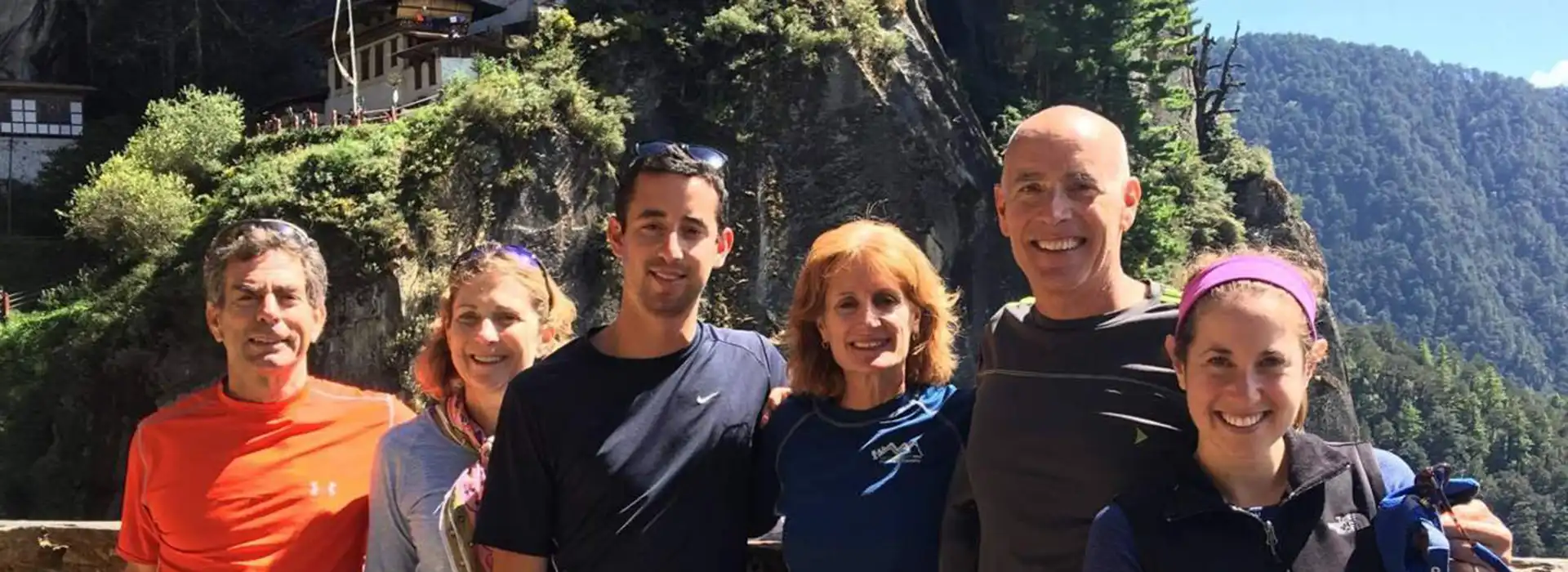

Sustainable tourism shapes every part of Bhutan Family Travel. The kingdom follows a clear “High Value, Low Impact” policy that protects culture, nature, and community life. The Royal Government carefully manages tourism to maintain traditions while delivering quality services. Bhutan Family Travel offers a safe, peaceful, and educational setting for children and parents alike. Recent policy updates have lowered daily fees and simplified visa procedures, making Bhutan Family Travel more accessible for families worldwide.
Economic Framework and Tourism Policy
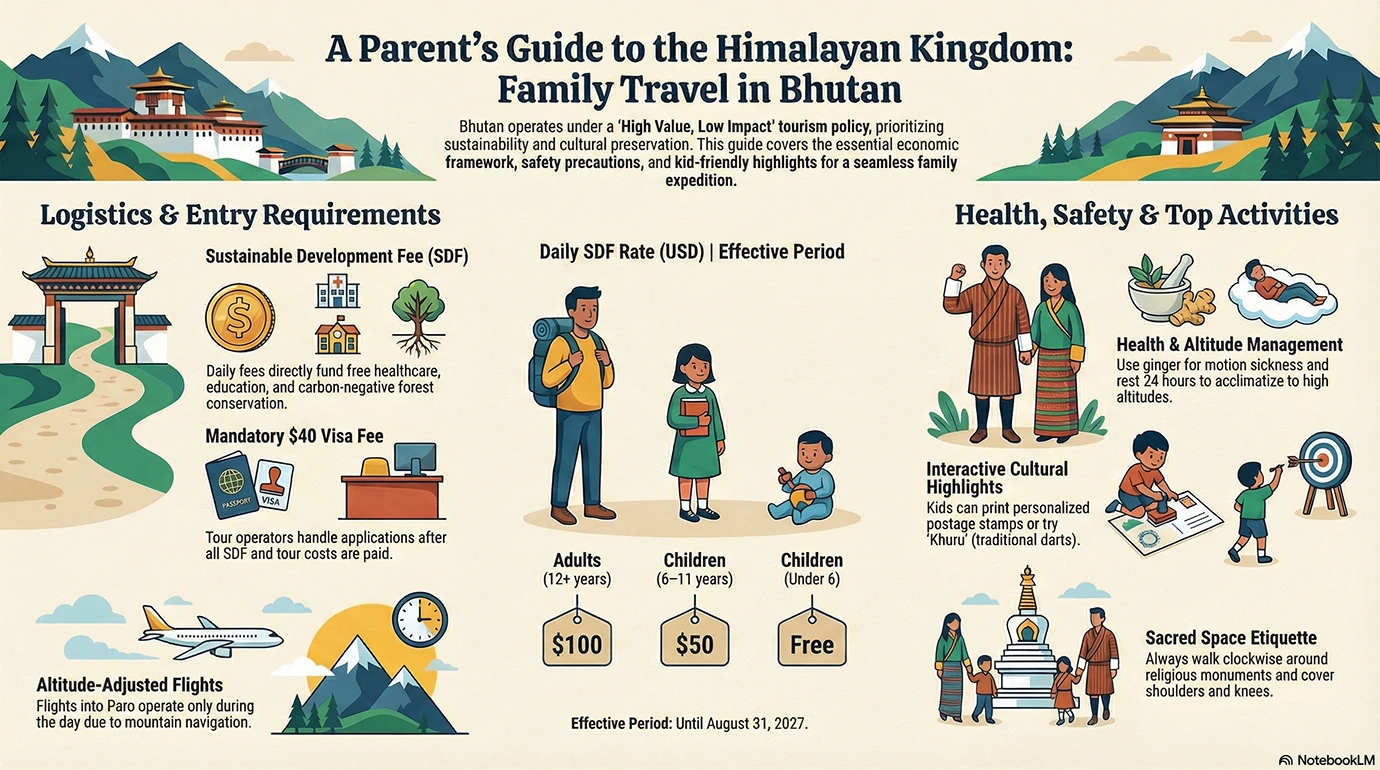
The government manages tourism through a mandatory daily contribution called the Sustainable Development Fee (SDF). This fee acts as a direct investment in the welfare of the Bhutanese people. Every dollar collected supports free healthcare, free education, and environmental protection projects. Family Travel in Bhutan helps maintain the nation’s carbon-negative status by funding forest conservation.
Current Sustainable Development Fee Rates
Policy changes in late 2023 reduced the SDF to encourage more visitors after the pandemic. These rates remain in effect until August 31, 2027. The fee structure varies by traveler age, making planning for large groups more predictable.
| Traveler Age Group | Daily SDF Rate (USD) | Effective Period |
| Adults (12 years and older) | $100 | Until August 31, 2027 |
| Children (6 to 11 years) | $50 | Until August 31, 2027 |
| Children (Under 6 years) | Free | Until August 31, 2027 |
| Indian Nationals | ~1,200 Nu ($15) | Subject to government review |
International travelers pay the fee in US Dollars during the visa application process. Indian citizens pay a lower rate in Indian Rupees or Ngultrums, which makes Family Travel in Bhutan very popular for regional neighbors.
Visa Application and Entry Permits
Every international visitor requires a visa before arrival, except for citizens of India, Bangladesh, and the Maldives. A one-time visa fee of $40 applies to each person. Tour operators usually handle the visa application after the family pays the full SDF and tour costs. Parents provide clear passport photos and digital copies of the children’s passports. Passport validity must extend at least six months beyond the arrival date.
| Document/Fee Type | Cost (USD) | Application Method |
| Tourist Visa Fee | $40 | Tour Operator |
| Route Permit | Included | Arranged for travel outside Thimphu/Paro |
| Trekking Permit | Varies | Mandatory for mountain expeditions |
Family Travel in Bhutan requires well-organized logistics because the government grants visas only after all payments have cleared. Visitors carry a digital or printed copy of the visa clearance letter to show at the entry point.
Air Travel and Logistics for Families
Paro International Airport serves as the only international entry point by air. Flights operate only during the day because pilots navigate through high mountain valleys. Drukair and Bhutan Airlines connect the kingdom to regional hubs like Bangkok, Delhi, Kathmandu, and Singapore.
Flight Connections and Preparation
The weather often influences flight schedules in the Himalayas. Clouds or wind cause delays to ensure passenger safety. Strategists recommend that families stay one night in their transit hub to avoid missing connections.
| Hub City | Flight Duration | Frequency |
| Bangkok (BKK) | ~3.5 Hours | Daily |
| Delhi (DEL) | ~2 Hours | Multiple times per week |
| Kathmandu (KTM) | ~1 Hour | Multiple times per week |
| Singapore (SIN) | ~5 Hours | Twice weekly |
Families check in early at the airport to secure seats together. Children enjoy the mountain views during the approach to Paro, which experts consider one of the most beautiful flights in the world.
Ground Transport and Road Safety
Modern vehicles provide comfort on the winding roads of the kingdom. Tour operators offer SUVs for small groups and larger buses for multi-generational Family Travel in Bhutan.
- Toyota Hi-Ace: This van seats up to 8 passengers and has a strong safety record.
- Toyota Coaster: Larger groups use this 20-seater bus for extra space.
- Hyundai Tucson/Santa Fe: These luxury SUVs handle narrow roads and sharp bends easily.
Drivers receive special training to navigate mountain passes and steep inclines. Roads lack traffic lights, so drivers remain vigilant at all times. Parents ask the guide for frequent stops so children can breathe fresh air and avoid motion sickness.
Essential Health and Safety Advice
The high altitude and rugged terrain require careful preparation for Family Travel in Bhutan. Safety remains a top priority for the government and local tour operators.
Managing Altitude and Motion Sickness
Most tourist valleys sit above 2,000 meters. Altitude sickness (AMS) can affect children, even those who are physically fit.
| Condition | Symptoms to Watch | Prevention/Action |
| Altitude Sickness | Headache, nausea, dizziness | Drink water, move slowly, rest |
| Motion Sickness | Nausea during drives | Use ginger candy or medicine |
| Sunburn | Red skin, fatigue | Apply SPF 50+ and wear hats |
Guides monitor children for signs of fatigue or breathing difficulties. Families avoid strenuous activity during the first 24 hours to help the body adjust to the thin air. Motion sickness bands or medication help during the three-hour drive between Thimphu and Punakha.
Medical Facilities and Insurance
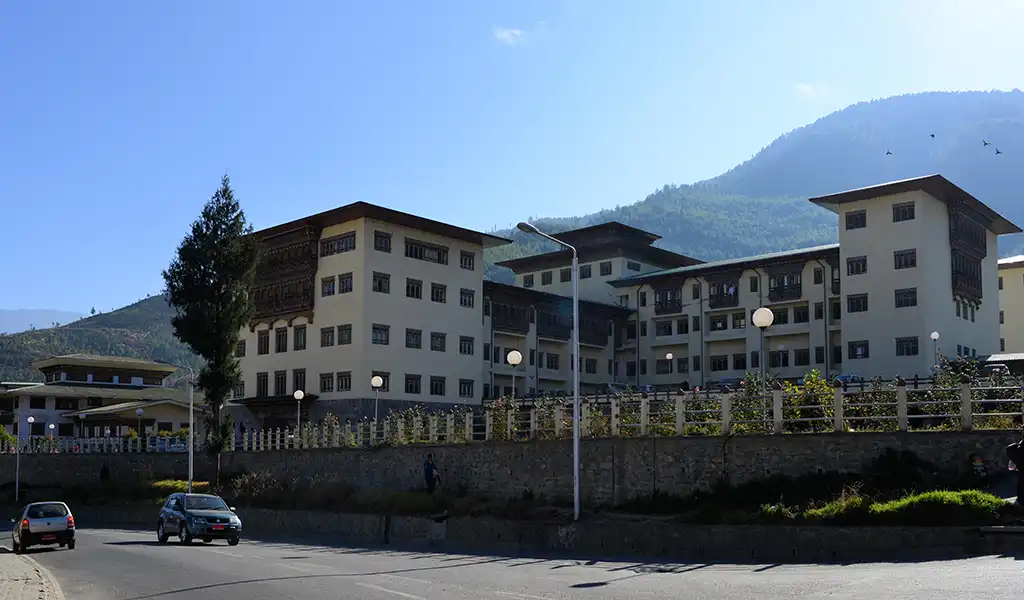
Basic medical services exist in Thimphu and Paro. The Jigme Dorji Wangchuck National Referral Hospital in Thimphu offers the most advanced pediatric care.
- Pediatric Ward: The national hospital has a 29-bed pediatric ward and a specialized intensive care unit (PICU).
- Emergency Services: 24/7 emergency care supports tourists and locals alike.
- Insurance Requirement: Families must purchase travel insurance that covers helicopter rescue and medical evacuation.
Outside the major cities, hospitals provide only basic treatments. Travelers carry a personal first-aid kit with rehydration salts and common children’s medicines.
Strategic Itinerary Planning for Families
A well-paced schedule prevents exhaustion and keeps children excited. Most Family Travel in Bhutan follows a seven-day route through the central valleys.
The Core Valleys: Thimphu, Paro, and Punakha
These three regions offer the best infrastructure and the most engaging activities for kids.
- Thimphu (Capital): Visitors explore the Motithang Takin Preserve and the Postal Museum. The city provides short driving distances between sites.
- Paro (Gateway): Families visit the National Museum and prepare for the hike to Tiger’s Nest. The valley floor remains flat and easy for evening walks.
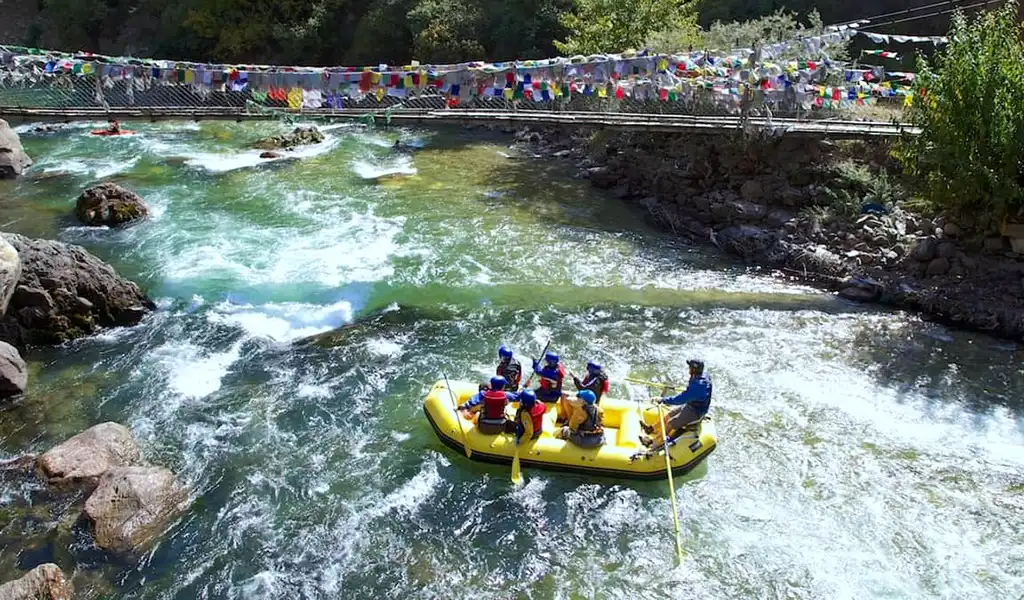
- Punakha (Adventure): Lower elevation makes the air warmer and easier to breathe. Families enjoy river rafting and crossing long suspension bridges.
Suggested Seven-Day Family Schedule
| Day | Location | Primary Activity | Travel Note |
| 1 | Paro to Thimphu | Arrival and Memorial Chorten | 1.5-hour drive |
| 2 | Thimphu | Takin Preserve and Postal Museum | Short city stops |
| 3 | Punakha | Dochula Pass and Punakha Dzong | 3-hour drive |
| 4 | Punakha | Mo Chhu Rafting and Hike | Gentle river flow |
| 5 | Paro | Chimi Lhakhang and Town Market | Return drive |
| 6 | Paro | Tiger’s Nest Hike | Full-day activity |
| 7 | Paro | Departure | Transfer to the airport |
Parents include buffer time for naps or quiet play at the hotel. This flexibility ensures everyone enjoys the cultural encounters without feeling rushed.
Detailed Activities for Children
Family Travel in Bhutan focuses on active learning rather than passive sightseeing. Children engage in traditional crafts and games that create deep connections to the local culture.
Hands-on Cultural Experiences
- Postal Museum: Families print actual postage stamps with their own faces. Children use these stamps to send postcards to friends at home.
- Simply Bhutan: This living museum lets kids dress in national attire, try archery, and watch wood-carving demonstrations.
- Paper Making: At the Jungshi Paper Factory, children dip wooden frames into pulp to create their own sheets of handmade paper.
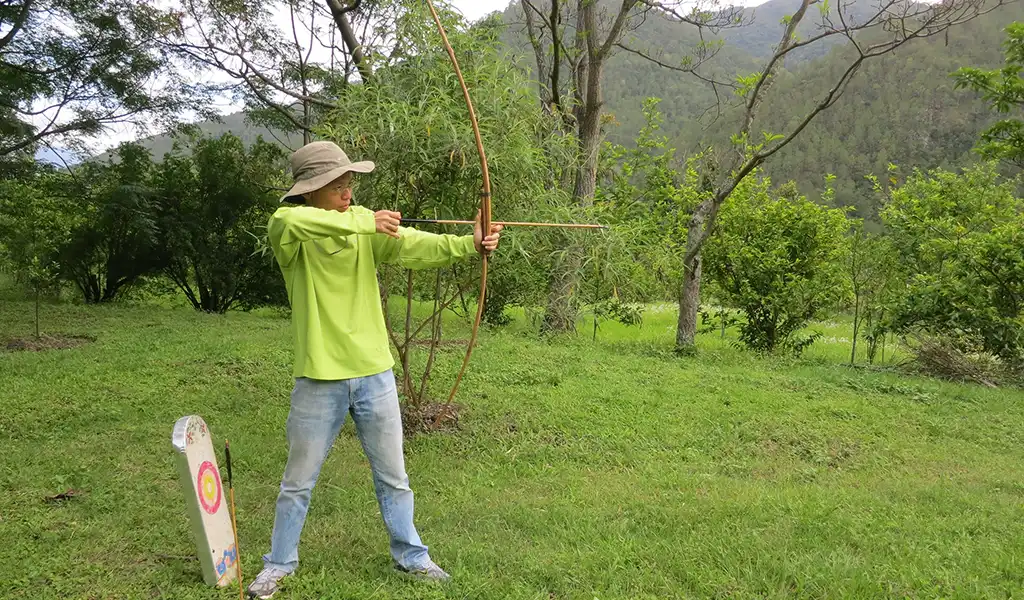
- Archery and Darts: Guides teach the basics of the national sport using smaller bows or traditional darts called Khuru.
Nature and Wildlife Highlights
- Takin Preserve: Kids see the national animal, which features a unique appearance like a cross between a goat and a cow.
- Black-Necked Crane Center: In the Phobjikha Valley, families learn about bird conservation and watch the rare cranes through telescopes.
- Gangtey Nature Trail: This flat, forested path takes about 90 minutes and offers a safe way for children to explore the woods.
- River Rafting: The Mo Chhu River in Punakha offers gentle waves that provide fun for children aged six and older.
The Tiger’s Nest Hike with Kids
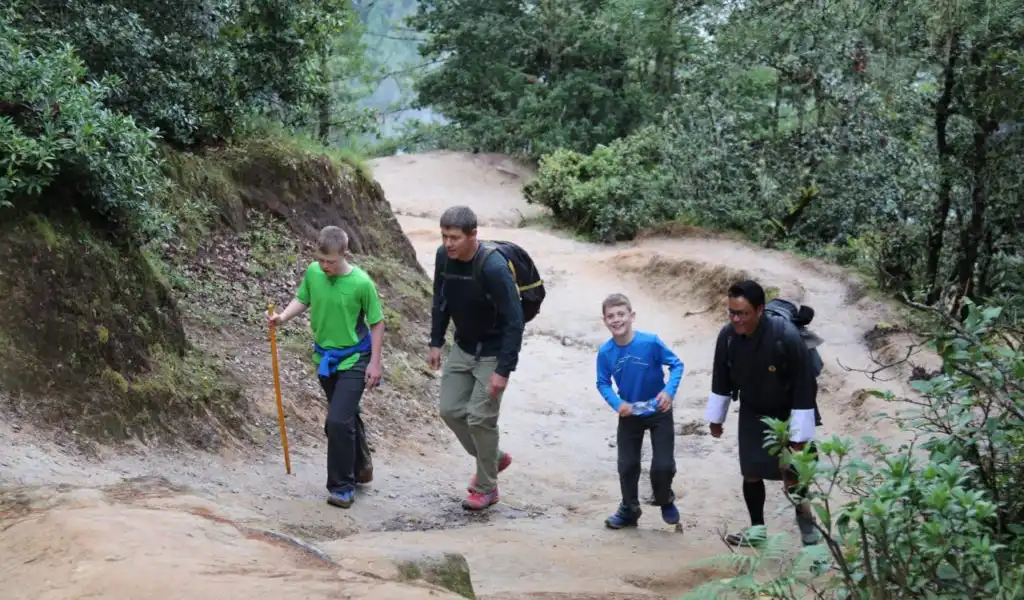
Reaching the Taktsang Monastery remains the most famous goal of Family Travel in Bhutan. Success requires patience and an early start.
Trail Sections and Child Support
The trail climbs from 2,600 meters to over 3,100 meters. Most families take five to six hours to complete the round trip.
| Trail Segment | Estimated Time | Terrain Description |
| Base to Cafeteria | 1.5 – 2 Hours | Uphill dirt trail through pine forest |
| Cafeteria to Viewpoint | 40 Minutes | Variable terrain with valley views |
| Viewpoint to Monastery | 45 Minutes | 700+ stone steps (down then up) |
Ponies carry younger children up to the halfway point in the cafeteria. The animals do not walk on the stone steps or descend the mountain, so the return must happen on foot. Parents use sturdy baby carriers for toddlers because strollers do not work on the steep, uneven paths.
Practical Hiking Tips
- Acclimatize: Schedule the hike for the end of the tour so the family adjusts to the altitude.
- Start Early: Begin by 8:00 AM to avoid the midday sun and large groups.
- Stay Hydrated: Carry plenty of water, as there are no shops along the forest path.
- Use Sticks: Rent wooden walking sticks at the base to help with balance during the descent.
Cultural Etiquette and Social Norms
Respect for religion and the royal family forms the foundation of Bhutanese society. Family Travel in Bhutan offers a chance to teach children about global respect and traditions.
Rules for Sacred Spaces
Temples and fortresses are active places of worship, not just museums.
- Clothing: Cover shoulders and knees. Carry a light jacket or shawl to use when entering shrines.
- Footwear: Remove shoes and hats before entering any temple room.
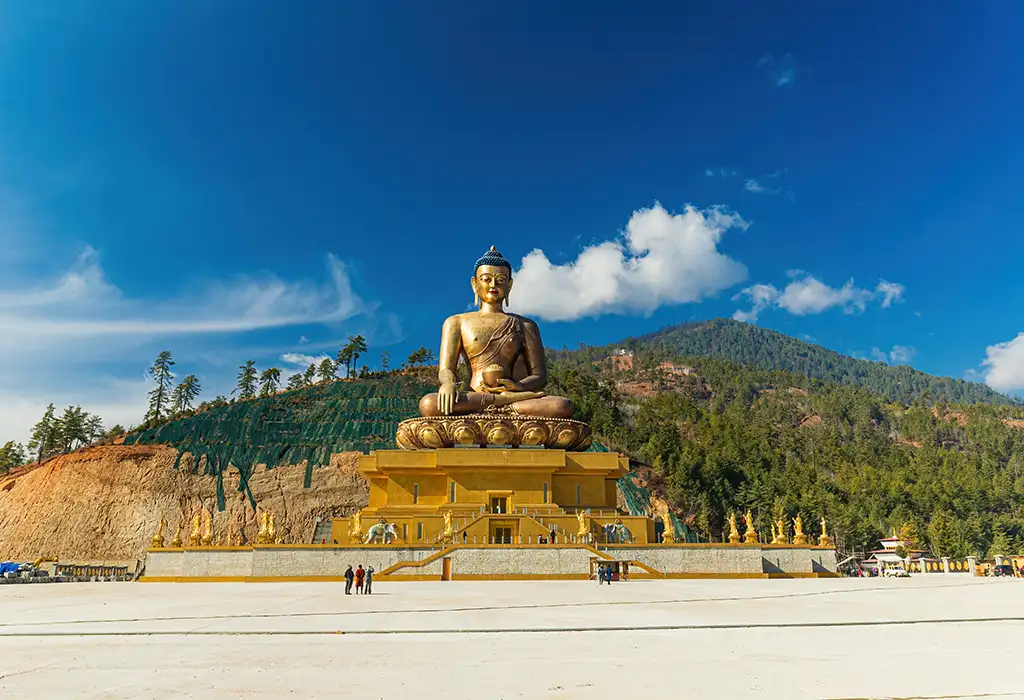
- Movement: Always walk clockwise around religious monuments, such as stupas and prayer wheels.
- Photography: Do not take photos inside the inner shrines. Cameras are usually allowed in the courtyards.
- Silence: Maintain a soft voice and avoid running inside sacred areas.
Social Interactions
- Greetings: A slight bow and the words “Kuzu zangpo la” (Hello) show politeness.
- Hand Etiquette: Use both hands when giving or receiving an object to show respect.
- Feet Etiquette: Never point the bottom of the feet toward people, altars, or monks.
- Royal Family: Avoid critical remarks about the King or the government, as the Bhutanese hold the monarchy in high esteem.
Dining and Food Options for Kids
Local food offers a healthy, organic experience, but it can be very spicy. Family Travel in Bhutan requires finding a balance between local flavors and familiar tastes.
Traditional Bhutanese Cuisine
Most meals use red rice, which has a rich, nutty flavor.
| Dish | Main Ingredients | Spice Level |
| Ema Datshi | Chilies and cheese | High |
| Kewa Datshi | Potatoes and cheese | Low |
| Jasha Maru | Spicy chicken stew | Medium |
| Momos | Steamed dumplings | Low |
The national dish, Ema Datshi, consists of spicy chilies and cheese. Parents request “non-spicy” versions for their children. Kewa Datshi uses potatoes and cheese, which many children find delicious and familiar.
Western and International Choices
Tourist restaurants and hotels serve continental, Indian, and Chinese dishes.
- Thimphu and Paro Cafes: Mountain Café and Sonam Trophel offer pizzas, pastas, and burgers.
- Hotel Buffets: Most tour packages include buffet meals with plain rice, steamed vegetables, and chicken, providing safe options for picky eaters.
- Snacks: Families buy local pastries or bring favorite energy bars from home for long drives.
Accommodation Levels for Families
Lodging ranges from simple guesthouses to world-class luxury resorts. Selecting the right base improves the quality of Family Travel in Bhutan.
Luxury Resorts
Brands like Amankora, Six Senses, and Taj Tashi provide large family suites and professional childcare. These properties often host on-site cultural activities such as archery or storytelling sessions.
Mid-Range and 3-Star Hotels
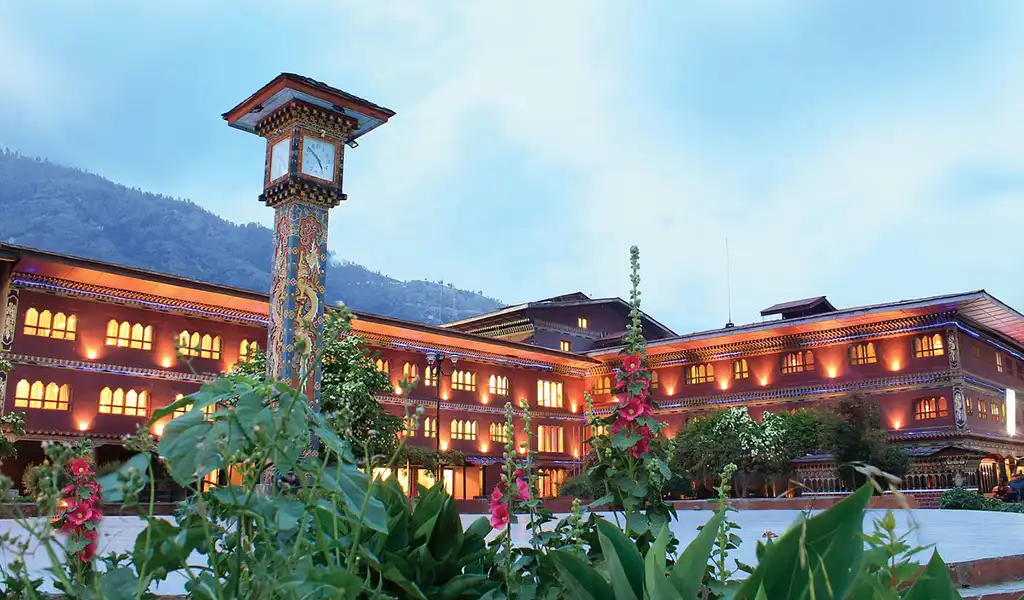
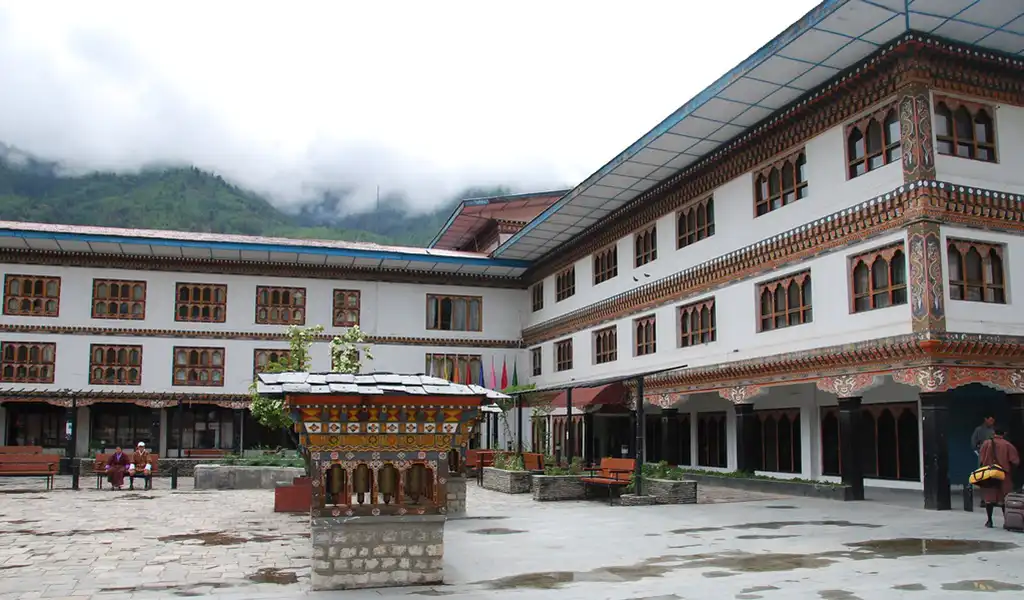
Standard hotels like Hotel Druk or Bhutan Suites offer comfortable rooms and warm service. These hotels are often run by families who understand the needs of younger travelers.
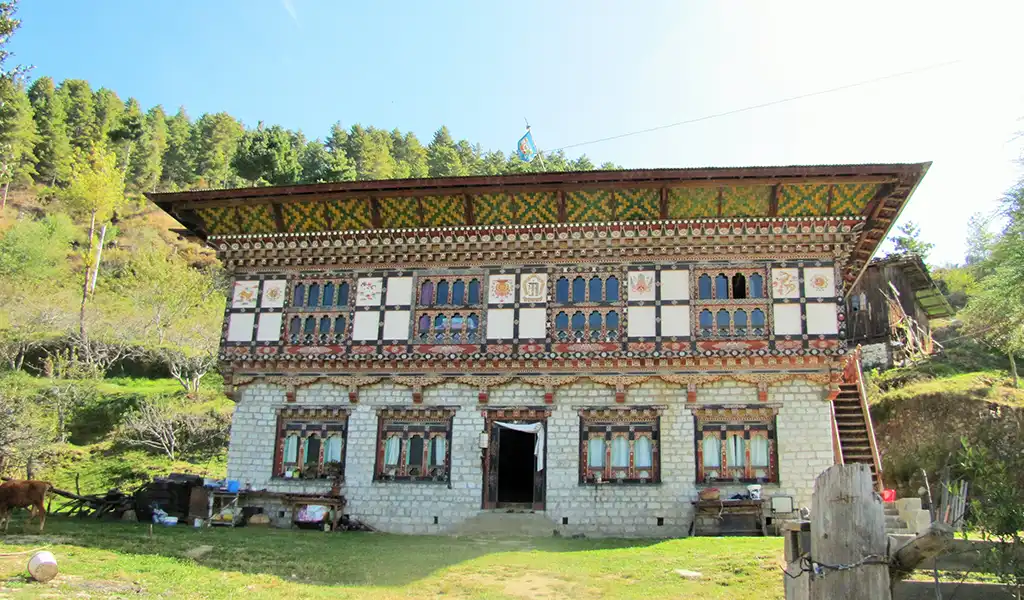
Authentic Farm stays
Staying in a traditional farmhouse allows children to see rural life up close.
| Accommodation Type | Cost Range (USD) | Best For |
| Luxury Resort | $300 – $1,000+ | Families seeking comfort and spas |
| 3-Star Hotel | $40 – $100 | Budget-conscious comfort |
| Farmhouse | $30 – $60 | Authentic cultural experience |
Farmhouses provide a cozy atmosphere where children can help in the kitchen or play in the fields.
Practical Packing and Preparation
The weather can change quickly in the mountains, so families must pack for a range of conditions.
- Layers: Pack fleece jackets, t-shirts, and waterproof coats to handle temperature shifts.
- Walking Shoes: Sturdy shoes with a good grip are essential for uneven paths and temple steps.
- Sun Gear: The thin mountain air makes the sun very strong. Use hats and high-SPF sunscreen daily.
- Electronics: Bring universal adapters and power banks for long drives.
Environment and Sustainability Rules
Bhutan remains a conservation pioneer, and visitors must follow local laws.
- No Plastic Bags: The kingdom bans plastic bags to reduce waste. Carry reusable water bottles and cloth bags.
- Tobacco Restrictions: It is illegal to buy or sell tobacco products in public. Travelers who bring their own must declare them at customs and pay a tax.
- Littering: Always use trash bins. The Bhutanese treat their environment as a sacred gift.
Strategic Conclusion for Family Travel
The Kingdom of Bhutan offers an unmatched environment for parents and children who value culture and nature. The current Sustainable Development Fee structure provides significant discounts for younger travelers, which lowers the total cost of Family Travel in Bhutan. While the winding roads and high altitude require careful planning, the safety and warmth of the local people make every effort worthwhile.
By choosing a balanced itinerary through Thimphu, Paro, and Punakha, families enjoy a mix of education and adventure. From creating custom stamps to hiking the majestic Tiger’s Nest, the experiences in this Himalayan kingdom create lifelong memories. Planning through a licensed operator ensures that every detail, from visas to access to specialized pediatric care, remains organized. Family Travel in Bhutan is not just a holiday; it is a unique visit to a nation that prioritizes happiness and sustainability above all else.