


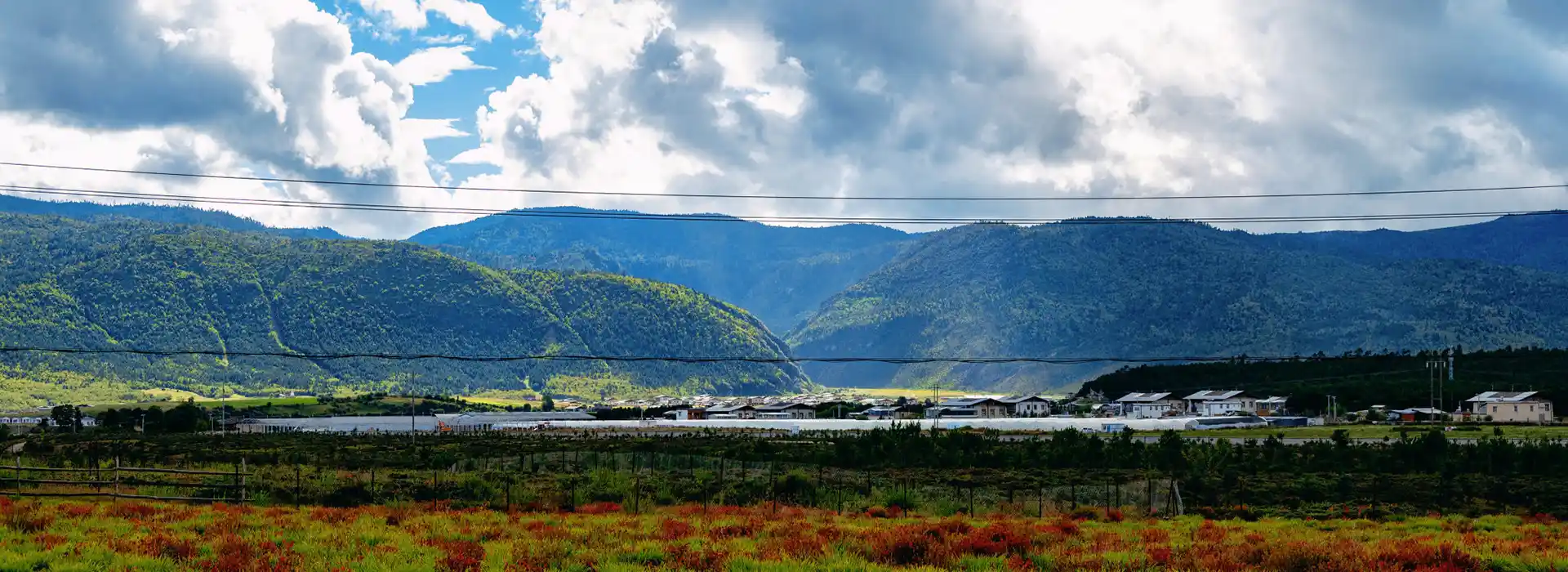

Tourism in the Kingdom of Bhutan operates under a singular guiding philosophy: High Value, Low Volume. The government designs this policy to preserve the nation’s cultural heritage and environmental integrity while ensuring a premium visitor experience. Bhutan’s off-season is a strategic period for travelers to explore the Himalayas, when visitor density remains low, and costs change significantly. While the spring and autumn peak seasons attract the most visitors due to stable weather, Bhutan’s low season offers unique benefits, including deep solitude and significant financial incentives.
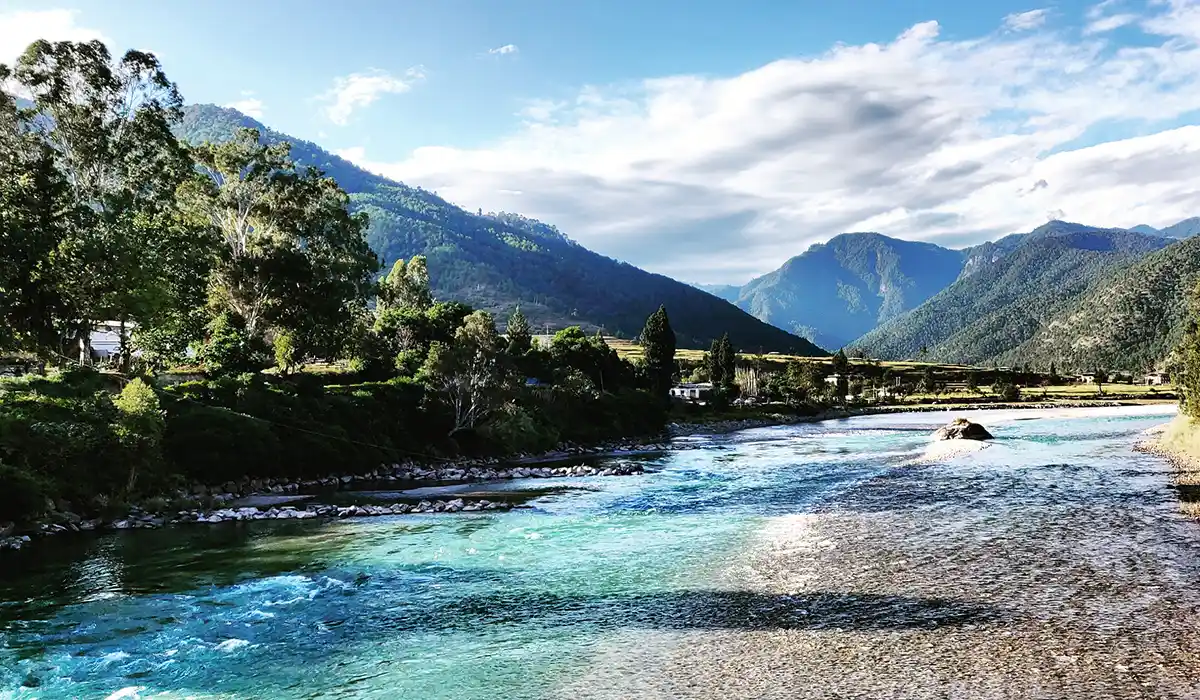
Research indicates that the off-season encompasses two distinct periods: the winter months from December to February and the monsoon months from June to August. Each period offers a different set of opportunities for the deliberate visitor seeking the cheapest time to visit Bhutan without compromising the quality of the experience.
Economic Framework and the Sustainable Development Fee
The financial landscape of tourism in Bhutan underwent a significant transformation in 2022 and 2023. The Royal Government of Bhutan replaces the previous Minimum Daily Package Rate (MDPR) with a revised Sustainable Development Fee (SDF). Current regulations require international tourists to pay a daily fee that supports conservation, infrastructure, and social services, such as free healthcare and education for Bhutanese citizens. Bhutan Off-Season Travel becomes particularly attractive due to current incentive programs that significantly reduce this fee.
Current Sustainable Development Fee Structure
| Traveler Category | Standard SDF (Per Night) | Current Discounted Rate (Until Aug 2027) | Savings Per Night |
| International Adult | USD 200 | USD 100 | USD 100 |
| Child (Ages 6–12) | USD 100 | USD 50 | USD 50 |
| Child (Under 6) | Exempt | Exempt | N/A |
| Indian National | INR 1,200 | INR 1,200 | N/A |
The 50% discount on the SDF remains effective until August 31, 2027, as part of a national strategy to boost tourism growth. This reduction makes Bhutan Off-Season Travel the most cost-effective way to access the kingdom in its modern history. Travelers must note that the SDF only covers the government royalty; costs for hotels, meals, guides, and transportation remain separate. During the off-season, the total cost of a trip often decreases further as many hotels offer Bhutan travel deals to maintain occupancy.
Climatological Dynamics of Bhutan Winter Travel
Bhutan winter travel typically spans from December to February. The weather during these months provides a sharp contrast between crisp, sunny days and freezing nights. Statistics show that winter provides the clearest skies of the year, making it an ideal time for high-altitude photography and mountain views.
Winter Thermal and Precipitation Indicators
| District | Average High (°C) | Average Low (°C) | Rain/Snow Frequency | Visibility Level |
| Paro | 9 | -6 | Low | Exceptional |
| Thimphu | 10 | -1 | Low | High |
| Punakha | 16 | 5 | Very Low | High |
| Bumthang | 8 | -6 | Low | Moderate |
| Phobjikha | 7 | -8 | Moderate | High |
Clear weather defines Bhutan’s winter travel, but temperatures drop rapidly in the shade or after sunset. Valleys like Punakha remain relatively warm because they sit at lower elevations, while high-altitude areas like Phobjikha see regular frost and occasional snow. Travelers find that the lack of humidity creates a sharp, vivid quality in the atmosphere that peak-season travelers rarely experience.
Environmental and Wildlife Highlights in Winter
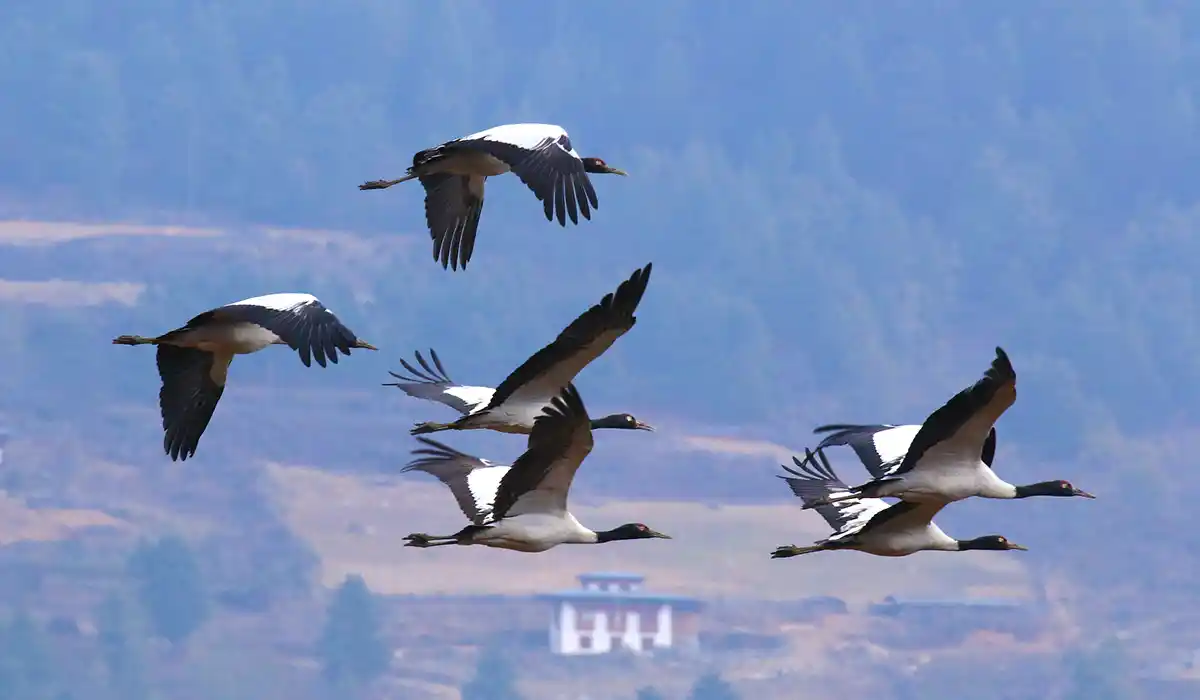
The migration of the rare black-necked cranes is a significant attraction for winter travel in Bhutan. These birds travel from the Tibetan Plateau to winter in the Phobjikha Valley from late October through mid-February. The community in Phobjikha treats the birds as sacred, and visitors can observe them from designated centers to avoid disturbing their habitat.
Clear skies during Bhutan Off-Season Travel in winter also reveal the snow-capped peaks of the Himalayas with greater consistency than in other months. Mountain peaks like Jomolhari and Gangkhar Puensum remain visible throughout the day. For many, the sight of a snow-dusted monastery against a deep blue sky constitutes the ultimate reward for braving the cold.
The “Emerald Season”: Bhutan Travel in Monsoon
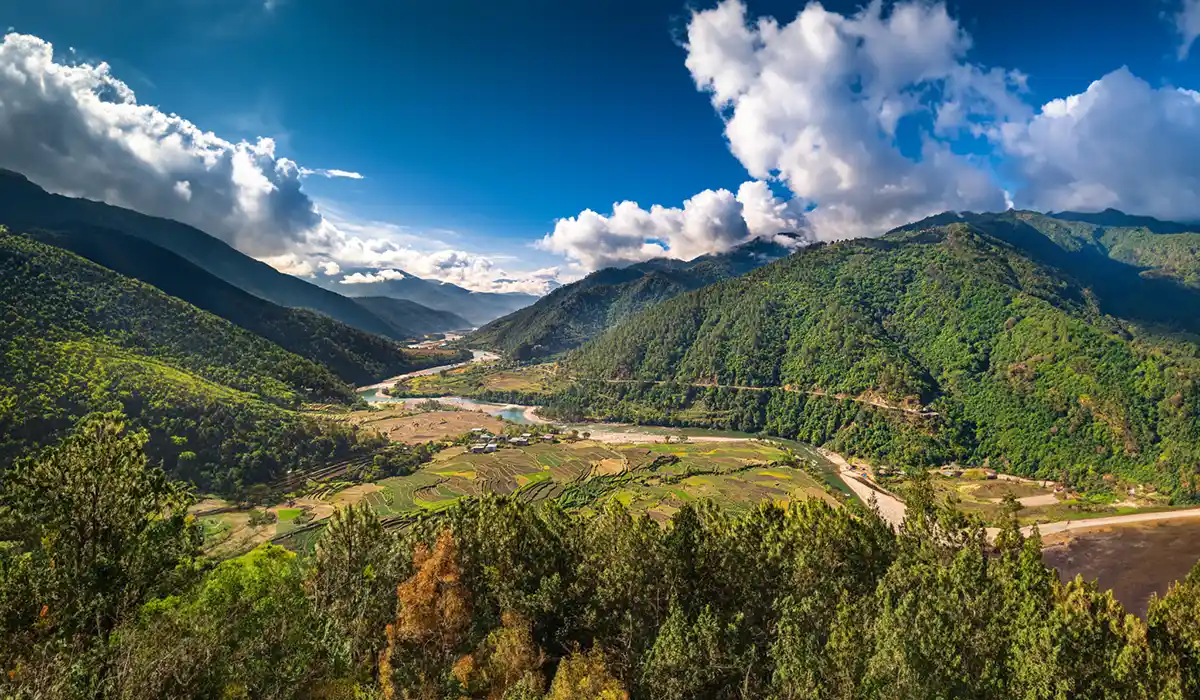
Bhutan travel during the monsoon season runs from June to August. Although many travelers avoid this period because of rain, the season offers a lush, vibrant landscape that locals call the “Emerald Season”. Rain in Bhutan often follows a specific pattern, arriving in short bursts late in the afternoon or evening, leaving mornings clear for sightseeing.
Monsoon Hydrological and Temperature Data
| Month | Average Temp (°C) | Precipitation (mm) | Landscape Color | Key Activity |
| June | 24 | 300 | Vibrant Green | Rice Planting |
| July | 26 | 500+ | Deep Emerald | Alpine Flowers |
| August | 25 | 350 | Lush Green | Mushroom Foraging |
The heavy rainfall transforms the valleys of Punakha and Paro into a sea of green rice terraces. Alpine meadows at higher elevations come alive with wildflowers, including the rare Blue Poppy, which blooms only during the monsoon months. Bhutan Off-Season Travel during the monsoon provides a sensory experience characterized by the scent of rain on pine needles and the sound of rushing waterfalls.
Challenges and Logistics of Monsoon Travel
Planning a Bhutan trip during the monsoon requires flexibility. Heavy rain occasionally triggers landslides on the primary East-West highway, blocking traffic for several hours or days. Flight schedules at Paro International Airport depend on clear visibility; monsoon clouds sometimes cause delays or cancellations.
Leeches emerge on damp forest trails during these months. While leeches pose no significant health risk, they require travelers to use salt or tobacco to remove them and to wear long socks. Humidity levels rise significantly, especially in the southern districts and the Punakha Valley. Successful Bhutan Off-Season Travel in the monsoon depends on choosing indoor-friendly activities during the rainy afternoons, such as visiting museums, traditional craft centers, or relaxing in a luxury spa.
Specialized Festivals and Cultural Events
Bhutan Off-Season Travel provides access to unique festivals that attract fewer tourists than the famous spring and autumn Tshechus. These events offer a more intimate look at Bhutanese spirituality and community life.
Off-Peak Festival Schedule
| Name | Month | Location | Highlight |
| Druk Wangyel | December | Dochula Pass | Royal Army Dances |
| Trongsa Tshechu | December | Trongsa Dzong | Historic Fortress Setting |
| Lhuentse Tshechu | January | Lhuentse | Remote Regional Culture |
| Punakha Drubchen | February | Punakha Dzong | 17th Century Battle Reenactment |
| Haa Summer Festival | July | Haa Valley | Nomadic Living Culture |
| Matsutake Festival | August | Ura/Genekha | Mushroom Foraging/Feasts |
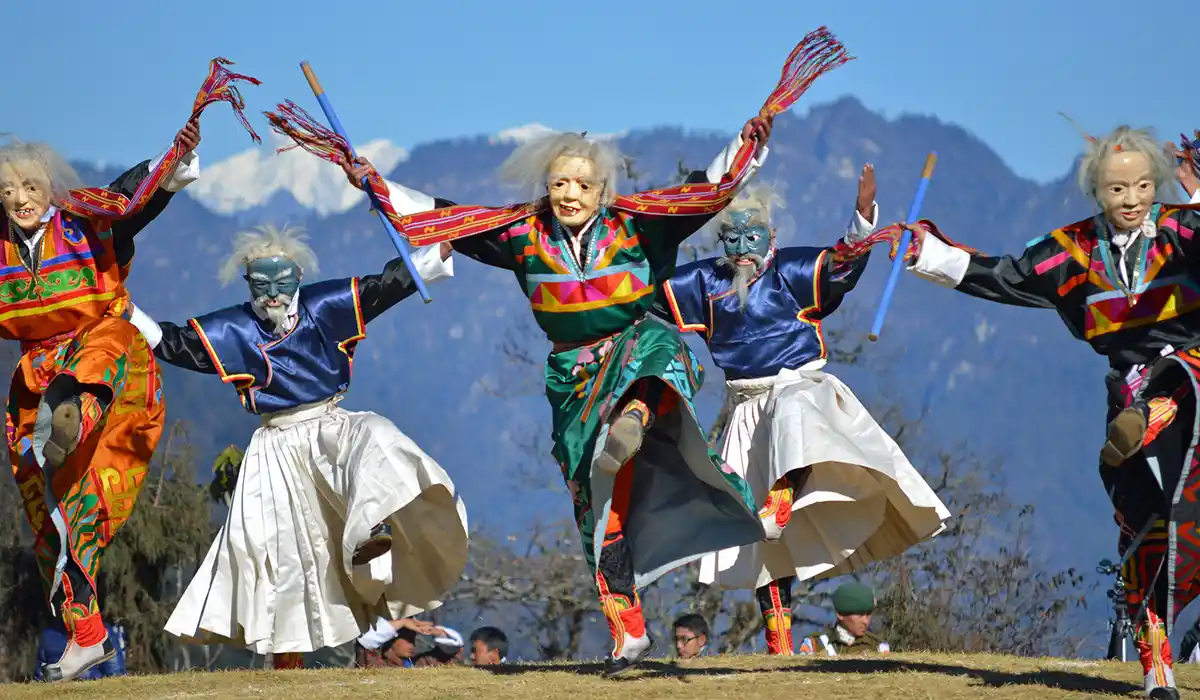
The Druk Wangyel Tshechu in December stands out for taking place at 3,100 meters, against a backdrop of the Himalayas. The Royal Bhutan Army performs the dances, a departure from the traditional monk-led ceremonies. In August, the Matsutake Mushroom Festival in the Ura Valley allows visitors to engage with the local fungal economy. These festivals foster a deeper connection with the local community because the crowds are primarily Bhutanese families rather than international tour groups.
Low-Altitude Trekking and Winter Hikes
While high-altitude passes remain blocked by snow in winter or turn muddy in the monsoon, low-altitude trails provide excellent options for Bhutan Off-Season Travel. These treks allow travelers to experience the kingdom’s natural beauty without confronting the extreme conditions of the high Himalayas.
The Samtengang Winter Trek
The Samtengang trek is a four-day journey through the Punakha and Wangdue districts. The altitude ranges from 1,100 to 1,900 meters, keeping the climate warm even in winter.
- Day 1: Travelers start at Punakha Dzong and cross the longest footbridge in Bhutan.
- Day 2: The trail leads through rhododendron and oak forests to the village of Chhungsakha.
- Day 3: The route enters the village of Sha and ends at a campsite near a small lake in Samtengang.
- Day 4: A steep descent leads to the road head at Chhuzomsa.
This trek remains popular during Bhutan’s winter travel season because it avoids the snow at higher elevations. The trail provides views of Mt. Jomolhari if the weather is clear.
The Nabji Korphu Trail
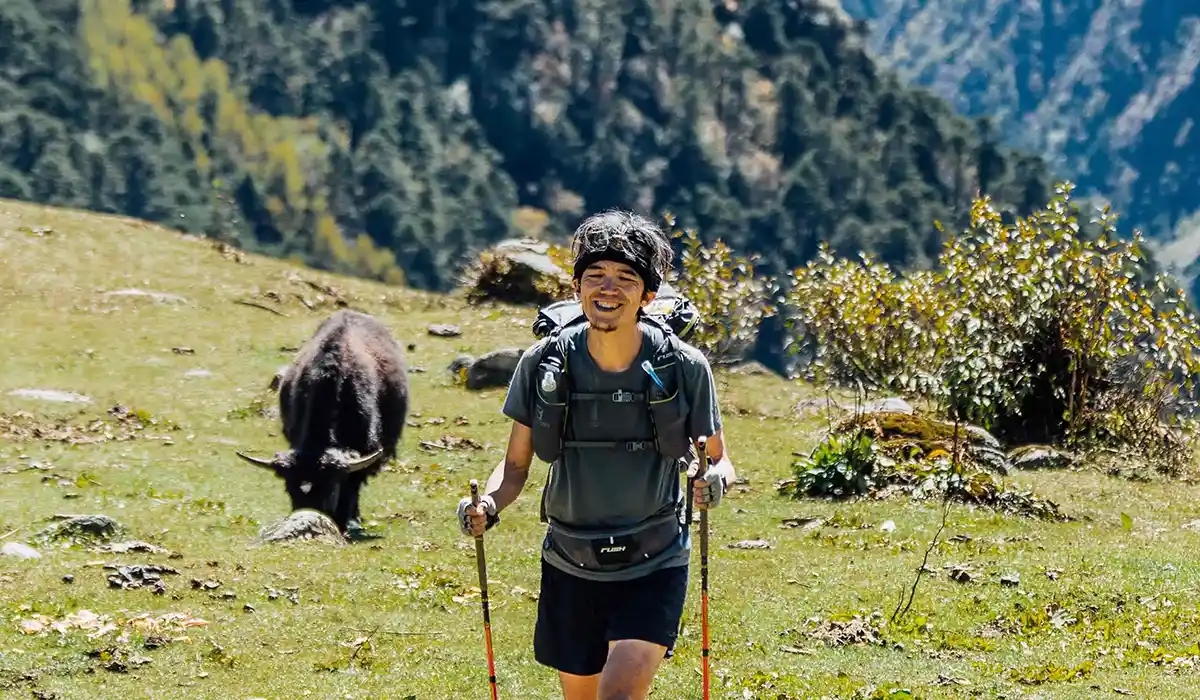
The Nabji Trail operates specifically during the winter months from October to March. This six-day trek explores Jigme Singye Wangchuck National Park in central Bhutan. The trail remains below 2,000 meters and connects six different agricultural villages. Travelers see diverse birdlife and may even spot the rare golden langur. This trail exemplifies how Bhutan’s low-season travel focuses on cultural exchange and community tourism.
Hospitality Trends and Bhutan Travel Deals
Bhutan Off-Season Travel creates a market for luxury at a lower price point. High-end resorts like Six Senses, COMO Uma, and Amankora often introduce promotional offers to attract visitors during the winter and monsoon. These Bhutan travel deals usually include additional benefits such as spa treatments, guided day hikes, or private dining experiences.
Luxury Resort Promotions in Off-Season
| Resort | Offer Style | Potential Savings | Off-Season Amenity |
| Bhutan Spirit Sanctuary | Stay 5, Pay 4 | 20% Discount | Daily Spa Treatments |
| Six Senses Bhutan | Extended Stay Rate | 15–25% Discount | Private Guide/Driver |
| Zhiwa Ling | Low Season Special | 30% Discount | Heated Indoor Pool |
| 3-Star Standard Hotels | Reduced Nightly Rate | USD 30–50/night | Bukhari Wood Stoves |
Staying at luxury properties during the off-season allows travelers to experience “high value” for a much smaller investment. Even the cheapest time to visit Bhutan can involve staying in a world-class lodge if the traveler plans around these seasonal promotions.
Culinary Traditions and Seasonal Diets
Food in Bhutan reflects the agricultural cycle and the need for warmth. Bhutan Off-Season Travel introduces visitors to specific winter and monsoon specialties that emphasize preservation and nutrition.
Winter Gastronomy: Preservation and Heat
During the Bhutan winter travel, the diet focuses on dried meats and vegetables. Ema Datshi, a spicy stew of chillies and cheese, remains the national staple. Chillies provide internal heat to combat the cold mountain air.
- Shakam Paa: Sun-dried beef cooked with dried red chillies and radish.
- Lom: Turnip leaves that are dried in summer and cooked in winter stews.
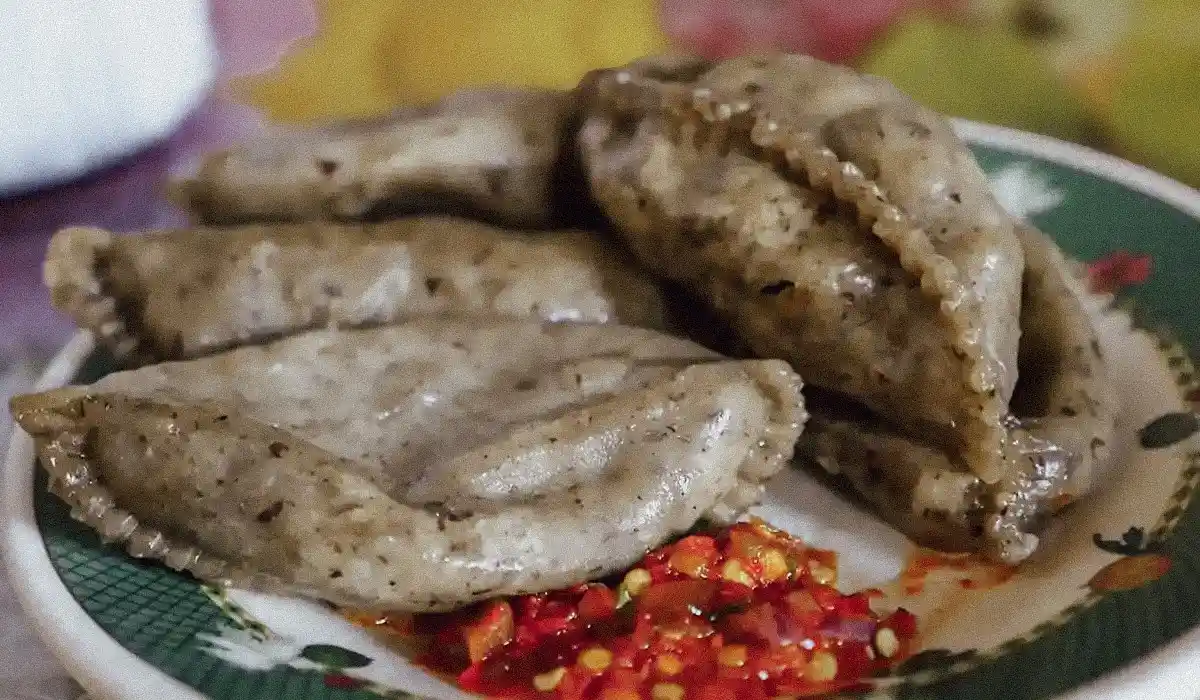
- Hoentay: Buckwheat dumplings filled with turnip greens and cheese, a winter favorite in Haa.
- Suja: Salty butter tea made with fermented yak butter, providing essential fats and warmth.
Monsoon Flavors: Freshness and Foraging
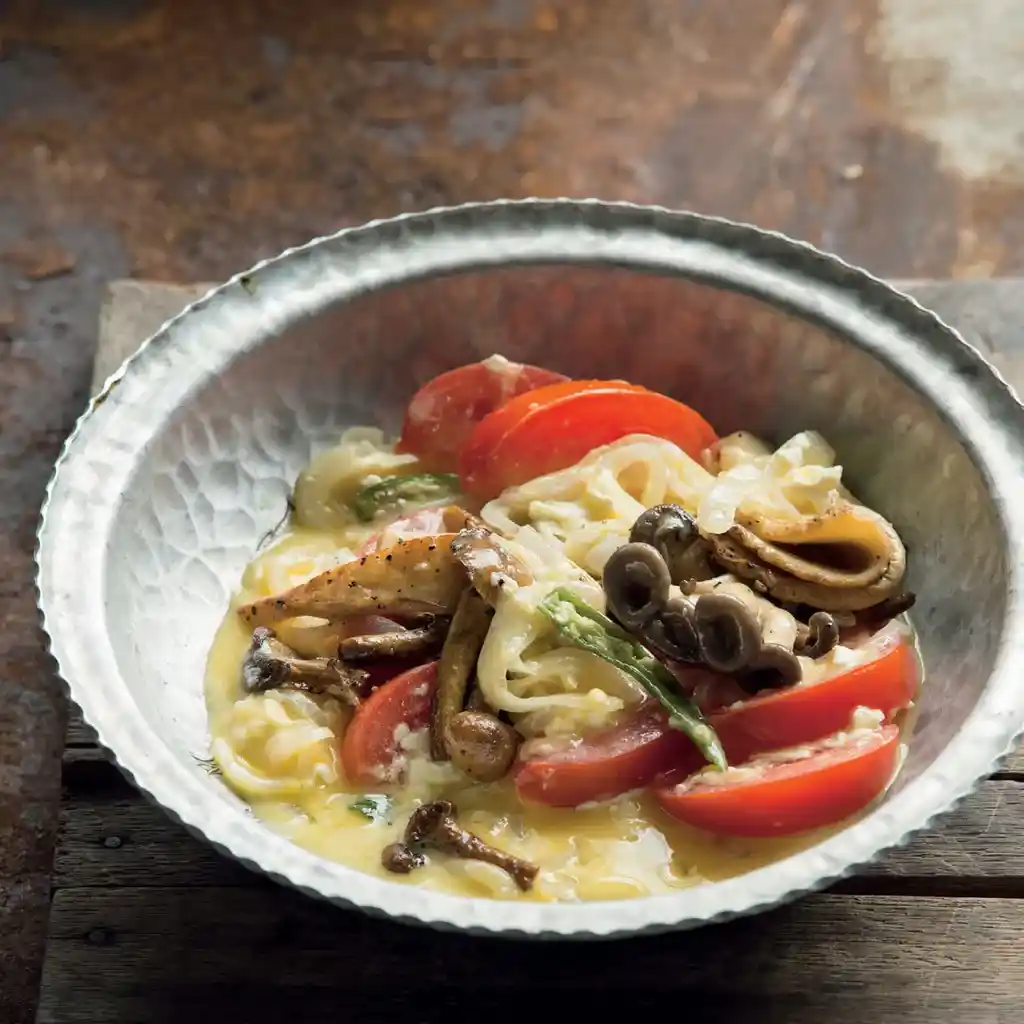
Bhutan travel in monsoon brings a bounty of fresh produce and wild ingredients. The forests’ moisture leads to a surge in wild mushrooms, which become a central part of the seasonal menu.
- Shamu Datshi: A mild stew of fresh mushrooms and local cheese.
- Fiddlehead Ferns: Foraged from the forest floor and sautéed with garlic and butter.
- Red Rice: The nutty-flavored staple grain harvested in the Paro Valley.
- Ezay: A spicy condiment made with fresh chillies, red onions, and coriander.
Strategic Packing for Off-Season Conditions
Success in Bhutan during the off-season depends on proper equipment. Because weather changes rapidly between altitudes, a system of smart layers remains the best approach.
Seasonal Packing Checklist
| Winter Travel Needs | Monsoon Travel Needs | Year-Round Essentials |
| Heavy Down Jacket | Waterproof Rain Shell | Sunscreen (High SPF) |
| Thermal Base Layers | Quick-Dry Trousers | Lip Balm |
| Wool Beanie and Gloves | Umbrella or Poncho | Reusable Water Bottle |
| Insulated Boots | Mosquito Repellent | Power Bank |
| Thick Wool Socks | Waterproof Bag Covers | Universal Travel Adapter |
Travelers in winter should prioritize thermal leggings and tops to keep warm on nights when temperatures drop below freezing. Those traveling to Bhutan during the monsoon must focus on moisture-wicking fabrics that dry quickly in the high humidity. High UV exposure at high altitudes makes quality sunglasses and sunscreen necessary even on cloudy days.
Social Etiquette and Cultural Respect
The people of Bhutan value politeness, humility, and tradition. Travelers during Bhutan’s Off-Season Travel should observe local customs to ensure a respectful visit.
Daily Social Interaction
Greeting locals with “Kuzu Zangpo La” (hello) and a gentle nod shows respect. Using both hands to give or receive items, such as money or tea, is a critical sign of politeness. Public displays of affection, like kissing or hugging, are discouraged in Bhutanese society. Pointing with a finger is considered rude; using an open palm is the correct way to indicate a person or a sacred object.
Monastery and Temple Protocol
Religious sites require specific behavior. Visitors must remove their shoes and hats before entering any temple or shrine. Modest dress is mandatory; arms and legs must remain covered.
- Circumambulation: Always walk clockwise around chortens, stupas, and prayer wheels.
- Photography: Taking photos inside shrine rooms is strictly forbidden.
- Feet: Never point your feet at an altar, a monk, or an elder.
- Donations: While not required, small donations at altars support the monasteries.
Regional Accessibility and Exploration
Bhutan Off-Season Travel provides an opportunity to explore beyond the standard Paro-Thimphu-Punakha circuit. Traveling to central and eastern Bhutan takes more time but reveals an untouched side of the kingdom.
Western Bhutan (Paro, Thimphu, Punakha)
This region remains the most accessible during the off-season. The roads stay well-maintained, and the proximity to the international airport makes it ideal for short Bhutan Off-Season Travel itineraries. Punakha, at a lower elevation, provides a warm retreat during winter travel in Bhutan.
Central Bhutan (Bumthang, Trongsa, Phobjikha)
Bumthang serves as the spiritual heart of the country. Although winter temperatures here drop significantly, the valley is home to some of the oldest temples and most beautiful rural landscapes. The Phobjikha Valley becomes a significant focus during winter for those wishing to see the black-necked cranes.
Eastern Bhutan (Trashigang, Lhuentse)
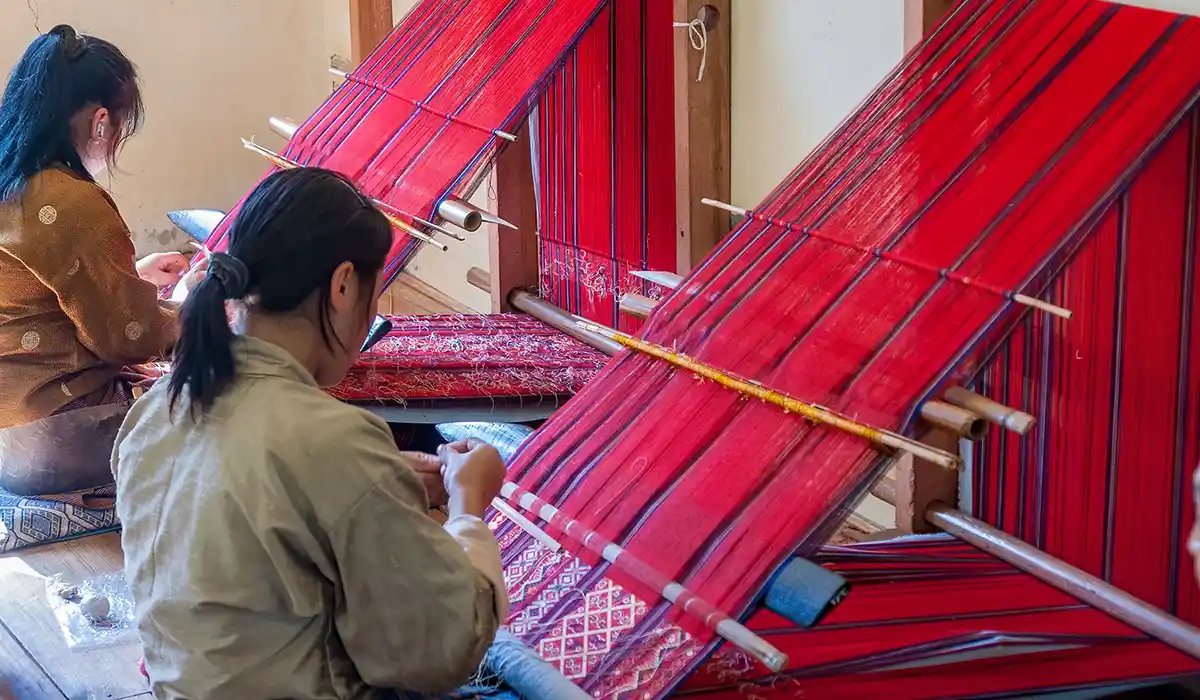
Eastern Bhutan remains one of the most secluded regions in the Himalayas. Reaching Trashigang requires a long drive through mountainous terrain, which can become challenging during the monsoon. Travelers who make the effort during the off-season find themselves in a region where mass tourism has no presence. Lhuentse is famous for its intricate Kishuthara silk textiles, which local women weave at home during the agricultural off-season.
Aviation and Transport Connectivity
Flying into Bhutan provides some of the most spectacular mountain views in the world. Drukair and Bhutan Airlines operate flights from major regional hubs.
Regional Flight Hubs for Bhutan
| Hub City | Country | Flight Duration | Best Off-Season Connection |
| Bangkok | Thailand | 3–4 Hours | Daily Year-Round |
| Kathmandu | Nepal | 1 Hour | Best Himalayan Views |
| Delhi | India | 2.5 Hours | Regular Connections |
| Singapore | Singapore | 5 Hours | Twice Weekly |
| Kolkata | India | 1.5 Hours | Frequent Flights |
Aviation safety in Bhutan depends on visual flight rules. Pilots only fly to Paro in daylight and under clear weather conditions. Bhutan travel deals in the off-season sometimes include discounted airfares of 10–25%, especially when booking through a licensed tour operator like Breathe Bhutan. Entering by road through the Indian border at Phuentsholing remains a valid alternative for those on a budget, as it avoids the cost of international flights.
Photography Tips for Off-Peak Seasons
Bhutan is a photographer’s paradise, particularly during the off-season when the light and atmosphere change dramatically.
Winter Photography: Clarity and Contrast
The dry winter air provides incredible clarity. Photographers should focus on the early morning and golden hour to capture the warm light against the whitewashed walls of the dzongs.
- Lens Choice: A wide-angle lens (24mm or 16mm) captures the vast Himalayan panoramas.
- Tripod: Necessary for low-light shots inside temples or during sunrise at high passes like Dochula.
- Battery Management: Keep spare batteries close to your body to keep them warm, as the winter cold drains power fast.
Monsoon Photography: Mist and Mood
Monsoon photography focuses on atmosphere rather than distant views. The moving clouds and mist-shrouded monasteries create a mystical, moody feeling.
- Filters: A polarizing filter helps cut through glare on wet surfaces and deepen the forest’s greens.
- Weather Protection: Rain covers for the camera and lens are mandatory during Bhutan travel in the monsoon.
- Macro Focus: The monsoon is the best time for macro photography of wildflowers, fungi, and intricate temple details.
Safety and Health Guidelines
Traveling to the Himalayas requires awareness of the physical environment. Bhutan remains very safe in terms of crime, but the altitude and terrain pose real challenges.
Altitude Sickness (AMS) Awareness
Most of Bhutan sits above 2,200 meters. Altitude sickness can affect anyone regardless of fitness level.
- Acclimatization: Spend the first night in Paro or Thimphu to allow the body to adjust.
- Hydration: Drink plenty of water and avoid alcohol during the first few days at altitude.
- Medication: Consult a doctor about taking Diamox (acetazolamide) if planning to cross high passes.
Medical and Emergency Information
Medical facilities in Bhutan are basic outside of Thimphu. The Jigme Dorji Wangchuck National Referral Hospital in the capital provides the highest level of care.
- Insurance: Comprehensive travel insurance with medical evacuation coverage is strongly recommended.
- Emergency Numbers: Dial 112 for an ambulance and 113 for police.
- First Aid: Carry a small kit with rehydration salts, pain relievers, and motion sickness tablets for the winding roads.
Bhutan Off-Season Travel: A Synthesis of Value
Choosing the cheapest time to visit Bhutan does not mean sacrificing the essence of the journey. Bhutan Off-Season Travel offers a profound opportunity to experience the kingdom at a slower pace.
Summary of Seasonal Strategic Planning
| Strategic Factor | Winter (Dec–Feb) | Monsoon (Jun–Aug) |
| Crowd Density | Lowest | Low |
| Visibility | Highest | Low (Moody/Misty) |
| Cost Value | High (Cheapest hotels) | High (Luxury deals) |
| Nature Focus | Cranes and Snow Peaks | Green Valleys and Fungi |
| Best For | Photographers and Wildlife | Culture and Solitude |
The Royal Government of Bhutan continues to evaluate its tourism policies to balance economic growth with cultural preservation. The current SDF discount, valid until 2027, represents a rare window for the international community to visit this carbon-negative nation. By understanding the seasonal nuances of weather, festivals, and logistics, travelers can craft a low-season travel experience in Bhutan that is both fulfilling and affordable. Bhutan Off-Season Travel remains the secret to seeing the true heart of the Land of the Thunder Dragon.
Respecting local etiquette, packing correctly, and maintaining flexibility allow the deliberate visitor to discover why Bhutan values happiness as its primary national product. Through careful preparation for Bhutan winter travel or the lush, emerald days of Bhutan travel during the monsoon, the kingdom reveals its timeless beauty to those willing to travel off the beaten path.