

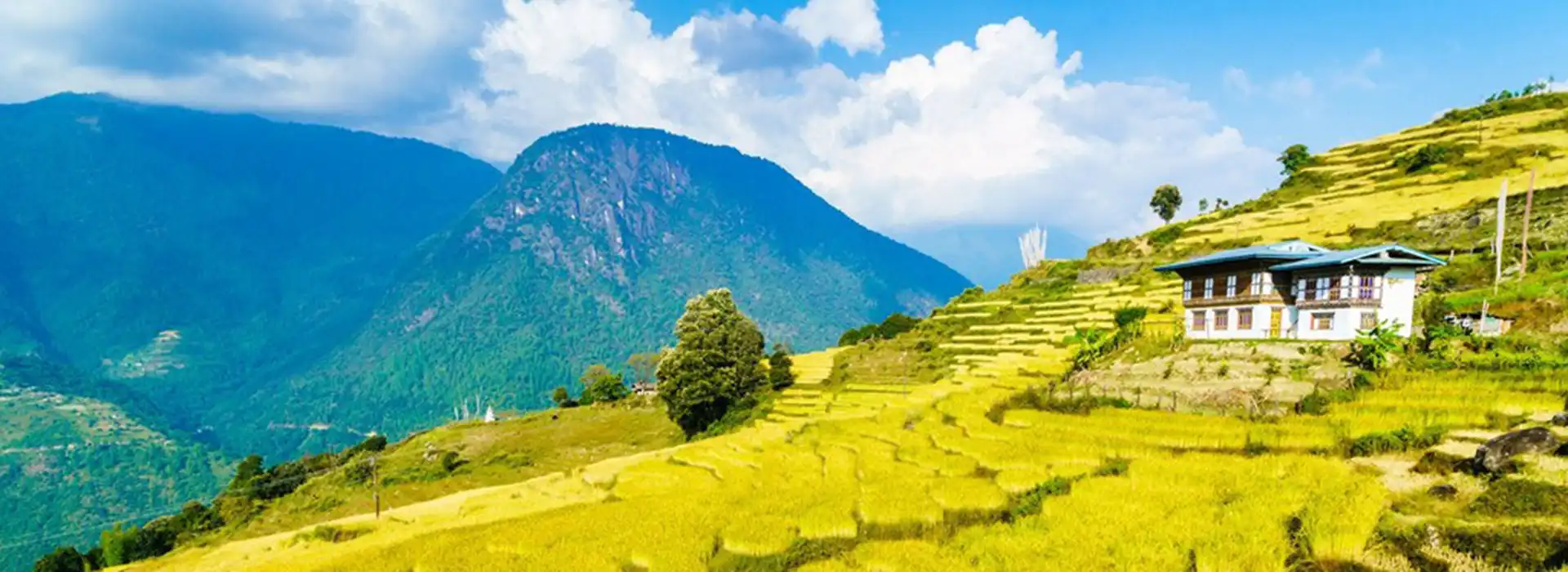

A Bhutan Photography Tour offers rare visual chances for creators. Bhutan sits in the heart of the Himalayas. The nation protects its culture and nature through strict rules. Photographers find grand mountain scenery and ancient Buddhist sites. Clean air and sharp light provide perfect conditions for shots. Low tourist numbers mean you find quiet spots to work. This environment helps you capture the essence of the Last Shangri-La.
Why Bhutan Offers a Paradise for Photographers
Unique Himalayan scenery defines the region. Snow peaks stand high against blue skies. Deep valleys hold green forests and fast rivers. Clean air helps you see distant mountains clearly. At high altitudes, dramatic light patterns unfold throughout the day. These elements combine to make every view look like a painting.
Living Buddhist culture adds life to the photos. You see monks in red robes at every temple. People wear traditional dress, such as the Gho and Kira, daily. Colorful prayer flags flutter on every bridge and pass. These flags carry prayers into the wind. Such details add depth to your Bhutan travel photography. Low tourist density keeps the experience quiet. The government uses a high-value, low-impact policy. This prevents crowds from blocking your view. You often have a whole temple courtyard to yourself. Silence helps you focus on your craft. You connect with the local spirit without distractions.
| Feature | Photographer Benefit | Visual Quality |
| Himalayan Peaks | Grand Scale | High Contrast |
| Buddhist Temples | Cultural Context | Intricate Detail |
| Prayer Flags | Movement | Primary Colors |
| Clear Air | Sharpness | Deep Blue Skies |
Best Time for a Bhutan Photography Tour
Timing your visit affects the colors and light you find. Each season brings a different mood to the valleys. Photographers choose their dates based on what they want to see.
Spring (March to May)
Spring brings new life to the forests. Rhododendron flowers bloom in many colors. You find red, pink, and white blossoms in the hills. Clear mountain views remain common before the summer heat. Warm days make hiking to high spots easy. The Paro Tshechu festival happens in spring. This event offers excellent chances for cultural photos.
Autumn (September to November)
Autumn offers the best visibility for mountain shots. The air feels crisp and dry. Skies stay blue for many days in a row. Farmers harvest rice in the valleys. Fields turn bright gold during this time. Most major festivals happen in the autumn. Thimphu Tshechu provides a grand spectacle of dance and color. This season remains the most popular for a Bhutan photo tour.
Winter (December to February)
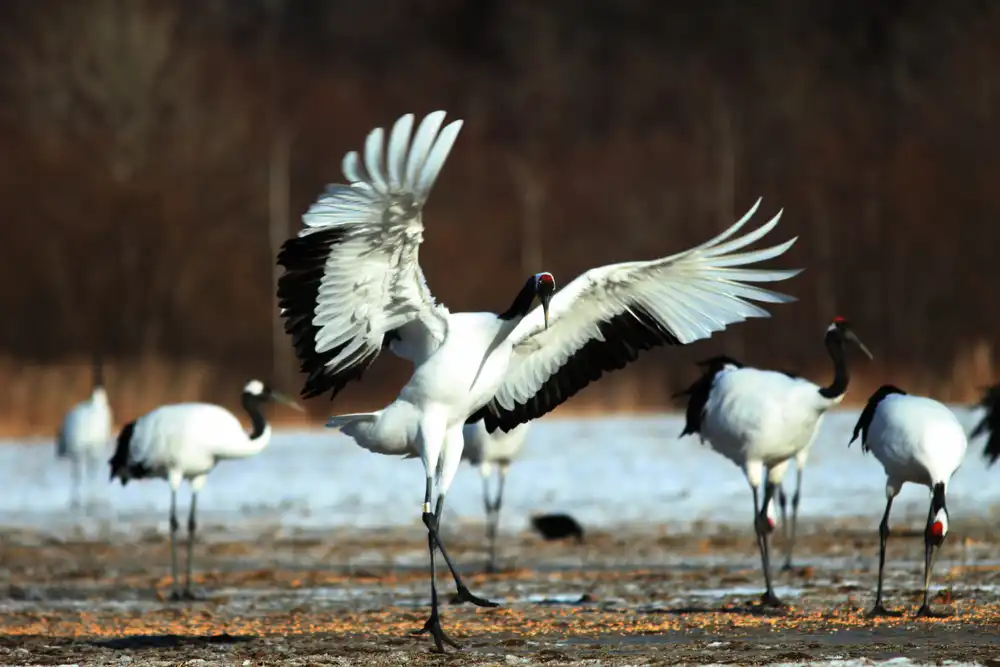
Winter offers a quiet, stark beauty. Snow covers the high passes and temple roofs. You find fewer people at the main sites. The air stays very clear for long-distance photography. Black-necked cranes arrive in the valleys for the winter. These birds provide excellent wildlife shots. Cold temperatures require extra batteries for your camera.
| Season | Top Subject | Light Condition |
| Spring | Wildflowers | Soft Morning |
| Autumn | Rice Harvest | Sharp Contrast |
| Winter | Snowy Peaks | Low Sun/Long Shadows |
Best Photography Locations in Bhutan
Bhutan holds many secret spots for great shots. A Bhutan Photography Tour usually covers the west and central valleys. Each place offers something different for your portfolio.
Paro Valley Highlights
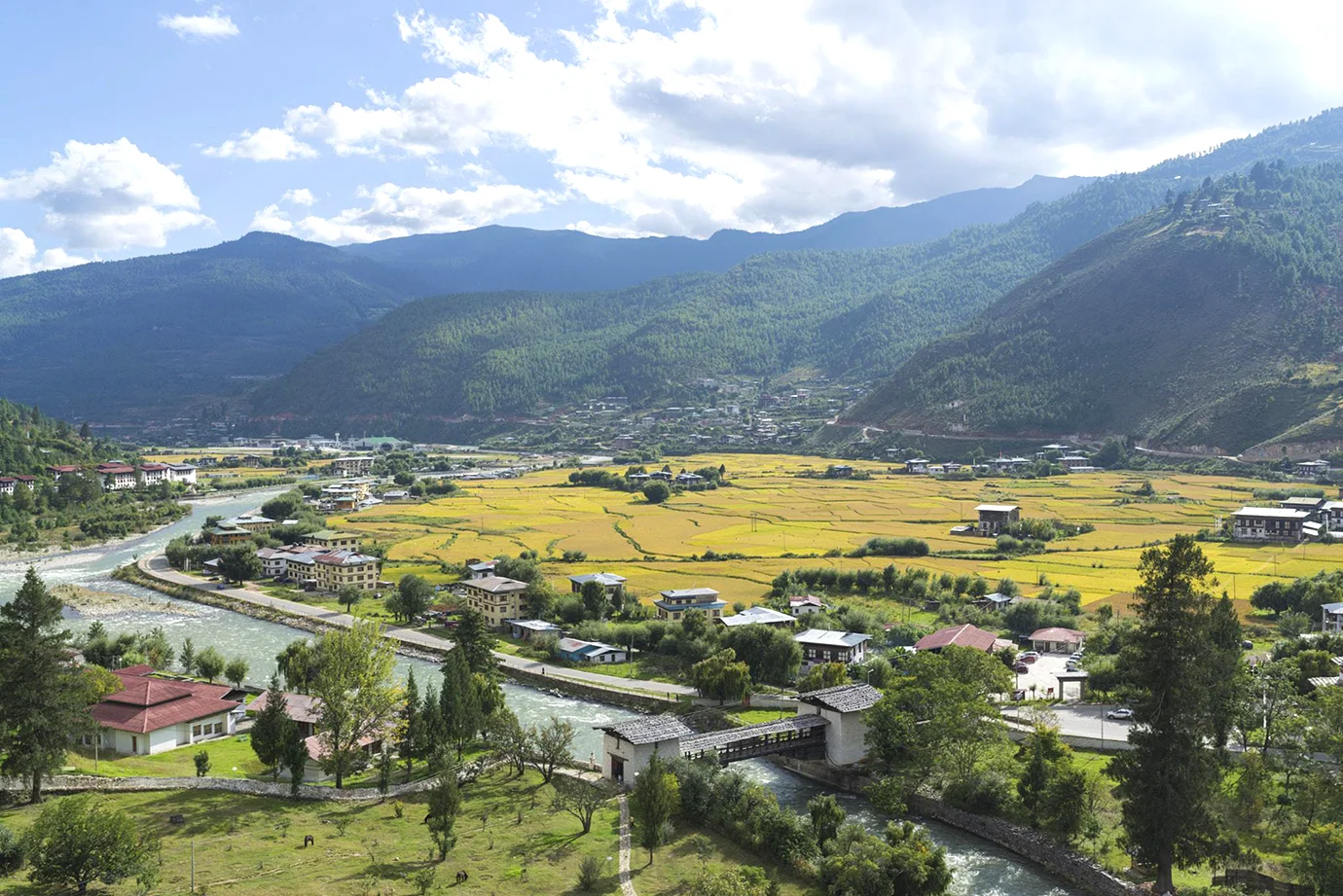
Paro Valley serves as the entry point for most visitors. The valley floor is dotted with green fields and old farmhouses. The Paro River flows gently through the center.
Tiger’s Nest Monastery (Taktsang)
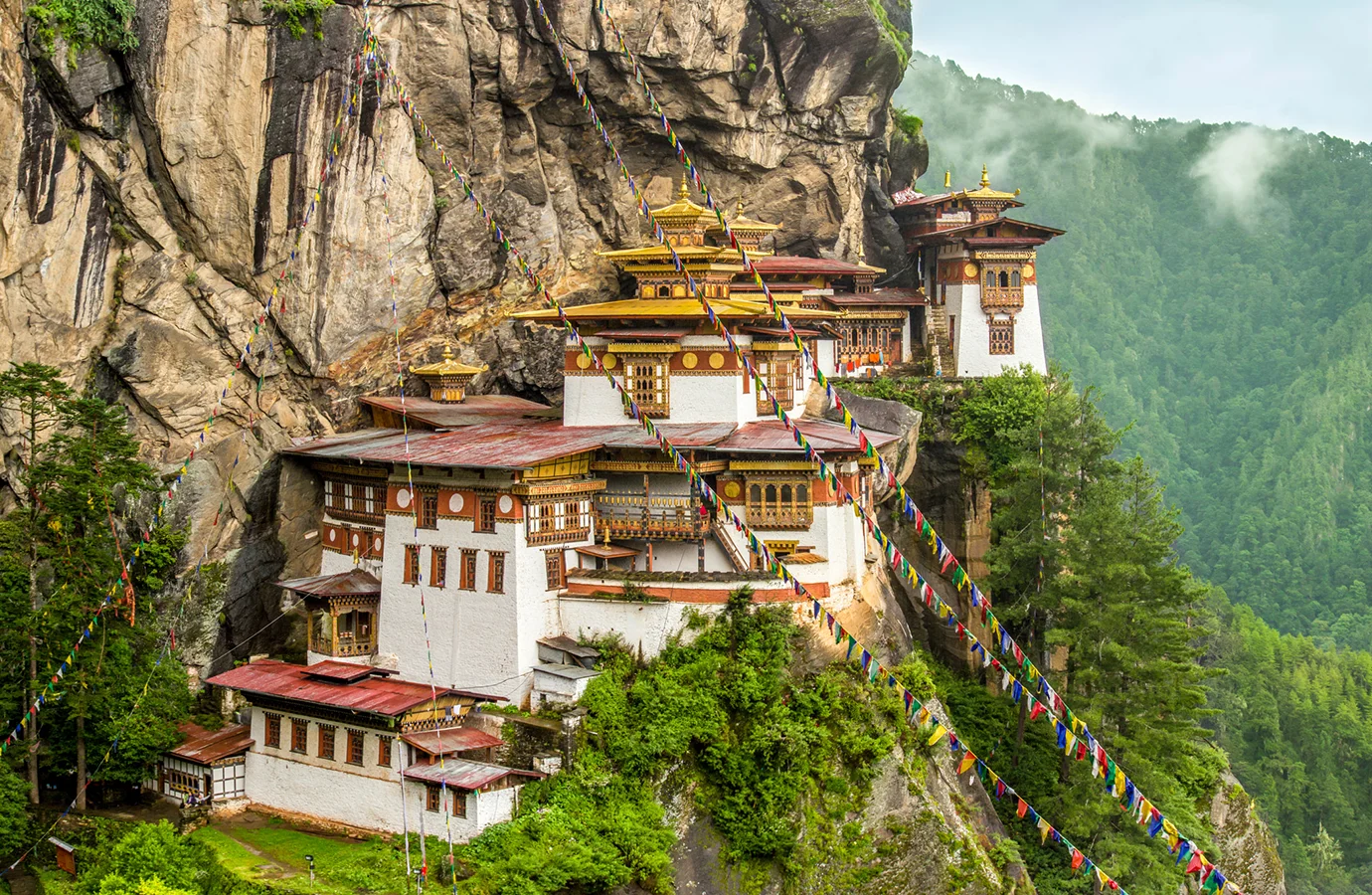
Tiger’s Nest clings to a cliff 3,000 feet above the valley. Golden roofs shine against the dark stone. This site remains the most iconic landmark in Bhutan. Photographers hike early to get the best light. Morning sun hits the monastery directly. Prayer flags add color to the foreground. You use wide lenses to show the scale of the cliff.
Paro Dzong (Rinpung Dzong)
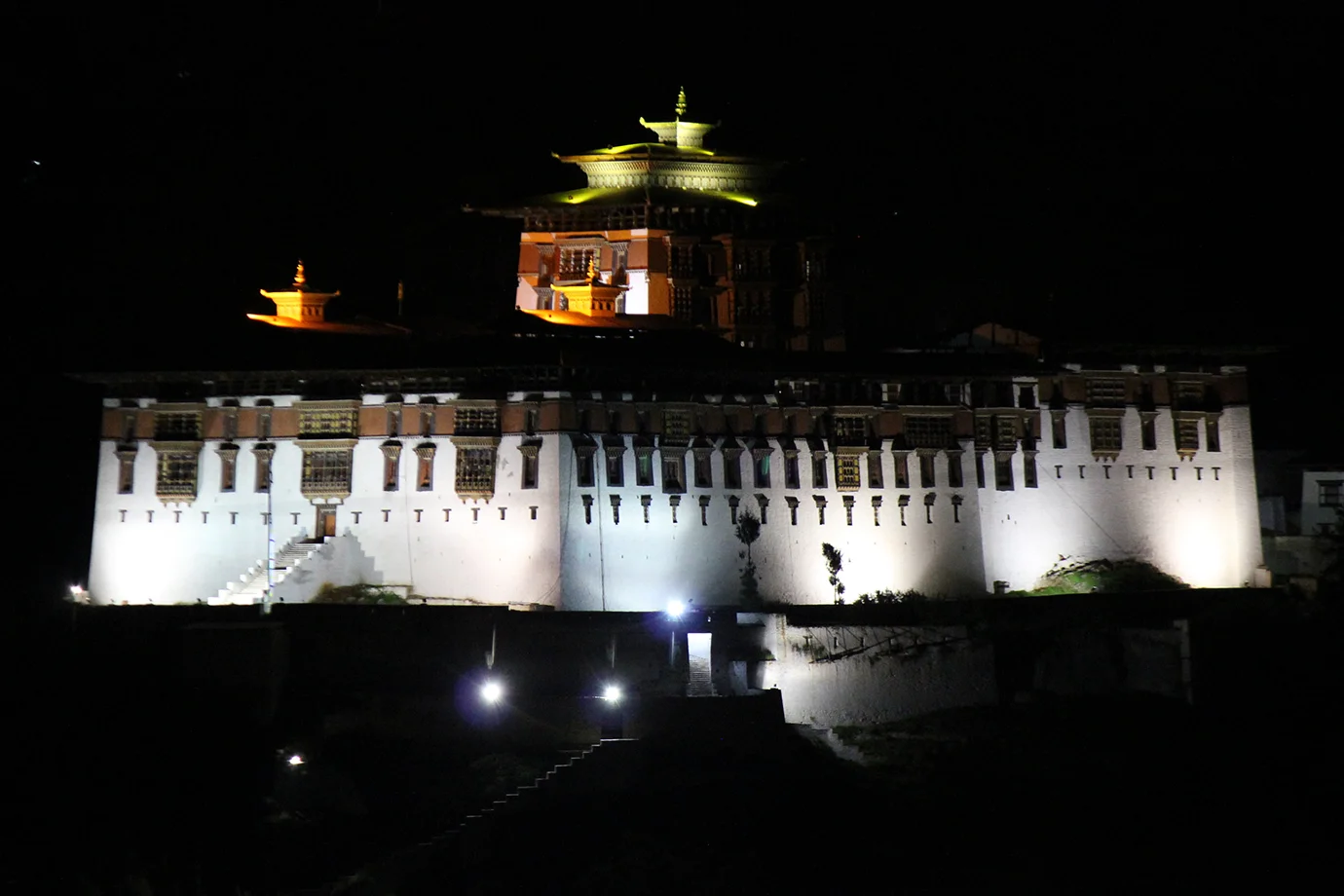
Paro Dzong stands as a massive fortress. White walls and red roofs create a grand view. The Nyamai Zam bridge sits below the fortress. This traditional bridge provides a classic framing for the dzong. At night, the buildings glow with lights. Blue hour shots from across the river look great. You see the reflection of the fortress in the water.
Thimphu Cultural Scenes
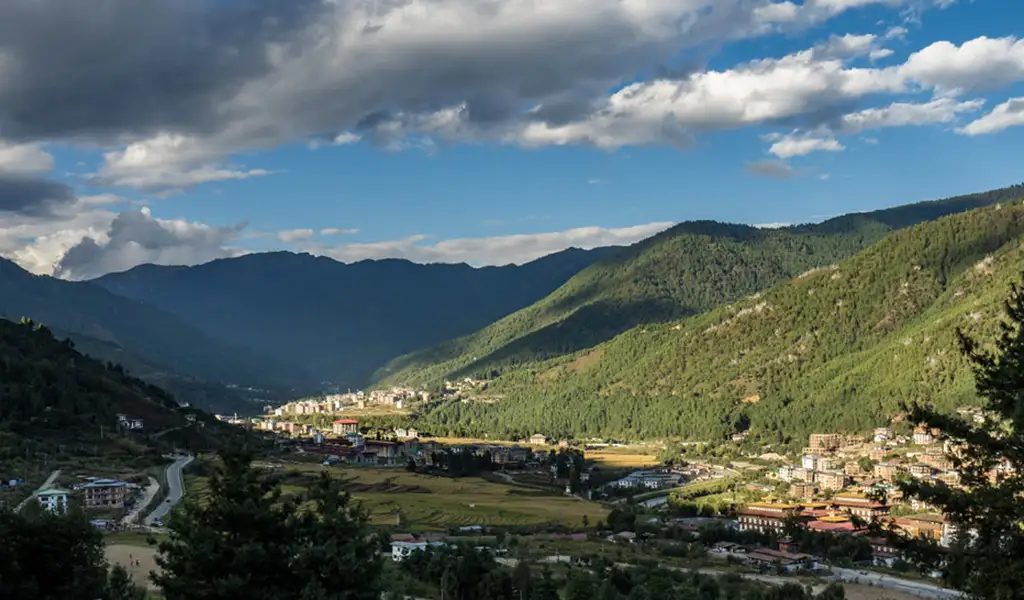
Thimphu offers a mix of urban life and sacred sites. It is the only capital city with no traffic lights.
Buddha Dordenma Statue
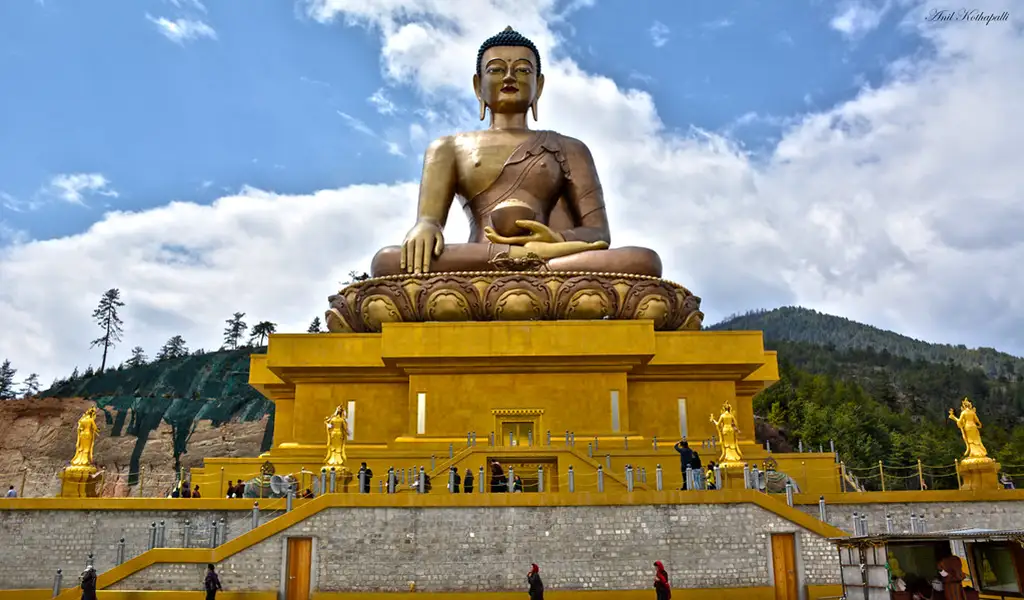
A giant bronze Buddha sits on a hill. The statue stands over 50 meters tall. It overlooks the entire Thimphu valley. Gold paint covers the statue and sparkles in the sun. Photographers visit at sunset for a warm glow. You find small Buddha statues inside the main base. This spot provides a sense of peace and scale.
Memorial Chorten
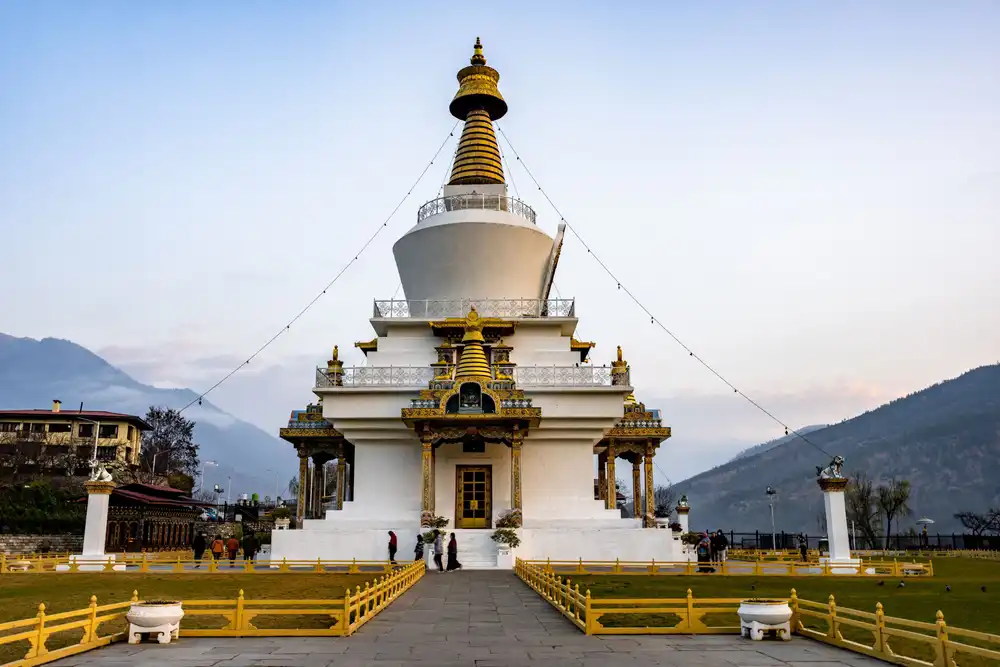
Elders walk around this white stupa all day. They spin prayer wheels and chant quietly. This location offers the best opportunities for street photography. You capture faces full of wisdom and faith. Bright sunlight highlights the white stone of the chorten. The red robes of the monks stand out against the background.
Punakha Valley and River Landscapes
Punakha sits at a lower altitude. The weather feels warmer, and the nature looks lush.
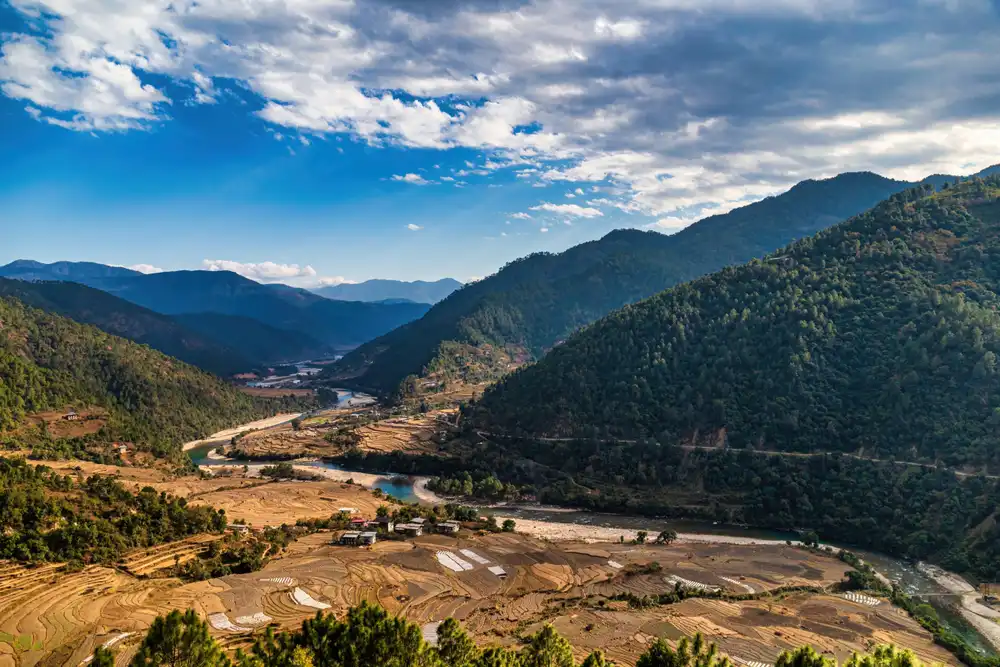
Punakha Dzong
Punakha Dzong sits where two rivers meet. People call it the Palace of Great Happiness. In spring, lilac flowers bloom on jacaranda trees. These flowers frame the white walls of the dzong. You capture the building’s reflection in the Mo Chhu River. The interior courtyards hold beautiful wood carvings.
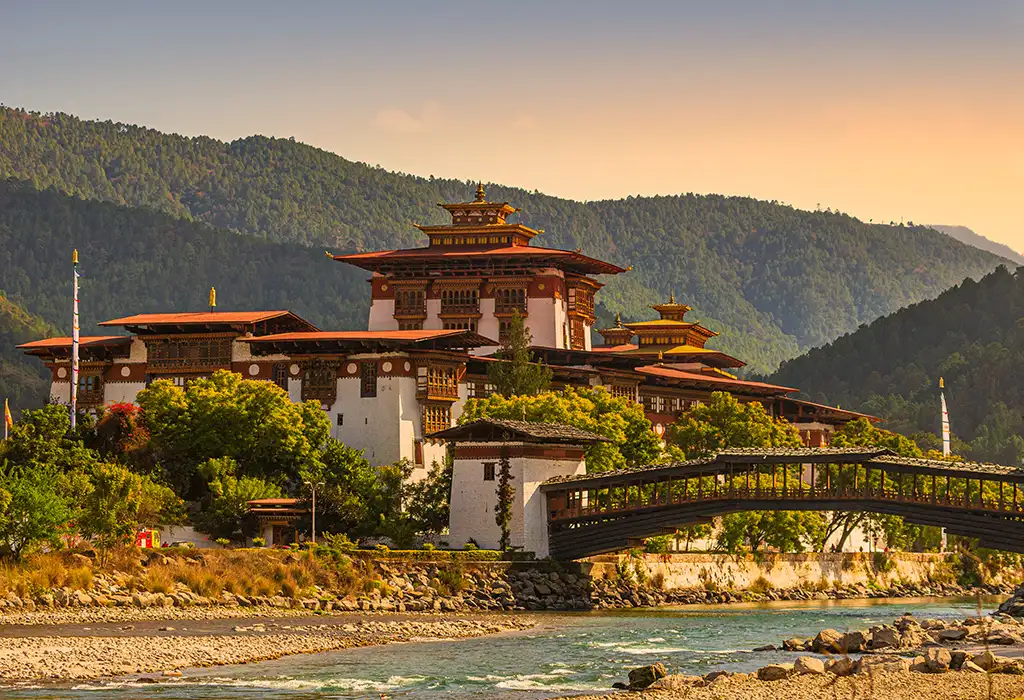
Punakha Suspension Bridge
This bridge remains one of the longest in Bhutan. Prayer flags line the whole length. It connects the dzong to local villages. You use the bridge as a leading line in your photos. People walking across add a sense of life to the scene. The river below flows fast and precisely.
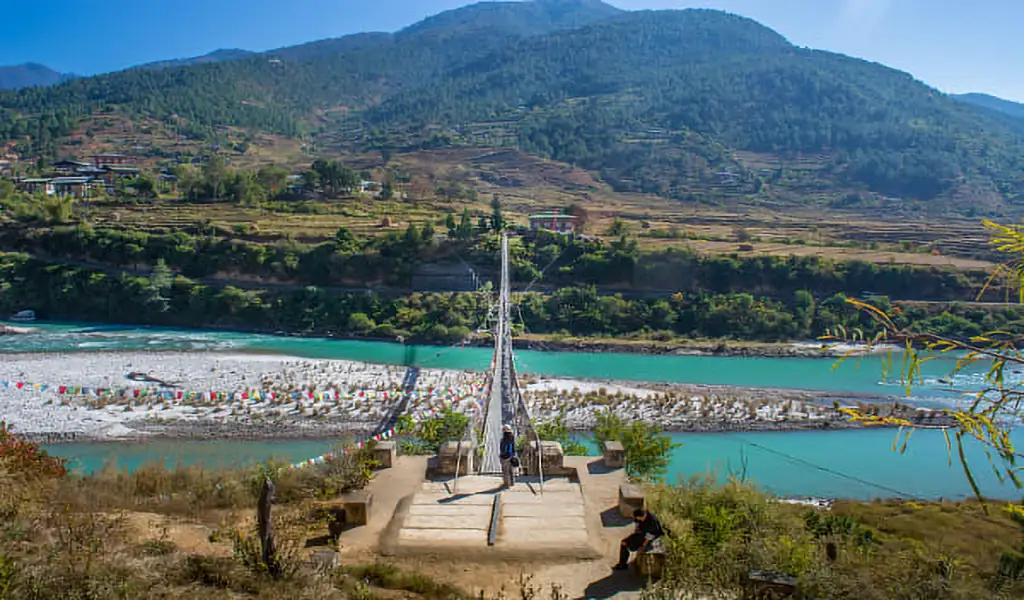
Phobjikha Valley Wildlife and Nature
Phobjikha is a wide glacial valley. It looks different from the narrow valleys of the west.
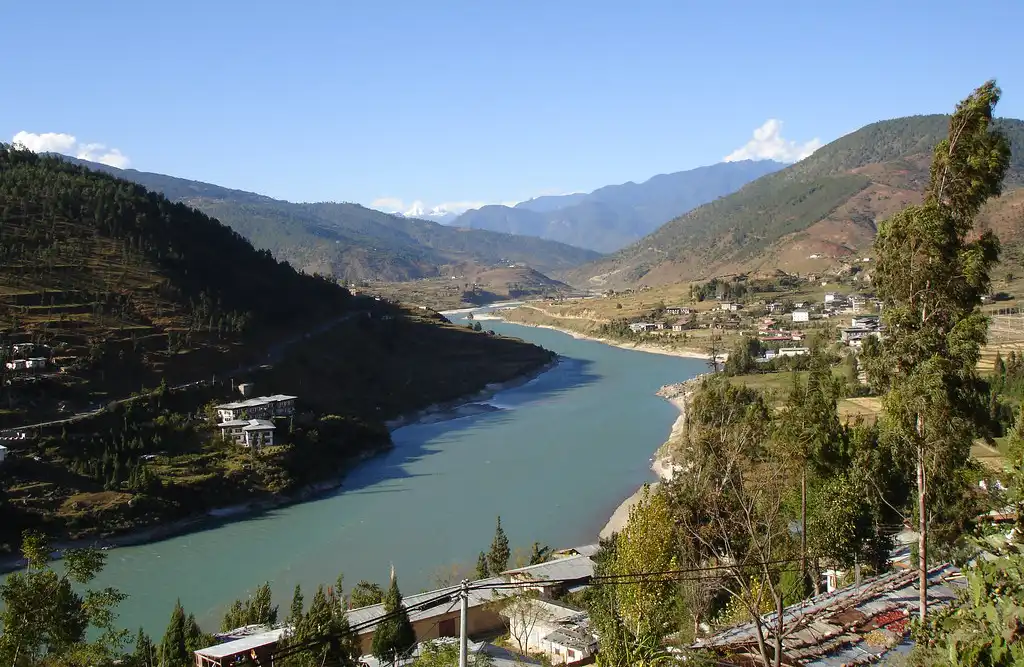
Black-Necked Cranes
Rare cranes fly here every winter. They roost in the marshy valley floor. Photographers use long lenses to capture them. The birds look elegant against the mist of the valley. Gangtey Monastery sits on a ridge above the cranes. This provides a grand backdrop for wildlife shots.
Bumthang Spiritual Heartland
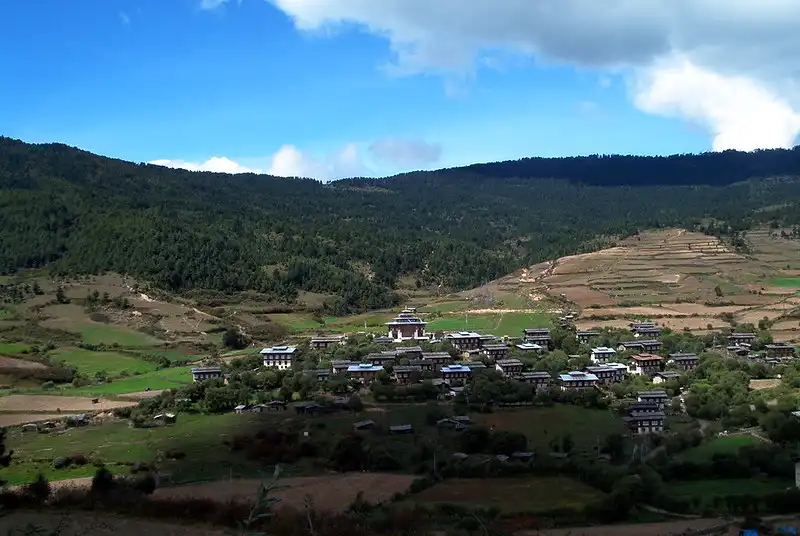
Bumthang is home to the country’s oldest temples. Life here feels very traditional.
Ancient Monasteries
Temples like Jambay Lhakhang date back to the 7th century. You find ancient wall paintings and statues—the light inside stays dim and moody. You use high ISO to capture the atmosphere. Monks often practice rituals in the courtyards. These scenes feel like they belong to a past era.
Rural Village Life
Bumthang villages feature stone houses and buckwheat fields. You see farmers working with traditional tools. Cattle graze in the meadows. These scenes provide great chances for environmental portraits. The hills around Bumthang offer expansive views of the valley.
Dochula Pass Panorama
Dochula Pass sits at 3,100 meters. On clear days, you see the high Himalayan peaks.
108 Chortens
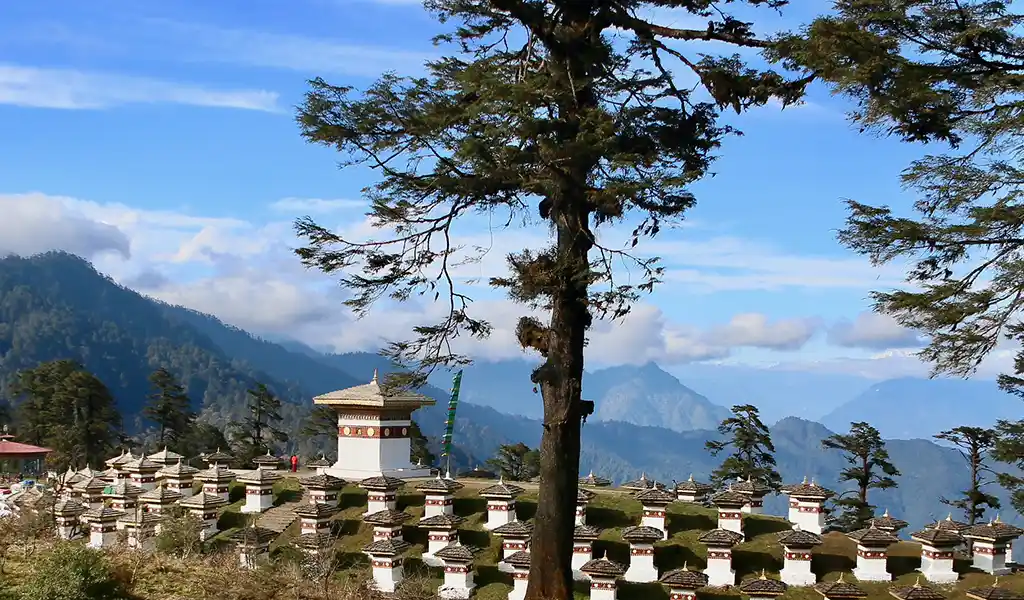
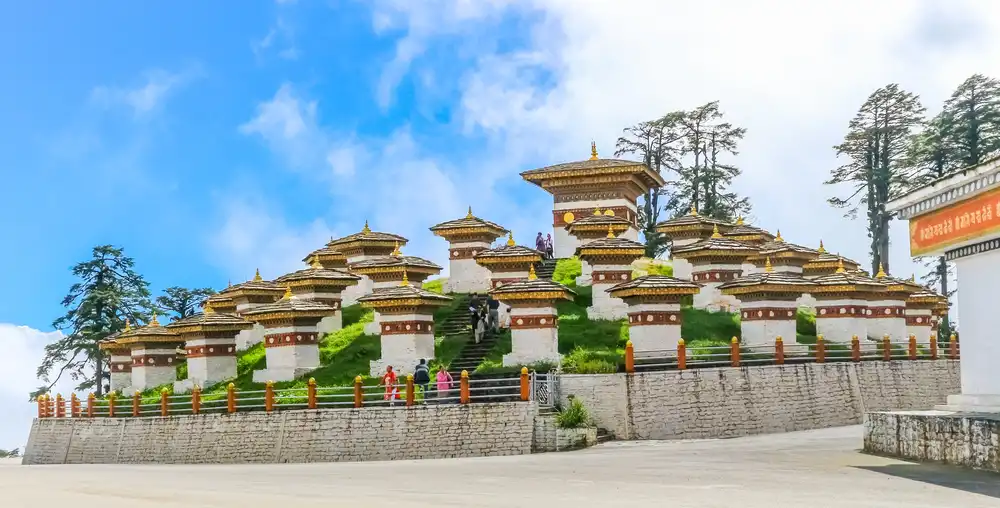
The pass holds 108 small stupas. They sit in a circle on a hill. These stupas honor Bhutanese soldiers. Snow often covers them in winter. Sunrise at Dochula provides a 180-degree view of the mountains. The stupas make an excellent foreground for the sunrise.
| Location | Key Subject | Best Angle |
| Paro | Tiger’s Nest | Opposite cliff view |
| Thimphu | Memorial Chorten | Close-up of prayer wheels |
| Punakha | Punakha Dzong | Riverbank reflection |
| Phobjikha | Glacial Valley | High Ridge Overlook |
| Dochula | 108 Chortens | Wide mountain view |
Festival Photography in Bhutan
Festivals, or Tshechus, mark the high point of a Bhutan photo tour. They celebrate the life of Guru Rinpoche.
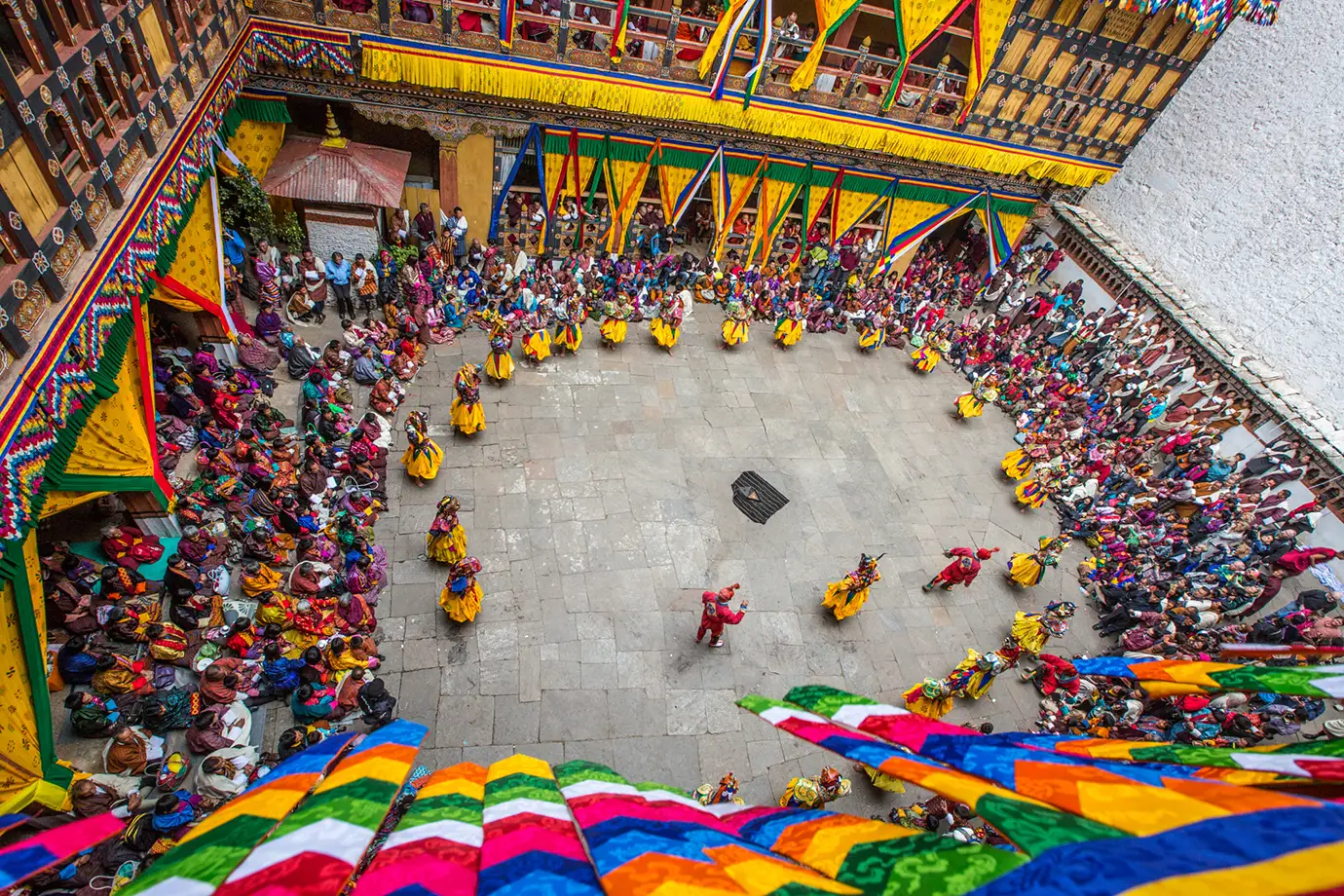
Paro and Thimphu Tshechu
These festivals attract the most people. You see grand mask dances in the dzong courtyards. Monks wear silk robes and carved masks. They spin and jump to the sound of drums. Photographers find a spot early to get a clear view. High-speed shutter settings freeze the dancers’ movements.
Mask Dances (Cham)
Mask dances tell religious stories. Each mask has a special meaning. Some look like animals and others like deities. The colors are very bright. You focus on the masks’ eyes for a powerful shot. Panning your camera creates a sense of motion in the robes.
Portrait Opportunities
Local people wear their best clothes to the festival. Jewelry made of turquoise and coral shines in the sun. Families sit together on the ground. You ask for permission before taking close-up shots. Most people smile and agree. These portraits show the pride and joy of the Bhutanese people.
Respectful Photography Etiquette
Festivals remain sacred events. You move quietly and avoid blocking others. Flash photography is not allowed during the dances. You stay behind the line set for visitors. Wearing a traditional Gho or Kira shows respect. Your guide helps you find the best spots without disturbing the ritual.
Landscape Photography Tips for Bhutan
Capturing the mountains requires a specific approach. The light changes fast at high altitudes.
Golden Hour Timing
The best light happens just after sunrise and before sunset. The sun sits low, creating warm colors. Shadows add depth to the mountain ridges. You arrive at your spot an hour early to prepare. In Bhutan, the sun sets quickly behind the high peaks.
Mountain Light Conditions
High contrast often creates problems for cameras. Bright snow and dark forests make it hard to get a good exposure. You use exposure bracketing to capture all the details. A polarizing filter helps cut the glare from the sun. It also makes the sky’s blue much deeper.
Framing Dzongs with Rivers
Rivers often flow near the fortresses. You use the water as a foreground element. Reflections add symmetry to your shot. Rocks in the river create interesting textures. You use a slow shutter speed to make the water look smooth. A tripod keeps your camera steady for these long shots.
Leading Lines in Valleys
Roads and trails wind through the valleys. These lines guide the viewer’s eye into the photo. You find a high spot to see the whole valley floor. Rice terraces create beautiful patterns. These curves make the scenery look more dynamic.
Cultural and Portrait Photography Tips
Bhutanese people are friendly and dignified. Capturing their spirit requires a soft touch.
Ask Permission
Always ask before taking a photo of someone. A simple nod or a smile works well. Most people feel honored by your interest. If they say no, you respect their choice and move on. Building a connection first leads to better photos.
Use Natural Light
Soft light from windows works best for indoor portraits. You find monks reading in the temples. The light highlights their faces and robes. Avoid using flash as it looks harsh and ruins the mood. In the sun, you find a shaded spot to avoid hard shadows on faces.
Capture Traditional Dress
The Gho and Kira have complex woven patterns. You take close-up shots of the fabric. These details show the skill of the Bhutanese weavers. People feel proud when you notice their clothes. Bright colors look great against the simple stone walls of the temples.
Photograph Monks Respectfully
Monks represent the spiritual heart of the country. You capture them during their daily chores or prayers. Do not disturb them while they meditate. You stay at a distance and use a zoom lens. This keeps the moment authentic. Their red robes offer a strong contrast against the green landscape.
Wildlife Photography in Bhutan
Bhutan protects its animals and birds. You find many rare species in the national parks.
Black-Necked Cranes
These cranes are the stars of Phobjikha. They fly in from Tibet every winter. You find them in the wetlands from November to February. They look elegant with their long necks and black tails. You use a tripod and a long lens for the best results.
Himalayan Birds
Over 700 bird species live in Bhutan. You find colorful pheasants and hornbills in the forests. The Satyr Tragopan remains a top target for birders. Early morning is the best time to see them. Your guide helps you hear their calls and spot them in the trees.
Yaks and Rural Livestock
Yaks live in the high alpine regions. They have thick fur and long horns. You find them grazing near the high passes. They look grand against the snow peaks. Local cows and horses roam the lower valleys. These animals add a sense of life to your shots of rural scenery.
Recommended Camera Gear for Bhutan
Carrying the right gear makes your Bhutan Photography Tour a success. You must balance quality with weight for the hikes.
Camera Body
A DSLR or mirrorless camera works best. Mirrorless cameras are lighter for long walks. You want a body that handles low light well. Most temples have dim interiors. A weather-sealed body protects your gear from dust and rain.
Lenses
A wide-angle lens (16-35mm) captures the vast mountain vistas. This lens also works well inside dzong courtyards. A telephoto lens (70-200mm) helps you get close-ups of dancers and wildlife. A prime lens (35mm or 50mm) is great for portraits. It allows for a shallow depth of field.
Accessories
- Tripod: A light tripod is a must for sunrise and night shots.
- ND Filters: These help you get smooth water in the rivers.
- Extra Batteries: Cold mountain air drains batteries fast.
- Memory Cards: You take many photos during the festivals.
- Cleaning Kit: Dust on the roads can get on your lenses.
Drone Photography in Bhutan
Bhutan has stringent drone rules. You must know them before you travel.
Strict Regulations
The government forbids tourists from flying drones. Only government agencies get permits for drone use. You cannot fly for personal or commercial reasons. If you bring a drone, you must declare it at the airport. Customs will keep it until you leave the country.
Where Drones Are Not Allowed
Even with a permit, drones cannot fly over certain areas. Yellow roofs signify religious buildings and are off-limits. Fortresses and military sites are also no-fly zones. Breaking these rules leads to high fines or the loss of your gear. It is best to leave your drone at home.
Bhutan Photography Tour Itinerary Example
A 10-day tour covers the most photogenic spots. This route provides a good mix of culture and nature.
- Day 1: Arrive in Paro. Transfer to Thimphu. Sunset at Buddha Dordenma.
- Day 2: Thimphu Sightseeing. Memorial Chorten and Farmers Market.
- Day 3: Thimphu to Punakha. Sunrise at Dochula Pass. Visit Punakha Dzong.
- Day 4: Punakha to Phobjikha. Drive through high forests. Evening crane watching.
- Day 5: Phobjikha to Bumthang. Long drive with mountain views.
- Day 6: Bumthang Sightseeing. Oldest temples and village walks.
- Day 7: Bumthang to Trongsa. Visit Trongsa Dzong on the cliffside.
- Day 8: Return to Punakha via Trongsa. Capture the riverside scenery.
- Day 9: Punakha to Paro. Hike to Tiger’s Nest Monastery.
- Day 10: Departure from Paro. Morning shots of the valley.
Bhutan Photography Tour Cost
Bhutan is not a budget destination. The government focuses on high-quality tourism.
Sustainable Development Fee (SDF)
Every visitor pays a daily fee of USD $100. The Sustainable Development Fee supports the country’s growth and its natural environment. Indian citizens pay a lower cost of 1,200 Ngultrum. This fee does not cover your hotel or food. You pay this fee for every night you stay in the country.
Budget vs Luxury Tours
A standard tour costs about USD $250 to $350 per day. This includes a 3-star hotel, meals, a guide, and a driver. Luxury tours cost much more, often over $1,000 per day. These tours use high-end hotels and private transport. Festival tours usually cost more because hotels fill up fast.
| Tour Type | Daily Cost (Est) | Inclusions |
| Standard | $250 – $350 | 3-Star Hotel, All Meals, Guide |
| Deluxe | $400 – $800 | 4-Star Hotel, Private Vehicle |
| Luxury | $1,000+ | 5-Star Lodge, Private Access |
Luxury Photography Experiences
Some photographers want extra comfort and special access. Bhutan has world-class luxury options.
Helicopter Scenic Flights
You can hire a helicopter to see the high peaks. This provides a view that few people ever see. You fly over remote valleys and glaciers. It is the best way to capture the scale of the Himalayas.
Private Monastery Access
Luxury tours can arrange private visits to certain temples. You get to see areas that are closed to the public. You have more time to set up your shots without crowds. This allows for a deep study of the architecture and art.
Premium Hotels with Scenic Views
Hotels like Six Senses and Amankora sit in prime spots. You see the sunrise over the mountains from your bed. These lodges use natural materials that look great in photos. They provide a high level of peace and service.
Responsible Photography in Bhutan
Bhutan values its traditions and environment. You must photograph with a kind heart.
Respect Religious Ceremonies
Monasteries are active places of worship. Do not talk loudly or move fast inside. Wait for the right moment to take a photo outside. Never turn your back on a Buddha statue to take a selfie. Your guide tells you when to put your camera away.
No Flash in Monasteries
Flashlight can damage old paintings and statues. It also disturbs the people praying. You use a high ISO or a wide aperture instead. If it is too dark, you enjoy the moment with your eyes.
Cultural Sensitivity
Do not photograph scenes of suffering or private grief. Be mindful of how you share your photos online. You represent your country while you travel. Being polite helps keep the doors open for future photographers.
FAQs for Bhutan Photography Tour
Q: Is Bhutan suitable for photography?
A: Bhutan is a paradise for photographers. It offers unique mountain scenery and a rich culture. The light is clear, and the people are photogenic. You find many spots that have not been over-photographed.
Q: Do I need a permit for photography in Bhutan?
A: You do not need a special permit for personal photography. Your tour guide handles all temple and district entry permits. Professional filming requires a different process and extra fees.
Q: Can I bring a drone to Bhutan?
A: No, tourists cannot bring drones to Bhutan. Customs will take your drone at the airport. It is better to leave it at home to avoid any trouble.
Q: What is the best month for photography in Bhutan?
A: October and November are the best months. You get clear skies and many festivals. March and April are also suitable for the spring flowers.
Q: Is Bhutan safe for photographers?
A: Bhutan is very safe for all travelers. The crime rate is exceptionally low. You can walk around with your gear without worry. Always watch your step on the steep mountain trails.
Final Preparation Tips
Check your gear before you leave. Bring extra lens caps and a rain cover for your bag. Mountains can have sudden weather changes. Pack a warm jacket even in summer. Your Bhutan Photography Tour will be a grand experience. You come home with photos that tell a story of a hidden kingdom.