


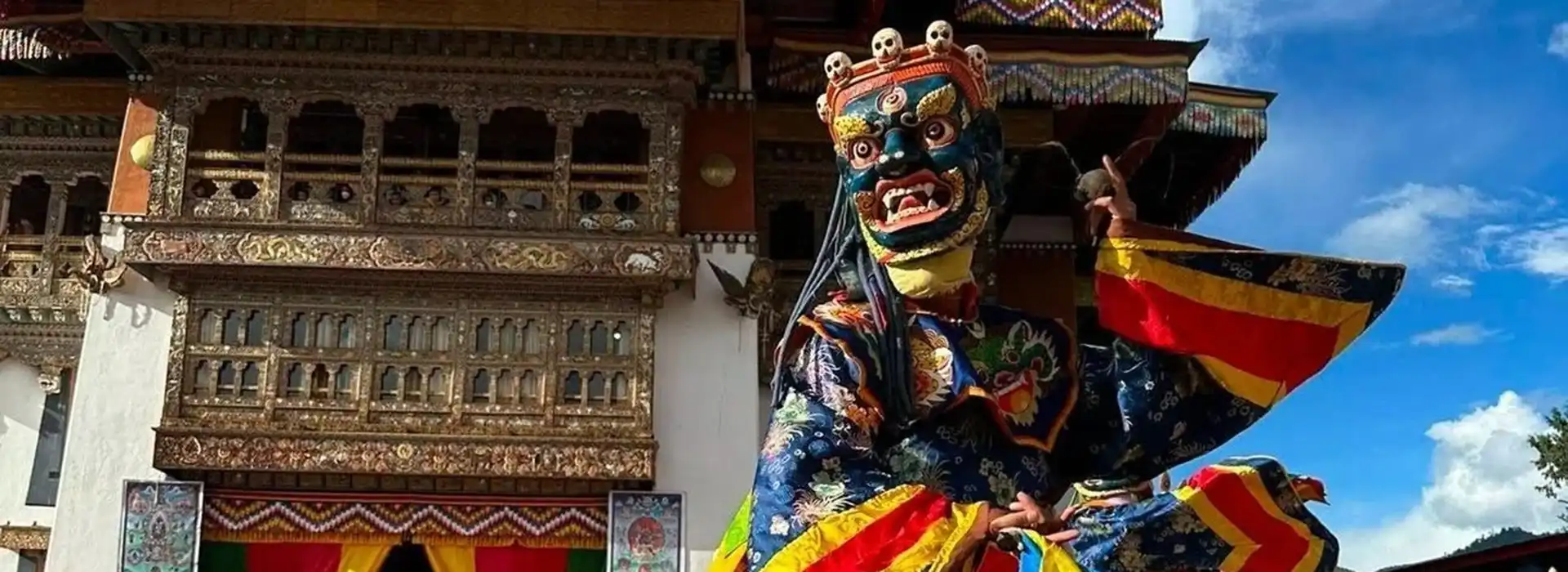

Bhutan sits deep in the Eastern Himalayas. People call it the Land of the Thunder Dragon. Faith guides every part of life here. A Bhutan Spiritual Tour connects travelers to ancient roots. Buddhism is not just a religion in this country. It is a way of living. Monasteries cling to high cliffs. Prayer flags fly in the wind. Red-robed monks chant in old halls. The air smells like incense and juniper.
A Bhutan Spiritual Tour offers a chance to slow down. The government follows Gross National Happiness. They value peace and nature over money. This choice makes Bhutan unique. Most people live in quiet valleys. They respect all living things. Visitors find a place for deep reflection. The mountains offer silence. The temples provide wisdom.
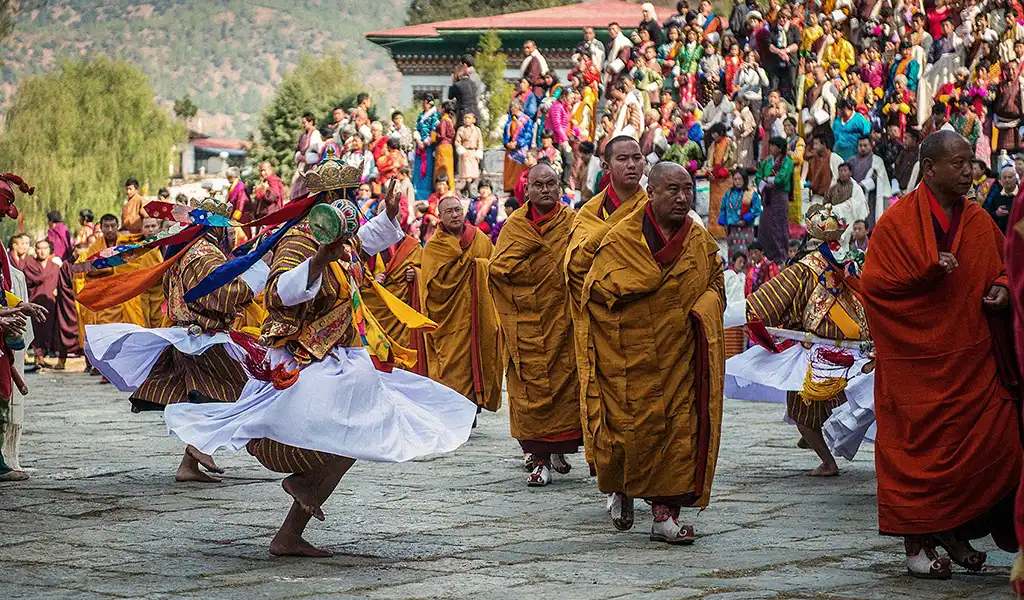
Vajrayana Buddhism remains the main faith. It uses rituals and meditation to reach enlightenment. Monks study for many years. They learn logic, debate, and philosophy. A Bhutan monastery tour offers a close look at these traditions. Travelers see monks pray at dawn. They watch villagers spin prayer wheels. Every action builds good karma.
| Features of Bhutan | Spiritual Significance |
| High Mountains | Homes for local deities and spirits |
| Prayer Flags | Mantras carry blessings on the wind |
| Dzongs | Centers for religion and government |
| Chortens | Symbols of the Buddha’s mind |
Roots of Buddhism in the Himalayas
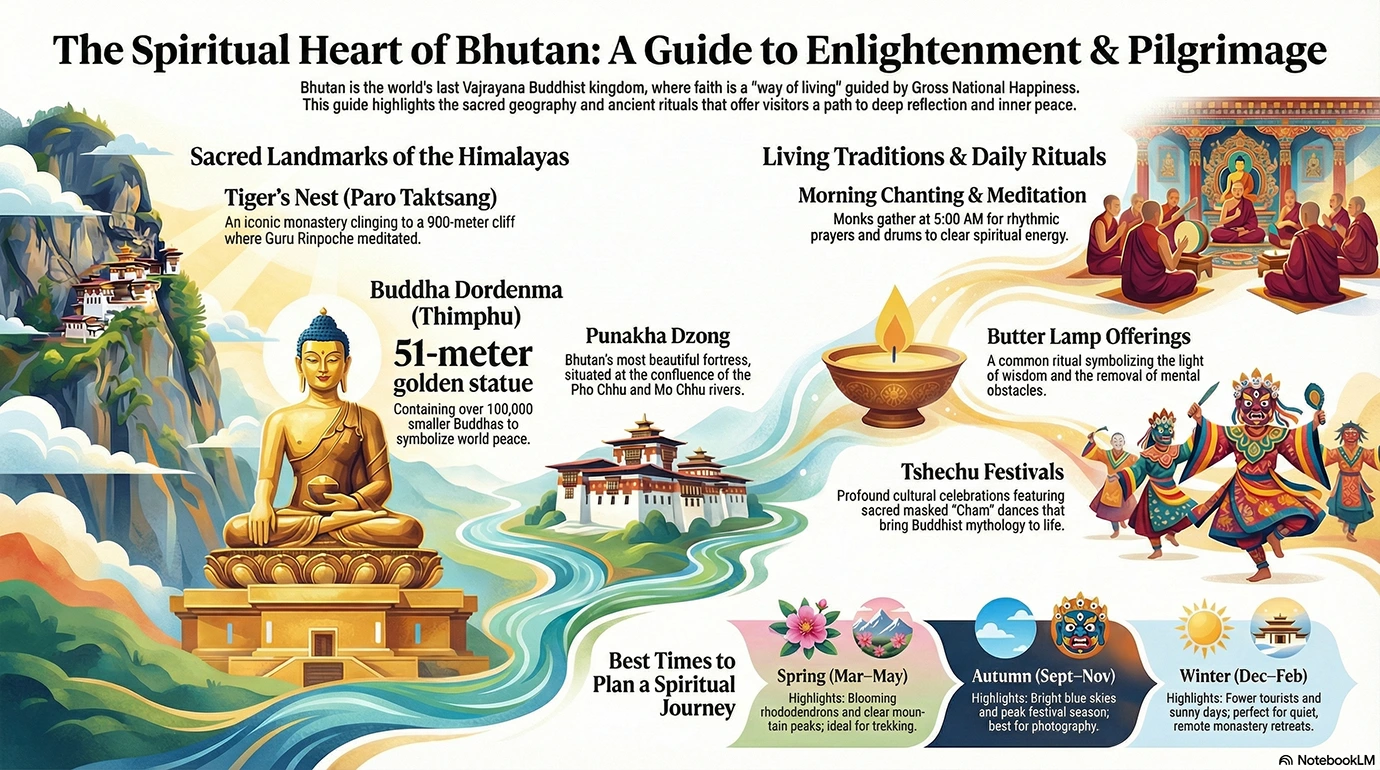
Buddhism arrived in Bhutan during the 7th century. King Songtsen Gampo of Tibet built the first temple. He wanted to pin down a giant demoness that covered the whole Himalayan region. He built the Kyichu Lhakhang in Paro. He also built the Jambay Lhakhang in Bumthang, which remains sacred to date.
In the 8th century, Guru Rinpoche arrived in Bhutan, and people came to revere him as the Second Buddha. He brought Vajrayana teachings from India, and according to legend, he flew on the back of a tigress, meditated in caves across the land, subdued local spirits, and transformed them into protectors of the faith.
Later, the Drukpa Kagyu lineage became the state religion, shaping both the country’s spiritual and political life. In the 17th century, Zhabdrung Ngawang Namgyal unified Bhutan and established a strong central authority. He built impressive fortresses known as dzongs, which served as both monastic centers and administrative headquarters, while also guarding the valleys from invaders. At the same time, the Nyingma tradition continued to thrive, preserving and practicing the ancient teachings of Guru Rinpoche.
Primary Locations for a Buddhist Pilgrimage in Bhutan
A Buddhist pilgrimage in Bhutan covers several valleys. Each valley has a unique feel. Paro holds the main airport. It serves as the gateway for travelers.
Paro Valley Sites
The Tiger’s Nest Monastery is the most famous site. Its local name is Paro Taktsang. The buildings sit on a 900-meter-high cliff. Guru Rinpoche meditated here for three months. The hike to the top takes several hours. You walk through pine forests where you can see waterfalls and prayer flags. Kyichu Lhakhang sits on the valley floor. It is one of the oldest shrines in Bhutan. A giant orange tree grows in the courtyard, bearing fruit year-round. People believe the tree is a miracle. Inside, old murals show the life of the Buddha.
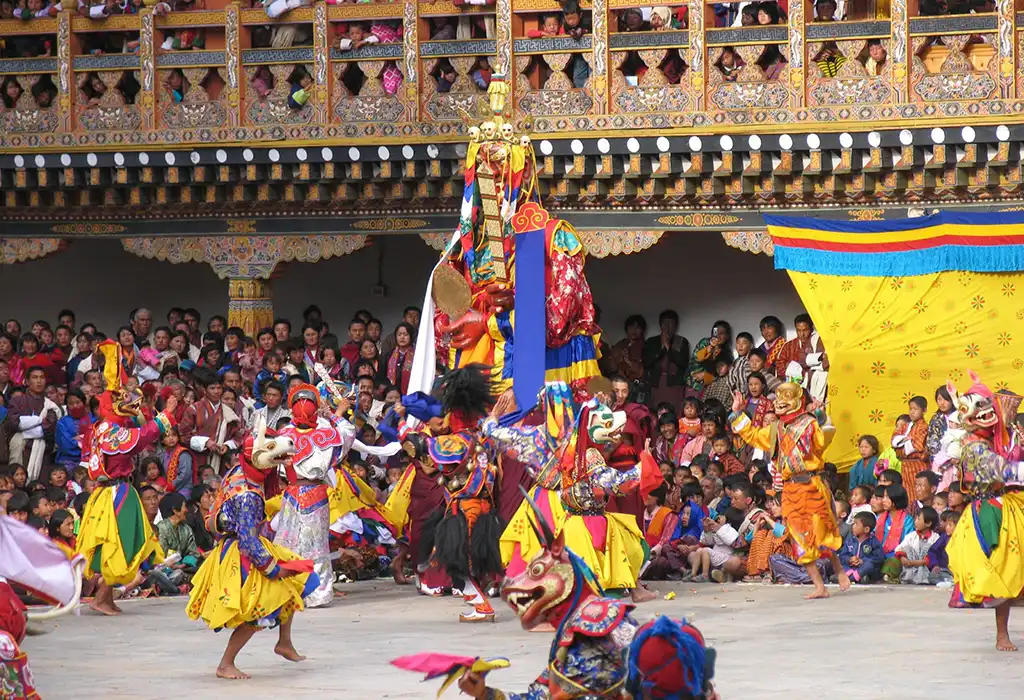
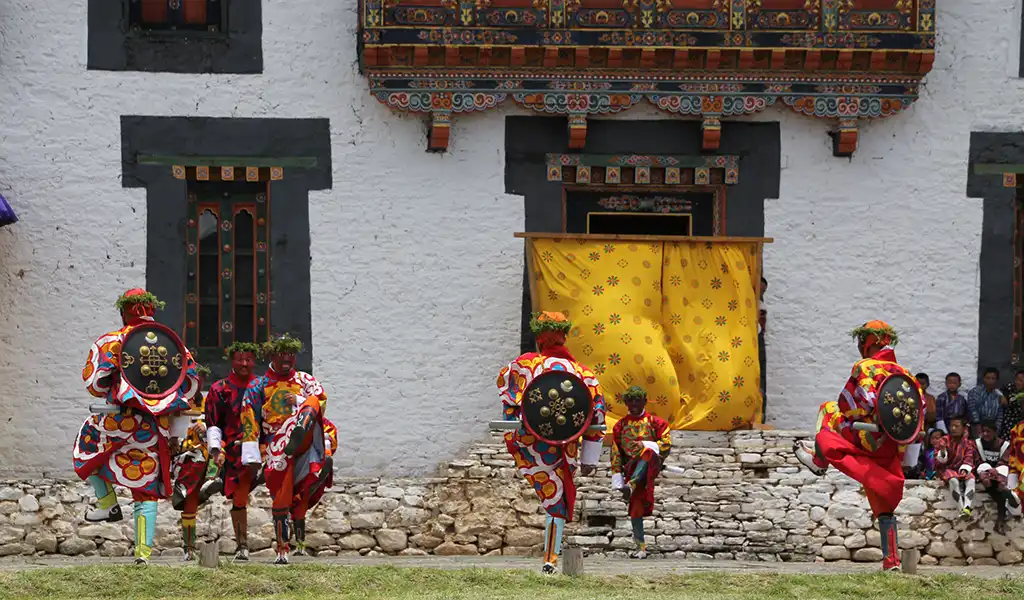
Rinpung Dzong overlooks the Paro River. Its name means Fortress of the Heap of Jewels. A wooden bridge leads to the gate. The dzong houses many sacred statues and hosts a large festival every spring. Monks perform mask dances in the courtyard.
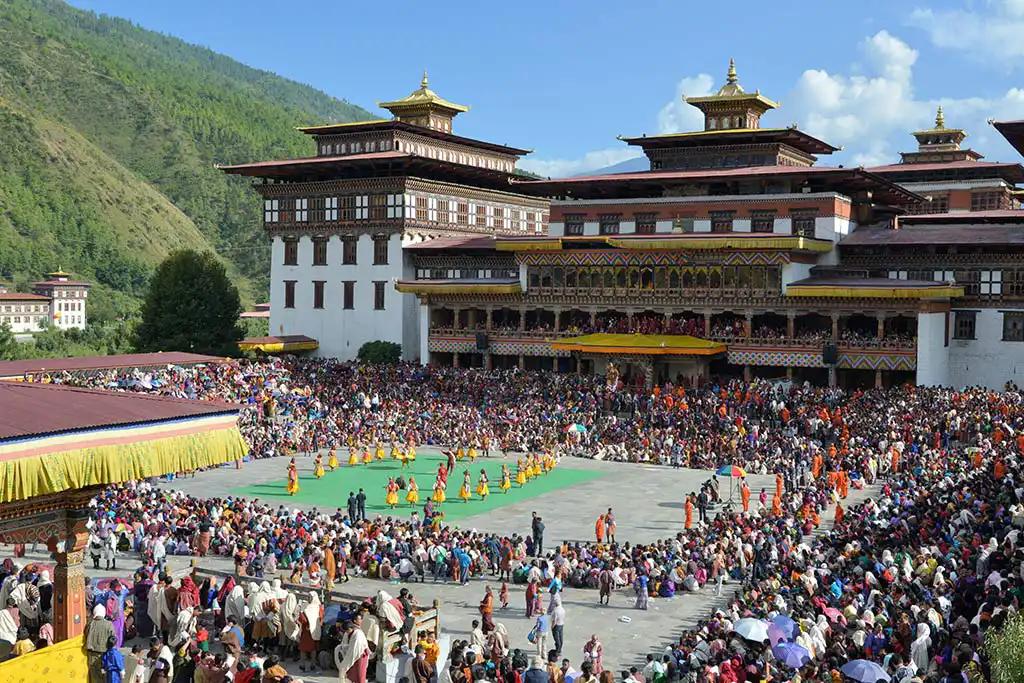
Thimphu Capital Sites
Thimphu is the capital city. It blends new life with old ways. The Buddha Dordenma statue stands on a hill. It is a 51-meter golden Buddha. The statue holds over 100,000 small Buddhas inside. It symbolizes peace for the whole world. The National Memorial Chorten sits in the city center. People walk around it all day. They spin prayer wheels and pray. The chorten honors the Third King of Bhutan. It is a heart for the local community. Tashichho Dzong sits by the river. It houses the King’s throne room. It also serves as the summer home for monks. The building looks grand at night, lit up.
Punakha Valley Sites
Punakha has a warm climate. Punakha Dzong sits at the meeting of two rivers. The Pho Chhu and Mo Chhu rivers flow here. This dzong is the most beautiful in Bhutan. It holds the sacred remains of the Zhabdrung. Chimi Lhakhang is the Fertility Temple. It honors Lama Drukpa Kuenley. People call him the Divine Madman. He uses humor to teach Buddhism. Couples visit the temple for blessings. You walk through rice fields to reach it.
Bumthang Spiritual Heartland
Bumthang is the spiritual heartland of Bhutan. It holds four valleys. The region has many old temples and monasteries. Jambay Lhakhang dates back to the 7th century. It hosts a famous festival with a night dance. Kurjey Lhakhang is very sacred. A rock inside shows Guru Rinpoche’s body print. The complex has three main temples. Tamshing Lhakhang stands nearby. It holds old wall paintings from the 16th century. Saint Pema Lingpa built this temple.
| Major Temple | Location | Known For |
| Tiger’s Nest | Paro | Cliffside location, Guru Rinpoche cave |
| Buddha Dordenma | Thimphu | Giant golden statue, 125,000 small Buddhas |
| Punakha Dzong | Punakha | River confluence, beautiful architecture |
| Kurjey Lhakhang | Bumthang | Body imprint of Guru Rinpoche |
Why Choose a Bhutan Spiritual Tour?
Bhutan offers an honest look at Buddhist culture. Faith is not a show for tourists. You see monks study and pray every day. The air is clean. The mountains are quiet. This setting helps with meditation. You can join a small group or a private tour. Private tours let you set the pace. You spend more time at sacred spots. Small groups offer a chance to share the experience. Both options provide expert guides. Guides explain the history and meanings of symbols.
Bhutan is the last Vajrayana kingdom. This type of Buddhism uses fast ways to reach peace. It includes chanting, visualization, and ritual. A Bhutan Spiritual Tour lets you see these deep traditions. You connect with a living history.
Meditation Retreat Bhutan Experiences
Meditation retreat in Bhutan: options vary. Some people want a short session. Others wish to go on a long retreat. Monasteries offer the best setting for peace.
Guided Meditation with Monks
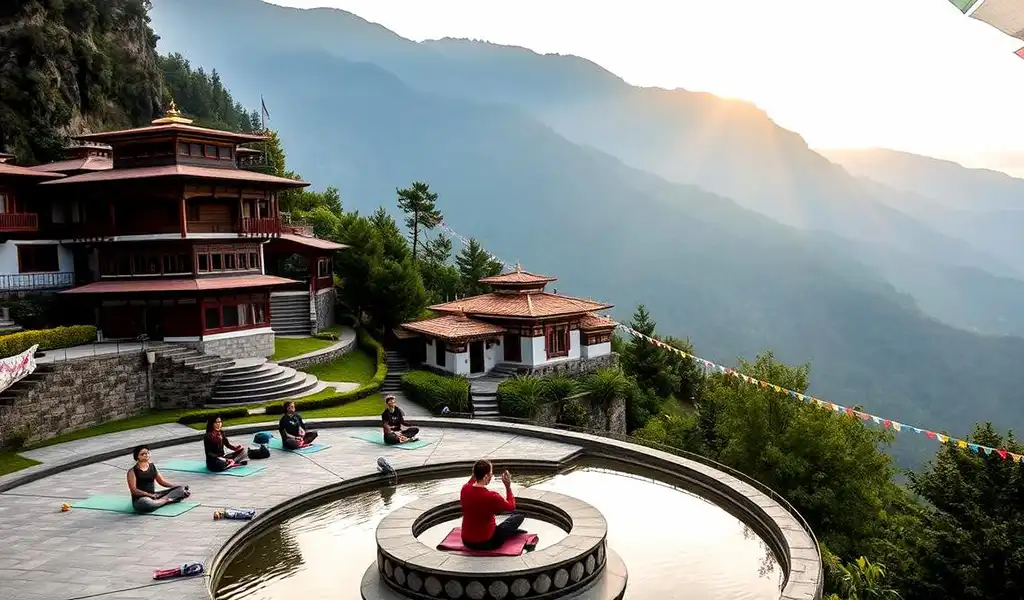
Monks lead meditation in many temples. They teach basic breathing. You learn to calm the mind. These sessions often happen in the morning. The sound of chanting helps you focus. You sit on cushions in the prayer hall.
Silent Retreats in Monasteries
Silent retreats take place in remote areas. Phajoding Monastery is one such spot. It sits high above Thimphu. Monks here follow a vow of silence. You can join for a few days. You live. You focus only on your inner self.
Forest Meditation Spots
Bhutan has giant forests. Nature provides a natural temple. You can practice walking meditation on mountain trails. You feel the earth under your feet. You breathe the fresh air. This practice connects you to the elements.
Mindfulness and Breathing
Mindfulness is a daily habit in Bhutan. Schools start with a few minutes of meditation. You learn to watch your breath. You let thoughts pass like clouds. This simple technique reduces stress. It helps you stay in the present moment.
Bhutan Monastery Tour Experience
A Bhutan monastery tour shows the heart of the community. Monasteries are schools and centers for rituals.
Morning Prayer Ceremonies
Monks wake up very early. They gather in the main hall at 5:00 AM. They chant prayers for the world. You can listen to the deep drums. You watch them read long prayer books. The atmosphere is calm and holy.
Butter Lamp Offerings
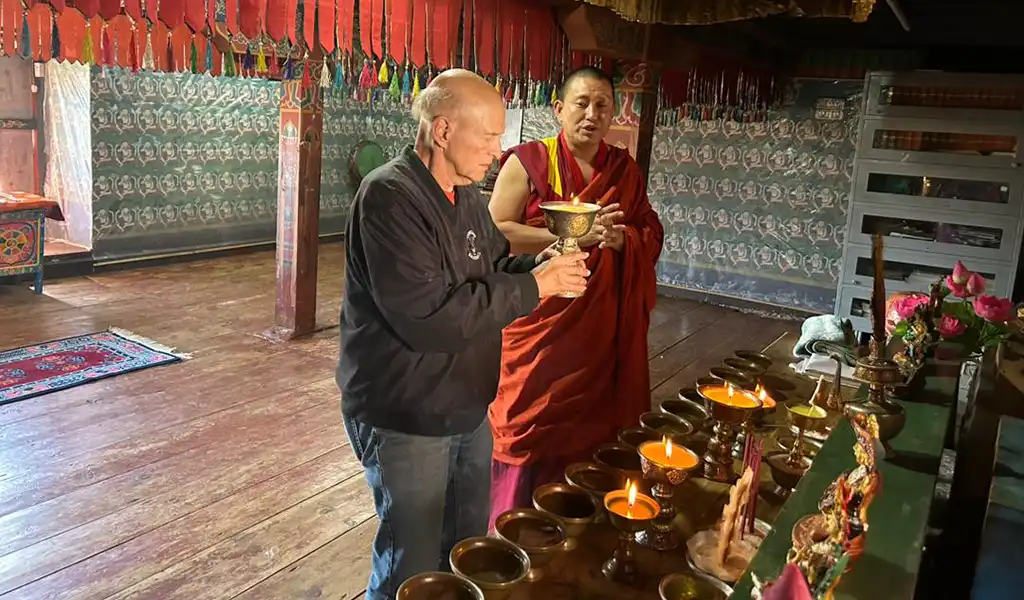
Lighting a butter lamp is a familiar ritual. It symbolizes wisdom and light. You offer lamps to the Buddha. This act helps remove mental fog. Many people provide lamps for their families.
Chanting and Blessings
Monks use chants to clear energy. You might receive a private blessing. A senior monk may tie a red string around your neck. This string offers protection. You can also attend a Tshewang ceremony for long life.
Sample Bhutan Spiritual Tour Itinerary
A standard trip lasts 7 to 10 days. This time allows your body to adjust to the height.
- Day 1–2: Paro. Arrive at the airport. Meet your guide. Visit Rinpung Dzong. Hike to Tiger’s Nest on the second day. Practice evening meditation to relax.
- Day 3–4: Thimphu. Drive to the capital. Visit the Big Buddha. See the Memorial Chorten. Attend a dharma talk at a monastery. Get an astrology reading.
- Day 5–6: Punakha. Cross Dochula Pass. See the 108 stupas. Visit Punakha Dzong. Walk to the Fertility Temple. Meditate by the river.
- Day 7–9: Bumthang. Fly or drive to central Bhutan. Visit the four valleys. Stay in a local monastery guest house. Attend morning prayers with monks.
- Day 10: Departure. Return to Paro. Take your final flight. Carry the peace of the mountains home.
Bhutan Spiritual Tour Cost Breakdown
Government rules govern travel costs in Bhutan. These fees support the country’s development.
Sustainable Development Fee (SDF)
All visitors must pay the SDF. It costs 100 USD per night per adult. Children aged 6 to 12 pay 50 USD. Kids under 6 are free. This money pays for free healthcare and schools. It also protects the environment.
Visa and Entry Fees
The visa costs 40 USD per person. You pay this once. Entry fees for temples are separate. Tiger’s Nest costs about 25 USD. Other sites cost around 13 USD. These fees help maintain the old buildings.
Accommodation Options
You can choose different hotel levels. Standard 3-star hotels cost 40-100 USD per night. Luxury resorts cost 300 to 1,000 USD or more. Monastery guest houses are cheap and straightforward. They usually ask for a donation.
| Cost Item | Estimated Range (USD) | Notes |
| SDF (per night) | $100 | Mandatory for adults |
| Visa Fee | $40 | One-time payment |
| 3-Star Hotel | $40 – $100 | Clean and comfortable |
| Luxury Resort | $300 – $1,000+ | High-end wellness facilities |
| Temple Entry | $13 – $25 | Per site |
Transport and Guides
Most tours include a private car and guide. A private driver ensures safety on mountain roads. Your guide translates during visits with monks. This service costs between 150 and 250 USD per day as part of a package. Starting January 1, 2026, a 5% GST applies to these services.
Best Time for a Bhutan Spiritual Tour
The weather affects your ability to hike and see views.
- Spring (March–May). Temperatures are pleasant. Flowers like rhododendrons bloom. You see clear mountain peaks. This is a popular time for trekking.
- Autumn (September–November). The air is apparent. The sky is bright blue. Many festivals happen during these months. It is the best time for photography.
- Winter (December–February). It is cold but sunny. There are fewer tourists. You can see the black-necked cranes. This season is perfect for quiet retreats.
- Summer (June–August). This is the rainy season. Clouds often cover the mountains. The landscape is very green. Roads can be slippery.
What to Pack for a Bhutan Spiritual Tour
Packing right makes your trip comfortable.
- Modest Clothing. Pack clothes that cover your shoulders and knees. Long pants and shirts with sleeves are best. You need these for temples.
- Comfortable Shoes. Bring hiking boots or sturdy walking shoes. You walk a lot on uneven trails.
- Warm Layers. Temperatures drop at night. Bring a warm jacket or a fleece.
- Meditation Cushion. If you like to meditate, a light cushion helps. Some monasteries provide them, but having your own is nice.
- Reusable Bottle. Help keep Bhutan clean. Use a bottle you can refill.
Cultural Etiquette During Spiritual Visits
Respecting local rules shows you care about the culture.
- Dress Code. Always wear modest clothes in sacred sites. Remove your hat and sunglasses before you enter a temple.
- Remove Shoes. Leave your shoes at the door of every shrine room. Wear clean socks if the floor is cold.
- Photography. Never take photos inside a temple. You can usually take photos in the courtyards. Always ask people before you take their picture.
- Greetings. Greet people with a gentle nod and say “Kuzu zangpo la”. Use both hands when giving or receiving something.
- Walking Rules. Always walk clockwise around religious sites. This includes stupas and prayer walls. Spin prayer wheels in a clockwise direction only.
Wellness and Spiritual Combine Options
You can add wellness activities to your Bhutan Spiritual Tour.
Hot Stone Bath (Dotsho)
A hot stone bath is a traditional way to heal. You soak in a wooden tub. Monks and villagers use it to fix joint pain. River stones are heated in the fire and dropped into the water. The water holds local herbs called Artemisia. It smells earthy and helps you sleep.
Bhutanese Astrology Reading
Astrology is part of daily life in Bhutan. Families consult an astrologer for major choices. You can visit a monk for a reading. He uses your birth date and time. He tells you about your luck and your life path. This session offers a unique view of yourself.
Yoga Retreat Bhutan
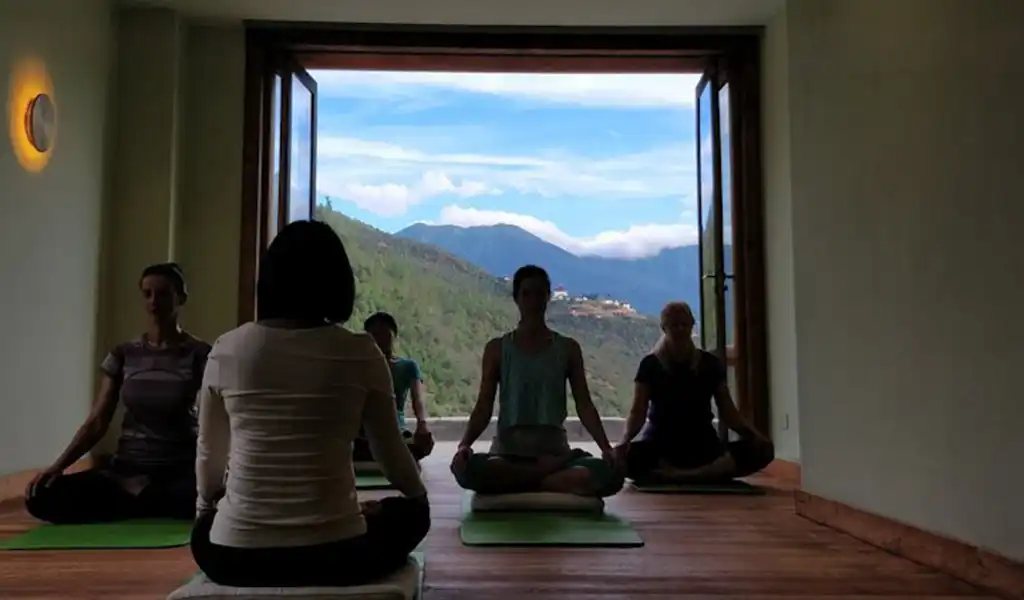
Many hotels offer yoga classes. You can practice yoga with a view of the Himalayas. The mountain air helps you breathe deeply. These retreats combine movement with meditation. You find balance in your body and mind.
Luxury Spiritual Travel in Bhutan
Luxury travel in Bhutan connects comfort with faith. High-end resorts offer private services.
- Private Meditation Instructors. You can learn from a master in your own villa. He gives you personal advice on your practice.
- Monastery-Facing Resorts. Some lodges face sacred sites. You can watch the sun rise over a dzong from your room.
- Blessing Ceremonies. Luxury tours can arrange private rituals. You might receive a blessing for long life or success.
- Traditional Spa Elements. Resorts use local herbs and stones in their spas. You get the best of modern health and ancient wisdom.
Responsible Spiritual Travel in Bhutan
Responsible travel protects Bhutan’s future.
- Respect Sacred Spaces. Keep your voice low in monasteries. Do not touch sacred statues or paintings.
- Avoid Loud Behavior. Bhutanese people value peace. Being loud is considered rude.
- Support Communities. Eat at local restaurants. Buy handmade crafts from local artists. This helps families earn a living.
- Leave No Trace. Do not litter. Stay on the trails when you hike. Respect the wildlife and the plants.
FAQs for Spiritual Travel Bhutan
Q: Is Bhutan suitable for spiritual travel?
A: Yes, Bhutan is ideal for spiritual travel. Its culture is deeply rooted in Buddhism, and ancient temples and monasteries are everywhere. The quiet valleys, rivers, and mountains create a peaceful atmosphere perfect for reflection and inner calm.
Q: Can tourists meditate in monasteries?
A: Yes, most monasteries allow visitors to sit quietly and meditate. Many also offer guided meditation sessions if booked in advance, providing an opportunity to learn traditional techniques and experience the spiritual atmosphere more deeply. It’s a peaceful way to connect with Bhutan’s culture and inner reflection.
Q: How much does a Bhutan Spiritual Tour cost?
A: A 10-day spiritual tour in Bhutan typically costs between USD 2,500 and USD 4,000 per person. This usually includes the Sustainable Development Fee, visa, accommodation, meals, and basic tour services. Luxury or customized tours with private guides, higher-end hotels, or extra experiences can cost significantly more.
Q: What religion is practiced in Bhutan?
A: The main religion in Bhutan is Vajrayana Buddhism, which shapes the country’s culture, festivals, and daily life. Bhutan is the last kingdom in the world where this form of Buddhism remains the dominant spiritual and cultural force, visible in its monasteries, temples, and traditional practices.
Q: Do I need prior meditation experience?
A: No prior experience is required. Guides and monks at monasteries can teach you basic meditation techniques, making it easy for beginners to participate and experience Bhutan’s spiritual practices firsthand.
Staying in a Monastery
Spending a night in a monastery is a rare chance. It is not a luxury hotel stay. Rooms are straightforward. You may sleep on a thin mattress on the floor. Bathrooms are often shared. You follow the monks’ daily schedule. You eat simple vegetarian food. Red rice and lentils are everyday meals. This experience teaches you about letting go of comforts. It connects you deeply to the spiritual rhythm.
| Monastery Rule | Why It Exists |
| Modest Clothing | To show respect for the sacred space |
| No Alcohol | To maintain a clear and pure mind |
| Silence at Night | To allow for rest and meditation |
| Shared Meals | To foster a sense of community |
Preparing for the Height
Bhutan sits at a high altitude. Paro is about 2,250 meters high. Tiger’s Nest is over 3,000 meters above sea level. Altitude sickness can happen to anyone. Drink lots of water every day. Avoid alcohol for the first few days. Walk slowly on trails. If you feel a headache or dizzy, tell your guide. Most tours include rest days to help you adjust.
Final Thoughts on the Bhutan Spiritual Tour
A Bhutan Spiritual Tour is more than a vacation. It is a chance to find inner peace. You see how a whole nation values kindness and faith. The mountains offer a sanctuary for your mind. You return home with a new way of looking at the world. The lessons of the Buddha stay with you long after the trip ends.