

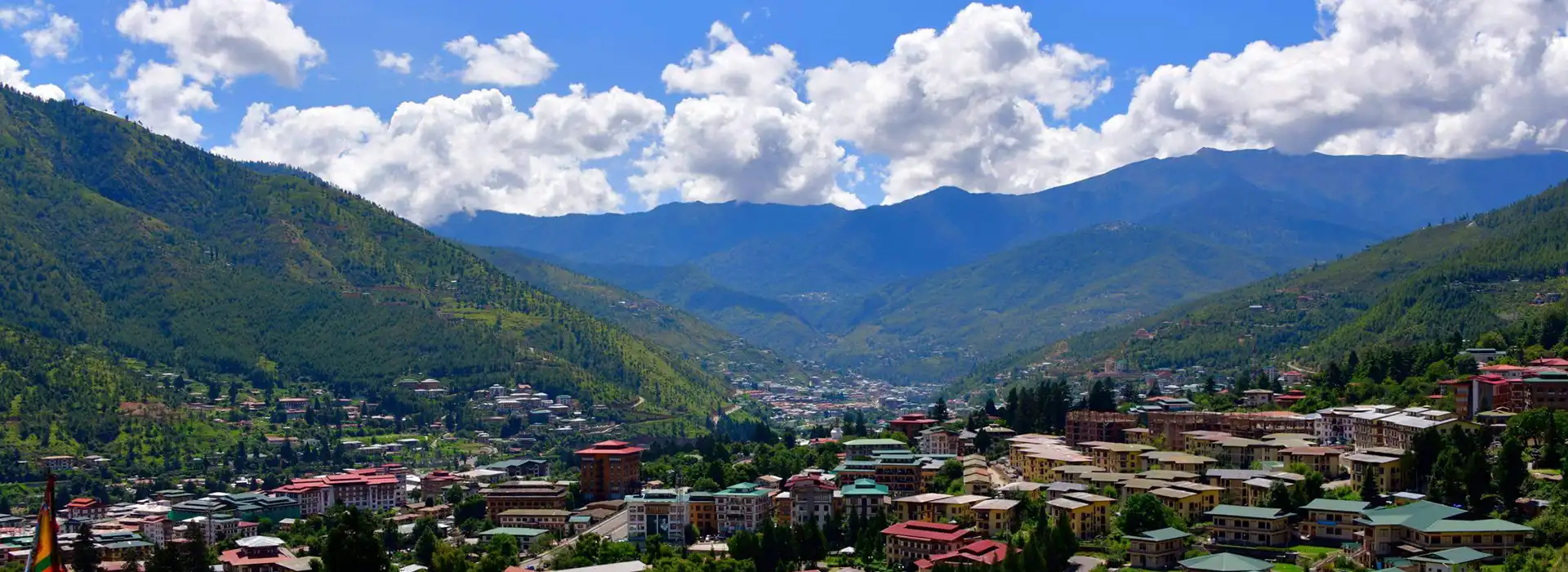

Bhutan remains a premier destination for those seeking high-value, low-impact tourism. The Royal Government of Bhutan maintains a strict policy to preserve the country’s cultural heritage and natural environment. Bhutan Travel FAQs often address the unique entry requirements and sustainable practices that define the visitor experience. Sustainable development serves as the foundation of all tourism activities in the kingdom. This report provides an exhaustive analysis of Bhutan Travel FAQs to assist travelers in planning their visit for 2025 and 2026.
Understanding the Sustainable Development Fee
The Sustainable Development Fee represents the primary cost for international visitors. Bhutan Travel FAQs clarify that the government uses these funds to invest in carbon-neutral tourism and upskill workers in the industry. The fee also supports free healthcare and education for Bhutanese citizens and helps offset the carbon impact of tourists.
Current SDF Rates and Discounts
The standard Sustainable Development Fee is USD 200 per person per night. However, the government currently offers a 50 percent discount for tourists who pay in US Dollars. The effective rate remains USD 100 per person per night until August 31, 2027. Bhutan Travel FAQs note that children ages 6-12 also receive a 50% discount on the already reduced rate. Children aged 5 and under do not pay the Sustainable Development Fee.
SDF for Regional Tourists
Indian, Bangladeshi, and Maldivian nationals pay different rates compared to other international visitors. Bhutan Travel FAQs specify that Indian tourists pay INR 1,200 per adult per night. Children aged 6 to 12 from India pay INR 600 per night. Bhutan Travel FAQs for Indian visitors confirm that children under 5 years old are free of charge.
| Category | Nightly Fee (USD) | Nightly Fee (INR) | Validity |
| International Adult | USD 100 | N/A | Until Aug 31, 2027 |
| International Child (6-12) | USD 50 | N/A | Until Aug 31, 2027 |
| Indian Adult | N/A | INR 1,200 | Current Policy |
| Indian Child (6-12) | N/A | INR 600 | Current Policy |
| Children Under 5 | Free | Free | All Nationalities |
Exemptions from the Fee
Specific categories of travelers are exempt from the Sustainable Development Fee. Bhutan Travel FAQs list officials of international organizations and their dependents as exempt. Diplomatic passport holders and their parents or adult children also avail of this exemption. The government waives the fee for regional tourists who visit border towns for less than 24 hours. Participants in MICE events (Meetings, Incentives, Conferences, and Exhibitions) receive a waiver when the group size exceeds 7 people.
Bhutan Visa Requirements and Entry Permits
The process for entering Bhutan requires specific documentation based on the traveler’s nationality. Bhutan Travel FAQs state that all international tourists must obtain a visa before arrival, except for citizens of India, Bangladesh, and the Maldives.
International Visa Application
International travelers apply for a visa through a licensed Bhutanese tour operator. The application requires a valid passport with at least 6 months of validity. A non-refundable visa fee of USD 40 applies to these visitors. Bhutan Travel FAQs explain that the Department of Tourism issues a visa clearance letter once the traveler pays the Sustainable Development Fee and the visa fee. Travelers show this letter at the airport or border to receive their visa stamp.
Entry Permits for Indians
Indian citizens do not require a visa but must obtain an entry permit. Bhutan Travel FAQs clarify that Indians can use either a valid passport or a Voter Identity Card for this purpose. The permit is available online via the e-permit portal or upon arrival at designated entry points, such as Paro International Airport or Phuentsholing. Bhutan Travel FAQs mention that the entry permit typically allows a stay of seven days in Thimphu and Paro. Travelers who plan to go beyond these cities must apply for a special area permit in Thimphu.
Processing Times and Validity
The Ministry of Foreign Affairs usually takes two working days to process a permit or visa application. Bhutan Travel FAQs advise travelers to submit their documents well in advance of their arrival date. The visa or permit remains valid for the duration of the stay for which the Sustainable Development Fee is paid.
Bhutan Travel Cost and Budgeting
The removal of the Minimum Daily Package Rate (MDPR) changed how travelers calculate their travel costs in Bhutan. Bhutan Travel FAQs state that visitors now pay for their hotels, meals, transport, and guides separately.
Daily Expense Estimates
Total daily costs vary significantly depending on the level of luxury. A standard 3-star tour package typically costs between USD 350 and USD 400 per night, including the Sustainable Development Fee. Bhutan Travel FAQs break down the costs for deluxe 4-star packages, ranging from USD 400 to USD 800 per night. Luxury 5-star experiences range from USD 800 to USD 2,000 per night.
| Expense Category | 3-Star (USD/Day) | 5-Star (USD/Day) | Notes |
| Sustainable Development Fee | 100 | 100 | Fixed Rate |
| Accommodation | 50 – 100 | 500 – 1,500 | Variable |
| Meals | 20 – 40 | Included | Often in a package |
| Licensed Guide | 30 – 50 | Included | Mandatory |
| Private Transport | 40 – 70 | Included | Per Vehicle |
The Impact of GST in 2026
The Bhutanese government plans to implement a 5 percent Goods and Services Tax (GST) starting January 1, 2026. Bhutan Travel FAQs warn that this tax applies to tour components like accommodation and transport. The Sustainable Development Fee remains exempt from this new tax. Travelers who complete their trip before 2026 save on this additional cost.
Tipping and Service Fees
Tipping is common in Bhutan, though it is not mandatory by law. Bhutan Travel FAQs suggest tipping guides and drivers at the end of the trip. Trekking crews also receive tips for their services. Bhutan Travel FAQs recommend keeping tips reasonable to avoid discomforting local staff.
Best Time to Visit Bhutan
The climate in Bhutan varies with altitude and season, which influences the best time to visit. Bhutan Travel FAQs describe the four distinct seasons, each offering different experiences for travelers.
Spring (March to May)
Spring ranks as one of the most popular seasons for tourism. Bhutan Travel FAQs highlight the spectacular rhododendron blooms that cover the valleys during these months. Temperatures remain pleasant, ranging from 10°C to 25°C in central regions. The clear skies offer excellent views of the Himalayan peaks. Bhutan Travel FAQs suggest visiting in early April to witness the famous Paro Tshechu festival.
Autumn (September to November)
Autumn provides the best visibility for trekking and mountain views. Bhutan Travel FAQs note that the air becomes crisp and sunny after the monsoon rains stop in late September. Average daytime temperatures stay around 15°C to 22°C. This season features the Thimphu Tshechu festival, which attracts many visitors.
Winter (December to February)
Winter brings cold temperatures but clear, sunny days in the valleys, with snowfall occurring mainly at higher elevations. Travelers who visit in winter enjoy lower crowds and better accommodation deals. Bhutan Travel FAQs recommend the Phobjikha Valley during this time to see the rare black-necked cranes.
Summer (June to August)
The summer monsoon season results in heavy rain and high humidity. Rainfall often occurs at night, allowing travelers to do some daytime sightseeing. The landscape turns deep green, and alpine flowers bloom on the trails. Bhutan Travel FAQs advise against trekking during these months due to muddy paths and leeches.
| Season | Months | Temperature (°C) | Highlights |
| Spring | Mar – May | 10 – 25 | Rhododendrons, Paro Tshechu |
| Summer | Jun – Aug | 15 – 30 | Green Valleys, Waterfalls |
| Autumn | Sep – Nov | 10 – 22 | Peak Clarity, Thimphu Tshechu |
| Winter | Dec – Feb | -5 – 15 | Clear Skies, Rare Cranes |
Bhutanese Food and Dining Customs
Bhutanese cuisine emphasizes heat and flavor, with chilies serving as a staple ingredient. Bhutan Travel FAQs help visitors understand what to expect during their meals at hotels and farm stays.
National Dishes and Staples
Ema Datshi, a spicy mix of chilies and cheese, is the national dish of Bhutan. Locals eat this dish with red rice at almost every meal. The cheese, known as datshi, comes from cow or yak milk. Bhutan Travel FAQs for those who dislike spice recommend Kewa Datshi (potato cheese) or Shamu Datshi (mushroom cheese).
Dietary Options for Travelers
Vegetarian travelers find many options in Bhutan due to Buddhist influences. The dishes like vegetable momos and various curries are widely available. Vegan travelers face more challenges as cheese and butter are core components of the diet. Bhutan Travel FAQs suggest informing tour operators of dietary restrictions in advance.
Traditional Beverages
Suja, or butter tea, is a popular drink made with tea, salt, and butter. It is a savory beverage often served to welcome guests. Ara is a traditional rice wine that travelers might encounter in rural villages. Sip the butter tea slowly, as this shows respect to the host.
Is Bhutan Safe for Tourists?
Safety remains a top priority for the Bhutanese government to ensure a positive travel experience. Visitors often have questions about crime, local laws, and solo travel before planning their trip.
Low Crime Rates
Bhutan maintains one of the lowest crime rates in the world. Reports of violent crimes and theft are sporadic. Travelers often say that they feel safe walking through towns like Thimphu and Paro even at night. Bhutan Travel FAQs note that the regulated tourism system provides an added layer of security.
Safety for Solo Female Travelers
Bhutan is a very safe destination for women who travel alone. Women are respected in Bhutanese culture, which is rooted in Buddhist values. Since all travelers must have a guide, solo women travelers are always paired with a local companion. Bhutan Travel FAQs recommend choosing a female guide if it makes the traveler feel more comfortable.
Road and Transit Safety
The mountainous terrain in Bhutan makes for winding roads that can be challenging to navigate. Travelers should take motion sickness medication if they are prone to car sickness. Guides and drivers follow strict safety rules and do not consume alcohol while on duty. Bhutan Travel FAQs suggest that travelers carry a small first-aid kit for long road trips.
Trekking Routes and Comparisons
Bhutan offers some of the most pristine trekking trails in the world, ranging from easy hikes to extreme expeditions. Selecting the correct route based on the hiker’s fitness level ensures safety, comfort, and a rewarding experience.
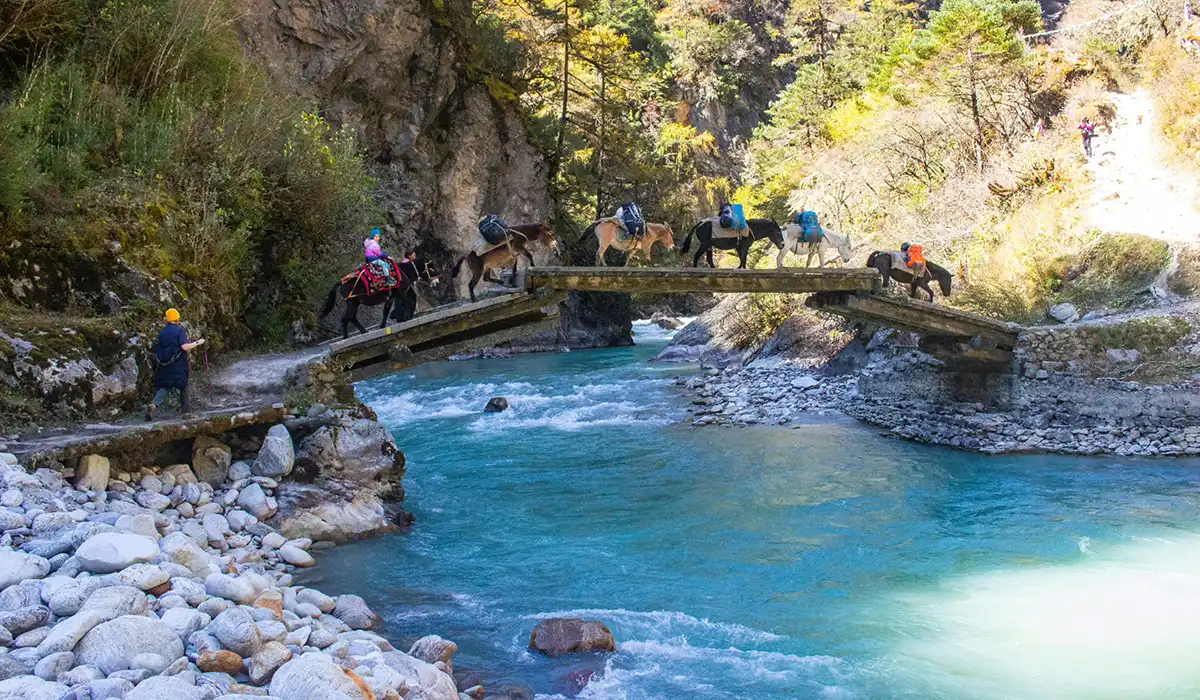
The Druk Path Trek
The Druk Path Trek is a moderate 5-day route that connects Paro and Thimphu. This trail passes through beautiful rhododendron forests and past ancient dzongs. The highest point of the trek is the Phume La Pass at 4,210 meters. Bhutan Travel FAQs recommends this trek for beginners because it offers excellent views without being overly complicated.
The Jomolhari Trek
The Jomolhari Trek takes 8 to 11 days and reaches the base of the sacred Mount Jomolhari. Bhutan Travel FAQs classify this trek as moderate to strenuous due to the high altitude. The highest camp is at 4,100 meters, and the trail crosses the Nyile La Pass at 4,890 meters. On this trek, hikers can see yaks and visit isolated mountain villages.
The Snowman Trek
The Snowman Trek is renowned as one of the most challenging treks in the world and takes about 25 to 30 days, crossing 11 high passes over 4,500 meters. This trek requires excellent physical and mental fitness. Bhutan Travel FAQs state that the Snowman Trek is expensive due to its length and the logistics required.
| Trek Name | Days | Max Alt (m) | Difficulty | Best Months |
| Druk Path | 5 – 6 | 4,210 | Moderate | Mar-Jun, Sep-Nov |
| Jomolhari | 8 – 11 | 4,890 | Strenuous | Mar-May, Sep-Nov |
| Snowman | 25 – 30 | 5,320 | Extreme | Sep – Oct |
| Bumdra | 2 | 3,800 | Easy | Mar-May, Sep-Nov |
Altitude Sickness and Prevention
Acute Mountain Sickness (AMS) affects travelers who gain altitude too quickly. Bhutan Travel FAQs provide detailed advice on recognizing and preventing these symptoms.
Recognizing the Symptoms
Symptoms of altitude sickness usually appear between 12 and 24 hours after reaching high elevation. Bhutan Travel FAQs list mild symptoms as headaches, nausea, fatigue, and loss of appetite. Moderate AMS involves a continuous headache and rapid heartbeat. Severe cases can lead to HACE (brain swelling) or HAPE (fluid in the lungs), which are life-threatening.
Preventive Measures
Hydration is the most effective way to help the body adjust to high altitudes. Drink at least three liters of water every day. Travelers should follow the “climb high, sleep low” rule to allow their bodies to recover at night. Bhutan Travel FAQs advise avoiding alcohol and heavy exercise during the first few days of the trip.
Medical Assistance
Tour guides in Bhutan carry pulse oximeters to monitor trekkers’ oxygen saturation. Bhutan Travel FAQs state that if oxygen levels drop by 75 percent, the traveler must descend immediately. Medications like Diamox help the body breathe deeper and adjust faster, but travelers should consult a doctor before using them. Bhutan Travel FAQs recommend having Bhutan Travel Insurance that covers helicopter rescue for high-altitude treks.
Connectivity: SIM Cards and Internet
Staying connected in Bhutan is easier now with the expansion of 4G and 5G networks. Bhutan Travel FAQs explain how tourists can get a local SIM card and what costs to expect.
Mobile Network Operators
Two leading providers, B-Mobile (Bhutan Telecom) and TashiCell, operate in the country. The B-Mobile offers the widest coverage, including rural areas, whereas the TashiCell has strong coverage in urban centers and provides 5G services in Thimphu and Paro. Both networks are a reliable choice for most travelers.
Buying a Tourist SIM Card
Travelers can purchase a SIM card at Paro International Airport or at mobile shops in major towns. Bhutan Travel FAQs state that a passport copy is required for registration. The cost for a basic SIM is approximately Nu. 100 for B-Mobile and Nu. 200 for TashiCell, and comes pre-loaded with some talk time.
Data Plans and Pricing
Providers offer various prepaid data packages for different stay durations. Bhutan Travel FAQs list a weekly 660 MB plan for around USD 0.58. Larger monthly plans with up to 37 GB of data cost approximately USD 11.82. Bhutan Travel FAQs mention that eSIM options are also available for travelers with compatible devices.
| Provider | Plan Name | Data | Price (USD) |
| B-Mobile | Weekly 49 | 660 MB | 0.58 |
| B-Mobile | Monthly 999 | 37 GB | 11.82 |
| TashiCell | Daily Prepaid | 260 MB | 0.22 |
| TashiCell | Daza Plus | 2.7 GB | 2.35 |
Cultural Etiquette and Religious Respect
Bhutan remains a deeply traditional society where manners and respect are highly valued. Bhutan Travel FAQs guide visitors on how to behave in sacred spaces and when interacting with locals.
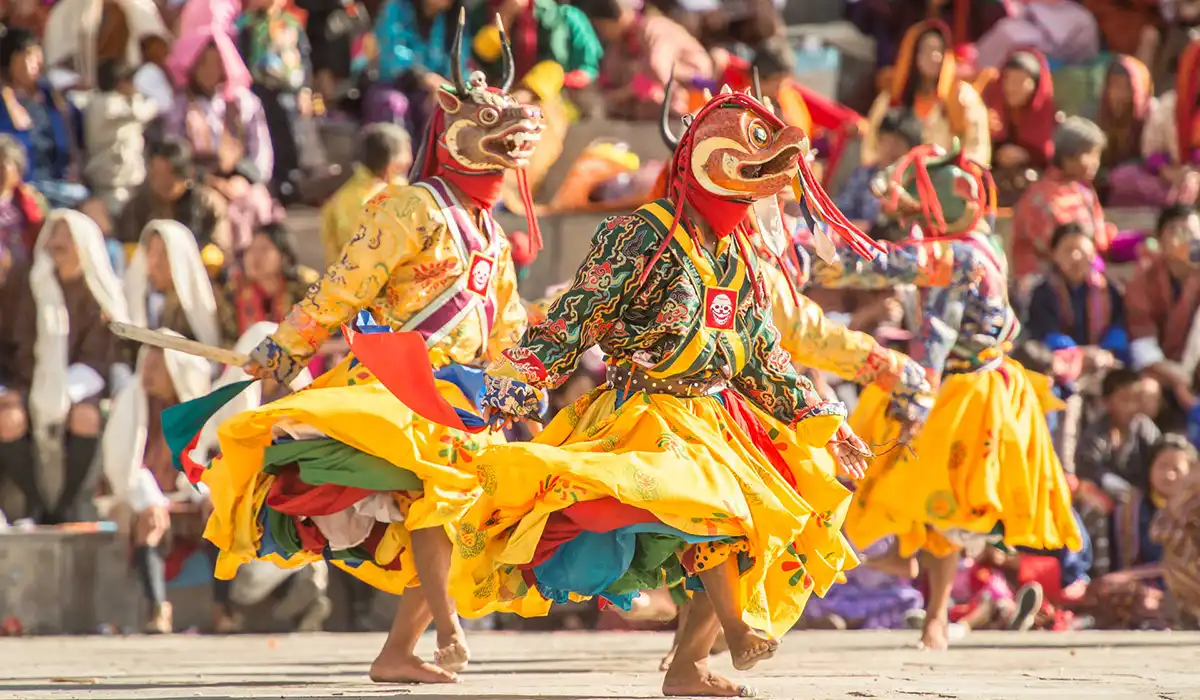
Visiting Temples and Monasteries
Religious sites serve as active centers of worship and government. Bhutan Travel FAQs remind travelers to remove their hats, sunglasses, and shoes before entering a temple. One must always walk clockwise around stupas, chortens, and prayer wheels. Keep your voice low and avoid leaning against sacred pillars.
Photography Restrictions
Photography is generally prohibited inside the inner shrine rooms of temples. Bhutan Travel FAQs recommend asking the guide for permission before taking photos outside in the courtyard. Always seek permission before photographing monks or older adults. Also, flash photography is discouraged as it disrupts the peaceful environment.
Dress Code for Formal Settings
Modest dress is essential when visiting religious sites or government offices (dzongs). Wear clothes that cover your shoulders and knees. T-shirts with sleeves and long trousers or skirts are appropriate. Wearing clothes, such as shorts or tank tops, in religious or government sites may be considered disrespectful.
Logistics: Flights and Land Entry
Getting to Bhutan involves careful planning as flight options and entry points are limited. Bhutan Travel FAQs provide details on the airlines and road routes from neighboring countries.
Flying into Paro
Paro International Airport is the only international airport in the country. Two airlines, Drukair and Bhutan Airlines, operate flights to Paro. The list of standard flight hubs is Delhi, Kolkata, Bangkok, Kathmandu, and Singapore. The flight from Kathmandu to Paro offers some of the best views of Mount Everest. When flying from Kathmandu, book seats on the left side of the plane for the best views of the Himalayas.
Land Entry Points from India
Travelers can enter Bhutan by road through three main border towns in the south. Phuentsholing is the most popular entry point and is accessible from Siliguri or Kolkata in West Bengal. Gelephu and Samdrup Jongkhar serve as entry points for those visiting central or eastern Bhutan from Assam. Bhutan Travel FAQs mention that buses run regularly from Siliguri to Phuentsholing, taking about 5 to 6 hours.
Regional Flight Hubs
| Departure City | Airline | Frequency | Duration |
| Delhi, India | Drukair / Bhutan Air | Daily | 2.5 Hours |
| Kolkata, India | Bhutan Airlines | Daily | 1 Hour |
| Kathmandu, Nepal | Drukair | 5-7/Week | 1 Hour |
| Bangkok, Thailand | Drukair | Daily | 3-4 Hours |
| Singapore | Drukair | 2/Week | 6 Hours |
Bhutan Festival Calendar 2026
Festivals, or Tshechus, are the highlights of the Bhutanese cultural calendar. Bhutan Travel FAQs list the dates for the most popular celebrations in 2026 to help travelers plan their visit.
Major Festivals in 2026
The Punakha Tshechu takes place from February 27 to March 1, 2026. Paro Tshechu, one of the grandest events, happens from March 29 to April 2, 2026. Bhutan Travel FAQs highlight the Rhododendron Festival on April 13 and 14, 2026, celebrating spring blooms. The Thimphu Tshechu, held in the capital, takes place from September 21 to 23, 2026.
Regional and Seasonal Events
The Gomphukora festival will be held in Eastern Bhutan from March 26 to 28, 2026. The Haa Summer Festival from September 19 to 21, 2026, showcases unique local cuisine and traditional games. Bhutan Travel FAQs recommend the Black-Necked Crane Festival on November 11, 2026, in the Phobjikha Valley.
| Festival Name | Location | 2026 Dates |
| Punakha Drubchen | Punakha Dzong | Feb 24 – Feb 26 |
| Paro Tshechu | Paro Rinpung Dzong | Mar 29 – Apr 02 |
| Rhododendron Festival | Lampelri Park | Apr 13 – Apr 14 |
| Thimphu Tshechu | Tashichho Dzong | Sep 21 – Sep 23 |
| Jambay Lhakhang Drup | Bumthang | Oct 26 – Oct 29 |
| Black-Necked Crane | Phobjikha Valley | Nov 11 |
| Druk Wangyel | Dochula Pass | Dec 13 |
Accommodation Options
Travelers choose from a range of certified accommodations that meet international standards. Bhutan Travel FAQs explain the difference in amenities between the various hotel categories.
Standard 3-Star Hotels
Three-star hotels offer comfortable rooms with basic amenities like free Wi-Fi, heating, and daily housekeeping. These hotels serve a variety of cuisines, including Bhutanese, Indian, and Chinese. Most 3-star properties are located close to city centers or scenic viewpoints.
Luxury 5-Star Resorts
Five-star resorts like Amankora and Six Senses offer a more personalized, high-end experience. These properties feature traditional architecture, luxury spas, and fine-dining restaurants. Suites often feature wood-burning stoves called bukharis for warmth. Note: Luxury hotels also offer private wellness consultations and traditional hot stone baths.
Farmstays and Homestays
For an immersive experience, travelers can stay with a local family in a farmstay. Bhutan Travel FAQs highlight that farmstays offer a chance to see how locals live and cook on wood-fired stoves. These accommodations are simple but provide warm hospitality and authentic home-cooked meals.
Packing List for Spring and Autumn
The best time to visit Bhutan often coincides with spring or autumn, which requires a specific set of clothing and gear. Bhutan Travel FAQs advise travelers to use a layering system to handle the temperature changes.
Essential Clothing
Travelers need a mix of lightweight and warm layers. Pack some moisture-wicking tops, a fleece or down jacket, and a windproof outer shell. Thermal base layers are essential for chilly mornings and high-altitude treks. Packing a scarf and gloves for higher elevations is a wise choice.
Footwear and Gear
Sturdy hiking boots are a requirement for treks like the Tiger’s Nest hike. Bhutan Travel FAQs suggest comfortable walking shoes for sightseeing in towns. A daypack of 20 to 30 liters is sufficient for carrying water, snacks, and extra layers during daily tours. Also, remember that trekking poles are mandatory for many high-altitude routes to protect the knees.
Personal Items and Electronics
Sun protection is vital due to the sun’s high intensity in the mountains. Bhutan Travel FAQs list high-SPF sunscreen, sunglasses, and a wide-brimmed hat as must-haves. A universal power adapter is necessary since Bhutan uses various plug types. Carry a portable power bank to keep electronics charged during long trips.
| Item Category | Recommended Items | Notes |
| Inner Layers | Thermals, Wool Socks | Merino wool is best |
| Mid Layers | Fleece, Down Vest | Easy to pack |
| Outer Layers | Rain Jacket, Windbreaker | Must be waterproof |
| Footwear | Hiking Boots, Slip-ons | Broken-in boots |
| Gear | Trekking Poles, Daypack | Mandatory for treks |
| Health | Sunscreen, Lip Balm | SPF 50+ recommended |
Utilities: Power and Water
Understanding the local infrastructure helps travelers stay prepared for daily needs. Below is information on the safety of drinking water and the types of power plugs used in Bhutan.
Electricity and Power Plugs
The standard voltage in Bhutan is 230V, and the frequency is 50Hz. Bhutan uses plug types D, F, and G. Travelers from North America will need a voltage converter to avoid damaging their 120V devices. Note: Many laptops are dual-voltage and only require a plug adapter.
Drinking Water Safety
Tap water is not safe to drink in Bhutan. We strongly recommend sticking to bottled mineral water or water that has been boiled and purified. Hotel rooms often provide an electric kettle for boiling water. It is best not to eat raw salads or use ice cubes, as these may be prepared with untreated tap water.
Conclusion
Planning a visit to Bhutan requires a detailed understanding of the Sustainable Development Fee, visa protocols, and seasonal climate variations. The unique tourism policy ensures that the kingdom remains a preserved and high-value destination for all visitors. Bhutan Travel FAQs clarify that while the costs are higher than in other Asian countries, the fees directly support the country’s carbon-neutral goals and social welfare.
By preparing for altitude changes, respecting local religious etiquette, and following the recommended packing lists, travelers ensure a smooth and respectful experience. Whether trekking the Druk Path or attending the Paro Tshechu, visitors witness the enduring harmony of Bhutanese culture and nature. Bhutan remains one of the safest and most rewarding destinations for those seeking a mindful, sustainable trip.