


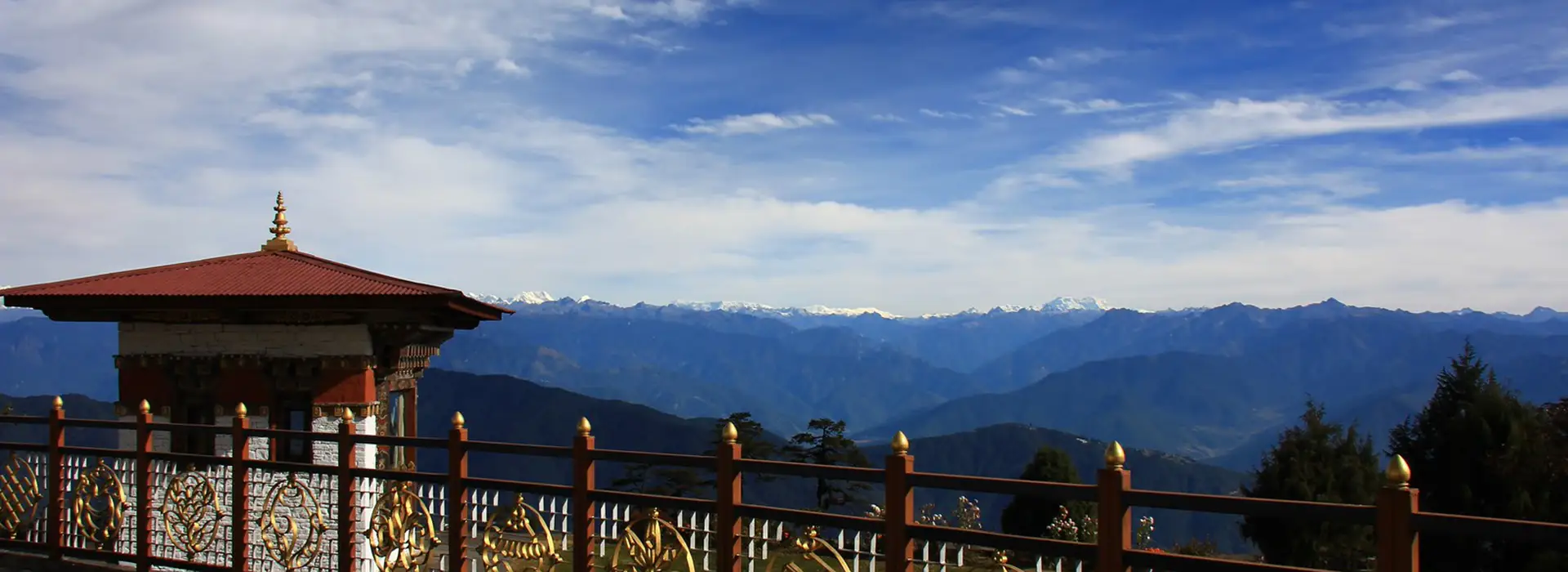

Bhutan Travel Packing List preparation requires a deep understanding of Himalayan geography and cultural standards. Altitudes vary from 200 meters to over 7,000 meters across the kingdom. These changes create distinct microclimates. Preparation ensures comfort and safety. Visitors must follow strict entry rules and dress codes. The following report provides a detailed guide for travelers. It covers climate data, legal needs, gear selection, and cultural rules. Use the Bhutan Travel Packing List to plan a successful Bhutan Tour.
Seasonal Climate Dynamics and Regional Temperature Variations
Climate determines the foundation of any Bhutan Travel Packing List. Two main factors influence the weather in the country. These factors are the vast differences in altitude and the north Indian monsoons. Southern Bhutan has a hot, humid subtropical climate. Central parts have warm summers and cool, dry winters. Northern regions face extreme cold during winter.
Spring Logistics (March to May)
Spring marks a popular time for tourism. Wildlife and flowers appear vivid during these months. Rhododendrons and magnolias bloom across the valleys. The weather remains generally dry in early March. Rainfall increases slightly toward May. Travelers enjoy bright and sunny days during spring.
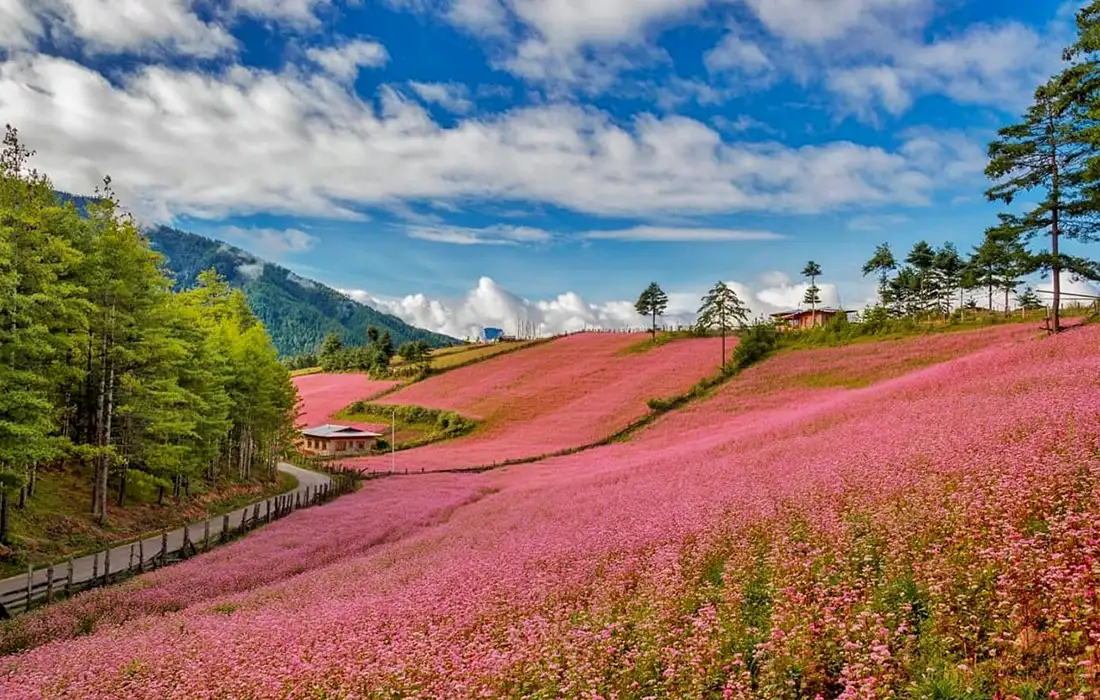
Average temperatures in March range between 8°C and 19°C. Significant differences exist between day and night temperatures. A Bhutan Travel Packing List for spring must include layers. Daytime wear includes lighter clothing, such as T-shirts and casual pants. Nighttime requires warm layers like down jackets or sweaters.
| District | March High (°C) | March Low (°C) | April High (°C) | April Low (°C) | May High (°C) | May Low (°C) |
| Paro | 14.5 | 0.6 | 17.6 | 4.6 | 23.5 | 10.6 |
| Thimphu | 16.6 | 3.9 | 20.0 | 7.1 | 22.5 | 13.1 |
| Punakha | 22.8 | 10.4 | 26.2 | 12.9 | 29.1 | 17.7 |
| Trongsa | 16.7 | 4.4 | 20.1 | 6.6 | 21.0 | 11.6 |
| Bumthang | 16.2 | 3.5 | 18.7 | 3.9 | 21.3 | 9.5 |
| Mongar | 20.0 | 11.6 | 22.8 | 14.0 | 25.1 | 17.4 |
| Trashigang | 24.8 | 14.4 | 28.3 | 17.0 | 30.0 | 22.6 |
Summer and Monsoon Realities (June to August)
Summer weather starts in mid-April. Heavy monsoon rains last from late June to late September. The southwest monsoon brings high humidity and heavy rainfall to the southern borders. Cloud cover often hides mountain peaks. Misty, overcast days are standard during this period.
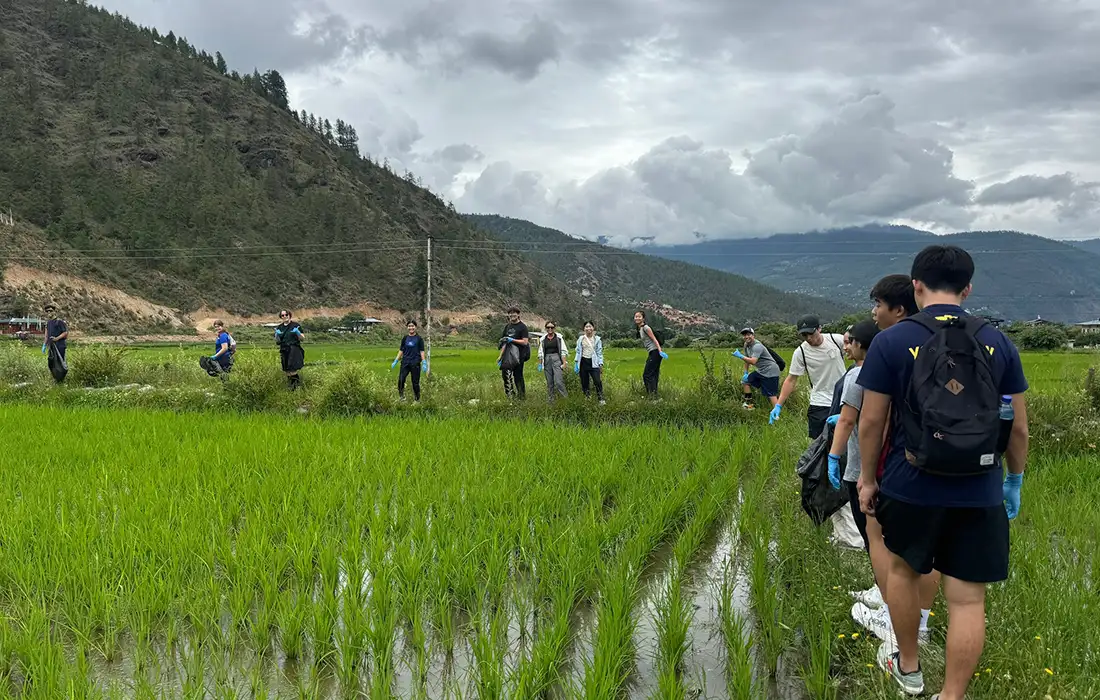
The Bhutan Travel Packing List for summer needs waterproof gear. Rain jackets and waterproof footwear protect against downpours. Quick-dry pants and shirts improve comfort in humid conditions. Thimphu sees its highest rainfall in August at 220 millimeters. Landslides and flash floods sometimes occur during heavy rain.
| District | June High (°C) | June Low (°C) | July High (°C) | July Low (°C) | August High (°C) | August Low (°C) |
| Paro | 25.4 | 14.1 | 26.8 | 14.9 | 25.3 | 14.7 |
| Thimphu | 24.4 | 15.2 | 25.9 | 15.6 | 25.0 | 15.8 |
| Punakha | 29.2 | 20.1 | 30.4 | 20.5 | 29.1 | 20.0 |
| Trongsa | 22.2 | 13.6 | 25.3 | 15.3 | 23.8 | 15.0 |
| Bumthang | 22.5 | 13.5 | 24.1 | 13.6 | 23.0 | 13.7 |
| Mongar | 26.1 | 19.5 | 27.1 | 19.8 | 25.4 | 19.6 |
| Trashigang | 30.7 | 22.6 | 31.5 | 23.1 | 30.2 | 22.7 |
Autumn Stability (September to November)
Autumn follows the rainy season. It offers bright and sunny days with clear skies. Many travelers consider this the best time to visit. Early snowfalls sometimes occur at higher elevations. Clear views make it suitable for hiking and trekking.
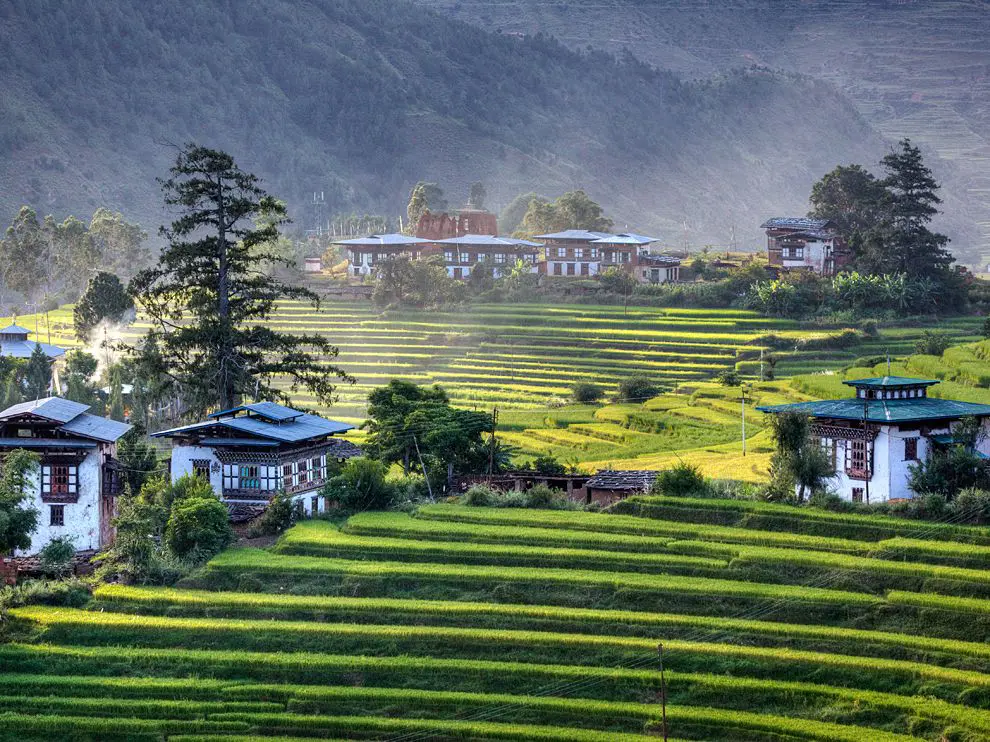
The Bhutan Travel Packing List for autumn should be versatile. Daytime temperatures remain warm, but nights turn chilly. Travelers need fleece jackets and warm socks for the evenings. October temperatures average between 12°C and 22°C.
| District | Sept High (°C) | Sept Low (°C) | Oct High (°C) | Oct Low (°C) | Nov High (°C) | Nov Low (°C) |
| Paro | 23.4 | 11.7 | 18.7 | 7.4 | 13.9 | 1.4 |
| Thimphu | 23.1 | 15.0 | 21.9 | 10.4 | 17.9 | 5.0 |
| Punakha | 27.5 | 19.1 | 26.1 | 14.7 | 22.6 | 9.6 |
| Trongsa | 22.6 | 14.2 | 21.8 | 11.7 | 19.8 | 6.4 |
| Bumthang | 21.6 | 12.1 | 19.5 | 5.9 | 16.1 | -0.5 |
| Mongar | 24.7 | 19.4 | 22.7 | 15.8 | 19.9 | 11.2 |
| Trashigang | 30.0 | 21.9 | 29.1 | 17.7 | 26.1 | 13.6 |
Winter Cold (December to February)
Winter brings cold and dry weather. Frost occurs throughout much of the country. Snow is common above 3,000 meters. Clear skies provide good photography opportunities. The winter northeast monsoon brings gale-force winds through mountain passes.
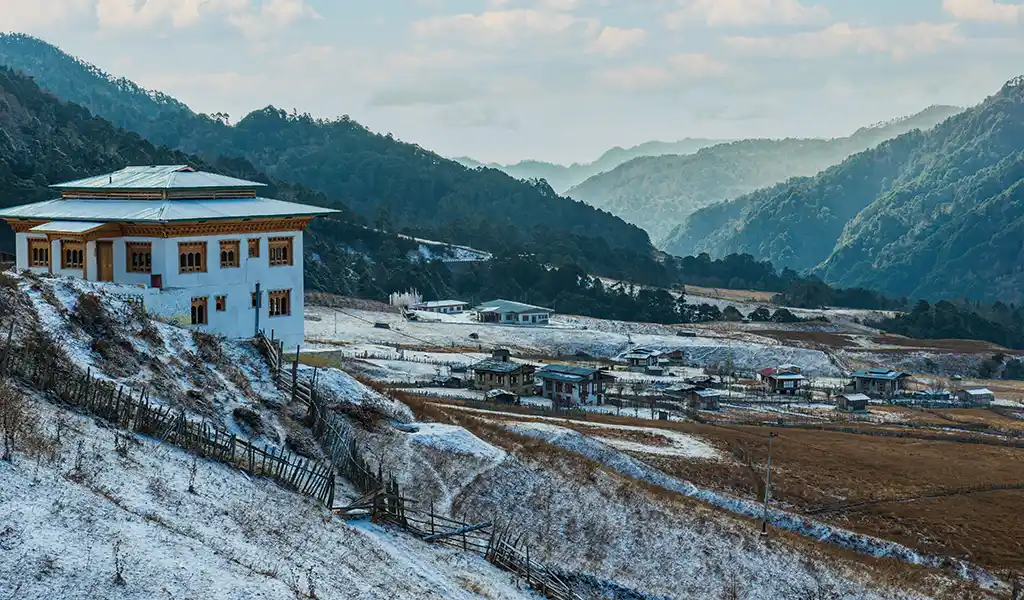
The Bhutan Travel Packing List for winter must focus on heavy insulation. Travelers need down jackets, thermal underwear, and woolen beanies. Gloves and scarves protect against the biting wind. In January, Thimphu temperatures drop as low as -4°C.
| District | Dec High (°C) | Dec Low (°C) | Jan High (°C) | Jan Low (°C) | Feb High (°C) | Feb Low (°C) |
| Paro | 11.2 | -1.7 | 9.4 | -5.8 | 13.0 | 1.5 |
| Thimphu | 14.5 | -1.1 | 12.3 | -2.6 | 14.4 | 0.6 |
| Punakha | 19.1 | 6.3 | 17.0 | 4.3 | 19.0 | 7.8 |
| Trongsa | 18.2 | 2.5 | 13.0 | -0.2 | 13.9 | 0.4 |
| Bumthang | 12.3 | -2.3 | 10.8 | -5.1 | 10.0 | -1.4 |
| Mongar | 17.7 | 9.5 | 15.5 | 8.2 | 15.9 | 8.3 |
| Trashigang | 23.0 | 11.6 | 20.4 | 10.5 | 21.7 | 11.5 |
Administrative and Legal Requirements for Entry
Bhutan manages tourism through a unique visa and fee system. Preparation involves paying the Sustainable Development Fee (SDF) and obtaining a visa clearance letter. Every Bhutan Travel Packing List needs a folder for official documents.
Visa Application and Sustainable Development Fee (SDF)
Most foreign nationalities need a visa to enter the country. Regional tourists from India, Bangladesh, and the Maldives use a permit system. Visa applications must go through a licensed Bhutanese tour operator or the official immigration website. Individual tourists cannot apply directly to the government without a sponsor.
The Sustainable Development Fee (SDF) supports the nation’s infrastructure and conservation efforts. Adult visitors pay USD 100 per night. Children aged 6 to 12 receive a 50 percent discount. Children under 5 years stay exempt from the fee.
| Requirement | Details |
| Visa Application Fee | USD 40 (per person, non-refundable) |
| SDF (Adult 12+) | USD 100 per person per night |
| SDF (Child 6-12) | USD 50 per person per night |
| Passport Validity | At least 6 months remaining from departure |
| Visa Processing Time | Typically, 2 to 3 days |
| Entry Points | Paro Airport, Phuentsholing, Samtse, Gelephu, Samdrup Jongkhar |
Documentation Checklist
Add travel documents to the top of the Bhutan Travel Packing List. Officials check these items at the airport and border crossings. A passport with six months of validity.
- Bhutan Visa Clearance Letter.
- Printed flight tickets.
- Comprehensive travel insurance policy.
- Proof of SDF payment.
- Two passport-sized photographs.
- A digital copy of all documents on a phone or cloud storage.
Mandatory travel insurance requirements changed in 2024. The government no longer requires it for the visa process. However, experts recommend insurance for medical emergencies and high-altitude rescues.
Essential Clothing and Cultural Dress Code
Cultural respect shapes the kingdom’s dress code. Religious sites enforce strict rules for visitors. Every Bhutan Travel Packing List should prioritize modest clothing.
Rules for Dzongs, Monasteries, and Temples
Dzongs serve as combined religious and administrative centers. Visitors must follow specific protocols to enter these sites. Modest dress remains the most important rule.
- Legs: Wear full-length trousers or long skirts. Shorts and short skirts are strictly prohibited.
- Arms: Wear tops with sleeves. Collarless shirts must have full sleeves. Collared shirts can have half sleeves.
- Headwear: Remove hats, caps, and sunglasses before entering courtyards.
- Footwear: Wear closed shoes with socks. Flip-flops and slippers are not allowed in monasteries. Remove shoes before entering shrine rooms.
Layering Systems for Mountain Weather
The Bhutan Travel Packing List must account for rapid temperature changes. Layering provides the best solution for the mountain climate.
- Base Layer: Use moisture-wicking shirts made of merino wool or synthetic fabrics. These keep the skin dry during activity.
- Mid Layer: Use fleece or wool sweaters for insulation.
- Outer Layer: Pack a windproof and waterproof jacket. A heavy down jacket provides essential warmth for winter nights.
- Formal Layer: Pack a neat, collared shirt or blouse for official visits and festivals.
Festival Attire and Protocol
Local people wear their finest traditional clothes during festivals (Tshechus). Men wear the Gho, a knee-length robe. Women wear the Kira, an ankle-length dress. Tourists do not have to wear the Bhutanese national dress. However, wearing neat, respectful clothing is appreciated.
Bright and colorful clothing fits the festive spirit. Avoid wearing flashy or quirky outfits with offensive text. Use a shawl or scarf for extra modesty when visiting sacred areas.
Adventure Gear and Trekking Essentials
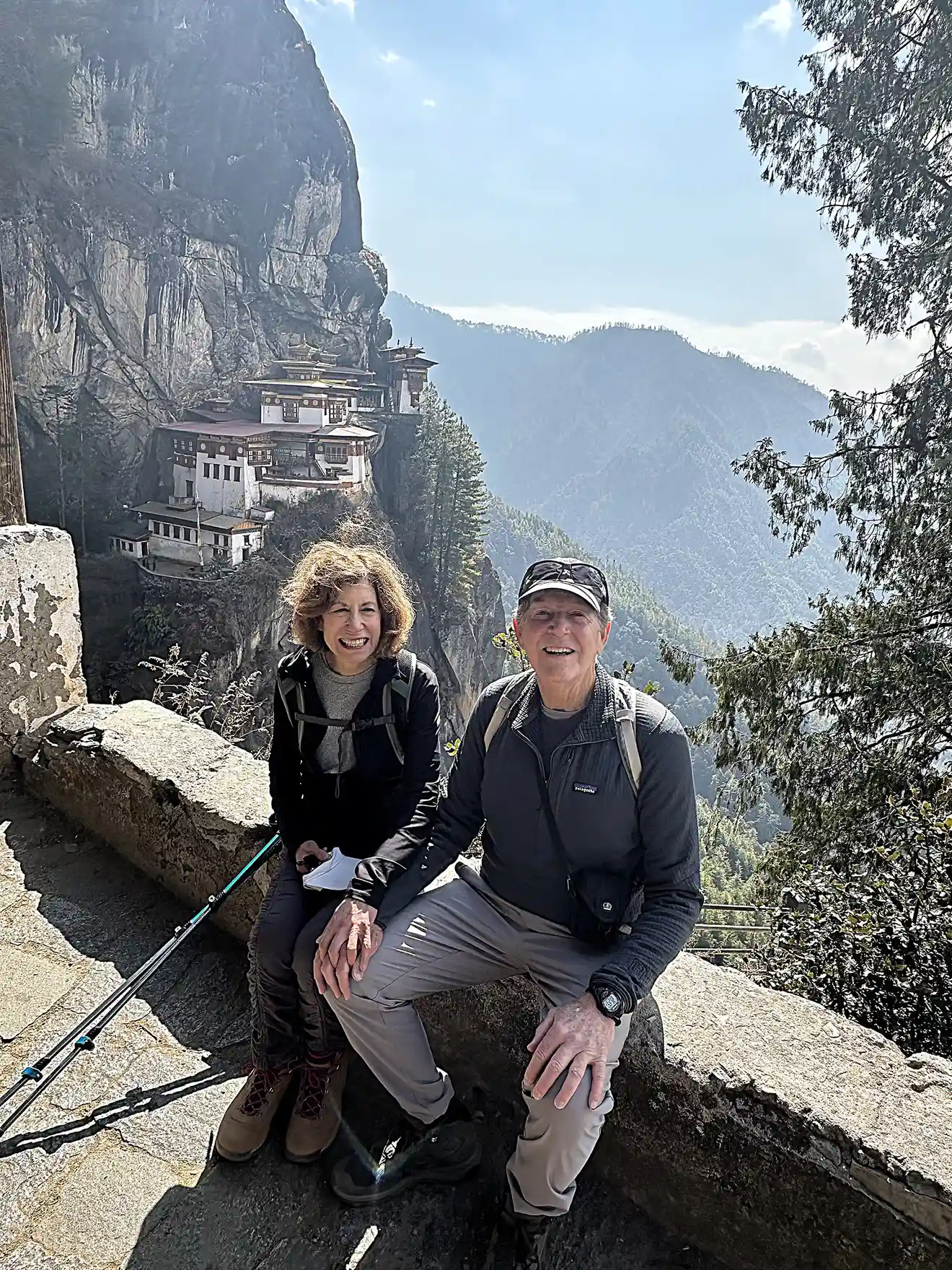
Trekking is a core part of the Bhutan Tour. The Tiger’s Nest hike remains the most famous trail. A Bhutan Travel Packing List needs specialized gear for these activities.
Tiger’s Nest Hike (Paro Taktsang)
The hike to Paro Taktsang is steep. It starts at an elevation of 2,600 meters and reaches 3,120 meters. The round trip usually takes 4 to 6 hours.
- Footwear: Wear sturdy hiking boots with good ankle support. The trail includes over 700 stone steps that can be slippery.
- Walking Sticks: Use trekking poles to reduce knee strain during the descent. Rentals are available at the base for a small fee.
- Daypack: Carry a small, water-resistant backpack. Include water, snacks, sunscreen, and a rain jacket.
- Photography: Take photos of the monastery from the exterior. Photography is strictly forbidden inside the shrine rooms.
Technical Fabric Selection: Merino Wool vs. Synthetic
High-altitude hiking requires the right fabrics on the Bhutan Travel Packing List.
- Merino Wool: Provides excellent insulation and naturally resists odors. It keeps you warm even when damp. This is ideal for multi-day treks.
- Synthetic Fabrics: Dry faster and wick moisture away quickly. These are more durable and cheaper than wool. However, they trap odors after intense activity.
| Feature | Merino Wool | Synthetic |
| Odor Resistance | Excellent | Poor |
| Drying Speed | Slow | Fast |
| Insulation (Wet) | Good | Poor |
| Durability | Delicate | High |
| Cost | Higher | Lower |
Health, Safety, and Altitude Preparation
Altitude sickness is a real risk in the Himalayas. Most cities sit above 2,200 meters. High mountain passes exceed 3,000 meters.
Managing Acute Mountain Sickness (AMS)
Symptoms of altitude sickness often appear within 6 to 24 hours of arrival. Mild symptoms include headache, nausea, and fatigue. Severe symptoms include loss of coordination and breathlessness while resting.
- Acclimatization: Spend a few days in Paro or Thimphu before going higher.
- Hydration: Drink 3-4 liters of water daily.
- Pace: Walk slowly and avoid overexertion.
- Medication: Consult a doctor about taking Acetazolamide (Diamox).
- Avoidance: Stop drinking alcohol and smoking during the first few days of the trek.
Medical Kit Essentials
Include a personalized medical kit in the Bhutan Travel Packing List.
- Prescription medications with enough supply for the whole trip.
- Motion sickness tablets for winding mountain roads.
- Pain relievers like ibuprofen or paracetamol.
- Anti-diarrhea medication and rehydration salts.
- Antiseptic wipes and adhesive bandages.
- Sunscreen with a high SPF and lip balm.
- Insect repellent for summer visits to lower valleys.
Electronics and Power Solutions
Infrastructure remains concentrated in urban towns. Rural areas sometimes face power outages.
Power Adapters and Voltage Standards
The country uses a 230V supply voltage at 50Hz. The Bhutan Travel Packing List must include the correct power adapters.
Common plug types in the country:
- Type C: Two round pins.
- Type D: Three round pins in a triangle.
- Type G: Three rectangular pins in a triangle.
- Type F: Two round pins with side clips.
A universal travel adapter provides the most flexibility. American travelers need a voltage converter for 110V devices. Most modern phone and laptop chargers are dual-voltage and only need a plug adapter.
Connectivity and SIM Cards
Local SIM cards offer affordable data and calls. Buy these at Paro Airport or in significant cities like Thimphu. The two leading operators are B-Mobile and TashiCell.
Tourist SIM options:
- Standard SIM cards cost between BTN 100 and BTN 500.
- Unlimited data packages for 7 to 14 days cost between BTN 1,100 and BTN 1,900.
- A passport copy is required to purchase a SIM card.
- eSIM technology is available for compatible devices through international providers.
Financial Logistics and Currency Exchange
The local currency is the Bhutanese Ngultrum (BTN or Nu). It is pegged to the Indian Rupee (INR) at a 1:1 ratio.
Cash and Banking
Cash remains king in most parts of the country. Indian Rupees are widely accepted as legal tender. However, INR 500 and 2,000 notes are often not accepted.
- ATMs are available in Thimphu, Paro, and Punakha. They are rare in rural areas. ATMs sometimes fail due to connectivity issues.
- Credit Cards: High-end hotels and large souvenir shops accept Visa and MasterCard. A surcharge of 2 to 3 percent is standard for card payments.
- Exchanging Money: Exchange USD, EUR, or GBP at the airport or banks. Banks prefer larger USD bills, such as $50 or $100. Bills must be clean, untorn, and recent.
| Category | Best Practice |
| Currency | Use BTN for small items, INR for general use |
| Indian Notes | Carry INR 100 and 200 denominations |
| USD Notes | Bring clean $100 bills for the best exchange rate |
| ATM Use | Withdraw enough cash in Thimphu for the whole trip |
| Card Surcharge | Expect to pay extra for credit card transactions |
Luggage and Airline Restrictions
Bhutanese airlines use small aircraft to navigate mountain airports. Weight and size limits are strictly enforced.
Choosing the Right Bag
The Bhutan Travel Packing List should match the mode of transport.
- Rolling Suitcases: Good for airports and hotels with elevators. Hard shells protect fragile items.
- Duffel Bags: Flexible and lightweight. These fit easily into the cargo space of small vans and planes.
- Backpacks: Best for hikers and those visiting remote areas. They are easy to carry over rough terrain.
Baggage Allowances (Druk Air and Bhutan Airlines)
Check specific limits for your flight class.
- Checked Baggage: Economy class allows 30 kg. Business class allows 40 kg. No single piece can exceed 32 kg for safety reasons.
- Cabin Baggage: Maximum weight is 5 kg for Druk Air and 7 kg for Bhutan Airlines. Dimensions must not exceed 45 x 35 x 20 cm.
- Excess Weight: Charges range from USD 1.6 to USD 5.5 per kilogram, depending on the route.
Sustenance, Shopping, and Customs Rules
Bhutan offers unique handicrafts and spicy foods. Understanding local rules prevents problems at the border.
Local Foods and Snacks
Bhutanese food often centers on rice, cheese, and chilies.
- Ema Datshi: A spicy stew of chilies and cheese, the national dish.
- Momos: Steamed dumplings filled with meat or vegetables.
- Suja: Salty tea made with butter, a local favorite.
- Yak Cheese (Chogo): Tough, dried cheese squares perfect for trekking.
- Red Rice: A nutty rice variety grown in high-altitude valleys.
Souvenirs and Traditional Crafts
The Bhutan Travel Packing List should leave space for gifts.
- Handwoven Textiles: Silk or cotton Kiras and Ghos.
- Wooden Products: Carved bowls (dapa) and colorful masks.
- Jewelry: Silver ornaments with turquoise, coral, and dzi beads.
- Handmade Paper: High-quality paper made from daphne bark.
Prohibited Items and Customs Regulations
The country has strict environmental and social laws.
- Tobacco: The sale of tobacco is banned. You can bring a small amount for personal use, but you must pay a 200 percent duty. Smoking in public is illegal.
- Antiques: Exporting genuine antiques is strictly forbidden. Customs officials may inspect old-looking items.
- Plastic Bags: The nation bans single-use plastic carry bags.
- Drones: A permit from the civil aviation authority is required.
- Wildlife: Exporting animal parts or products is illegal.
Environmental and Ethical Packing Tips
Sustainability remains a core value of the kingdom. Travelers should pack with the environment in mind.
- Use a reusable water bottle to reduce plastic waste.
- Pack biodegradable toiletries, such as eco-friendly soap and shampoo.
- Carry a reusable shopping bag for market visits.
- Avoid bringing unnecessary plastic packaging into the country.
- Follow the “leave no trace” principle during hikes and treks.
Final Preparations and Departure Logistics
Review the Bhutan Travel Packing List one last time before heading to the airport. Proper organization leads to a stress-free journey.
- Confirm all visa and SDF payments are finalized.
- Print the visa clearance letter and keep it accessible.
- Check the weight of your luggage to avoid excess fees.
- Exchange a small amount of cash into USD or INR for immediate use.
- Set your phone to roaming or prepare to buy a local SIM card.
Use this Bhutan Travel Packing List as a strategic resource. It ensures you meet all legal and cultural standards while staying comfortable in the mountains. The kingdom offers a unique world of spiritual depth and natural beauty. Proper preparation allows you to enjoy every moment of the Bhutan Tour.
Quick Reference Data Table
| Category | Key Requirement |
| Visa | Pre-approved clearance letter required |
| Daily Fee | USD 100 SDF per night |
| Power | Types C, D, G, F; 230V, 50Hz |
| Currency | BTN (Pegged to INR 1:1) |
| Dress Code | Cover shoulders and knees in religious sites |
| Tobacco | 200% import duty; public smoking banned |
| Luggage | 30 kg checked; 5-7 kg cabin limit |
| Health | Altitude acclimatization is essential |
This research report provides a comprehensive foundation for planning. It addresses the practical needs of the modern traveler while honoring the country’s traditions. By following these guidelines, you help sustain the kingdom’s tourism model. You also ensure your own safety and comfort in one of the most remarkable regions of the world.