


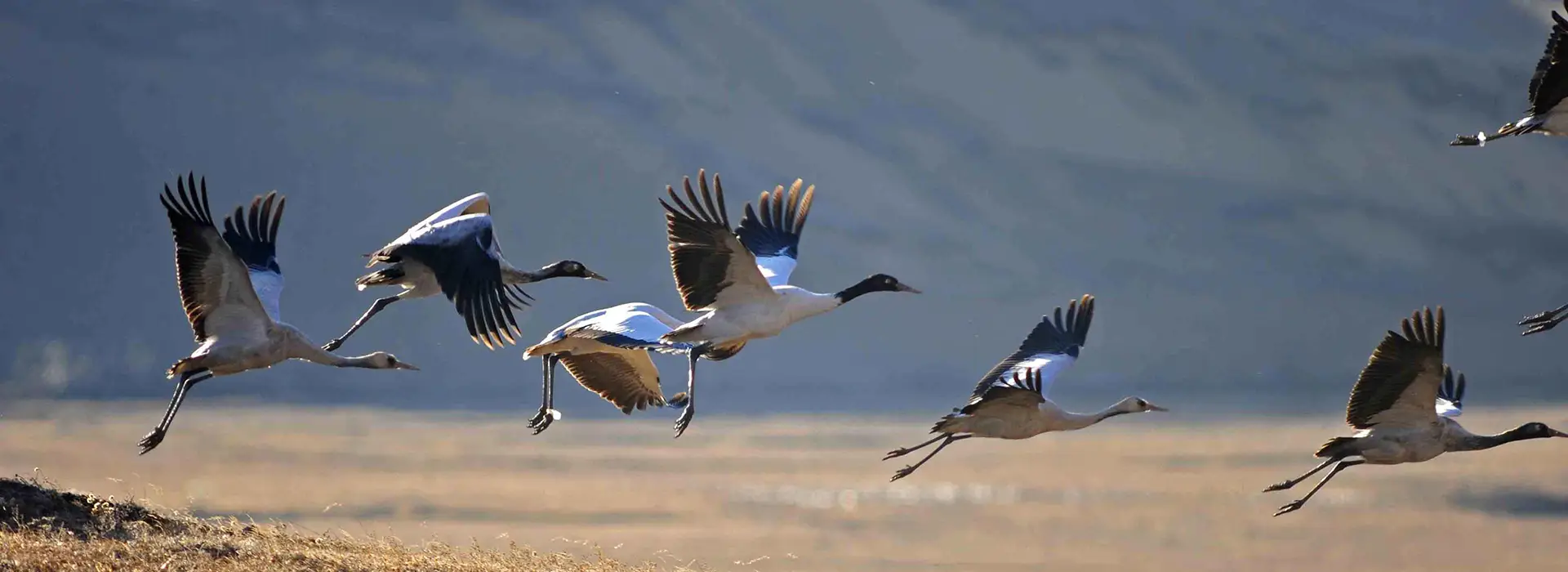

The structural integrity of tourism in the Kingdom of Bhutan depends on a complex system of documentation known collectively as Bhutan Travel Permits. These legal instruments manage visitor flow and protect the nation’s “High Value, Low Volume” tourism philosophy. Policy makers design these permits to preserve ecological health and cultural sanctity. Bhutan Travel Permits serve as the primary mechanism for collecting the Sustainable Development Fee (SDF).
Every visitor entering the kingdom must navigate the Bhutan visa process or obtain a specific Bhutan entry permit, depending on their nationality. The 2026 regulatory environment introduces automated systems and fiscal changes that affect how travelers access Bhutan’s restricted areas. Successful entry requires an understanding of the administrative hierarchy and the specific requirements for a special area permit in Bhutan.
The Administrative Architecture of the Bhutan Visa Process
The Bhutan visa process functions as a digital-first gateway for all international visitors, excluding citizens of India, Bangladesh, and the Maldives. Applicants submit their data through an official online portal or via a licensed Bhutanese tour operator. The Department of Immigration oversees the evaluation of these applications to ensure compliance with national security and sustainability standards. A non-refundable fee of $40 USD applies to every individual application. This fee covers the administrative costs of document verification and system maintenance.
Effective visa management relies on clear documentation. Travelers provide a high-quality scan of their passport biographical page and a digital passport-sized photograph. Passports must remain valid for a minimum of six months from the intended date of entry into the kingdom. The Bhutan visa process integrates the payment of the Sustainable Development Fee directly into the application timeline.
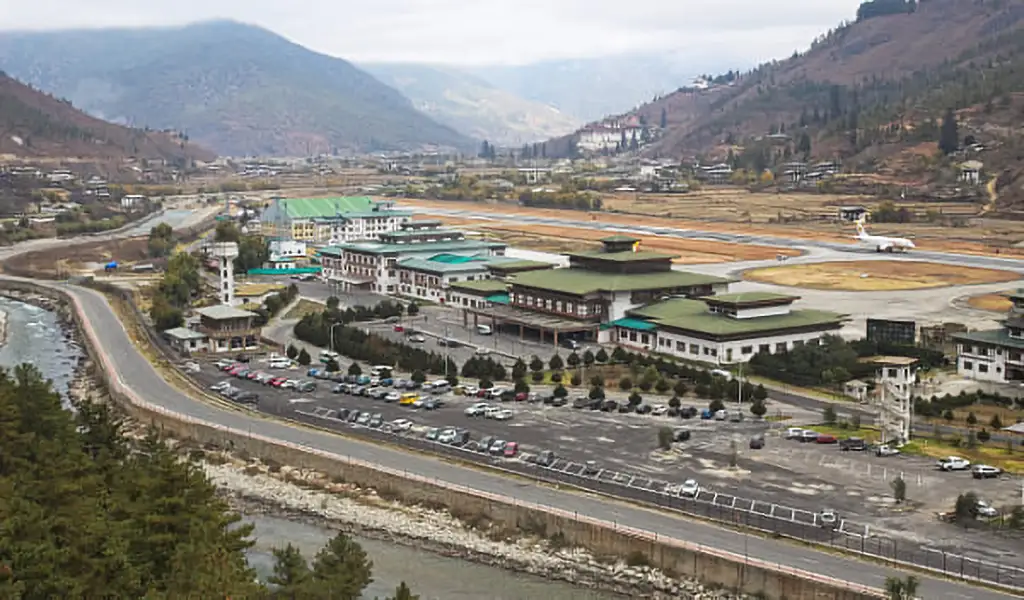
Most approvals arrive within 5 working days, though during peak travel seasons they may take 2 weeks. Once the department grants approval, the traveler receives an electronic visa clearance letter. Airline staff require this letter during check-in for flights to Paro International Airport.
Summary of International Visa and Permit Fees 2026
| Fee Category | Applicable Group | Amount | Frequency |
| Visa Application Fee | International Tourists | $40 USD | One-time |
| Sustainable Development Fee | Adults (12+ years) | $100 USD | Per night |
| Sustainable Development Fee | Children (6-11 years) | $50 USD | Per night |
| Sustainable Development Fee | Children (0-5 years) | Exempt | N/A |
| Goods and Services Tax | Service Components | 5% | Per transaction |
Digital transformation in 2026 includes the launch of the Automated Immigration Clearance System at Paro International Airport. Biometric verification and passport-scanning technology enable faster processing at the port of entry. Despite these advancements, the official visa stamp is added to the passport only upon physical arrival. The Bhutan visa process ensures that the government maintains an accurate record of every foreign national within the country’s borders.
The Sustainable Development Fee: Fiscal Logic and Impact
The Sustainable Development Fee represents a mandatory sovereign levy rather than a payment for services. Revenue from this fee supports the “High Value, Low Volume” strategy by funding national welfare projects. The government allocates these funds to free healthcare, free education, and environmental conservation efforts. Bhutan maintains its status as the world’s first carbon-negative country, in part, through forest protection programs funded by Bhutan Travel Permits.
Current 2026 rates reflect a temporary incentive period valid until August 31, 2027. International travelers pay $100 USD per night, which is a 50% reduction from the original $200 USD rate. Children between the ages of six and twelve pay $50 USD per night. Infants and toddlers under age six remain exempt from the daily fee. The SDF calculation follows a nightly basis rather than a daily basis. If a visitor decides to shorten their stay, the Department of Immigration processes a refund for the unused nights after departure.
Transparency in the use of these funds is a constitutional requirement. Article 14 of the Constitution of Bhutan mandates that all fees deposit into a consolidated account for government expenditure. This fiscal model ensures that tourism contributes directly to the Gross National Happiness of the Bhutanese people. Travelers see the benefits of their contribution through the maintenance of pristine Bhutan restricted areas and the preservation of historic Dzongs.
Regional Protocols: The Bhutan Entry Permit for SAARC Nationals
Indian, Bangladeshi, and Maldivian citizens are subject to a distinct regulatory category. Indian nationals do not require a visa but must obtain a formal Bhutan entry permit. This document is available online via the e-permit system or on arrival at Paro Airport and land border offices. Indian applicants present either a valid passport or an original Voter Identity Card as proof of citizenship. Minors under 18 years of age may use an original birth certificate when traveling with a legal guardian.
Economic relations between India and Bhutan dictate a lower SDF rate for Indian tourists. These visitors pay 1,200 Indian Rupees or Ngultrums per person per night. Children aged six to twelve receive a 50% discount on this rate, while those under six are exempt. The Bhutan entry permit initially allows travel within the districts of Paro and Thimphu. If Indian visitors plan to explore beyond these valleys, they must secure a special area permit from the Thimphu Immigration Office.
Document Requirements for SAARC Regional Permits
| Requirement | Indian Nationals | Bangladeshi/Maldivian Nationals |
| Primary ID | Passport or Voter ID | Passport only |
| Visa Status | No visa required | Visa on arrival |
| SDF Amount | 1,200 INR per night | $15 USD (BD) / $100 USD (MV) |
| Pre-approval | Optional (E-permit) | Mandatory for MV / Arrival for BD |
| Photo | 2 Passport-sized photos | Digital upload or on-arrival photo |
Bangladeshi and Maldivian nationals follow similar entry procedures but require a visa on arrival. Bangladeshi tourists enjoy an exemption from the $40 USD visa fee but pay an SDF of $15 USD per night. Maldivian travelers pay the standard $100 USD SDF rate. All regional visitors must carry proof of travel insurance and confirmed hotel bookings in Department of Tourism-certified properties.
Spatial Regulation and Bhutan Restricted Areas
Internal movement within Bhutan requires specific authorization for various geographical zones. While Thimphu and Paro remain open to most permit holders, other districts fall under the category of restricted areas in Bhutan. The government uses these restrictions to manage the environmental impact on rural communities and to protect the privacy of monastic institutions. Guides certified by the Department of Tourism must accompany all international visitors whenever they travel beyond the urban centers of Thimphu and Paro.
Travel beyond the standard tourist route necessitates a special area permit for Bhutan. This permit covers districts such as Punakha, Wangdue Phodrang, Bumthang, and the remote eastern valleys of Trashigang and Lhuentse. For international tourists on a prepaid tour, the operator handles these permits as part of the initial Bhutan visa process. For regional travelers, the application involves submitting a detailed itinerary to the immigration authorities in the capital.
Internal Route Permits and Checkpost Verification
Permit verification occurs at various road checkpoints throughout the kingdom. Checkpoints like Rinchending and Tanalum serve as critical filters for travelers moving from the southern borders toward the interior. Officers inspect Bhutan Travel Permits and stamp the documents to verify the date and time of passage. The Department of Immigration maintains these checkpoints to ensure that visitors do not overstay their authorization or enter prohibited zones without a guide.
A special area permit for Bhutan is also required for visiting religious sites and specific festivals. Certain temples require an additional entry fee of $10 to $20 USD, which supports the local monastic community. Guides explain the specific rules for each site, as some shrines prohibit entry to foreign nationals entirely to maintain their ritual purity.
High-Altitude Access: Trekking Permits and Lunana
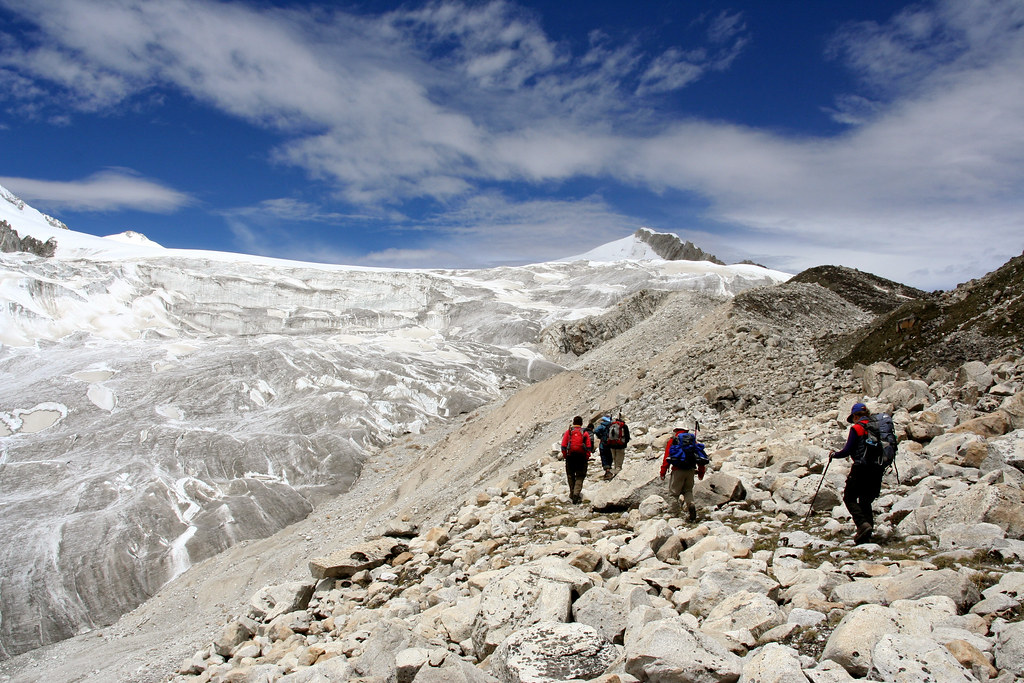
Trekking in the Himalayas involves the most stringent applications of Bhutan Travel Permits. Independent trekking is illegal; every expedition must be led by a licensed guide, cook, and support staff. Trekking permits are mandatory for all routes and are typically included in the tour package arranged by an authorized operator. These permits authorize entry into national parks and high-altitude wilderness areas, such as Jigme Dorji National Park.
The Snowman Trek is a 30-day expedition that enters the most remote restricted areas of Bhutan. This route traverses the Lunana district, one of the most isolated settlements in the world. Permits for this region are limited to ensure that the fragile alpine environment can recover from human foot traffic. Trekkers must provide proof of specialized travel insurance that includes high-altitude helicopter rescue and medical evacuation coverage.
Logistical Specifications for Major Trekking Routes
| Trek Name | Optimal Season | Max Altitude | Complexity |
| Druk Path Trek | March-May, Sept-Nov | 4,200 m | Moderate |
| Jomolhari Trek | April-May, Oct-Nov | 4,930 m | Challenging |
| Dagala Thousand Lakes | April-June, Sept-Oct | 4,500 m | Moderate |
| Laya Gasa Trek | April-May, Oct-Nov | 5,005 m | Strenuous |
| Snowman Trek | Late Sept-Oct | 5,290 m | Extreme |
Environmental regulations for trekking are strict. The “Leave No Trace” principle is a legal requirement under the terms of Bhutan Travel Permits. Expeditions must remove all non-biodegradable waste from the mountains. Using detergents in or near alpine lakes and rivers is prohibited, as many of these water bodies are considered sacred and home to spirits. Guides monitor compliance with these rules and report violations to the Department of Tourism.
Land Borders and the 24-Hour Waiver System
Bhutan operates three main land entry points along its southern border with India. Phuentsholing is the most popular crossing, followed by Gelephu and Samdrup Jongkhar. These ports of entry facilitate the Bhutan entry permit process for regional travelers and serve as the main logistics hubs for goods entering the country. For international tourists, land entry requires the same pre-approved visa clearance letter used for air travel.
The 2026 border town policy includes a 24-hour SDF waiver for casual visitors. Tourists of all nationalities can enter the designated border zones for up to 24 hours without paying the daily fee. This waiver applies only if the visitor remains within the authorized zone of the border town. For instance, the Phuentsholing waiver expires if the traveler proceeds beyond the Rinchending Checkpost.
Designated SDF Waiver Boundaries by Town
- Phuentsholing: Travelers must not pass the Rinchending Checkpost.
- Samtse: The boundary ends at Gurung Basti.
- Gelephu: Access is limited to the zone before the Aipoli Bridge.
- Samdrup Jongkhar: The waiver applies only until the Pinchinna Checkpost.
If a visitor stays in a hotel in one of these southern towns, they may be eligible for a refund of one night’s SDF if they have already processed an e-visa. This system encourages regional commerce while maintaining strict control over the interior districts. Travelers crossing these checkpoints to reach Thimphu or Paro must possess a valid Bhutan entry permit and have their documents stamped by on-duty immigration officers.
Bhutan Travel Rules and Cultural Compliance
Bhutan Travel Permits are conditional upon the traveler’s adherence to local laws and social etiquette. The kingdom maintains a unique set of cultural protocols that reflect its Buddhist heritage. Compliance is not merely a social preference but a regulatory requirement, guided by rules. All visitors must dress modestly when visiting sacred sites. This means covering shoulders and knees at all times and removing hats and shoes before entering temple interiors.
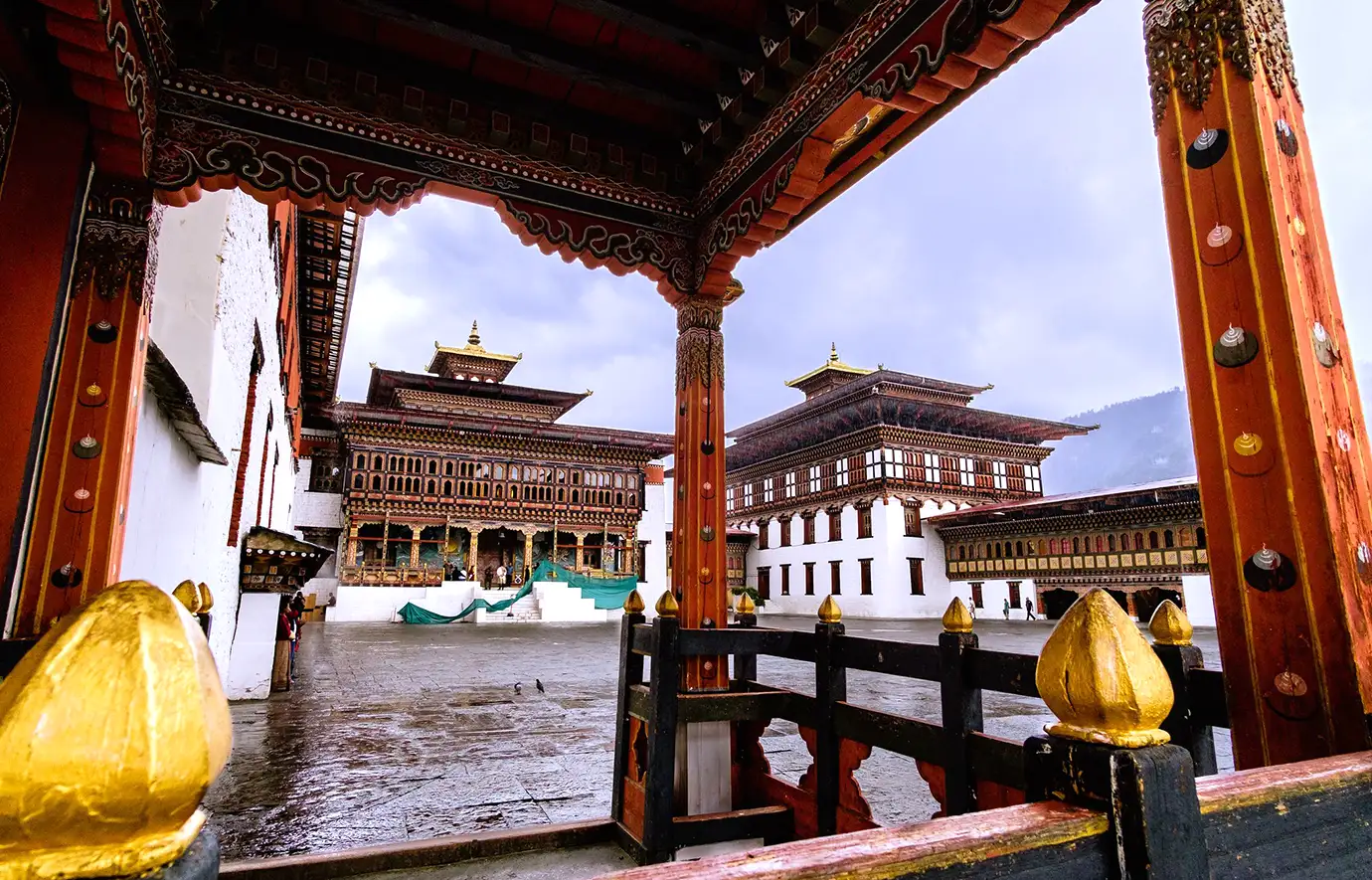
Bhutan travel rules also govern public behavior and the use of technology. Prohibitions against smoking in public places remain in effect across the kingdom. Photography is strictly prohibited inside the chapels of religious complexes to maintain the sanctity of the deities. While outdoor photography of Dzong courtyards is usually allowed, travelers should always consult their guide before photographing monks or local residents.
Key Cultural Protocols and Prohibitions
| Activity | Regulation | Impact of Violation |
| Temple Dress | No shorts, sandals, or hats | Entry denied to the site |
| Photography | Prohibited inside chapels | Equipment confiscation / Fines |
| Drones | Strictly prohibited for tourists | Heavy fines and legal detention |
| Public Decorum | No loud noise or kissing | Cultural offense and guide warning |
| Religious Sites | Walk clockwise around stupas | Disrespect for local customs |
| Wildlife | No feeding or disturbing animals | Revocation of trekking permit |
Drone usage is a major concern for the 2026 Department of Tourism. Travelers are forbidden from flying unmanned aircraft systems in Bhutan due to security and spiritual sensitivities. Only commercial or research entities with prior written approval from the Bhutanese Civil Aviation Authority and the Ministry of Home Affairs can operate drones. Unauthorized use leads to immediate confiscation of the device and significant legal penalties.
The 2026 Fiscal Landscape: GST and SDF Incentives
The 2026 fiscal year introduces a new 5% Goods and Services Tax (GST) on tourism components. This tax applies to the total value of tour packages, including hotels, internal transportation, and guide fees. Crucially, the GST does not apply to the Sustainable Development Fee, the visa application fee, or international air tickets. This ensures that the primary government revenue remains stable while the service sector contributes to the national treasury.
SDF incentives for long-stay visitors remain under government review. Some promotional periods offer a “pay for 4 nights, stay for 7” structure, although the 2026 standard is a flat $100 USD per night. Travelers must verify these incentives with their licensed operator before finalizing their Bhutan visa process. Refunds for cancelled trips are available from the Department of Immigration, but bank transfer charges are deducted from the final total.
Budget Allocation for a Typical 2026 Bhutan Tour
Travelers must plan for costs beyond the daily SDF to ensure a comprehensive experience.
- SDF Contribution: $100 USD per night (Mandatory).
- Visa Processing: $40 USD one-time fee.
- Accommodation: $100-$400 USD, depending on hotel star rating.
- Guiding Services: $50-$100 USD per day for a private guide.
- Daily Meals: $20-$40 USD for meals outside the hotel.
- Internal Transport: $50-$100 USD for a private driver and vehicle.
- GST (5%): Applies to hotel, guide, and transport totals.
Health and Safety Regulations for Permit Holders
The remote nature of restricted areas in Bhutan requires visitors to maintain high health and safety standards. Altitude sickness is a common risk, as cities like Thimphu and Paro sit above 2,300 meters, and trekking passes exceed 5,000 meters. Bhutan Travel Permits are issued on the assumption that the traveler is physically fit for the itinerary they have chosen. It is recommended that visitors consult a medical professional about altitude preparation, specifically the use of Acetazolamide (Diamox), at least four weeks before departure.
Travel insurance is required for the Bhutan visa process. The policy must cover medical emergencies and high-altitude evacuation. Because medical facilities in remote districts like Gasa or Trashigang are limited to basic health units, emergency helicopter services are the only way to reach specialized hospitals in Thimphu or abroad.
Essential Health and Safety Checklist
- Insurance Verification: Ensure the policy explicitly mentions Bhutan and covers trekking up to 6,000 meters.
- Medication Supply: Pack a 14-day extra supply of all prescription medicines, as rural pharmacies have limited stock.
- Vaccination Records: Keep digital copies of Hepatitis A, Typhoid, and Tetanus records.
- Hydration and Sun Protection: Use high-SPF sunscreen (50+) and carry a reusable water bottle with a filter.
- Emergency Contacts: Save the universal emergency number 112 and the Tourism Council of Bhutan hotline +975-2-323251.
Land Port Logistics: Entering via Samdrup Jongkhar and Gelephu
While Phuentsholing remains the primary road artery, the eastern gateway of Samdrup Jongkhar and the central gateway of Gelephu offer alternative access points. Samdrup Jongkhar connects with the Indian state of Assam and serves as the entry point for those exploring the weaving villages of Lhuentse and the Trashigang district. Gelephu serves as the gateway to the central districts and the Royal Manas National Park.
In 2026, Gelephu is undergoing significant development to increase flight capacity at its regional airport. This expansion aims to reduce travel time between the southern border and the central trekking hubs. Regardless of the entry point, the Bhutan entry permit remains the essential document for tracking visitor movement across these diverse landscapes. Travelers arriving by road must still meet the guide requirements and have their itinerary pre-verified by the Department of Immigration.
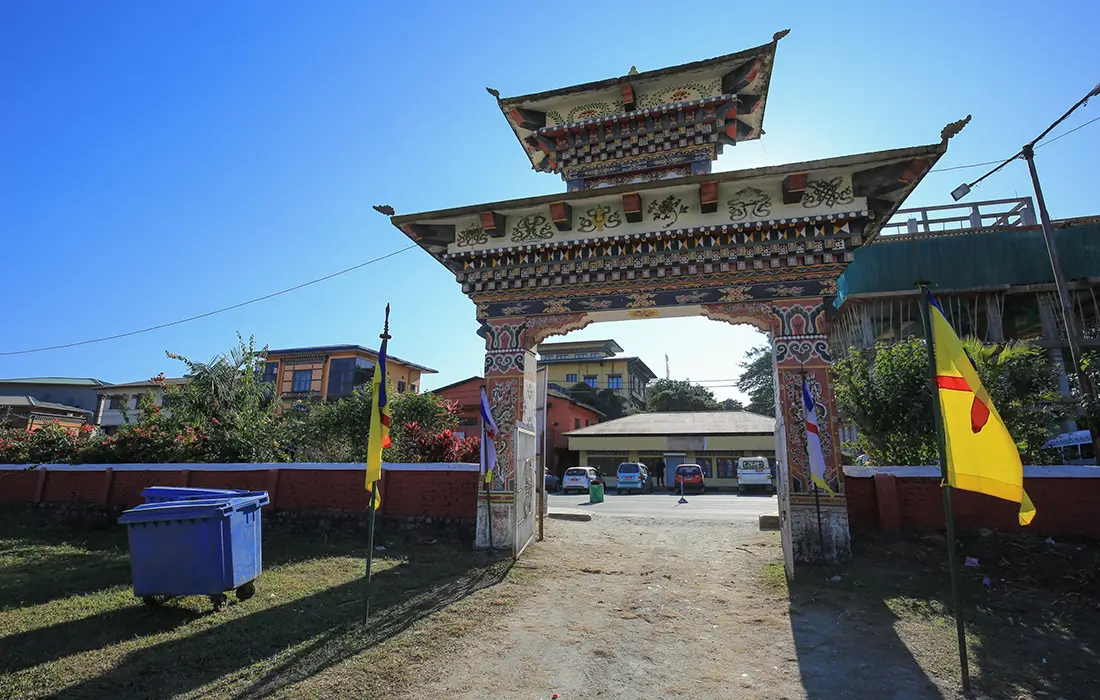
Comparison of Land Border Access Points
| Entry Point | Nearby Indian Hub | Best For | Regional Feature |
| Phuentsholing | Siliguri / Jaigaon | Western Bhutan Tours | Most developed infrastructure |
| Gelephu | Guwahati | Central Bhutan / Wildlife | Gateway to Royal Manas Park |
| Samdrup Jongkhar | Guwahati / Tezpur | Eastern Bhutan / Treks | Proximity to weaving centers |
Administrative Hierarchy and the Role of Tour Operators
The Bhutan visa process is designed to be intermediated by authorized entities to ensure compliance with national standards. While recent 2026 updates allow for more independent hotel and flight booking in Paro and Thimphu, a licensed Bhutanese tour operator remains mandatory for trekking and travel to Bhutan restricted areas. The operator serves as the official sponsor for the Bhutan visa process and is legally responsible for the traveler’s conduct and safety.
Operators collect the SDF and the visa fee, ensuring funds are deposited into the government’s consolidated account. They also secured the special area permit that Bhutan needed for internal road travel and temple visits. Using an unregistered or unauthorized agent is a common mistake that leads to permit rejection or deportation upon arrival. Travelers can verify an operator’s status on the Department of Tourism’s certified services list.
Common Pitfalls in Permit and Visa Applications
Error-free documentation is critical for a successful journey. The Department of Immigration rejects applications for minor mistakes, such as inconsistent name spellings or blurry passport scans. Another frequent issue involves the timing of the Bhutan visa process. Applications must be submitted at least two weeks before travel, but no later than 90 days in advance.
Payment failures also disrupt the Bhutan visa process.
International wire transfers to Bhutan must be clearly marked with the traveler’s name and application number to avoid reconciliation errors at the central bank. Using unauthorized payment channels or third-party apps not approved by the government can result in cancellation of Bhutan Travel Permits.
Summary of Frequent Application Errors
- Independent Filing: Attempting to apply for a trekking visa without an operator.
- ID Mismatch: Using an Aadhaar card instead of a Voter ID or Passport for the Bhutan entry permit.
- Photo Quality: Uploading a photo with a dark or cluttered background instead of a clear white one.
- Itinerary Vague: Failing to specify the exact hotels for every night of the stay.
- Insurance Gaps: Presenting an insurance policy that lacks high-altitude rescue coverage.
Connectivity and Communication in Remote Districts
Staying connected while traveling through restricted areas in Bhutan presents logistical challenges. While 4G networks are robust in Thimphu and Paro, signal coverage is limited in rural valleys and high mountain passes. Most hotels provide Wi-Fi, but speeds vary significantly once travelers move away from the western hubs. Purchasing a local SIM card from B-Mobile or TashiCell is highly recommended for any journey beyond the capital.
Bhutan Travel Permits are often verified digitally at internal checkpoints, making a functioning smartphone a useful tool for travelers. It is advisable to download offline maps and copies of all permit documents before entering areas with unreliable internet. Communication with the guide is the most reliable way to navigate road closures or permit inspections in the eastern districts.
Summary of Spatial Governance and National Policy
The 2026 framework for Bhutan Travel Permits reflects a sophisticated balance between modernization and tradition. By mandating the SDF and the use of certified guides, Bhutan ensures that its tourism industry remains a net positive for the national economy and the environment. The Bhutan visa process is the gatekeeper of this philosophy, ensuring that every visitor is properly vetted and accounted for during their stay.
The existence of restricted areas in Bhutan and the requirement for a special area permit demonstrate the kingdom’s commitment to protecting its sovereign space. Whether exploring the urban culture of Thimphu or the high-altitude isolation of Lunana, travelers operate within a regulated environment designed for mutual respect and sustainability. Compliance with Bhutan travel rules ensures that the kingdom remains “The Last Shangri-La” for future generations of visitors.
Final preparations for a 2026 visit should focus on securing an authorized operator, paying the appropriate SDF, and obtaining the correct Bhutan entry permit. With these documents in order, visitors are prepared to experience the profound cultural and ecological richness of Bhutan in a responsible and respectful manner.