


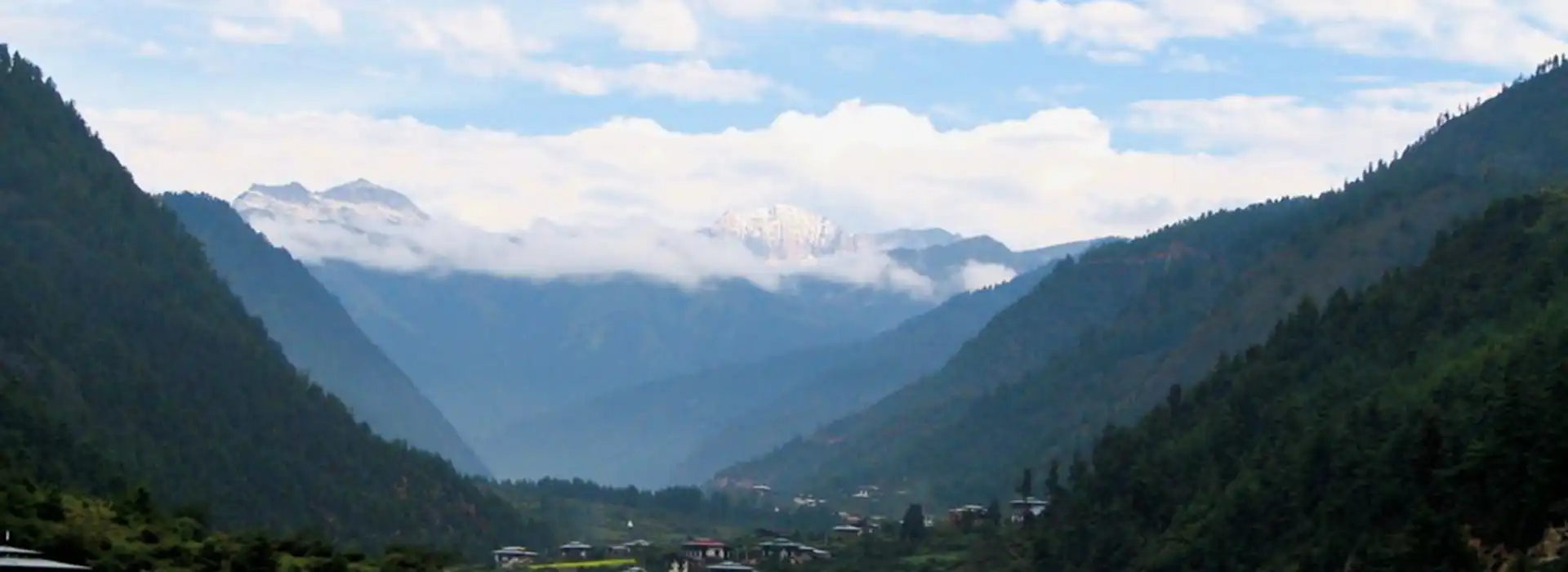

Bhutan Trekking Guide offers a window into the remote mountain kingdom of the Eastern Himalayas. This nation maintains a policy of high-value, low-impact tourism to protect its local culture. Travelers find untouched natural regions and high mountain passes throughout the country. Buddhist traditions influence the daily life of people and the atmosphere of every trail. Bhutan hiking tours provide access to ancient monasteries and remote villages far from modern cities.
Unique Features of Bhutan Hiking Tours
The kingdom remains a rare destination for outdoor enthusiasts due to limited visitor numbers. Bhutan Trekking Guide notes that trails rarely feel crowded, even during peak seasons. This privacy allows for a deeper connection with the quiet forests and snowy peaks. The environment remains clean because the government enforces strict waste-management rules.
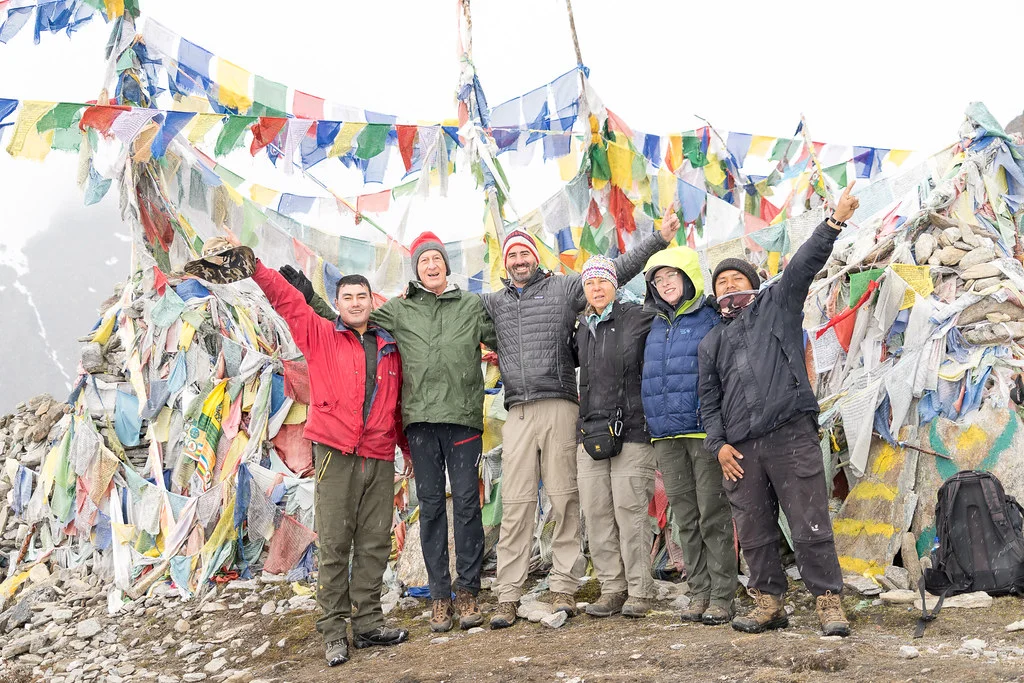
Buddhist culture lives in the shrines and prayer flags found along every route. Hikers pass by chortens and mani walls that reflect the spiritual heart of the people. High mountain passes often feature hundreds of colorful flags fluttering in the wind. These symbols mark sacred spaces and provide a sense of peace during the expedition. Remote villages offer a look at a vanishing way of life. Yak herders live in high pastures during the summer months. Farmers grow red rice and chilies in the fertile lower valleys. Bhutan hiking tours often include stays near these communities to foster cultural exchange.
| Feature | Description | Impact on Travelers |
| Low Volume Tourism | Government limits visitor count | Quiet trails and private camps |
| Spiritual Environment | Monasteries and flags on trails | Peaceful and reflective atmosphere |
| Pristine Nature | Strict conservation laws | Clean air and diverse wildlife |
| Cultural Depth | Ancient villages and traditions | Meaningful local interactions |
Seasonal Planning for Bhutan Trekking Routes
Choosing the right time for a trip determines the quality of the mountain views and trail conditions. Bhutan trekking routes change character as the seasons shift. Bhutan Trekking Guide helps travelers select the best months based on their specific goals.
Spring Season (March–May)
Spring brings the bloom of rhododendrons and magnolias across the hills. Temperatures remain moderate, creating comfortable walking conditions. Clear morning skies offer stunning views of the high peaks before clouds form in the afternoon. This season suits most Bhutan trekking routes, especially those at moderate altitudes.
Autumn Season (September–November)
Autumn provides the most stable weather and the best visibility of the year. Post-monsoon air remains crisp and clear, making it perfect for photography. Hikers find dry trails and blue skies during these months. Most challenging Bhutan hiking tours take place in autumn to avoid the risk of heavy snow or rain.
Winter and Monsoon Transitions
The winter months from December to February offer bright sun but cold nights. High passes often accumulate deep snow, making them impassable. However, low-altitude Bhutan trekking routes remain open for those who enjoy solitude. Monsoon rains from June to August create muddy paths and hide the mountains in mist. Few people choose this time for hiking, though the valleys look lush and green.
| Season | Months | Ideal For | Trail Conditions |
| Spring | Mar – May | Flowers and views | Moderate and clear |
| Autumn | Sep – Nov | High altitude treks | Dry and stable |
| Winter | Dec – Feb | Low altitude walks | Cold but sunny |
| Monsoon | Jun – Aug | Cultural valley tours | Muddy and rainy |
Easy Treks in Bhutan for Beginners
Beginner-friendly routes offer a gentle introduction to mountain terrain. These treks require less time and reach lower maximum altitudes. Bhutan Trekking Guide recommends these paths for families or first-time hikers.
Bumdra Trek (2–3 Days)
The Bumdra trek remains a favorite for those with limited time. It starts near Paro at the Sangchoekor Buddhist College. Hikers climb through thick forests of pine and fir for about four hours. The camp sits near the Bumdra Monastery, also known as the “Cave of a Thousand Prayers”.
This route offers a luxury camping experience with views of the Paro valley. The second day involves a descent toward the famous Tiger’s Nest Monastery. Travelers visit the temple before finishing the walk at the valley floor. Bumdra offers the perfect blend of nature and culture without requiring intense physical training.
Dagala Thousand Lakes Short Version
The short Dagala route focuses on a small group of alpine lakes near Thimphu. It avoids the long ridges of the full version but still reaches high meadows. Hikers see pristine water bodies like Utsho Lake, which holds golden trout. This trek offers a quick glimpse into the nomadic lifestyle of yak herders.
| Trek Name | Duration | Max Altitude | Key Highlight |
| Bumdra Trek | 2 Days | 4,000m | Tiger’s Nest view |
| Nabji Korphu | 6 Days | 1,500m | Monpa villages |
| Samtengang | 4 Days | 2,000m | Rural farm life |
Moderate Bhutan Trekking Routes
Moderate routes suit hikers with a reasonable level of fitness. These trails involve longer days and reach altitudes above 4,000 meters. Bhutan Trekking Guide suggests these for active travelers who enjoy camping in remote areas.
Druk Path Trek (5–6 Days)
Druk Path stands as the classic mountain route connecting Paro and Thimphu. It passes through forests of blue pine and dwarf rhododendrons. Hikers cross high ridges that offer views of Mount Jomolhari on clear days. The trail ranges from 2,400 to 4,200 meters. Campsites often sit near beautiful alpine lakes, such as Jimilang Tsho. These waters reflect the surrounding peaks, creating a quiet setting for the evening. The route ends with a descent to the Phajoding Monastery, overlooking the capital city. Druk Path provides a complete Himalayan experience with manageable daily distances.
Nabji Korphu Trek
The Nabji Korphu trek stays at lower elevations in central Bhutan. It traverses the Jigme Singye Wangchuck National Park. Travelers explore villages like Nabji, Korphu, and Nimshong. This route emphasizes cultural immersion over high-altitude challenges. Hikers see a variety of wildlife, including golden langurs and diverse bird species. The local Monpa people welcome visitors with traditional ceremonies. Paddy fields and tropical forests define the scenery along this path. Nabji Korphu serves as an excellent winter option because the climate remains warm.
Challenging Bhutan Trekking Routes
Challenging routes require high physical endurance and experience. These expeditions involve crossing multiple high passes and spending weeks in remote areas. Bhutan Trekking Guide provides essential facts for those attempting these difficult paths.
Jomolhari Trek (7–12 Days)
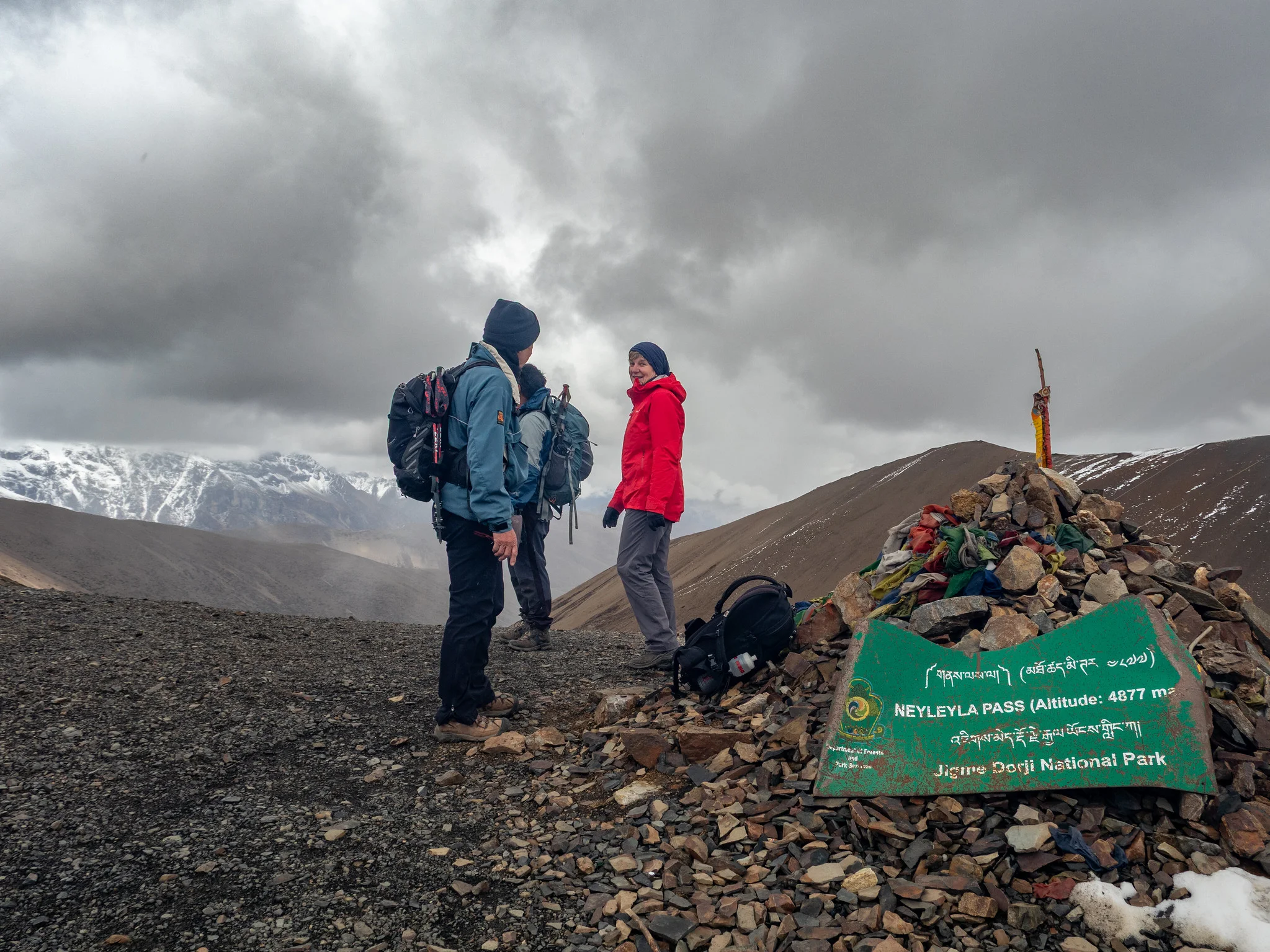
The Jomolhari trek takes hikers to the base of the sacred Mount Jomolhari. It starts in the Paro valley and follows the Pa Chhu river. The trail passes through yak herder settlements and thick alpine forests. Hikers reach the base camp at Jangothang, which offers one of the best views in the kingdom. Participants cross two major passes, Nyile La and Yalila, both near 4,900 meters. High-altitude conditions make the air thin and walking difficult. Blue sheep and even snow leopards live in these rugged mountains. This route demands a strong heart and solid legs to complete successfully.
Snowman Trek (25–30 Days)
The Snowman Trek has a reputation as the world’s toughest route. It crosses the remote Lunana region and follows the border with Tibet. Hikers move over eleven high passes, many above 5,000 meters. The long duration and extreme isolation test the limits of even expert climbers.
Participants must prepare for unpredictable weather and freezing temperatures. The trail passes through tiny villages where people live unchanged for centuries. Support teams use yaks to carry supplies through the deep snow. Only a few people complete this expedition each year due to its high cost and physical demands.
| Trek | Pass Count | Highest Pass | Fitness Level |
| Jomolhari | 2 | 4,930m | Strenuous |
| Snowman | 11+ | 5,454m | Extreme |
| Laya Gasa | 4 | 5,005m | High |
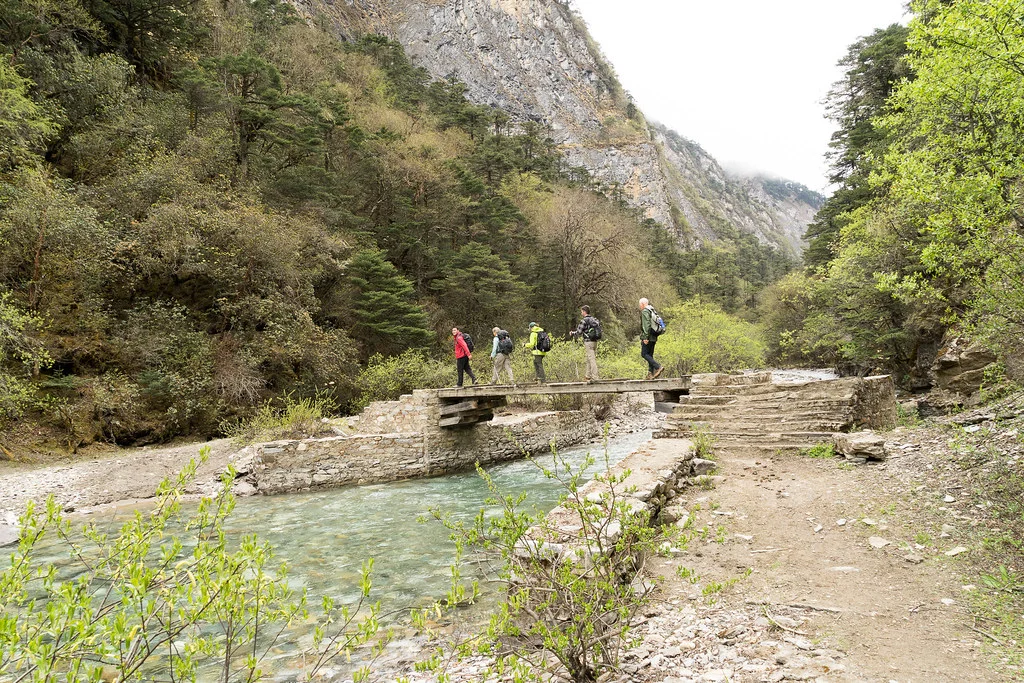
Bhutan Trekking Difficulty Levels Explained
Bhutan Trekking Guide uses three main categories to describe trail difficulty. Understanding these levels helps travelers choose a safe and enjoyable trip.
Easy Level
Easy treks involve 3 to 4 hours of walking each day. Most paths stay below 3,500 meters, which reduces the risk of altitude sickness. These routes suit beginners and those who prefer a relaxed pace. Basic physical health is enough to enjoy these Bhutan hiking tours.
Moderate Level
Moderate level routes require 5 to 6 hours of daily movement. Hikers cross at least one pass above 4,000 meters. Steep climbs and descents occur regularly along the trail. Active travelers with some hiking experience find these treks rewarding.
Challenging Level
Challenging treks demand 7 to 9 hours of walking over rocky terrain. Multiple passes above 4,500 meters push the body to its limits. High-altitude camping and extreme weather remain constant factors. Only fit individuals with experience in the high Himalayas should book these routes.
Bhutan Trekking Cost Breakdown
Budgeting for a trip requires an understanding of government fees and package rates. Bhutan Trekking Guide provides a clear look at the current financial requirements.
Sustainable Development Fee (SDF)
The Royal Government of Bhutan charges a mandatory SDF of US $100 per person per night. This fee supports national conservation, healthcare, and education. Indian nationals pay a reduced rate of ₹1,200 per night. Children receive discounts based on their age at the time of travel.
Package Costs
Trekking packages include the cost of guides, crews, and equipment. A solo trekker pays around US$ 350 per night, in addition to the SDF. Groups of 3 or more people pay a lower rate of approximately US$225 per person per night. Luxury Bhutan hiking tours cost significantly more, ranging from $800 to $2,000 per night.
| Item | Cost (USD) | Frequency |
| SDF (International) | $100 | Per night |
| Visa Fee | $40 | Per trip |
| Group Package | $225 | Per person/night |
| Solo Package | $350 | Per night |
| Horse/Yak Rental | Included | In the package rate |
What Is Included in a Bhutan Trekking Tour?
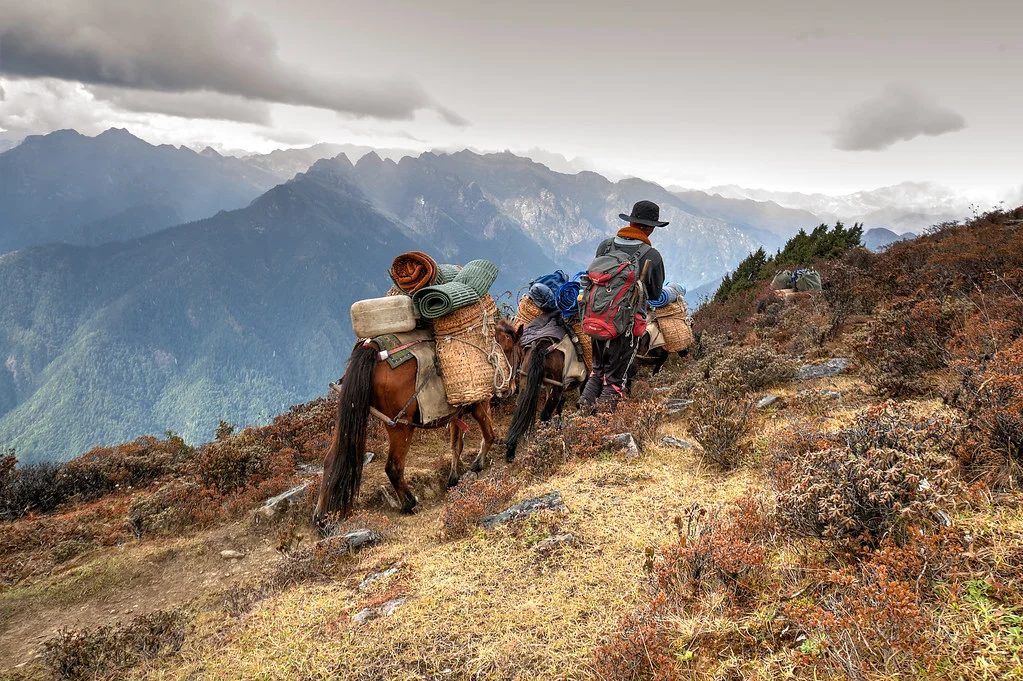
Standard tours provide a full-service experience so hikers can focus on the trail. Bhutan Trekking Guide lists the common inclusions in most professional packages. Licensed guides lead every group and provide safety and local knowledge. A professional trekking cook prepares hot meals three times a day. Assistants set up the camp, including sleeping, dining, and toilet tents. Pack animals, such as ponies or yaks, carry all the heavy luggage and supplies.
Tours also cover ground transportation within the country. This includes airport pickups and drives to the trailheads. Most packages include basic trekking gear, such as sleeping mats, though hikers bring their own sleeping bags. Bottled water or purified water is available throughout the trip.
What to Pack for Trekking in Bhutan
Packing correctly ensures safety in the unpredictable mountain weather. Bhutan Trekking Guide emphasizes a layered clothing system for maximum comfort.
- Base Layers: Moisture-wicking shirts and long underwear keep the skin dry.
- Insulation: A warm fleece or down jacket helps retain heat on cold nights.
- Outer Shell: A waterproof and windproof jacket protects against rain and snow.
- Footwear: Sturdy, waterproof hiking boots with good ankle support are essential.
- Accessories: Warm hats, gloves, and quality wool socks prevent cold-related injuries.
- Sun Protection: Sunglasses with UV protection and high-SPF sunscreen shield against the high-altitude sun.
| Layer | Recommended Material | Function |
| Base | Synthetic or Merino Wool | Wicks sweat |
| Mid | Fleece or Light Down | Traps warmth |
| Outer | Gore-Tex or similar | Blocks wind/rain |
| Feet | Wool/Synthetic Blend | Prevents blisters |
Altitude and Acclimatization
Altitude sickness represents a real risk on Bhutan trekking routes above 3,000 meters. Bhutan Trekking Guide provides essential facts for staying healthy at high elevations. Gradual ascent remains the most effective way to prevent illness. Experts recommend the “walk high, sleep low” strategy to help the body adjust. Hikers should limit their daily elevation gain to 300 or 500 meters once they reach 3,000 meters. Staying hydrated by drinking 3 to 4 liters of water daily supports the blood’s ability to carry oxygen.
Some people use Diamox to help the body acclimate faster. This medication must be taken under a doctor’s advice and usually starts a day before the ascent. Recognizing symptoms like headache, nausea, and dizziness remains vital. If symptoms persist or worsen, the only cure remains an immediate descent to a lower altitude.
Trekking Permits and Regulations
The kingdom manages tourism carefully to protect its heritage and nature. The Bhutan Trekking Guide explains the rules that every visitor must follow. Independent trekking does not exist in Bhutan. All hikers must book through a licensed tour operator who handles the necessary permits. These permits grant access to specific regions and national parks. Licensed guides must accompany every group to ensure safety and compliance with local laws.
Tourism policies ensure that environmental impact remains minimal. The government uses the SDF to fund conservation efforts and infrastructure. These regulations preserve the very beauty that travelers come to see, ensuring the trails remain pristine for years to come.
Cultural Experience on Bhutan Treks
Hiking in the kingdom provides more than just mountain views. Bhutan Trekking Guide highlights the deep cultural connections found along the routes. Monasteries and temples often sit on remote cliffs far from the roads. Travelers visit these sacred sites and sometimes receive blessings from resident monks. Meeting yak herders in their high camps offers a look at a traditional lifestyle. These encounters foster respect and understanding between different worlds.
Village festivals sometimes coincide with Bhutan hiking tours. Locals wear their finest traditional clothes and perform colorful dances. Participating in a local archery match or sharing butter tea in a farmhouse becomes a highlight for many. These authentic moments define the spirit of travel in the kingdom.
Luxury Trekking in Bhutan
For those seeking comfort, luxury Bhutan hiking tours provide a premium experience. Bhutan Trekking Guide describes the high-end options available in the mountains. Luxury camps feature large tents with comfortable beds and memory-foam mattresses. Heated blankets and private eco-restrooms ensure comfort even in cold weather. Professional chefs prepare multi-course meals using fresh, organic produce. Private guides tailor the pace and activities to the traveler’s specific needs.
Helicopters often provide a scenic way to start or end an expedition. A helicopter return from remote areas like Laya saves days of walking. High-end lodge stays before and after the trek offer spa treatments and fine dining. These exclusive services provide a way to see the Himalayas without sacrificing elegance.
Responsible Trekking Practices
Protecting the environment remains a core value in the kingdom. Bhutan Trekking Guide encourages all hikers to follow responsible practices. “Leave No Trace” principles guide every professional expedition. Hikers must pack out all trash and avoid using single-use plastics. Using designated campsites prevents damage to fragile alpine plants. Respecting wildlife by maintaining a safe distance helps keep animals wild and undisturbed.
Travelers also show respect for the local culture. Dressing modestly and walking clockwise around religious monuments are simple but vital acts. Avoiding loud noise and staying on marked trails keeps the environment peaceful for everyone. These habits ensure that the kingdom remains a beautiful destination for generations.
Sample 7-Day Bhutan Trekking Itinerary
A 7-day trip offers a perfect balance of culture and hiking. Bhutan Trekking Guide outlines a popular structure for a first-time visit.
- Day 1: Arrival in Paro. Your guide meets you at the airport. Visit the National Museum and Paro Dzong. Stay in a local 3-star hotel.
- Day 2: Tiger’s Nest Hike. Walk for two hours to reach the famous cliffside monastery. This serves as a vital acclimatization step.
- Day 3: Trek to Jele Dzong. Start the Druk Path route with a steady climb. Camp near the ancient Jele Dzong fortress at 3,400 meters.
- Day 4: Trek to Jangchulakha. Follow the ridge with views of the Himalayan range. Pass through yak pastures and camp at 3,770 meters.
- Day 5: Trek to Jimilang Tsho. Walk through rhododendron forests to a sacred lake. Camp by the water at 3,870 meters.
- Day 6: Descent to Thimphu. Finish the trek with a walk down toward the capital city. Visit the Buddha Dordenma statue in the afternoon.
- Day 7: Departure. Drive back to Paro for your international flight.
Frequently Asked Questions
Bhutan Trekking Guide answers common questions to help travelers prepare.
Q: What is the best trek in Bhutan?
A: The Druk Path Trek remains the most popular classic route. For mountain views, the Jomolhari Trek remains a top choice. Beginners often prefer the 2-day Bumdra Trek.
Q: Is trekking in Bhutan difficult?
A: Difficulty depends on the specific route. Easy treks require only 3 to 4 hours of daily walking. Challenging treks like the Snowman Trek demand extreme fitness and experience. Altitude remains the primary challenge for all Bhutan hiking tours.
Q: How much does trekking in Bhutan cost?
A: International travelers pay a US$100 SDF per night. Package rates for trekking start around US $225 per person per night for groups. Solo travelers pay more, often around US$350 per night.
Q: Can beginners trek in Bhutan?
A: Yes, several beginner-friendly Bhutan trekking routes exist. Bumdra and Nabji Korphu offer manageable distances and lower altitudes.
Q: What is the Snowman Trek?
A: The Snowman Trek is a month-long expedition crossing the highest passes in the country. It crosses the remote Lunana region and follows the Tibetan border. It represents the peak of Himalayan hiking challenges.