


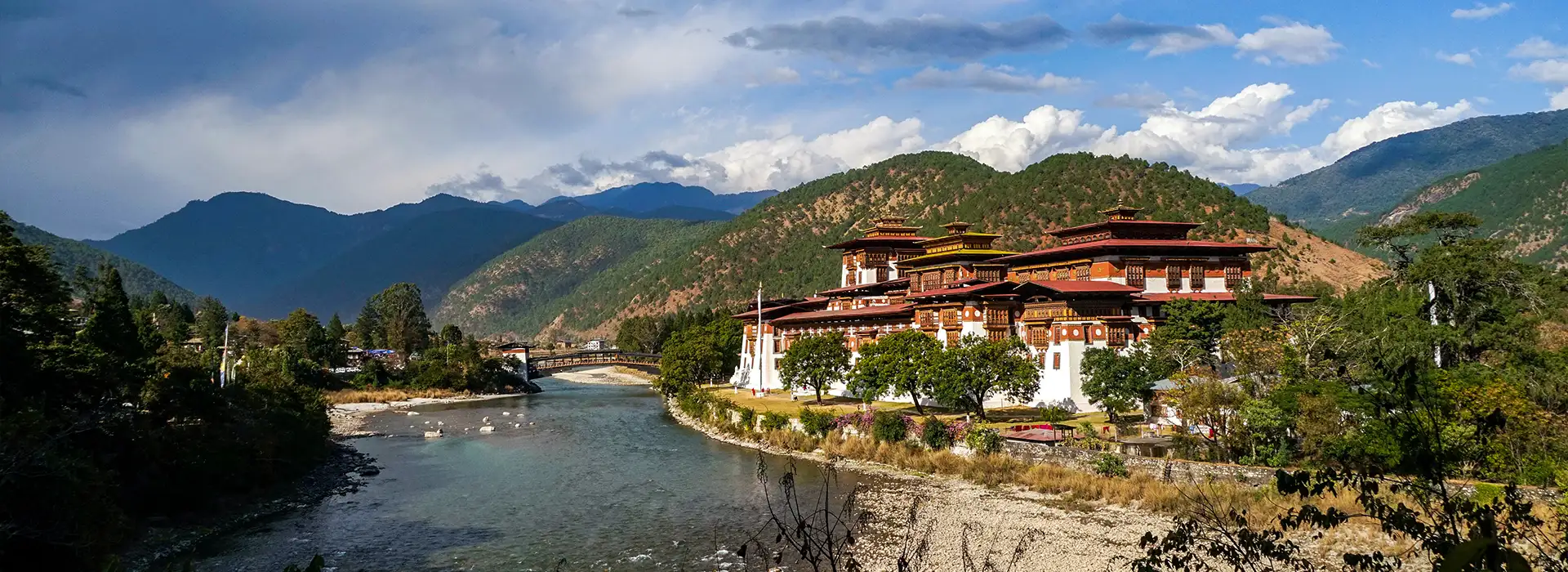

Located in the Himalayas, Bhutan provides a truly unique travel experience. The kingdom operates on a “High Value, Low Volume” tourism model. This policy safeguards Bhutan’s local culture and pristine environment, allowing travelers to appreciate the country’s stunning beauty without disrupting the delicate ecosystems or timeless traditions.
Before booking any travel, understanding the Bhutan visa process is essential. The government manages entry permits differently, requiring all arrangements and payments to be made through official channels before arrival. Following these steps guarantees a seamless travel.
Planning a trip to Bhutan is simpler than you might imagine. The Royal Government of Bhutan carefully manages all tourism through its Department of Immigration and Department of Tourism. This system ensures every visitor directly contributes to the nation’s well-being and sustainable future.
The visa process itself involves a few clear stages. You begin by choosing an officially approved tour operator. Next, you pay the required daily fee, which covers your curated experience. Finally, you submit the necessary digital documents to complete your application, paving the way for your Himalayan adventure.
Bhutan is a true global example of sustainable travel. The kingdom’s forests actively absorb more carbon than the nation produces. Remarkably, 70% of the country remains under forest cover. These core values of protection even shape the Bhutan visa process through the Sustainable Development Fee. This direct contribution funds free healthcare and quality education for all Bhutanese citizens. It also maintains pristine hiking trails and preserves ancient monastery walls. Your visit to Bhutan, therefore, becomes a meaningful contribution.
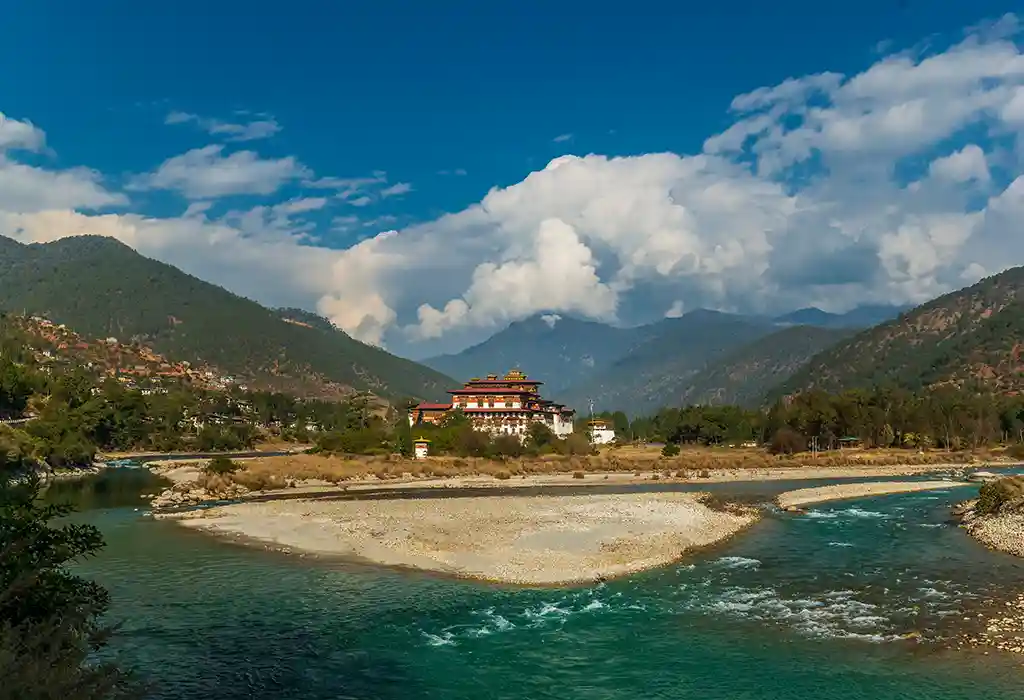
Located at the confluence of two rivers, Punakha Dzong is a must-visit for any cultural traveler.
Planning a trip to Bhutan feels unlike arranging any ordinary vacation. In most places, you can book your own hotels and often get a visa upon landing. Bhutan chooses a more intentional path to safeguard its peaceful and serene atmosphere. Hence, the entire visa process begins the week before the arrival date and relies on careful preparation and clear communication with a licensed local tour operator. Following this approach guarantees your smooth arrival in Bhutan.
The next part of this guide provides clear instructions for completing the Bhutan visa process. Every step includes practical advice for 2026 and 2027, giving you the confidence to plan your trip. This guide outlines all the official requirements and highlights common, easy-to-miss mistakes. Following this careful guidance will help you navigate the entry formalities with ease.
Understanding the Visa System of Bhutan
For many international visitors, Bhutan does not offer a visa on arrival. Only citizens of India, Bangladesh, and the Maldives follow distinct entry rules under special regional agreements. Everyone else must secure a visa clearance letter in advance; it is mandatory before you can even board your flight. Carriers like Drukair and Bhutan Airlines will ask to see this approval at check-in. Passengers who cannot present this letter risk being denied boarding at the gate. Planning this essential step well in advance removes any last-minute stress and ensures your travel begins smoothly. This simple preparation grants you immediate peace of mind, allowing you to focus entirely on the beauty that awaits in the Land of the Thunder Dragon.
The entire Bhutan visa process runs through an official online portal. The Department of Immigration personally reviews each application to confirm that every detail is correct and in compliance with the rules. Most travelers work with a licensed tour operator to manage these technical steps. These local experts serve as a vital link between you and the government offices. They confirm your travel itinerary, ensure all fees are paid correctly, and gently guide you through each requirement. This support makes the procedure simple, leaving you free to focus on the excitement of your upcoming adventure.
Bhutan recently updated its entry rules to give travelers more flexibility. Visitors now enjoy a wider choice when selecting hotels and guides, enabling a more tailored, personal tour. The core of the Bhutan visa process, however, remains unchanged. Travelers must still provide proof of a planned itinerary and confirm that all required fees have been paid to secure their official approval. This thoughtful system continues to ensure every visit is safe, organized, and deeply respectful. It protects the well-being of both the guest and the peaceful kingdom they have come to explore.
Pre-arranged travel defines the entire Bhutanese travel experience. This careful system prevents overcrowding at the kingdom’s sacred sites and quiet trails. It also ensures every visitor travel with a certified guide who provides safety and shares real cultural understanding. The Bhutan visa process creates the doorway to this organized and immersive environment. Travelers who embrace the system enjoy a much smoother travel. They also discover richer experiences and form a deeper connection with the local communities around them. This thoughtful framework turns a simple visit into a meaningful exchange.
The immigration office issues visas only for the exact dates of your confirmed trip. The entire Bhutan visa process securely links your travel permit to your pre-paid itinerary. This careful integration guarantees a seamless experience from arrival to departure. If you wish to extend your stay once in the country, you must visit the main immigration office in Thimphu for approval. Planning your preferred length of stay well in advance helps you avoid any last-minute complications. This foresight allows you to fully enjoy every moment of your travel in peace, from the first mountain view to the last.
Core Visa and fee Structure for 2026-2027
| Category | Standard Rate | Child Rate (6-12) | Infant Rate (Under 6) |
| Visa Application Fee | US$40 | US$40 | US$40 |
| Sustainable Development Fee | US$100 per night | US$50 per night | Exempt |
| Processing Time | 5 working days | 5 working days | 5 working days |
| Validity | Up to 90 days | Up to 90 days | Up to 90 days |
Step 1: Choose a Licensed Bhutan Tour Operator
Selecting a professional tour operator with years of experience is crucial in the Bhutan visa process. The government allows only the licensed agencies to file applications for international visitors, so they must maintain a high standard of services to keep their license. These agencies handle everything from visa paperwork to travel plans to make your Bhutan trip memorable and successful.
A licensed operator is like a layer of security for a traveler, as the government monitors them to ensure fair pricing and high-quality services. To ensure smooth processing of Bhutan trip procedures, the operator serves as the primary point of contact between the traveler and the government. They collect travelers’ passport details and upload them to the government portal, which speeds up the application’s approval time.
Working with an authorized tour operator ensures your payment is directed to the appropriate official accounts. Under Bhutanese law, these licensed agents must deposit the full amount for your trip before officials will even review the visa application. The government then holds these funds in trust. They release the money only after you finish your visit and leave the country. This careful process actively safeguards you from any service issues. The Bhutan visa system remains secure and clear precisely because the government monitors each transaction. This oversight builds a strong foundation of trust. You can plan your entire Himalayan adventure with genuine confidence and peace of mind.
Travelers can gain many local insights that guidebooks cannot provide from the operators. They know which hotels offer the best service and views, understand the nuances of the visa process for different nationalities, and help travelers navigate the specific rules for 2026, including the 5% Goods and Services Tax on local tour components such as accommodation and meals. The operator also helps travelers to manage logistics for trekking and regional travel, as some regions of Bhutan need additional route permits. With the help of the operators, travelers do not need to visit separate government offices for these permits, as they handle all the behind-the-scenes work to make your trip smooth and seamless.
Step 2: Confirm the Travel itinerary and Cost
The Department of Immigration in Bhutan requires a clear, well-planned travel itinerary before approving a visa. Travelers need to submit a day-wise program of the visit, including the towns they plan to visit and the hotels they plan to stay at. Deciding on these aspects ensures your applications are reviewed more quickly by visa officials.
The cost of the trip depends entirely on how long you plan to stay in Bhutan and what level of comfort or luxury you seek. The visa process includes the mandatory SDF and the one-time application fee. Accommodation, meals, and transportation services all require budgeting for travelers. Most operators include all these aspects in a single package, usually covering a 3-star hotel, a private vehicle, and an English-speaking guide.
Bhutan categorizes its hotels and lodges by the quality of services and amenities they offer. A 3-star hotel offers comfortable rooms and traditional Bhutanese hospitality, whereas a 4- and 5-star resort offers high-end, luxurious services with spa facilities. The Bhutan Visa Process requires the travelers to stay in a hotel certified by the Department of Tourism. This ensures that travelers are staying in comfortable accommodations that offer quality services. Staying in uncertified lodges or hotels can affect the visa approval.
Planning for a Bhutan trip further adds some value and a meaningful experience to your travel. Festivals like Paro Tshechu or Thimphu Tshechu offer travelers insights into Bhutan’s culture and traditions. These festivals feature masked dances that depict stories from ancient times, captivating many guests. During the festival period in Bhutan, though the visa process remains the same, hotels and flights fill up fast, so book at least 6 months in advance. Travelers who book ahead can secure the best rooms with the necessary visa clearance as well.
As the Bhutanese require a guide for travel outside the Paro and Thimphu valleys, the trip costs include a service charge for the guide and driver. The Bhutan Visa Process accounts for this by checking the guide’s certification number on the application, as certified guides have undergone rigorous training in history, culture, and first aid, ensuring that your trip is safe and educational.
Estimated Service Costs (Excluding SDF and Visa Fees)
| Service Type | Budget (Standard) | Comfort (Deluxe) | Premium (Luxury) |
| Hotel Room | US$30 – US$50 | US$60 – US$150 | US$250+ |
| Daily Meals | US$10 – US$20 | US$25 – US$40 | US$60+ |
| Guide and Driver | US$20 – US$40 | US$40 – US$80 | US$100+ |
| Internal Transfers | Included in the car fee | Included in the car fee | Included in the car fee |
Step 3: Pay the Sustainable Development Fee (SDF)
The Sustainable Development Fee (SDF) is a mandatory nightly tax that serves as the cornerstone of the Bhutan Visa Process. Bhutan imposes this tax on international visitors to support the kingdom’s social and environmental welfare. The government used the SDF to provide free healthcare and education to its citizens. For most international adults, the current SDF rate is US$100 per night and remains active until the 31st of August, 2027. Paying this fee is a crucial step for a visa approval.
Every dollar collected through the Sustainable Development Fee flows directly into the national treasury. The government channels this revenue toward free healthcare and quality education for all Bhutanese citizens. At the same time, these funds support vital forest protection programs and help preserve the ancient traditions that define the kingdom’s identity. Through the Bhutan visa process, you become a direct partner in the nation’s quiet and steady progress. This thoughtful model reduces the harmful pressure of mass tourism. It also sustains essential public services that uplift entire communities across the country.
Travelers can pay either through a licensed tour operator or directly via the official online portal. Most visitors prefer to let their operator manage the transaction. This keeps the entire process clean, simple, and well-organized. The agent collects your payment and transfers it to the Department of Revenue and Customs on your behalf. Before the immigration office even begins reviewing your application, the Bhutan visa process demands clear proof of this transaction in the form of an official receipt. If you need to cancel your trip or leave earlier than planned, you may request a refund of the Sustainable Development Fee in accordance with the published government policy.
Families traveling with children receive generous discounts on the daily fee, making Bhutan far more accessible for younger travelers. Under the current system, children between six and twelve years old enjoy a 50 percent reduction, which brings their cost down to just US$50 per night. Children under six do not pay the Sustainable Development Fee. To qualify for these reduced rates, families must simply submit a clear copy of the child’s birth certificate or passport during the visa application stage.
This small administrative step unlocks significant savings. Indian nationals follow a separate fee structure altogether. This reflects the deep and long-standing regional friendship between the two countries. Visitors from India pay 1,200 Indian Rupees or Ngultrums per night. Instead of applying for a full tourist visa, they receive a special travel permit through the Bhutan visa process. Even with this streamlined entry, the SDF payment remains mandatory for all regional travelers.
Step 4: Submit Required Documents
The Bhutan visa process requires travelers to upload specific digital documents to verify their identity. Accuracy at this stage matters deeply. Even a small mistake, a misspelled name or an incorrect passport number, can trigger delays or outright rejection. The Department of Immigration reviews each application through an entirely electronic system. Clear, legible scans and complete information move your file through the review process much faster. When you take the time to provide high-quality images and carefully check every detail, you quietly increase your chances of receiving approval without unnecessary delays.
Travelers must upload a clear digital copy of their passport bio page as the primary requirement. The passport must remain valid for at least six months beyond the planned departure date from Bhutan. In addition, the scan must display the entire page, including the machine-readable zone at the bottom. The Bhutan visa process cannot move forward if the passport expires too soon. Therefore, travelers should always check the expiration date carefully before starting the application to avoid delays.
Travelers must also submit a recent passport-style photograph with the application. The photo should feature a plain white background and provide a clear, complete view of the face. The Bhutan visa process accepts digital uploads in standard file formats, which makes submission convenient and straightforward. However, image quality matters. When applicants use a professional photo service, they reduce the risk of rejection and avoid delays caused by blurry or poorly lit photos that require replacement.
Travelers must now carry valid travel insurance as part of the Bhutan visa process. The policy must cover the entire length of the stay and include protection for medical emergencies. If the itinerary involves trekking, the insurance should also cover high-altitude rescue. Applicants need to upload proof of this coverage to the visa portal before approval. This requirement safeguards visitors in the event of illness or accidents, especially in remote mountain regions where emergency services may be limited.
Travelers must also submit their arrival and departure dates along with full flight details. The Bhutan visa process links the visa directly to these confirmed travel dates, making accuracy essential. Tour operators use the flight itinerary to arrange airport pickup and organize the travel schedule accordingly. When travelers prepare all these details in advance, they save time and avoid unnecessary back-and-forth during the application stage.
Document Checklist for Bhutan Visa
- Passport Copy: Clear, color scan of the bio-page.
- Passport Validity: At least 6 months remaining.
- Digital Photo: Recent passport-size with white background.
- Travel Insurance: Proof of coverage for the whole stay.
- Flight Itinerary: Confirmed arrival and departure dates.
- Birth Certificate: For children under 18 (if applicable).
Step 5: Visa Application Submission by the Operator
After collecting all documents and payments, the operator submits the completed application for the traveler. They do this through the Bhutan Immigration Services Portal. This digital platform connects multiple government departments into one streamlined system. The agent carefully enters all personal details and uploads each required document. This thorough preparation keeps the Bhutan visa process moving without unnecessary interruptions.
The review process usually takes up to 3 working days. Officers confirm the SDF payment has reached the government and verify every hotel reservation and day-to-day plan. The Bhutan visa process keeps everything transparent through its connected online portal. Agents track the application status continuously and pass each update directly to the traveler. This steady flow of information replaces doubt with clarity and brings calm to the final weeks of trip preparation.
No embassy visit is required at any stage. A registered tour operator like Nepal Hiking Company handles the entire submission through the government portal. You never package your passport or wait for postal returns. The process respects your time and spares you the anxiety of lost documents. Once approved, a digital clearance letter is emailed. Print it, pack it, and present it at the airport. That piece of paper is your permission to enter Bhutan.
Sometimes the Department of Immigration asks for more details. An officer may request a more detailed inspection of your passport or further clarification of your insurance coverage. Your tour operator receives these queries directly and handles them promptly without any effort on your part. This keeps the Bhutan visa process flowing forward without interruption. When you submit clean, complete documents on the first attempt, your application almost always sails through without a single request for revision.
Bhutan’s festival season brings spring blossoms and autumn colors. Visitors time their trips around these cherished celebrations. Visa applications pile up quickly at the immigration office during both windows. Officers do not rush. They review each submission with the same patient eye. Volume alone slows the line. The Bhutan visa process continues as usual. Only the wait extends. To avoid delays, submit your paperwork a full month before departure.
Step 6: Visa Approval and Visa Clearance Letter
Once immigration officers approve your application, they issue a Visa Clearance Letter. This document holds more weight than your passport at the point of entry. It stands as official proof that the Bhutanese government reviewed and authorized your visit. The system sends the digital letter directly to your licensed tour operator. The Bhutan visa process is complete here. Everything after this belongs to your journey alone.
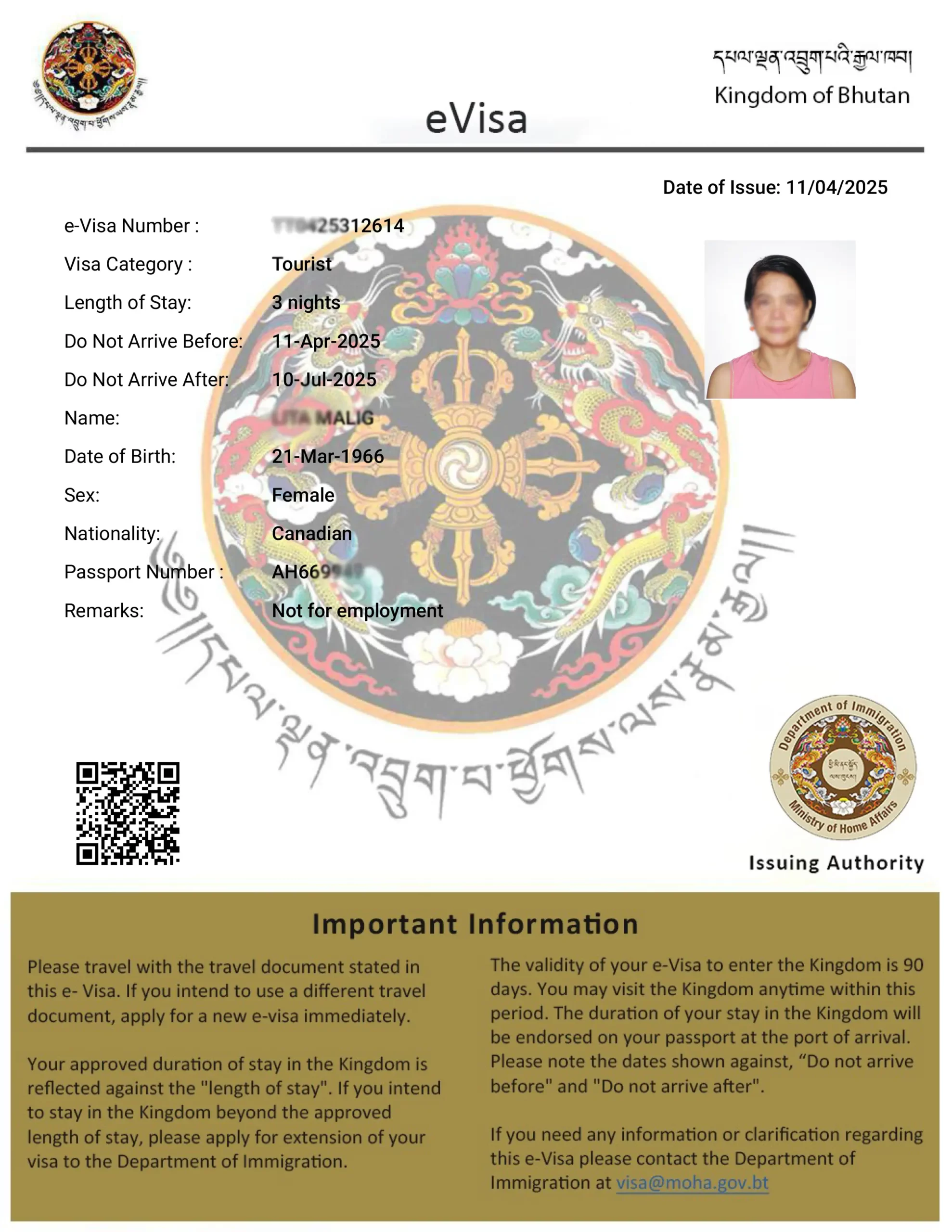
Your tour operator forwards the Visa Clearance Letter as a PDF attachment. Open it, print it, and place it next to your passport. Drukair and Bhutan Airlines check for this printed letter before they ever check your bags. Without it, the agent cannot issue a boarding pass. If there is no Visa Clearance letter, then there is no flight to Paro.
The clearance letter includes your full name, passport number, and precise travel dates. It also lists your visa reference and the licensed operator managing your trip. You must compare every single character against what appears on your physical passport. One mismatched digit can halt you at immigration while officials pause to verify your identity. If you notice any inconsistency, even a tiny one, reach out to your operator immediately. They will request a corrected version before your departure date arrives. The Bhutan visa process permits corrections, but only when you discover the mistake early enough.
This document does not serve as the final visa but simply permits travelers to reach up to the entry gate. The Bhutan visa process concludes only when an immigration officer places a physical stamp in your passport at Paro Airport or at the land border. Think of the clearance letter as a bridge. It connects your online approval to that official ink.
Carry a digital backup on your phone in case of an emergency. Still, officers routinely ask for the printed copy. They prefer to hold paper in their hands while they update their records. Beyond the airport, you will need this letter again. Monks at sacred temples may request it. District checkpoints along winding mountain roads require it. The letter stays relevant long after you first land, accompanying you from the western valleys to the eastern highlands.
Step 7: Entry into Bhutan
Paro International Airport serves as the main gateway for most visitors. Others cross by road at Phuentsholing, Gelephu, or Samdrup Jongkhar. Flights arrive regularly from Bangkok, Delhi, Kathmandu, and Singapore. Inside the arrival terminal, the Bhutan visa process runs smoothly and without delay. Immigration officers work calmly behind their counters. They request your passport and the printed clearance letter.
The officer checks your clearance letter against the government database. When both records align, they press the official visa stamp onto a blank page inside your passport. That stamp marks your entry date and the exact length of time you may stay. The Bhutan visa process ends right here, face-to-face across the counter. You pay nothing at this moment. No transaction takes place. No bills exchange hands. Every fee, from the Sustainable Development charge to the visa processing cost, was settled long before your arrival. What remains is simply a final act of confirmation and a quiet welcome to the kingdom.
Phuentsholing, Gelephu, and Samdrup Jongkhar serve as the primary land entry points. These towns sit along the southern edge of Bhutan, bordering the Indian states of West Bengal and Assam. The Bhutan visa process at these crossings follows the exact sequence used at the airport. Travelers present their printed clearance letter and passport at the immigration counter. Officers confirm the details in the system, approve the record, and stamp the visa directly into the passport. The steps do not change. The rules do not bend. Only the view outside the window shifts from runway to rice fields and palm trees.
Travelers arriving from India must check their own visa conditions first. If you plan to re-enter India after your Bhutan visit, your Indian visa must allow multiple entries. The Bhutan visa process does not manage or influence Indian immigration policy. You carry that responsibility alone. Coordinate your arrival time at the border carefully with your tour operator. In most cases, your agent waits on the Bhutan side, ready to greet you the moment you enter its land.
Paro Airport sits in a narrow valley with high peaks surrounding the runway on all sides. Only specially trained pilots can land here. The approach is steep and sudden. Passengers hold their breath. Then the wheels touch down. Inside the terminal, the Bhutan visa process feels warm and calm. Officers take your passport gently, stamp it, and return it with both hands, offering the kingdom’s hospitality.
Step 8 Special Cases and Exceptions
The visa process of Bhutan is different for specific nationalities. Neighboring countries and children have different visa requirements in official policies. Understanding these requirements will help travelers plan their Bhutan trip.
Regional Travelers (India, Bangladesh, Maldives)
Indian travelers move under a treaty signed in 1949. This agreement grants them entry without a visa. They collect an entry permit either online or at the port of arrival. A passport or original Voter ID card works as valid identification. The Sustainable Development Fee for Indian nationals sits at 1,200 Rupees per night.
Citizens of Bangladesh and the Maldives also follow a lighter process. They receive a visa on arrival and do not need a pre-travel clearance letter, but the SDF still applies. For Bangladeshi guests, the nightly rate is US$15. These softened rules reflect Bhutan’s place within the SAARC community. The Bhutan visa process bends here, not to weaken the system, but to honor regional ties.
Family and Children
Children under six travel free of the Sustainable Development Fee. Those aged six to twelve receive a fifty percent reduction. Parents must upload a clear birth certificate for any child who does not have their own passport. The Bhutan visa process accepts this document as valid proof of age. Tour operators automatically apply these discounts when preparing your quote. This makes a Himalayan journey far more attainable for families with young children.
MICE Tourism (Meetings, Incentives, Conferences, Exhibitions)
Bhutan welcomes professional gatherings through its MICE policy. Organizers of groups with fifteen or more participants can apply for a full SDF waiver covering up to five nights. The event must receive approval from the Ministry of Industry, Commerce, and Employment. The Bhutan visa process for MICE guests follows the same steps as leisure travelers. This initiative attracts business visitors seeking a calm, focused environment for their workshops and conferences.
Digital Nomads
Bhutan introduced a new program in 2026 for remote professionals. The Digital Nomad Residence permit replaces the standard tourist visa for those seeking more extended stays. This permit allows you to live and work in the country for up to one full year. The Bhutan visa process for nomads requires an annual fee and a refundable financial deposit placed within the Gelephu Mindfulness City project. Once approved, you may reside and work from anywhere across the kingdom, not only within the designated mindfulness zone.
The 5 Percent GST on Tourism Services
Bhutan introduces a 5 percent Goods and Services Tax on January 1, 2026. This new charge modernizes the national revenue system and applies to nearly all elements of a tour package. Only the Sustainable Development Fee and the visa fee remain exempt. Knowing this tax in advance helps travelers budget accurately from the start.
The GST covers hotel accommodation, restaurant meals, and private vehicles. It also applies to guide and driver services. The Bhutan visa process operates entirely outside this tax structure, yet your final invoice will clearly show the 5 percent charge. Trusted operators always disclose all costs so nothing comes as a surprise later. Airfares and the nightly SDF are GST-free. These fixed entry costs stay consistent and predictable. The Bhutan visa process, therefore, remains affordable for travelers seeking a thoughtful, high-quality experience. Revenue raised through this tax supports local infrastructure and improves the services visitors receive.
Travelers should always verify that their operator has included the GST in their written quote. This measured tax brings Bhutan in line with international practice. More deeply, it reinforces the kingdom’s steady commitment to remain a premium, sustainable destination for generations of travelers yet to come.
How GST Affects Your Budget
| Item | Tax Rate | Notes |
| Sustainable Development Fee | 0% | Fixed at US$100 per night. |
| Visa Application Fee | 0% | Fixed at US$40. |
| Hotel and Meals | 5% | Applied to the service invoice. |
| Transport and Guide | 5% | Applied to the service invoice. |
| International Airfare | 0% | Flights into Paro are exempt. |
Common Mistakes to Avoid
Most delays in the Bhutan visa process come from a few simple mistakes. Catching them early keeps your trip on schedule and your worry low.
A common error is booking flights before the visa approval. The Bhutan visa process needs confirmed travel dates, but buying tickets too soon carries real risk. If your clearance letter arrives late, you might lose deposits or pay high change fees. Smart travelers hold a flight reservation and only buy the ticket after officials approve it.
Another frequent issue is poor-quality passport scans. Immigration officers use digital systems to read your details. Shadows, glare, or blurry text often cause instant rejection. Clean, color scans give your application the best chance of moving forward without delay. A flatbed scanner captures the entire page, including the machine-readable zone at the bottom, far better than a phone camera held over a table. This simple step prevents unnecessary holds and keeps your file advancing smoothly. Some travelers also forget to double-check their personal information before submission. A misspelled name or incorrect passport number can stop the entire process. Reviewing every detail against your physical passport before you hit send saves time and frustration later.
Applying too close to your departure date carries real risk. The Bhutan visa process typically takes about five working days, but officers sometimes request additional documents. This quietly extends the timeline. Starting your application at least thirty days before arrival creates a comfortable buffer. You gain room to breathe and time to respond without panic.
Another common mistake is assuming every traveler qualifies for a visa on arrival. Only regional neighbors enjoy this privilege. Everyone else must hold a valid clearance letter before boarding any flight or crossing any land border. Showing up without this document often leads to immediate deportation. The Bhutan visa process draws clear lines. Respect them, and you walk through smoothly. Ignore them, and you do not enter at all.
Practical Field Advice for Your Bhutan Tour
It is important to note that planning a successful Bhutan trip involves more than just the visa process; it also includes details such as connectivity, finances, and clothing.
Staying Connected
Buying a local SIM card in Bhutan is simple and inexpensive. TashiCell and B-Mobile are the two leading providers, offering tourist packages with preloaded data and call minutes. A SIM card costs between 200 and 500 Ngultrums. You must present your passport for registration. 4G coverage holds steady in towns and district centers but fades quickly once you move into remote mountains or high valleys.
Managing Money
The Ngultrum is Bhutan’s official currency. Its value matches the Indian Rupee. Most ATMs across the country reject foreign debit cards, so carrying physical cash is necessary. Travelers can exchange US Dollars or Euros at the airport or at banks in Thimphu. Some larger hotels and souvenir shops accept credit cards, but they add a surcharge ranging from three to seven percent.
Clothing and Etiquette
Bhutan holds its traditions close, especially inside sacred spaces. Visitors must wear long sleeves and full-length pants to enter monasteries and Dzongs. Hats and shoes come off before anyone steps into a temple hall. The Bhutan visa process grants you access to these holy places, but respect for local customs keeps that door open for everyone who follows. Mountain weather shifts without warning. Packing layers is not just smart; it is essential.
Health and Altitude
Much of Bhutan lies at high elevation. Thimphu sits around 2,300 meters above sea level. Many mountain passes rise well past 3,000 meters. Sipping water regularly and taking it slow on the first day helps your body adjust. The Bhutan visa process requires travel insurance. This small mandate brings quiet comfort, knowing you are covered if the altitude asks more of you than expected.
Frequently Asked Questions (FAQ)
Q: Can I travel independently in Bhutan?
A: Not really. Independent travel in Bhutan is mainly limited to Paro and Thimphu. To go beyond these cities, you’ll almost always need a guide. International visitors must book through a licensed tour operator, which ensures guided travel and also supports Bhutan’s cultural preservation and development programs.
Q: Is the visa fee refundable?
A: The US$40 visa application fee is non-refundable. However, the Sustainable Development Fee (SDF) is refundable if you cancel your trip before arriving in Bhutan.
Q: How long is the tourist visa valid?
A: A tourist visa is typically valid for the duration of your trip and can be issued for up to 90 days. If needed, it can be extended through the immigration office in Thimphu.
Q: Can I change my travel dates after approval?
A: Changing your travel dates after the visa is issued can be difficult and may require a new application along with another fee. It’s best to finalize your dates before starting the Bhutan visa process.
Q: What happens if I stay longer than my visa?
A: Staying beyond your visa period is taken very seriously in Bhutan. It can result in fines or even bans on future travel, so always double-check the departure date on your visa stamp before planning your stay.
Q: Do I need a separate permit for trekking?
A: Yes, trekking in certain protected areas of Bhutan requires a special permit. Your tour operator usually handles these permits as part of your itinerary, so you can simply relax and enjoy your trek.
Q: Is travel insurance really mandatory?
A: Yes, you need to provide proof of travel insurance to complete the Bhutan visa process. This ensures you’re covered in case of medical emergencies or the need for rescue during your trip.
Q: Can I use my mobile phone in Bhutan?
A: You can use international roaming, but it tends to be very expensive. A better option is to buy a local tourist SIM card, which provides affordable data and call services throughout your trip.
Q: How do I pay the trip cost and fees?
A: Most payments are made safely and conveniently via bank transfer or credit card through your tour operator’s secure portal.
Simple but Structured Process
Bhutan carefully designed its visa rules. Each requirement protects a culture found nowhere else. A licensed tour operator makes the process smooth and straightforward. Booking early, especially before festival season, secures better flights and quieter hotels.
Your operator does more than submit forms. They plan your itinerary, answer your questions, and guide you through the Bhutan visa process while you are still at home. The Sustainable Development Fee you pay goes directly to schools and hospitals for Bhutanese families. That contribution, your part in exchange for their welcome, is what makes travel here meaningful.
Prepare your documents with care and follow each step carefully. The Bhutan visa process will no longer be an obstacle but an opportunity to witness a land of peace, beauty, and tradition. The Land of the Thunder Dragon welcomes visitors with respect and leaves them with gratitude. One application starts the journey. The memories you bring home stay with you forever.