


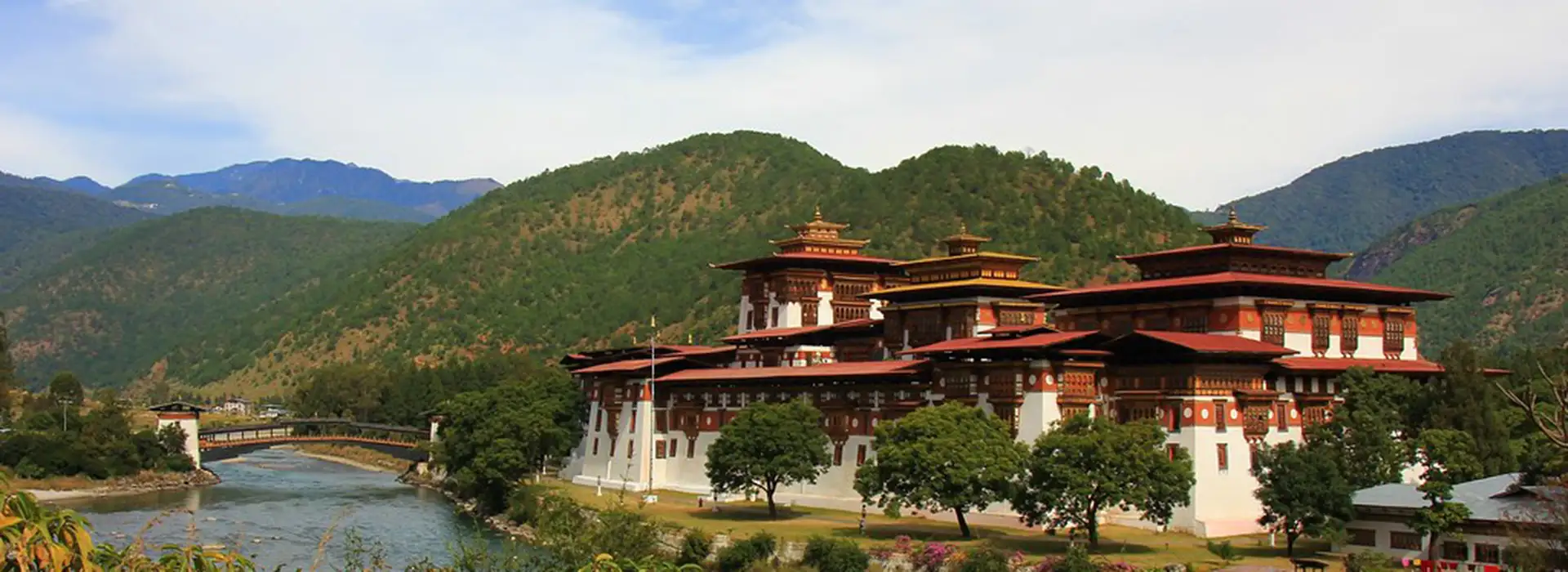

Bhutan’s Weather depends largely on altitude and Himalayan geography. Mountain ranges control airflow across the country, creating clear climate differences between regions. Temperatures drop by about 7°C for every 1,000 meters of elevation, while southern Bhutan receives heavy rainfall, while the northern highlands remain dry and cold. Understanding Bhutan’s Weather by month helps travelers plan a comfortable, well-timed visit.
Bhutan experiences three main climate zones. The southern lowlands remain hot and humid year-round. The central valleys, including Paro and Thimphu, enjoy a moderate climate with four distinct seasons and pleasant travel conditions. The Northern Himalayan regions remain cold, with permanent snow on the highest peaks, making the central valleys the most favorable areas for cultural tours and trekking.
Bhutan Climate and Geographic Influences
Himalayan geography dictates the local weather patterns. The Indian summer monsoon originates in the south and brings moisture from June to September. High mountains block this moisture from reaching the northern border with Tibet. This process creates a rain shadow effect in the central valleys.
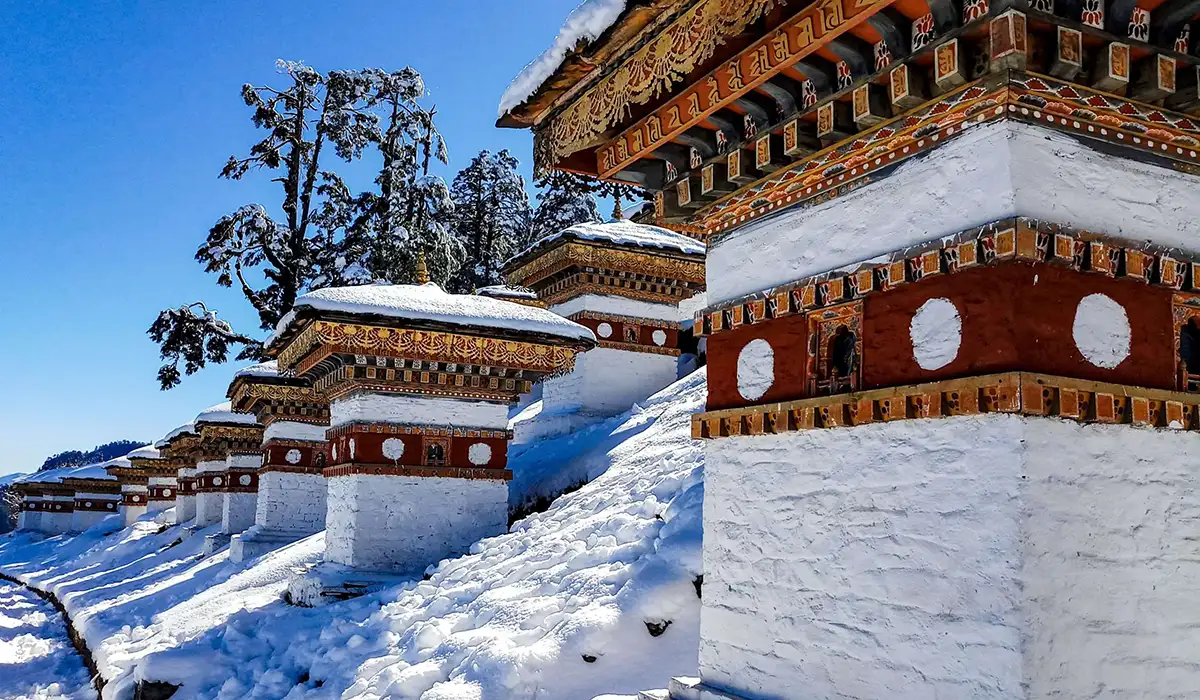
Altitude variation causes massive temperature differences between districts. Punakha sits at 1,300 meters and feels much warmer than Thimphu at 2,300 meters. High passes like Chele La and Dochula reach over 3,000 meters and are subject to freezing conditions in winter. Travelers must prepare for these shifts when moving between valleys.
| Region | Elevation Range | Climate Type |
| South | 150 m – 2,000 m | Tropical / Subtropical |
| Center | 2,000 m – 4,000 m | Temperate |
| North | Above 4,000 m | Alpine / Arctic |
Bhutan Travel Seasons Overview
The kingdom experiences four primary Bhutan travel seasons. Each season offers unique benefits for different types of visitors.
Spring (March to May)
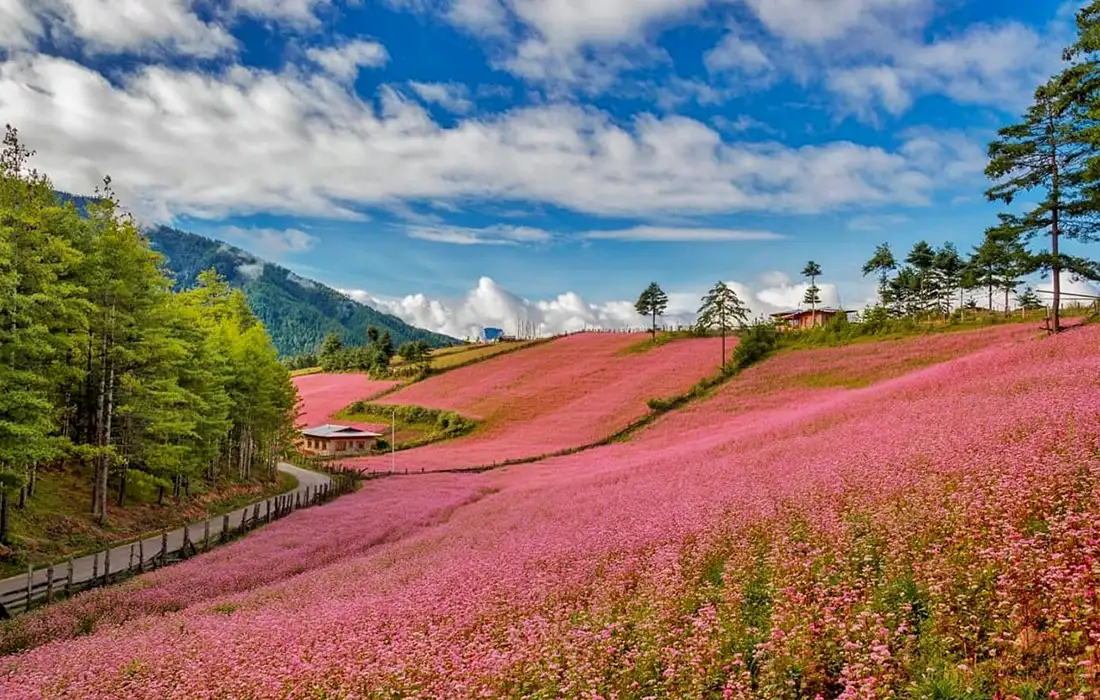
Spring marks the arrival of warm air and blooming flowers. Rhododendrons and magnolias fill the forests with red, pink, and white colors. Skies remain clear in the mornings, providing sharp views of the snow-capped peaks. This season attracts many hikers and nature lovers.
Summer / Monsoon (June to August)
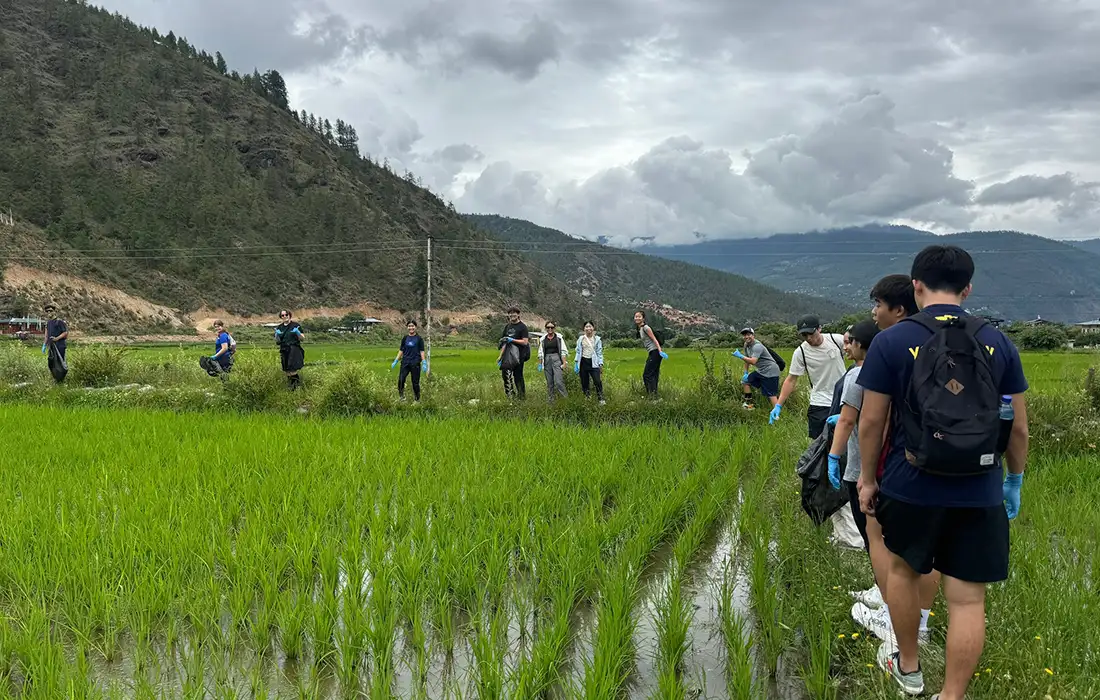
The Bhutan rainy season starts in late June. Rain often falls in short, heavy bursts during the late afternoon and night. Valleys turn bright green as farmers plant rice. Fewer tourists visit during these months, which means quieter sites and lower costs.
Autumn (September to November)
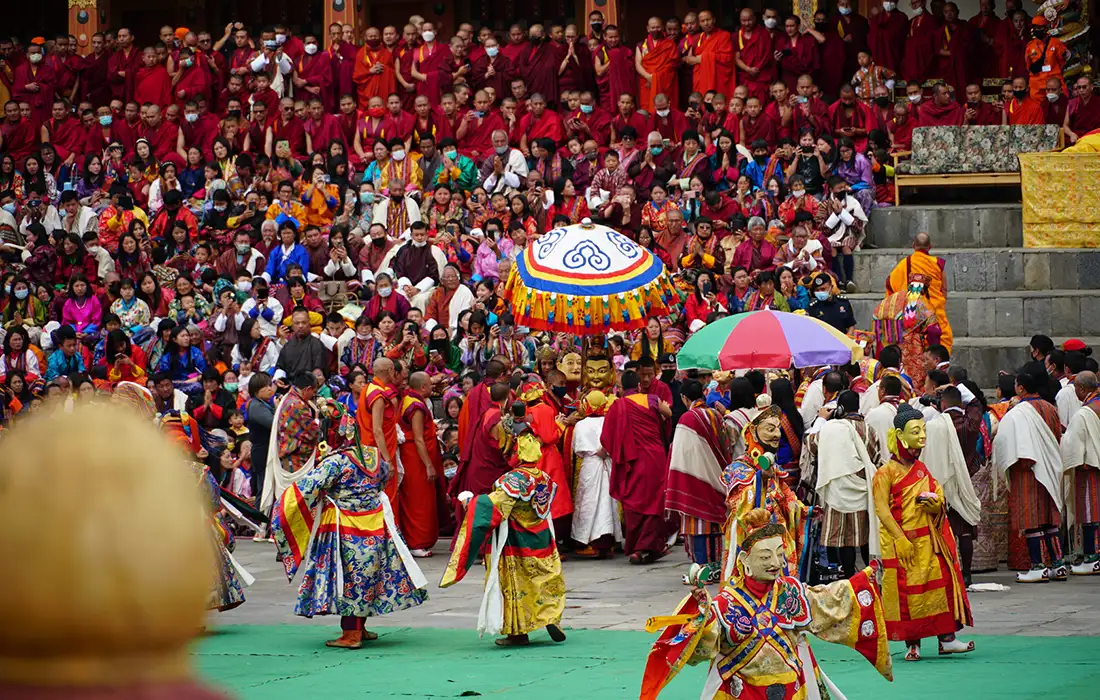
Autumn represents the most popular time for a Bhutan Tour. The air feels crisp and stable after the monsoon clears the atmosphere. Deep blue skies offer the best visibility for photography and high-altitude trekking. Major festivals, such as Thimphu Tshechu, take place during this period.
Winter (December to February)
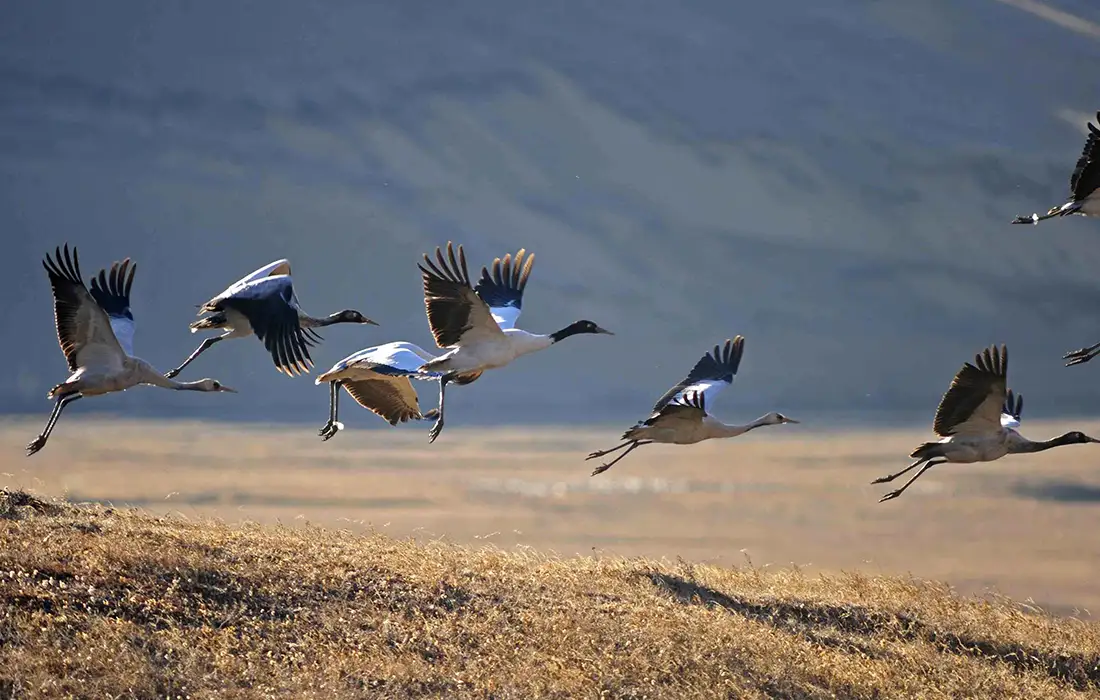
Winter brings cold, dry air and plenty of sunshine. Daytime temperatures in the valleys stay pleasant, but nights often drop below freezing. Rare black-necked cranes migrate to the Phobjikha Valley from Tibet. Winter offers a peaceful experience with very few crowds.
Detailed Bhutan Weather by Month Breakdown
Understanding the specific conditions for each month helps you choose the Best time to visit Bhutan.
January: The Peak of Winter
January stands as the coldest month in the kingdom. Clear skies dominate the weather, providing excellent light for photographers. Snow often covers the high mountain passes, which might limit access to central districts.
| District | High Temp (°C) | Low Temp (°C) |
| Paro | 9.4 | -5.8 |
| Thimphu | 12.3 | -2.6 |
| Punakha | 17.0 | 4.3 |
| Bumthang | 10.8 | -5.1 |
| Trashigang | 20.4 | 10.5 |
Frost coats the ground in Paro and Thimphu early in the morning. Visitors find the southern lowlands, like Samdrup Jongkhar, much warmer and more comfortable. January remains ideal for those who enjoy quiet travel and crisp mountain air.
February: Early Signs of Spring
February stays cold, but temperatures begin a slow climb. Sunny days continue to offer clear views of the Himalayan range. Early blossoms start to appear in the lower valleys of Punakha.
| District | High Temp (°C) | Low Temp (°C) |
| Paro | 13.0 | 1.5 |
| Thimphu | 14.4 | 0.6 |
| Punakha | 19.0 | 7.8 |
| Bumthang | 10.0 | -1.4 |
| Trashigang | 21.7 | 11.5 |
The Punakha Drubchen festival takes place at the end of the month. This event draws locals from nearby villages to witness traditional dances. High passes still occasionally close due to winter snow. February suits travelers who want to avoid the large spring crowds.
March: The Awakening of the Valleys
March marks the start of the spring travel season in Bhutan. Temperatures rise across all districts, and the landscape begins to turn green. Rainfall remains low, making it an excellent time for outdoor activities.
| District | High Temp (°C) | Low Temp (°C) |
| Paro | 14.5 | 0.6 |
| Thimphu | 16.6 | 3.9 |
| Punakha | 22.8 | 10.4 |
| Bumthang | 16.2 | 3.5 |
| Trashigang | 24.8 | 14.4 |
Rhododendrons start to bloom at lower elevations around 1,500 meters. Paro Tshechu, one of the largest festivals, often takes place in late March. Many hikers begin their trek to the Tiger’s Nest Monastery during this month.
April: Peak Bloom and Pleasant Days
April offers some of the best weather conditions in Bhutan. Forests fill with vibrant flowers as different species of rhododendron reach full bloom. Days feel warm and comfortable for exploring the dzongs and temples.
| District | High Temp (°C) | Low Temp (°C) |
| Paro | 17.6 | 4.6 |
| Thimphu | 20.0 | 7.1 |
| Punakha | 26.2 | 12.9 |
| Bumthang | 18.7 | 3.9 |
| Trashigang | 28.3 | 17.0 |
Trekking routes like the Druk Path open for the season. Clear morning skies provide stunning backdrops for mountain photography. Tourism peaks in April, so early booking for flights and hotels remains essential.
May: Pre-Monsoon Warmth
May brings warmer temperatures and lush landscapes. High-altitude regions stay cool and crisp while the valleys feel tropical. Occasional pre-monsoon showers occur in the afternoons, helping the wildflowers grow.
| District | High Temp (°C) | Low Temp (°C) |
| Paro | 23.5 | 10.6 |
| Thimphu | 22.5 | 13.1 |
| Punakha | 29.1 | 17.7 |
| Bumthang | 21.3 | 9.5 |
| Trashigang | 30.0 | 22.6 |
Trekking conditions remain good at higher elevations before the summer rains arrive. May offers the last chance for clear mountain views before the monsoon clouds gather. The Bhutan climate stays warm even at night in most tourist areas.
June: The Arrival of the Monsoon
June marks the start of the Bhutanese rainy season. Rain clouds often cover the high peaks by midday. Rainfall amounts increase significantly, especially in the southern foothills.
| District | High Temp (°C) | Low Temp (°C) |
| Paro | 25.4 | 14.1 |
| Thimphu | 24.4 | 15.2 |
| Punakha | 29.2 | 20.1 |
| Bumthang | 22.5 | 13.5 |
| Trashigang | 30.7 | 22.6 |
Despite the rain, June offers lush green scenery and an active farming life. Many travelers find the quiet atmosphere and lower costs appealing. Short walks remain manageable, but high-altitude treks become difficult due to muddy trails.
July: The Wettest Month
July marks the peak of the monsoon across the kingdom. Heavy rain falls almost daily, and clouds often obscure the mountain views. Humidity stays high, making the lower valleys feel oppressive.
| District | High Temp (°C) | Low Temp (°C) |
| Paro | 26.8 | 14.9 |
| Thimphu | 25.9 | 15.6 |
| Punakha | 30.4 | 20.5 |
| Bumthang | 24.1 | 13.6 |
| Trashigang | 31.5 | 23.1 |
Valleys like Haa remain cooler and more comfortable during this heat. The Haa Summer Festival celebrates local nomadic traditions and culture. Travelers should expect some flight delays due to low visibility at Paro International Airport.
August: Continued Rains and Warm Nights
August continues the pattern of warm, wet weather. Lush forests and swollen rivers create a dramatic environment. Rain mostly falls in the evenings, leaving some daytime hours for sightseeing.
| District | High Temp (°C) | Low Temp (°C) |
| Paro | 25.3 | 14.7 |
| Thimphu | 25.0 | 15.8 |
| Punakha | 29.1 | 20.0 |
| Bumthang | 23.0 | 13.7 |
| Trashigang | 30.2 | 22.7 |
Rice fields reach their most vibrant green during this month. August remains an underrated time for those who prefer slow travel and peaceful temples. Warm nighttime temperatures make stays in traditional homestays very pleasant.
September: The Clearing Sky
September marks the beginning of the monsoon’s receding. Bhutan’s weather by month starts to shift back toward clear skies and dry conditions. Visibility improves significantly toward the end of the month.
| District | High Temp (°C) | Low Temp (°C) |
| Paro | 23.4 | 11.7 |
| Thimphu | 23.1 | 15.0 |
| Punakha | 27.5 | 19.1 |
| Bumthang | 21.6 | 12.1 |
| Trashigang | 30.0 | 21.9 |
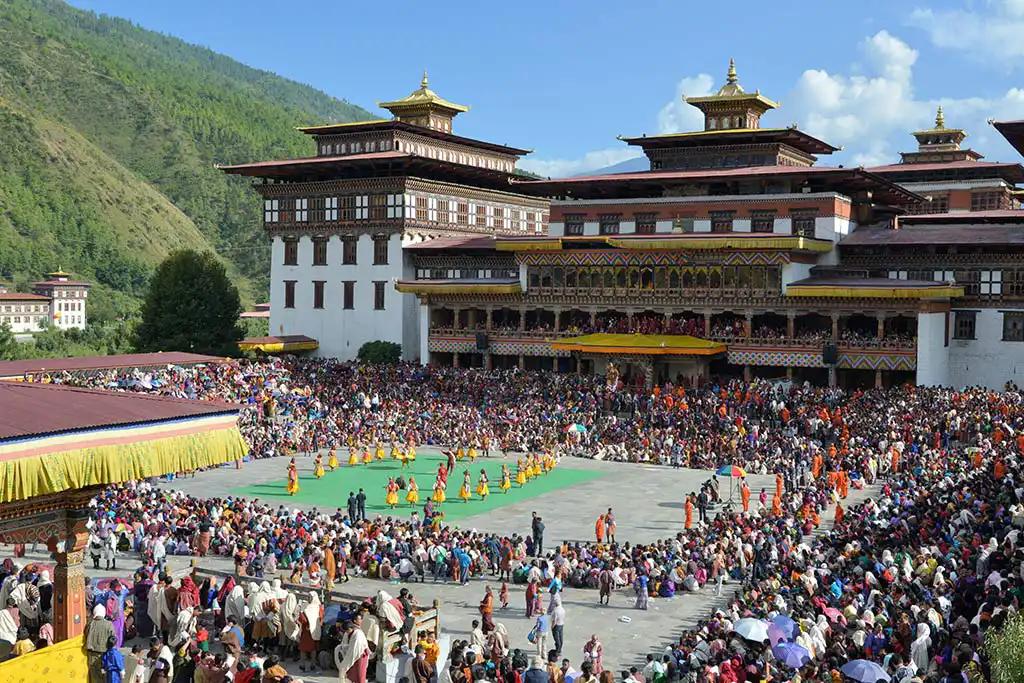
The Thimphu Tshechu festival is often held in mid-September. This event marks the start of the autumn peak tourism season. Hikers return to the trails as the ground dries out.
October: Best Overall Weather
October is the most popular month for visits. The Bhutan climate offers perfect stability with clear blue skies and mild days. Himalayan views remain sharp throughout the day.
| District | High Temp (°C) | Low Temp (°C) |
| Paro | 18.7 | 7.4 |
| Thimphu | 21.9 | 10.4 |
| Punakha | 26.1 | 14.7 |
| Bumthang | 19.5 | 5.9 |
| Trashigang | 28.9 | 17.5 |
This month is prime time for iconic treks like the Jomolhari Trek. Rice fields turn golden as farmers begin the annual harvest. Booking your Bhutan Tour several months ahead is required to secure space in October.
November: Crisp Air and Sacred Cranes
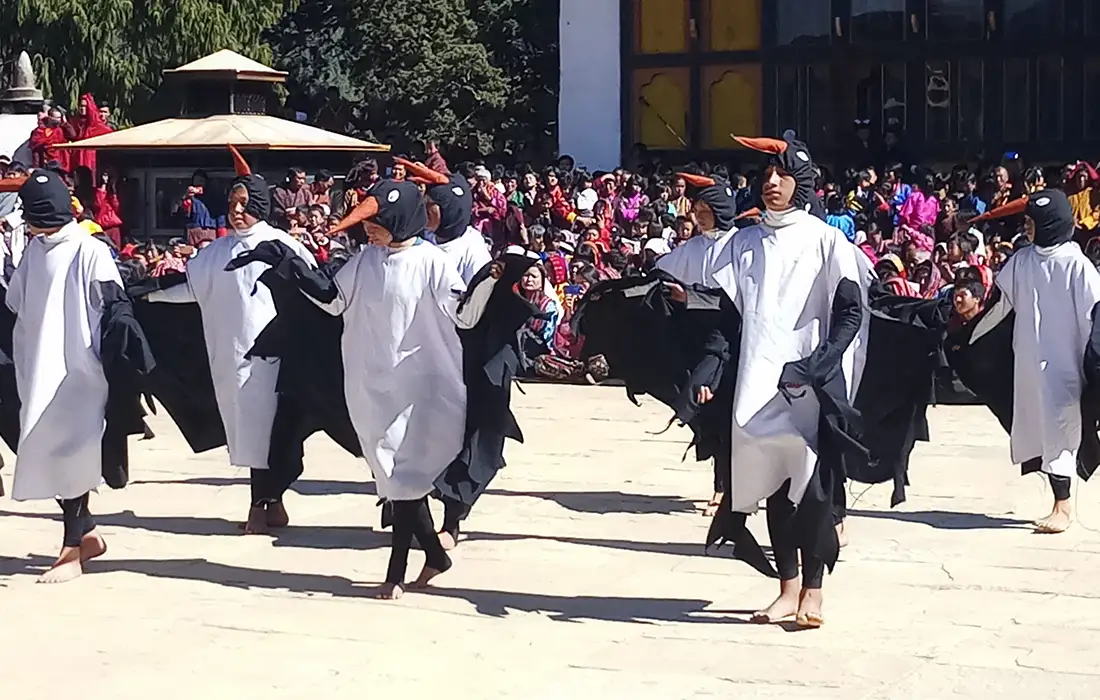
November brings cool, dry air and exceptionally clear skies. Sunny days provide a beautiful backdrop for exploring the mountain passes. Rare black-necked cranes arrive in the Phobjikha Valley from Tibet.
| District | High Temp (°C) | Low Temp (°C) |
| Paro | 13.9 | 1.4 |
| Thimphu | 17.9 | 5.0 |
| Punakha | 22.6 | 9.6 |
| Bumthang | 16.1 | -0.5 |
| Trashigang | 26.1 | 13.6 |
The Black-Necked Crane Festival takes place on November 11th at Gangtey Monastery. Nights begin to feel very cold, especially at high altitudes. November suits photographers who want clear mountain light without the October crowds.
December: Bright Sun and Winter Peace
December marks the start of the winter season. Bright sun and blue skies offer perfect visibility for mountain viewing. Very little rain or snow falls in the central valleys.
| District | High Temp (°C) | Low Temp (°C) |
| Paro | 11.2 | -1.7 |
| Thimphu | 14.5 | -1.1 |
| Punakha | 19.1 | 6.3 |
| Bumthang | 12.3 | -2.3 |
| Trashigang | 23.0 | 11.6 |
Quiet travel remains the biggest draw during this month. Cultural tours remain pleasant in the warmer central valleys, such as Punakha. Visitors should pack warm layers to handle the significant temperature drop after sunset.
Bhutan Temperature by Month: Regional Guide
The kingdom’s rugged terrain creates distinct weather zones. Knowing what to expect in each region helps you plan a better route.
Paro and Thimphu (West)
These central hubs sit at high altitudes and experience a temperate climate. Winters stay cold with occasional light snow in January. Summers remain mild and pleasant, making these cities the primary focus for most visitors. Paro Airport requires visual flying conditions, so morning fog or clouds can impact your flight.
Punakha and Wangdue (West-Central)
Sitting at a lower altitude of 1,300 meters, Punakha stays warm for most of the year. The subtropical valley features lush vegetation and warmer winters than Thimphu. Many travelers visit this region in winter to enjoy the milder weather.
Bumthang and Trongsa (Central)
Bumthang feels cooler than the western valleys due to its open geography and higher elevation. Winter nights often drop well below freezing, and snow is more common here. The region remains a spiritual heartland with many ancient temples that look beautiful in the crisp autumn air.
Southern Border Districts (Gelephu, Samdrup Jongkhar)
Southern Bhutan features a tropical climate with high heat and humidity. The Bhutan rainy season hits these foothills with extreme intensity. Winter is the only comfortable time to explore these regions, when the air is calm and clear.
Best Time to Visit Bhutan: Quick Reference
Planning your trip depends on your specific travel goals. Use this table to find the ideal months for your interests.
| Travel Goal | Best Months | Why? |
| Festivals | Mar, Apr, Sep, Oct | Major Tshechus take place |
| Trekking | Apr, May, Oct, Nov | Stable weather and clear trails |
| Photography | Oct, Nov, Dec, Jan | Best visibility and sharp light |
| Budget Travel | Jun, Jul, Aug | Lower costs and fewer tourists |
| Flower Bloom | Apr, May | Rhododendrons in full color |
| Birdwatching | Nov, Dec, Jan, Feb | Black-necked crane migration |
What to Pack for Bhutan Weather3
Dressing in layers helps you adjust to the rapid temperature shifts between sun and shade.
Spring and Autumn Packing List
- Clothing: Lightweight cotton shirts for daytime and a warm fleece for evenings.
- Footwear: Sturdy walking shoes or hiking boots with good ankle support.
- Protection: High-factor sunscreen, sunglasses, and a broad hat.
- Religious sites: A long-sleeved shirt and pants to respect local customs.
Summer and Monsoon Packing List
- Outerwear: A high-quality rain jacket and a compact umbrella.
- Clothing: Quick-dry synthetic fabrics that handle humidity well.
- Footwear: Waterproof boots with a firm grip for wet trails.
- Personal Care: Insect repellent to protect against leeches in forested areas.
Winter Packing List
- Insulation: A heavy down jacket and thermal innerwear.
- Clothing: Wool sweaters, warm socks, and gloves.
- Skin Care: Moisturizer and lip balm to protect against dry mountain air.
- Accessories: A warm hat or beanie for cold nights.
Does Weather Affect Travel in Bhutan?
Weather conditions play a significant role in the logistics of a tour.
Flight Reliability at Paro Airport
Paro International Airport requires pilots to use visual flight rules. Flights only operate from sunrise to sunset.
- Monsoon (Jun-Sep): Heavy rain or low clouds often cause delays or cancellations.
- Winter (Dec-Jan): Early morning fog can delay departures until the sun clears the air.
- Winds: Strong afternoon winds may require early morning flight schedules.
Road Hazards and Closures
The Lateral Road connects the western valleys to the east.
- Pass closures: Snow often blocks high mountain passes like Dochula and Pele La in January and February.
- Landslides: Heavy monsoon rain between June and August can wash away sections of road.
- Travel time: Winding mountain roads limit driving speeds to less than 40 km/h.
Frequently Asked Questions
Q: What is the best month to visit Bhutan?
A: October and November offer the most stable weather, clear skies, and the best mountain views. These months are ideal for trekking and photography. April and May are perfect for blooming rhododendrons and major festivals like Paro Tshechu, with pleasant daytime temperatures across the valleys.
Q: Does it snow in Bhutan?
A: Yes, it snows in Bhutan, especially above 3,000 meters from late November to March, when high passes and trekking routes receive regular snowfall. Valleys like Paro and Thimphu may experience light snow in mid-winter, though it usually melts quickly.
Q: When is the rainy season in Bhutan?
A: The rainy season in Bhutan runs from late June to late September during the summer monsoon. The southern lowlands receive the heaviest rainfall, while central valleys experience regular afternoon and evening showers.
Q: Is Bhutan cold in winter?
A: Yes, Bhutan feels cold in winter, especially at night. Daytime temperatures in the valleys stay sunny and mild, around 12 to 15°C, but nights drop sharply, often falling below freezing in higher mountain regions.
Q: Can I trek in Bhutan during the monsoon?
A: High-altitude trekking during the monsoon (late June to September) is challenging due to muddy trails, frequent rain, and leeches, especially in forested areas. However, short valley hikes and cultural walks remain possible with proper rain gear and flexible planning.
Conclusion
Every month offers a unique perspective on the kingdom’s natural and cultural beauty. Spring brings a burst of life with blooming rhododendrons and vibrant festivals. Autumn offers the clearest views of the mountains and the best conditions for high-altitude trekking. Winter offers a peaceful escape with clear skies and sacred wildlife. Summer reveals lush green landscapes for those who prefer quiet travel.
Using Bhutan Weather data to plan your trip ensures you pack correctly and choose the right activities. Respecting the environment and local traditions helps preserve the kingdom’s beauty for future generations. Whether you seek adventure on the trails or spiritual insight in the temples, the Bhutan climate shapes an experience that stays with you forever.