


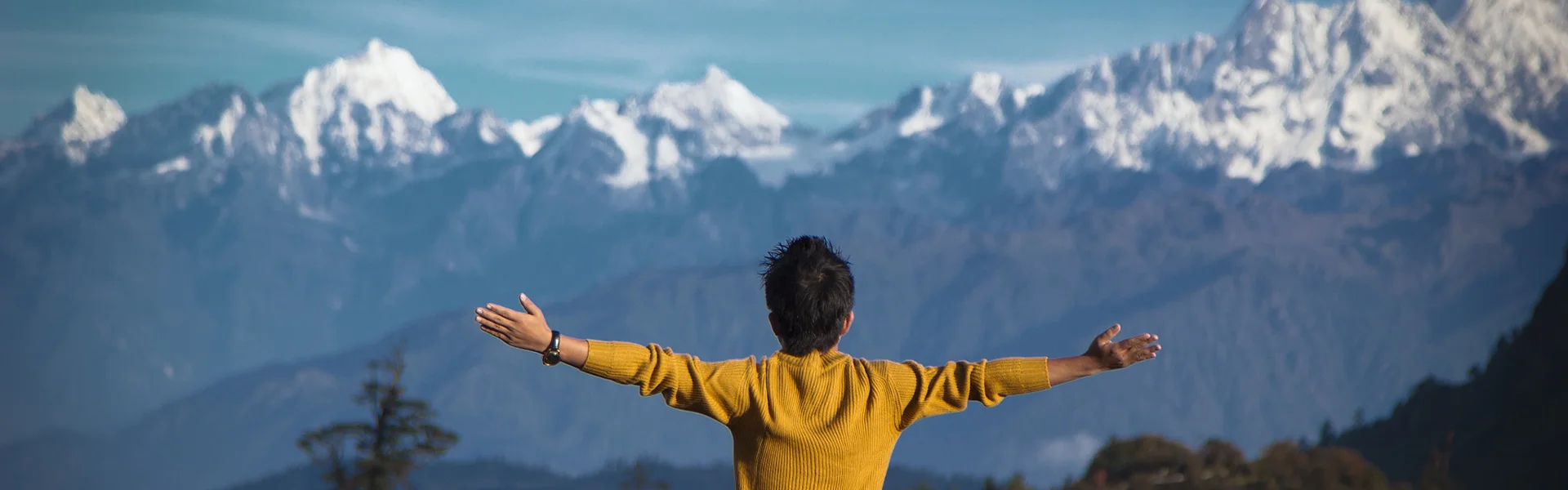

Bhutan functions as a global leader in environmental preservation and sustainable tourism. Most nations struggle to balance economic growth with nature, but Bhutan succeeds by making conservation central to its national identity. Forest cover currently stands at approximately 72 percent of the total land area. National laws mandate that at least 60 percent of the country remain under forest cover at all times. Bhutan remains one of the few carbon-negative countries on Earth because the vast forests absorb more carbon dioxide than the nation produces.
High mountains and deep valleys create a unique environment for rare species to thrive. The elevation rises from 150 meters in the south to over 7,500 meters in the north. This massive range supports diverse ecosystems, including tropical jungles, temperate forests, and alpine meadows. For travelers seeking deeper insight into this rich biodiversity, this Bhutan wildlife and nature travel guide reveals the best habitats, seasonal highlights, and inspiring conservation stories behind the kingdom’s thriving landscapes.
Bhutan Biodiversity and Ecological Wealth
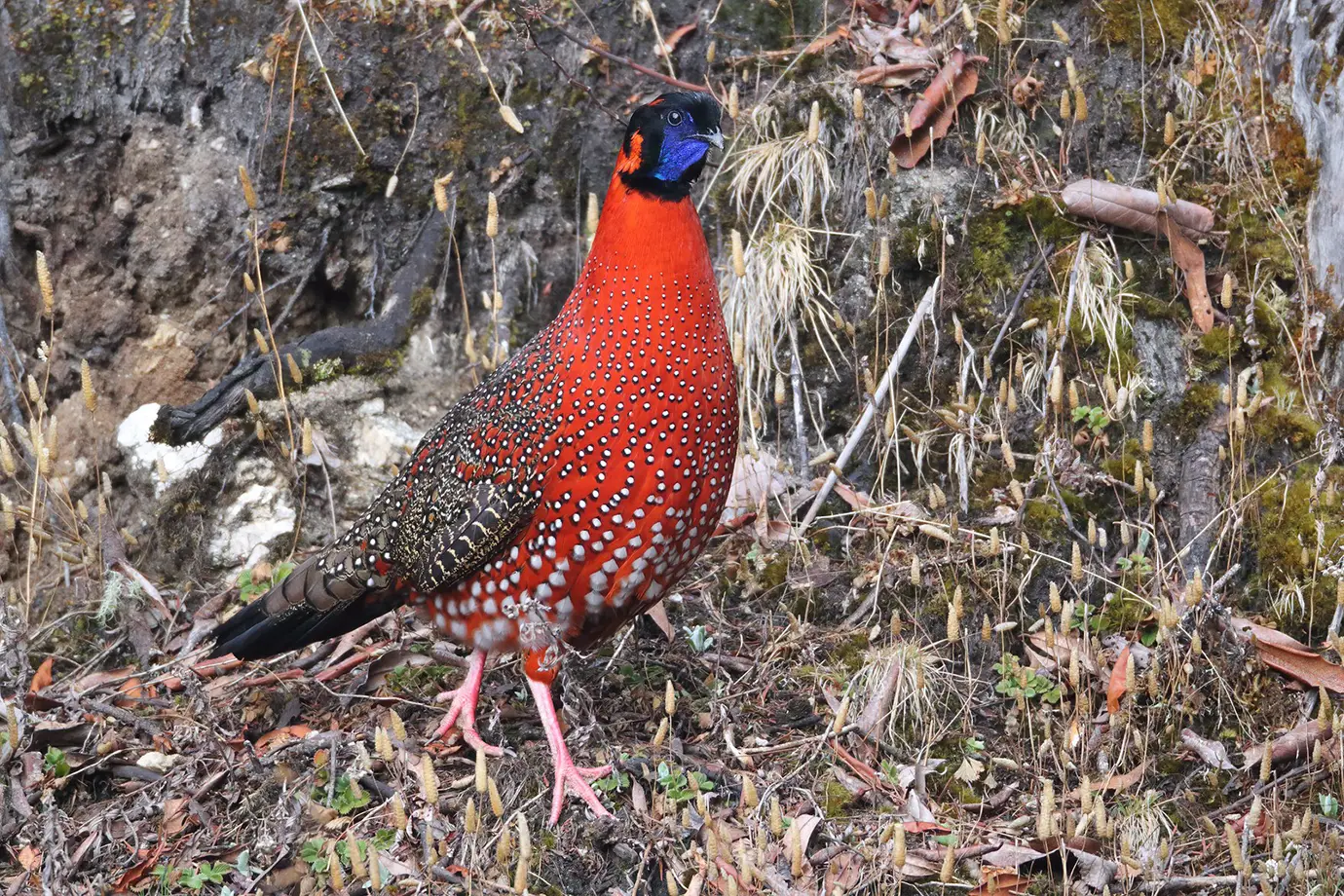
Bhutan belongs to one of the ten most important biological hotspots in the world. Pristine forests provide a sanctuary for over 5,600 plant species, 770 bird species, and 200 mammal species. Spiritual beliefs protect these living things. Bhutanese people believe deities live in forests and mountains, so they treat nature with deep respect.
Flora of the Eastern Himalayas
Alpine flowers and dense forests define the mountain environment. Over 46 species of rhododendron bloom in the spring, creating vibrant bursts of color across the hills. Blue poppies are the national flower and grow in high-altitude meadows at elevations between 3,500 and 4,500 meters. These rare blue flowers symbolize the resilience and beauty of the mountain terrain.
Lush forests also host over 300 medicinal plants. Traditional doctors use these plants in the Sowa Rigpa medical system to treat various ailments. Fungi like Cordyceps grow in the high mountains and provide income for local communities through sustainable collection. Common sights in the temperate zones include junipers, magnolias, and rare orchids.
| Vegetation Zone | Elevation Range | Common Plant Species |
| Subtropical | 150m – 2,000m | Tropical trees, orchids, ferns, and sal forests |
| Temperate | 2,000m – 4,000m | Conifers, broad-leaf forests, oaks, blue pine |
| Alpine | Above 4,000m | Blue poppy, edelweiss, gentian, alpine grasses |
Fauna and Iconic Wildlife
Wildlife thrives across the country because of strong protection laws and minimal human encroachment. Iconic animals like the Bengal tiger and the snow leopard hunt in these protected areas. Bhutan provides the only environment in the world where the habitats of these two predators overlap. Tigers live in the southern jungles and the central mountains, while snow leopards stay in the high northern peaks.
The Takin is the national animal and looks like a mix of a cow and a goat. Red pandas live in temperate forests with abundant bamboo. Conservationists report a 27% increase in tiger numbers since 2015. Snow leopard numbers have also increased by nearly 40 percent in recent years. The following list identifies common mammals for visitors to spot.
• Bengal Tiger
• Snow Leopard
• Clouded Leopard
• Red Panda
• Golden Langur
• Himalayan Black Bear
• Bhutan Takin
• Blue Sheep (Bharal)
• Musk Deer
• Himalayan Marmot
National Parks in Bhutan
Protected areas cover more than 50 percent of the country. These parks are connected by biological corridors that allow animals to move freely between habitats. Various parks offer distinct experiences for nature travelers.
Jigme Dorji National Park
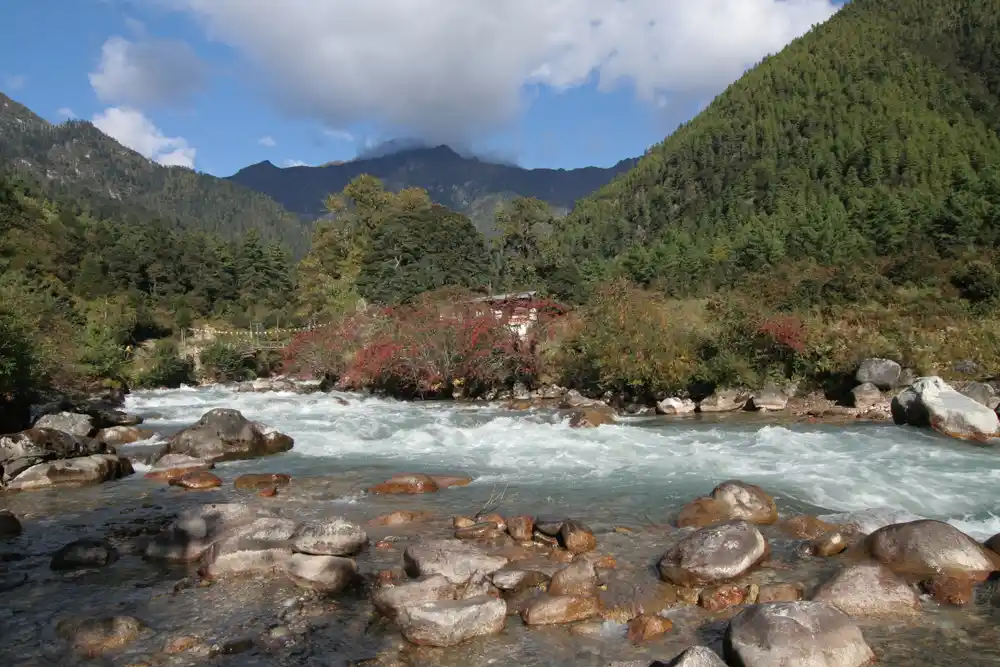
Jigme Dorji is the second-largest park in Bhutan and sits in the northwest. It protects the habitat of the snow leopard, clouded leopard, and Bengal tiger. High mountains, such as Mount Jomolhari, dominate the park. Visitors see the national flower, bird, tree, and animal all in this one location. Glacial lakes and hot springs make this park a favorite for trekkers who enjoy remote wilderness.
Royal Manas National Park
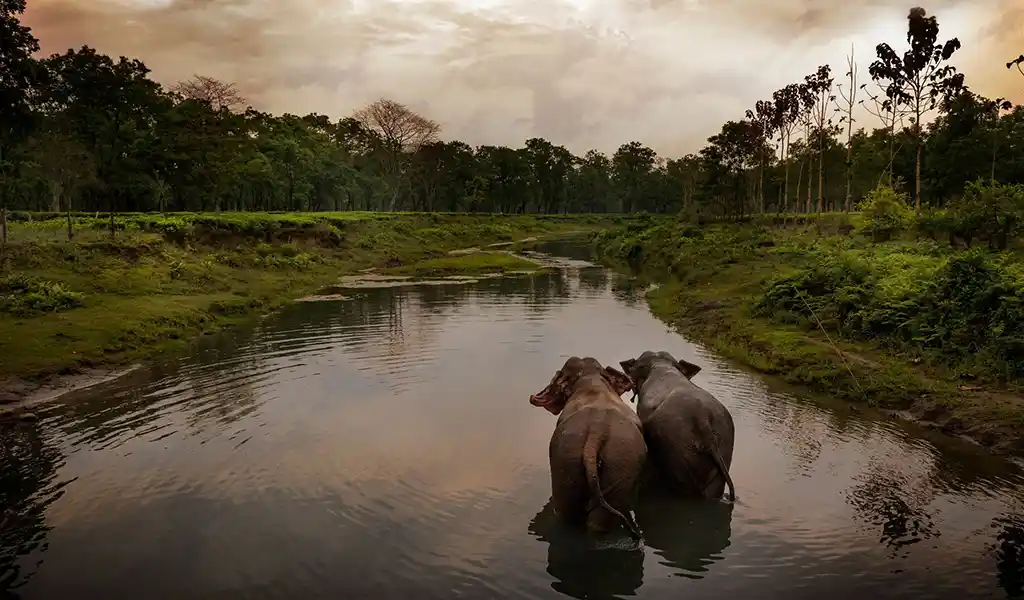
Royal Manas is the oldest national park and shares a border with India. It contains tropical and subtropical forests rich in birdlife and rare plants. Travelers visit this park to see elephants, rhinos, and golden langurs. Over 530 species of birds live here, making it a paradise for birdwatchers. Community-run eco-camps offer river rafting and wildlife safaris for guests.
Bumdeling Wildlife Sanctuary
Bumdeling sits in the northeast and serves as a winter home for black-necked cranes. The sanctuary protects rare butterflies and over 300 bird species. Alpine pastures and river valleys offer scenic views for nature lovers. Traditional woodcarving and pristine nature define this region.
Phibsoo Wildlife Sanctuary
Phibsoo is the smallest protected area, yet it harbors rare species such as the hispid hare and spotted deer. Sal forests grow in this region, which sits along the southern border. Elephants roam the dense forests alongside various tropical birds. This sanctuary helps protect the unique lowland ecosystem.
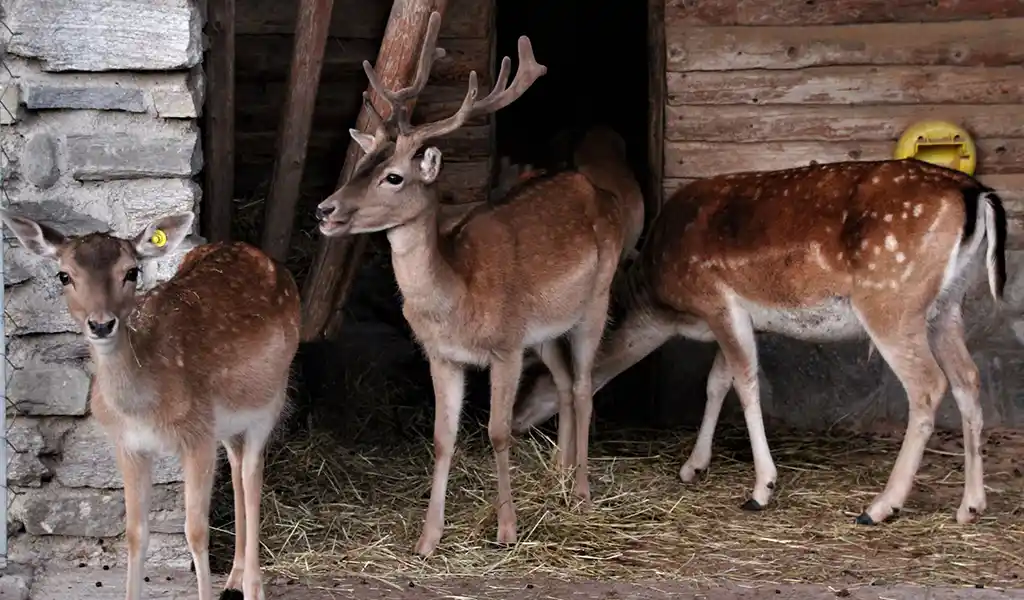
| National Park | Location | Size (km²) | Key Wildlife |
| Jigme Dorji | Northwest | 4,316 | Snow leopard, Takin, Blue sheep |
| Royal Manas | South-central | 1,057 | Tiger, Elephant, Golden langur |
| Bumdeling | Northeast | 1,520 | Black-necked crane, Red panda |
| Phibsoo | South | 269 | Hispid hare, Spotted deer, Elephant |
Best Places for Wildlife and Nature
Specific valleys offer the best chances to see rare animals and plants.
Phobjikha Valley
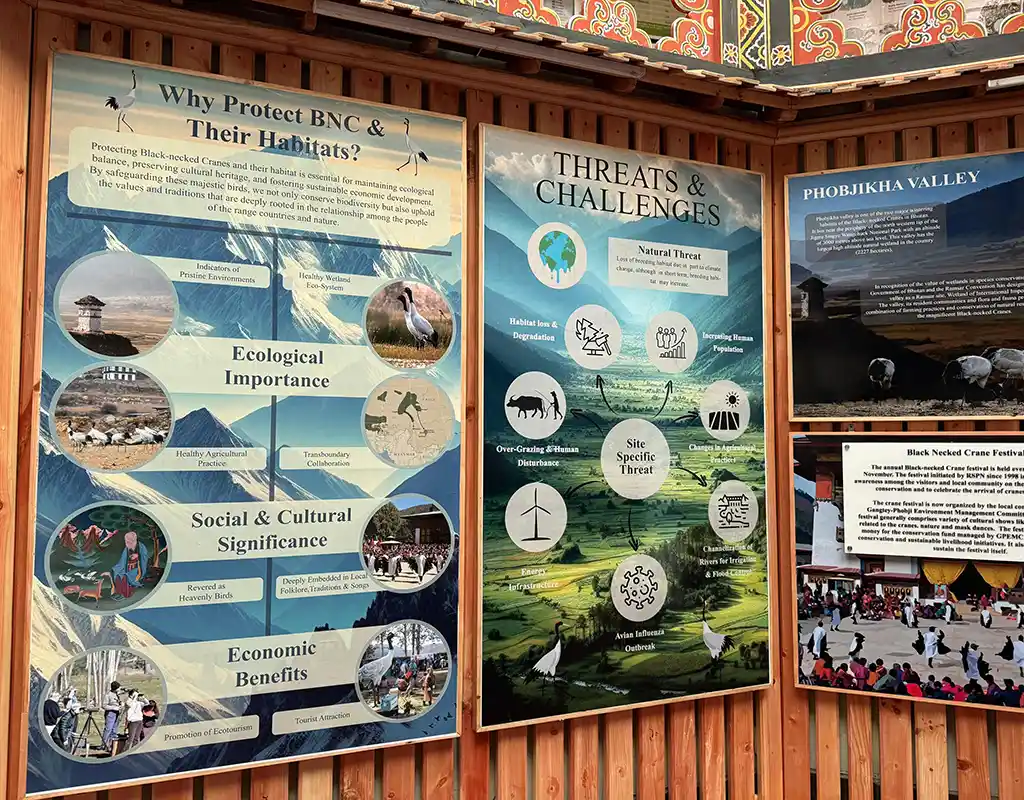
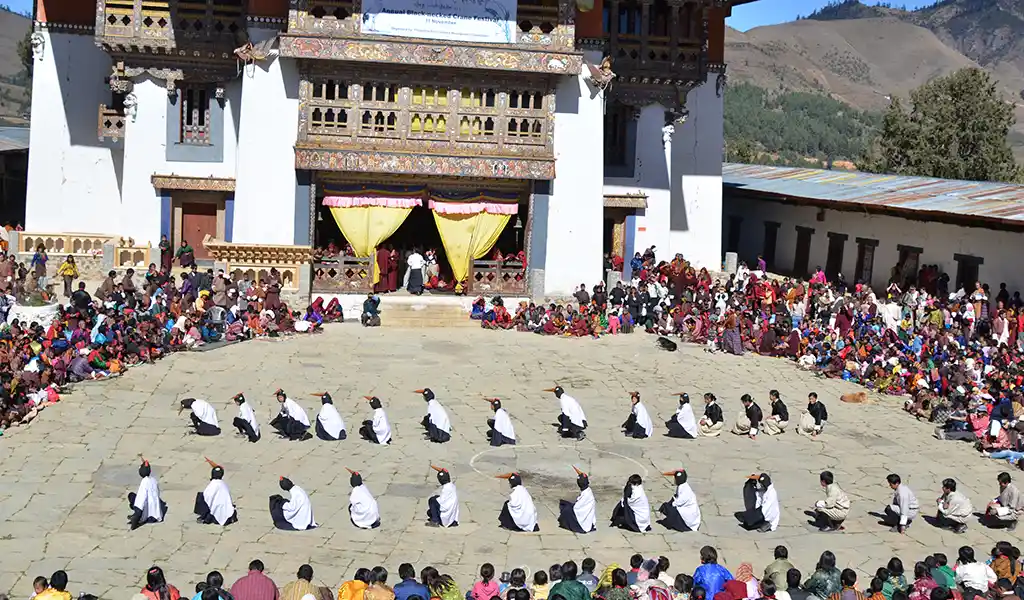
Phobjikha is a wide glacial valley famous for its wetlands. Black-necked cranes fly here from the Tibetan Plateau every winter. These birds are sacred in Bhutanese culture and symbolize peace and prosperity. The Black-Necked Crane Visitor Centre provides telescopes for watching the birds without disturbing them. Nature trails wind through the valley floor and past traditional villages.
Haa Valley
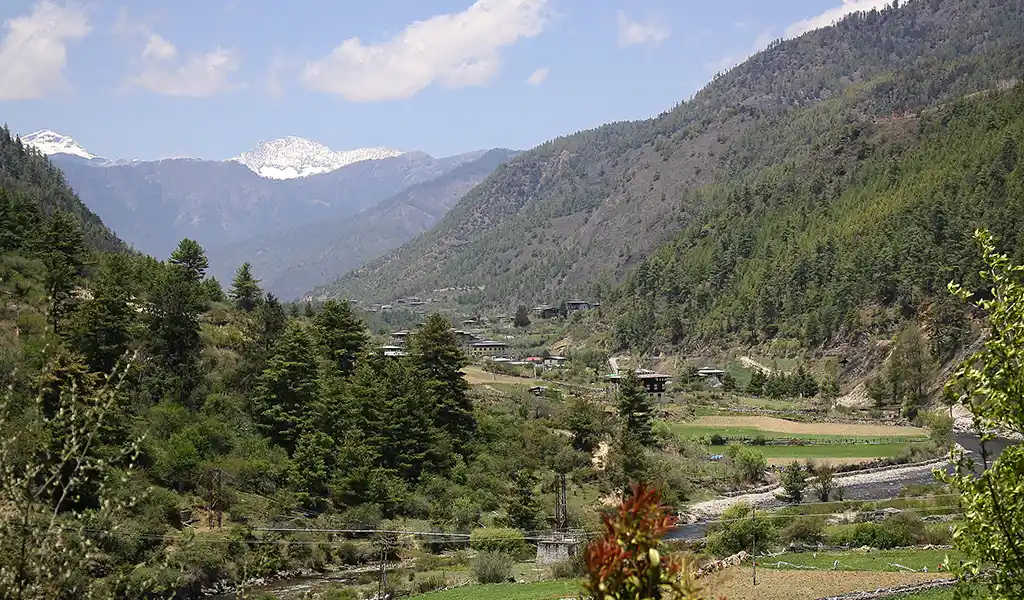
Haa remains one of the most untouched regions in the country. High-altitude forests and quiet trails attract people looking for solitude. Visitors enjoy birdwatching and seeing traditional farm life in the valley. Alpine flowers cover the hillsides during the summer months.
Bumthang Valley
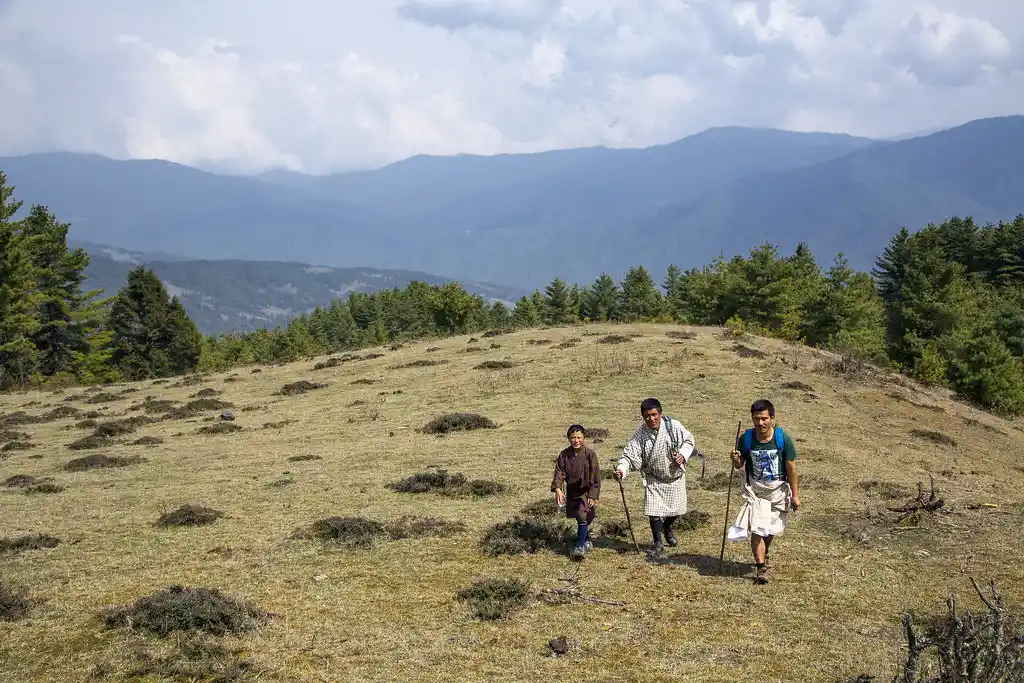
Bumthang is the spiritual heart of Bhutan and contains many ancient temples. Deep forests and river valleys offer excellent hiking trails. Ura Valley offers unique stone houses and buckwheat fields. Nature here feels peaceful and closely tied to Buddhist traditions.
Gangtey
Gangtey sits above the Phobjikha Valley and is home to a famous monastery. The region serves as an essential hub for conservation education. Visitors learn about the balance between farming communities and wildlife protection. The annual Crane Festival takes place here every November to celebrate the return of the birds.
Best Time for Wildlife Viewing
Choosing the season depends on specific interests, such as birding, trekking, or flower viewing. Weather changes quickly in the mountains, so preparation is essential.
Spring (March to May)
Spring is the best time for flower lovers. Rhododendrons and wildflowers bloom across the hills in many colors. Wildlife becomes more active as the weather warms up. Birding is excellent during these months because of the breeding season and active forest life.
Autumn (September to November)
Autumn offers the clearest skies and the best views of the Himalayan peaks. This is the most popular time for trekking and nature photography. The air feels crisp and dry, making long hikes more comfortable for travelers. Many festivals take place in the autumn, adding cultural depth to nature trips.
Winter (December to February)
Winter is the best time to see black-necked cranes in Phobjikha and Bumdeling. Skies remain blue and sunny, though the nights are very cold. Low-altitude valleys like Punakha remain mild and green during this time. Winter attracts travelers who want to avoid crowds and enjoy the quiet nature.
| Season | Best Activities | Weather Conditions |
| Spring | Flower viewing, birding | Mild days, cool nights, blooming flora |
| Summer | Greenery, high-altitude flowers | Rainy, humid, lush vegetation |
| Autumn | Trekking, photography | Clear skies, high visibility, dry air |
| Winter | Crane watching, low-valley hikes | Sunny days, freezing nights, snowy peaks |
Bhutan Birdwatching Guide
Bhutan provides a dream environment for birdwatchers with over 700 recorded species. Pristine habitats from subtropical forests to alpine meadows support distinct species.
Key Species to Spot
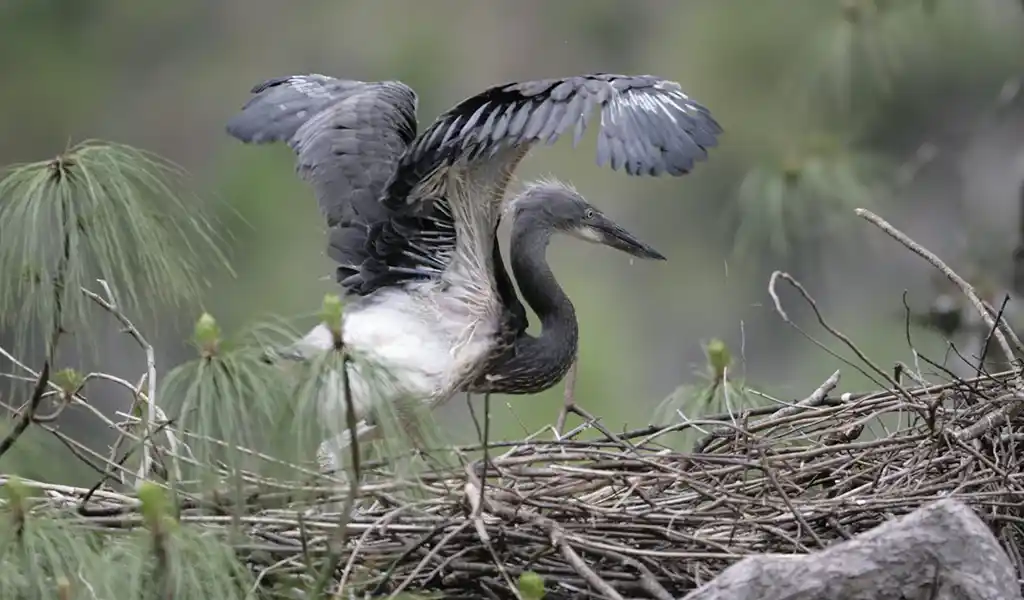
The White-bellied Heron is one of the rarest birds in the world. Bhutan serves as a major stronghold for this critically endangered species. Ward’s Trogon attracts birders with its bright red and green feathers in the eastern forests. Himalayan Monals show off iridescent plumage in the high-altitude passes. Other important species include the Rufous-necked Hornbill, Satyr Tragopan, and Ibisbill.
Top Birding Locations
Chele La Pass is the highest motorable pass in Bhutan and offers a chance to see pheasants and monals. The Punakha Valley riverbanks provide habitat for the White-bellied Heron. Phumshingla National Park is famous for its massive variety of species in a small area. Hiring a local birding expert ensures the best results for finding elusive species.
- Phobjikha Valley: Black-necked Crane, Hen Harrier, Oriental Skylark.
- Chele La Pass: Himalayan Monal, Blood Pheasant, Kalij Pheasant.
- Punakha: White-bellied Heron, Ibisbill, Palla’s Fish Eagle.
- Trongsa: Ward’s Trogon, Rufous-necked Hornbill.
- Tingtibi: Great Hornbill, Golden Langur (often seen while birding).
Popular Bhutan Nature Tours
Various tour options allow visitors to experience the wild side of the country through specialized activities.
Royal Manas Jungle Tour
Jungle tours in Royal Manas involve river rafting and wildlife safaris. Travelers stay in community-run eco-camps and learn about local conservation efforts. The park offers boat rides on the Manas River to see animals along the riverbanks, such as gorals and capped langurs. This tour suits those who enjoy tropical biodiversity and river activities.
Phobjikha Nature Walk
Nature walks in Phobjikha focus on the wetland ecosystem and the migratory cranes. The Gangtey Nature Trail takes about two hours and offers views of the valley floor and local farms. This walk works well for all fitness levels. It provides a quiet way to see the birds and traditional rural life.
High-Altitude Eco Treks
Eco treks combine mountain hiking with a focus on ecology and local biodiversity. Guides explain the local plants and animals as the group moves through different vegetation zones. Camping in the wilderness allows for total immersion in the natural world. These treks often support conservation projects through permit fees.
Bhutan Birding Tour
Specialized birding tours follow the main east-west highway, traversing altitudes ranging from low to high. Experts lead these tours to find rare Himalayan birds in their natural habitats. The tours often visit remote regions like Yongkola and Tingtibi for the best sightings.
Bhutan Trekking and Wildlife Experience
Trekking provides the best access to the remote wilderness of the Himalayas. These trails offer encounters with yaks and rare mountain animals.
Druk Path Trek
The Druk Path is a classic route between Paro and Thimphu. It crosses high ridges and passes beautiful alpine lakes like Jimilang Tsho. Trekkers see yaks and high-altitude birds along the way. The highest point is the Labana Pass at over 4,200 meters. This trek offers incredible mountain views and a peaceful atmosphere.
Snowman Trek
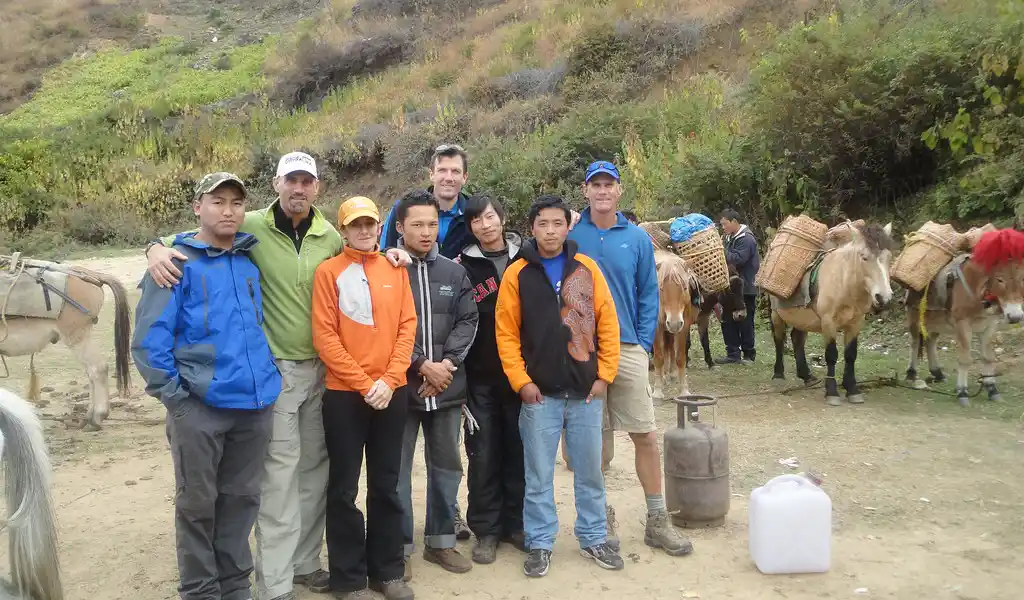
The Snowman Trek is one of the toughest in the world and takes about 25 to 30 days. It traverses the remote Lunana region and crosses eleven high mountain passes. Only a few people complete this trek each season due to the extreme conditions and the long duration. It offers the best chance to see snow leopards, takins, and blue sheep in the wild.
Jomolhari Trek
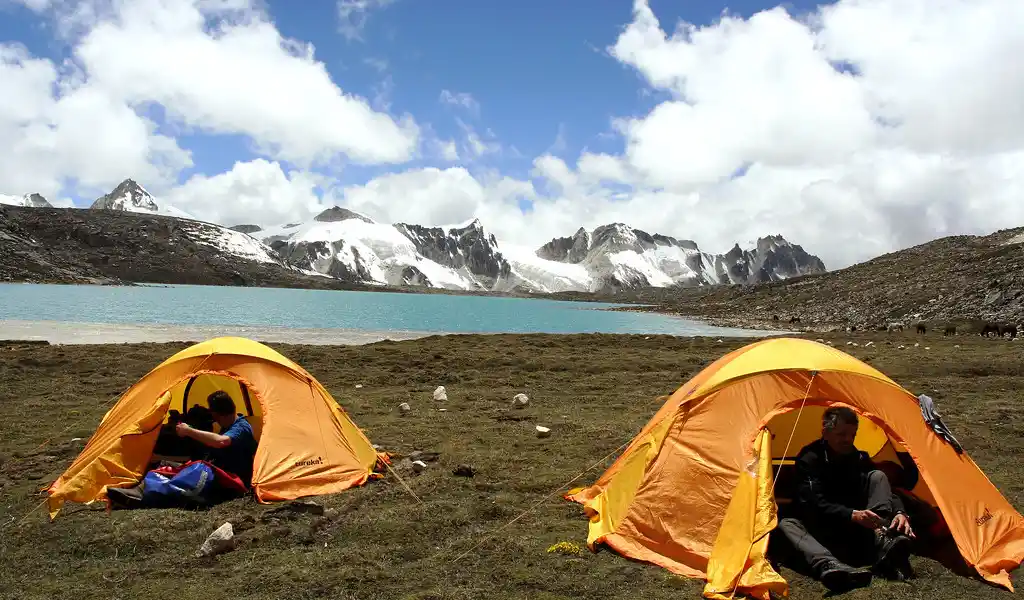
The Jomolhari Trek goes to the base camp of the sacred Mount Jomolhari. It follows the Paro Chhu river through forests and alpine meadows. Trekkers often spot blue sheep and marmots on the high rocky slopes. The camp at Jangothang provides one of the most stunning mountain views in the Himalayas.
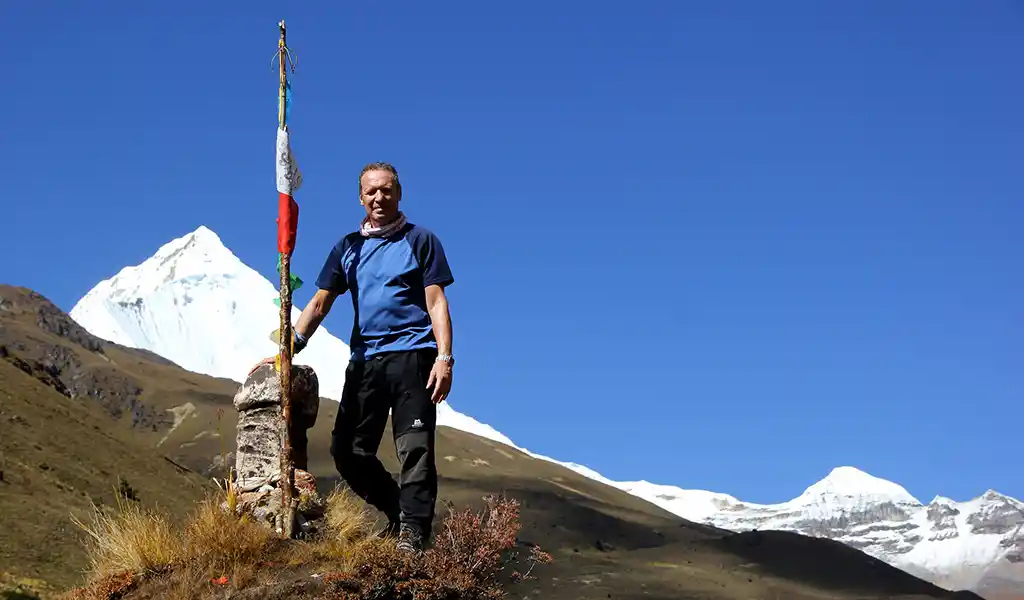
| Trek Name | Duration | Max Altitude | Difficulty |
| Druk Path | 4–6 days | 4,235m | Moderate |
| Jomolhari | 7–12 days | 4,950m | Moderate to Hard |
| Snowman | 25–30 days | 5,320m | Very Hard |
Responsible Wildlife Travel in Bhutan
Bhutan takes responsible travel seriously to protect its environment for future generations. Visitors should follow these rules to minimize their impact.
Waste Management and Plastic
Bhutan bans plastic bags and discourages single-use plastics. Travelers should carry reusable water bottles and take all trash back with them. Responsible tour operators ensure that campsites remain clean after every group leaves. Keeping the environment clean helps protect the mountain water sources.
Respecting Wildlife Distances
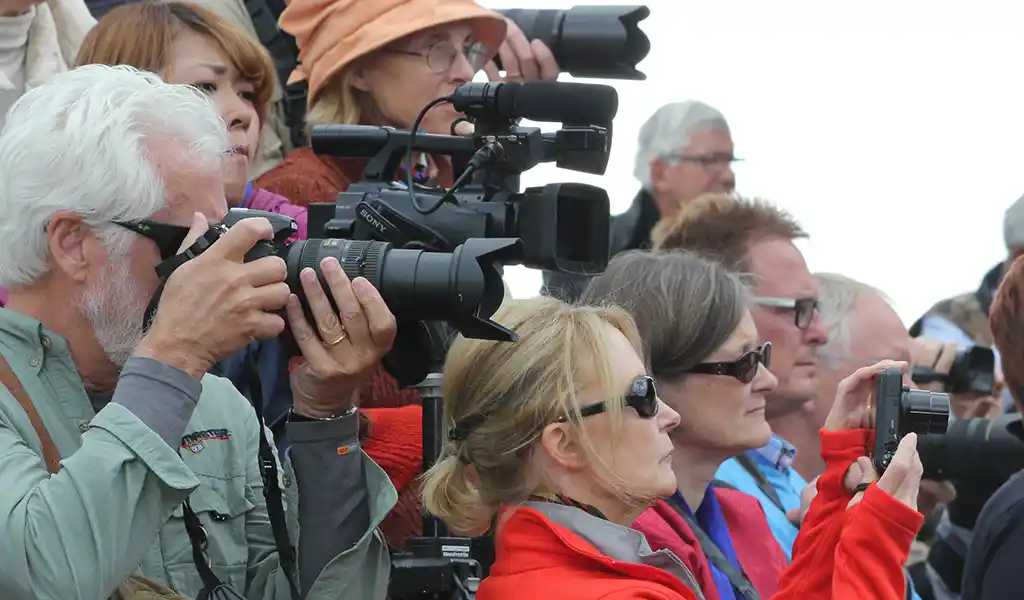
Never approach or feed wild animals during a tour. Keep a safe distance of at least 10 meters when observing birds or mammals. Human noise can stress animals and change their natural behavior. Using binoculars or telephoto lenses provides great views without harming wildlife.
Supporting Local Eco-Lodges
Staying in community-run lodges ensures that money goes directly to local families. These lodges use local materials like wood and bamboo and serve organic food. Supporting these businesses encourages local people to protect the nature around them. Several community camps exist in the Royal Manas area.
Accommodation for Nature Travelers
Various options exist for people who want to stay close to nature during their trip.
Eco-Lodges and Nature Retreats
Eco-lodges combine comfort with a small environmental footprint. Many are located on forest edges or overlooking scenic valleys. Gaselo Eco Lodge and Paro Eco Nest Resort provide peaceful settings for guests. These places often use solar power and offer traditional hot stone baths.
Luxury Nature Resorts
Bhutan offers some of the world’s best luxury retreats for those seeking high-end comfort. Aman Kora and Six Senses have lodges in several valleys that focus on wellness and nature. These resorts offer private guided hikes and meditation sessions in beautiful natural settings. These stays are expensive but offer exclusive experiences.
Farm Stays
Farm stays allow visitors to live with a Bhutanese family and experience rural life firsthand. Guests eat homemade meals and help with farm activities. Dema Home Stay provides a soulful village experience. It is a great way to learn about the relationship between people and the land.
Wildlife Photography Tips
Capturing the beauty of Bhutanese wildlife requires the right gear and patience.
Timing and Lighting
The golden hours of sunrise and sunset offer the best light for mountain scenery and wildlife. Morning light is often clear and crisp, which works perfectly for bird photography. Be ready early in the morning to catch active animals in the forest.
Essential Gear
A good telephoto lens (at least 300mm or 400mm) is necessary for bird and mammal shots. Bring extra batteries and memory cards because cold mountain weather drains power quickly. Use a lightweight tripod for stable shots in low light conditions. A waterproof camera cover helps during occasional rain.
Ethical Photography
Do not use flash when photographing animals, as it can startle or blind them. Avoid using recorded bird calls or bait to attract wildlife. Respect local customs and always ask for permission before taking photos of people. Never photograph the inside of sacred temples or inner sanctums without permission.
Bhutan Conservation Success Story
Bhutan proves that a small country can make a big difference in global conservation efforts.
Tiger Population Growth
The tiger population in Bhutan is growing significantly due to anti-poaching efforts. Bhutan protects the corridors between parks to allow tigers to roam safely. The nation works with international organizations such as the WWF to fund these projects. This remains a major victory for Himalayan wildlife.
Environmental Laws and GNH
The Gross National Happiness (GNH) philosophy treats the environment as a key pillar of well-being. The constitution makes it a duty for every citizen to protect nature. Strict laws prevent mining and timber harvesting in sensitive mountain areas. These policies ensure nature stays healthy for future generations.
Community-Based Conservation
Bhutan involves local people in protecting wildlife. Programs in Royal Manas and Phobjikha give communities a share of tourism revenue. This creates a reason for people to help prevent poaching and habitat loss.
Sample 7-Day Bhutan Nature Itinerary
A one-week nature-focused trip provides a good introduction to the country.
- Day 1: Arrive in Paro. Hike to the National Museum and walk along the Paro River.
- Day 2: Hike to the Tiger’s Nest Monastery. This famous site sits on a cliff surrounded by pine forests.
- Day 3: Travel to Thimphu. Visit the Motithang Takin Preserve to see the national animal.
- Day 4: Drive over Dochula Pass to Phobjikha Valley. Stop at the pass for panoramic Himalayan views.
- Day 5: Explore Phobjikha Valley. Visit the Crane Visitor Centre and walk the Gangtey Nature Trail.
- Day 6: Explore the Punakha Valley riverside. Look for rare birds, such as the White-bellied Heron.
- Day 7: Return to Paro for departure.
Cost of Bhutan Wildlife Tours
Travel to Bhutan requires careful budgeting due to daily government fees.
Sustainable Development Fee (SDF)
International tourists must pay a Sustainable Development Fee of $100 per night. This money supports healthcare, education, and environmental conservation. For Indian nationals, the fee is 1,200 Nu per day. This fee is mandatory for all visitors.
Price Range for Tours
Standard tour packages usually cost between $350 and $400 per night. This includes the SDF, a 3-star hotel, meals, a guide, and transportation. Luxury tours range from $800 to over $2,000 per night, depending on the resort level. Book through a registered tour operator for a smooth experience.
| Component | Standard Cost (Daily) | Luxury Cost (Daily) |
| SDF (Fee) | $100 | $100 |
| Accommodation | $50 – $120 | $600 – $1,200 |
| Meals | $20 – $40 | $80 – $150 |
| Transport | $25 – $60 | $100 – $150 |
FAQs
Q: What wildlife can you see in Bhutan?
A: Visitors can see Bengal tigers, snow leopards, takins, red pandas, and black-necked cranes. The country also houses elephants, rhinos, and hundreds of bird species.
Q: Is Bhutan good for birdwatching?
A: Bhutan is one of the best birdwatching spots in Asia with over 700 species. Rare birds like the White-bellied Heron and Ward’s Trogon attract global experts.
Q: When is the best time for wildlife in Bhutan?
A: Spring (March-May) works best for flowers and active wildlife. Autumn (September-November) offers clear views for trekking. Winter is the time for seeing black-necked cranes.
Q: Are safaris available in Bhutan?
A: Royal Manas National Park offers jungle safaris, river rafting, and wildlife viewing from boats. This is the best place for a traditional wildlife experience.
Q: Is Bhutan safe for nature travel?
A: Bhutan remains very safe for tourists. Licensed guides accompany all travelers to ensure safety and respect for local rules.
Add-On Sections to Increase Value
Combining wildlife with other activities provides a more complete experience.
Cultural and Festival Tours
Bhutanese festivals feature masked dances and traditional music. Many trekking routes pass ancient monasteries where these festivals take place. A cultural tour helps explain the religious significance of the animals and plants.
Photography Adventures
Dedicated photography tours focus on the best light and locations for mountain shots. These tours often visit remote valleys during specific blooming or migration seasons.
Travel Tips
- Permits: Guides handle all necessary park and route permits.
- Health: Consult a doctor about altitude sickness medication before traveling.
- Altitude: Drink plenty of water and take time to acclimatize to the high mountains.
- Packing: Bring layered clothing for changing weather and sturdy hiking boots.
| Item | Packing Recommendation |
| Clothing | Thermal base layers, fleece, down jacket |
| Gear | Daypack, water bladder, headlamp |
| Health | First aid kit, altitude sickness tablets |
| Tech | Power bank, extra camera batteries |
Bhutan Sowa Rigpa and Medicinal Plants
The Sowa Rigpa traditional medical system relies on the country’s rich biodiversity.
Scholarly Medical Traditions
Sowa Rigpa, which translates as “Science of Healing,” has roots in Buddhist philosophy. It was integrated into the modern healthcare system in 1967. Traditional doctors use over 600 species of medicinal plants to create various treatments.
Key Medicinal Species
Plants like Aster flaccidus and A. diplostephioides are used in complex formulations to treat coughs, fevers, and stomach problems. Cordyceps, a rare fungus, is highly prized for its health benefits and grows in high-altitude pastures. The sustainable collection of these plants provides livelihoods for many rural communities.
Ethical Wildlife Photography and Conduct
Following ethical guidelines ensures that tourism does not harm the environment.
Non-Intrusive Observation
The Black-necked Crane Visitor Centre serves as a model for community-based conservation. It uses professional-grade telescopes to allow visitors to see the birds from a distance without disturbing them. Walking trails are designed to keep a safe distance from roosting grounds.
Ranger and Visitor Code of Conduct
The Department of Forests and Park Services (DoFPS) enforces a strict code of conduct for rangers and visitors. Visitors must only enter booked campsites and keep noise levels to a minimum. Feeding animals or removing any plants or soil from the parks is strictly prohibited.
Drone Rules
Drones are prohibited for recreational use by tourists in Bhutan. The Bhutan Civil Aviation Authority (BCAA) enforces strict regulations to protect the privacy and sanctity of monasteries and dzongs. Only government organizations can apply for drone permits for specific projects.
Detailed Itinerary Planning for Nature Lovers
A well-planned itinerary ensures travelers see the best of Bhutan’s natural beauty.
Paro and Thimphu Exploration
Start the trip in Paro and hike to the Tiger’s Nest Monastery for a warm-up. In Thimphu, visit the Motithang Takin Preserve and the surrounding forest trails. These areas provide a good introduction to temperate forest species and national symbols.
Central Valley Adventures
Travel to Phobjikha Valley to see the cranes and walk the nature trails. Continue to the Punakha Valley for river activities and birdwatching along the Mo Chhu and Pho Chhu rivers. These central valleys offer a mix of wetland and riverine habitats.
Southern Jungle Safaris
For a different experience, visit Royal Manas National Park in the south. Engage in river rafting, elephant rides, and wildlife spotting in the tropical forests. Stay in community eco-camps to support local conservation efforts.
Sustainable Finance for Conservation
Bhutan uses various methods to fund its environmental protection programs.
Bhutan for Life
Bhutan for Life is a $43 million fund created to permanently protect the network of protected areas. This funding is combined with government contributions to ensure that parks are well-managed and staff are trained. It helps mitigate human-wildlife conflict and supports nature-based livelihoods.
Community Benefit Sharing
Community-based ecotourism projects share revenue between local residents and the national parks. In Royal Manas, a large percentage of revenue goes directly to individuals providing services like guiding and meals. This ensures that local communities have a stake in protecting the biodiversity around them.
Final Thoughts on Bhutan Nature Travel
Bhutan remains a sanctuary for rare wildlife and pristine nature in an increasingly developed world. The country’s commitment to staying carbon-negative and protecting its forests serves as an inspiration for global conservation. For travelers, a trip to Bhutan provides a rare chance to see a world where humans and nature live in harmony. By following responsible travel practices, visitors can contribute to this success story and enjoy the unmatched beauty of the Himalayas.
Cost Breakdown of Nature-Based Activities
Nature-based activities have specific costs that travelers should consider when planning their trip.
Park Entry Fees
Entry fees for national parks and wildlife sanctuaries are usually around $10 to $30 per site. These fees support the maintenance of trails and visitor facilities. Guides handle the payments and ensure that all necessary permits are in place.
Specialized Activity Costs
- River Rafting (Punakha): Prices vary by operator, often included in higher-end packages.
- Hot Stone Baths: Approximately $25 per person at farmhouses.
- Mountain Bike Hire: Around $30 per half-day in Paro and Thimphu.
- Birding Guides: Expert birding guides may have additional fees if not included in the standard tour package.
Estimated 7-Day Budget
A 7-day budget trip for an international traveler usually costs between $1,200 and $1,500. This includes the SDF, standard accommodation, basic meals, and shared transport. Mid-range trips range from $2,500 to $3,500 and include 4-star hotels and private cars. Luxury trips can exceed $7,000 for a week-long experience.
Practical Information for Nature Travelers
Preparing for the environmental conditions in Bhutan ensures a comfortable trip.
Weather and Altitude
Temperatures vary significantly between the southern lowlands and the northern peaks. Even in a single day, the weather can change from warm and sunny to cold and rainy. Layered clothing is the best way to manage these changes.
Health and Safety
Carry a small first aid kit with basic medications for digestion, pain, and motion sickness. Winding mountain roads can cause motion sickness for some travelers. Stay hydrated and avoid alcohol during the first few days to help with altitude acclimatization.
Eco-Friendly Packing
Bhutan is a plastic-free country, so bring a reusable water bottle and shopping bag. Use biodegradable toiletries to minimize environmental impact. Dispose of all trash in designated bins or carry it back to your hotel.
Conclusion
Bhutan offers nature lovers an unparalleled opportunity to explore one of the most biodiverse and well-protected regions in the world. From the high-altitude habitats of the snow leopard to the tropical jungles of Royal Manas, the country provides a wide range of ecological experiences. Strong conservation policies and a deep spiritual respect for the environment ensure that these natural treasures remain for future generations. By traveling responsibly and supporting local communities, visitors can help sustain Bhutan’s remarkable conservation success story. Whether birdwatching, trekking, or simply enjoying the peaceful mountain scenery, nature travel in Bhutan is a profound and meaningful experience.