




Bhutanese food serves as a primary expression of the cultural identity and spiritual values found within the Himalayan kingdom. The rugged landscape and high-altitude climate dictate the ingredients and cooking methods used by the local population. People rely on hardy grains like red rice, buckwheat, and maize to provide energy for life in the mountains. Bhutanese cuisine remains famous for its intense spiciness, as chilies serve as a main ingredient rather than a simple seasoning. This research report examines the history, geography, nutritional science, and social customs that define Bhutanese food in the modern era.
Cultural and Religious Foundations of Bhutan Food
Buddhism influences every aspect of daily life in the kingdom, including the way people produce and consume Bhutanese food. The national philosophy of Gross National Happiness prioritizes environmental conservation and cultural preservation, which directly impacts agricultural policies.
Buddhist Principles and Meat Consumption
Religious beliefs encourage a deep respect for all living beings. Most residents follow Vajrayana Buddhism, which emphasizes compassion and mindfulness. While many people eat meat, the slaughter of animals rarely occurs within the borders of the country. Bhutanese traders import meat from neighboring regions to satisfy the demand for protein.
Vegetarianism becomes particularly prominent during auspicious days of the lunar calendar. On these days, restaurants and markets often stop selling meat products to honor religious traditions. Bhutanese food offers a wide variety of vegetarian dishes that use cheese, mushrooms, and ferns to create rich flavors without relying on animal slaughter.
Communal Eating and Social Bonds
Social life in the mountains centers around shared meals. Families and friends gather around a standard pot, reinforcing the values of kinship and hospitality. Bhutanese hospitality dictates that a host must offer food or drink to any visitor who enters their home. Refusing these offerings often appears impolite, so guests usually accept at least a small portion of tea or snacks.
| Cultural Aspect | Influence on Bhutanese Food | Resulting Practice |
| Buddhism | Non-violence and respect | High reliance on imported meat or vegetarianism |
| Hospitality | Guest-host relationship | Mandatory offering of Suja or snacks |
| Community | Shared labor and kinship | Communal dining from a single pot |
| Sustainability | Harmony with nature | Use of organic, seasonal ingredients |
Geography and the Diversity of Grains
The country’s terrain creates distinct microclimates that determine which crops grow in each region. Bhutanese food relies on these local harvests to provide the foundation of the national diet.
Red Rice: The Heart of the Meal
Red rice remains the most critical staple of Bhutanese food. Farmers grow this grain in the fertile valleys of western districts like Paro and Punakha. Glacial water from the high Himalayas irrigates the fields, providing a unique mineral profile to the soil. The rice possesses a reddish-brown color because it undergoes only partial milling. This process leaves the bran layer intact, which preserves essential nutrients. Bhutan food enthusiasts prize the nutty flavor and chewy texture of this rice. It pairs perfectly with the spicy, creamy stews that dominate the local menu.
Buckwheat and Maize in Higher Altitudes
In central and eastern regions where rice cultivation becomes difficult, people rely on buckwheat and maize. Bumthang and Haa serve as the primary areas for buckwheat production. Bhutanese food traditions in these valleys include buckwheat pancakes called Khule and handmade noodles called Puta. Maize remains the primary staple in eastern districts like Trashigang. Residents often dry the corn and grind it into a grit-like consistency to serve as a base for meals. These hardy grains provide the necessary fiber and complex carbohydrates for farmers working in steep, alpine environments.
Science and Nutrition of Bhutanese Staples
The nutritional value of Bhutanese food supports the health and longevity of the mountain population. Modern research highlights the benefits of indigenous grains and the preservation methods used by local cooks.
Nutritional Profile of Red Rice
Red rice offers a superior nutritional profile compared to polished white rice. It contains high levels of manganese, which helps the body metabolize fats and build bone structure. The presence of magnesium and phosphorus supports cardiovascular health and nerve function.
| Nutrient | Amount per 100g | Daily Value % | Health Benefit |
| Manganese | ~1.6 mg | 80% | Supports metabolism |
| Magnesium | ~80 mg | 20% | Heart health |
| Fiber | 11.1 g | 44% | Digestion |
| Protein | 8.9 g | 18% | Tissue repair |
| Zinc | ~5 mg | 35% | Immune function |
The Role of Fermented Foods
Fermentation remains a vital technique in the preparation of Bhutanese food. People ferment cheese, vegetables, and even tea leaves. This process introduces beneficial bacteria into the diet, supporting gut health and strengthening the immune system. Fermented condiments like Ezay provide a concentrated source of flavor and nutrition during the winter months when fresh produce becomes scarce.
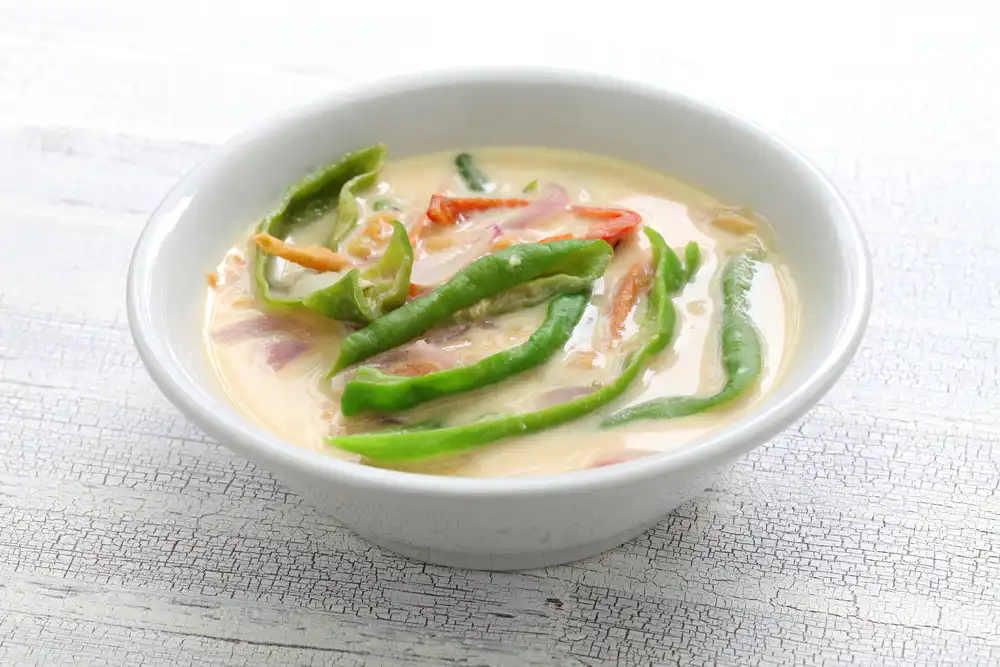
Ema Datshi
No discussion of Bhutanese food remains complete without a detailed look at Ema Datshi. This dish represents the national obsession with spicy heat and creamy textures.\
Ingredients and Preparation
Ema Datshi literally translates to “chili cheese.” The primary ingredients include fresh or dried chilies and a local cheese called datshi. Cooks split the chilies lengthwise and simmer them with water, oil, and salt. Once the chilies become tender, the cook adds the cheese, which melts into a rich, clumpy sauce. The cheese used in Bhutanese food usually comes from the curd of cow or yak milk. It has a tangy flavor and a soft consistency similar to cottage cheese or feta. Because the cheese does not fully liquefy, it creates a unique texture that coats the chilies and provides a cooling contrast to the spice.
Variations of the Datshi Family
The modular nature of Bhutanese food allows for many variations of the basic cheese stew. These dishes cater to different tastes and regional availability.
- Kewa Datshi: This version uses sliced potatoes as the main ingredient. It remains a popular choice for those who prefer a milder flavor profile while still enjoying the creamy cheese sauce.
- Shamu Datshi: Wild or cultivated mushrooms take the place of chilies. Bhutan’s forests produce wide varieties of mushrooms, including the famous matsutake, which add earthy depth to the dish.
- Semchung Datshi: Green beans serve as the base for this vegetarian stew. It provides a crunchy texture and a fresh taste.
- Shakam Datshi: Dried beef adds a chewy, savory element to the chili-cheese combination. This dish provides a high protein content for active individuals.
Meat Dishes
Meat remains a centerpiece of Bhutanese food during festivals and celebrations. Traditional preservation methods like drying and smoking create textures and flavors that are distinct to the region.
Phaksha Paa: The Iconic Pork Stir-Fry
Phaksha Paa showcases the love for pork in the mountains. Cooks stir-fry thick pork belly slices with dried red chilies and hearty vegetables. Common additions include radishes, ginger, and spinach. The pork fat renders and mixes with the chili heat, creating a rich sauce that diners pour over red rice.
Sikam: The Sun-Dried Pork Belly
Sikam represents a unique preservation style found in Bhutanese food. Farmers hang slabs of fatty pork belly in the sun to dry until they become translucent. When ready for consumption, the cook fries the Sikam with dried chilies and sometimes radishes or turnip leaves. The result is a smoky, chewy delicacy that resembles thick-cut bacon.
Shakam and Yaksha: Himalayan Beef and Yak
Dried beef, known as Shakam, provides a durable source of protein. People dry the meat but do not fully dehydrate it, which keeps the interior slightly tender. Cooks simmer Shakam with cheese and butter to create a hearty stew. In the high-altitude north, yak meat becomes more common. Yaksha Shakam refers to dried yak meat. This meat contains more natural oils and fewer calories than standard beef, making it a healthy option for cold environments. Yak meat often appears in stews or stir-fries alongside local vegetables and heavy spices.
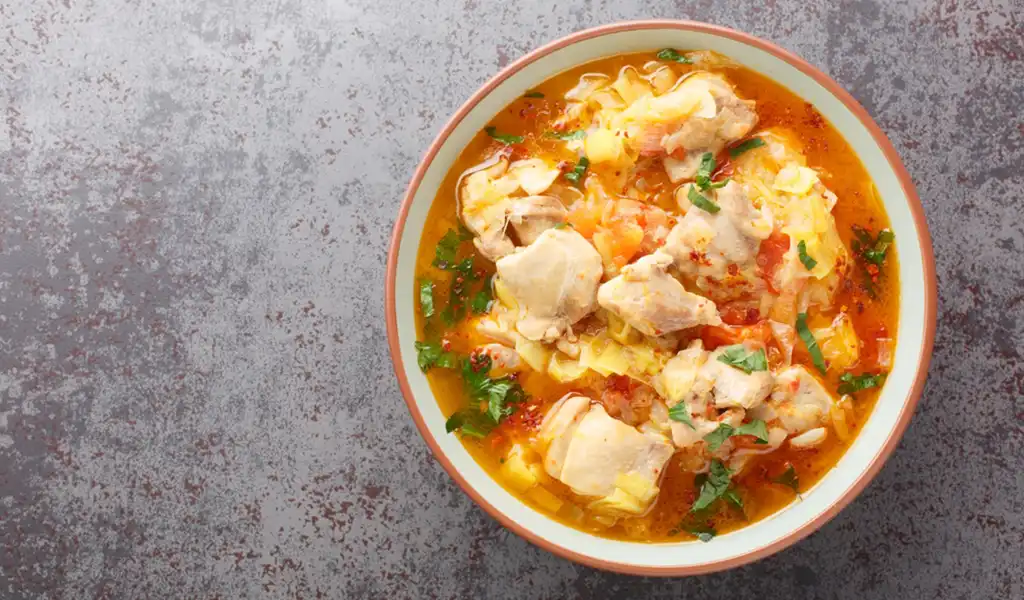
Jasha Maru: Spicy Chicken Stew
Jasha Maru offers a distinct flavor profile within Bhutanese cuisine. This dish uses diced chicken simmered in a broth of garlic, onion, tomatoes, and a significant amount of ginger. The ginger provides a sharp, warming sensation that complements the chili peppers. Chefs typically serve Jasha Maru with a side of chicken broth and a generous portion of red rice.
| Meat Dish | Base Protein | Key Ingredients | Flavor Profile |
| Phaksha Paa | Pork Belly | Radish, Dried Chili | Savory, fatty, spicy |
| Shakam Paa | Dried Beef | Ginger, Potato | Chewy, earthy |
| Sikam Paa | Dried Pork | Red Chili, Spinach | Smoky, rich |
| Jasha Maru | Chicken | Ginger, Garlic | Aromatic, warming |
| Yaksha Shakam | Dried Yak | Yak Cheese, Butter | High-protein, oily |
Regional Specialties and Local Traditions
Bhutanese food varies significantly from one valley to the next. These regional differences reflect the historical isolation of mountain communities.
The Haa Valley and Hoentay Dumplings
Residents of the Haa Valley prepare a special type of dumpling called Hoentay. While most regions eat momos made with wheat flour, Hoentay uses a buckwheat dough. The filling consists of a mixture of turnip greens, spinach, cheese, amaranth seeds, and butter. The tradition of making Hoentay centers around the Lomba festival, which marks the end of the harvest and the start of the New Year in Haa and Paro. Families gather to fold the dumplings into half-moons before steaming or frying them. Hoentay remains a source of regional pride and offers a unique taste distinct from typical Bhutanese food.
Bumthang: Buckwheat and Swiss Heritage
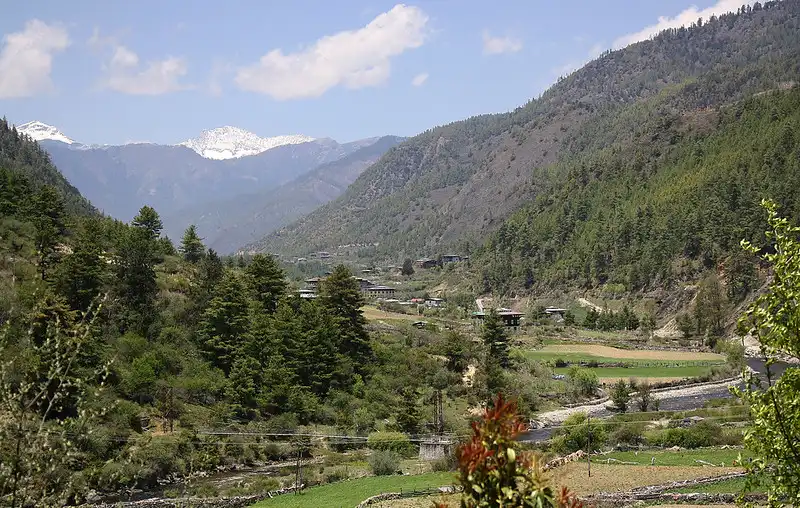
Bumthang serves as the cultural heart of central Bhutan and remains the primary producer of buckwheat. Puta, the region’s famous buckwheat noodles, are handmade using a traditional wooden press. Cooks boil the noodles, then toss them in a sauce of eggs, spring onions, and chilies. The valley also features a unique dairy culture influenced by a long-standing partnership with Switzerland. Visitors can find local Swiss-style cheeses, honey, and fruit preserves that combine European techniques with Himalayan ingredients. This blend of traditions creates a diverse menu for those exploring central Bhutanese food.
Eastern and Southern Variations
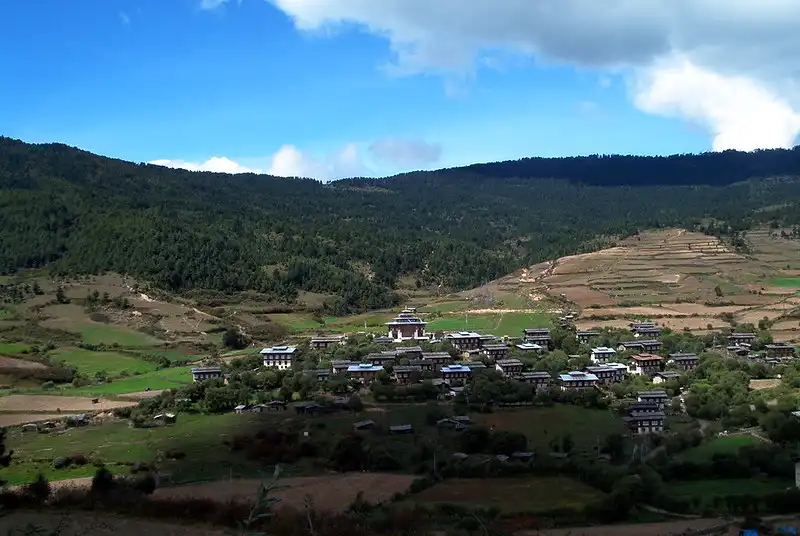
In eastern Bhutan, people consume more maize and dried fish. Kharang, a dish made from cracked corn, often serves as a substitute for rice. Southern districts share culinary traits with Nepal and India. Spices like turmeric, cumin, and cardamom are more common in southern Bhutanese cuisine. These regions also grow tropical fruits such as mangoes and oranges, which are used to make juices and desserts.
Traditional Snacks and Street Food Culture
The kingdom’s snack culture reflects the resourcefulness of its people. Bhutanese food provides quick energy for those engaged in farming, trekking, or archery.
Momos: The Quintessential Snack
Momos remain the most popular street food in the country. These Tibetan-style dumplings come filled with minced pork, beef, or vegetables mixed with cheese and onion. Street vendors serve them piping hot with a side of spicy Ezay sauce. While common across the Himalayas, Bhutanese momos stand out for their heavy use of local cheese and extreme spice.
Puffed Grains and Tea-Time Treats
Tea time serves as an essential social break in the day. People enjoy Bhutanese food snacks like Zaw (puffed rice) or Sip (pounded corn). These are often roasted with butter and sugar until crunchy. Another festive snack is Khapse, a deep-fried pastry made in various shapes during the New Year celebrations.
Doma: The Cultural Stimulant
While not a food in the traditional sense, Doma remains a vital part of social interaction. Doma consists of betel nut wrapped in a lime-coated leaf. It provides a mild stimulant effect and turns the mouth a bright red color. Offering Doma is a gesture of friendship and respect at the end of a meal or during a social visit.
Traditional and Modern Beverages
The beverage scene in the kingdom ranges from ancient butter teas to modern craft beers. Every house and office serves tea as a primary welcoming gesture.
Suja: The Salty Butter Tea
Suja provides warmth and energy in the cold Himalayan climate. People make this tea by churning black tea leaves with water, salt, and butter. Traditionally, yak butter was the primary ingredient, though cow butter is now more common in towns. The churning process creates a frothy, creamy texture that tastes more like a savory soup than a sweet tea. Suja serves as a staple of the morning meal and a mandatory offering for guests.

Ara: The Traditional Spirit
Ara is Bhutan’s national alcoholic drink. It is produced by fermenting and distilling various grains, such as rice, maize, or wheat. Ara remains clear or creamy white and has a potent, sour flavor profile.
In rural areas, people serve Ara warm. A standard festive preparation involves poaching an egg in butter and adding it directly to the glass of Ara. This drink plays a central role in religious ceremonies and community archery tournaments.
The Rise of Local Breweries
Modern Bhutan food and drink culture now includes a thriving brewing industry.
- Red Panda Weiss Beer: This unfiltered wheat beer comes from the Bumthang brewery. It remains a favorite among travelers for its smooth, malty taste.
- Druk 11000: This strong lager is found in every corner of the country and serves as the de facto national beer.
- K5 Whiskey: Named after the fifth king of Bhutan, this spirit blends high-quality malts with pure Himalayan water.
- Zumzin: A popular peach wine that residents enjoy during social gatherings and karaoke nights.
| Beverage | Ingredients | Alcohol Content | Context |
| Suja | Tea, salt, butter | 0% | Morning staple, hospitality |
| Ngaja | Tea, milk, sugar | 0% | Afternoon snack |
| Ara | Fermented grains | High | Rituals, festivals |
| Chang | Fermented barley | Low | Rural social gatherings |
| Red Panda | Wheat, hops | Medium | Craft beer enthusiasts |
Dining Etiquette and the Social Rules of Eating
Understanding the social norms surrounding Bhutanese food helps travelers show respect for local traditions. Manners at the table reflect the broader values of the society.
The Right-Hand Rule
Tradition dictates that people eat with their hands. This practice is believed to enhance the flavor and create a deeper connection with the food. When eating by hand, individuals must use only the right hand. The left hand is traditionally considered unclean and should not touch the food or the serving dishes. While restaurants provide forks and spoons for tourists, trying the local method is often appreciated in home or farmhouse settings.
Showing Respect through Consumption
Politeness governs every stage of the meal. Guests should wait for the host or the eldest person at the table to begin eating before they take their first bite. It remains customary to leave a small amount of food on the plate at the end of the meal. This gesture signals to the host that the guest has had enough to eat and that the portion was generous. When offered a second helping, it is polite to accept. Refusing multiple times might lead the host to believe the guest did not enjoy the Bhutanese food. Saying “Kaadinchey La” (thank you) at the end of the meal shows appreciation for the effort put into the preparation.
Farmhouse Hospitality
Visiting a farmhouse offers the most authentic way to experience Bhutanese food. These homes feature large kitchens with wood-fired stoves where the family gathers to stay warm and cook. Guests usually sit on colorful floor mats around a central dining area. Farmhouse meals often include the most flavorful versions of Ema Datshi and local Ara, as they use ingredients directly from the surrounding fields.
Exploring the Food Scenes of Thimphu and Paro
The major cities offer a blend of ancient traditions and modern culinary innovation. Travelers can find both high-end dining and local “no-frills” eateries serving authentic Bhutanese food.
Top Restaurants in Thimphu
Thimphu serves as the culinary hub of the country.
- Folk Heritage Museum Restaurant: This venue provides a complete cultural experience. Guests eat in a traditional environment and sample set meals that include red rice, various datshi stews, and buckwheat pancakes.
- Babesa Village Restaurant: Housed in a 600-year-old traditional home, this restaurant specializes in forgotten recipes and authentic village-style Bhutan food.
- Zombala 2: This busy restaurant remains famous for its momos and Jasha Maru. It is a favorite spot for both locals and tourists seeking a quick, delicious meal.
- Kalden Restaurant: For those seeking a truly local atmosphere, Kalden serves traditional dishes in a simple setting. It remains a popular lunch spot for office workers and monks.
Dining Highlights in Paro
Paro offers many opportunities to taste regional specialties, such as Hoentay.
- Sonam Trophel: Located on the main street, this restaurant is highly recommended for its Ema Datshi and its ability to adjust spice levels for international visitors.
- My Kind of Place: A cozy eatery that serves traditional Bhutan food alongside Asian fusion dishes. It remains well-known for its welcoming atmosphere and local staff.
- Yue-Ling Restaurant: This gem in Paro Valley provides a wide array of local curries and fried vegetables made with fresh, seasonal ingredients.
Food in Festivals: Tshechu and Beyond
Festivals, or Tshechus, represent the peak of social and religious activity. Food acts as a unifying force during these multi-day celebrations.
Communal Picnics and Offerings
During the Thimphu Tshechu, families arrive at the Dzong wearing their finest clothes. They bring large baskets of Bhutanese food to share with others. Communal harmony takes center stage as people exchange dishes and eat together in the sun. Ritual offerings of food also play a role. People present plates of fruit, rice, and cookies to monks and monasteries as a sign of devotion. This practice underscores the spiritual connection the people have with their land and its produce.
Festive Street Foods
Outside the religious grounds, street markets pop up to serve the crowds. Hawkers sell festival treats like Sel Roti (sweet rice bread) and various types of momos. Spicy chicken stews and pork dishes remain common, providing warmth for those watching the traditional mask dances in the cool mountain air.
The Sustainable Future of Bhutanese Agriculture
Bhutan stands out globally for its commitment to organic farming and environmental protection. This forward-thinking approach ensures that Bhutanese food remains healthy and high-quality for future generations.
The 100% Organic Goal
The government has a vision to become the world’s first 100% organic nation. While the original target was 2020, the deadline has been moved to 2035 to address challenges like pest management and certification. This policy bans chemical fertilizers and pesticides, focusing instead on traditional methods such as organic manure and natural pest controls. This transition supports soil health and prevents chemicals from entering the water system. For consumers, it means Bhutanese food is free of harmful residues and rich in natural minerals.
Responsible Tourism and Food
The “High Value, Low Impact” tourism model ensures that visitors contribute to the preservation of local food systems. The Sustainable Development Fee (SDF) helps fund environmental conservation and community welfare.
Travelers can support these efforts by:
- Choosing local guesthouses and farm stays that serve organic produce.
- Participating in cooking classes that teach traditional techniques.
- Avoiding single-use plastics and carrying a reusable water bottle.
- Eating at local restaurants that source ingredients from nearby farmers.
| Initiative | Goal | Impact on Bhutan Food |
| National Organic Program | 100% Organic by 2035 | Chemical-free, nutrient-dense produce |
| Carbon Neutral Pledge | Maintain carbon-negative status | Protects glacial water for irrigation |
| Tourism SDF Fee | Fund conservation and welfare | Supports local small-scale farmers |
| GNH Philosophy | Prioritize well-being over GDP | Preserves traditional culinary knowledge |
Practical Travel Advice for Food Lovers
Planning a trip to experience Bhutanese food requires some preparation, especially regarding spice levels and health.
Managing the Spice Levels
The heat in local dishes can be overwhelming for those not used to it. Most hotels and tourist restaurants provide a milder version of Ema Datshi. However, when eating at local spots, it remains helpful to ask for “kam chili” (less chili). People also use red rice and butter tea to help neutralize tongue burn.
Health and Altitude
High altitudes can slow down digestion. It is best to eat light meals upon arrival and avoid very rich or oily foods until the body adjusts. Drinking plenty of water is essential to prevent altitude sickness. Travelers should only consume bottled or purified water to avoid stomach issues.
Learning the Craft
Taking a cooking class provides a unique insight into the culture. In Thimphu and Paro, several schools and farmhouses offer lessons on how to make momos and the national dish. These classes often start with a visit to the Centenary Farmers Market, where students learn to identify different varieties of chilies and local cheeses.
The Culinary Legacy of Bhutan
Bhutanese food represents more than just nutrition; it acts as a living archive of the nation’s history and spiritual journey. From the ancient trade routes that brought tea from Tibet to the modern organic revolution, the kingdom’s flavors continue to evolve while staying true to their roots.
The combination of red rice, chili, and cheese provides a sense of comfort and pride for the Bhutanese people. As the country moves toward its sustainable goals, it offers a powerful example of how a nation can feed its population while protecting the earth. For the traveler, exploring Bhutanese food is a gateway into a culture that finds joy in simplicity, warmth in heat, and holiness in every meal shared.
The future of Bhutanese cuisine looks promising, as young chefs are experimenting with traditional ingredients to create modern fusion dishes. However, the core of the diet—the wood-fired stews, the handmade noodles, and the salty butter tea—remains the steady pulse of life in the Himalayas. By respecting these traditions and supporting organic farming, the world can help ensure that the unique tastes of the Land of the Thunder Dragon thrive for many centuries to come.