


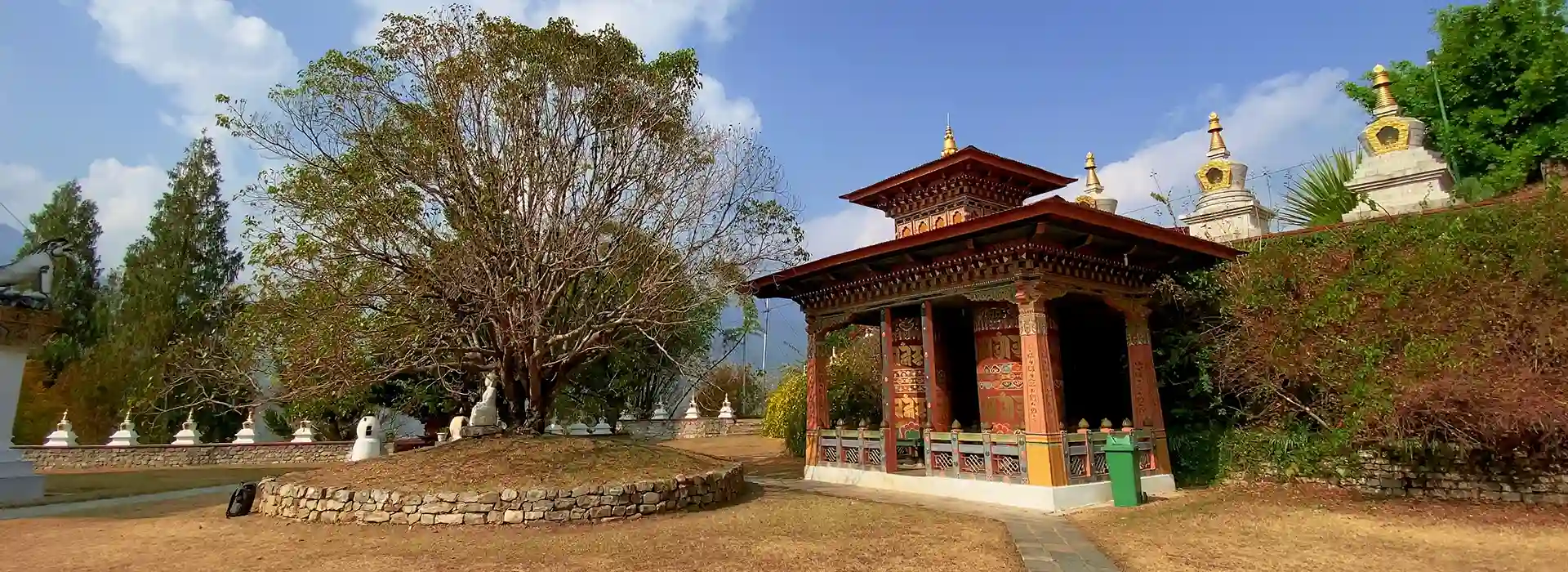

Bhutan’s Culture and Traditions remain the central soul of the last Himalayan kingdom. The nation sits between two giants, China and India. Royal policies protect the ancient ways of life from the outside world. Bhutanese people live with a deep respect for the natural world and spiritual realms. Every citizen contributes to maintaining a strong national identity. Visitors witness a society where heritage thrives alongside modern progress. Bhutan’s Culture and Traditions define the daily habits of every household in the country. Travelers see these values in the architecture, the clothing, and the locals’ smiles.
Introduction: Why Understanding Bhutan Culture Matters
The kingdom functions as a bastion of Himalayan heritage. Traditional ways of living continue to guide the people through the 21st century. Bhutan’s Culture and Traditions shape the legal framework and the education system. Leaders build the tourism industry around the concept of cultural respect. Travelers pay a Sustainable Development Fee to enter the country. The fee supports the preservation of temples and the maintenance of forest cover. Understanding Bhutan’s Culture and Traditions allows a visitor to connect more deeply with the land. Respectful guests receive a warm welcome into the private lives of the Bhutanese.
| Travel Element | Description | Cultural Benefit |
| Daily Fee | Sustainable Development Fee (SDF) | Funds for heritage preservation |
| Tourism Model | High Value, Low Impact | Prevents mass tourism effects |
| National Dress | Gho for men, Kira for women | Maintains visual identity |
| Architecture | Mandatory traditional styles | Protects local aesthetics |
Religion in Bhutan: The Foundation of Society
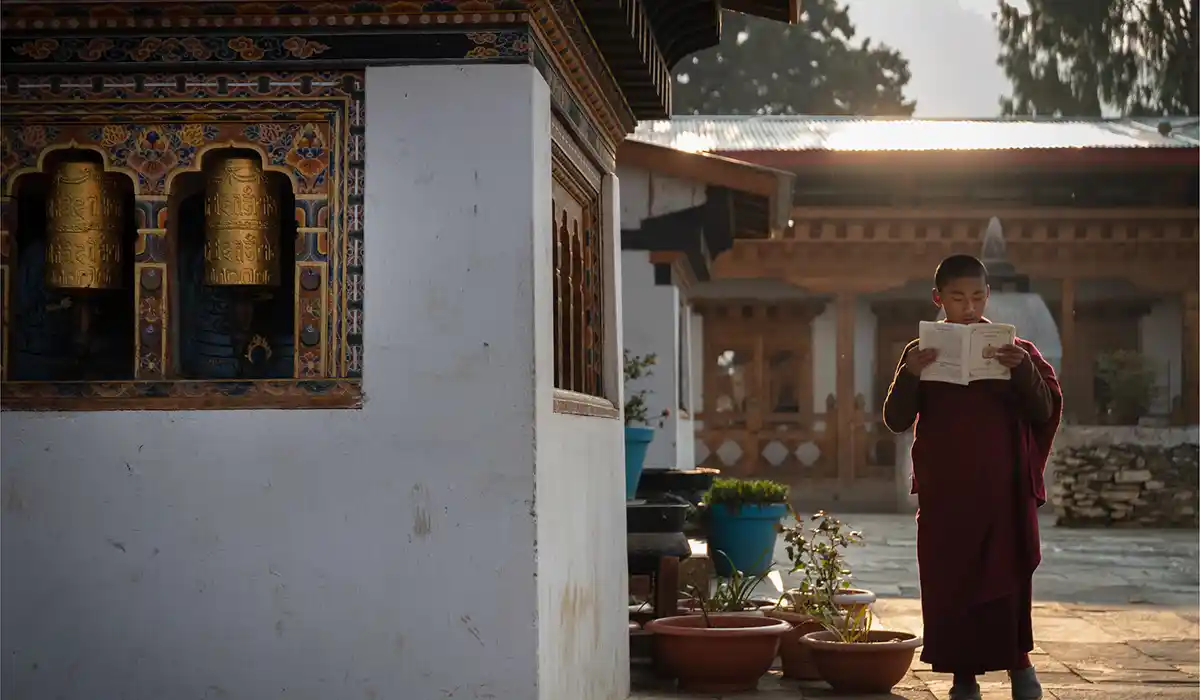
Vajrayana Buddhism serves as the state religion of the kingdom. The faith guides the moral compass of every citizen. Monasteries act as centers for learning and spiritual growth. Bhutan’s culture and traditions are rooted in Buddhist principles to maintain social peace. Monks perform rituals to bring luck and health to the community. People visit temples to spin prayer wheels and offer butter lamps. The spiritual atmosphere remains present in every town and village.
The Role of Vajrayana Buddhism
The Buddhist school emphasizes the path of the secret mantra. Practitioners visualize deities to transform their own minds. Bhutan’s Culture and Traditions celebrate the lineage of great masters from India and Tibet. Rituals include complex chants and the use of sacred instruments. Drums and bells echo through the halls of the monasteries. The faith encourages compassion for all living beings. Citizens avoid killing animals due to religious beliefs. Bhutan’s Culture and Traditions create a haven for rare wildlife.
Importance of Guru Rinpoche
The people revere Guru Rinpoche as the second Buddha. He brought the light of the Dharma to Bhutan in the 8th century. Legend describes his arrival on the back of a flying tigress. He subdues local demons and converts the population to Buddhism. Many sacred sites across the country mark his miracles. Taktsang Monastery perches on a cliff where he meditates for three months. Bhutan Culture and Traditions feature countless stories of his power and wisdom. His image occupies the central place on every altar in the country.
The Hindu Minority and Coexistence
Southern Bhutanese communities practice Hinduism with great devotion. These groups share a long history of cultural exchange with their neighbors. The kingdom promotes religious freedom for all. Hindus and Buddhists participate in each other’s social gatherings. Both religions value the family unit and respect for elders. Bhutan’s Culture and Traditions flourish through this peaceful coexistence. The government provides funds to repair Hindu temples in the south. This support strengthens the unity of the diverse population.
Gross National Happiness: Philosophy Over Wealth
The Fourth King introduced the idea of Gross National Happiness in the 1970s. He believes that well-being matters more than the Gross Domestic Product. Bhutan’s Culture and Traditions guide this national philosophy. GNH seeks a balance between material needs and mental health. The government measures success by the people’s happiness. Every new law undergoes a screening process to assess its impact on happiness. Bhutan’s Culture and Traditions remain protected through these thoughtful policies.
The Four Pillars of GNH
Sustainable development serves as the first pillar of the philosophy. The nation provides free healthcare and education to every citizen. These services reduce the gap between the rich and the poor. Bhutan’s Culture and Traditions support the second pillar of environmental conservation. The constitution requires 60 percent of the land to remain under forest cover. The kingdom absorbs more carbon than it produces. Preservation of culture acts as the third pillar. The nation promotes local languages and traditional arts. Good governance forms the fourth pillar. Leaders act with transparency and listen to the people. Bhutanese culture and traditions remain strong because the government respects its heritage.
The Nine Domains of GNH
| GNH Domain | Key Focus | Impact on Daily Life |
| Psychological Well-being | Life satisfaction and optimism | Encourages meditation and prayer |
| Health | Physical and mental fitness | Provides free medical checkups |
| Education | Values and traditional skills | Teaches local arts in schools |
| Time Use | Work and sleep balance | Discourages excessive overtime |
| Cultural Diversity | Resilience of traditions | Promotes festivals and native dress |
| Good Governance | Performance of the government | Encourages local community meetings |
| Community Vitality | Trust and social support | Strengthens village bonds |
| Ecological Diversity | State of the environment | Protects water and air quality |
| Living Standards | Income and housing | Ensures basic needs for all families |
Traditional Bhutanese Dress: A Visual Identity
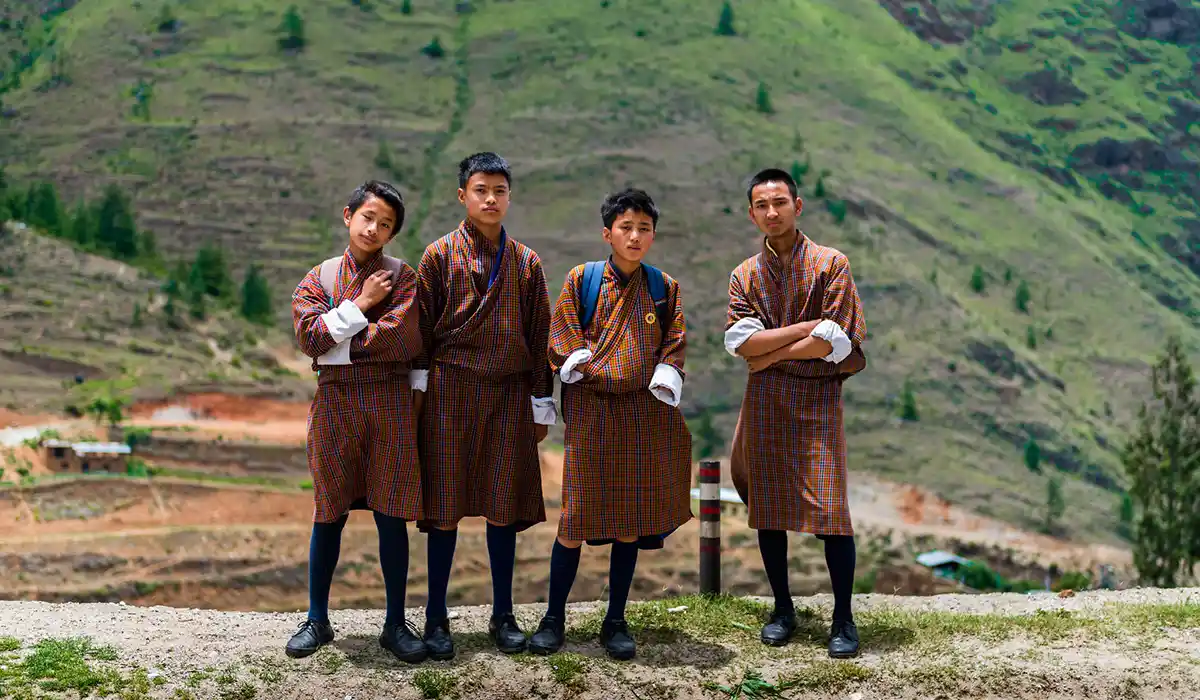
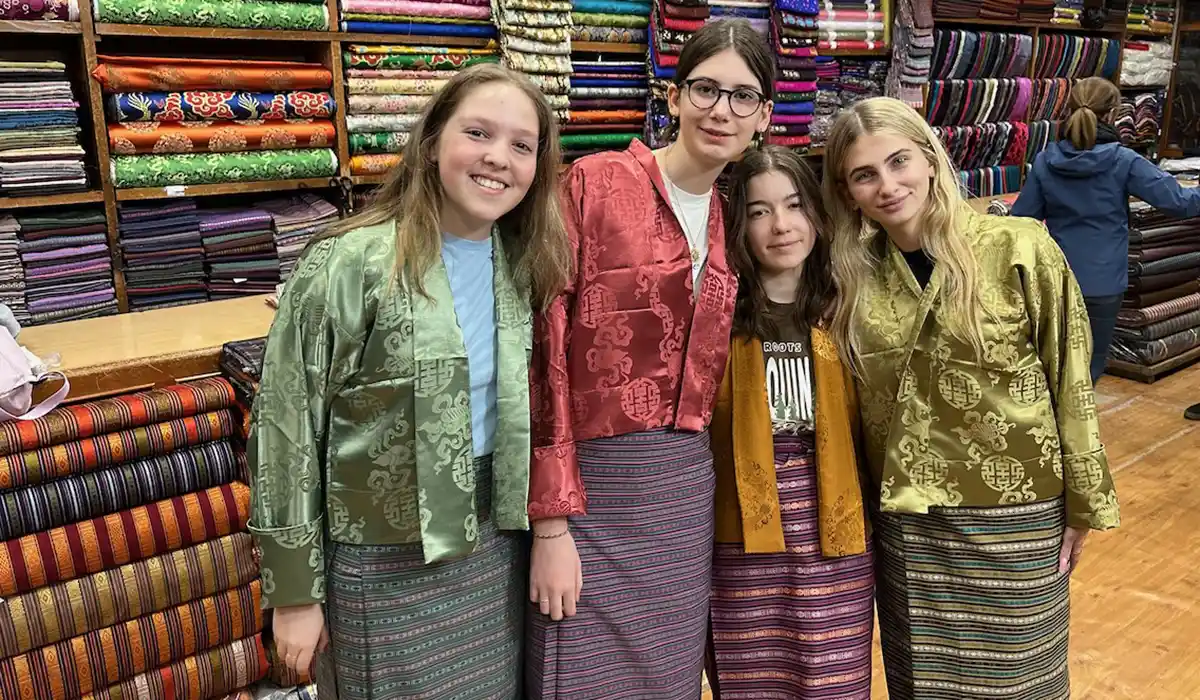
Bhutanese citizens wear the national dress every day in schools and offices. The code protects the kingdom’s unique identity. Men wear a robe called a Gho. Women wear an ankle-length dress called a Kira. Weavers create these garments from cotton, wool, or silk. The patterns often reflect the wearer’s region. Bhutanese culture and Traditions treat the national dress with great pride. Travelers see a colorful display of history in every street.
The Gho for Men
The Gho wraps around the body and reaches the knees. A fabric belt called a Kera secures the garment at the waist. The upper part of the robe creates a wide pouch. Men use this space to carry phones, bowls, and even books. This pouch serves as the largest pocket in the world. Men wear white cuffs called Tego to show cleanliness. A ceremonial scarf called a Kabney accompanies the Gho on formal visits. Bhutanese culture and Traditions use the Kabney to indicate a person’s rank in society.
| Scarf Color | Wearer’s Rank | Social Significance |
| Yellow | The King and Je Khenpo | Highest spiritual and secular authority |
| Orange | Government Ministers | High-level executive leadership |
| Blue | Members of Parliament | National legislative representation |
| Red | High-ranking officials | Recognition of dedicated service |
| White | Common citizens | Shows humility and social equality |
The Kira for Women
Women wrap the Kira around the body with great skill. Silver pins called Koma secure the fabric at the shoulders. A short jacket called a Toego completes the outfit. Women wear a bright blouse called a Wonju under the coat. Skilled artisans weave intricate designs into silk. Some Kiras take three months to finish. Bhutan’s Culture and Traditions value the craftsmanship of female weavers. Every woman possesses several outfits for different occasions. Travelers admire the elegant style of the Kira during festivals.
Dzongs: Fortress-Monasteries of the Kingdom
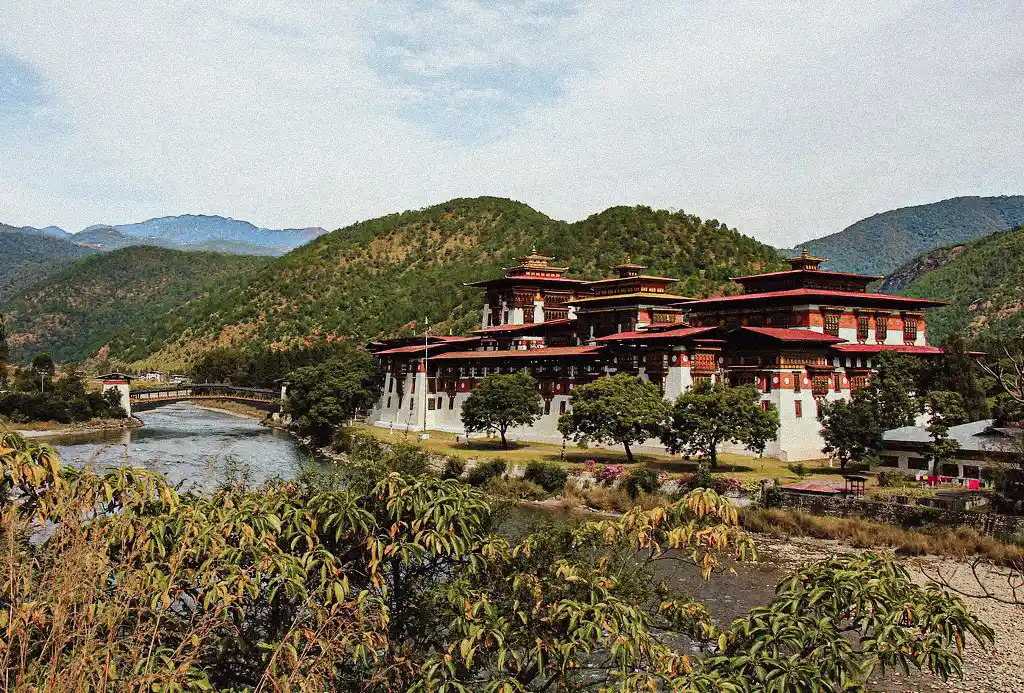
Dzongs stand as the most impressive structures in the nation. These buildings house both the local government and the monks. Zhabdrung Ngawang Namgyal built many Dzongs in the 17th century. He uses them to defend the valleys from invaders. The architecture features massive stone walls and intricate woodwork. No nails or blueprints exist for these ancient buildings. Bhutan Culture and Traditions view the Dzong as the heart of the district. Every town centers its life around these majestic forts.
Architectural Features of Dzongs
The walls of a Dzong taper toward the top for strength. Builders use red and gold colors to decorate the wooden windows. Courtyards provide space for religious dances and community meetings. High thresholds keep out evil spirits and floods. Central towers called Utse house the most sacred shrines. Bhutan’s Culture and Traditions dictate that architecture must follow traditional rules. Even modern buildings in Thimphu must match this style. Travelers feel as if they step back in time when they enter a Dzong.
Iconic Dzongs for Travelers
| Dzong Name | Location | Historic Event |
| Punakha Dzong | Punakha | Site of the first King’s coronation |
| Paro Dzong | Paro | Defense against Tibetan invasions |
| Tashichho Dzong | Thimphu | Summer residence of the monks |
| Trongsa Dzong | Trongsa | Controls the east-west trade route |
| Simtokha Dzong | Thimphu | First Dzong built by the Zhabdrung |
Bhutanese Festivals: The Joy of Tshechus
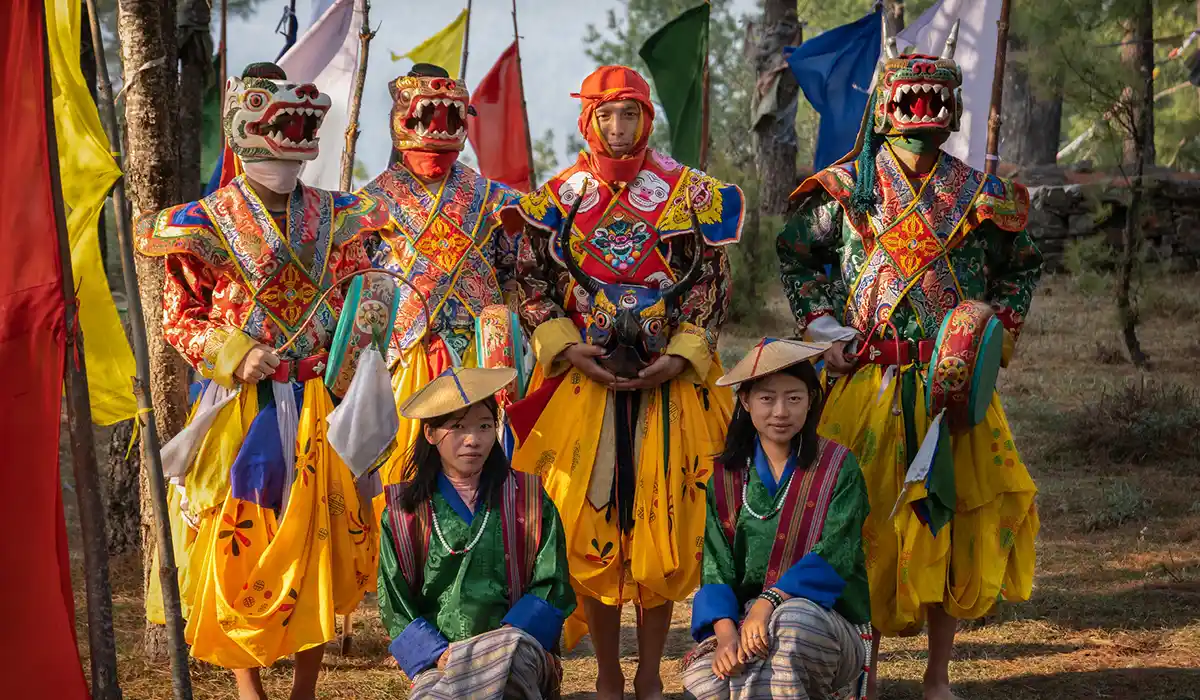
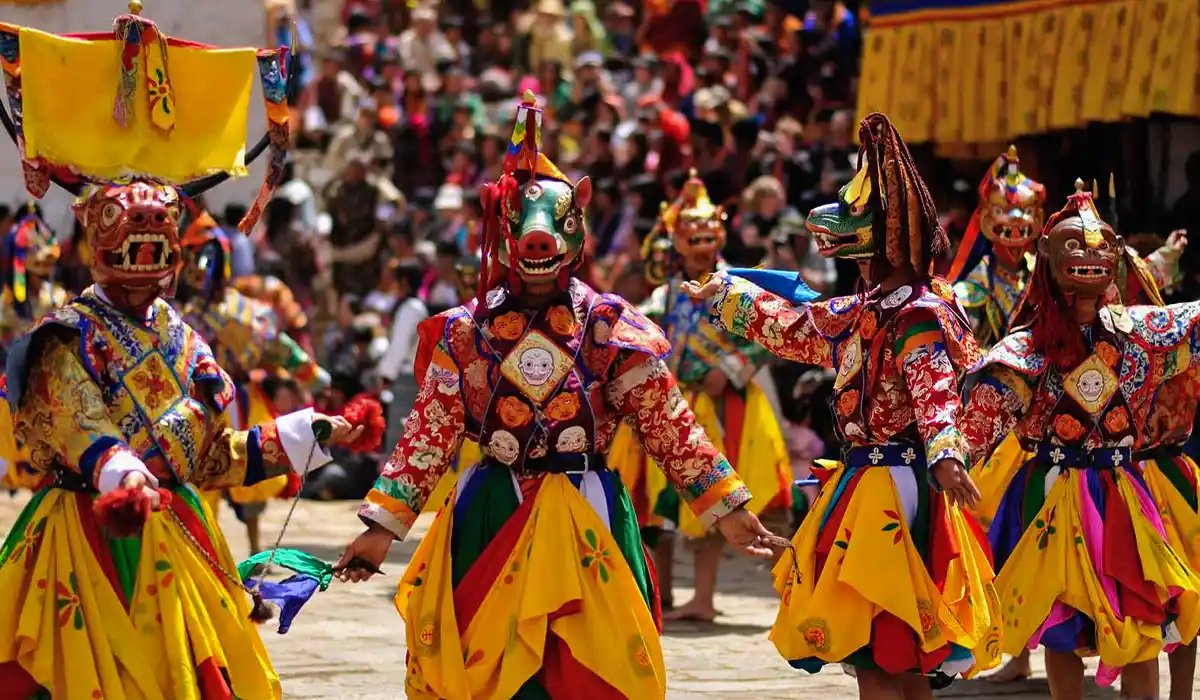
Festivals called Tshechus bring communities together every year. These events celebrate the birth of Guru Rinpoche. Monks and villagers perform mask dances in the Dzong courtyards. People believe that watching the dances brings spiritual merit. Attendees wear their best traditional clothes and share picnic lunches. Bhutanese culture and Traditions stay vibrant through these colorful gatherings. Travelers witness the living faith of the population during a Tshechu.
The Meaning of Mask Dances
Dancers wear heavy wooden masks representing animals and deities. Each movement follows a pattern established centuries ago. The dances tell stories of good defeating evil. The sound of cymbals and horns fills the air. Performers enter a state of meditation during the dance. Bhutanese culture and Traditions treat these performances as sacred offerings. The giant tapestry called a Thongdrel hangs from the wall at dawn. People wait in long lines to touch the holy fabric. They believe the sight of the Thongdrel cleanses all sins.
Etiquette for Attending Festivals
Travelers must act with respect during these religious events. Keep your voice low and avoid laughing loudly. Never walk onto the dance area during a performance. Ask for permission before taking photos of the dancers. Locals appreciate visitors who wear the national dress. Dress modestly and cover your shoulders and knees. Bhutan’s Culture and Traditions welcome outsiders to observe the faith. Following the rules ensures a positive experience for everyone.
Family and Social Structure
Family bonds form the core of Bhutanese society. Households often include parents, children, and grandparents under one roof. Elders are highly respected as pillars of wisdom. Bhutan’s Culture and Traditions promote a strong community support system. Neighbors help each other build houses and harvest crops. People share food and labor without asking for payment. This unity allows the nation to thrive in the rugged mountains.
Respect for Elders and Authority
Younger people use polite language when speaking to their seniors. They bow slightly to show humility in the presence of elders. The community cares for the aging population with great love. Bhutanese culture and Traditions emphasize the duty of children toward their parents. Even in the capital city, family remains the top priority. People gather for dinner every night to share their day. This closeness prevents loneliness and builds a sense of security.
Role of Women in Society
Women enjoy a high level of autonomy in Bhutanese culture. In many regions, daughters inherit the family house and land. Men often move into their wives’ homes after marriage. Women manage the household finances and participate in community decisions. They lead the weaving industry and sell their crafts in the markets. Bhutanese culture and Traditions value the contribution of women to the national well-being. This balance of power creates a stable social environment.
Food Culture and Dining Traditions
The kingdom’s cuisine reflects its mountain landscape. People use local ingredients like red rice, chilies, and cheese. Bhutanese culture and Traditions treat every meal as a sacred event. Families begin dinner with a simple prayer of thanks. Spicy flavors dominate the dishes to keep the body warm. Travelers find the food bold and unique compared to other Asian countries.
The National Dish: Ema Datshi
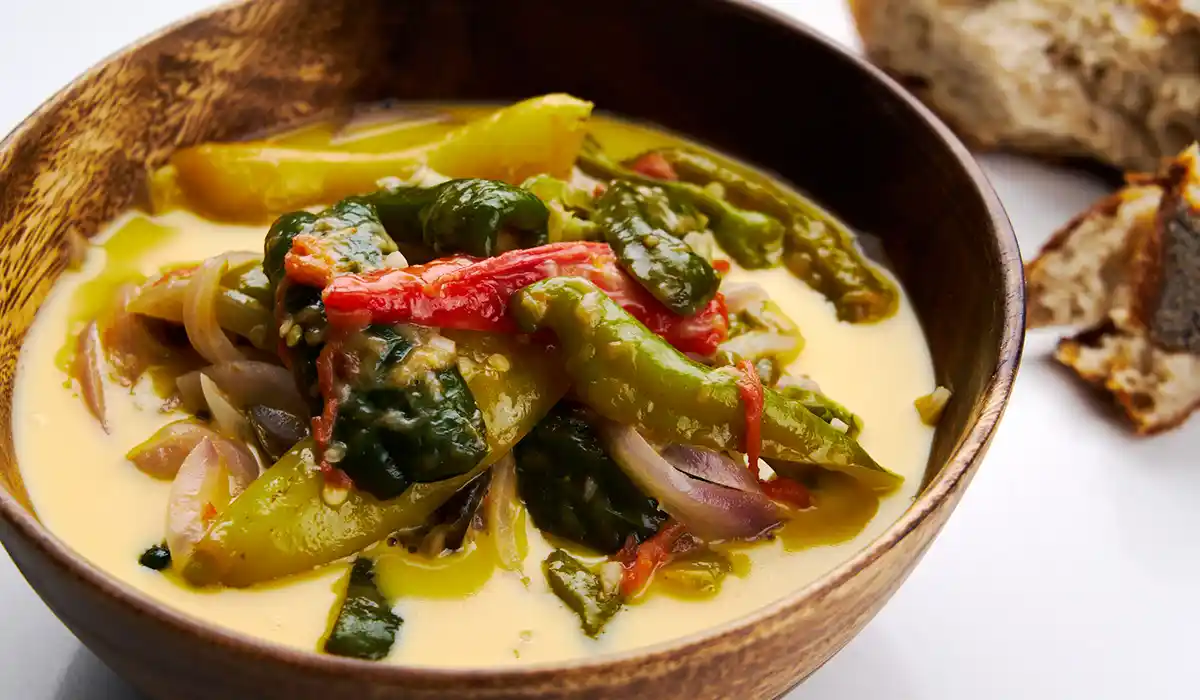
Ema Datshi serves as the national dish of Bhutan. It contains fresh green chilies and a local cheese sauce. People eat this dish at almost every meal with a side of red rice. The spice level can feel very high for many visitors. Bhutanese culture and Traditions view the chili as a vegetable rather than a spice. Every household has its own secret recipe for the perfect Ema Datshi. Travelers should try a small portion first to test the heat.
Other Staples and Local Flavors
Red rice grows in the high valleys and has a nutty taste. It provides the primary source of energy for the people. Jasha Maru includes minced chicken cooked with ginger and garlic. Phaksha Paa features slices of pork stewed with radishes. Butter tea, known as Suja, remains a popular drink during the winter. It contains yak butter and salt for a rich flavor. Bhutan’s Culture and Traditions offer many delicious options for food lovers.
| Dish Name | Main Ingredients | Taste Profile |
| Ema Datshi | Chilies and Cheese | Fiery and Creamy |
| Kewa Datshi | Potatoes and Cheese | Mild and Comforting |
| Momos | Flour and Meat/Cheese | Savory Dumplings |
| Red Rice | Local High-Altitude Rice | Nutty and Earthy |
| Suja | Tea, Butter, and Salt | Rich and Salty |
Dining Etiquette and Hospitality
Hosts often offer food and tea to guests multiple times. It is polite to decline the first offer and accept the second. People traditionally eat with their hands while sitting cross-legged on the floor. Use your right hand to pick up the rice and curry. Wash your hands before and after the meal. Bhutanese culture and Traditions value the spirit of sharing in everyday dishes. Finishing the food on your plate shows appreciation for the cook.
Language and Communication in Bhutan
Dzongkha serves as the national language of the kingdom. It belongs to the Tibeto-Burman family and uses the Uchen script. Bhutan’s Culture and Traditions promote the use of local dialects in different valleys. Most citizens speak English as it remains the medium of instruction in schools. This allows travelers to communicate easily with the locals. People talk in a soft, gentle tone. Bhutanese etiquette favors calm dialogue over loud shouting.
Essential Dzongkha Phrases for Travelers
Learning a few words makes the locals feel happy. Start with a friendly smile and a warm greeting. “Kuzuzangpo la” works for both “hello” and “good day”. Adding “la” at the end of every sentence shows high respect. Bhutanese culture and Traditions prioritize politeness in all interactions. Using the local tongue builds a bridge between the guest and the host.
| English | Dzongkha | Context |
| Hello | Kuzuzangpo la | General Greeting |
| Thank You | Kadrin chhey la | Showing Gratitude |
| Good Luck | Tashi delek | Best Wishes |
| How are you? | Ga day bay zhui? | Making Conversation |
| Delicious | Zhim bay | Praising Food |
| Where is the toilet? | Chhabsa ga tey mo? | Practical Question |
Spiritual Practices in Daily Life
Daily life in the kingdom stays connected to the divine. People hang prayer flags on mountains and bridges to spread blessings. The wind carries the prayers printed on the fabric to all beings. Bhutan’s Culture and Traditions feature many symbols of faith in public spaces. You see white chortens at the edge of every village. Prayer wheels line the paths to the temples. Spinning them clockwise generates positive energy for the world.
Prayer Flags and Their Meanings
The colors of the prayer flags represent the five elements. Blue stands for the sky and space. White represents the air and wind. Red symbolizes fire and energy. Green represents water and nature. Yellow stands for the earth and stability. Bhutan Culture and Traditions use these colors to balance the energy of the landscape. Families hang new flags during birthdays or weddings. The sight of thousands of flags fluttering in the wind stays with a traveler forever.
Rituals and Offerings in Temples
People light butter lamps to drive away ignorance. The golden flame represents the light of wisdom. Citizens offer bowls of clean water and incense to the Buddhas. Monks chant prayers for the long life of the King and the nation. Bhutanese culture and Traditions emphasize the act of giving to earn merit. Many people perform prostrations at the temple entrance. This physical act shows humility and devotion. Travelers should maintain silence when observing these rituals.
Arts and Handicrafts: The Thirteen Traditional Arts
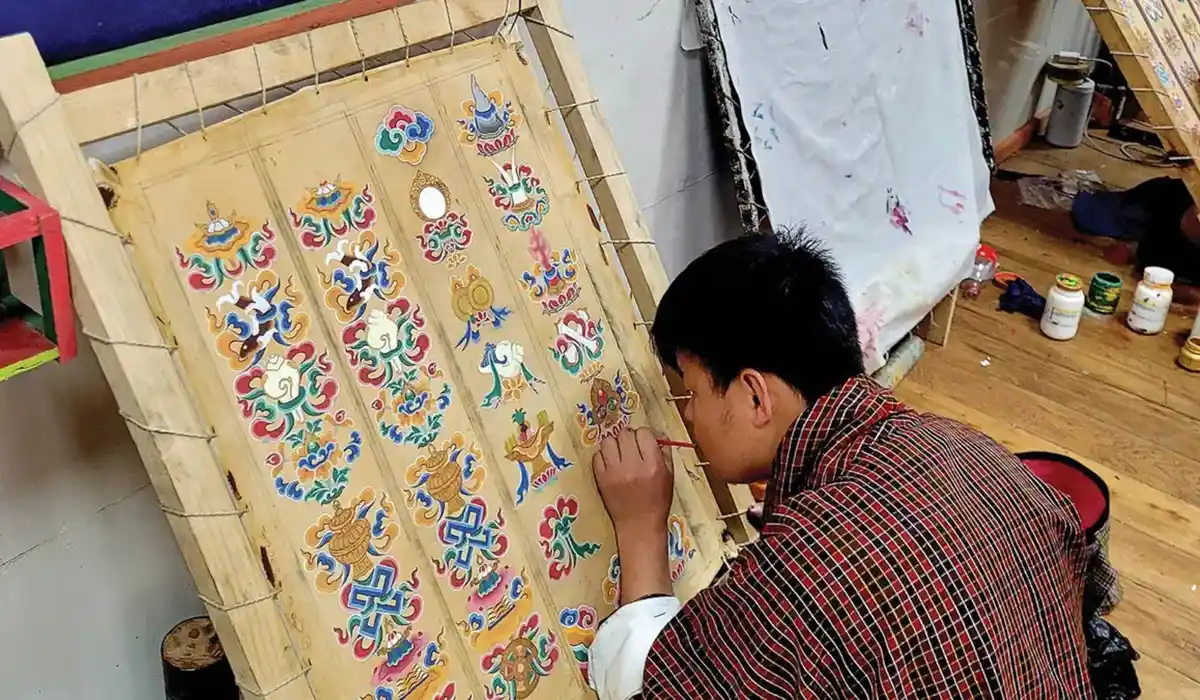
The arts of the kingdom reflect a deep spiritual connection. Zorig Chusum refers to the thirteen traditional crafts of Bhutan. These skills are passed down from master to student over many years. Bhutan’s Culture and Traditions protect these arts through government schools. Artists use natural materials like wood, clay, and plant fibers. Every piece of art serves a purpose in religious or daily life.
The Thirteen Traditional Arts (Zorig Chusum)
| Art Form | Dzongkha Name | Primary Use |
| Painting | Lhazo | Murals and Thangka scrolls |
| Sculpting | Jinzo | Religious statues and masks |
| Carving | Parzo | Woodblocks for printing prayers |
| Weaving | Thagzo | Gho and Kira fabrics |
| Carpentry | Shingzo | Building Dzongs and houses |
| Masonry | Dozo | Constructing stone walls |
| Blacksmithing | Garzo | Making swords and farm tools |
| Bronze Casting | Lugzo | Crafting statues and ritual bells |
| Ornament Making | Troeko | Creating gold and silver jewelry |
| Bamboo Work | Tsharzo | Weaving baskets and mats |
| Woodturning | Shagzo | Making traditional cups and bowls |
| Paper Making | Deh-sho | Writing sacred manuscripts |
| Tailoring | Tshemzo | Making festive costumes |
The Significance of Traditional Weaving
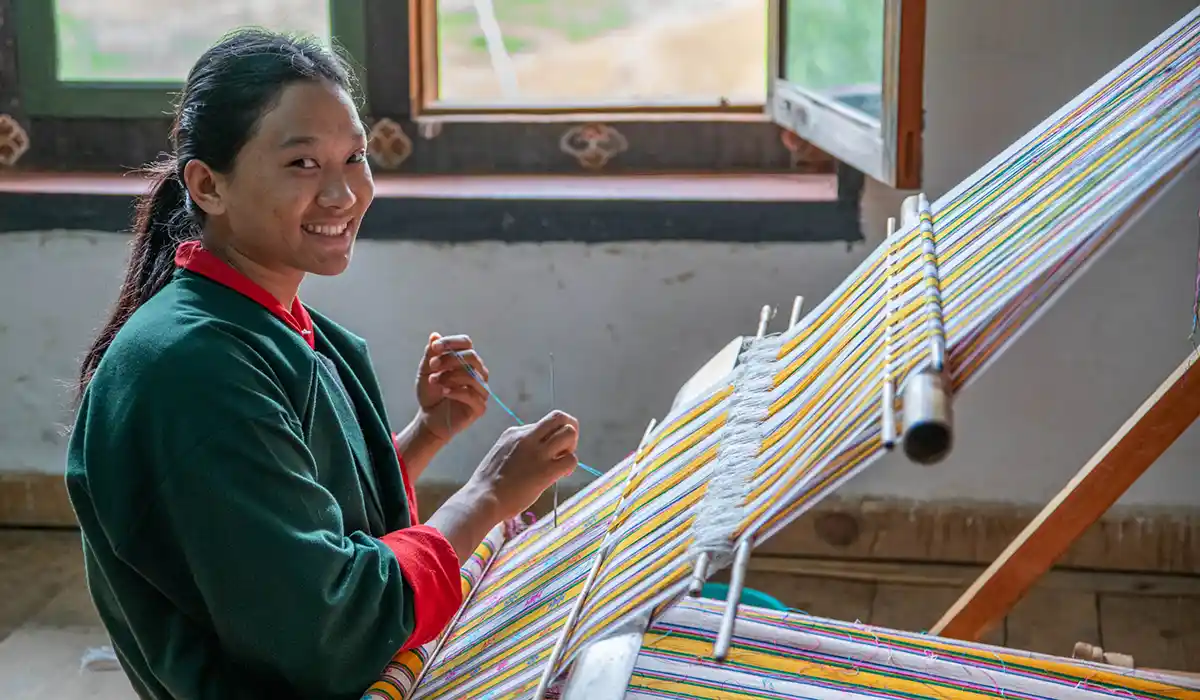
Weaving remains the most popular art among women. They use back-strap looms to create complex patterns. Bhutan’s Culture and Traditions celebrate the diversity of regional textiles. Fabrics from the east use wild silk and bright dyes. Those from central Bhutan use warm sheep wool. Every pattern holds a hidden meaning related to luck or protection. Travelers can visit weaving centers in Thimphu to see the process. Buying a hand-woven scarf supports the local economy and preserves the craft.
Bhutanese Etiquette for Travelers
Respect forms the foundation of all interactions in the kingdom. Travelers should follow local customs to ensure a pleasant visit. Bhutanese culture and Traditions require calm, modest behavior. Avoid loud shouting or public displays of anger. Dress modestly in all public places. This respect opens the hearts of the Bhutanese people to you. Guests who honor the culture receive the world’s best hospitality.
The Do’s for Visitors
Cover your shoulders and legs when entering a Dzong. Remove your shoes and hat before stepping into a temple. Always walk clockwise around religious monuments. Use both hands when giving or receiving a gift. Ask for permission before taking a photo of a person. Bhutanese culture and Traditions value these small gestures of respect. Keep your voice low in sacred spaces to maintain the peace.
The Don’ts for Visitors
Never touch a religious statue or an altar. Avoid pointing your finger at a person or a holy object. Do not step over someone sitting on the floor. Refrain from public displays of affection, such as hugging or kissing. Public smoking remains illegal in many areas of the country. Bhutanese culture and Traditions maintain a high level of decorum. Following these rules shows that you value the kingdom’s heritage.
Modern Bhutan vs Traditional Values
The kingdom faces the challenges of the modern world with caution. Globalization brings new technologies and internet access to the valleys. Bhutan’s Culture and Traditions serve as a shield against rapid change. Youth in Thimphu enjoy global music and fashion. Yet, they still wear the national dress for formal events. The nation seeks to modernize without losing its unique soul. Travelers witness this contrast on every street corner of the capital.
Urban Life in Thimphu
Thimphu stands as the only capital city in the world without traffic lights. Police officers use hand gestures to direct the cars. Modern cafes and art galleries appear alongside ancient monasteries. The city population grows as people move from rural farms. Bhutan’s Culture and Traditions help urban residents stay connected to their roots. Weekend markets provide fresh produce from the countryside. The capital remains a vibrant hub of history and progress.
Challenges of Modernization
Increased tourism and social media influence the aspirations of the youth. Many young people look for jobs in the service sector rather than farming. This shift puts pressure on traditional village life. Bhutan’s Culture and Traditions must adapt to provide meaning to the next generation. The government encourages local entrepreneurship and creative arts. The goal remains to keep the culture dynamic and alive. Travelers help by showing interest in the authentic ways of life.
Cultural Experiences Travelers Can Join
Travelers have many chances to participate in local activities. These experiences provide a deep look into the spirit of the nation. Bhutan’s Culture and Traditions offer unique ways to relax and learn. From sports to wellness, every activity has a cultural meaning. Guests who join in feel like part of the community.
Archery: The National Sport
Archery serves as the most popular sport in the kingdom. Teams compete in long-distance matches with traditional bamboo bows. Every successful hit receives a celebratory dance from the teammates. Opponents use friendly taunts and jokes to distract the archer. Bhutan’s Culture and Traditions turn every match into a social gathering. Women sing songs to encourage their husbands on the field. Travelers can watch matches in the Changlimithang Stadium in Thimphu.
Traditional Hot Stone Baths (Dotsho)
A hot stone bath offers the perfect way to relax after a long hike. Workers heat river stones in a fire until they turn red. They drop the stones into a wooden tub filled with spring water. The heat releases minerals believed to cure joint pains and skin issues. Medicinal herbs like Artemisia add a sweet aroma to the water. Bhutanese culture and Traditions use this ritual for both healing and cleaning. Many farmhouses offer this experience to travelers for a small fee.
Farmhouse Visits and Homestays
Staying in a traditional farmhouse offers an authentic glimpse into daily life. Families welcome guests into their homes with open arms. You can help with farm work or learn to cook local dishes. Bhutanese culture and Traditions emphasize the sacredness of the guest. You sleep on traditional mats and eat meals from wooden bowls. This experience builds lasting friendships between travelers and locals. It directly supports the rural economy and preserves the farm lifestyle.
Cultural Sensitivity Tips for Travelers
Acting with sensitivity ensures that your visit has a positive impact. Small actions show that you value the people and their heritage. Bhutan’s Culture and Traditions possess a delicate balance that visitors should protect. Respect the monarchy as the Kings remain beloved by the people. Avoid political discussions that might cause discomfort. Showing gratitude for the hospitality goes a long way.
Photography and Privacy
Always ask for permission before taking a photo of a person. Some older people might feel shy or prefer not to be on camera. Do not take pictures inside the inner shrine rooms of temples. Signs often indicate where photography remains forbidden. Respect these rules to maintain the sanctity of the site. Bhutanese culture and Traditions value privacy and a spiritual focus. Taking photos from a distance during festivals prevents disruption of the rituals.
Respect for the Monarchy and Government
The people of Bhutan hold the Royal Family in very high esteem. Avoid making critical remarks about the King or the government. The Monarchy serves as a symbol of unity and stability. Bhutan’s Culture and Traditions feature many celebrations of royal history. Treat portraits of the Kings with the same respect as religious icons. This loyalty remains a core part of the national character. Travelers who show respect for the leaders find a warmer welcome.
FAQs for Bhutan Tour Preparation
Q: What is Bhutan famous for culturally?
A: Bhutan is famous for its Gross National Happiness philosophy and its unique architecture. The kingdom remains the only nation where Vajrayana Buddhism serves as the state religion. Travelers admire the traditional dress and the colorful mask dances. The preservation of nature and heritage makes the country a special place in the world.
Q: What are the main traditions in Bhutan?
A: The main traditions include wearing the Gho and Kira daily. People attend Tshechu festivals to receive blessings and watch sacred dances. Archery serves as a central social activity in every village. Daily rituals include lighting butter lamps and spinning prayer wheels. Bhutanese culture and Traditions emphasize family loyalty and community help.
Q: How should tourists dress in Bhutan?
A: Tourists should dress modestly to respect local customs. Wear pants or skirts that cover the knees. Choose tops that cover the shoulders and chest. Avoid tight or revealing clothing in public places. When visiting a Dzong or temple, dress formally and remove your shoes.
Q: What religion is practiced in Bhutan?
A: The majority of the population practices Vajrayana Buddhism. A significant Hindu minority lives in the southern regions. Both religions coexist peacefully and share many values. The teachings of Guru Rinpoche deeply influence Bhutan’s Culture and Traditions.
Q: What is Gross National Happiness?
A: Gross National Happiness serves as the development framework of Bhutan. It prioritizes the mental and spiritual well-being of the people over material wealth. The four pillars include sustainable development, environment, culture, and governance. This philosophy guides every national policy in the kingdom.
Responsible Cultural Tourism
Traveling mindfully helps protect the kingdom’s beauty. Support local businesses and buy genuine handicrafts from artisans. This ensures that your money stays within the community. Bhutan’s Culture and Traditions thrive when tourism remains sustainable. Avoid using single-use plastics to keep the valleys clean. Stay on the designated trails during treks to protect the soil.
Respect the silence of the sacred spaces you visit.
Choosing responsible tour operators supports national conservation goals. Engage with your guide to learn more about the history and faith of the people. Bhutan’s Culture and Traditions possess a wealth of wisdom for the modern world. Every respectful visitor contributes to the future of the kingdom. Leave no trace of your visit except for the positive impact you make. The kingdom welcomes you as a guest and sends you home with a peaceful heart.
Bhutan’s Culture and Traditions remain a beacon of hope for heritage preservation. The kingdom proves that a small nation can protect its identity in a changing world. By following the local etiquette, you honor the spirit of the Himalayan people. Every prayer flag you see carries a wish for universal happiness. Bhutan Culture and Traditions invite you to witness a way of life built on compassion. This legacy continues to shine brightly in the land of the thunder dragon.