


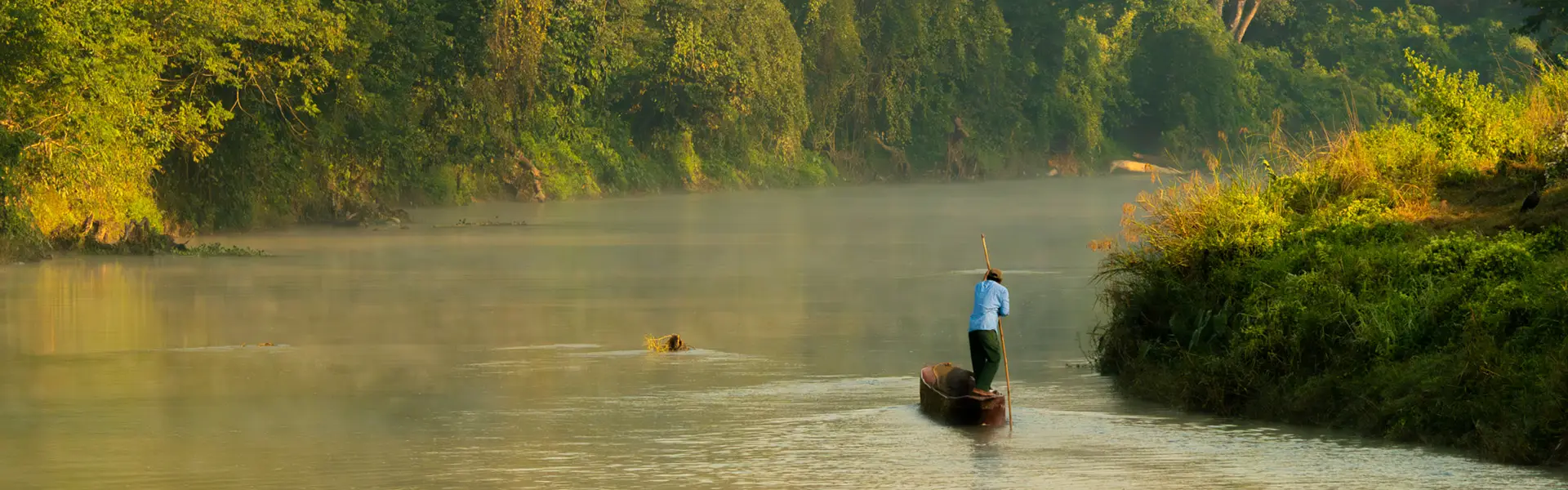

Mountains and temples define most Nepal trips. The Chitwan Travel Guide shows you a different side of the country. Here, the draw comes from river landscapes, grasslands, forests, rhinos, crocodiles, birds, and the Tharu culture. Subtropical wetlands replace snow peaks. Wildlife watching replaces trekking.
The Chitwan Travel Guide covers practical planning help for first-time visitors. Learn the top things to do in Chitwan, safari activity types, best areas to stay, travel timing, transport options, and realistic costs. Chitwan National Park covers 93,200 hectares across four districts in Nepal’s southern central Terai. UNESCO recognizes the park for its rich flora and fauna. The area attracts travelers seeking jungle safaris, canoe rides, birdwatching, and Tharu cultural experiences.
Quick Answer: Is Chitwan Worth Visiting?
Yes, especially for wildlife lovers, birdwatchers, photographers, and families. Chitwan offers lowland jungle experiences that contrast completely with mountain scenery.
- Ideal stay length: 2 to 3 nights
- Best for: families, photographers, wildlife enthusiasts, first-time Nepal visitors
- Perfect stop between Kathmandu and Pokhara on a longer Nepal tour
- Offers a warmer lowland contrast to Himalayan travel
- Combines rhino watching, river safaris, and Tharu village experiences
Why Visit Chitwan
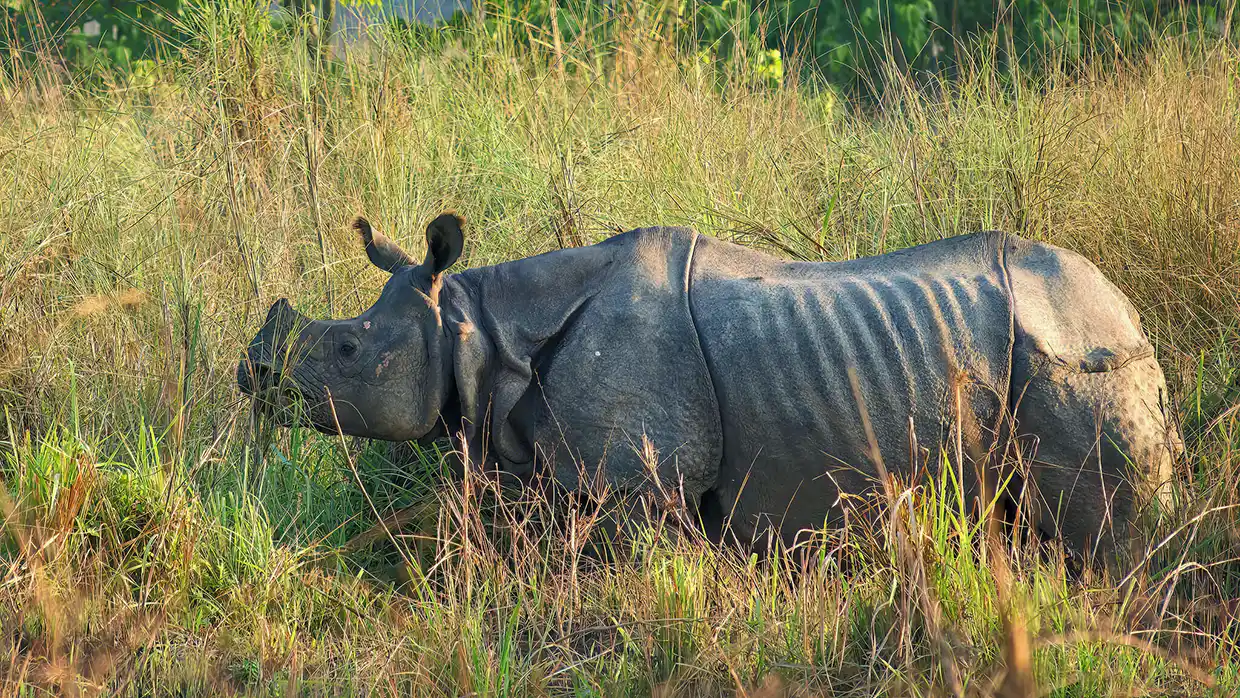
Chitwan stands as Nepal’s leading wildlife destination. The subtropical lowlands create warmth year-round. Rhinos graze in grasslands. Crocodiles bask beside rivers. Over 525 bird species inhabit the park. The area provides strong cultural experiences through Tharu villages and performances. Traditional houses built from mud, clay, bamboo, and thatch show authentic rural architecture. Mural art decorates village walls. Local dance performances happen nightly in Sauraha.
Chitwan fits perfectly into a 2-night or 3-night stop between Kathmandu and Pokhara. The location breaks up mountain travel with lowland experiences. Warm weather provides relief from the cold at high altitude. Wildlife activities differ completely from temple tours and mountain treks. Both luxury Nepal tours and budget trips include Chitwan for variety.
Chitwan at a Glance
| Ideal Stay Length | 2 to 3 nights |
|---|---|
| Best Season | October to March |
| Best Base Area | Sauraha for activities, Meghauli for quiet luxury |
| Top Experiences | Jeep safari, canoe ride, jungle walk, Tharu culture |
| Best For | Families, wildlife lovers, photographers, and birdwatchers |
| Budget Level | Budget to luxury options available |
Best Time to Visit Chitwan
Chitwan experiences a subtropical climate with hot, humid summers and mild winters. Terai will experience summer temperatures exceeding 40 degrees Celsius. Winter brings much milder conditions. October to March represents the best overall period for comfortable safari experiences.
Autumn (October to November)
Clear skies and comfortable temperatures make autumn ideal for a safari. Daytime temperatures range from 20 to 28 degrees Celsius. Morning mist creates atmospheric riverscapes. Grasslands turn golden brown. Wildlife visibility improves as vegetation thins out after the monsoon. Families enjoy pleasant weather for walking and outdoor activities. Photographers capture the best light conditions. Private Nepal tour benefits include flexible timing during this prime season. Tourist numbers increase but remain manageable. Book accommodation in advance during peak festival periods.
Winter (December to February)
Cool mornings and warm afternoons characterize winter. Temperatures drop to 10 degrees Celsius at night. Days warm to 20-25 degrees. Wildlife congregates near water sources for drinking. Rhino sightings peak during this season. Birdwatching reaches excellence in late winter. Migratory species arrive from December onward. Over 200 bird species become active. Early morning safaris offer the best wildlife viewing. Bring warm layers for cold mornings. Premium vs budget Nepal tour options both perform well in winter weather.
Spring (March to May)
Temperatures rise steadily through spring. March stays comfortable at 25 to 30 degrees. April and May get hot, with temperatures around 35 to 40 degrees. Heat becomes challenging by late spring. Wildlife seeks shade during midday hours. Birdwatching remains excellent through April. Flowers bloom across grasslands. Early spring offers good conditions. Late spring suits only heat-tolerant travelers. Schedule safaris for early morning and late afternoon. Avoid outdoor activities during midday in April and May.
Summer and Monsoon (June to September)
Monsoon brings heavy rain from June to September. Humidity rises significantly. Temperatures stay around 30 to 35 degrees with constant moisture. Grasslands grow tall and thick. Wildlife becomes harder to spot in dense vegetation. Rain disrupts outdoor activities. Leeches appear on jungle trails. Roads sometimes flood. Most visitors avoid the monsoon season. Budget accommodations offer low-season discounts. Experienced birdwatchers still visit for unique monsoon species. Bring waterproof gear and insect repellent if traveling during the summer months.
How to Reach Chitwan
Bharatpur serves as the main entry point for Chitwan. The city sits about 20 minutes by air or 146 kilometers by road from Kathmandu. Park headquarters at Kasara lies about 21 kilometers from Bharatpur. Several transport options connect major cities to Chitwan.
Flight to Bharatpur
Domestic flights connect Kathmandu to Bharatpur in 20 minutes. Flights operate daily during peak season. Airlines include Buddha Air and Yeti Airlines. Booking is recommended during autumn and winter. Flight suits travelers short on time. Private Nepal tour benefits include direct airport transfers to Sauraha or Meghauli.
Tourist Bus from Kathmandu
Tourist buses depart daily from Kathmandu for Sauraha. The drive takes 5 to 6 hours along Prithvi Highway. Buses offer air conditioning and comfortable seats. Cost runs around 500 to 800 Nepali Rupees per person. Buses stop for breakfast and lunch breaks. Book through hotels or tour operators in Kathmandu.
Tourist Bus from Pokhara
Buses connect Pokhara to Chitwan in 4 to 5 hours. The route follows smooth highways through the Terai lowlands. Tourist buses cost 400 to 700 Nepali Rupees. Travelers often include Chitwan when moving between Pokhara and Kathmandu. The stop breaks up long road journeys with wildlife experiences.
Private Car
Private vehicles offer flexibility and comfort. Families prefer private transport for direct routes and luggage space. Stop whenever you want for photos and breaks. Private cars cost 8,000 to 15,000 Nepali Rupees from Kathmandu to Sauraha. A luxury travel comparison in Nepal shows that private transport saves time and reduces travel fatigue. Hotels arrange private transfers with advance notice.
Essential Travel Planning Information
Park Entry Fees
Chitwan National Park charges entry fees for foreign nationals. Current rates show 2,000 Nepali Rupees per day plus 13 percent VAT. Separate rates apply for SAARC, Chinese, and Nepalese visitors. The elephant Breeding Camp and the Tharu Cultural Museum charge additional fees. Safari operators include park fees in package prices.
Money and ATMs
Sauraha has several ATMs near the main market area. Machines accept international cards, but sometimes run out of cash during peak season. Bring enough Nepali Rupees from Kathmandu or Pokhara. Most hotels and safari operators accept cash only. Some luxury lodges accept credit cards, but there may be additional fees.
What to Pack
Bring light cotton clothes for warm days. Long sleeves and pants protect from the sun and insects. Comfortable walking shoes work for jungle walks. A hat, sunglasses, and sunscreen prevent heat exhaustion. Insect repellent with DEET keeps mosquitoes away. Bring binoculars for birdwatching and wildlife viewing.
Top Places to Visit in Chitwan
Chitwan National Park
The park covers 93,200 hectares of protected wilderness. Sal forests, grasslands, and riverine areas create diverse habitats. One-horned rhinoceroses graze openly in grasslands. Bengal tigers roam forest areas. Crocodiles sun themselves beside riverbanks. Jeep safaris penetrate deep into park territory. Guides spot wildlife and explain animal behavior. The best time to view is early morning and late afternoon. Spend at least half a day exploring the park. Allow 2 days for a thorough wildlife experience.
Sauraha
Sauraha functions as Chitwan’s main tourist hub. Hotels, restaurants, and safari operators line the main street. The village sits beside the Rapti River at the park entrance. Evening walks along the riverbank show sunset views and bird activity. Tharu cultural performances happen nightly at community centers. Local markets sell handicrafts and souvenirs. Budget and mid-range accommodations dominate Sauraha. The area suits travelers wanting easy access to all activities. Premium vs budget Nepal tour options both find suitable properties here.
Meghauli
Meghauli sits at the western entrance of Chitwan National Park. The area offers quieter riverside experiences. Luxury lodges overlook the Rapti and Narayani rivers. Sunsets reflect beautifully on water. The buffer zone protects traditional Tharu villages. Meghauli attracts couples and luxury travelers seeking privacy. Fewer crowds mean more peaceful wildlife encounters. High-end accommodations provide private safaris and premium services. The location suits travelers prioritizing comfort over budget savings.
Beeshazar and Associated Lakes
Beeshazar ranks among Nepal’s largest wetlands. The lake system attracts thousands of water birds. Over 200 species visit during migration seasons. Marshlands and reed beds create a perfect habitat. The wetland sits about 20 kilometers from Bharatpur. Birdwatchers spend half a day exploring Beeshazar. Early morning visits show the highest bird activity. Bring binoculars and field guides. Local guides identify species and behavior patterns. Combine wetland visits with lunch breaks in Bharatpur.
Best Things to Do in Chitwan
Wildlife and Safari Activities
Jeep Safari
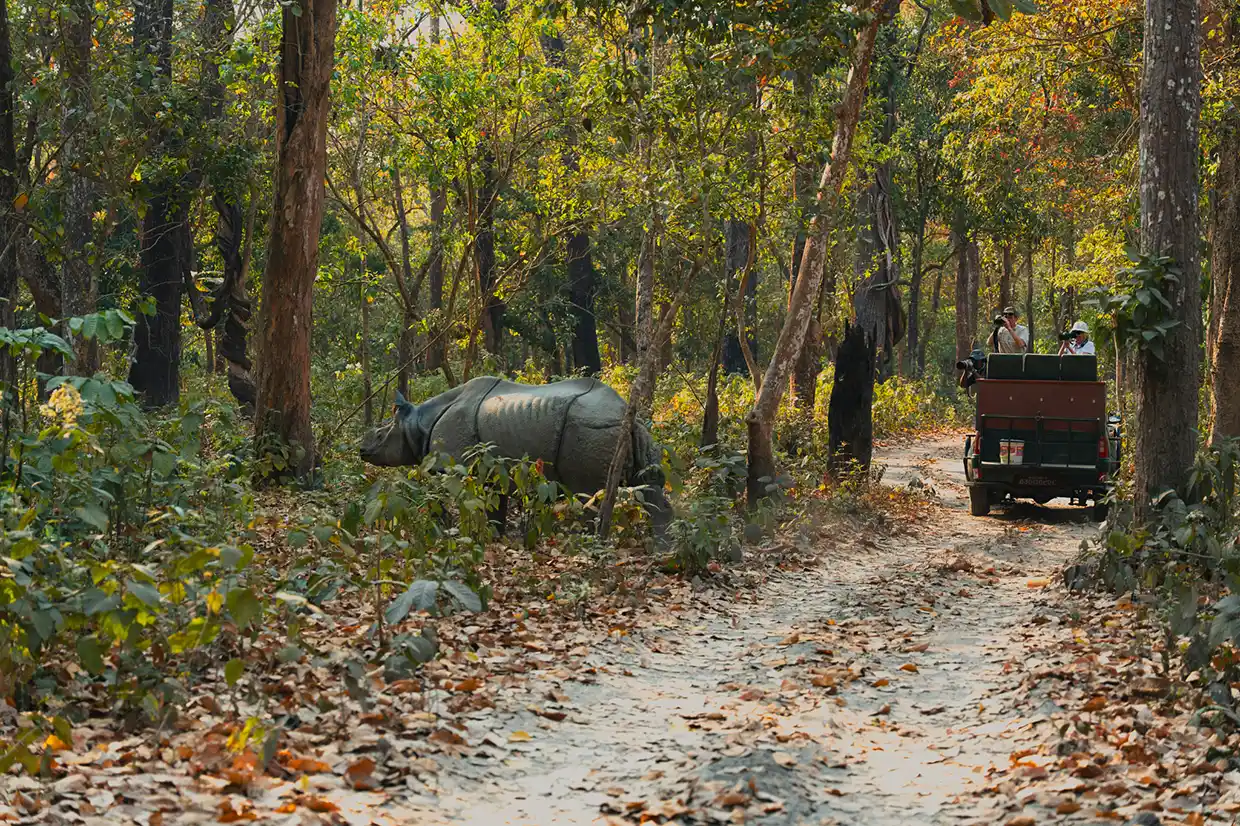
Jeeps drive through grasslands and forest tracks. The elevated position provides excellent wildlife viewing. Full-day safaris cover more ground than half-day options. Guides communicate with other jeeps about recent sightings. Rhinos appear frequently. Tiger sightings happen occasionally with luck. Jeep safaris work best for families with young children or elderly travelers. The comfort level exceeds walking safaris. Photography becomes easier with stable platforms—book full-day jeep safaris for serious wildlife viewing. Half-day options suit quick visits or limited budgets.
Canoe Ride
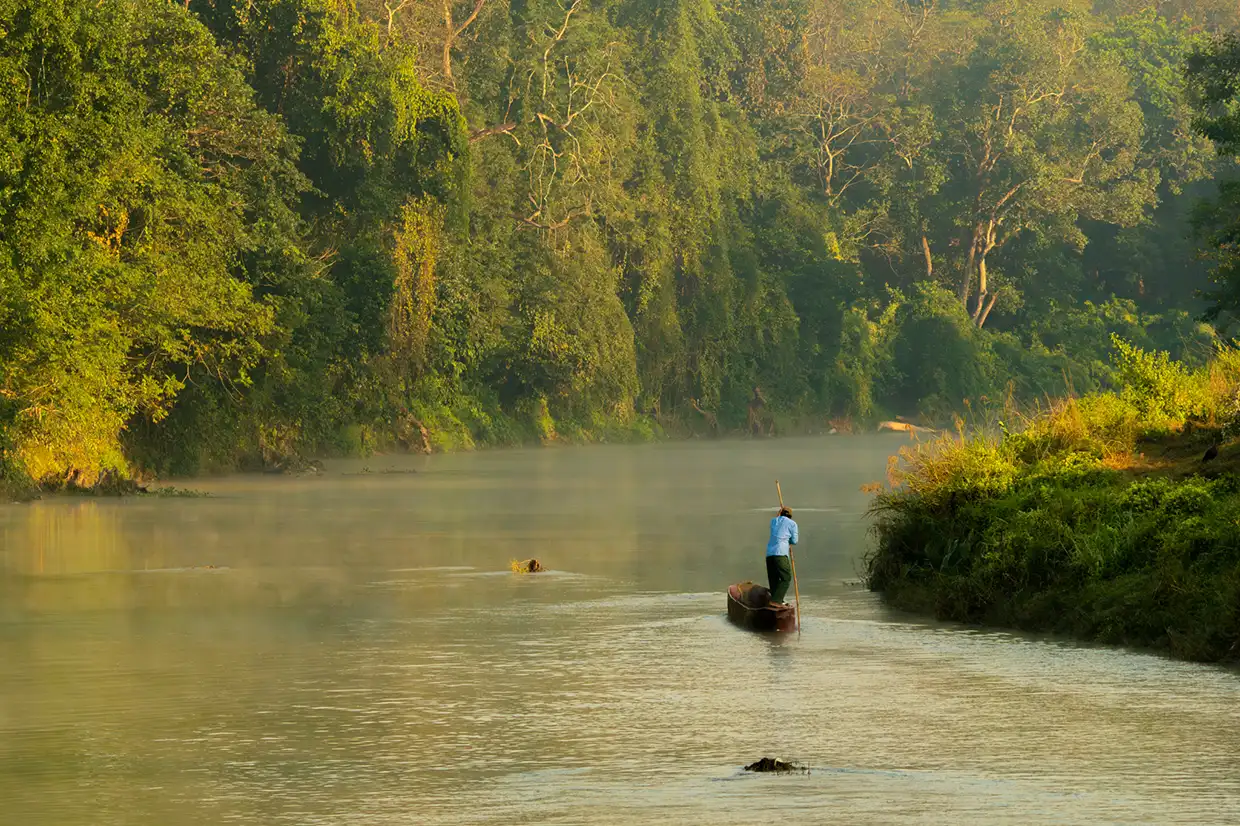
Traditional dugout canoes glide silently along the Rapti River. Guides paddle slowly past riverbanks. Crocodiles bask on sandy shores. Gharials show their distinctive long snouts. Water birds feed in shallow areas. The peaceful experience lasts about one hour. Canoe rides suit all ages and fitness levels.—Now walking is required. Photographers capture close-up crocodile shots. Birdwatchers spot kingfishers, herons, and storks. Early morning rides show the best wildlife activity. Afternoon canoes combine well with sunset river walks.
Jungle Walk
Guided walks explore forest trails on foot. Naturalist guides point out animal tracks, bird calls, and plant species. Walking brings intimate forest experiences. The slow pace reveals details that vehicles miss. Safety requires following the guide instructions carefully around wildlife. Jungle walks demand moderate fitness levels. Uneven terrain and warm temperatures challenge some visitors. Wear sturdy shoes and long pants. Bring water and insect repellent. Best for nature lovers seeking a deeper connection to the forest. Skip if mobility issues or heat sensitivity concern you.
Birdwatching
Over 525 bird species live in Chitwan National Park. Resident species stay year-round. Migratory birds arrive during the winter months. Forest trails are home to hornbills, woodpeckers, and parakeets. Wetland areas attract herons, storks, and kingfishers. Grasslands host eagles, kites, and vultures. Dedicated birdwatching tours start before sunrise. Early hours show maximum bird activity. Guides identify species by calls and flight patterns. Bring quality binoculars and a camera with a telephoto lens. Serious birdwatchers spend three to four days in Chitwan. Casual observers enjoy birds during regular safaris.
Cultural Experiences
Tharu Village Visit
The Tharu people are among the oldest indigenous groups in Nepal’s Terai region. Traditional villages surround Sauraha and Meghauli. Houses are built with mud, clay, bamboo, and thatch. Colorful mural art decorates exterior walls. Families maintain traditional farming and fishing practices. Village walks show authentic rural life. Guides explain agricultural cycles and cultural traditions. Women demonstrate traditional cooking methods. Visitors see rice paddies, vegetable gardens, and livestock: respectful behavior and modest dress show cultural sensitivity. Photography requires permission from villagers.
Tharu Cultural Dance
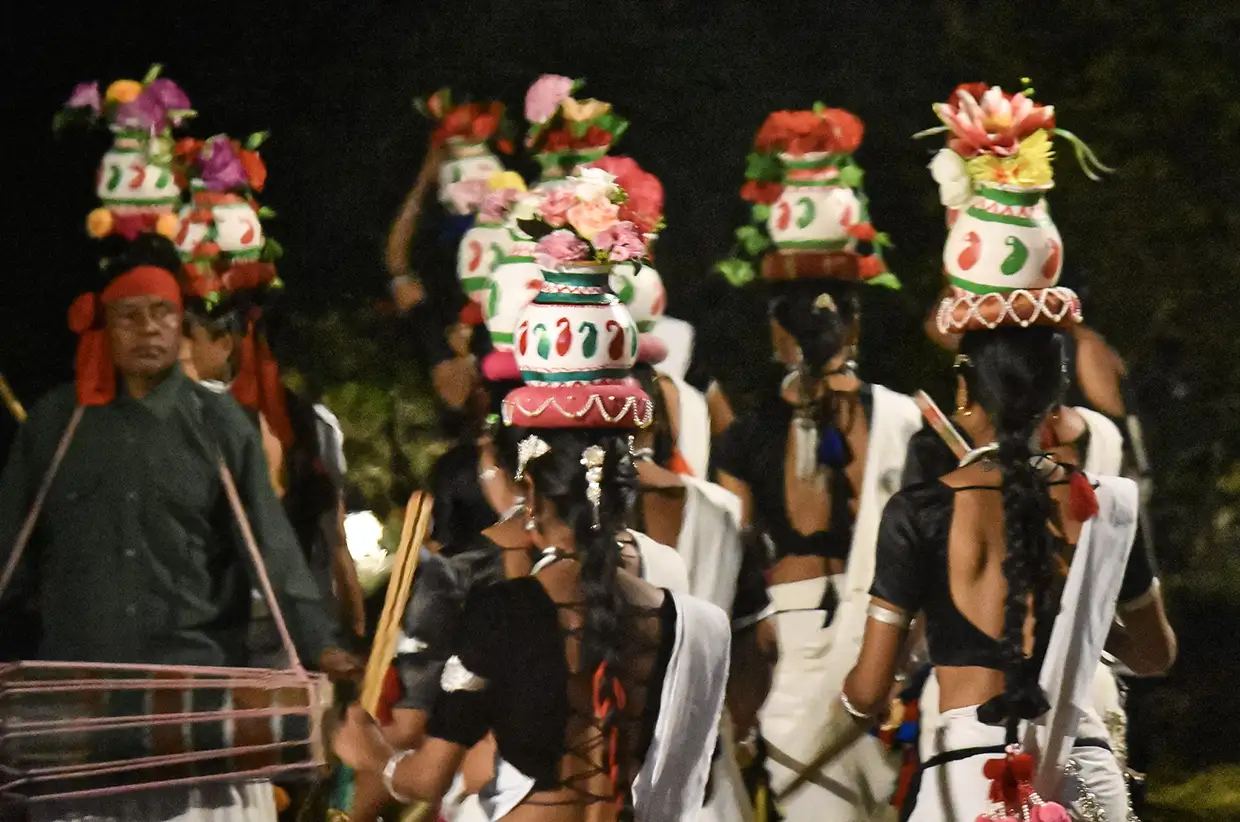
Evening cultural performances showcase Tharu stick dances and traditional music. Performers wear colorful costumes with silver jewelry. Rhythmic stick movements create synchronized patterns. Folk songs tell stories of harvest, festivals, and village life. Performances last about one hour. Cultural shows take place nightly at the Sauraha community centers. Most hotels include tickets in safari packages. Arrive early for good seating. Photography is allowed, but flash is often prohibited. Support local culture by purchasing handicrafts after performances.
Chitwan Travel Guide for First-Time Visitors
A safari in Chitwan differs from an African-style game drive. Dense vegetation sometimes hides animals. Sightings depend on luck, timing, and guide experience. Rhinos appear frequently. Tigers show themselves rarely. Crocodiles sunbathe predictably on riverbanks. Birds fill trees everywhere. Heat and humidity significantly affect comfort levels. January and February feel pleasant. April and May bring extreme heat. Monsoon creates sticky conditions. Dress in light, breathable fabrics. Drink water constantly.
Schedule activities for cooler morning and evening hours. Guides make or break wildlife experiences. Experienced naturalists spot camouflaged animals. They know animal behavior patterns and movement routes. Good guides explain ecology and conservation issues. They keep visitors safe around dangerous wildlife. Private Nepal tour benefits include choosing your preferred guide level. Chitwan is especially well-suited after a mountain trek. The warm lowlands provide recovery from altitude. Gentle activities replace strenuous hiking in Nepal. Wildlife watching relaxes tired muscles. Many travelers visit Chitwan before or after Pokhara in multi-destination Nepal trips.
Where to Stay in Chitwan
| Area | Vibe | Best For | Budget | Activities | Trade-off |
|---|---|---|---|---|---|
| Sauraha | Busy, social | Budget, families | All levels | All nearby | Crowds, noise |
| Meghauli | Quiet, luxe | Couples, luxury | Mid to high | Private safaris | Limited dining |
| Bharatpur | Urban, basic | Transit stops | Budget | 30 min away | No jungle feel |
Wildlife and Conservation Highlights
Chitwan is one of the last major refuges for the greater one-horned rhinoceros and Bengal tiger. The park protects 68 mammal species, over 525 birds, 56 reptiles and amphibians, and 126 fish species. One-horned rhinos graze openly in grasslands near Sauraha. Population recovery shows conservation success. Rhinos appear almost daily on safaris. They tolerate vehicles at safe distances. Never approach rhinos on foot without a guide’s permission.
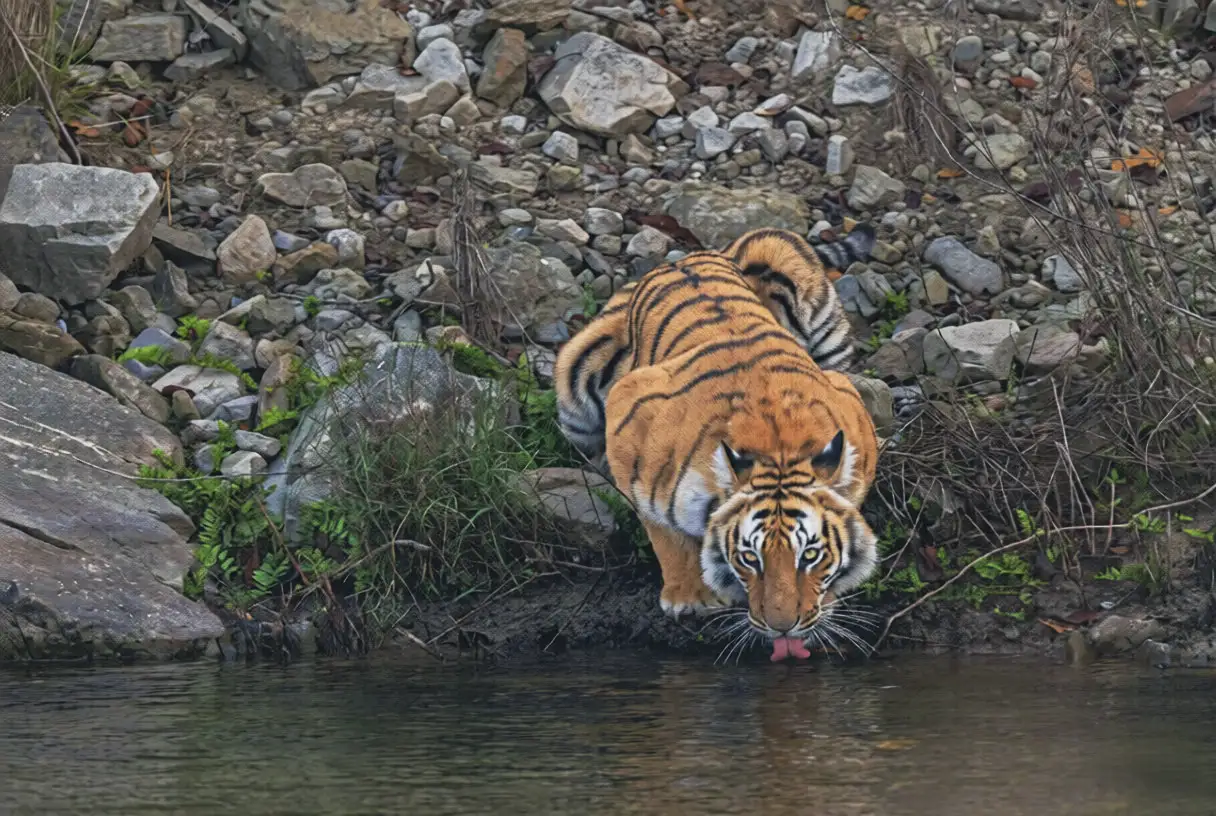
Bengal tigers roam forest areas, but sightings remain rare. Dense vegetation hides tiger movements. Tracks and scratch marks indicate the presence of a tiger. Realistic visitors understand tiger sightings happen through luck. Focus on birds, rhinos, and crocodiles for guaranteed wildlife experiences. Gharials show distinctive, long, narrow snouts evolved for catching fish. Mugger crocodiles have broader snouts. Both species bask on riverbanks during warm hours. Canoe rides provide close-up crocodile viewing. Population numbers remain stable through protection efforts.
Tharu Culture in Chitwan
The Tharu people developed resistance to malaria, allowing them to settle in the Terai lowlands. Traditional villages cluster around Sauraha and Meghauli. Houses built from mud, clay, bamboo, and thatch stay cool during hot months. Mural art using natural pigments decorates walls with geometric patterns and nature scenes. Village life revolves around farming rice, wheat, and vegetables. Families raise livestock, including buffalo, goats, and chickens. Traditional fishing continues in rivers and wetlands.
Women weave mats and baskets from local grasses. Men craft wooden tools and furniture. Cultural performances preserve traditional stick dances and folk songs. Dancers wear colorful skirts with silver ornaments. Musical instruments include drums, flutes, and stringed instruments. Stories celebrate harvest festivals, weddings, and seasonal changes. Tourism provides income while preserving cultural practices.
Chitwan Costs and Daily Budget
| Category | Hotel | Meals | Safari | Total/Day |
|---|---|---|---|---|
| Budget | $10-20 | $8-15 | $30-40 | $50-75 |
| Mid-Range | $30-50 | $15-25 | $40-60 | $85-135 |
| Comfort | $60-100 | $25-40 | $60-80 | $145-220 |
| Luxury | $150-300+ | $40-70 | $80-120 | $270-490 |
A luxury travel comparison in Nepal shows that Chitwan costs less than the Himalayan trekking regions. Accommodation and food prices stay lower in lowland areas. Safari packages include multiple activities, reducing the need for individual expense planning. Private Nepal tour benefits include fixed pricing without hidden costs.
How Many Days Do You Need in Chitwan
1 Night Stay
One night allows a quick wildlife taster. Arrive in the afternoon, take an evening river walk. Next morning, do a short jeep safari or canoe ride. Depart after lunch. Rushed schedule suits transit stops only. You miss the depth of experience and multiple safari opportunities.
2 Nights Stay
Two nights provide a balanced Chitwan experience. Day one includes arrival, settlement, and an evening cultural show. Day two covers a full-day jeep safari or a combination of canoe and jungle walk. Day three allows morning activity before departure. Most visitors find two nights sufficient. The Chitwan Travel Guide recommends this length for first-time visitors.
3 Nights Stay
Three nights suit dedicated to wildlife lovers and birdwatchers. Extra time allows multiple safari attempts, increasing the chances of wildlife sightings. Visit both Chitwan National Park and Beeshazar Lakes. Explore Tharu villages thoroughly. Take photography-focused morning safaris. The pace feels relaxed without rushing between activities.
4 or More Nights
Extended stays suit serious birdwatchers, photographers, and researchers. Daily safaris increase the likelihood of rare wildlife sightings. Deep cultural engagement happens through multiple village visits. Slow travelers enjoy river relaxation and reading between activities. Premium vs. budget Nepal tour considerations matter less when spending a week-long period in one location.
Chitwan Itinerary Ideas
2-Day Chitwan Itinerary
Day 1 – Arrival and Cultural Introduction
Morning: Arrive at Sauraha from Kathmandu or Pokhara. Check into the hotel. Afternoon: Walk Sauraha streets and the Rapti riverbank. Evening: Attend the Tharu cultural dance performance—dinner at the hotel restaurant.
Day 2 – Safari and Departure
Early morning: Full-day jeep safari in Chitwan National Park. Midday: Packed lunch in the park. Afternoon: Continue safari activities. Late afternoon: Return to Sauraha. Evening: Depart for the next destination or overnight in Sauraha.
3-Day Chitwan Itinerary
Day 1 – Gentle Introduction
Morning: Arrive and settle. Afternoon: Canoe ride on the Rapti River. Sunset walk along the riverbank. Evening: Tharu cultural performance and welcome dinner.
Day 2 – Deep Safari Experience
Early morning: Full-day jeep safari. Explore multiple zones of the national park. Pack lunch and water. Look for rhinos, deer, birds, and forest wildlife. Afternoon: Continue safari in different grassland areas. Evening: Return tired but satisfied.
Day 3 – Culture and Departure
Morning: Guided Tharu village walk. Learn traditional architecture and farming. Mid-morning: Elephant Breeding Center visit. Afternoon: Departure to Kathmandu or Pokhara. The Chitwan Travel Guide recommends this length for a complete first-time experience.
How to Fit Chitwan Into a Nepal Trip
Chitwan sits strategically between Kathmandu and Pokhara. Most travelers visit Chitwan while moving between these major destinations. The location breaks up mountain travel with lowland wildlife experiences.
Kathmandu plus Chitwan creates a one-week Nepal trip. Spend three days exploring Kathmandu temples and culture. Travel to Chitwan for two nights of safari. Return to Kathmandu for departure or continue to Pokhara. The combination showcases Nepal’s cultural and natural sides.
Pokhara and Chitwan suit trekkers who have completed the Annapurna routes. Descend from the mountains to Pokhara. Rest one day. Drive to Chitwan for warm lowland recovery. Gentle wildlife activities replace strenuous hiking. Many trekkers appreciate the contrast after altitude challenges.
Kathmandu, Pokhara plus Chitwan form the classic Nepal triangle route. Culture, mountains, and wildlife combine in 10 to 12 days. The variety appeals to first-time Nepal visitors wanting comprehensive experiences. A luxury travel Nepal comparison shows that this combination works across all budget levels.
Safety, Health, and Practical Travel Tips
What to Wear on Safari
Wear neutral colors like beige, khaki, olive, and brown. Bright colors startle wildlife. Long sleeves and pants protect from the sun and insects. Comfortable closed shoes prevent blisters during jungle walks. A hat, sunglasses, and sunscreen reduce heat exposure. Bring a light jacket for cool early mornings.
Heat and Dehydration
Subtropical heat challenges many visitors. The temperature exceeds 35 degrees Celsius from March to June. Drink water constantly throughout the day. Carry refillable water bottles on all activities. Avoid alcohol before safaris. Wear breathable fabrics that wick moisture. Rest during the hottest midday hours.
Staying Quiet Around Wildlife
Silence increases wildlife sighting opportunities. Animals flee from loud voices. Talk quietly during jeep safaris. Keep the phone ringer off. Sudden movements startle animals. Follow the guide instructions about when to stop and observe. Never leave vehicles without permission. Rhinos charge when threatened. Maintain safe distances always.
Responsible Wildlife Experiences
Choose operators supporting conservation and local communities. Avoid activities that cause animal stress. Elephant rides face ethical concerns about animal welfare. Walking safaris and jeep drives cause minimal disturbance to wildlife. Support Tharu-owned businesses that directly benefit local families. Leave no trash in park areas.
FAQs
Q: Is Chitwan worth visiting?
A: Yes, Chitwan offers unique lowland jungle experiences that differ completely from Nepal’s mountain regions. Rhino watching, river safaris, birdwatching, and Tharu culture make the destination special. Two to three nights provide good value for the time invested.
Q: What is Chitwan famous for?
A: Chitwan is known for one-horned rhinoceroses, jungle safaris, canoe rides, and the Tharu indigenous culture. The national park protects endangered species, including Bengal tigers, gharial crocodiles, and over 525 bird species. UNESCO recognizes Chitwan for its conservation importance.
Q: Is Sauraha or Meghauli better?
A: Sauraha suits budget travelers and families seeking a variety of activities and a social atmosphere. Meghauli is better suited to couples and luxury travelers seeking quiet riverside settings and privacy. Both offer excellent safari access. Choose based on budget and preferred accommodation style.
Q: Is Chitwan good for families?
A: Yes, Chitwan works excellently for families with children. Jeep safaris suit all ages. Canoe rides entertain kids safely. Warm lowland weather stays comfortable. Many hotels offer family rooms. Activities require minimal physical exertion. Cultural performances engage children through music and dance.
Q: What animals can I realistically see?
A: Rhinos appear almost daily on safaris. Crocodiles bask predictably on riverbanks. Deer species graze in grasslands frequently. Monkeys swing through forest areas. Birds fill trees everywhere. Tigers rarely show themselves. Focus expectations on rhinos, crocodiles, deer, and birds for realistic safari experiences.
Q: Is Chitwan hot all year?
A: Chitwan stays warm year-round in subtropical lowlands. The winter months, from December to February, bring pleasant temperatures around 20 to 25 degrees. Summer, from March to June, is extremely hot, with temperatures of 35 to 40 degrees. Monsoon, from June to September, brings humid conditions. October and November offer ideal, comfortable weather.
Q: Is Chitwan a good stop after trekking?
A: Yes, Chitwan is perfect after a mountain trek. Warm lowlands provide recovery from cold altitudes. Gentle safari activities replace strenuous hiking. Wildlife watching relaxes tired muscles. Many trekkers stop in Chitwan between Pokhara and Kathmandu for variety and rest.
Q: Can I visit Chitwan from Kathmandu or Pokhara easily?
A: Yes, regular tourist buses connect both cities to Sauraha. The drive from Kathmandu to Chitwan takes 5 to 6 hours. The drive from Pokhara to Chitwan takes 4 to 5 hours. Flights from Kathmandu to Bharatpur take 20 minutes. Private cars offer comfortable direct transfers. Transport options suit all budgets.
Conclusion
Chitwan stands apart from mountain-focused Nepal travel. The Chitwan Travel Guide shows how subtropical lowlands offer completely different experiences. Rhino watching, river safaris, and Tharu culture create memorable wildlife encounters. The area fits naturally between Kathmandu and Pokhara on longer Nepal trips. Smart planning by season, base area, and trip length makes Chitwan visits successful. October to March provides the best weather. Sauraha suits budget travelers and families.
Meghauli attracts luxury seekers. Two to three nights allow balanced experiences without rushing. Premium vs budget Nepal tour options both work well in Chitwan. Chitwan adds wildlife, wetlands, and culture to Nepal trips. The destination complements both temple tours and mountain treks. First-time visitors discover a warmer, greener side of Nepal. Experienced travelers return for deeper birdwatching and photography opportunities.