


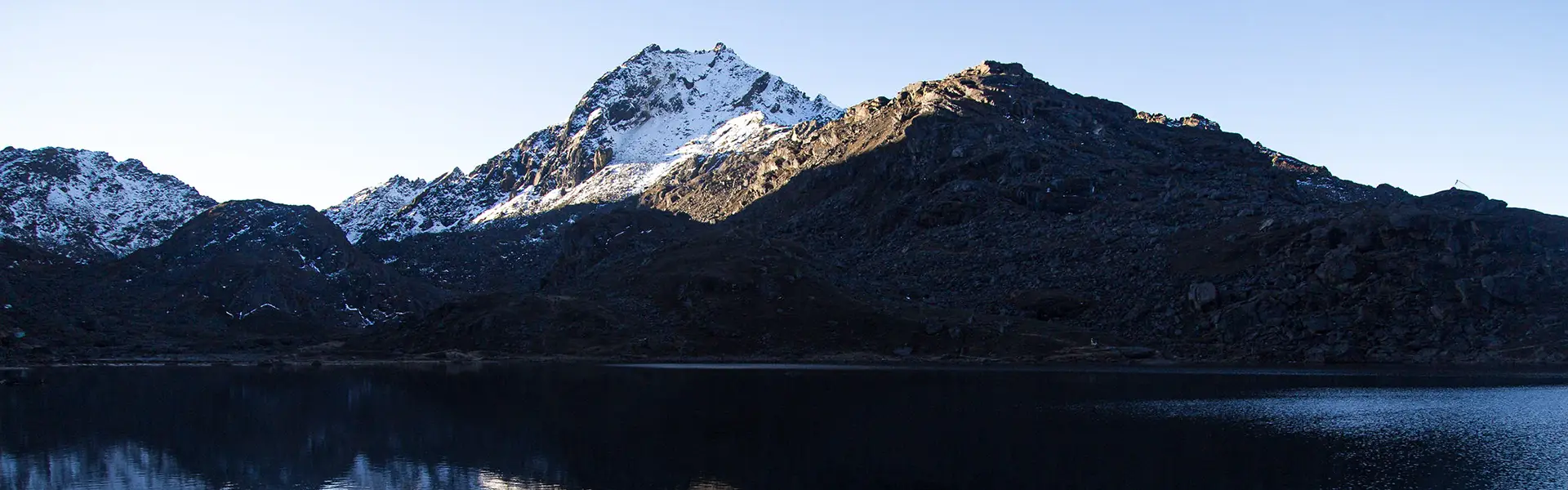

This Langtang Gosaikunda Trek Guide helps you plan one of the best combined trekking routes near Kathmandu. The Langtang Gosaikunda Trek links Langtang Valley, Kyanjin Gompa, traditional Tamang villages, and the sacred Gosaikunda Lake at 4,380 meters. Most trekkers complete the Langtang Gosaikunda Trek in 11 to 15 days. The route combines outstanding mountain scenery, rich Tamang culture, dense forest trails, yak pastures, alpine terrain, and a sacred pilgrimage lake all in one continuous journey. No domestic flight is required.
Stronger trekkers can extend the Langtang Gosaikunda Trek across Lauribina La into Helambu and finish near Sundarijal. This Langtang Gosaikunda Trek Guide covers the full itinerary, route options, permits, guide rules, cost, difficulty, altitude safety, best season, Gosaikunda Lake, teahouses, packing, and how the route compares with other popular Nepal treks.
Quick Answer: What Is the Langtang Gosaikunda Trek?
The Langtang Gosaikunda Trek combines the Langtang Valley and the sacred Gosaikunda Lake into a single route. It starts near Syabrubesi, climbs to Kyanjin Gompa, returns through Thulo Syabru, then continues toward Sing Gompa, Lauribina, and Gosaikunda Lake at 4,380 meters. The standard Langtang Gosaikunda Trek takes 11 to 15 days from Kathmandu.
| Feature | Detail |
|---|---|
| Trek Duration | 11–15 days standard, 16–18 with Helambu extension |
| Starting Point | Syabrubesi (drive from Kathmandu) |
| Ending Point | Dhunche, Syabrubesi, or Sundarijal |
| Highest Sleeping Point | Gosaikunda Lake area, 4,380 m |
| High Pass (Helambu route) | Lauribina La, ~4,610 m |
| Difficulty | Moderate to challenging |
| Best Season | March–May and October–November |
| Permits | Langtang National Park permit + TIMS card |
| Guide Rule | Licensed guide required under the NTB revised provision |
| Best For | Culture, sacred lakes, mountain views, longer route near Kathmandu |
Why Choose the Langtang Gosaikunda Trek?
The Langtang Gosaikunda Trek combines two major Himalayan experiences in a single continuous route: the Langtang Valley and the sacred Gosaikunda Lake. The Langtang Gosaikunda Trek starts from Kathmandu by road, avoids all domestic flights, and costs less than most Everest-region routes. Rich Tamang culture, ancient Buddhist sites, dense forests, yak pastures, and sacred alpine lakes fill the itinerary from start to finish. This Langtang Gosaikunda Trek Guide confirms that the route gives considerably more variety than the standard Langtang Valley Trek alone. Gosaikunda adds a powerful and meaningful spiritual dimension that sets this trek apart. The Langtang Gosaikunda Trek suits trekkers who want a quieter, more culturally immersive route than EBC or ABC, offering a genuine natural and religious experience.
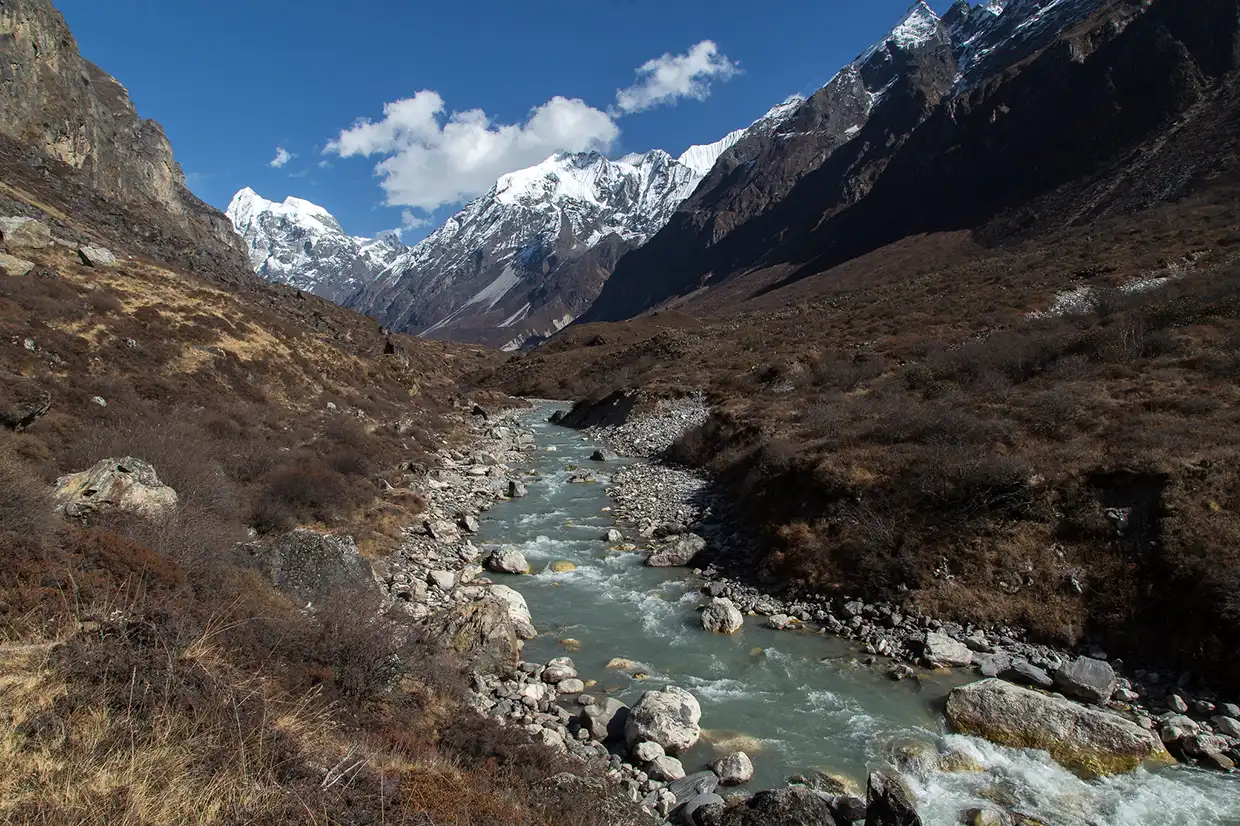
Langtang Gosaikunda Trek Route Overview
Standard Langtang Gosaikunda Trek Route
Kathmandu to Syabrubesi to Lama Hotel to Langtang Village to Kyanjin Gompa to Lama Hotel to Thulo Syabru to Chandanbari and Sing Gompa to Lauribina to Gosaikunda Lake to Dhunche and back to Kathmandu.
Extended Helambu Route
Follow the standard Langtang Gosaikunda Trek route to Gosaikunda, then cross Lauribina La to Ghopte, continue to Tharepati, to Kutumsang, to Chisapani, to Sundarijal, and back to Kathmandu. This Helambu extension adds a real high-pass crossing day and 3 to 5 extra days to the Langtang Gosaikunda Trek.
Langtang Gosaikunda Trek: 13-Day Itinerary
| Day | Route | Altitude | Time | Highlights |
|---|---|---|---|---|
| 1 | Drive Kathmandu to Syabrubesi | 1,550 m | 6–8 hrs | Road journey, Trishuli valley views |
| 2 | Trek to Lama Hotel | 2,470 m | 5–6 hrs | Dense forest trail, Langtang Khola |
| 3 | Trek to Langtang Village/Mundu | 3,430–3,550 m | 5–6 hrs | Open valley, traditional Tamang villages |
| 4 | Trek to Kyanjin Gompa | 3,870 m | 3–4 hrs | Monastery, cheese factory, mountain views |
| 5 | Kyanjin Ri or Tserko Ri hike | 4,700–5,000 m | 4–8 hrs | Best Langtang Gosaikunda Trek viewpoint day |
| 6 | Trek to Lama Hotel | 2,470 m | 6–7 hrs | Long descent through the valley |
| 7 | Trek to Thulo Syabru | 2,230 m | 5–6 hrs | Traditional ridge village, route junction |
| 8 | Trek to Chandanbari/Sing Gompa | 3,300 m | 4–5 hrs | Monastery, forest, spring rhododendrons |
| 9 | Trek to Lauribina | 3,900 m | 4–5 hrs | Ridge views, Ganesh Himal panorama |
| 10 | Trek to Gosaikunda Lake | 4,380 m | 3–4 hrs | Sacred lakes and alpine scenery |
| 11 | Explore Gosaikunda, descend to Sing Gompa | 3,300 m | 5–6 hrs | Sacred lake views, long descent |
| 12 | Trek to Dhunche | 2,000 m | 4–5 hrs | Forest descent to road access |
| 13 | Drive to Kathmandu | 1,400 m | 6–8 hrs | Return to Kathmandu |
The Helambu extension of the Langtang Gosaikunda Trek continues from Gosaikunda across Lauribina La at approximately 4,610 meters to Ghopte, then to Tharepati, Kutumsang, Chisapani, and Sundarijal. The extension adds 3 to 5 days and a genuine high-pass crossing day to the Langtang Gosaikunda Trek experience.
Gosaikunda Lake: Sacred Meaning and Trekking Experience
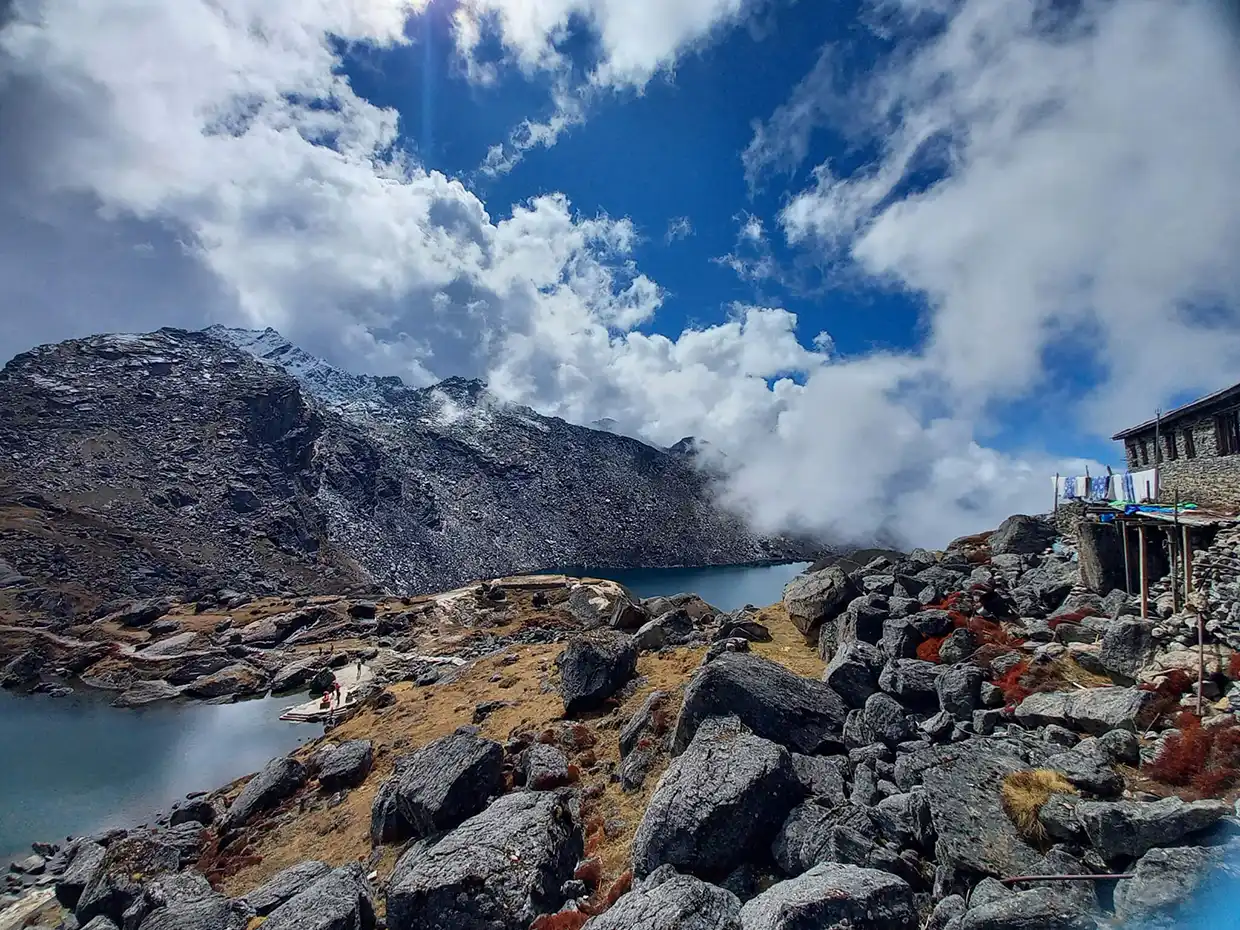
Gosaikunda Lake sits at 4,380 meters in Rasuwa district and represents the spiritual heart of the Langtang Gosaikunda Trek. Nepal Tourism Board describes it as a major Hindu pilgrimage site and the sacred source of the Trishuli River. Hindu mythology connects the lake directly with Lord Shiva. Devout pilgrims travel here during the Janai Purnima festival each year. Trekkers on the Langtang Gosaikunda Trek should treat the lake as a genuinely sacred site at all times. Do not pollute the water under any circumstances. Avoid washing clothes or trekking gear in the lake. Maintain quiet, respectful behavior around all lakeside shrines. Always ask before photographing pilgrims. Walk respectfully around all religious structures. Carry out all plastic waste from the Gosaikunda area.
Kyanjin Ri vs Tserko Ri vs Gosaikunda Lake on the Langtang Gosaikunda Trek
| Feature | Kyanjin Ri | Tserko Ri | Gosaikunda Lake |
|---|---|---|---|
| Type | Viewpoint day hike | Higher viewpoint hike | Sacred lake destination |
| Difficulty | Moderate–Challenging | Challenging | Moderate–Challenging |
| Time needed | Half-day round trip | Full day round trip | Overnight stay |
| Main appeal | Langtang Valley views | Wider Himalayan panorama | Sacred lake and alpine scenery |
| Best for | Most Langtang Gosaikunda Trek trekkers | Strong, acclimatized hikers | Culture lovers and lake scenery |
| Altitude | ~4,700 m | ~5,000 m | 4,380 m |
Langtang Gosaikunda Trek Altitude Profile
| Location | Altitude | Role |
|---|---|---|
| Kathmandu | 1,400 m | Start and end city |
| Syabrubesi | 1,550 m | Langtang Gosaikunda Trek trailhead |
| Lama Hotel | 2,470 m | Forest overnight stop |
| Langtang Village/Mundu | 3,430–3,550 m | Upper Langtang Valley settlement |
| Kyanjin Gompa | 3,870 m | Langtang Valley is the main destination |
| Thulo Syabru | 2,230 m | Transition village and route junction |
| Chandanbari/Sing Gompa | 3,300 m | Pre-Gosaikunda overnight stop |
| Lauribina | 3,900 m | Ridge overnight stop |
| Gosaikunda Lake | 4,380 m | Sacred lake overnight — the highest sleeping point |
| Lauribina La (Helambu) | ~4,610 m | High pass on the Helambu extension |
The Langtang Gosaikunda Trek gains significant altitude twice: first to Kyanjin Gompa at 3,870 meters, then again to Gosaikunda Lake at 4,380 meters. Gosaikunda sits higher than Kyanjin Gompa, and sleeping near the lake feels genuinely cold and demanding. Walk slowly above 3,000 meters throughout the Langtang Gosaikunda Trek. Descend immediately if altitude symptoms worsen at any stage.
Langtang Gosaikunda Trek Difficulty
The Langtang Gosaikunda Trek rates moderate to challenging — approximately 6.5 out of 10 on the difficulty scale. The Langtang Valley section of the Langtang Gosaikunda Trek feels moderate throughout. The Gosaikunda section adds real altitude, colder overnight temperatures, steeper climbs, and longer taxing descents. The Chandanbari-Lauribina-Gosaikunda climb feels genuinely steep for most trekkers. The Helambu extension adds Lauribina La at approximately 4,610 meters — a demanding full high-pass crossing day. Trekkers on the Langtang Gosaikunda Trek walk for 5 to 7 hours on most days. The overall route is considerably longer than the standard Langtang Valley Trek and requires greater sustained endurance throughout.
Langtang Gosaikunda Trek Permits and Guide Rules
| Permit / Rule | Required? | Notes |
|---|---|---|
| Langtang National Park Permit | Yes | NPR 3,000 for foreigners, NPR 1,500 for SAARC nationals |
| TIMS Card | Yes | NPR 2,000 for non-SAARC under the NTB revised provision |
| Licensed Guide | Yes | NTB lists the Langtang Gosaikunda Trek under guide-required routes |
| Restricted Area Permit | No | Not required for the standard Langtang Gosaikunda Trek route |
| Shivapuri National Park Permit | Helambu exit only | Required only when using the Helambu extension via Sundarijal |
Langtang Gosaikunda Trek Cost Overview
| Trek Style | Estimated Range | Best For |
|---|---|---|
| Budget guided Langtang Gosaikunda Trek | USD 900–1,500 | Cost-conscious trekkers, shared transport |
| Standard guided Langtang Gosaikunda Trek | USD 1,500–2,500 | Most travelers, a private guide, a porter, and a private jeep |
| Premium Langtang Gosaikunda Trek | USD 2,500–4,500+ | Private groups, flexible schedule, better hotels |
The Langtang Gosaikunda Trek costs less than the Everest-region routes because it avoids all domestic flights. Main cost items on the Langtang Gosaikunda Trek include guide fees, porter fees, private or shared transport, teahouse accommodation, trail meals, park permit, TIMS card, and Kathmandu hotel stays. Total cost rises with trek length, comfort level, and group size.
Langtang Gosaikunda Trek Best Season and Weather
| Season | Months | Views | Trail Condition | Rating |
|---|---|---|---|---|
| Autumn | Sep–Nov | Excellent | Usually dry and stable | Best season |
| Spring | Mar–May | Good | Mostly good, some rain | Best for flowers |
| Winter | Dec–Feb | Good on clear days | Snow near Gosaikunda, extreme cold | Prepared trekkers only |
| Monsoon | Jun–Aug | Poor to mixed | Wet, leeches, landslide risk | Not ideal |
Winter brings a fully frozen Gosaikunda Lake and dramatic snow scenery for experienced cold-weather trekkers on the Langtang Gosaikunda Trek. The monsoon can bring Janai Purnima pilgrimage crowds if the festival falls during the rainy months.
Langtang Gosaikunda Trek Main Trail Highlights
- Langtang Valley: Dense forest trails, authentic Tamang villages, rebuilt teahouses, rich Buddhist culture, ancient mani walls, prayer flags, and close mountain views near Kyanjin Gompa throughout the first section of the Langtang Gosaikunda Trek.
- Kyanjin Gompa: Ancient monastery, traditional yak cheese factory, Langtang Lirung views, and the base for Kyanjin Ri and Tserko Ri hikes. The best overnight point for an extra acclimatization night on the Langtang Gosaikunda Trek.
- Thulo Syabru: Traditional Tamang village and the key route junction between the Langtang Valley and Gosaikunda sections of the Langtang Gosaikunda Trek. An important rest stop before the longer climb begins.
- Chandanbari/Sing Gompa: Peaceful forest setting, a monastery, a local cheese factory area, and beautiful rhododendron blooms during spring on the Langtang Gosaikunda Trek—the last comfortable overnight stop before the sacred lake.
- Gosaikunda Lake: The sacred alpine lake at 4,380 meters and the defining destination of the Langtang Gosaikunda Trek. Major Hindu pilgrimage site, the sacred source of the Trishuli River, dramatic alpine basin setting, cold but deeply rewarding.
- Lauribina La (~4,610 m): The demanding high pass on the Helambu extension of the Langtang Gosaikunda Trek. Harder in snow or fog. Always cross early in the morning. Delivers exceptional mountain views in clear weather.
Langtang Gosaikunda Trek Teahouses and Food
Teahouses operate along both the Langtang Valley and Gosaikunda sections of the Langtang Gosaikunda Trek. Langtang Valley teahouses improved significantly after rebuilding following the 2015 earthquake. Gosaikunda lodges near the lake remain basic in facilities. Teahouse rooms near the lake feel genuinely cold throughout the Langtang Gosaikunda Trek. Hot showers and device charging cost extra at all stops. Wi-Fi connectivity works better in the lower Langtang Valley villages. Common meals on the Langtang Gosaikunda Trek include dal bhat, thukpa, fried noodles, fried rice, Tibetan bread, porridge, eggs, potatoes, hot garlic soup, and local yak cheese near Kyanjin Gompa and Sing Gompa. Carry extra snacks for the Gosaikunda section, where menu options become more limited with altitude.
Langtang Gosaikunda Trek Packing List
Clothing and Layers
- Moisture-wicking base layers, mid-layer fleece jacket, warm down jacket essential for Gosaikunda nights, waterproof hardshell jacket
- Durable trekking pants, thermal layer for cold Kyanjin and Gosaikunda evenings, warm fleece hat, wide-brim sun hat, insulated gloves, neck buff
- Quality wool or synthetic trekking socks, dedicated warm sleeping socks
Footwear and Gear
- Well broken-in waterproof trekking boots, lightweight camp shoes, and winter gaiters if trekking from December to February
- 25 to 30L daypack, adjustable trekking poles, headlamp with spare batteries, UV-protection sunglasses
- Insulated water bottles, purification tablets, a high-capacity power bank, and dry bags for electronics and documents
- Sleeping bag rated for freezing temperatures or a quality thermal liner
Essentials
- High-SPF sunscreen, SPF lip balm, personal prescription medicines, blister prevention kit, compact first-aid kit
- Passport, Langtang National Park permit, TIMS card, travel insurance copy
- Sufficient cash in Nepali rupees — no ATMs exist beyond Kathmandu on the Langtang Gosaikunda Trek
Langtang Gosaikunda Trek vs Other Nepal Treks
| Trek | Days | Max Altitude | Difficulty | Best For |
|---|---|---|---|---|
| Langtang Valley Trek | 7–10 | 3,870 m | Moderate | Short trek near Kathmandu |
| Gosaikunda Only | 5–7 | 4,380 m | Moderate–Challenging | Sacred lakes, short route |
| Langtang Gosaikunda Trek | 11–15 | 4,380 m | Moderate–Challenging | Culture, sacred lakes, varied scenery |
| Poon Hill | 4–5 | 3,210 m | Easy–Moderate | Beginners and sunrise views |
| ABC Trek | 7–12 | 4,130 m | Moderate | Annapurna Sanctuary experience |
| EBC Trek | 12–14 | 5,364 m | Challenging | Everest region classic goal |
Langtang Gosaikunda Trek Route Variations
- Langtang Valley Trek Only: Best for beginners, families, and travelers with 7 to 10 available days who want a shorter route.
- Gosaikunda Trek Only: Best for pilgrimage travelers and trekkers with 5 to 7 days who want to reach the sacred lake directly.
- Langtang Gosaikunda Trek with Helambu: Best for trekkers with 15 or more days who want a full regional crossing ending near Kathmandu at Sundarijal.
Langtang Gosaikunda Trek Safety and Altitude Tips
- Always trek with a licensed guide on the Langtang Gosaikunda Trek
- Walk consistently slowly above 3,000 meters throughout the route
- Drink enough water and maintain regular meals, even when altitude suppresses appetite
- Start early on high-altitude days on the Langtang Gosaikunda Trek
- Avoid crossing Lauribina La in poor visibility or unstable weather
- Carry sufficient warm layers for cold Gosaikunda Lake overnight stays
- Use trekking poles consistently on all descents throughout the route
- Never push higher if altitude symptoms are worsening at any point
- Carry travel insurance covering trekking at high altitude and helicopter evacuation
- Build at least one buffer day into your Langtang Gosaikunda Trek itinerary for road or weather delays
Common Mistakes to Avoid on the Langtang Gosaikunda Trek
- Choosing a rushed itinerary without sufficient acclimatization days
- Skipping the valuable Kyanjin Gompa acclimatization day
- Attempting Tserko Ri without proper fitness or acclimatization time at Kyanjin
- Underestimating the Gosaikunda altitude and the intensity of cold at 4,380 meters
- Starting too late for the Lauribina La crossing on the Helambu extension
- Trekking near Gosaikunda in winter without dedicated snow and cold preparation
- Carrying excessive, unnecessary weight throughout the longer Langtang Gosaikunda Trek
- Not withdrawing enough Nepali rupees in Kathmandu before departure
- Expecting comfortable lodge facilities near Gosaikunda Lake
- Ignoring current permit and licensed guide rules for the Langtang Gosaikunda Trek
- Treating the sacred Gosaikunda Lake as a casual photography stop
- Not including a weather and road buffer day in the itinerary
Frequently Asked Questions About the Langtang Gosaikunda Trek
Q: How many days does the Langtang Gosaikunda Trek take?
A: Most trekkers complete the Langtang Gosaikunda Trek in 11 to 15 days, though adding the full Helambu extension requires 3 to 5 additional days. This flexible timeframe allows you to experience the diverse landscapes of both Langtang Valley and the Gosaikunda Lake area at a safe, steady pace. Planning sufficient days ensures you can fully acclimatize and enjoy every highlight of the Langtang Gosaikunda Trek without rushing.
Q: How difficult is the Langtang Gosaikunda Trek?
A: The Langtang Gosaikunda Trek is rated moderate to challenging, with the Langtang Valley section feeling moderate while the Gosaikunda section adds significant altitude, colder nights, and steeper climbs. You will face long descents and sustained uphill sections as the Langtang Gosaikunda Trek progresses. Physical preparation over 8 to 10 weeks is key to safely managing the varied terrain, and the increasing altitude demands of the upper reroute
Q: What altitude does Gosaikunda reach on the Langtang Gosaikunda Trek?
A: Gosaikunda Lake sits at 4,380 meters and serves as the highest overnight point on the standard Langtang Gosaikunda Trek. Reaching this elevation delivers stunning alpine views and a powerful spiritual atmosphere. The high-altitude environment requires careful acclimatization during the days leading up to the lake on the Langtang Gosaikunda Trek. Respecting the altitude at all times is essential for a safe and rewarding visit.
Q: Do I need a guide for the Langtang Gosaikunda Trek?
A: Yes, a licensed guide is required for the Langtang Gosaikunda Trek under current Nepal Tourism Board regulations. An agency-issued TIMS card is also mandatory for legal access to the route. A professional guide significantly enhances safety, provides navigation support across the route’s varied terrain, and delivers essential local and cultural insights. Their expertise ensures all logistics and emergency protocols are properly managed throughout the Langtang Gosaikunda Trek.
Q: What permits do I need for the Langtang Gosaikunda Trek?
A: The Langtang Gosaikunda Trek requires a Langtang National Park permit costing NPR 3,000 for foreign trekkers and a TIMS card costing NPR 2,000. No restricted area permit is required for the standard route. These permits support park conservation and local infrastructure. Your registered trekking agency will typically coordinate all required documentation well before your Langtang Gosaikunda Trek departure from Kathmandu.
Q: What is the best time for the Langtang Gosaikunda Trek?
A: October and November offer the clearest views and most stable trail conditions for the Langtang Gosaikunda Trek. March to May provide warmer temperatures and beautiful rhododendron blooms along the lower sections. Winter brings deep snow near Gosaikunda Lake and extreme cold overnight. This Langtang Gosaikunda Trek Guide strongly recommends avoiding the full monsoon season from June through August for most trekkers.
Q: Does the Langtang Gosaikunda Trek suit beginners?
A: Fit beginners with consistent pre-trek training can complete the Langtang Gosaikunda Trek with a steady, acclimatization-focused itinerary. However, complete beginners should consider the standard Langtang Valley Trek first to build confidence and trail experience at lower altitudes. Training for 8 to 10 weeks before the Langtang Gosaikunda Trek significantly improves comfort and safety on the more demanding Gosaikunda section.
Q: Do teahouses exist at Gosaikunda on the Langtang Gosaikunda Trek?
A: Yes, basic teahouses operate near the lake throughout the main Langtang Gosaikunda Trek seasons. Rooms remain simple with shared toilets and unheated spaces. Carry a warm sleeping bag rated for below-freezing temperatures — teahouse blankets alone are insufficient for the extreme cold at 4,380 meters. Being prepared for genuinely rustic conditions near Gosaikunda is an essential part of the Langtang Gosaikunda Trek experience.
Q: Do I need a sleeping bag for the Langtang Gosaikunda Trek?
A: Yes, a properly rated warm sleeping bag is essential for the Langtang Gosaikunda Trek. Nights at Gosaikunda frequently drop well below freezing during every trekking season. Teahouse blankets alone cannot provide adequate warmth at 4,380 meters. A quality down sleeping bag or a warm thermal liner also significantly improves personal hygiene and consistent overnight comfort throughout the entire Langtang Gosaikunda Trek.
Q: Does the Langtang Gosaikunda Trek require a domestic flight?
A: No — the Langtang Gosaikunda Trek starts with a straightforward road drive from Kathmandu to Syabrubesi. The drive takes 6 to 9 hours, depending on seasonal road conditions. This makes the Langtang Gosaikunda Trek more accessible and far less dependent on the unpredictable mountain weather that frequently delays flights to Lukla and Pokhara on other popular Nepal trekking routes.
Q: Can I combine the Langtang Gosaikunda Trek with the Helambu route?
A: Yes, the Helambu extension of the Langtang Gosaikunda Trek crosses Lauribina La at approximately 4,610 meters and continues through Ghopte, Tharepati, Kutumsang, Chisapani, and Sundarijal back to Kathmandu. This extension transforms the Langtang Gosaikunda Trek into one of Nepal’s great regional crossings, offering a diverse and comprehensive experience of the entire Langtang-Helambu region.
Q: How does the Langtang Gosaikunda Trek compare with EBC?
A: The Langtang Gosaikunda Trek costs considerably less than Everest Base Camp, avoids all domestic flights, and stays at a lower maximum altitude. While EBC reaches higher and takes longer overall, both routes demand significant physical fitness and proper acclimatization throughout. The Langtang Gosaikunda Trek delivers a quieter, more culturally intimate Himalayan experience with the unique addition of Nepal’s most sacred alpine lake.
Final Advice From This Langtang Gosaikunda Trek Guide
The Langtang Gosaikunda Trek combines the outstanding mountain scenery and authentic Tamang culture of Langtang Valley with the spiritual power and natural beauty of Nepal’s sacred Gosaikunda Lake. The Langtang Gosaikunda Trek demands more than the standard Langtang Valley Trek because it adds higher altitude, genuinely colder overnight conditions, and a longer and more demanding climbing profile overall.
Fit, well-prepared trekkers complete the Langtang Gosaikunda Trek at the right daily pace, in proper warm gear, and always with a licensed guide. Choose autumn for the clearest Himalayan views or spring for rhododendron blooms and warmer walking days. Walk slowly above 3,000 meters throughout. Pack warm layers specifically for the Governor’s Night at Osaikunda Lake. Respect the sacred lake and its religious significance. Give yourself enough time to enjoy both Langtang Valley and Gosaikunda fully — this Langtang Gosaikunda Trek Guide recommends never rushing either experience.