


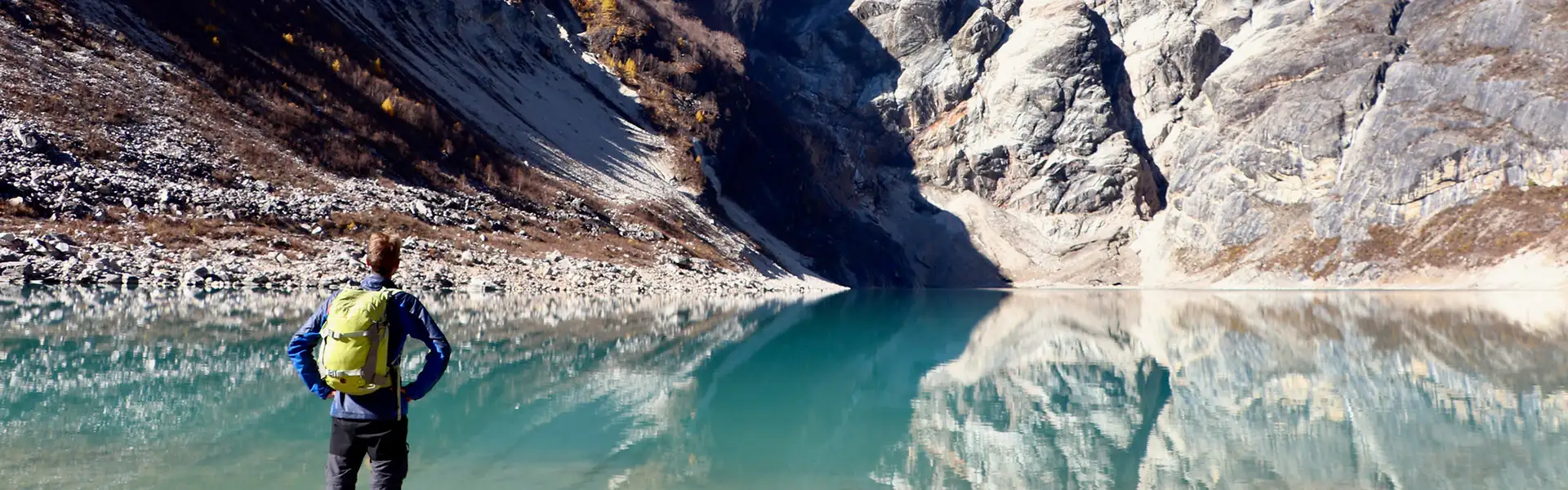

Manaslu Circuit Trek Difficulty rates as challenging — about 7 out of 10. The trek does not require technical climbing. The difficulty comes from Larkya La Pass at about 5,106 meters, multiple nights above 3,500 meters, the rough Budhi Gandaki gorge, basic upper-route teahouses, and 14 to 18 days of steady effort. The challenge builds from many factors combined: altitude, terrain, remoteness, logistics, cold, fatigue, and pass conditions. A longer itinerary reduces the difficulty. A rushed plan increases it.
Quick Answer: How Hard Is the Manaslu Circuit Trek?
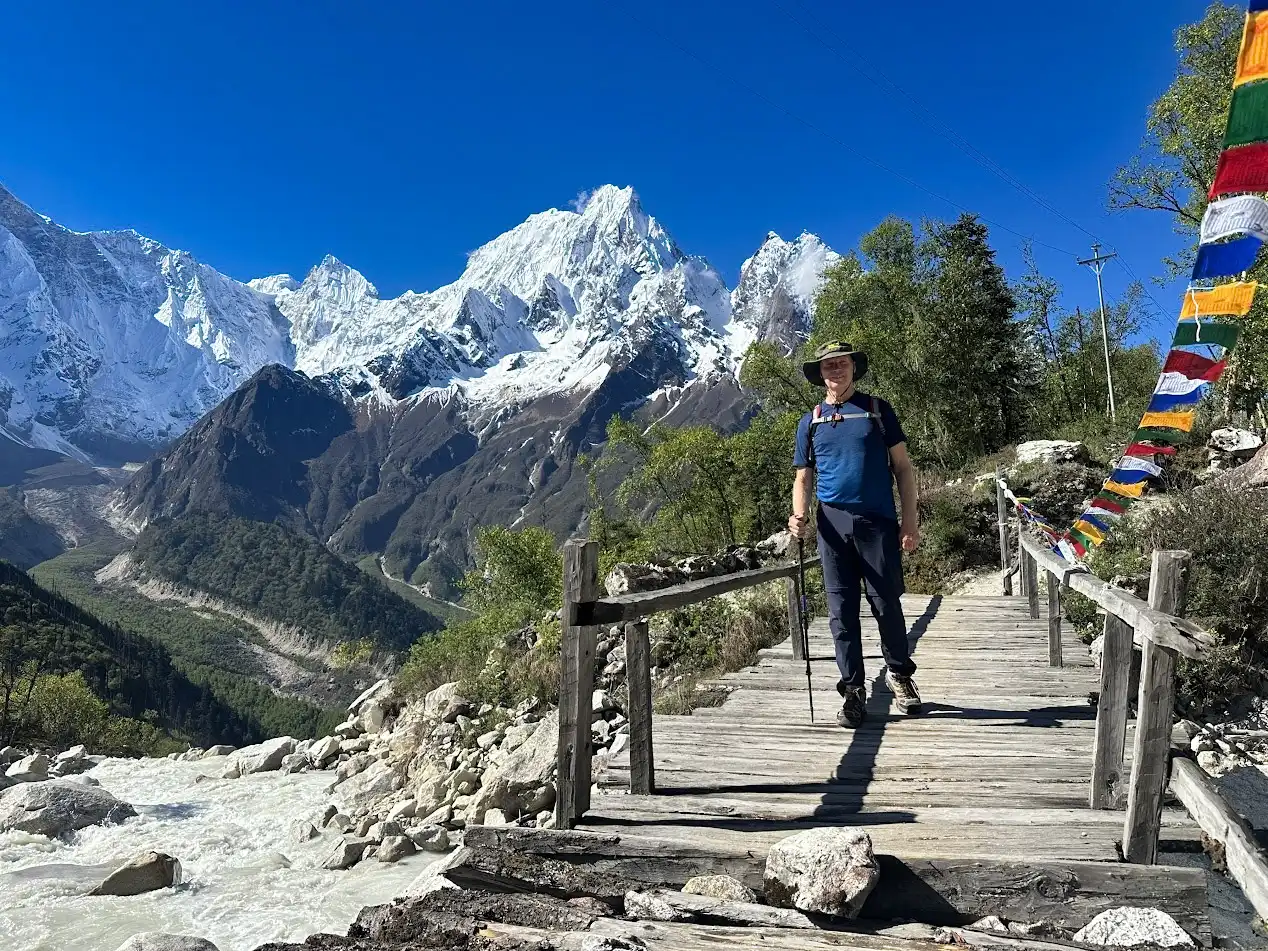
The Manaslu Circuit Trek rates challenging (7/10). No ropes or climbing skills needed in normal conditions. The challenge comes from long walking days, rough lower-valley terrain, remote lodges, sustained altitude, and the Larkya La Pass crossing at about 5,106 meters. Fit beginners complete it with training, a slow itinerary, and a licensed guide.
| Difficulty Factor | Rating |
|---|---|
| Overall difficulty | 7/10 |
| Technical climbing | 2/10 |
| Altitude challenge | 7/10 |
| Larkya La Pass day | 9/10 |
| Daily walking demand | 6/10 |
| Terrain roughness | 7/10 |
| Remote logistics | 7/10 |
| Teahouse comfort | 6/10 |
| Mental endurance | 6/10 |
| Beginner suitability | Possible with training |
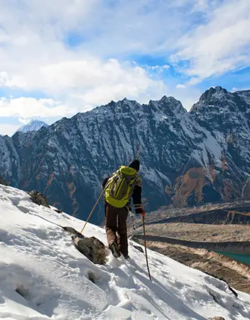
Manaslu Circuit Trek Difficulty rates as challenging — about 7 out of 10. The trek does not require technical climbing.…
 12 Days
 Moderate
Seven Real Difficulty Factors
1. Larkya La Pass
Larkya La Pass is the trek’s highest and hardest section, at about 5,106 meters. The crossing runs from Dharamsala to Bimthang and often takes 8 to 10 hours. Trekkers start before sunrise. Cold, wind, snow, thin air, and a long descent stress the body hard.
2. Sustained High Altitude
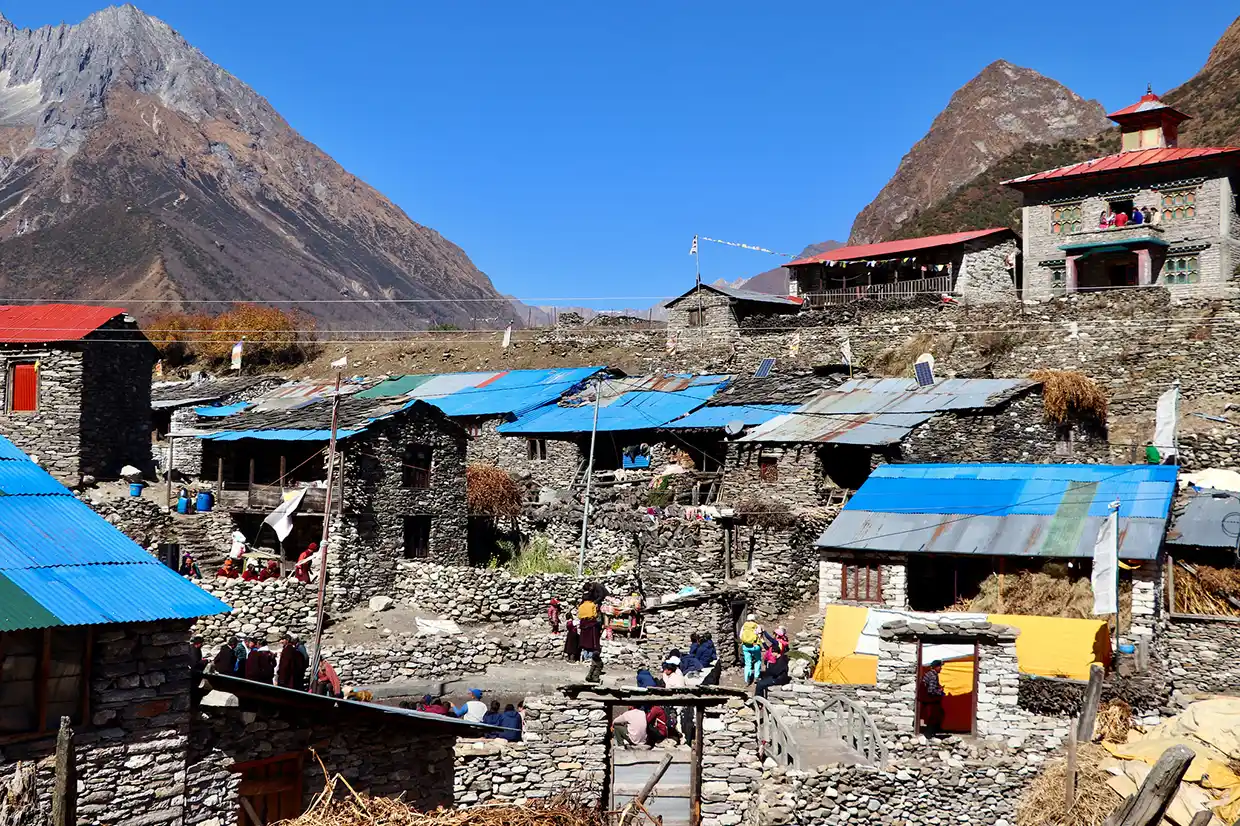
The route spends several nights above 3,500 meters. Samagaon, Samdo, and Dharamsala represent key altitude zones. Sleep quality drops. Appetite falls. Recovery slows. Fitness does not prevent altitude sickness. Slow ascent and proper acclimatization matter more.
3. Lower Budhi Gandaki Gorge
The lower route includes narrow trails, stone paths, river sections, and suspension bridges. The terrain in the lower valleys feels hot, humid, and tiring. Rain makes the section slippery. Good balance and ankle strength help. Many trekkers find the gorge harder than expected.
4. Basic Upper Teahouses
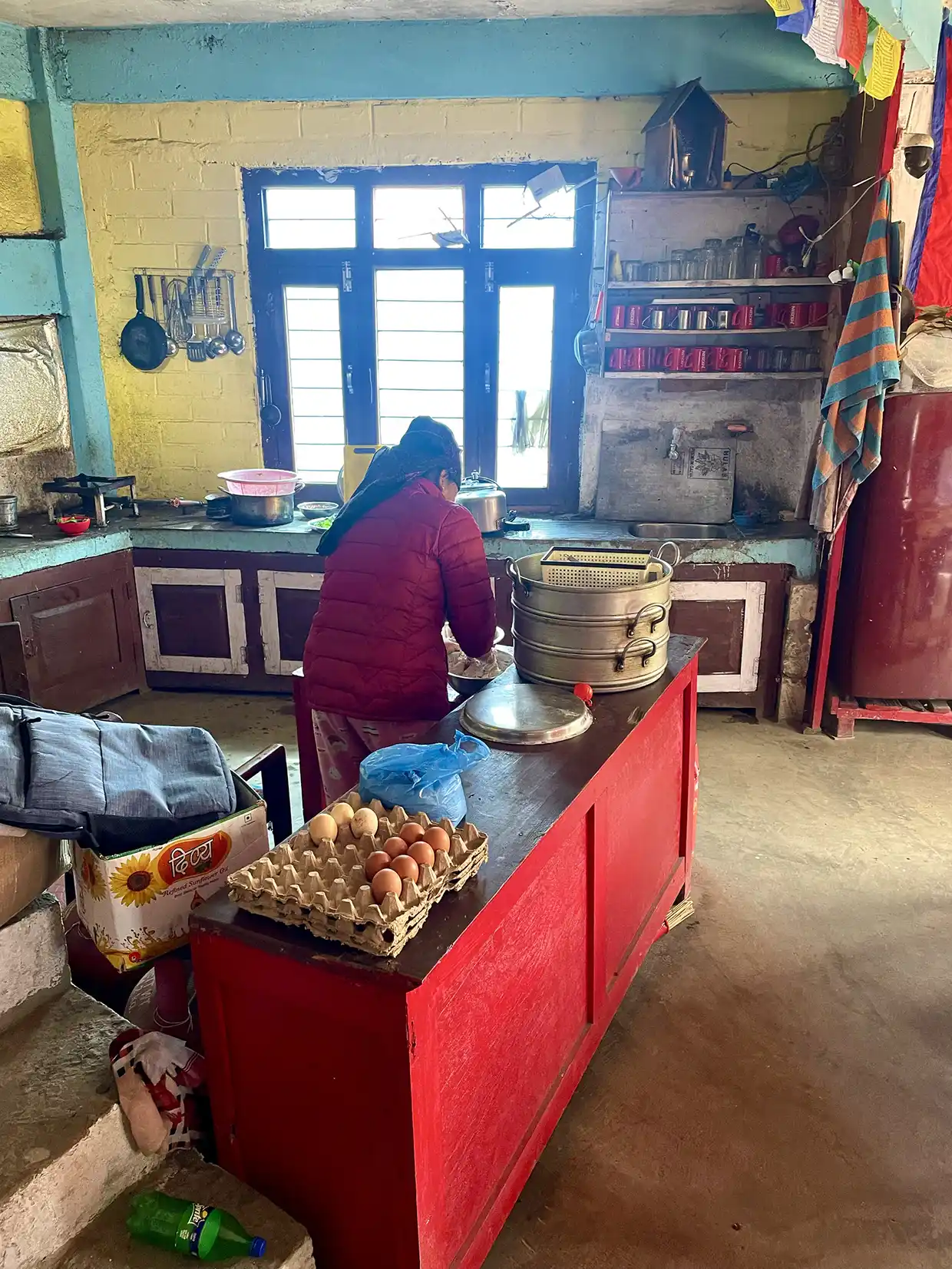
Lodges become simpler above Samagaon. Dharamsala feels very basic. Rooms stay cold. Food variety shrinks. Poor sleep before the pass day increases difficulty. Prepare mentally for simple comfort.
5. Remote Rescue Access
The Manaslu route is more remote than those to Everest and Annapurna. Health posts and medical services remain limited. Bad weather delays helicopter rescue. A guide carries a major safety responsibility. Insurance should cover high-altitude trekking and helicopter evacuation.
6. Cumulative Fatigue
The trek lasts 14 to 18 days. Many days require 5 to 7 hours of walking. Fatigue builds before the hardest day. Blisters, cold sleep, and altitude reduce energy. The body needs enough calories and rest. A slower itinerary reduces the difficulty.
7. Restricted-Area Logistics
The route needs special permits and guide support. Permit dates and route timing matter. Trekkers do not treat the Manaslu trek as a flexible, open-area trek. Agency support reduces logistics stress but adds planning requirements.
Day-by-Day Difficulty
| Day | Route Section | Hours | Rating | What Makes It Hard |
|---|---|---|---|---|
| 1 | Drive to the trailhead | 7-9 hrs | 2/10 | Long road |
| 2 | Machha Khola area | 5-6 hrs | 5/10 | River trail, rough paths |
| 3 | Machha Khola to Jagat | 6-7 hrs | 6/10 | Gorge terrain, stone steps |
| 4 | Jagat to Deng | 6-7 hrs | 6/10 | Gradual climb, long day |
| 5 | Deng to Namrung | 6-7 hrs | 6/10 | Altitude gain, steady ascent |
| 6 | Namrung to Samagaon | 5-7 hrs | 6/10 | Higher altitude, longer climb |
| 7 | Samagaon acclimatization | 3-5 hrs | 3/10 | Side hike, altitude adjustment |
| 8 | Samagaon to Samdo | 4-5 hrs | 5/10 | Thin air, exposed valley |
| 9 | Samdo acclimatization | 3-4 hrs | 3/10 | Light walk, rest focus |
| 10 | Samdo to Dharamsala | 4-5 hrs | 7/10 | Cold, altitude, basic lodge |
| 11 | Dharamsala to Bimthang via Larkya La | 8-10 hrs | 9/10 | Highest point, long descent |
| 12 | Bimthang to Tilije/Dharapani | 5-7 hrs | 6/10 | Long descent, tired legs |
Larkya La Pass Difficulty
| Detail | Information |
|---|---|
| Highest point | About 5,106 m |
| Starting point | Dharamsala / Larkya Phedi |
| Ending point | Bimthang |
| Walking time | 8-10 hours |
| Main challenge | Altitude, cold, wind, long descent |
| Technical climbing | Not required in normal conditions |
| Difficulty rating | 9/10 |
Larkya La vs Thorong La
| Factor | Larkya La | Thorong La |
|---|---|---|
| Trek | Manaslu Circuit | Annapurna Circuit |
| Approx. altitude | ~5,106 m | 5,416 m |
| Infrastructure | More basic | More developed |
| Rescue access | More remote | Easier than Manaslu |
| Difficulty source | Remoteness, cold, descent, basic lodge | Higher altitude, long descent |
| Overall feel | Often tougher logistically | Tough but better supported |
Descent Difficulty After Larkya La
| Section | Challenge | Rating |
|---|---|---|
| Larkya La to Bimthang | Long, rocky, knee-heavy descent | 8/10 |
| Bimthang to Tilije | Forest trail, sustained downhill | 6/10 |
| Tilije to Dharapani | Easier exit trail | 4/10 |
Many trekkers find the descent harder than the climb. The descent stresses knees, quads, and toes. Loose ground requires careful footwork. Tired legs increase slip risk. Trekking poles and downhill training before the trek help a lot.
Altitude and AMS Risk
| Location | Altitude | Difficulty Impact |
|---|---|---|
| Namrung | 2,630 m | The body starts adjusting |
| Lho | 3,180 m | Altitude becomes noticeable |
| Samagaon | 3,530 m | Key acclimatization zone |
| Samdo | 3,860 m | Thin air affects pace |
| Dharamsala | 4,460 m | Sleep suffers, cold increases fatigue |
| Larkya La | ~5,106 m | Highest exertion point |
Fitness does not prevent altitude sickness. Slow ascent matters more. Rest days at Samagaon and Samdo reduce risk. Descend if symptoms worsen. Do not push higher if you have a headache, nausea, or dizziness.
Seasonal Difficulty
| Season | Difficulty Impact |
|---|---|
| Oct to early Nov | Lowest difficulty window — stable weather, dry trails |
| Late Nov | Colder nights and snow risk increase difficulty |
| Late Apr to May | Good spring window, but snow patches near the pass |
| Mar to early Apr | Unreliable snow near the pass |
| Winter (Dec-Feb) | Very difficult — pass closure risk, extreme cold |
| Monsoon (Jun-Aug) | Not recommended — rain, landslides, leeches |
Difficulty by Traveler Type
| Traveler Type | Difficulty | Best Advice |
|---|---|---|
| Experienced high-altitude trekker | Manageable | Focus on descent and cold preparation |
| Annapurna Circuit trekker | Step up | Expect simpler lodges and rougher terrain |
| EBC trekker | Comparable | Train for gorge terrain and basic lodges |
| Fit beginner | Hard but possible | Choose a longer itinerary (16-18 days) |
| Active adult 50+ | Achievable | Use poles and porter support |
| Active adult 60+ | Hard but possible | Get medical advice, use an 18-day plan |
| Traveler with knee concerns | Very hard on descents | Train downhill, use poles |
Manaslu vs Other Nepal Treks
| Trek | Difficulty | Why |
|---|---|---|
| Poon Hill | Easy-mod | Short, lower altitude |
| ABC | Moderate | Shorter, lower, better access |
| Annapurna Circuit | Mod-chall | Higher Thorong La but better infrastructure |
| EBC | Challenging | Higher altitude, but better lodges and rescue |
| Manaslu Circuit | Challenging | Remote, rougher terrain, high pass, basic lodges |
| Everest Three Passes | Very challenging | Multiple high passes |
| Dhaulagiri Circuit | Very chall+ | Camping, glacier, remote conditions |
Manaslu usually feels harder than the Annapurna Circuit in logistics and remoteness. It feels similar to EBC in overall demand, but the challenge comes from different factors: gorge terrain, simpler lodges, and more limited rescue access.
Short vs Long Itinerary Difficulty
| Itinerary | Rating | Best For |
|---|---|---|
| 12-14 days | 8/10 | Very fit and experienced trekkers only |
| 16 days | 7/10 | Most trekkers |
| 18 days | 6/10 | Beginners, older adults, photographers |
| 20+ with Tsum | 7/10 | Culture lovers with strong endurance |
Fitness Benchmarks
| Fitness Test | Target |
|---|---|
| Long hilly hike | 18-20 km with a light daypack |
| Stair climb | 35-40 floors without long breaks |
| Sustained walk | 7-8 hours without exhaustion |
| Downhill practice | 1,000 m descent without knee pain |
| Back-to-back hikes | 2-3 days of 5+ hours walking |
Training Plan
| Training Type | Frequency | Purpose | Duration |
|---|---|---|---|
| Brisk walking/hiking | 4 days/week | Aerobic base | 10-14 weeks |
| Stair climbing | 2-3 days/week | Pass and gorge prep | 10-14 weeks |
| Strength training | 2-3 days/week | Legs and knees | 10-14 weeks |
| Downhill walking | 1-2 days/week | Descent preparation | 8-12 weeks |
| Long hike | 1 day/week | Trek simulation | 8-12 weeks |
| Back-to-back hikes | 2-3 times pre-trek | Fatigue training | Final 4-6 weeks |
Gear That Reduces Difficulty
| Gear Item | Difficulty It Reduces |
|---|---|
| Trekking poles | Knee strain on the gorge and descent |
| Broken-in boots | Blisters and ankle stress |
| Warm sleeping bag | Cold sleep at Dharamsala |
| Down jacket | Cold mornings and high camps |
| Headlamp | Pre-dawn pass start |
| Microspikes | Icy pass sections (if needed) |
| Electrolytes + snacks | Energy dips on long days |
Common Difficulty Mistakes
- Underestimating the lower Budhi Gandaki gorge
- Skipping acclimatization days at Samagaon or Samdo
- Choosing a compressed 12-14-day itinerary without training
- Ignoring altitude symptoms
- Not training for downhill walking
- Leaving trekking poles behind
- Packing a weak sleeping bag for Dharamsala
- Expecting Everest-style teahouses
- Overestimating gym fitness for trail fitness
- Starting training too late
- Carrying too heavy a daypack
- Not eating enough on pass day
Frequently Asked Questions
Q: How hard is the Manaslu Circuit Trek?
A: This trek is challenging, rating about a seven out of ten for difficulty. The demanding journey combines high altitude, rough lower terrain, basic lodge facilities, and remote wilderness conditions. You must also prepare for the significant physical test of crossing the Larkya La Pass. These factors require hikers to have solid endurance and proper preparation before stepping onto the mountain trail.
Q: What ranks as the hardest day?
A: The most difficult stretch is the Larkya La Pass day, traveling from Dharamsala to Bimthang. This strenuous section takes eight to ten hours of continuous movement. Trekkers must contend with intense cold, high altitude, and strong winds. The day culminates in a long, physically demanding descent that tests your knee strength and overall stamina.
Q: Is Larkya La harder than Thorong La?
A: Although Larkya La sits at a lower altitude than Thorong La, it often feels equally difficult. This is due to its intense remoteness, very basic lodging before the pass, and the long descent to Bimthang. The lack of infrastructure and the trail’s isolated nature make the physical effort feel just as demanding as its higher counterpart.
Q: Is Manaslu harder than EBC?
A: Both routes demand a similar level of overall physical effort, but they present entirely different challenges. While the Everest Base Camp trek reaches higher viewpoints, Manaslu features much rougher terrain underfoot. Additionally, Manaslu offers fewer comforts in its local lodges and involves more remote logistics, making the daily wilderness experience feel a bit more rugged.
Q: Is Manaslu harder than the Annapurna Circuit?
A: Yes, many trekkers find Manaslu more difficult than the Annapurna Circuit. While the Annapurna Circuit features a higher pass, it benefits from significantly better tourism infrastructure. In contrast, Manaslu has simpler lodges, rougher lower trails, and far fewer rescue options. This lack of amenities and emergency support adds to the overall challenge of the route.
Q: Do beginners manage Manaslu?
A: Fit beginners can successfully complete the journey with dedicated training, a slow itinerary spanning sixteen to eighteen days, and professional guide support. However, absolute beginners with no multi-day hiking experience should avoid this route. It is highly recommended that those completely new to trekking choose an easier, well-developed path for their first mountain excursion.
Q: Do older adults manage?
A: Yes, active older adults regularly complete this circuit with the right approach. Success requires strong physical training, official medical clearance, a longer itinerary, and the use of trekking poles. Having an experienced guide along is also vital for safety. These adjustments allow mature hikers to comfortably and safely manage the high altitude and rugged terrain.
Q: How many hours per day?
A: Most standard days on the trail require five to seven hours of steady walking. However, your timing changes drastically on the Larkya La Pass day, which usually takes eight to ten hours to complete. Trekkers should pace themselves carefully through the early sections of the journey to conserve energy for this long, demanding pass day.
Q: How serious does altitude sickness get?
A: The risk of altitude sickness ranges from moderate to high on this route. You will spend several consecutive nights resting above 3,500 meters and must cross a pass elevated above 5,000 meters. Maintaining a slow ascent, taking rest days, staying hydrated, and descending immediately if symptoms worsen remain essential practices for your safety.
Q: What training helps most?
A: Your preparation should focus on stair climbing, long hilly hikes, downhill walking, and building leg strength. Training on back-to-back walking days is also incredibly helpful for mimicking the trek. You should start this fitness routine ten to fourteen weeks before departure to give your body enough time to adapt to the upcoming physical demands.
Q: What gear reduces the difficulty the most?
A: Using trekking poles and broken-in boots will significantly ease the physical strain on your joints. A high-quality down jacket and a warm sleeping bag are essential for the freezing nights. Additionally, always pack a reliable headlamp, electrolyte powders, and a pair of microspikes to handle any icy sections you might encounter on the trail.
Q: What season makes Manaslu easiest?
A: The months of October to early November typically offer the easiest and most stable trekking conditions. If you prefer a spring journey, late April and May are the best options. Choosing these specific weather windows ensures clearer skies, safer pass conditions, and a much more comfortable experience as you navigate the high-altitude trails.
Q: Does Tsum Valley add difficulty?
A: Adding Tsum Valley introduces three to five extra walking days, which increases your cumulative fatigue. However, this extra time on the trail actually improves your overall acclimatization before hitting higher ground. Because of this health benefit, the net increase in difficulty remains quite moderate, making it a rewarding extension for fit hikers.
Final Advice
Manaslu Circuit Trek Difficulty: challenging but achievable for well-prepared hikers. The challenge comes from the combined effect of Larkya La Pass, sustained altitude, rough gorge terrain, basic upper-route teahouses, remote rescue conditions, and cumulative fatigue. A longer itinerary, proper training, the right season, warm gear, trekking poles, and an experienced licensed guide make the route safer and more manageable. Plan with honesty about your fitness. The trek rewards preparation more than speed.