


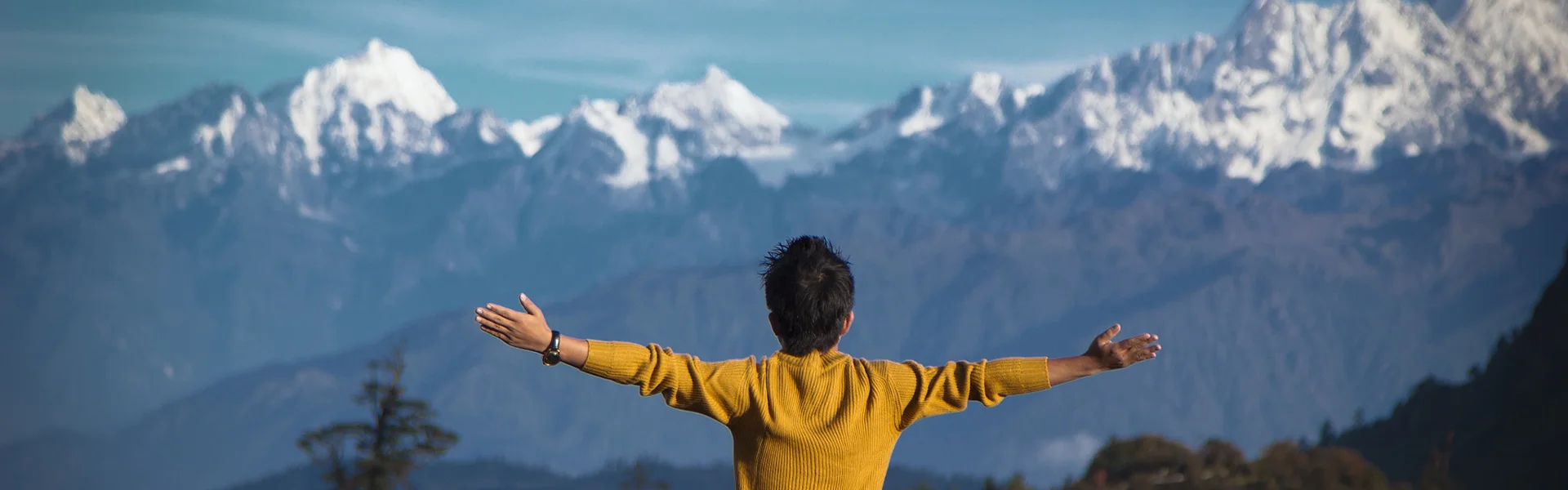

Namche is just 3 days of trek away from Monjo. You will leave the lush pine forests and enter the first authentic village in the Everest Base Camp trek. Namche is 3,440m above sea level, with thin air and dusty streets. A number of teahouses and shops, adorned with prayer flags, greet you. The place also honors the fallen climbers on Everest at the large stupa. A life-sized statue of Tenzing Norgay Sherpa stands in the town square.
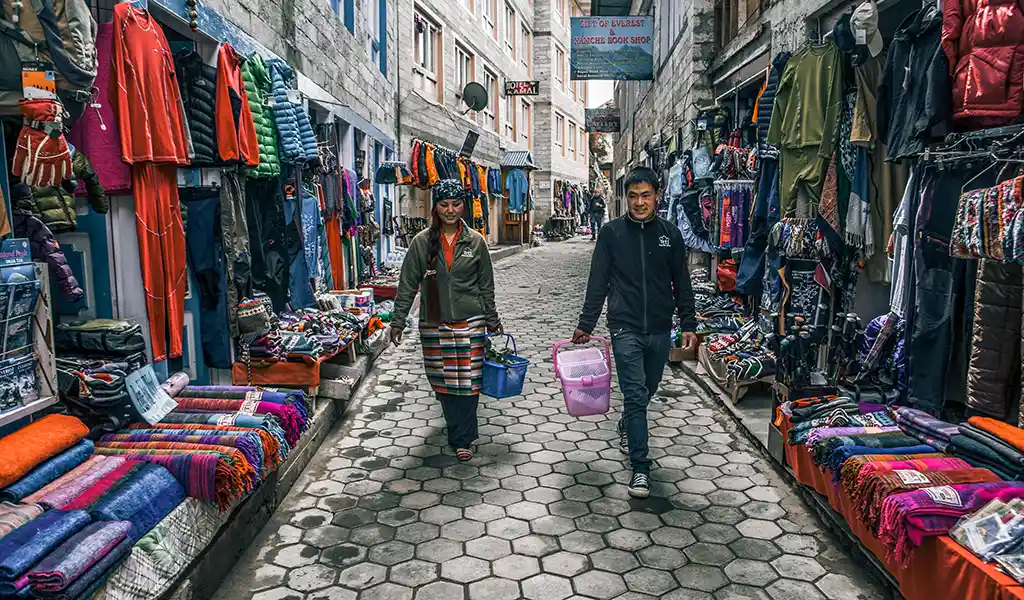
Namche is also called the capital of the Sherpas in the Khumbu region. This famous town is where the trekkers rest for acclimatization. The city is a bustling market hub where tourists can purchase local goods. Namche is renowned for its yak cheese. You can see Everest, Lhotse, Ama Dablam, and more mountains from the Bazaar.
Namche’s Strategic Importance
Namche lies in the middle of Sagarmatha National Park. This Park plays the role of conserving the high mountain regions around Mount Everest. Many experts recommend spending a day or two acclimatizing in Namche Bazaar before continuing the trek. You need to walk steadily and slowly, and hydrate yourself to adjust your body to the high altitude. This busy market is also the administrative region of the Sagarmatha National Park. It is a bustling trading hub where locals and tourists participate in economic transactions.
A farmers ‘ market operates every Saturday where readers and farmers sell their best products, like fresh produce and woolen clothes. Namche is the center ground for many Everest routes. You can direct your path to Dudh Koshi Valley, Everest Base Camp, the glacial Gokyo Lakes, and even north into Tamichho Valley. Namche is a crossroads and gateway to the Himalayas. You can reach most trekking points from Namche.
Exploring Namche
Namche Bazaar is the lively heart of the Khumbu. The streets are full of movement as bakeries fill with trekkers, and the smell of fresh pastries drifts through the air. Teahouses serve butter tea quickly, keeping pace with the steady flow of visitors. Prayer wheels spin in quiet shrines, and bright flags ripple above the rooftops. Shops offer woolen goods, trekking gear, and handmade items that help support the local community. There’s a warmth in the bustle, a feeling that you’re exactly where you need to be. This historic place is a true storyteller of the Sherpa culture.
- Sagarmatha National Park Museum: There is a Sagarmatha National Park Museum uphill in Namche. This free-entry museum shows the history of the local community and the expeditions. You need to do a short hike to reach this museum. It is a good acclimatizing trip for the trekkers.
- Hotel Everest View (Everest Viewpoint): Hotel Everest View is one of the world’s highest hotels, at 3880m. The hotel allows visitors to see the views and the interiors without staying. You can see the scenic views of mountains like Everest, Lhotse, and Ama Dablam.
- Khumjung and Khunde Villages: You can also hike in the villages. You must walk about 4 to 5 hours to reach these farming villages. These relatively distant villages are peaceful and covered in green fields. You can visit the Monastery, hold a “Yeti scalp,” and even see the old Hillary School. It is a fantastic hike to learn about the everyday life of the Sherpa people.
- Thame Village: After a 9 to 10 km hike to the north, you can reach Thame. The trail is quiet, passing many walls, prayer flags, and small fields along the way. This village was the last salt trade route between Tibet, Nepal, and India. Visit the old Monastery, take in views of Cholatse, and enjoy the calm. Few trekkers go this way, which makes it all the more special.
- Saturday Market: If you are in the town on Saturday, you can enjoy Namche’s exciting weekly Farmers’ market. Farmers and traders from long distances come to sell fresh produce like vegetables and yak products, like butter and cheese. There are also woolen goods for sale.
You will have to stay in Namche to acclimate. So, it is better to explore the nearby places and get insight into the community you are staying in. You can enjoy warm tea, baked goods, and the views. After the rest, your body can hike up to a higher altitude.
Accommodation and Lodges
There are many accommodation options in Namche. There are budget-friendly shared rooms or private ones as well. Families run most of these teahouses. You will likely eat in the same teahouse. You can get twin beds, a shared bathroom in the basic lodge, and private rooms with private bathrooms in a more luxurious hotel. Most lodges generate electricity for the evening and offer wifi for a fee. Hot showers are also a luxury you need to pay extra for.
Peak trekking season means more crowds. Finding accommodation in peak seasons is harder, so booking in advance is better. A private room costs about $10-$20 per night. Carry cash for transactions. The dining halls double as gathering spots. You eat at the shared table and rest warmly amid the mountains.
Practical Tips for Trekkers
- Acclimatization: We advise staying an extra night or two to adjust your body to the growing altitude. Hike the nearby places to explore and train your body. Rest well and hydrate. If prescribed, you can take Diamox to ease headaches.
- Hydration: Make sure to drink at least 3 to 4 liters of water every day. You can refill filtered or boiled water in teahouses in a reusable bottle. You should avoid alcohol. Don’t drink coffee excessively; choose butter tea and hot lemon with honey and water instead.
- Gear: Days may be warm, but nights are always cold. Plan and pack enough layers. Pack a good hiking boots and warm socks. Bring sun protection and waterproof clothes. Trekking poles can also be helpful.
- Budget: Namche is pricier than Kathmandu. You should budget $10 to $20 for a room and around $10 per meal. Bring enough cash, as the local ATM and bank aren’t always reliable. Small bills are helpful for everyday purchases.
- Communication: Buy a Nepali SIM card for communication and data. Lodges sometimes offer wifi. The speed is mid but still usable. Many guides and staff can speak English. You can learn basic Nepali and Sherpa phrases to greet the locals.
- Etiquette: Respect the local communities, their rules, and culture. Don’t be loud in monasteries. Learn the rules for the monasteries and follow them. Be kind and respectful to everyone and your surroundings.
- Health: Learn about altitude sickness and try recognizing it on the trail. Rest another day if you feel like your body has yet to adjust. If the symptoms are too extreme, descend. Pack a first aid kit, lip balm, and sun protection, and always carry them.
FAQs
How high is Namche Bazaar?
Namche has a high altitude of around 3440m. The air is thin, and fatigue is normal.
Why do trekkers stay in Namche Bazaar?
For acclimatization. Trekkers need to adjust their bodies to the changing altitude to trek further. It is an essential step in finishing the trek in good physical condition. Trekkers take small hikes in these acclimatizing days to prepare their bodies further.
Is wifi available in Namche Bazaar?
Yes. Namche Bazaar gets slow wifi. The lodges may charge you for it, but wifi is available. Mobile data is usually faster in Namche. They have a sound mobile network system, so anyone wanting to make good phone calls or use data can buy the SIM cards.
Are there ATMs or banks in Namche Bazaar?
Though there are ATMs in Namche, they might not always work correctly. There are also limited withdrawals, so carrying extra cash from the city is wiser.
What food is available in Namche Bazaar?
You can order Dal Bhat, momo, eggs, and thukpa in Namche. There are also places selling more Western cuisine, such as pasta, pancakes, pizzas, and vegetable curries. You can buy small snacks like cookies and instant noodles. There are also many vegan options.
What should I pack for Namche Bazaar?
Warm clothes, base layering, gloves, hats, and sleeping bags. Windproof and waterproof jackets, trekking boots, and several pairs of warm, breathable socks. Toilet paper/towels, a first aid kit, personal medication, and protection are also needed.
What are the best viewpoints near Namche Bazaar?
Everest View Hotel offers some of the best views of Mt. Everest, Lhotse, and Ama Dablam. Sagarmatha Park Visitor Centre has a hilltop terrace with beautiful views; you can walk to Syangboche for a different view of the same mountains.
What can I do in Namche Bazaar on a rest day?
Hike to places like Everest View Hotel, Sagarmatha National Park, and others mentioned above. Explore the Bazaar, the shops, the bakery, and other areas. Browse and learn about the culture and history of the Sherpa people. If it’s Saturday, visit the farmers ‘ market. Rest your body well to acclimate.
How is the weather in Namche Bazaar?
Spring is warm and mild. So is autumn. The sky is clear, and the views are beautiful. These are also the peak trekking season. Monsoons have heavy rain with muddy roads but lush green views. Winter is covered in snow and freezing temperatures—pack layers to handle any weather.
Are there medical facilities in Namche Bazaar?
Khunde Hospital is a small health post in Namche. They treat minor injuries, the common cold, and altitude sickness. They can conduct helicopter rescues for more severe cases.
What power plugs does Namche Bazaar have?
Namche mostly has Type C and E round-in plugs. You get 220V electricity. Some lodges may also provide other sockets, but it is still better to carry a universal adapter.
Can I buy snacks or gear in Namche Bazaar?
Namche is a market hub. There are shops everywhere. You can buy different snacks, groceries, and clothes in Namche. The trekking gear is pricier than in Kathmandu, so buy it before the trek.
What currency do I use in Namche Bazaar, and can I use credit cards?
Namche Bazaar uses the local Nepali rupees. Some lodges may accept USD, but they are rare. Carry enough cash, as that is the primary way for transactions in this high village.
Is the water safe to drink in Namche Bazaar?
Filter or boil the water before consuming. Avoid tap water and try drinking the water that the lodges serve you. Use a purification tablet to avoid stomach bugs.
Are there vegetarian or vegan options in Namche Bazaar?
You can ask the lodges for vegetarian options if you want. Dal Bhaat comes with no meat if you order a veg plate. Vegans may have limited options, but basic food like rice, beans, and vegetables is offered.
What kind of toilets are in Namche Bazaar?
Luxury hotels have western toilets with a pipe flush, and basic hotels mostly have squat flush toilets. It is better to bring your toiletries.
Is it safe to walk around Namche Bazaar at night?
Namche has barely any crimes, so walking around at night is safe. Carry a torch or any other light, as the roads are dark with no street lamps. It is always better to be wary of your surroundings to be safe. Lodges have lights in the dining area, but the stairs and outdoors may be dark.
What languages do people speak in Namche Bazaar?
People speak Nepali and Sherpa in Namche. English is also widely spoken. Road signs and menus are tourist-friendly and written in English. You can learn some local phrases to show respect.
Conclusion
Namche Bazaar is considered the central hub of the Khumbu region. It is busy and packed. Trekkers take a stop here to acclimatize and rest. It is also a main route for many trekking trails. Known as the gateway to the Himalayas, Namche is a welcoming and culturally rich town. You can enjoy local meals and drinks, experience out-of-this-world views, and hike to different places nearby. The Everest Base Camp trek truly starts from this town. It is the first real town on the trail. Namche Bazaar is a beautiful place with friendly people and extraordinary views.