

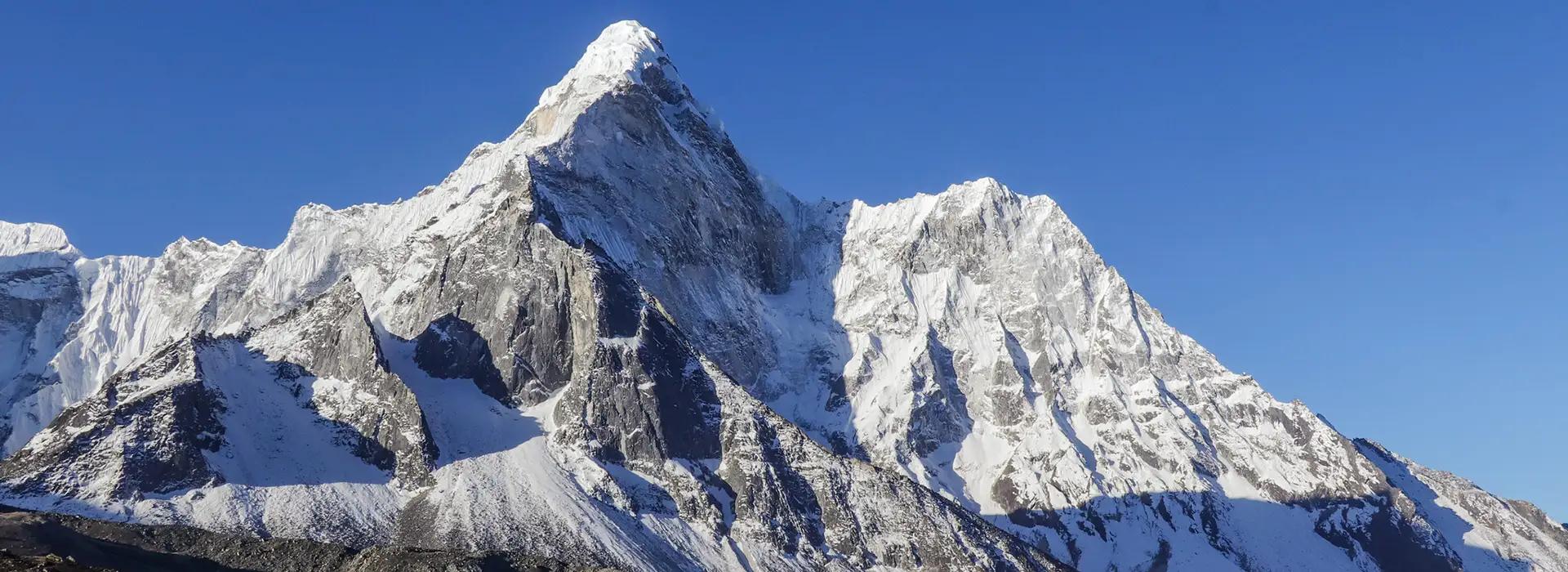

Nepal rewards travelers who plan carefully. Most tourists finish their trips without serious problems. Good Nepal travel safety tips help you make smart choices before and during your trip. The risks in Nepal are real but manageable. Altitude, road conditions, and weather cause more problems than crime. Knowing what to expect keeps you prepared at every stage. This guide covers health, trekking, transport, scams, solo travel, wildlife, seasonal risks, and emergency contacts. Read each section that applies to your trip type.
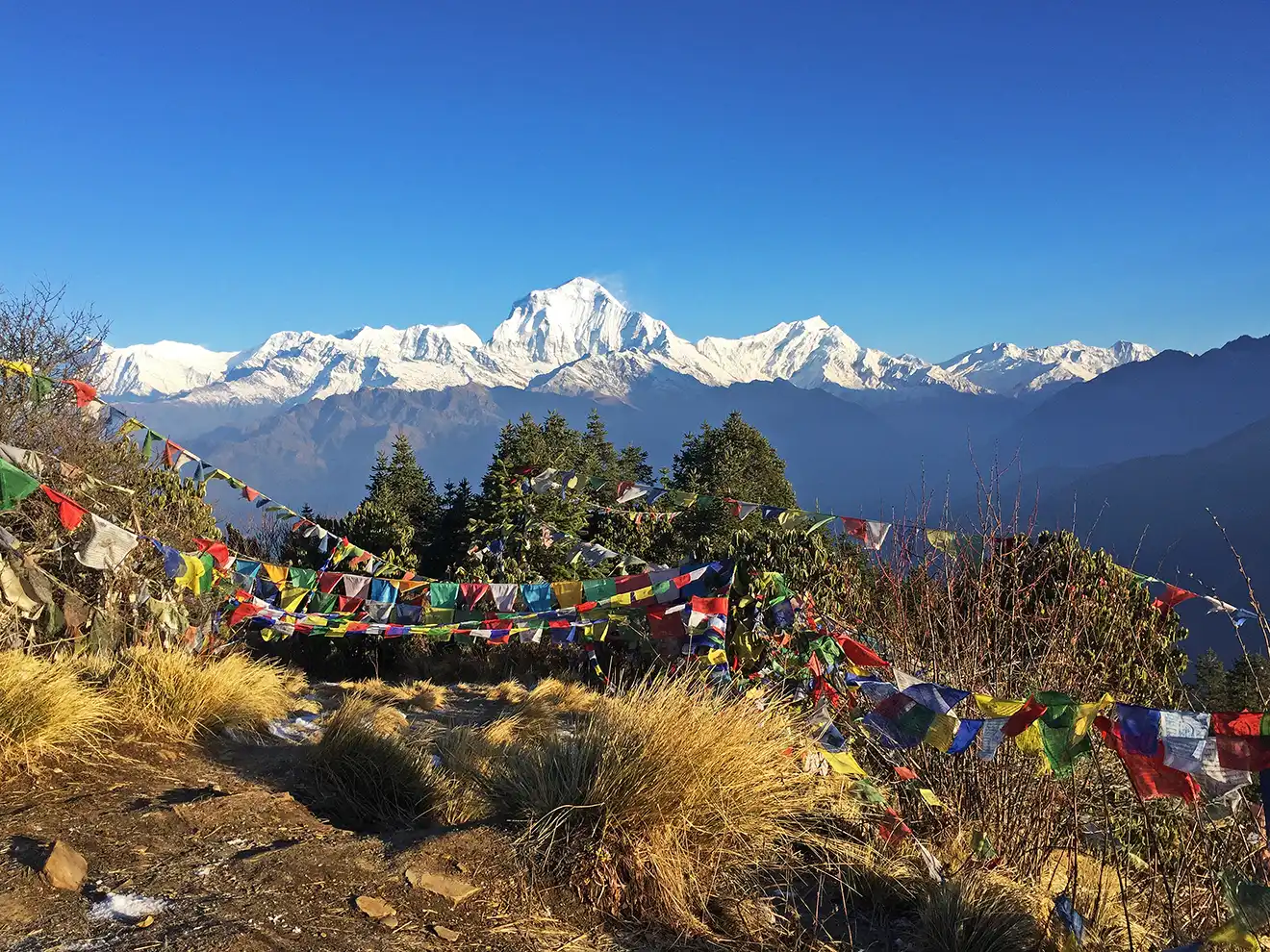
Is Nepal Safe for Tourists?
Yes. Nepal is generally safe for tourists. Violent crime against travelers remains low compared to most destinations. The biggest risks come from altitude, mountain roads, and extreme weather — not crime. City visitors mostly deal with petty theft and minor scams. Trekkers face more serious risks from altitude sickness and sudden weather changes. Proper preparation handles most of these risks before they become problems. Nepal travel safety depends largely on your choices — your route, your operator, your health prep, and your common sense on the trail.
Why Nepal Travel Safety Depends on the Type of Trip You Plan
City Travel: Kathmandu and Pokhara welcome millions of tourists each year. Tourist Police patrols run in major areas. Petty theft and scam operators are the main concerns, not violence.
Trekking and Mountain Travel: Trekking routes such as Everest Base Camp and the Annapurna Circuit reach extreme altitudes. Altitude sickness, weather shifts, and remote terrain demand serious preparation. One wrong decision at high altitude creates a life-threatening risk.
Wildlife and Nature Travel: Chitwan National Park offers rhino and elephant safaris. Licensed guides handle all wildlife activities here. River activities carry extra risk during the monsoon season.
Spiritual and Cultural Routes: Routes like Lumbini and Muktinath attract pilgrims and tourists. Safety here means cultural respect and the use of verified local operators. Dress codes and temple rules help avoid confrontations.
Review the table below for a quick look at safety risks by trip type.
| Trip Type | Main Safety Risks | Key Precautions |
|---|---|---|
| City Travel (Kathmandu, Pokhara) | Petty theft, scams, and traffic accidents | Stay alert in crowds; use reputable taxis; secure valuables |
| Trekking (Popular Routes) | Altitude sickness, weather changes, and falls | Ascend slowly; hire a licensed guide; carry altitude medicine |
| High-Altitude Trekking (EBC, Annapurna) | AMS, HAPE, HACE, extreme cold | Follow acclimatization rules; get evacuation insurance |
| Wildlife Safari (Chitwan, Bardia) | Wild animal encounters, river hazards | Always use a licensed guide; wear life jackets on the water |
| Overland Road Travel | Narrow roads, landslides, and driver fatigue | Travel in daylight; avoid monsoon mountain routes |
| Spiritual and Cultural Routes | Minor scams, cultural misunderstandings | Dress modestly; book verified operators |
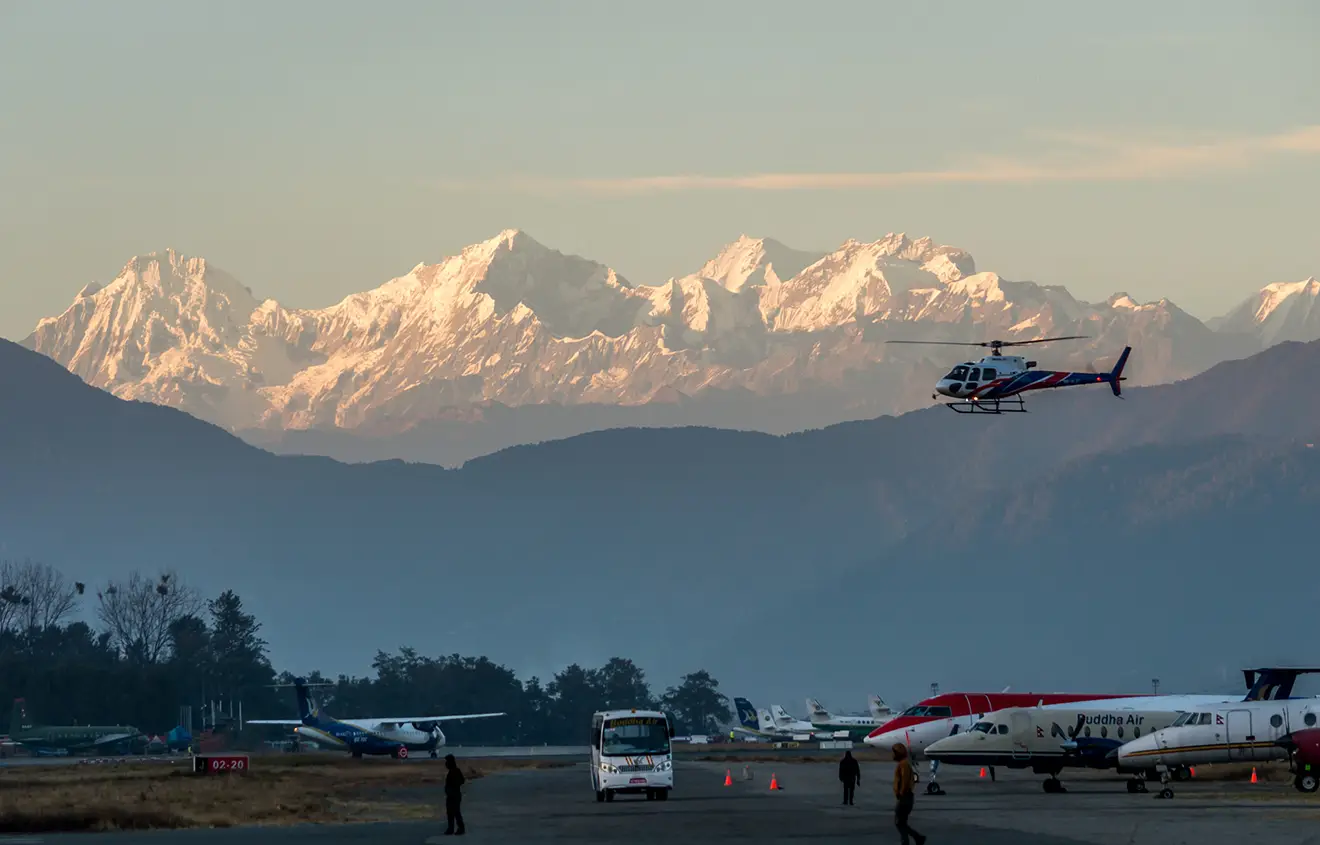
Popular trails like Everest Base Camp and the Annapurna Circuit take trekkers above 5,000 meters.
Essential Nepal Travel Safety Tips Before You Leave Home
Good preparation reduces risk before you board the plane. These Nepal travel safety tips apply to all types of visitors.
- Check your government’s official Nepal travel advisory for current alerts.
- Buy travel insurance that covers trekking, altitude illness, and helicopter evacuation.
- Make printed copies of your passport, visa, insurance policy, and booking documents.
- Plan your route to match the season and your physical fitness level.
- Visit a travel health clinic at least four to six weeks before departure.
- Save Tourist Police (1144), Nepal Police (100), and ambulance (102) numbers — verify these before travel.
- Register your trek itinerary with a responsible contact who knows your return date.
Nepal Health Safety Tips for Tourists
Most health risks in Nepal are preventable. A few practical steps before departure protect you throughout the trip.
Vaccines and Pre-Trip Health Prep
Talk to a doctor or travel clinic before booking. Hepatitis A, typhoid, and tetanus vaccines are commonly recommended for Nepal. Confirm the current list with CDC Travelers’ Health or your national health authority. Rabies vaccination is worth discussing with a doctor if you plan extended stays or rural trekking.
Safe Food and Drinking Water
Drink only bottled or purified water throughout Nepal. Tap water is not safe, even in hotel rooms. Avoid ice in drinks unless a trusted restaurant confirms that its water is safe. Eat at clean, busy restaurants where food turns over quickly. Avoid pre-cut fruit from street stalls in warm weather.
Bug Bite Prevention
Malaria risk exists in lowland areas, including Chitwan. Use DEET-based insect repellent and sleep under a mosquito net in jungle areas. Pack long-sleeved clothing for evenings near forests and rivers. Dengue fever also exists in lower-altitude regions of Nepal. Repellent works for both mosquito-borne illnesses.
Heat, Sun, and Dehydration
High-altitude sunlight burns faster than at sea level. Apply sunscreen generously and wear a wide hat above 3,000 meters. Drink at least three to four liters of water daily on trekking days.
Basic Medical Kit for Nepal
Pack pain relievers, oral rehydration salts, antidiarrheal tablets, blister supplies, and antiseptic cream. Acetazolamide (Diamox) helps some trekkers prevent altitude sickness — confirm with your doctor first. Medical facilities are good in Kathmandu, but very limited in remote trails.
When to Seek Medical Care
Seek medical help for persistent diarrhea, high fever, chest pain, or confusion. In Kathmandu, several international-standard clinics treat tourists. On the trail, contact your guide immediately and descend if symptoms worsen.
Nepal Trekking Safety Tips
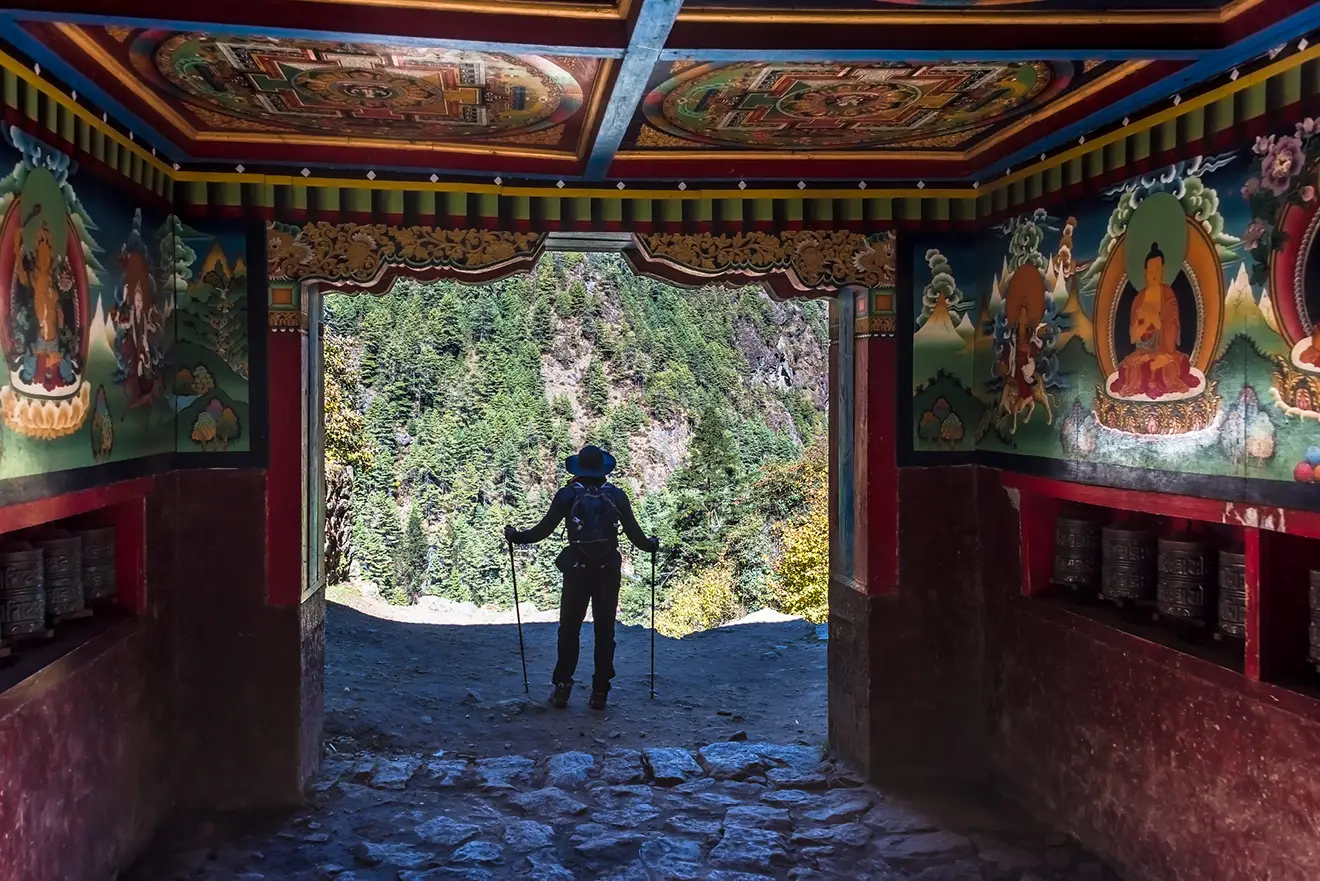
Trekking safety in Nepal requires more planning than most outdoor activities. Routes reach altitudes where the air holds much less oxygen than at sea level. A structured approach keeps the risk low.
Altitude Sickness
Acute Mountain Sickness (AMS) hits when the body struggles to adjust to lower oxygen levels. Anyone can get AMS — strong, fit trekkers get it just as often as beginners. Fitness level does not protect you from altitude illness.
Early AMS Symptoms: Watch for headache, nausea, fatigue, dizziness, and loss of appetite above 2,500 meters. Mild AMS often improves with rest at the same altitude. Worsening symptoms after a rest day mean you need to descend.
Slow Ascent and Rest Days: Gain no more than 300 to 500 meters of sleeping altitude per day above 3,000 meters. Take a full rest day every three to four days to let your body adjust. The rule is: climb high, sleep low.
When to Stop and Descend: Never push through worsening altitude symptoms. Confusion, loss of balance, or severe breathing difficulty demand immediate descent, not sleep. Do not wait for morning if someone shows these signs at night.
Guide, Porter, and Route Planning: Hire a licensed guide through a verified trekking agency registered with the Nepal Tourism Board. Licensed guides know altitude rules, first-aid basics, and emergency contacts on the trail. A good guide reduces route errors and speeds up emergency response.
Why Cheap Trekking Deals Carry Risk: Very cheap trekking packages often skip permits, safety gear, and proper guides. Unlicensed operators lack training and emergency protocols. Always get an itemized quote and confirm agency registration before paying.
Altitude Sickness and High-Altitude Safety in Nepal
Altitude illness is the top cause of serious trekking incidents in Nepal. Recognize the three stages and act quickly when symptoms appear.
Three stages of altitude illness:
1. Acute Mountain Sickness (AMS) — headache, nausea, dizziness, fatigue. Common above 2,500m.
2. High-Altitude Pulmonary Edema (HAPE) — fluid builds in the lungs. Breathing becomes very difficult.
3. High-Altitude Cerebral Edema (HACE) — fluid builds in the brain. Confusion and loss of coordination appear.
HAPE and HACE require immediate descent and emergency evacuation. Do not wait for symptoms to clear on their own. Travel insurance that covers helicopter evacuation is non-negotiable for trekkers above 3,500 meters. Nepal altitude sickness tips save lives only when trekkers act on them. Acclimatize properly, rest on schedule, and descend at the first sign of serious symptoms.
Road and Transport Safety Tips in Nepal
Nepal road travel safety requires planning around terrain, season, and timing. Roads here do not follow the same standards as highways in most Western countries.
Tourist Buses vs. Local Buses vs. Private Cars: Tourist buses run fixed schedules on routes like Kathmandu to Pokhara and Pokhara to Chitwan. Local buses are cheaper but slower and more crowded. Private cars and jeeps cost more and offer more flexibility for off-route travel.
Mountain Roads and Seasonal Closures: Mountain roads in Nepal are narrow, steep, and often unpaved. Landslides close key roads during the monsoon, sometimes for days. Check road conditions before booking any overland transfer during June through September.
Night Travel on Mountain Routes: Avoid long night road trips. Poor visibility and driver fatigue are the main causes of the most serious road accidents in Nepal. Break long journeys into daytime stages where possible.
Weather and Flight Delays: Mountain weather delays or cancels domestic flights regularly — especially to Lukla, Jomsom, and Pokhara. Book morning flights when visibility is highest. Keep two to three extra days in your itinerary for flight delays on mountain routes.
City Safety Tips in Kathmandu, Pokhara, and Tourist Hubs
Nepal safety tips for tourists in cities focus mostly on theft, scams, and basic street awareness. Violent crime against tourists is rare.
Pickpocketing and Bag Theft: Busy tourist areas like Thamel in Kathmandu and lakeside Pokhara attract pickpockets. Keep bags zipped and positioned in front of you. Use a money belt or an inner pocket for your passport and large amounts of cash.
Night Walking Precautions: Avoid walking alone at night in unfamiliar areas. Stick to lit, busy streets after dark. Take a reputable taxi or app-based ride rather than walking long distances late at night.
Hotel Room and Valuables Safety: Use the hotel safe for your passport and any valuables. Do not leave cash or electronics visible in a budget room. Ask the front desk to hold important items if no safe is available.
ATM and Cash Safety: Use ATMs inside bank branches or shopping centers rather than standalone street machines. Withdraw cash during daylight hours only. Review your account balance regularly and report unexpected transactions right away.
Nepal Travel Scam Awareness
Scams in Nepal target tourist areas and trekking routes. Knowing the common patterns helps you recognize and avoid them.
Fake Trekking and Evacuation Scams: Some unregistered operators arrange fake helicopter evacuations and charge tourists large sums. Confirm any evacuation decision with your insurance company before agreeing to any helicopter flight. Tourist Police (1144) can verify if a situation requires official emergency action.
Overpriced Services and Unlicensed Guides: Street touts near Thamel and major temples offer trekking and tour packages at very low prices. Many are unlicensed and inflate final prices once the trip begins. Book through registered agencies and get a written itemized cost breakdown before payment.
Unsafe Alcohol and Drink Spiking: Fake or adulterated alcohol circulates in some tourist areas. Buy drinks only from established restaurants and bars. Refuse opened drinks from strangers, especially in crowded late-night venues.
Deals That Look Too Cheap: Extremely cheap trekking packages often hide permit fees, guide costs, and accommodation charges. Get a fully itemized quote in writing before paying. A genuine operator explains every cost upfront.
Solo Travel Safety Tips in Nepal
Nepal solo travel safety is manageable on popular routes with good preparation. Remote, high-altitude routes require greater caution when traveling alone.
General Solo Safety on Popular Routes: Popular trekking trails such as the Annapurna Circuit and the Langtang Valley attract many solo travelers each year. Tea houses and lodges along these routes provide a sense of community and support. Inform your hotel or lodge of your daily plan every morning.
Hiring Guides on Remote Routes: Solo trekkers on remote routes benefit greatly from a licensed guide. A guide provides emergency support, local language skills, and route knowledge. Register your trek plan at the local trekking office before departing from any trailhead.
Accommodation Choices for Solo Travelers: Choose well-reviewed guesthouses in tourist areas. Read recent reviews and confirm that there is nighttime security or staff presence. Avoid isolated properties with no other guests or staff visible after dark.
Women’s Travel Safety Tips in Nepal
Nepal is generally safe for solo women travelers. Tourist areas have an active police presence, and many women travel in Nepal without incident each year. A few practical habits improve comfort and safety throughout the trip.
- Dress modestly near temples and in rural areas — cover shoulders and knees.
- Avoid walking alone in poorly lit areas after dark.
- Use reputable taxis or app-based transport after dark rather than walking.
- Stay in reviewed guesthouses with good recent ratings.
- Trust your instincts and move away from uncomfortable situations without hesitation.
- Connect with other female travelers in hostel common areas or verified travel groups.
- Carry a local SIM card so you can contact help or your accommodation at any time.
Cultural and Religious Respect as a Safety Habit
Respectful behavior at cultural sites reduces misunderstandings and confrontations. Cultural respect is not just courtesy — it is a practical Nepal travel precaution.
Temple and Monastery Etiquette: Remove shoes before entering temples, monasteries, and sacred courtyards. Cover shoulders and knees. Walk clockwise around stupas and prayer wheels to follow local tradition.
Photography Awareness: Ask for permission before photographing people, especially monks, pilgrims, or elders. Some temples prohibit cameras inside. Ignoring photography rules draws negative reactions from locals and site officials.
Why Respectful Behavior Reduces Problems: Locals respond positively to respectful visitors. Disrespectful behavior in sacred spaces attracts unwanted attention. Basic cultural awareness helps you avoid most problems at religious and cultural sites.
Wildlife and Nature Safety Tips in Nepal
Wildlife activities in Chitwan and Bardia carry specific risks. Following a few rules keeps the experience safe and enjoyable.
Safari Safety in Chitwan and Bardia: Always go on wildlife safaris with a licensed guide from a registered operation. Follow the guide’s instructions without exception during any wildlife encounter. Keep a safe distance from rhinos, elephants, and other large animals at all times.
River and Water Activity Precautions: River levels rise fast during the monsoon in Nepal. Do not swim in rivers without confirmed advice from a local guide. Wear a life jacket during all canoe and rafting activities — no exceptions.
Weather Changes and Natural Hazards: Mountain weather changes without warning throughout Nepal. Flash floods and thunderstorms hit fast in the Himalayas during the monsoon. Carry rain gear daily on the trek and check the weather forecast every morning before departing camp or a teahouse.
Tourist Police, Emergency Help, and What to Do If Something Goes Wrong
Nepal Tourist Police exists specifically to help foreign visitors. Save the contact numbers before you arrive — not after a problem occurs.
What the Tourist Police Do: Nepal Tourist Police operates in major tourist areas, including Kathmandu, Pokhara, and Chitwan. Officers help with theft reports, harassment complaints, and document issues. The Tourist Police hotline is 1144 — verify this number with official sources before publishing.
Reporting a Lost Passport: Report a lost or stolen passport to the nearest police station and your country’s embassy immediately. Collect a copy of the police report — insurance companies require it. Your home embassy handles emergency travel document replacement in Nepal.
Emergency Contacts to Save Before Departure
Save these contacts in your phone and write them in your travel documents:
- Tourist Police: 1144 (verify with official source)
- Nepal Police: 100 (verify with official source)
- Ambulance: 102 (verify with official source)
- Your home embassy in Kathmandu: verify the current number
- Your travel insurance emergency hotline: found on your policy card
Review the emergency help table below for a quick reference during your trip.
| Service | Contact Number | When to Use |
|---|---|---|
| Tourist Police | 1144 (verify before publishing) | Theft, scams, harassment, lost documents |
| Nepal Police | 100 (verify before publishing) | Emergencies, crime, accidents |
| Ambulance | 102 (verify before publishing) | Medical emergencies |
| Your Home Embassy | Verify with your embassy | Lost passport, serious emergencies |
| Travel Insurance Hotline | Number on your policy card | Medical evacuations, claims, and emergencies |
| Nepal Tourism Board | Verify the current number | Travel advice, operator registration checks |
Nepal Travel Safety Tips by Season
Nepal travel advice changes significantly by season. Safety conditions on the roads, trails, and in the air shift throughout the year.
Spring (March to May)
Spring offers stable weather and clear mountain views. Trails are in good condition, and teahouses operate at full capacity. Watch for afternoon thunderstorms above 4,000 meters — start early and reach camp before midday.
Monsoon (June to September)
Heavy rain makes mountain roads prone to landslides. Trails become slippery, and leeches appear on forest sections. Most experienced trekkers skip high-altitude routes during the monsoon — low-altitude cultural travel works well in this season.
Autumn (October to November)
Autumn brings the best visibility and most stable conditions. Trails fill with trekkers and teahouses reach full capacity. Book permits, guides, and accommodation well in advance for autumn trekking.
Winter (December to February)
High passes like Thorong La on the Annapurna Circuit close during heavy snowfall. Lower routes like Ghorepani and Langtang Valley stay accessible. Pack warm layers, even for Kathmandu — temperatures drop significantly at night.
Use the seasonal safety table below to plan your trip dates.
| Season | Months | Trekking Conditions | Main Safety Concern |
|---|---|---|---|
| Spring | March – May | Excellent, stable weather | Afternoon storms above 4,000m |
| Monsoon | June – Sept | Risky, slippery, and wet | Landslides, road closures, leeches |
| Autumn | Oct – Nov | Best season: clear skies | High trail crowds; book permits early |
| Winter | Dec – Feb | Cold; high passes close | Hypothermia; limited teahouse services |
Nepal Travel Safety Checklist
Use the detailed reference table below for a printable checklist format.
| Safety Task | When | Priority Level |
|---|---|---|
| Check the government travel advisory | Before booking | Essential |
| Buy trekking and evacuation insurance | Before booking | Essential |
| Visit a travel health clinic | 4–6 weeks before departure | Essential |
| Make copies of the passport, visa, and insurance | Before departure | Essential |
| Pack a basic first-aid kit | Before departure | Recommended |
| Save Tourist Police and emergency numbers | Before departure | Essential |
| Register for the trek at the local trekking office | On arrival/trek start | Required for trekking |
| Buy bottled or filtered water immediately | On arrival | Essential |
| Share the daily route plan with the hotel or contact | During trek | Strongly recommended |
| Check road and flight conditions before transfers | During trip | Recommended |
Before You Leave Home
- Check your government’s official travel advisory for Nepal.
- Buy travel insurance with trekking and helicopter evacuation coverage.
- Visit a travel clinic four to six weeks before departure.
- Make printed copies of your passport, visa, insurance documents, and booking confirmations.
- Pack a basic first-aid kit and any altitude medication your doctor approves.
- Save Tourist Police, Nepal Police, ambulance, and embassy contact numbers.
- Plan your route based on your fitness level and the travel season.
On Arrival in Nepal
- Buy bottled or purified water immediately upon arrival.
- Register your trek at the local trekking office before heading out.
- Share your daily route plan with your hotel or a trusted contact.
- Check local weather forecasts before any mountain activity.
During the Trip
- Ascend slowly on trekking routes and take scheduled rest days.
- Watch fellow travelers for early signs of altitude sickness.
- Check road and flight conditions before every transfer.
- Stay alert in busy tourist areas and keep your bag secure at all times.
- Follow all guide instructions during wildlife and river activities.
Common Safety Mistakes Travelers Make in Nepal
These are the most frequent and avoidable errors tourists make. Review each one before you travel.
- Going too high, too fast; altitude sickness strikes hard without proper acclimatization.
- Underestimating road transfer times; mountain roads take far longer than maps show.
- Ignore afternoon weather changes; storms hit fast in the Himalayas. Always carry rain gear.
- Using unverified operators, unlicensed guides, and agencies skip critical safety steps.
- Skipping travel insurance; helicopter evacuations cost thousands of dollars without coverage.
- Drinking tap water; tap water is unsafe throughout Nepal, including in city hotels.
- Not carrying backup copies of documents or losing your only passport copy can create serious delays.
- Trekking solo in remote areas without a guide or a registered route plan.
- Accepting deals that look unrealistically cheap, hidden costs, and safety gaps follow.
FAQs
Q: Is Nepal safe for tourists?
A: Yes. Nepal has a low rate of violent crime against tourists. The biggest risks come from altitude, road conditions, and weather, not crime. Good preparation handles most risks before they become problems.
Q: Is Nepal safe for solo travelers?
A: Solo travel works well on popular trekking routes and in tourist cities. Remote routes carry a higher risk without a companion or guide. Share your daily route plan with a contact every morning.
Q: Is Nepal safe for women travelers?
A: Most women travel in Nepal without serious incidents. Modest dress, reputable transport after dark, and reviewed accommodation improve comfort and safety. Trust your instincts and move away from uncomfortable situations without delay.
Q: What are the biggest safety risks in Nepal?
A: Altitude sickness on trekking routes, road accidents on mountain roads, and waterborne illness rank highest. Petty theft and scams exist but rarely escalate to serious harm.
Q: How serious is altitude sickness in Nepal?
A: AMS turns life-threatening if ignored. HAPE and HACE require immediate descent and emergency evacuation. Never push through worsening symptoms above 3,000 meters. Act fast and descend.
Q: Is food and water safe in Nepal?
A: Bottled or purified water is safe. Tap water is not safe anywhere in Nepal. Eat at clean, busy restaurants to reduce the risk of stomach illness.
Q: Are roads in Nepal safe for tourists?
A: Roads work for daytime travel on established routes. Mountain roads are narrow and prone to landslides during the monsoon. Avoid night travel on all mountain road routes throughout the year.
Q: What should trekkers do to stay safe in Nepal?
A: Ascend slowly and rest on schedule. Hire a licensed guide through a registered agency. Buy travel insurance that covers helicopter evacuation before you leave home.
Q: What is the Tourist Police number in Nepal?
A: The Tourist Police hotline is 1144. Verify this number against current official sources before departure. Save it alongside Nepal Police (100) and the ambulance (102).
Q: Is Nepal safe during the monsoon?
A: Low-altitude cultural travel is well-suited to the monsoon. High-altitude trekking carries landslide and visibility risks from June through September. Most serious trekkers avoid high-altitude routes during this period.
Final Thoughts on Nepal Travel Safety
Nepal travel safety comes down to one principle: prepare well and make smart decisions on the road. Altitude sickness, mountain roads, and weather cause more harm to tourists than crime ever does. Follow Nepal travel safety tips at every stage: before departure, on arrival, and throughout the trip. Use registered operators, hire licensed guides on trekking routes, and keep emergency contacts ready at all times. Nepal rewards prepared travelers with some of the most remarkable experiences on earth. Plan carefully, stay alert, and enjoy every part of the journey safely.