


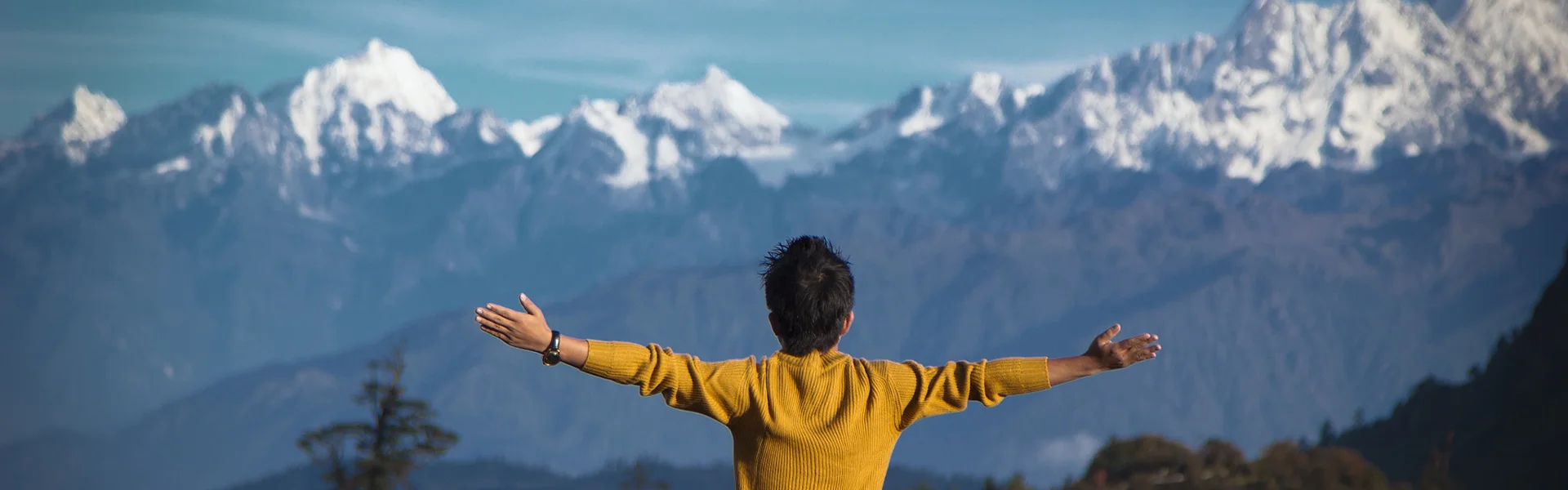

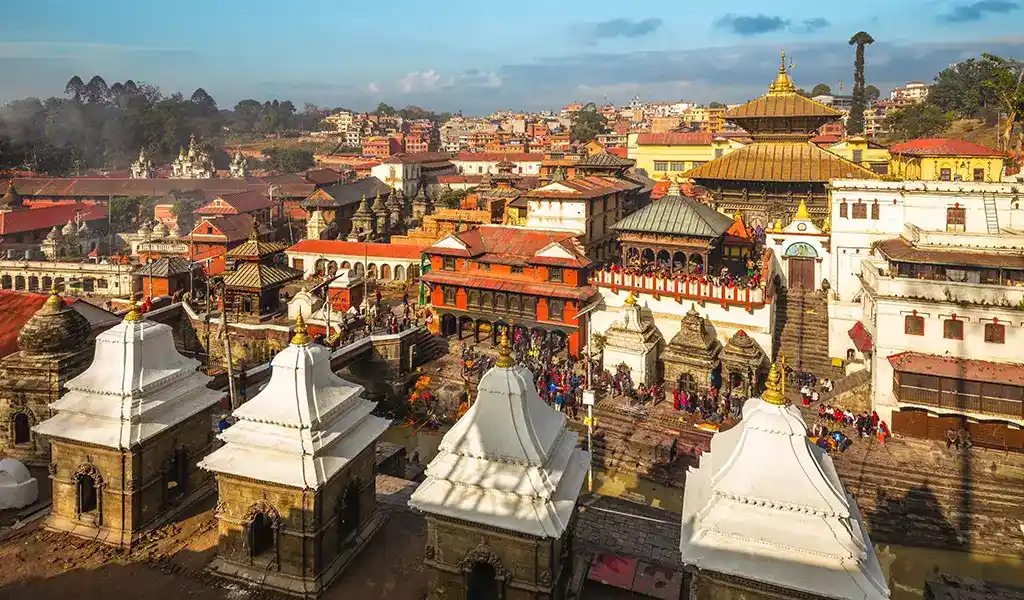
Pashupatinath Temple sits on the eastern side of Kathmandu along the banks of the Bagmati River. It is one of the most important Hindu shrines in Nepal. The temple is dedicated to Lord Shiva in his Pashupati form. Each year, the temple sees millions of pilgrims from Nepal, India, and other countries. Recognized and listed by UNESCO as a World Heritage Site, this temple is part of Kathmandu Valley’s cultural treasures. People often compare Pashupatinath with India’s Char Dham pilgrimage sites for its spiritual importance. Many Hindus believe that visiting Pashupatinath can lead to moksha, the act of gaining freedom from the cycle of rebirth.
Pashupatinath reflects Nepal’s identity. Though the temple is Hindu, its surroundings and history influence Buddhist culture. The complex is lively with sadhus meditating, families gathering for blessings, and travelers exploring shrines and ghats. Pashupati is a living space where spirituality and community meet.
Pashupatinath offers a mix of spirituality and daily life. Priests chant verses and ring bells across the courtyards in the early morning hours. Hindus bathe in the Bagmati for purification before offering prayers inside the temple. You can smell the incense and flowers in the air while the golden roof of the main temple reflects sunlight. Many visitors say they felt moved and experienced peace by the visit.
Historical Background of Pashupatinath Temple
Pashupatinath’s origin goes back to pre-Vedic times, to the 5th century BCE. However, the earliest confirmed records date back to around 400 CE. Skanda Purana and the Nepal Mahatmaya suggest the temple’s existence even before recorded records. One legend from the Shiva Purana tells the story of Shiva and Parvati taking forms of antelopes to roam the forest near the Bagmati River. When the gods searched for Shiva, he revealed himself but broke an antler, which became the sacred lingam. Another story tells of a herdsman discovering the site after his cow mysteriously poured milk over a hidden lingam. It’s said that this incident prompted the construction of the first shrine.
Historically, you can trace the temple’s development back to Nepal’s dynasties. During the Licchavi period (4th-9th century CE), King Prachanda Deva built an early structure, possibly a five-storey timber edifice. Later, King Shivadeva (1099-1126 CE) renovated it, and Ananta Malla added the roof. The Malla dynasty shaped much of the temple’s current form in the 17th century. King Bhupatindra Malla led a major reconstruction in 1692 CE after termite damage and earthquakes. He added wood carvings, metal roofs, and silver-plated doors. It combined artistic beauty with religious symbolism.
The 2015 Nepal earthquake of 7.8 magnitude caused damage to the complex. While small shrines got affected, the main pagoda-style temple didn’t budge. Many believers see it as a sign of divine protection.
The temple also reflects Nepal’s cultural history. It blends Indian Brahmin ritual with local Newari architectural styles. Pashupatinath is a primary religious site and a historical archive of South Asian Hinduism in the present.
Religious Importance of Pashupatinath Temple
Pashupatinath is the home of Lord Pashupati, a compassionate form of Shiva. Worshippers revere Lord Shiva as the protector of nature, remover of ignorance, and giver of liberation. The lingam is a black stone carving dressed in golden cloth and a living presence. Every day, priests perform abhiseka (ritual bathing) with milk, honey, and sacred water.
The temple’s central idol is a four-faced Mukhalinga with each face symbolizing a different aspect of Shiva. Sadyojata (west) represents creation, Vamadeva (north) preservation, Tatpurusha (east) concealment, Aghora (south) dissolution, and Ishana (top) preservation.
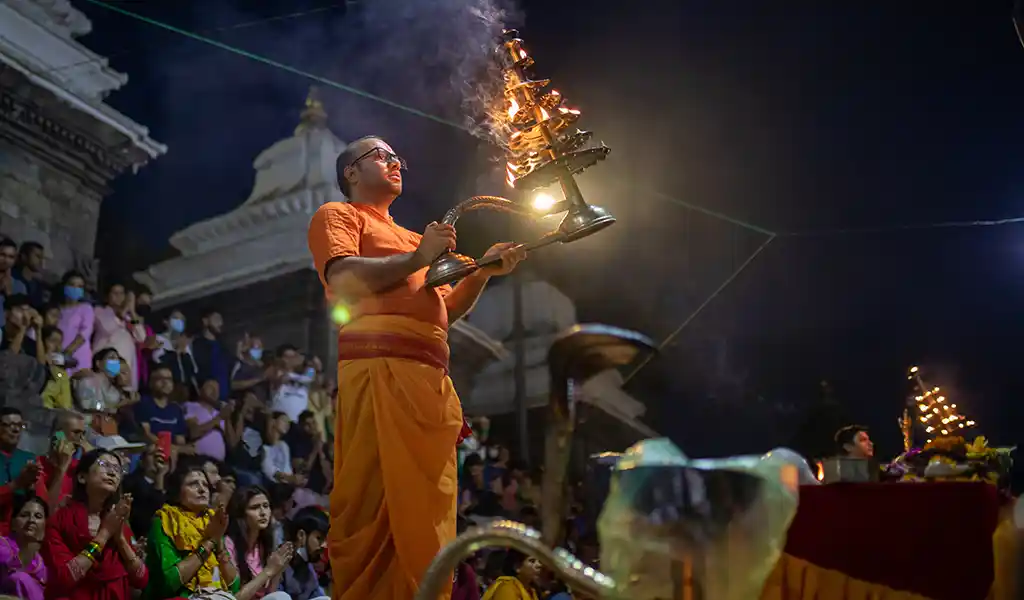
The temple is busy throughout the year. It especially sees more visitors during Maha Shivaratri, “The Great Night of Shiva”. This festival falls in February or March, when many devotees gather for vigils, prayers, and offerings. Sadhus chant mantras, light lamps, and join in dances. Besides this, the evening aarti attracts many worshippers when priests wave the lamps to the deity as the bells and hymns cover the background sound. Rudrabhisek also involves chanting Vedic mantras while pouring sacred substances over the lingam.
Bhatta priests, South Indian Brahmins from Karnataka, perform core rituals. They have training in Vedic traditions and are the only ones allowed to touch and perform rituals with the sacred lingam. Rajbhandari priests and Nepali Brahmins support them, manage temple activities, and assist in worship. The Bhattas rotate every full moon to continue the tradition. The temple is also significant to Buddhists. Pashupatinath is considered a sacred charnel ground linked to Padmasambhava in Vajrayana Buddhism.
Cultural Significance of Pashupatinath Temple in Nepal
Pashupatinath is the cultural heartbeat of Nepal. It is more than a sacred site as it connects Hindu devotion with indigenous Newari traditions. The iconic pagoda-style temple, with tiered copper and gilded roofs, wooden brackets of gods, and temple bells, carries generations of stories. The temple complex is vast, with over 500 shrines and monuments. These shrines honor deities like Ganesh, Parvati, Hanuman, and Buddhist figures.
Pashupatinath is colorful during festivals. During Teej, women dressed in red saris sing, dance, and fast to pray for joy and harmony in marriage. On Bala Chaturdashi, families scatter seeds into the sacred grounds to honor their ancestors. Dashain and Tihar glow the temple with oil lamps, flowers, and prayer flags, with laughter, prayer, and music filling the courtyards.
The temple is just as alive on any ordinary day. Priests, artisans, and vendors do their jobs to keep the complex lively. Storytellers pass down the Ramayana and Mahabharata epics through stone, wood, and songs.
The Bagmati River Connection
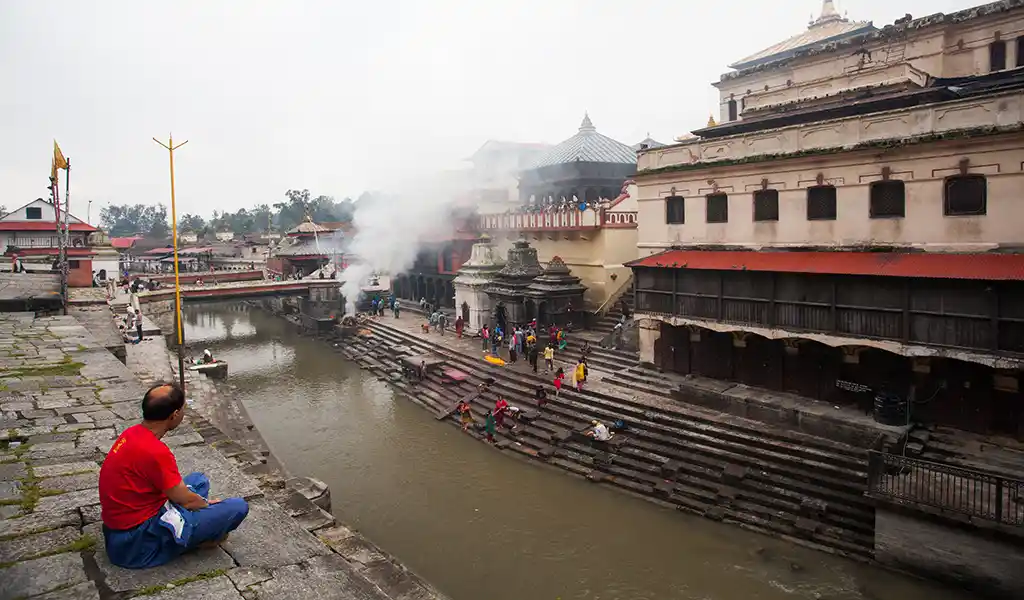
The Bagmati River is a sacred river of faith. Many Hindus believe the water washes away sins. Pilgrims bathe here before entering Pashupatinath for purity and hopes for moksha.
But these practices are all in the past now. With the urbanization of Kathmandu came its own negative effects. The once sacred Bagmati is now just a sewage. The river is a carrier of both devotion and health hazards. Volunteers gather to clean the river, plant trees, and restore its flow.
Bagmati also meets life and death on its stone ghat. Families perform cremation rites and cremate the bodies of their loved ones here. The ashes flow south towards the Ganga River, and the Bagmati guides the souls one last time.
Pashupatinath, a UNESCO World Heritage Site
Pashupatinath is a part of the UNESCO sites in Kathmandu. The recognition highlighted its religious significance and cultural heritage. Pashupati became a part of a collective story for many.Preserving the temple has become a shared responsibility. The government allocates funds, and artisans restore the temple. After the 2015 earthquake, the restoration started almost immediately. Artists reattached the golden rooms, restored fallen stones, and used old photographs as muse to recreate ancient details.
Today, devotees, artisans, and officials work together to preserve the temple in its original form. They ensure the temple looks like it did centuries ago., Their efforts protect the shrine and the heritage of the temple.
Visitor Experience
The temple follows strict traditions. You should cover your legs and arms and remove your shoes before entering the temple. Only Hindus can enter the main temple, and non-Hindus can explore the outer courtyards. Many pilgrims perform the rituals in these spaces, where you’ll witness the temple’s traditions.
You can gather around the courtyards among the locals and guides to hear stories about the temple’s legends. There are many statues of Shiva’s family and shrines of other deities. There’s also a deer sanctuary, adding a natural charm to the cultural heritage.
You should speak softly, follow the staff’s instructions, and avoid disturbing worshippers. Sit quietly during ceremonies and ask before photographing the priest or people in prayer.
The best time to visit the temple is early morning or late afternoon. Arrive before dawn if you’re visiting during the Maha Shivaratri to ensure you have a good place to watch the ceremony. You can ask your local guide or read the temple pamphlet to understand carvings, holy symbols, and rituals.
Social and Economic Impact
Pashupatinath also supports the local economy. Plenty of vendors sell flowers, incense, and other religious products. Guides earn by leading tours and telling the temple stories; taxi drivers and rickshaw drivers carry visitors.
Hotels and guesthouses also welcome pilgrims and tourists, boosting the economy. The steady flow of people means a steady income for many families. Pashupatinath also brings people together. People forget their wealth, status, and worries as everyone stands equal in front of the eyes of Shiva. Anyone can go and participate in the festivals at the temple. Pashupatinath reflects Nepal’s blend of beliefs and offers a sense of faith and belonging to many visitors.
Challenges and Controversies
The Pashupati Area Development Trust looks over the temple and the surrounding grounds. Many locals worry that tourism often gets prioritized over tradition. There’s always a debate on the rules and ethics of handling the complex. The pollution of the Bagmati River is also a significant issue. Urbanization and heavy flow of visitors have led to the decay of the river.
Volunteers clean the river regularly, but the pollution doesn’t stop. Temple leaders do their best to protect traditional rituals while accommodating visitors. Balancing religion with tourism is an ongoing challenge.