

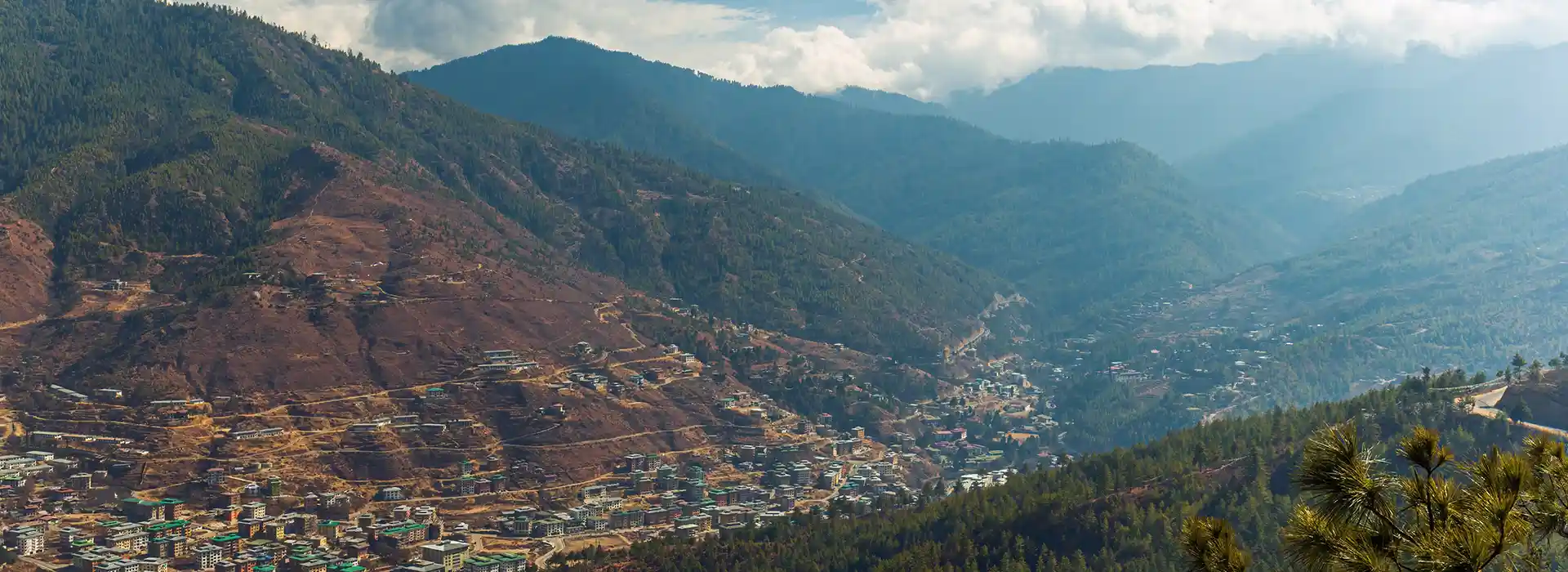

Bhutan sits high in the heart of the eastern Himalayas. It remains a rare destination that keeps its ancient traditions alive in a modern world. People call it the Land of the Thunder Dragon. The country follows a unique policy of High-Value, Low-Volume tourism. Travelers find a kingdom that measures success through Gross National Happiness. Most places to visit in Bhutan offer a mix of sacred monasteries, deep green valleys, and high mountain passes.
Government rules protect the environment and culture. Forests cover more than 70% of the land. The kingdom is the only carbon-negative country on earth. Visitors see prayer flags fluttering on every ridge. Monks in red robes walk through massive stone fortresses called dzongs. These structures serve as both religious and administrative centers.
Finding the best places to visit in Bhutan requires a plan that covers different altitudes. Western Bhutan is home to the most famous landmarks and the only international airport. Central Bhutan is the spiritual heartland, home to the oldest temples. Eastern Bhutan offers a rugged experience for those who want to see authentic rural life. Every district provides a different feeling for travelers on a Bhutan Tour.
How This List Was Selected
The selection of these locations depends on several expert factors. Historians look for sites with deep religious meaning. Nature experts choose valleys with unique wildlife, such as the black-necked crane. Logistics experts prioritize places with reliable road access and comfortable hotels.
Accessibility plays a significant role for first-time visitors. Western valleys such as Paro and Thimphu are close to the airport. These areas offer the best infrastructure for tourism. Cultural depth shapes the choices in Central Bhutan, such as Bumthang. Remote districts like Lhuentse and Gasa offer a glimpse of hidden gems for experienced travelers. The list balances famous icons with quiet spots for meditation and photography.
| Selection Criteria | Importance | Description |
| Historical Value | High | Sites with links to Guru Rinpoche or Zhabdrung |
| Natural Beauty | High | Glacial valleys and mountain passes |
| Cultural Impact | Medium | Areas famous for weaving or local festivals |
| Tourist Facilities | Medium | Quality of hotels and transport links |
Top 10 Places to Visit in Bhutan
1. Paro Valley: The Sacred Gateway
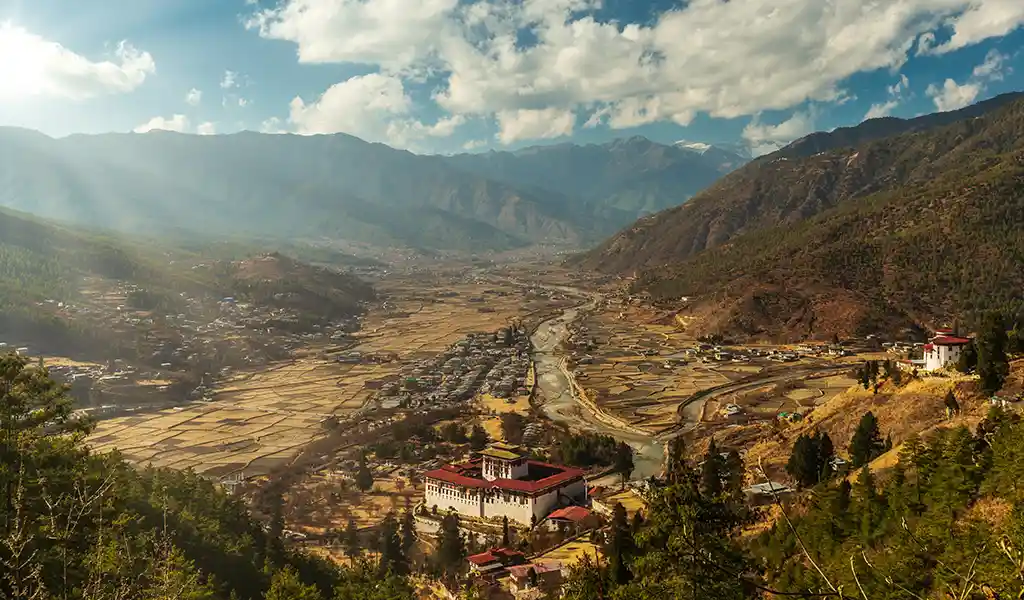
Paro serves as the entry point for most visitors arriving by air. The valley floor sits at 2,250 meters and is home to fertile rice fields. Traditional farmhouses with painted windows dot the terrain. Paro is home to some of Bhutan’s most iconic sights.
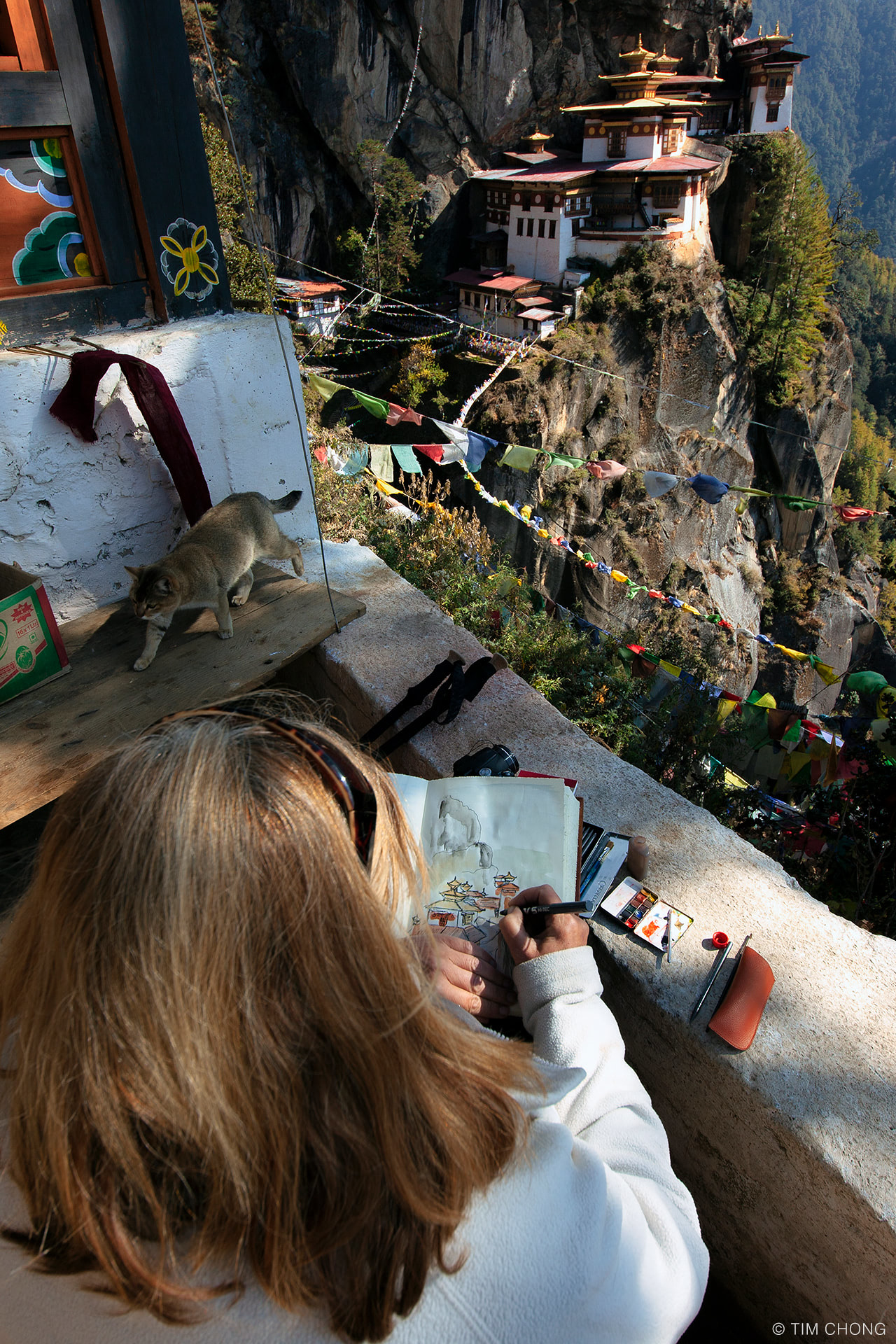
Taktsang Monastery, known as the Tiger’s Nest, clings to a cliff 900 meters above the valley. Legends say Guru Rinpoche flew here on a tigress in the 8th century. The hike to the monastery takes about two to three hours. Pine forests shade the trail and offer fresh mountain air. A cafeteria halfway up provides a resting spot with views of the white-washed buildings.
Rinpung Dzong stands as a massive fortress overlooking the river. It houses the district government and a large monk body. Below the dzong, the wooden Nyamai Zam bridge offers a classic photo spot. Above the fortress, the National Museum sits in an old watchtower. The museum displays ancient art, weapons, and rare stamps.
2. Thimphu: The Capital of Happiness
Thimphu sits at 2,350 meters and functions as the heart of the nation. It remains the only capital city without traffic lights. Police officers in white gloves direct cars at the main intersection. Modern cafes and shops stand next to ancient temples. Thimphu is one of the essential places to visit in Bhutan to understand local life.
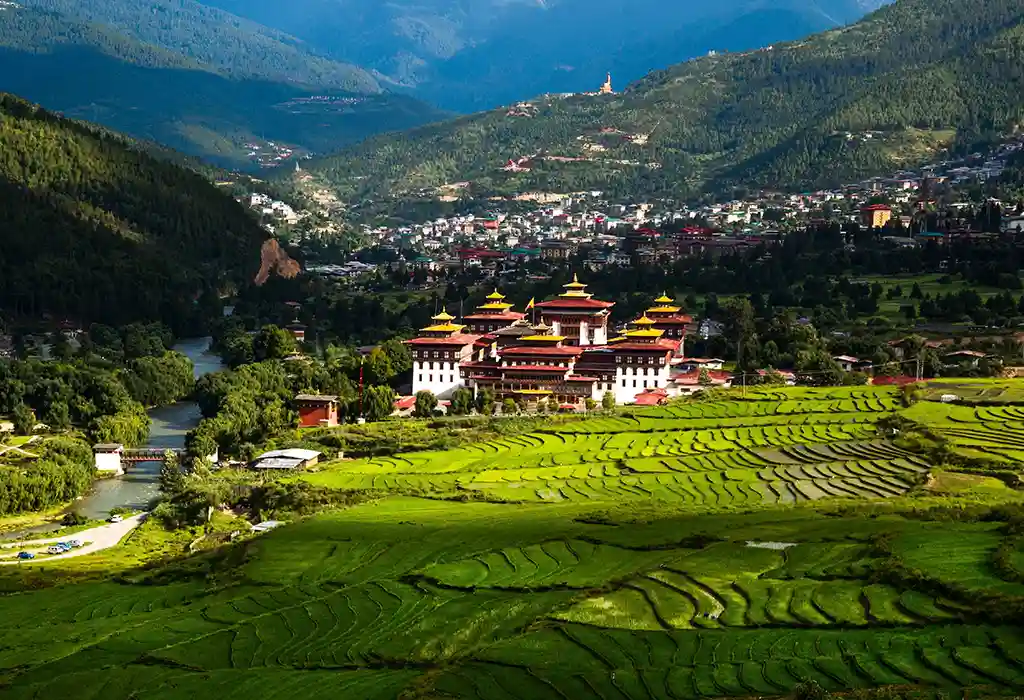
Buddha Dordenma, or Buddha Point, features a 51.5-meter golden statue. It sits on a hill and overlooks the whole city. The statue houses 125,000 smaller Buddha statues inside its base. Visitors go there at sunset to see the valley lights begin to glow.
Tashichho Dzong serves as the summer home of the Chief Abbot. It also houses the King’s throne room. The building features grand architecture with red roofs and white walls. Nearby, the National Memorial Chorten draws elderly residents who spin prayer wheels all day.
3. Punakha: The Winter Capital
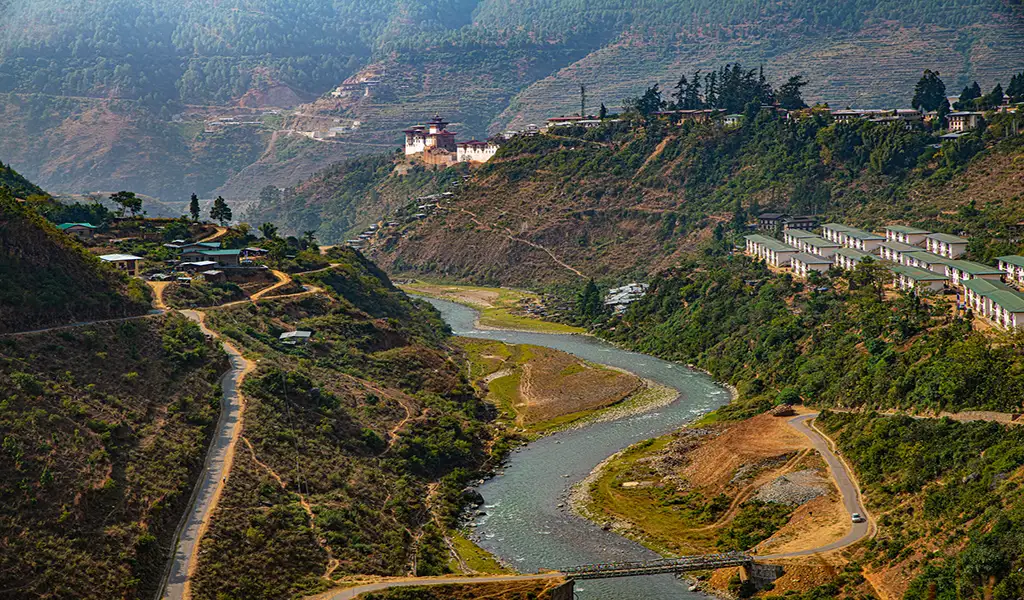
Punakha offers a warmer climate than Paro or Thimphu. It sits at a lower altitude of 1,242 meters. The valley produces abundant crops of rice and fruit. Punakha Dzong sits at the confluence of the Pho Chhu and Mo Chhu rivers. Many consider it the most beautiful dzong in the country. Lilac-colored jacaranda trees bloom around the dzong in spring. The fortress houses sacred relics of Zhabdrung Ngawang Namgyal, the unifier of Bhutan. A traditional wooden bridge connects the dzong to the main road.
Chimi Lhakhang, the Fertility Temple, stands on a hill nearby. It honors the Divine Madman, Lama Drukpa Kunley. Couples visit the temple to pray for children. The surrounding village features colorful phallus paintings on house walls to ward off evil.
4. Bumthang: The Spiritual Soul
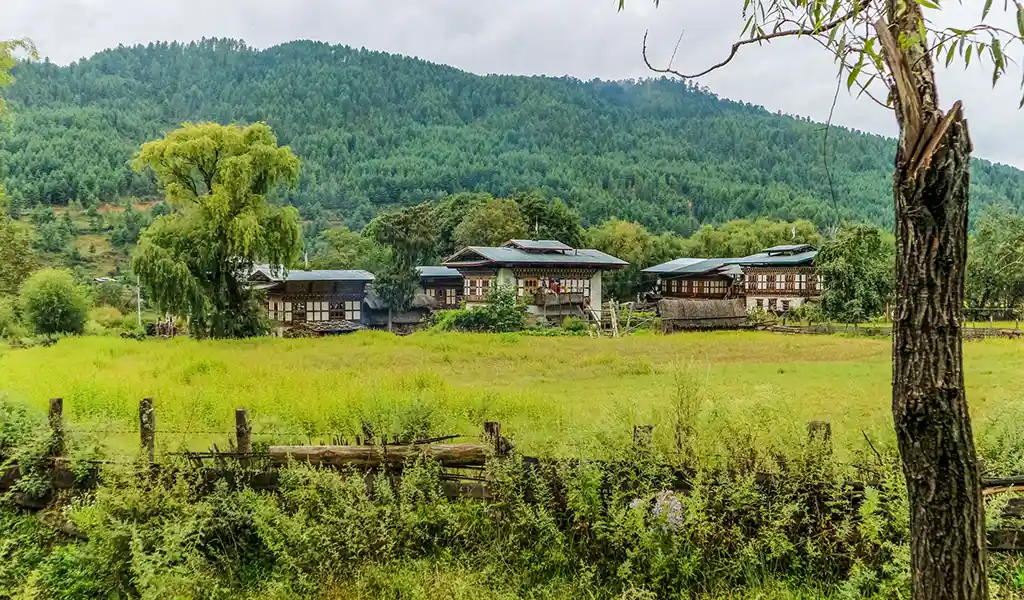
Bumthang consists of four valleys: Chokhor, Tang, Chhume, and Ura. It is the spiritual heartland of Bhutan. The region contains some of the kingdom’s oldest Buddhist sites. Bumthang is one of the best places to visit in Bhutan for history lovers.
Jambay Lhakhang dates back to the 7th century. It is one of the 108 temples built by King Songtsen Gampo. Kurjey Lhakhang contains a cave with the imprint of Guru Rinpoche’s body. A cypress tree nearby reportedly grew from the Guru’s walking stick. Mebar Tsho, or the Burning Lake, sits in the Tang Valley. Pema Lingpa reportedly jumped into the water with a burning lamp and returned with sacred treasures. Pilgrims place small butter lamps on the rocks to earn merit.
5. Phobjikha Valley: The Glacial Wonder
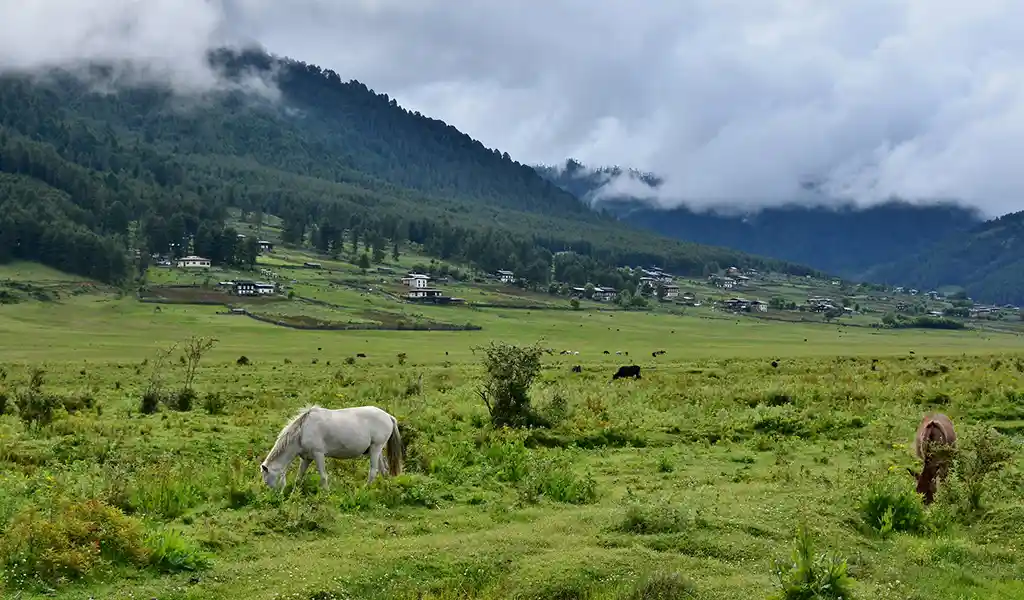
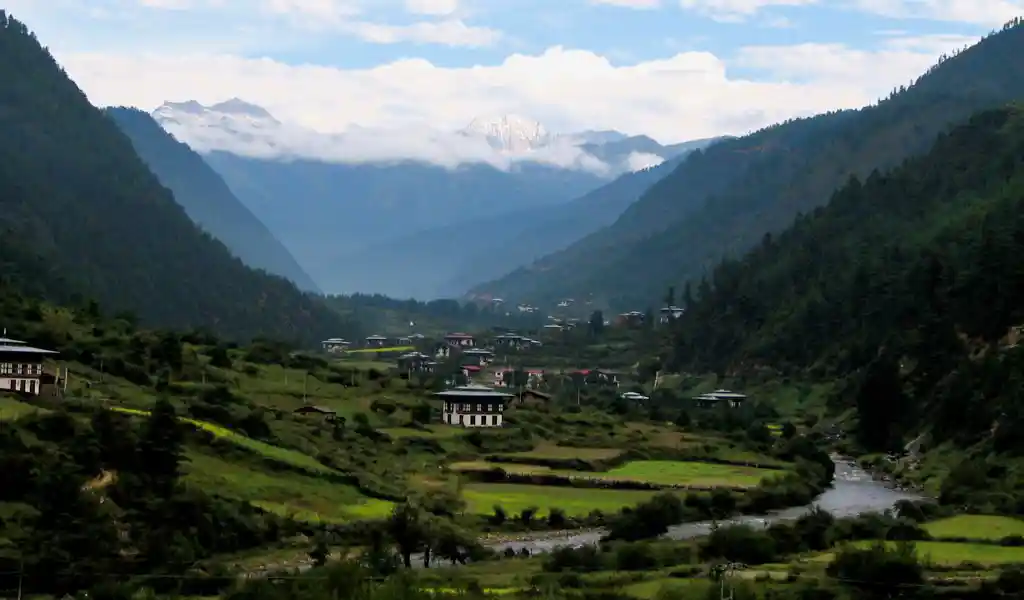
Phobjikha is an expansive U-shaped glacial valley at 2,900 meters. It sits on the edge of the Black Mountains. The valley is famous for the endangered black-necked cranes that migrate here in winter. Phobjikha is one of the quietest places to visit in Bhutan. Gangtey Monastery perches on a ridge overlooking the meadows. It is a major center for the Nyingma school of Buddhism. The Gangtey Nature Trail offers an easy hike through pine forests and crane nesting areas.
6. Trongsa: The Home of Kings
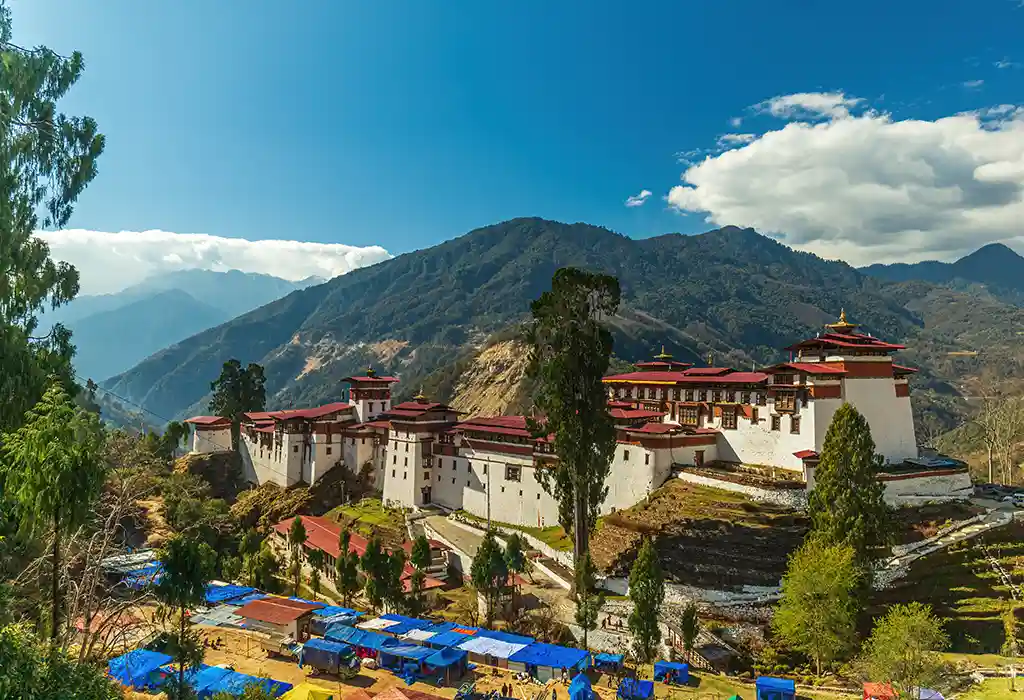
Trongsa serves as the central link between eastern and western Bhutan. The town hangs on a cliff above the Mangde River. Trongsa Dzong is the largest fortress in the kingdom. It features many courtyards and temples at various levels. Every King of Bhutan serves as the Governor of Trongsa before taking the throne. The Ta Dzong watchtower now functions as a royal museum. It displays the Raven Crown and other royal relics.
7. Haa Valley: The Hidden Gem
Haa Valley sits near the western border with Tibet. It remained closed to tourists until 2002. The area offers a look at traditional nomadic life. Haa is one of the least crowded places to visit in Bhutan. Lhakhang Karpo and Lhakhang Nagpo are the main temples in the valley. They represent the white and black pigeons that marked the temple sites. The valley is perfect for hiking and seeing local farms.
8. Dochula Pass: The Mountain Viewpoint
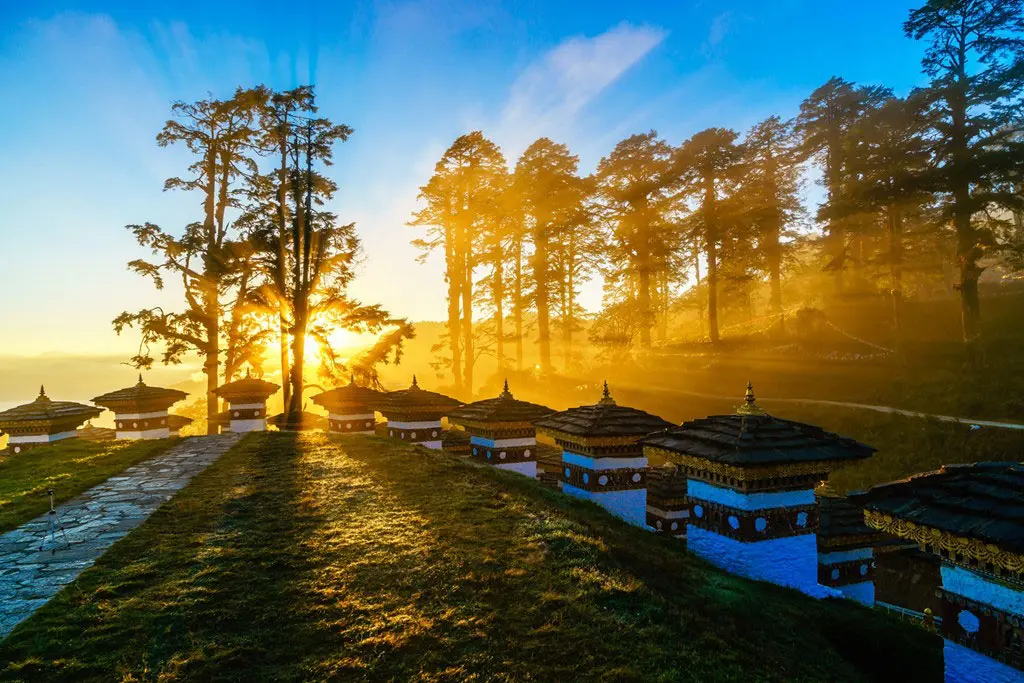
Dochula Pass sits at 3,100 meters on the road between Thimphu and Punakha. It offers a 360-degree view of the snow-capped Himalayas. The pass is famous for the 108 Druk Wangyal Chortens. The Queen Mother built these stupas to honor soldiers who died in 2003. A temple called Druk Wangyal Lhakhang stands nearby. It features modern murals that show the history of the monarchy.
9. Wangdue Phodrang: The Bamboo District
Wangdue Phodrang sits south of Punakha and is known for slate carvings. The valley features rich pastureland for cattle. Wangdue Phodrang Dzong sits on a high ridge overlooking the river. The town is famous for bamboo products and local speeches called lozeys. It is a major stop for those traveling toward central Bhutan.
10. Mongar: The Eastern Hub
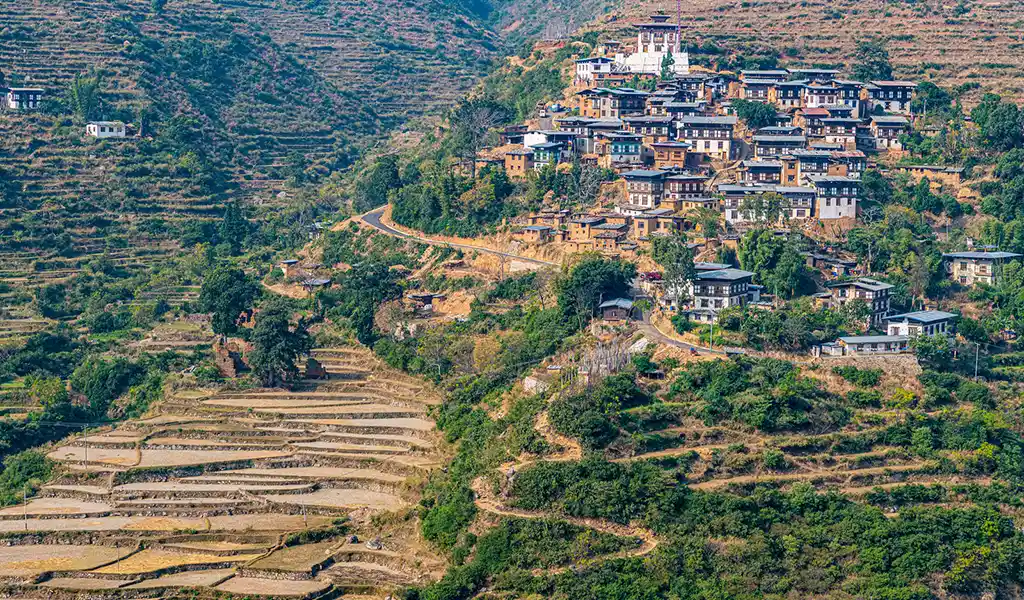
Mongar marks the start of eastern Bhutan. The road to Mongar crosses the high Thrumshing La pass. The town is built on a hillside rather than a valley floor. Mongar Dzong is unique because it was built without using any nails. The town market sells local textiles and handmade crafts.
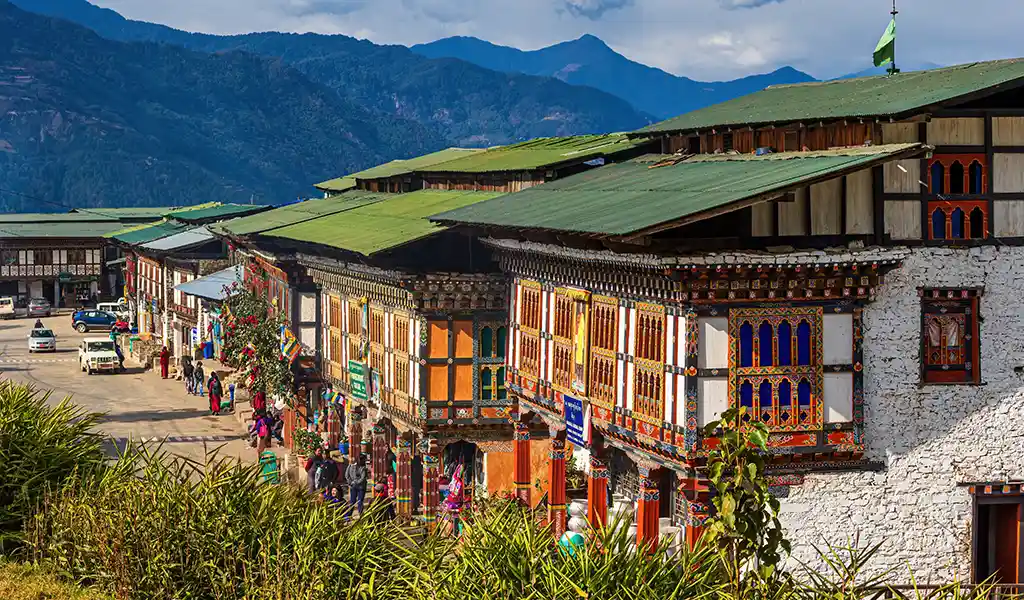
Best Time to Visit Places in Bhutan
The weather in Bhutan varies by altitude and season. Spring and autumn are the peak times for a Bhutan Tour.
- Spring (March to May): Flowers bloom across the valleys. Rhododendrons and magnolias cover the hillsides. The weather is clear and mild.
- Autumn (September to November): The skies are very clear and very blue. Travelers see the best views of high mountain peaks. Major festivals like the Thimphu Tshechu happen now.
- Winter (December to February): Days are sunny and crisp. The mountains look beautiful with fresh snow. It is the best time to see cranes in Phobjikha.
- Summer (June to August): The monsoon brings rain and clouds. Valleys become very green and lush. Hiking is challenging due to mud and leeches.
| Season | Best Places to Visit in Bhutan | Activity Focus |
| Spring | Paro, Punakha, Haa | Flowers & Festivals |
| Autumn | Thimphu, Bumthang, Gangtey | Clear views & Trekking |
| Winter | Phobjikha, Punakha, Gasa | Wildlife & Hot Springs |
| Summer | Thimphu, Paro (Slow travel) | Photography & Nature |
Cultural Etiquette and Travel Tips
Bhutanese people value respect and mindfulness. Visitors must follow local customs to stay welcome.
- Dress Code: Wear long pants or skirts when visiting temples. Tops must cover the shoulders. Remove hats and sunglasses before entering a shrine.
- Photography: You can take photos in courtyards but not inside inner temples. Ask permission before taking pictures of local people.
- Tobacco: Smoking in public is banned and carries heavy fines.
- Feet and Hands: Do not point your feet at religious objects or people. Use both hands when giving or receiving a gift.
- Holy Sites: Walk clockwise around chortens and prayer wheels. Maintain silence during ceremonies.
How Many Days Are Ideal to Cover These Places
Most travelers spend 7 to 10 days in Bhutan.
- 5 Days: Covers Paro and Thimphu. It is a good intro for those with limited time.
- 7 to 8 Days: Includes Punakha and Gangtey. This is the most popular trip length.
- 10 to 12 Days: Allows travel to central Bhutan and Bumthang. It offers a deep cultural experience.
- 15+ Days: Essential for visiting the remote eastern districts.
| Trip Duration | Region Covered | Key Stops |
| 5 Days | Western | Paro, Thimphu |
| 7 Days | Western & Central Edge | Paro, Thimphu, Punakha |
| 10 Days | Western & Central | Adds Gangtey, Trongsa |
| 12 Days | Full Central | Adds Bumthang, Haa |
Transportation Between Places in Bhutan
Private cars with drivers are the standard way to move between valleys. Tour operators provide these as part of the travel package.
- Roads: Mountain roads are very narrow and winding. Driving 50 kilometers often takes over an hour.
- Air: Drukair and Bhutan Airlines operate domestic flights. Airports sit in Paro, Bumthang, Gelephu, and Yonphula. Weather can cause delays or cancellations.
- Self-Driving: Tourists cannot hire self-driving cars in Bhutan. You must use a registered vehicle and driver.
Why These Are the Best Places to Visit in Bhutan
These locations offer a complete picture of the country’s heritage. They combine natural beauty with deep spiritual roots.
- Authenticity: Sites like Bumthang preserve centuries-old traditions.
- Conservation: Valleys like Phobjikha show Bhutan’s love for wildlife.
- Architecture: Dzongs represent a unique style that uses no nails or drawings.
- Peace: Bhutan limits the number of tourists to prevent crowds and noise.
FAQ: Places to Visit in Bhutan
Q: Do I need a visa to visit Bhutan?
Yes, most international travelers need a visa to visit Bhutan. The visa must be arranged in advance through a licensed Bhutanese tour operator, who will process the application on your behalf once your trip is confirmed. Only citizens of India, Bangladesh, and the Maldives can enter Bhutan with a special entry permit instead of a standard tourist visa.
Q: What is the SDF?
The Sustainable Development Fee, also known as the SDF, is a daily tourism levy charged to most international visitors to Bhutan. It currently costs USD 100 per person per night for most adults. The revenue collected through the SDF is used to support free education and healthcare for Bhutanese citizens, as well as environmental conservation, infrastructure, and cultural preservation projects across the country.
Q: Is food spicy in Bhutan?
Yes, Bhutanese food is generally quite spicy, as chili peppers are considered a vegetable rather than just a seasoning. The national dish, Ema Datshi, is made with fresh green or red chilies cooked with cheese and is a staple in most households. However, if you prefer less heat, you can easily request milder versions at hotels and restaurants, especially those that cater to international travelers.
Q: Can I travel solo to Bhutan?
Yes, solo travel to Bhutan is allowed. However, all international travelers, including solo visitors, must arrange their trip through a licensed Bhutanese tour operator or an approved international partner.
Hidden and Less-Crowded Places to Visit in Bhutan
Eastern Bhutan holds many secrets for those willing to travel further.
- Lhuentse Valley: Famous for Kishuthara silk weaving. It is the ancestral home of the Kings.
- Gasa Hot Springs: Locals visit these mineral-rich pools for healing.
- Sakteng Wildlife Sanctuary: It is a protected area in the east where the nomadic Brokpa people live.
- Trashigang: A significant town in the east with a dzong built on a cliff.
Places to Visit in Bhutan for First-Time Visitors
First-time travelers should stick to the western circuit for ease of travel.
- Paro: For the Tiger’s Nest and easy airport access.
- Thimphu: For city life and significant monuments.
- Punakha: For the beautiful dzong and warmer weather.
- Dochula Pass: For the best Himalayan mountain views.
Places to Visit in Bhutan for Photography
Photographers find Bhutan a paradise of color and light.
- Tiger’s Nest: Best in the morning for soft golden light.
Punakha Dzong: Beautiful in spring with jacaranda blossoms.
Phobjikha Valley: Great for misty morning landscape shots.
Tshechu Festivals: Capture masked dancers in colorful costumes.
Places to Visit in Bhutan for Cultural and Spiritual Travelers
Spirituality is part of daily life in Bhutan.
- Bumthang: Home to the most ancient monasteries and meditation caves.
- Tango Buddhist Institute: A center for higher learning near Thimphu.
- Kyichu Lhakhang: One of the oldest temples in the kingdom.
- Phajoding Monastery: A remote site above Thimphu known for silent retreats.
Suggested Itinerary Based on Places to Visit in Bhutan
7-Day Essential Tour
- Day 1: Arrive in Paro, drive to Thimphu.
- Day 2: Sightseeing in Thimphu.
- Day 3: Drive to Punakha via Dochula Pass.
- Day 4: Explore Punakha Dzong and Chimi Lhakhang.
- Day 5: Drive back to Paro.
- Day 6: Hike to Tiger’s Nest Monastery.
- Day 7: Depart from Paro.
Responsible Travel Tips When Visiting Places in Bhutan
Travelers must help keep Bhutan clean and beautiful.
- Plastic bags are banned; use reusable bags instead.
- Water: Carry a refillable bottle instead of buying plastic ones.
- Litter: Pack out everything you bring in.
- Charity: Do not give money or candy to children. If you want to give, ask your guide about local schools.
Final Thoughts: Choosing the Best Places to Visit in Bhutan
Picking the right spots for your visit depends on your interests. Every valley has something special to show. Western Bhutan is incredible for first-time visits. Central Bhutan offers deep spiritual roots. Eastern Bhutan is perfect for those who want to avoid other tourists. Planning a trip to Bhutan takes care and time. The kingdom rewards visitors with a sense of peace that is hard to find elsewhere. By following the rules and respecting the culture, you can have a trip that you will remember for the rest of your life.
Conclusion
Bhutan remains a jewel of the Himalayas. Its places to visit offer a rare mix of ancient culture and pristine nature. From the heights of the Tiger’s Nest to the warmth of Punakha, every stop is a lesson in happiness. The kingdom’s commitment to its heritage makes every visit feel like a trip back in time. Travelers leave with memories of prayer flags, golden roofs, and the kind smiles of the Bhutanese people.
Plan your Bhutan Tour with a licensed operator to ensure a smooth trip. Whether you seek adventure or peace, the Land of the Thunder Dragon is ready to welcome you. Following this guide helps you find the most meaningful places to visit in Bhutan during your stay. Every moment in this happy kingdom is a chance to see the world differently.