


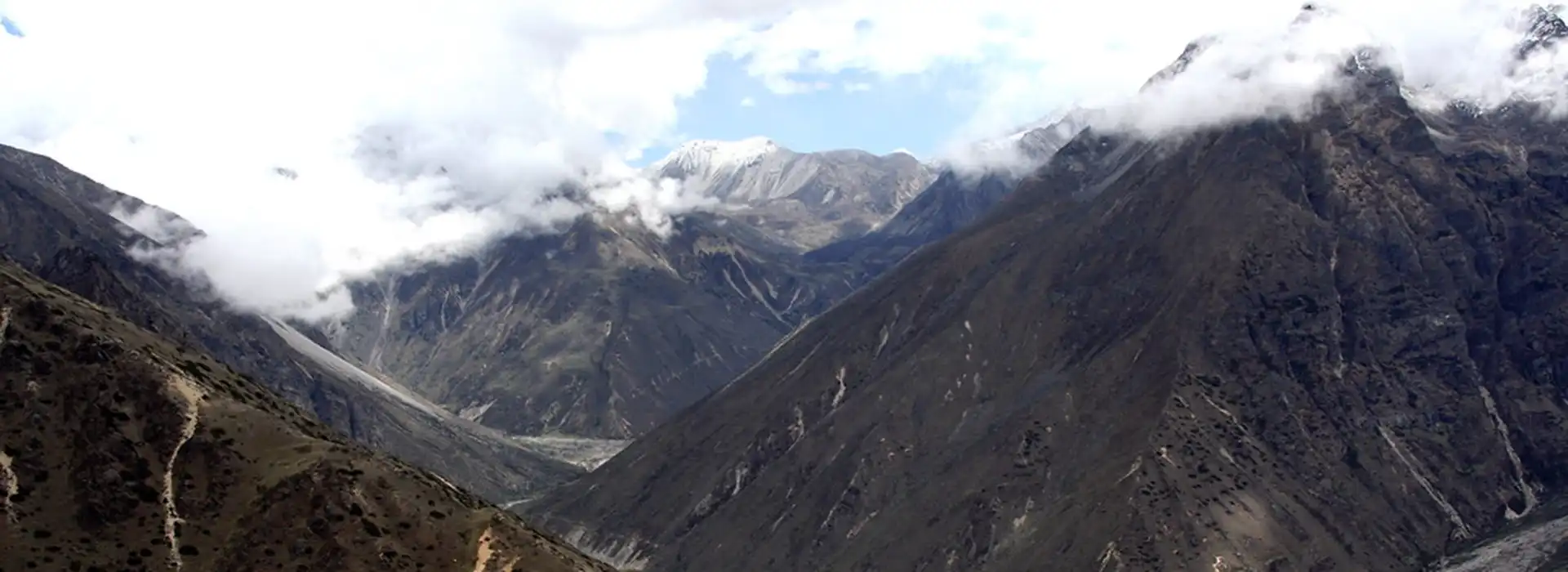

The Snowman Trek Guide introduces one of the most demanding high-altitude routes in the world. The Snowman Trek in Bhutan follows the remote northern border and remains above 4,000 meters for much of its duration. Only a limited number of trekkers complete the full route each year. More climbers summit Mount Everest annually than finish the Snowman Trek in Bhutan. The trail crosses eleven major mountain passes and enters the isolated Lunana region. Extreme altitude and remoteness define this expedition as the ultimate test for experienced hikers.
The Snowman Trek Guide explains that this route offers unmatched wilderness. Trekkers spend nearly a month away from roads and urban areas. The Snowman Trek in Bhutan follows ancient trade paths and yak herder trails across high pastures and glacial lakes. Most groups begin in Paro Valley and finish in Bumthang or Sephu. Success on the Snowman Trek requires serious physical preparation and mental resilience.
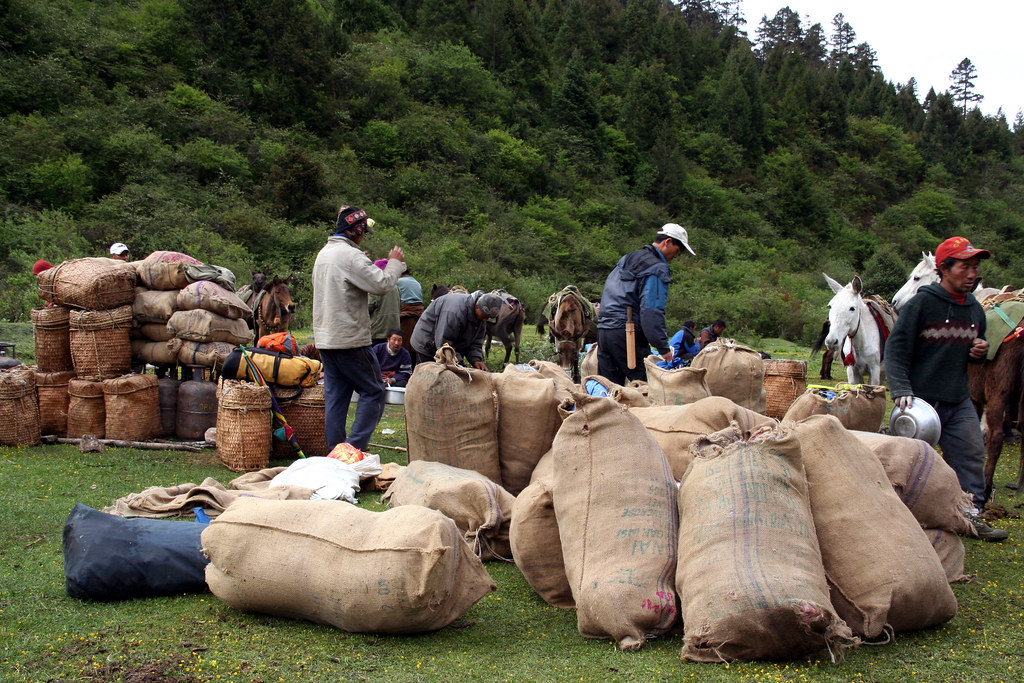
The Snowman Trek Guide highlights the physical intensity of the journey. Continuous ascents and descents result in significant elevation gain and loss. Thin air makes steady pacing essential. The Snowman Trek in Bhutan requires full logistical support, as there are no lodges along the route. Horses and yaks transport food, fuel, and camping equipment, ensuring a fully self-sufficient expedition.
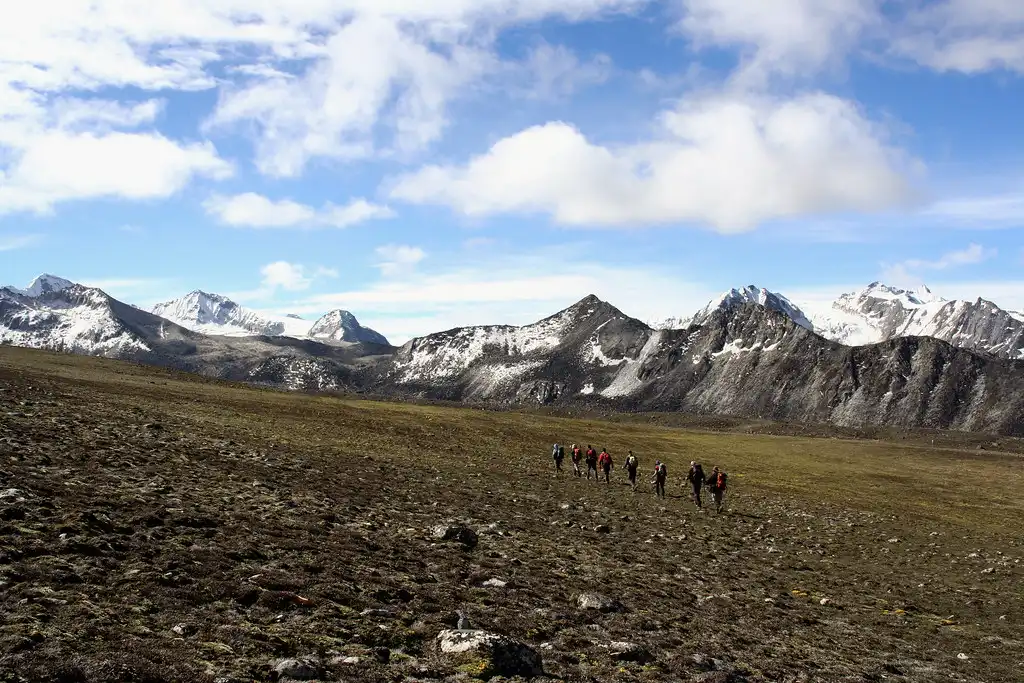
Snowman Trek Overview
A quick look at the facts shows why Snowman Trek Bhutan stays in a class of its own. The table below lists the core details of this expedition.
| Feature | Data |
| Duration | 24 to 30 Days |
| Total Distance | Approximately 350 Kilometers (217 Miles) |
| Starting Point | Paro or Shana |
| Ending Point | Trongsa (Sephu) or Bumthang |
| Highest Pass | Rinchen Zoe La (5,320m / 17,454ft) |
| Maximum Altitude | 5,320 Meters |
| Total Passes | 11 Major Passes |
| Best Season | Mid-September to Mid-October |
| Accommodations | Full-Service Camping |
| Difficulty | Extremely High / Expert Level |
Snowman Trek Bhutan starts near the historic Drukgyel Dzong in Paro. The trail moves through the Jigme Dorji National Park. It follows the Paro Chhu river valley toward the base of Mount Jomolhari. After reaching the remote village of Laya, the route enters the Lunana district. This part of the Snowman Trek in Bhutan feels like another world. Glaciers and frozen peaks surround the high-altitude camps.
Snowman Trek Guide – Why It Is One of the World’s Hardest Treks
The Snowman Trek Guide explains why the Snowman Trek in Bhutan ranks among the most difficult long-distance treks on earth. Experienced hikers often call it the “trek of treks” because it tests endurance, resilience, and preparation. Several key factors define its extreme reputation.
Sustained Extreme Altitude
The Snowman Trek Guide highlights that this route remains above 4,000 meters for most of its duration. Long exposure to thin air reduces recovery and increases physical strain. Oxygen levels drop significantly at these elevations, placing stress on the heart and lungs. Sleeping above 5,000 meters is challenging even for strong trekkers. Headaches, fatigue, and appetite loss are common at high altitude.
Numerous High Mountain Passes
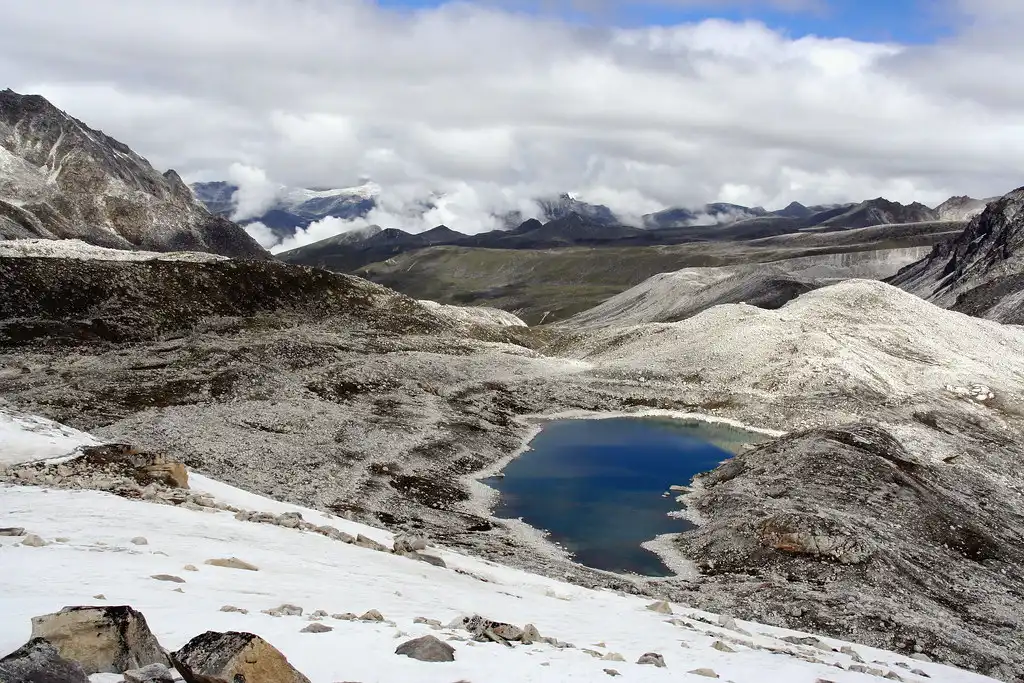
The Snowman Trek Guide outlines eleven major passes along the route. Many exceed 5,000 meters. Each crossing demands steep climbs over rocky slopes, snowfields, or muddy terrain. The highest point, Rinchen Zoe La (5,320 m), requires careful pacing and strong endurance. Frequent high-pass days leave limited time for recovery.
Profound Isolation and Remote Terrain
The Snowman Trek Guide emphasizes the region’s isolation. No roads, lodges, or permanent rescue facilities exist along the trail. Satellite communication serves as the only emergency link. Weather delays can prevent helicopter evacuations, requiring trekkers to depend on their crew and preparation.
Unpredictable Weather Conditions
The Snowman Trek Guide notes that weather shifts rapidly in the high Himalayas. Snow can fall even outside the winter months. Strong winds and fog reduce visibility on exposed passes. Heavy rain in lower valleys creates deep mud, slowing both trekkers and pack animals.
The Snowman Trek in Bhutan demands serious preparation, discipline, and experience, making it one of the world’s toughest trekking challenges.
| Factor | Description of Difficulty |
| High Passes | 11 passes above 4,500m; 5 above 5,000m |
| Long Days | 6 to 9 hours of walking every day |
| Weather | Blizzards, high winds, and sub-zero nights |
| Terrain | Rocky paths, glacial moraine, and thick mud |
| Duration | 25 to 30 days of continuous camping |
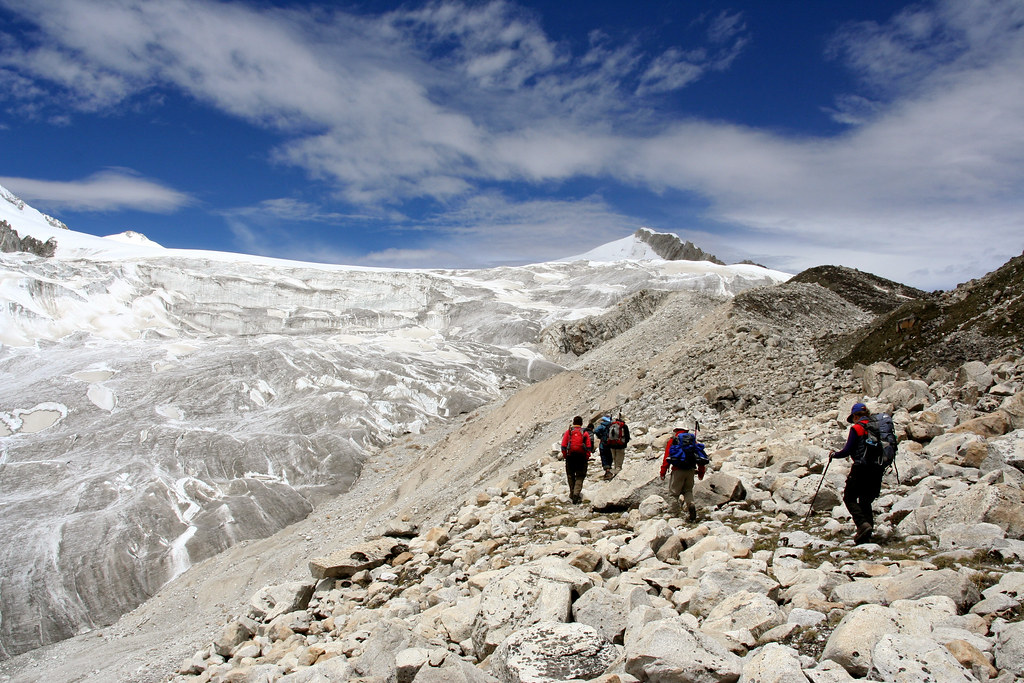
Detailed Snowman Trek Itinerary
The Snowman Trek Bhutan follows a logic that helps the body adapt to the height. Most itineraries break down into three main phases.
Phase 1: Paro to Laya
This phase covers the first thirteen days and introduces the high mountains. It follows the Jomolhari route to start.
- Day 1-2: Arrival in Paro includes visiting local landmarks such as the Rinpung Dzong and the National Museum.
- Day 3: Hikers climb to the Tiger’s Nest Monastery (3,120m) for acclimatization.
- Day 4-5: The trek starts at Shana Zampa and moves to Thangthangkha. First views of Mount Jomolhari appear here.
- Day 6-7: The group reaches Jangothang (4,080m), the base camp for Mount Jomolhari. A rest day helps with altitude adjustment.
- Day 8-9: Crossing the Nyile La pass (4,870m) leads to Lingshi village.
- Day 10-11: The trail passes through Chebisa and crosses Gombu La (4,440m) to reach Shomuthang.
- Day 12-13: Crossing Jhare La (4,750m) and Shinge La (5,005m) leads the group to Laya village. Laya sits at 3,850 meters and has a unique culture.
Phase 2: Laya to Lunana
Phase two of the Snowman Trek in Bhutan enters the wild heart of the district. This is where the true isolation begins.
- Day 14-15: After a rest day in Laya, the group climbs toward Rodophu.
- Day 16-17: Crossing the Tsomo La pass (4,900m) leads to a camp at Narethang.
- Day 18-20: The group crosses the Gangla Karchung La (5,120m) and descends into the Tarina valley. Views of Teri Gang and massive glaciers appear.
- Day 21-22: The trail reaches the villages of Woche and Lhedi in the Lunana region.
Phase 3: Lunana to Sephu or Bumthang
The final phase of the Snowman Trek in Bhutan includes the highest camps and passes.
- Day 23-24: The group moves to Thanza village and takes a rest day.
- Day 25-26: Trekkers climb to Tshorim and cross the Gophu La (5,230m). This spot offers the best views of Gangkhar Puensum.
- Day 27-28: The group descends to the Duer Tsachu hot springs. These springs sit at 3,590 meters and provide a place to soak tired muscles.
- Day 29-30: Crossing the final pass at Tempe La (4,665m) leads back to the tree line. The trek ends at Sephu or Bumthang.
High Passes of Snowman Trek
Passes are the most challenging part of the Snowman Trek Bhutan itinerary. They mark the boundaries between valleys.
| Pass Name | Altitude | Challenges and Views |
| Nyile La | 4,870m | First major pass; views of Tiger Mountain |
| Gombu La | 4,440m | Steep ascent; rhododendron hillsides |
| Jhare La | 4,750m | Potential to see Takin herds |
| Shinge La | 5,005m | Long 4-hour climb; Buddhist chorten at top |
| Tsomo La | 4,900m | Views of the Tibetan border |
| Gangla Karchung La | 5,120m | Breathtaking views of glacial lakes |
| Keche La | 4,480m | Great views of the surrounding mountains |
| Jaze La | 5,150m | High ridge crossing; thin air |
| Loju La | 5,140m | Crossing into the heart of Lunana |
| Rinchen Zoe La | 5,320m | Highest and hardest climb |
| Gophu La | 5,230m | Direct view of Gangkhar Puensum |
| Tempe La | 4,665m | Final steep pass; rhododendron forests |
Crossing a pass on the Snowman Trek in Bhutan feels like a victory. Groups often leave small stones on cairns as a sign of respect.
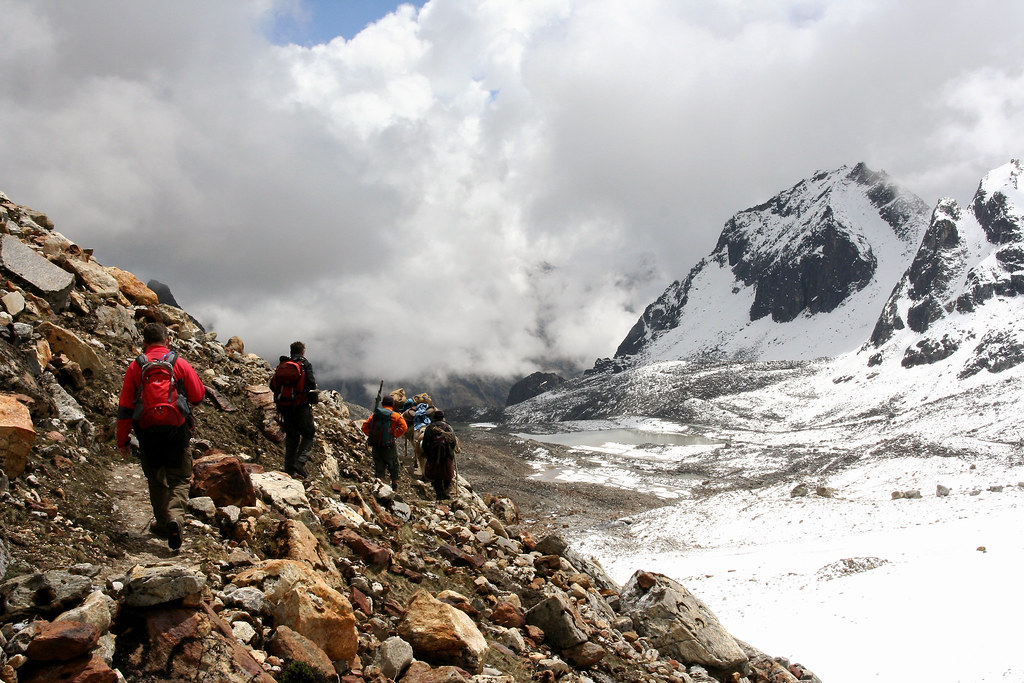
Snowman Trek Difficulty Level
The Snowman Trek in Bhutan is defined more by great difficulty than any other trail. It requires specific strengths to finish.
Physical Endurance
Daily walks take 6 to 9 hours on rough paths. Hikers carry a daypack and must keep a steady pace. The trail moves over loose rocks, slippery moraine, and frozen ground. Leg muscles must be strong enough for huge climbs every morning.
Mental Resilience
Snowman Trek Bhutan spends a long time in the wilderness. Cold weather and simple tents can wear down the spirit. Being far from family and friends without the internet is hard for some. Finishers must stay patient during bad weather or long delays.
Comparison of Bhutan Treks
| Trek | Length | Max Altitude | Difficulty |
| Druk Path | 5-6 Days | 4,235m | Moderate |
| Jomolhari | 8-12 Days | 5,000m | Challenging |
| Snowman Trek Bhutan | 24-30 Days | 5,320m | Extreme |
Snowman Trek Guide – Best Time for the Trek
The Snowman Trek Guide explains that the trekking season in Bhutan remains short due to extreme altitude and weather conditions. Timing is critical to the success of the Snowman Trek in Bhutan. Stable weather and open high passes determine the ideal window.
Autumn: The Prime Season
Mid-September to mid-October offers the most reliable conditions. Monsoon rains usually end by this time, leaving clear skies and excellent mountain visibility. The crisp air provides outstanding views of the Himalayan peaks. High passes typically remain free of heavy snow during this period, allowing pack animals to cross safely. The Snowman Trek Guide identifies autumn as the best season for completing the whole route.
Spring: The Secondary Season
Late April to May also works for the Snowman Trek in Bhutan. Lower forests bloom with rhododendrons and alpine flowers. However, melting winter snow can make passes slippery and unstable. Residual snow at higher elevations may slow progress and challenge pack animals.
Why the Season Is Short
The Snowman Trek Guide highlights that early snowfall often blocks the eleven high passes by late October. Once snow accumulates, horses and yaks cannot cross safely. From June to August, heavy monsoon rains create muddy trails and poor visibility. Thick cloud cover often hides mountain views, making trekking conditions difficult.
Careful seasonal planning remains essential for a successful Snowman Trek in Bhutan.
Snowman Trek Cost Breakdown
The Snowman Trek in Bhutan costs more than most treks due to Bhutan’s policies. The price reflects the remote logistics.
Sustainable Development Fee (SDF)
The Bhutanese government charges an SDF of USD 100 per person per night. This fee supports the country’s carbon-neutral goals and free education. For a 30-day trip, this fee equals USD 3,000.
Crew and Logistics
Snowman Trek Bhutan requires a whole support team. This team includes a lead guide, assistant guides, and a professional cook. Kitchen helpers and horse riders manage the daily work. Horses and yaks carry hundreds of pounds of gear across the passes.
Estimated Price Ranges
A complete Snowman Trek Bhutan package usually costs between USD 8,000 and USD 13,000. Solo hikers pay more for private logistics. Larger groups share the cost of the crew and animals, which lowers the price.
| Cost Type | Details |
| SDF | USD 100 per night |
| Visa | USD 40 one-time fee |
| Full Package | Food, gear, staff, and permits |
| Total (Est) | USD 8,000 – USD 13,000 |
Accommodation and Food
The Snowman Trek Guide explains that camping remains the only accommodation option on the Snowman Trek in Bhutan. Professional crews handle every detail to ensure comfort in remote mountain terrain.
The Camping Experience
The Snowman Trek Guide outlines a fully supported expedition setup. Staff provides three-person tents shared by two trekkers for extra space. A separate dining tent offers warmth and shelter during meals. Toilet tents are placed in private areas near each campsite. A dedicated kitchen tent allows cooks to prepare hot meals even in strong winds and cold conditions.
Meals on the Trail
The Snowman Trek Guide emphasizes proper nutrition for high-altitude endurance.
Breakfast: Oatmeal, pancakes, eggs, tea, and coffee.
Lunch: Fresh hot meals at scenic stops or packed lunches on longer days.
Dinner: Soup followed by rice, pasta, or potatoes with lentils and vegetable curries. Dessert may include a fruit cocktail or a cake.
Staff boil drinking water daily. Trekkers refill bottles morning and evening to stay hydrated.
Lunana Region
The Snowman Trek Guide highlights Lunana as the remote heart of the trek. Located in northern Bhutan, Lunana ranks among the highest inhabited regions in the world.
Traditional Lifestyle
Lunaps live in stone houses with timber roofs designed for cold weather. Small shrines in each home reflect deep spiritual traditions. The Snowman Trek Guide shows how Buddhism blends with ancient mountain beliefs in daily life.
The Importance of Yaks
Yaks sustain life in Lunana. They provide milk, butter, meat, wool, and transport. The Snowman Trek Guide explains that without yaks, survival in this high-altitude environment would be impossible.
Isolation and Resilience
No roads connect Lunana to major towns. Residents walk for days to reach markets. This isolation preserves culture and tradition. Sharing butter tea, or “suja,” becomes a meaningful moment during the Snowman Trek in Bhutan.
Altitude and Acclimatization
The Snowman Trek Guide stresses altitude management as essential for safety. Most of the Snowman Trek in Bhutan stays above 4,000 meters.
Understanding AMS
Acute Mountain Sickness occurs when the body struggles to cope with low oxygen levels. Symptoms include headache, nausea, dizziness, and fatigue. Guides monitor oxygen levels regularly throughout the Snowman Trek.
Acclimatization Strategy
The Snowman Trek Guide recommends gradual ascent and built-in rest days. Walking high and sleeping lower supports adaptation. Drink 3–4 liters of water daily and avoid alcohol.
Hydration Plan
Use electrolyte supplements and sip water consistently. Proper hydration reduces headaches and fatigue during the Snowman Trek in Bhutan.
Packing Essentials
The Snowman Trek Guide advises investing in high-quality cold-weather gear. Night temperatures can drop to –20°C.
Core Clothing
- Base Layers: Moisture-wicking thermals
- Mid Layers: Fleece and lightweight down vest
- Outer Layers: Heavy down jacket and waterproof shell
- Accessories: Wool hat, insulated gloves, neck gaiter
Footwear
- Waterproof high-ankle hiking boots
- Gaiters for snow and mud
- Microspikes for icy passes
- Multiple pairs of wool socks
Technical Gear
- Sleeping bag rated to –20°C
- Adjustable trekking poles
- 30–40L daypack with rain cover
- Pee bottle for nighttime comfort
Snowman Trek Guide – Who Should Attempt It
The Snowman Trek Guide clearly states that this expedition is suitable only for experienced trekkers.
Experienced Walkers
Trekkers should complete prior high-altitude routes such as Everest Base Camp or Annapurna Circuit. Understanding personal altitude response is essential.
Physical Fitness
Strong cardiovascular endurance and leg strength support success. Training should begin 4–6 months in advance.
Mental Strength
The Snowman Trek Guide emphasizes resilience. Nearly a month in the remote wilderness tests patience and adaptability. Success requires discipline, determination, and mental toughness. The Snowman Trek Guide prepares trekkers for one of the most demanding adventures in the Himalayas.
Snowman Trek vs Other Bhutan Treks
Different treks in Bhutan offer various levels of difficulty and scenery. This table helps you choose the right one for your goals.
| Trek Name | Duration | Max Altitude | Ideal For |
| Druk Path | 5-6 Days | 4,235m | Beginners/Short trips |
| Jomolhari | 10-12 Days | 5,000m | Experienced hikers |
| Laya Gasa | 12-14 Days | 5,005m | Cultural discovery |
| Snowman Trek Bhutan | 24-30 Days | 5,320m | Expert adventurers |
Druk Path Trek connects Paro and Thimphu. It offers a gentle view of the mountains. Jomolhari Trek offers spectacular views of sacred peaks. Snowman Trek Bhutan takes all these routes and extends them deep into the wilderness.
Responsible Trekking in Bhutan
Bhutan cares deeply about its environment and local people. Trekkers should follow these rules to protect the kingdom.
- Minimize Waste: Carry out all trash and use reusable water bottles. Staff buries toilet paper in deep pits far from water.
- Respect Culture: Do not take photos inside temples or during rituals without permission. Dress modestly in villages.
- Support Locals: Buy handmade crafts from village artisans to help the economy. Hire local guides and horse riders.
- Stay Safe: Listen to your guide regarding weather and altitude. Do not push your body too hard if you feel sick.
Flora and Fauna of Snowman Trek, Bhutan
The Snowman Trek in Bhutan passes through diverse ecological zones. Each zone has unique plants and animals.
High-Altitude Flowers
In spring, dozens of rhododendron species bloom in red and purple. Common types include Rhododendron arboreum and Rhododendron campanulatum. Rare blue poppies, Bhutan’s national flower, grow on rocky slopes. Trekkers also see edelweiss and high-altitude primulas.
Rare Himalayan Wildlife
Blue sheep (bharal) often graze on the cliffs near high passes. Takin, Bhutan’s national animal, lives in the high meadows. Rare Himalayan Monals and Black-necked cranes fly through the valleys. Elusive snow leopards live in the highest peaks but are hard to find.
Myths and Legends
The Land of the Yeti
Bhutanese culture is full of stories about the mountains. Snowman Trek Bhutan passes through the “Land of the Yeti”.
The Yeti or Migoi
Local people firmly believe in the Yeti, known as the Migoi. Folklore describes them as large, hairy creatures that guard the high passes. There is even a wildlife sanctuary in eastern Bhutan dedicated to protecting them. Hikers often hear stories about Yeti prints found in the snow.
Sacred Gangkhar Puensum
Snowman Trek Bhutan offers views of Gangkhar Puensum, the world’s highest unclimbed mountain. Bhutanese law bans climbing mountains higher than 6,000 meters. People believe the peaks are home to deities and spirits. Disturbing the summit would bring the wrath of the gods.
FAQs for Snowman Trek Bhutan
Q: Why is Snowman Trek Bhutan so rugged?
A: It crosses eleven high mountain passes, many of them above 4,500 meters, and stays at high altitude for nearly a month. The trail goes through very remote areas with no roads or comfortable lodges for rest. The long duration, harsh weather, and rugged terrain make it physically and mentally demanding.
Q: How long does Snowman Trek take?
A: Most groups need about 24 to 30 days to complete the whole trek. The exact duration depends on weather conditions, acclimatization days, and the group’s pace. Because of the high altitude and remote terrain, the itinerary usually includes rest days to help trekkers adjust safely.
Q: What is the highest point on Snowman Trek Bhutan?
A: The highest point of the trek is Rinchen Zoe La, which stands at 5,320 meters above sea level. Reaching this pass is one of the most challenging sections of the journey due to the steep climb, thin air, and unpredictable mountain weather.
Q: How much does Snowman Trek Bhutan cost?
A: A typical Snowman Trek package costs between USD 8,000 and USD 13,000 per person. The price usually includes the mandatory Sustainable Development Fee, trekking permits, guide and support crew, camping equipment, meals, and logistics throughout the journey. The final cost can vary depending on group size, services included, and the trekking season.
Q: Can beginners do Snowman Trek Bhutan?
A: No, this trek is not suitable for beginners. Hikers need significant experience with long-duration treks at high altitudes, strong physical fitness, and the ability to handle extreme weather and rugged terrain. Even experienced trekkers must be well-prepared, as the remote route offers little room for error or quick rescue.
The Snowman Trek Guide presents the Snowman Trek in Bhutan as one of the most demanding and rewarding mountain adventures in the world. This route challenges physical endurance, mental strength, and commitment at extreme altitude. In return, it reveals a remote Himalayan landscape that few people ever witness.
Completing the journey places trekkers among a rare group who finish this legendary expedition. Careful preparation, respect for mountain conditions, and disciplined acclimatization remain essential for success.
The Snowman Trek Guide encourages trekkers to train seriously, plan responsibly, and approach the mountains with humility. Those who do will experience a powerful connection with Bhutan’s untouched wilderness and carry lifelong memories of the Snowman Trek.