


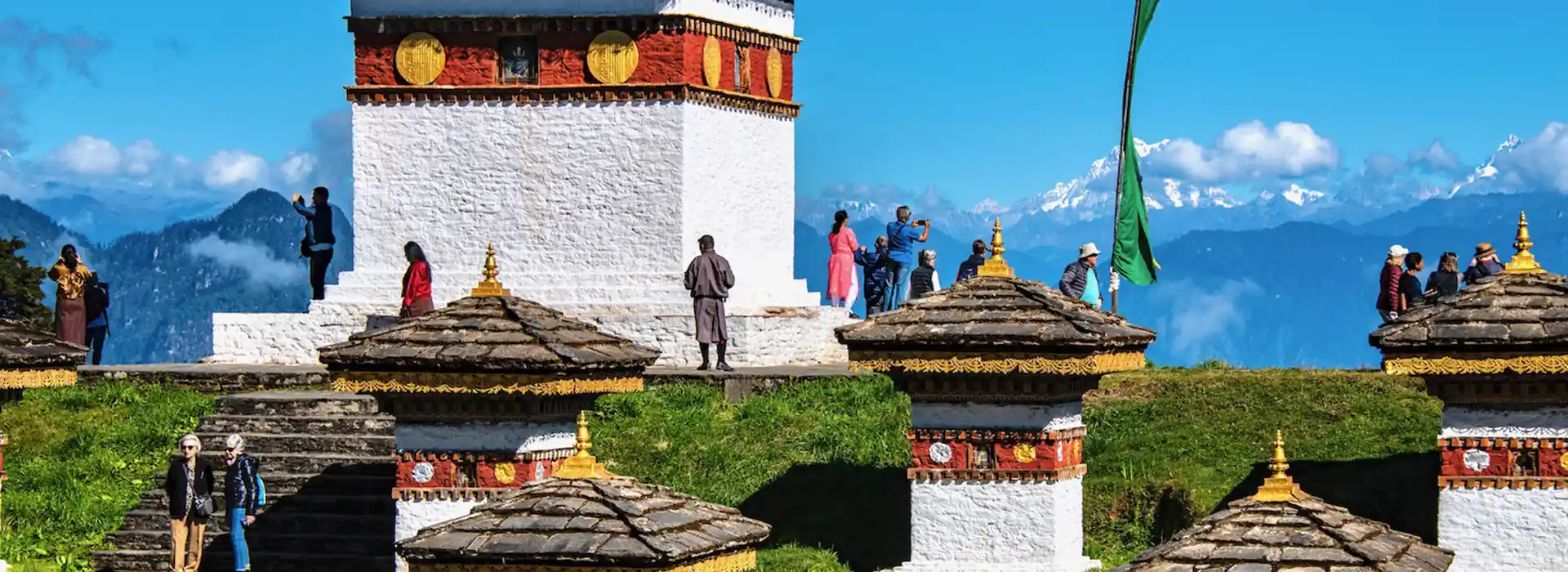

Solo Travel in Bhutan offers a unique opportunity to explore a kingdom that values spiritual health over material wealth. Most countries focus on mass tourism to grow their economies. Bhutan follows a different path. The government uses a High Value, Low Volume policy to protect the local culture and the environment. Solo Travel in Bhutan requires careful planning because the country does not allow completely independent movement for most visitors. Travelers enjoy a high degree of safety and personalized attention during their stay.
Understanding the Bhutanese Tourism Model
Bhutan remains a carbon-negative nation. The constitution mandates that forests cover at least 60% of the land. Solo Travel in Bhutan supports these environmental goals through a mandatory daily fee. This fee funds free healthcare and education for all Bhutanese citizens.
The Sustainable Development Fee
Every visitor pays a Sustainable Development Fee (SDF) to enter the country. The government collects this money to build infrastructure and preserve heritage sites. Solo Travel in Bhutan costs more than travel in neighboring countries because of this fee. The current SDF rate remains valid until August 31, 2027.
| Category of Traveler | Daily SDF Rate | Notes |
| International Adults | USD 100 | Applies to all visitors over 12 |
| Children (6–12 years) | USD 50 | 50% discount on the adult rate |
| Children (Under 6) | Free | No SDF required for young children |
| Indian Nationals | INR 1,200 | Includes adults with valid passports |
| Indian Children (6–12) | INR 600 | Half the standard Indian rate |
Solo Travel in Bhutan involves paying the SDF in advance. The Department of Immigration uses these funds to maintain the pristine nature of the Himalayas.
Tax Updates for 2026
Budgeting for Solo Travel in Bhutan requires awareness of new taxes. A 5% Goods and Services Tax (GST) begins on January 1, 2026. This tax applies to hotels, transportation, and guide services. The SDF itself stays exempt from this 5% tax. Travelers who visit before the end of 2025 save money by avoiding this extra charge.
Visa and Permit Procedures for Solo Travelers
Most foreign nationals need a visa before they fly to Bhutan. Solo Travel in Bhutan feels organized because a licensed tour operator manages most of the paperwork. Only citizens of India, Bangladesh, and the Maldives are eligible for special entry rules.
Required Documents for Application
Solo Travel in Bhutan requires a set of specific documents for a successful visa.
- A digital copy of a passport with at least six months of validity.
- A recent digital passport-sized photograph.
- Proof of valid travel insurance for the entire duration of the stay.
- A confirmed travel itinerary from a licensed operator.
The government charges a USD 40 non-refundable visa fee for every application. Processing usually takes between five and seven working days.
The Application Process
- Select a licensed Bhutanese tour operator to sponsor the trip.
- Finalize the daily schedule for Solo Travel in Bhutan.
- Pay the total tour cost and the SDF to the operator.
- The operator submits the visa application to the Department of Immigration.
- Receive an e-visa clearance letter through email.
- Print the e-visa clearance letter to show at the airport.
Immigration officials stamp the actual visa into the passport at the airport. Solo Travel in Bhutan requires keeping a copy of this document throughout the stay.
Logistics and Transportation
Reaching Bhutan involves flying into Paro International Airport or crossing the land borders from India.
Air Travel Options
Two airlines operate flights to the kingdom: Druk Air and Bhutan Airlines. Solo Travel in Bhutan usually begins in regional hubs like Bangkok, Delhi, Kathmandu, or Singapore. Flights offer spectacular views of Mount Everest and the Himalayan range.
| Departure City | Estimated Round-Trip Cost (USD) | Notes |
| Bangkok | 700–900 | High frequency of flights |
| Delhi | 500–700 | Popular for regional connections |
| Kathmandu | 400–600 | Shortest and most scenic route |
| Singapore | 900–1,100 | Direct flights available |
Land Entry Points
Travelers entering from India use pedestrian terminals at Phuentsholing, Gelephu, or Samdrup Jongkhar. Solo Travel in Bhutan via land requires an entry permit similar to a visa. The terminal at Phuentsholing stays open 24 hours a day.
The Role of the Mandatory Guide
A licensed guide accompanies every tourist traveling outside of Thimphu and Paro. Solo Travel in Bhutan offers a dedicated guide and a private vehicle for a personalized experience. This system ensures safety and provides deep cultural insights.
Benefits of a Private Guide
- Guides explain the complex history of monasteries and dzongs.
- Safety remains a priority during remote hikes and treks.
- Individual travelers can request changes to the daily pace.
- Guides facilitate interactions with local families and monks.
Solo Travel in Bhutan allows for “me time” in towns. Travelers explore markets and cafes independently in Thimphu and Paro. Guides usually work from 8 AM to 6 PM.
Cultural Etiquette and Religious Customs
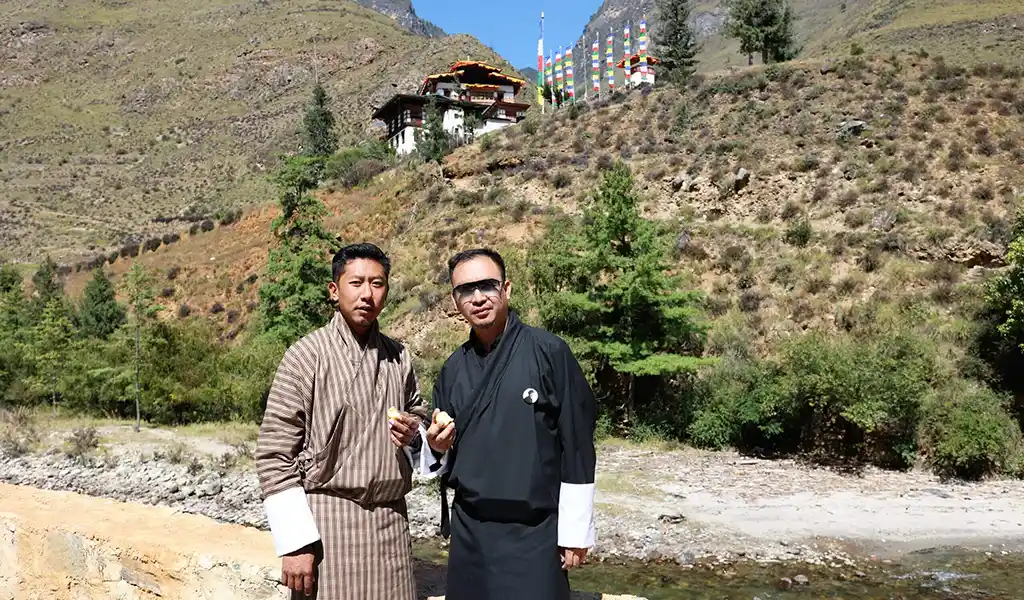
Bhutanese society follows the teachings of Vajrayana Buddhism. Respecting local traditions makes Solo Travel in Bhutan a better experience.
Temple and Monastery Dress Code
Appropriate clothing shows respect for sacred spaces. Dress neatly and avoid revealing outfits.
- Keep shoulders and knees covered at all times.
- Remove hats, caps, and sunglasses before entering temple courtyards.
- Take off your shoes before stepping into a shrine room or a private home.
- Wear shirts with collars or full sleeves.
Behavior and Body Language
- Walk clockwise around religious monuments like chortens and prayer wheels.
- Use an open palm instead of a finger when pointing at sacred objects.
- Avoid touching anyone on the head, as it is a sacred part of the body.
- Tuck your feet away when sitting on the floor to avoid pointing them at altars or people.
- Keep voices low inside temples and avoid making loud noises.
Photography Rules
Solo Travel in Bhutan provides many photo opportunities. Taking pictures inside temple chapels is strictly forbidden. Always ask for permission before taking a photo of a monk, an elder, or a child. Do not use flash when photographing murals or ancient paintings.
Top Destinations for Solo Travelers
Bhutan is divided into twenty districts. Each region offers different attractions for Solo Travel in Bhutan.
Thimphu: The Modern Capital
Thimphu blends tradition with urban growth.
- Buddha Dordenma: A 51.5-meter golden statue overlooking the valley.
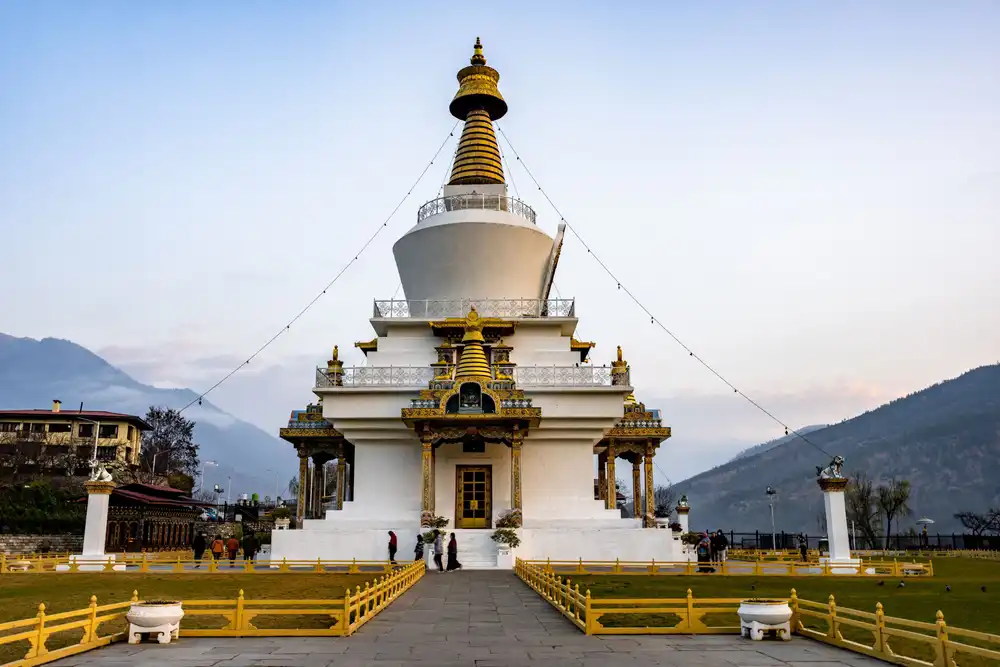
- National Memorial Chorten: A white stupa where locals pray and spin wheels.
- Centenary Farmers’ Market: A place to buy local cheese, red rice, and handicrafts.
- Motithang Takin Preserve: Home to the takin, the national animal of Bhutan.
Paro: The Sacred Valley
Paro is home to the kingdom’s most famous monastery.
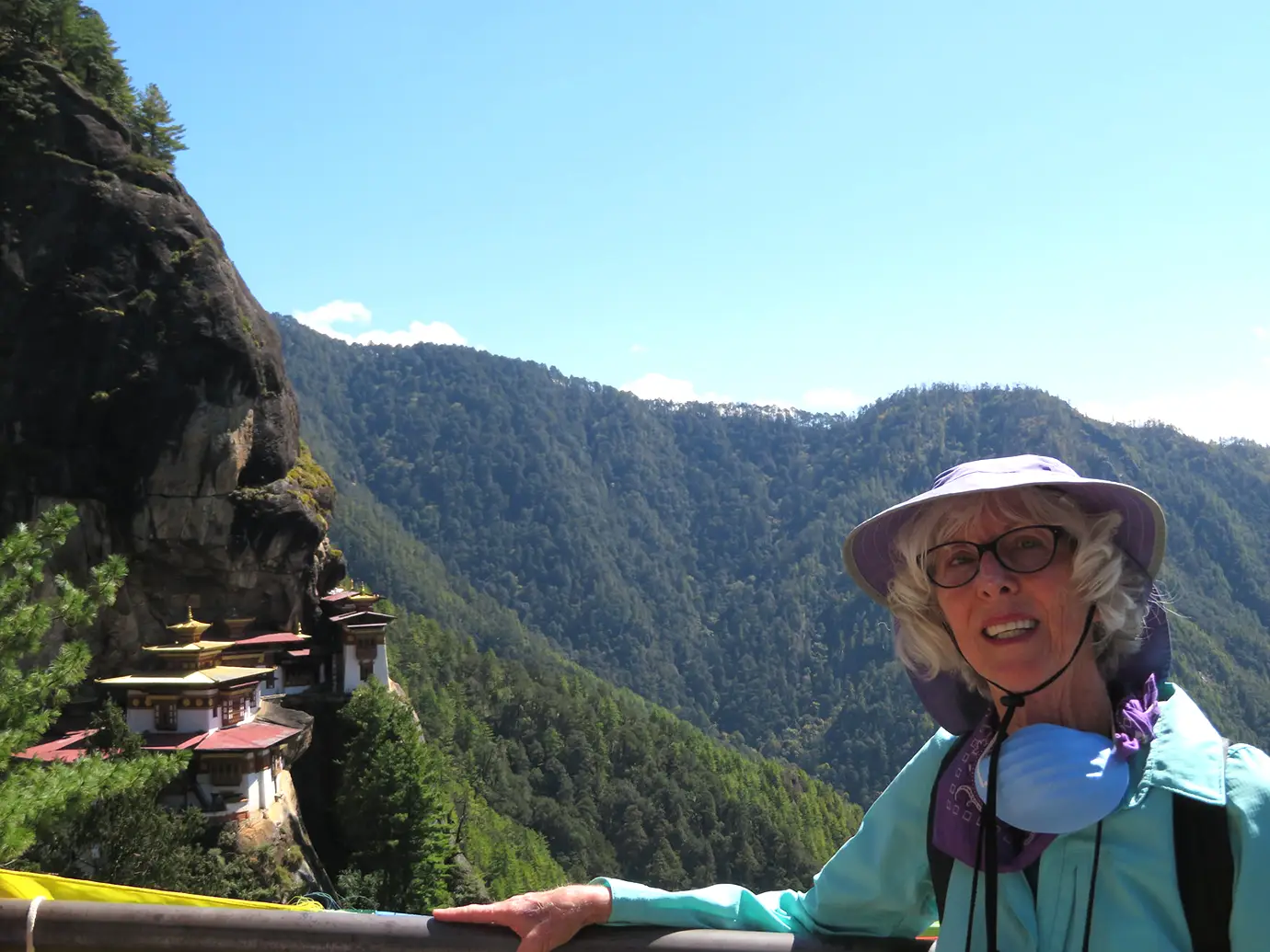
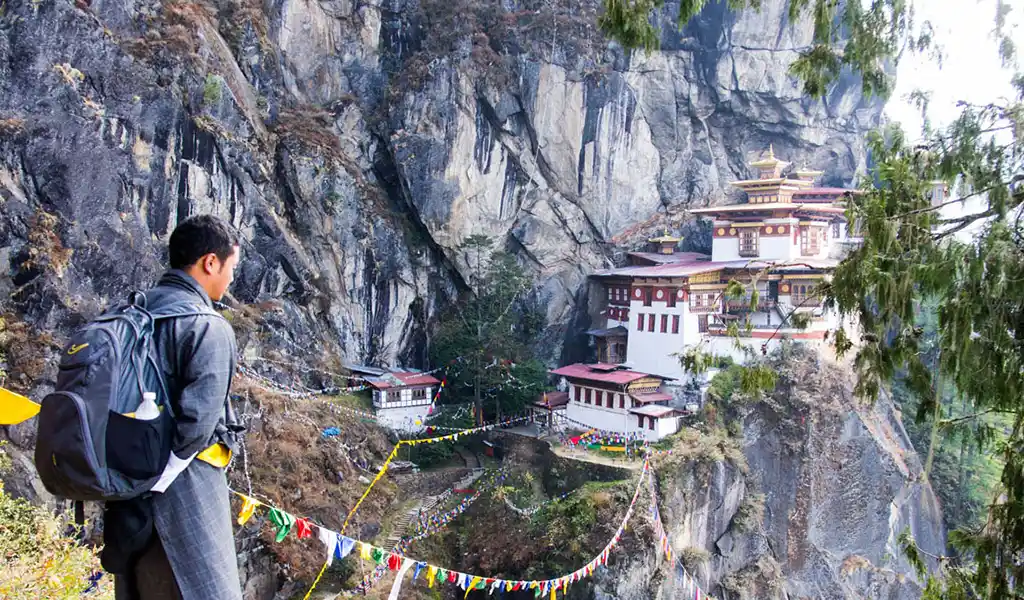
- Taktsang (Tiger’s Nest): A monastery clinging to a cliff 900 meters high.
- Kyichu Lhakhang: One of the oldest temples in the country, built in the 7th century.
- National Museum: Housed in an old watchtower with ancient artifacts.
Punakha: The Former Capital
- Punakha offers warmer weather and fertile rice fields.
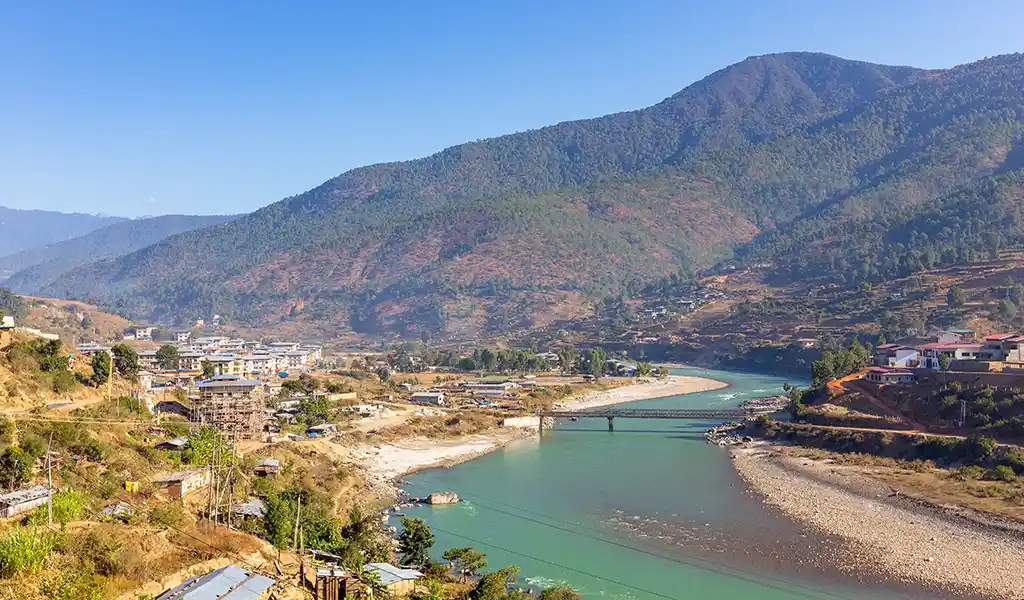
- Punakha Dzong: A beautiful fortress at the meeting point of two rivers.
- Chimi Lhakhang: The temple of fertility dedicated to the Divine Madman.
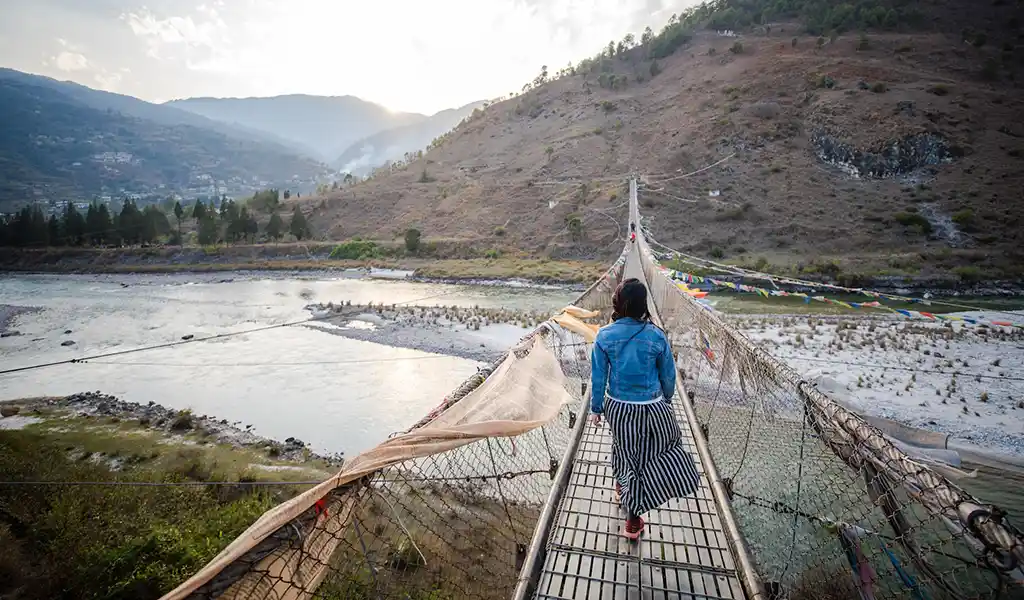
- Suspension Bridge: A 350-meter bridge offering views of the Pho Chhu river.
Phobjikha Valley: Nature and Conservation
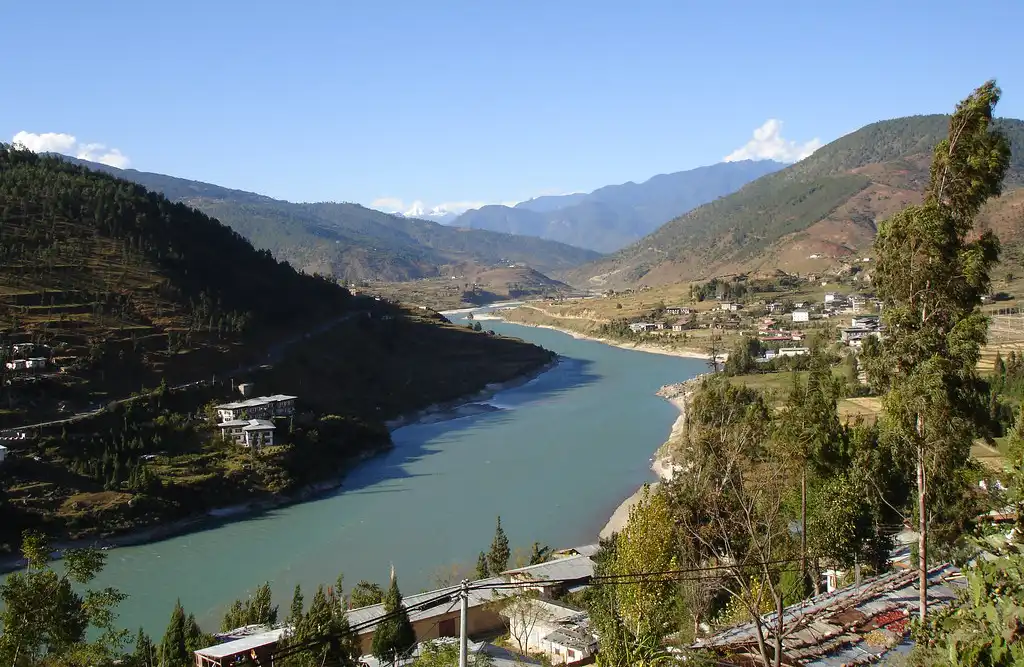
Phobjikha is a glacial valley known for wildlife.
- Black-Necked Cranes: Rare birds that migrate from Tibet in the winter.
- Gangtey Monastery: An important religious site sitting at the head of the valley.
- Nature Trails: Gentle paths through forests and marshlands.
Trekking for the Solo Explorer
Solo Travel in Bhutan allows for complete control over the trekking speed. A full support team carries all heavy gear.
Druk Path Trek (4 to 6 Days)
This route connects Paro and Thimphu.
- Day 1: Climb from Damchena to Jili Dzong.
- Day 2: Walk through rhododendron forests to Jangchulakha.
- Day 3: Reach Jimilangtsho Lake, known for giant trout.
- Day 4: Cross the Simkota Lake at 4,210 meters.
- Day 5: Descend to the Phajoding Monastery and then to Thimphu.
Bumdrak Trek (2 Days)
This short trek provides an alternative way to visit Tiger’s Nest. Travelers spend a night in a high-altitude camp with views of the Himalayan peaks.
Food and Dining Habits
Bhutanese food is spicy and uses many chilies. Solo Travel in Bhutan involves eating most meals in hotels or local restaurants.
Must-Try Dishes
- Ema Datshi: Chilies and cheese served as a stew.
- Kewa Datshi: Sliced potatoes cooked with cheese and mild chilies.
- Shakam Paa: Dried beef cooked with radishes and dried red chilies.
- Phaksha Paa: Slices of pork stir-fried with radishes or spinach.
- Red Rice: A nutty, nutritious staple grown in the high valleys.
Drinks and Beverages
- Suja: Traditional butter tea made with salt and yak butter.
- Ara: A local spirit fermented from rice or maize.
- Druk 11,000: A popular local beer found in most bars.
Budgeting for Solo Travel in Bhutan
The cost of Solo Travel in Bhutan depends on the level of luxury. Independent travelers pay a higher price because they do not share the cost of a guide and car.
| Expense Category | Daily Cost Range (USD) | Notes |
| SDF (Mandatory) | 100 | Fixed by the government |
| 3-Star Hotel | 40–100 | Standard for most tours |
| Private Guide | 20–40 | Essential for solo travelers |
| Private Vehicle | 30–60 | Includes driver and fuel |
| All Meals | 15–25 | Often included in packages |
Tips to Save Money
Travel during the off-season (winter or summer) for lower hotel rates.
- Choose homestays instead of hotels to experience local life at a lower price.
- Enter Bhutan by road from India to avoid expensive flights.
- Visit regional hubs like Kathmandu first to find cheaper connecting flights.
Safety and Wellness for Solo Travelers
Bhutan remains one of the safest destinations in the world. Solo Travel in Bhutan is highly recommended for women because of the respectful culture.
Health Considerations
- Altitude Sickness: Most valleys sit above 2,200 meters. Drink plenty of water and rest during the first two days.
- Motion Sickness: Roads are winding and narrow. Carry appropriate medicine if prone to car sickness.
- Insurance: Ensure your policy covers emergency medical evacuation by helicopter.
Nightlife and Evening Safety
Thimphu and Paro have a small but active nightlife scene.
- Mojo Park: A popular venue for live music and socializing in Thimphu.
- Space 34: A modern club with a dance floor and local DJs.
- Street Markets: Safe to walk through in the early evenings.
Walking alone at night is generally safe, but travelers should stay on main roads. Public transport becomes limited after dark.
Planning Your Solo Travel in Bhutan Itinerary
A standard trip lasts seven days. This allows enough time to see the main cultural sites.
- Day 1: Arrive in Paro and drive to Thimphu.
- Day 2: Explore Thimphu’s monuments and markets.
- Day 3: Drive to Punakha via the Dochu La Pass.
- Day 4: Visit the Punakha Dzong and then head to Phobjikha Valley.
- Day 5: Watch cranes in Phobjikha and return to Paro.
- Day 6: Hike to the Tiger’s Nest Monastery.
- Day 7: Depart from Paro International Airport.
Practical Tips for the Bhutan Tour
Solo Travel in Bhutan requires attention to small details.
- SIM Cards: Buy a local SIM at the airport for better connectivity.
- Currency: The Ngultrum (Nu) is the local currency. Many shops also accept Indian Rupees.
- Tobacco: Smoking in public places is prohibited. Declare any cigarettes at customs and pay the tax.
- Packing: Use layers. Thimphu remains cool, while Punakha can feel hot.
- Footwear: Bring comfortable walking shoes for temples and hiking boots for treks.
Solo Travel in Bhutan is a chance to disconnect from the world and connect with nature. The high standards of service and the kindness of the people make every visitor feel welcome. Plan early to secure the best guides and hotels for a 2026 adventure.