


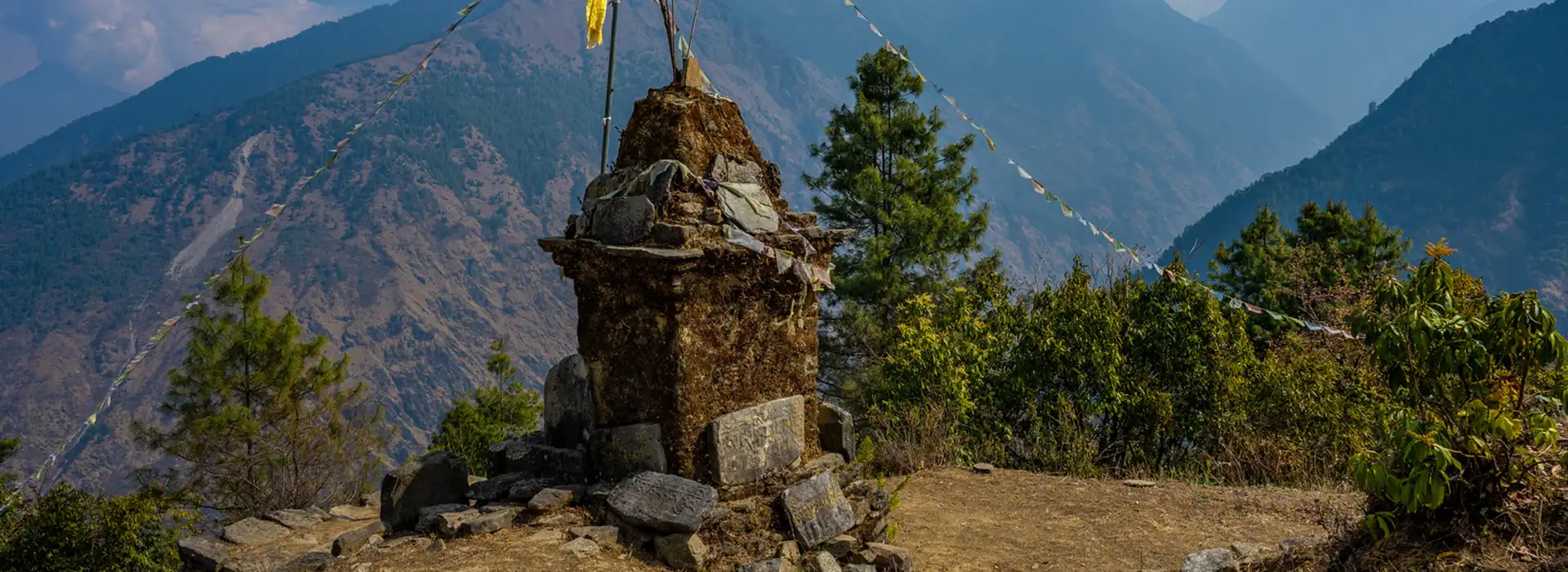

Spring hiking in Nepal runs from March through May. The season brings blooming rhododendron forests, longer daylight hours, warming trails, and a wide variety of routes across every major trekking region. Most classic Himalayan routes open fully during spring.
March marks the start of the season with cooler mornings and early forest color. April delivers the strongest all-round spring conditions—warm days, peak flower displays, and active teahouses. May works well for higher routes but brings occasional afternoon haze and pre-monsoon moisture at lower elevations.
The spring hiking season suits first-time trekkers, flower lovers, photographers, and classic teahouse route hikers. The article covers weather month by month, the best spring trails by region and difficulty, rhododendron season details, packing tips, trekking rules, and answers to common planning questions.
Quick Answer: Does Spring Work for Hiking in Nepal?
Spring ranks among Nepal’s strongest hiking seasons. The combination of blooming forests, good trail access, and comfortable mid-altitude temperatures makes it a top choice for many travelers.
- Best months: March, April, and May
- Best reason to go: rhododendron blooms and strong route variety
- Best for: first-time trekkers, flower lovers, photographers, teahouse route hikers
- Main drawback: occasional afternoon haze and late-spring instability
- Best overall month for flowers: April
- Best regional fit: Annapurna, Langtang, Everest, Pokhara-area, and Kathmandu Valley hikes
Spring does not guarantee perfect weather everywhere. Higher passes may hold snow in early March. Late May brings pre-monsoon moisture. But the season offers a strong balance between scenery, accessibility, and trail variety.
Why Spring Hiking in Nepal Draws So Many Trekkers
Rhododendron forests define the spring hiking experience. Nepal’s national flower grows across the middle hills between about 2,000 and 4,000 meters. Colors range from deep red and bright pink to white and pale yellow. No other season matches the forest color of spring. Route variety expands during spring. Snow melts from mid-altitude passes. Trails that closed during winter reopen. Major trekking regions—Everest, Annapurna, Langtang, Manaslu—all run at full capacity. Short hikes near Kathmandu and Pokhara also feel their best.
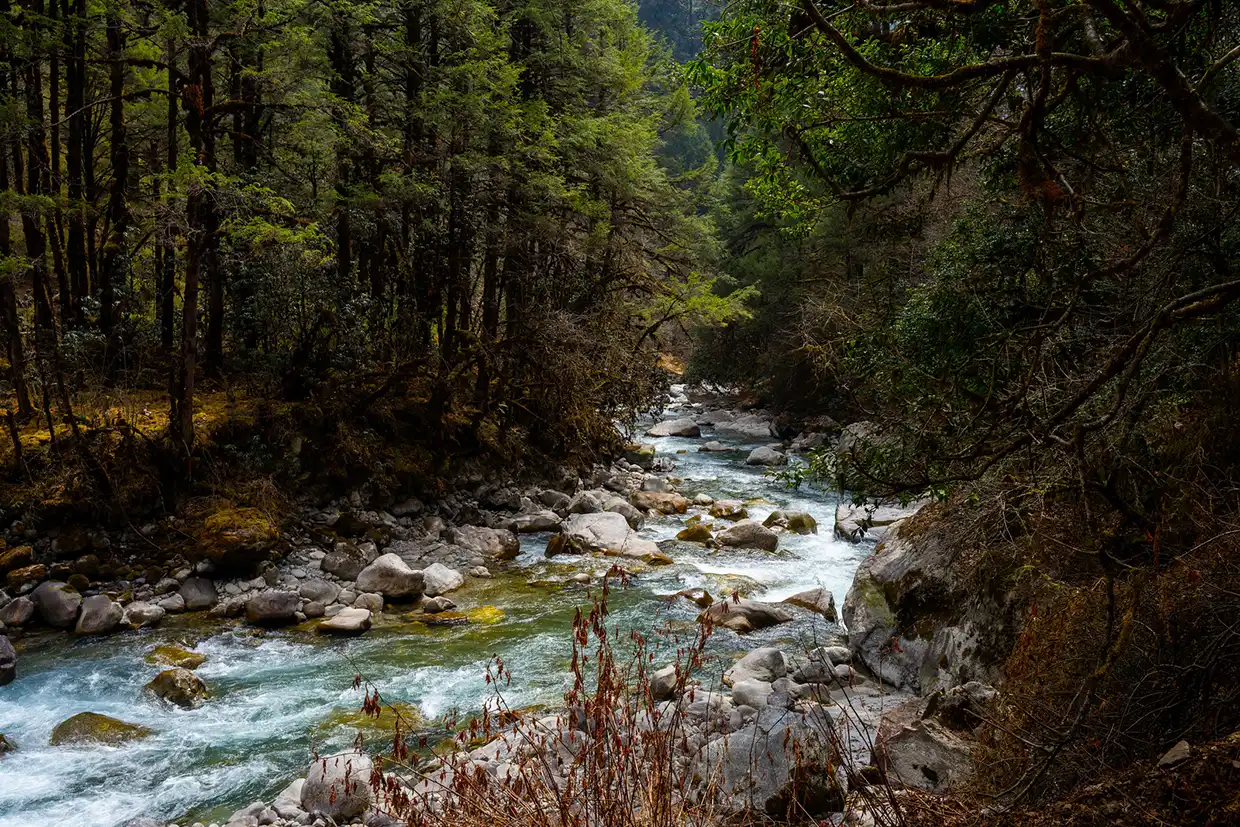
Spring days feel comfortable at most trekking elevations. Mornings start cool. Midday temperatures warm up nicely between 2,000 and 3,500 meters. Evenings cool down again. The pattern suits layered clothing and steady walking. Daylight hours grow longer in the winter, giving hikers more time on the trail. The Everest climbing season starts in spring, which adds buzz and energy to the Khumbu region. Teahouses, guides, and flight services operate year-round.
Spring Hiking in Nepal at a Glance
| Feature | Spring Advantage | Who Benefits Most | Key Trade-Off |
|---|---|---|---|
| Flowers | Rhododendron forests bloom | Photographers, nature lovers | Bloom timing varies by altitude |
| Trail variety | Most routes open fully | All trekker types | High passes may hold March snow |
| Mountain views | Good, best in the mornings | Photographers, first-timers | Afternoon haze possible in May |
| Beginner routes | Many lower-altitude options | First-time hikers, families | Popular routes get busy in April |
| Classic treks | EBC, ABC, and Langtang are all active | Experienced hikers | Book early for April trips |
| Photography | Flowers plus mountains | Photographers | Morning light works best |
| Crowd level | High in April, moderate in other months | Budget travelers prefer March | October is still busier overall |
| Late-season weather | Higher routes stay cooler | High-altitude hikers | Pre-monsoon clouds in late May |
Hiking in Nepal in March vs. April vs. May
March: Early Spring Hiking
March opens the spring trekking season. Lower and mid-elevation hikes feel comfortable as winter cold fades. Mornings still feel cool, especially above 3,000 meters. Some high passes hold leftover winter snow. Rhododendron blooms start at lower elevations near the end of March. Trails feel quieter than April. Fewer trekkers mean easier access to teahouses on popular routes. March suits hikers who want spring conditions without peak-season crowds.
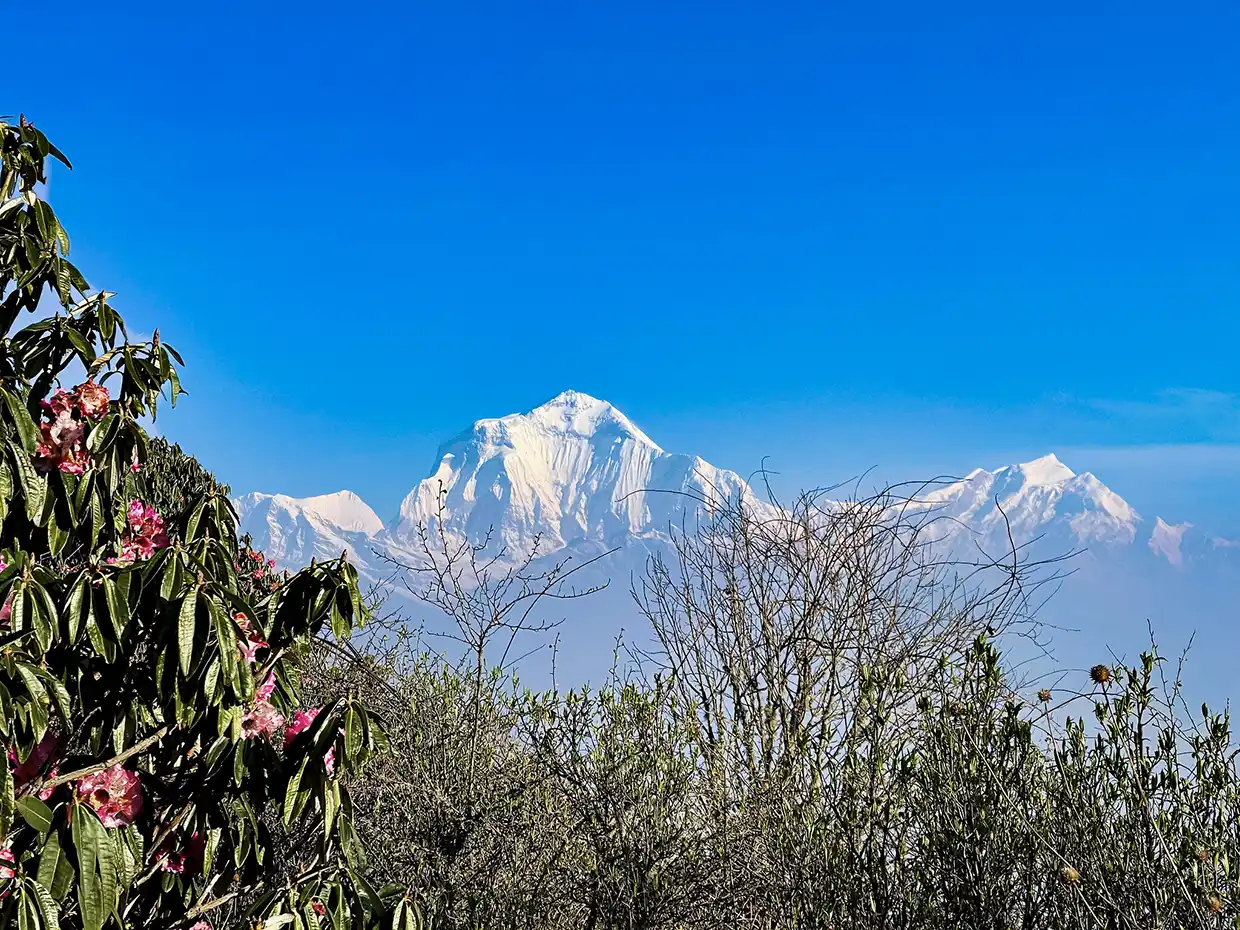
Best March routes: Poon Hill, Kathmandu Valley hikes, Mardi Himal lower route, Langtang lower sections, Nagarkot area, and Australian Camp.
Good for hiking in March?
March marks the start of the spring season with milder weather, early blooms, and fewer crowds than in April. Some high passes may still hold snow. Lower routes work best in early March.
April: Peak Spring Hiking
April delivers the strongest spring conditions in Nepal. Rhododendron forests reach full bloom across most mid-hill routes. Days feel warm and comfortable. Major trekking regions stay fully active. Afternoon clouds and light haze build at lower elevations, especially later in April. Mountain views look best in the early morning. Teahouses on popular routes fill during busy weeks. Book flights and accommodation early for April trips.
Best April routes: Everest Base Camp, Annapurna Base Camp, Mardi Himal, Langtang Valley, Manaslu Circuit, Gokyo Lakes, Poon Hill, and Ghorepani.
Best month for spring hiking?
April ranks as the best overall spring month. Peak rhododendron blooms, warm weather, and full trail access make it the strongest choice for most spring hikers.
May: Late Spring Hiking
May feels warmer at lower elevations. Pre-monsoon moisture increases, bringing afternoon haze and occasional rain showers. Early mornings still offer clear views on most days. Early May works better than late May for mountain visibility. Higher routes stay cooler and drier than lowland trails. Everest Base Camp, Gokyo Lakes, and Annapurna Base Camp still offer good conditions in early May. The Mustang and Manang routes are becoming more attractive as the rain shadow keeps them drier.
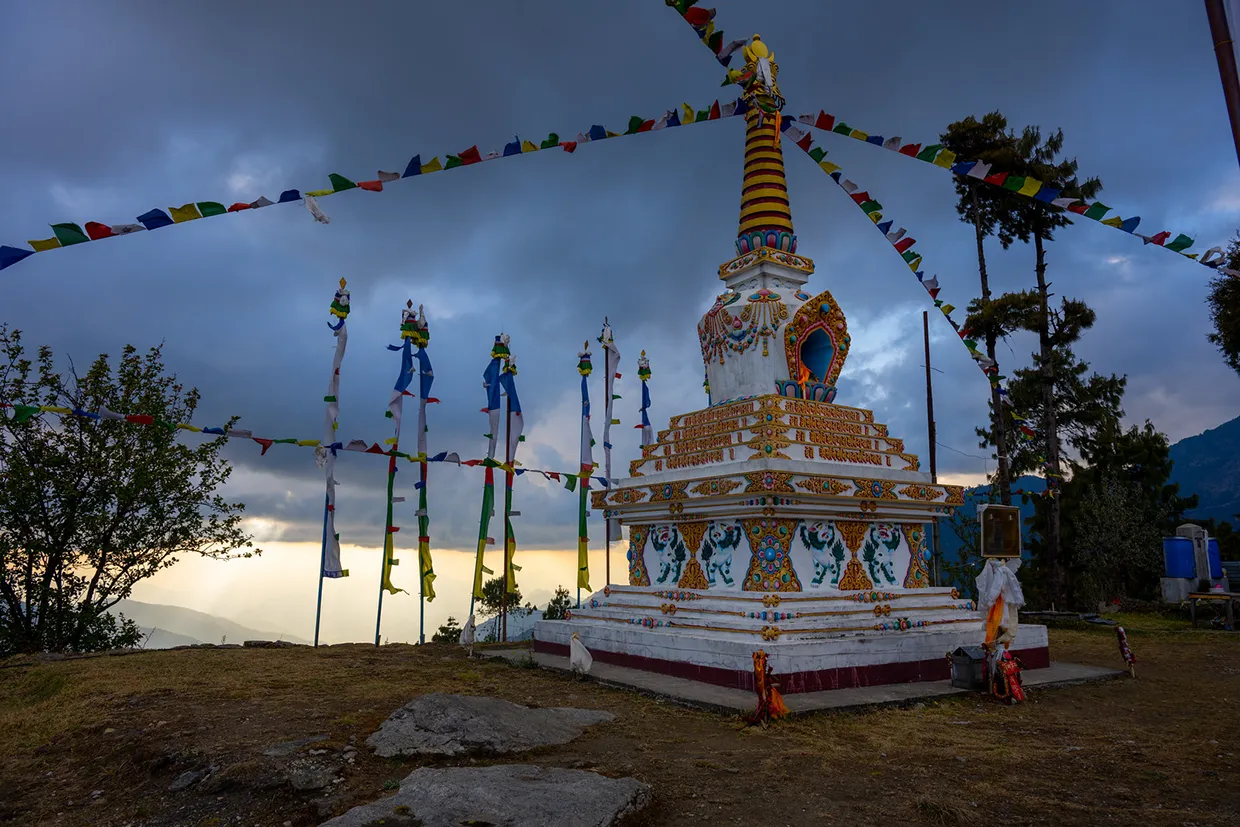
Best May routes: Everest Base Camp, Gokyo Lakes, Annapurna Base Camp, Langtang Valley, Upper Mustang, and Manang area hikes.
Good for hiking in May?
May works for spring hiking in Nepal, especially early in the month and on higher routes. Lower trails feel warmer as haze increases. Expect some pre-monsoon showers.
Best Spring Hiking Trails in Nepal
Best Short Spring Hikes
Shivapuri National Park Day Hike
Duration: 1 day. Difficulty: easy to moderate. The trail climbs through forest on the northern rim of Kathmandu Valley. Spring greens up the forest, and clear mornings give Himalayan views from the ridge. The hike suits travelers with one free day in Kathmandu.
Nagarkot to Changunarayan Hike
Duration: half day to 1 day. Difficulty: easy. The trail drops from Nagarkot’s mountain viewpoint through farming villages and forest to the ancient Changunarayan Temple. Spring adds wildflowers and warm sunshine to the walk. The route suits families and beginners.
Dhampus and Australian Camp
Duration: 1 to 2 days. Difficulty: easy. A short hike from Pokhara leads to Australian Camp and Dhampus village. Spring mornings offer clear views of Annapurna and Machhapuchhre. The route suits families, beginners, and travelers with limited time near Pokhara.
Champadevi Day Hike
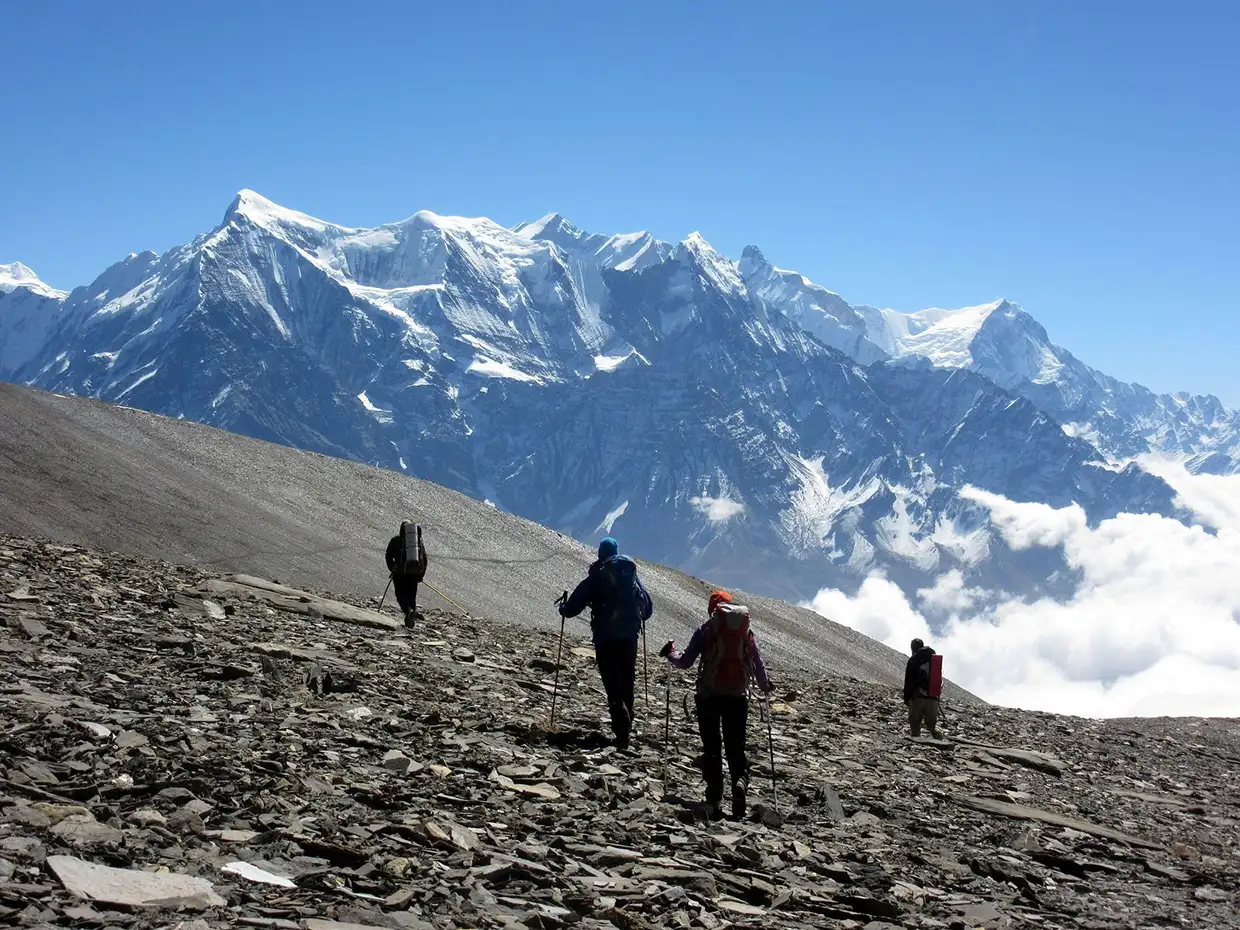
Duration: 1 day. Difficulty: moderate. Champadevi rises above the southwestern edge of Kathmandu Valley. Spring opens panoramic Himalayan views from the summit ridge. The trail stays less crowded than Shivapuri.
Best Spring Treks for Beginners
Ghorepani Poon Hill Trek
Duration: 4 to 5 days. Max altitude: 3,210 m. Poon Hill trek ranks among Nepal’s most popular short treks. The route suits beginners and families. Spring brings the best rhododendron displays along the Ghorepani trail. The famous sunrise viewpoint offers wide views of Annapurna and Dhaulagiri.
Mardi Himal Trek
Duration: 5 to 7 days. Max altitude: about 4,500 m. Mardi Himal offers a quieter alternative to Annapurna Base Camp. The ridge walk offers close views of Machhapuchhre. Forest sections bloom with rhododendrons in spring. The upper section needs careful pacing for altitude.
Lower Annapurna Village Routes
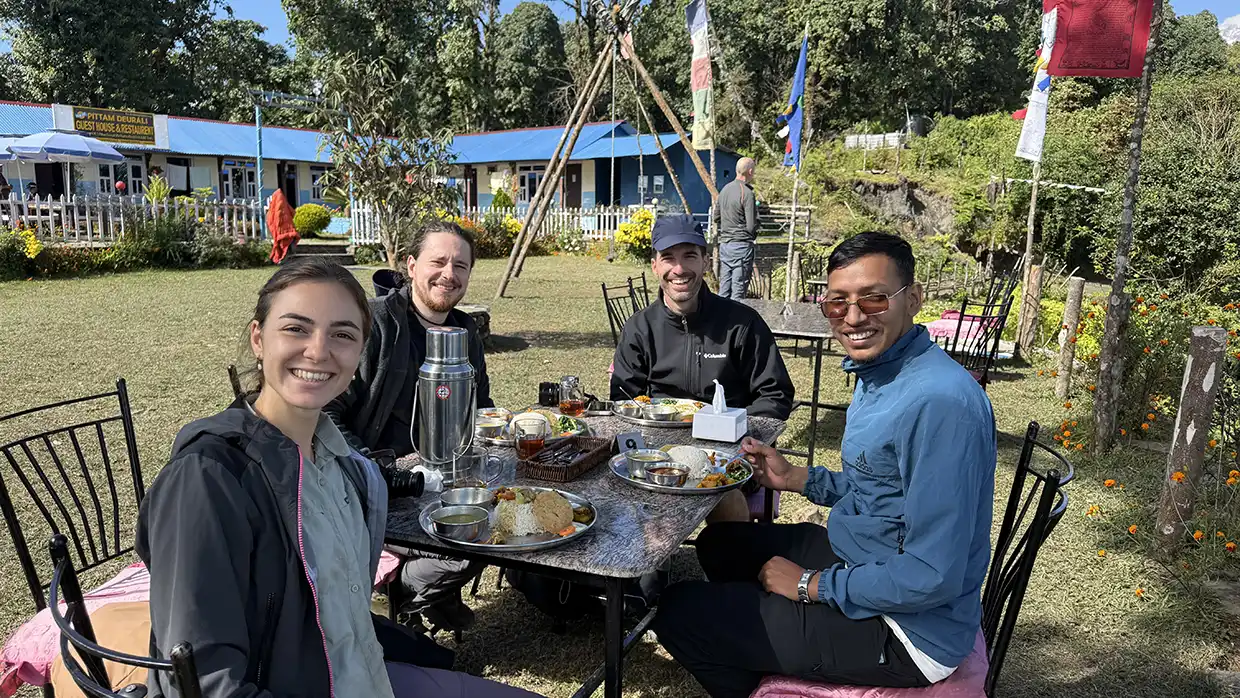
Duration: 3 to 5 days. Difficulty: easy to moderate. Routes through Ghandruk, Chhomrong, and surrounding villages stay lower and suit beginners who want Annapurna scenery without high altitude. Spring warms these trails nicely.
Best Classic Spring Treks
Everest Base Camp Trek
Duration: 12 to 14 days. Max altitude: 5,364 m. Spring opens the Everest region with improving weather and the energy of the climbing season. April and early May offer the best spring window. Mountain views look strong in the mornings. Lukla flights need buffer days for weather delays.
Annapurna Base Camp Trek
Duration: 7 to 12 days. Max altitude: 4,130 m. The Annapurna Sanctuary showcases spring at its best. Rhododendron forests between Ghorepani and Chhomrong bloom in March and April. The upper sanctuary feels cool but clear. A heli-return option saves 3 to 4 descent days.
Langtang Valley Trek
Duration: 7 to 10 days. Max altitude: about 3,870 m at Kyanjin Gompa. Langtang sits closer to Kathmandu than Everest or Annapurna. Spring fills the valley with forest color and alpine wildflowers. The road drive from Kathmandu avoids delays caused by mountain flights.
Manaslu Circuit Trek
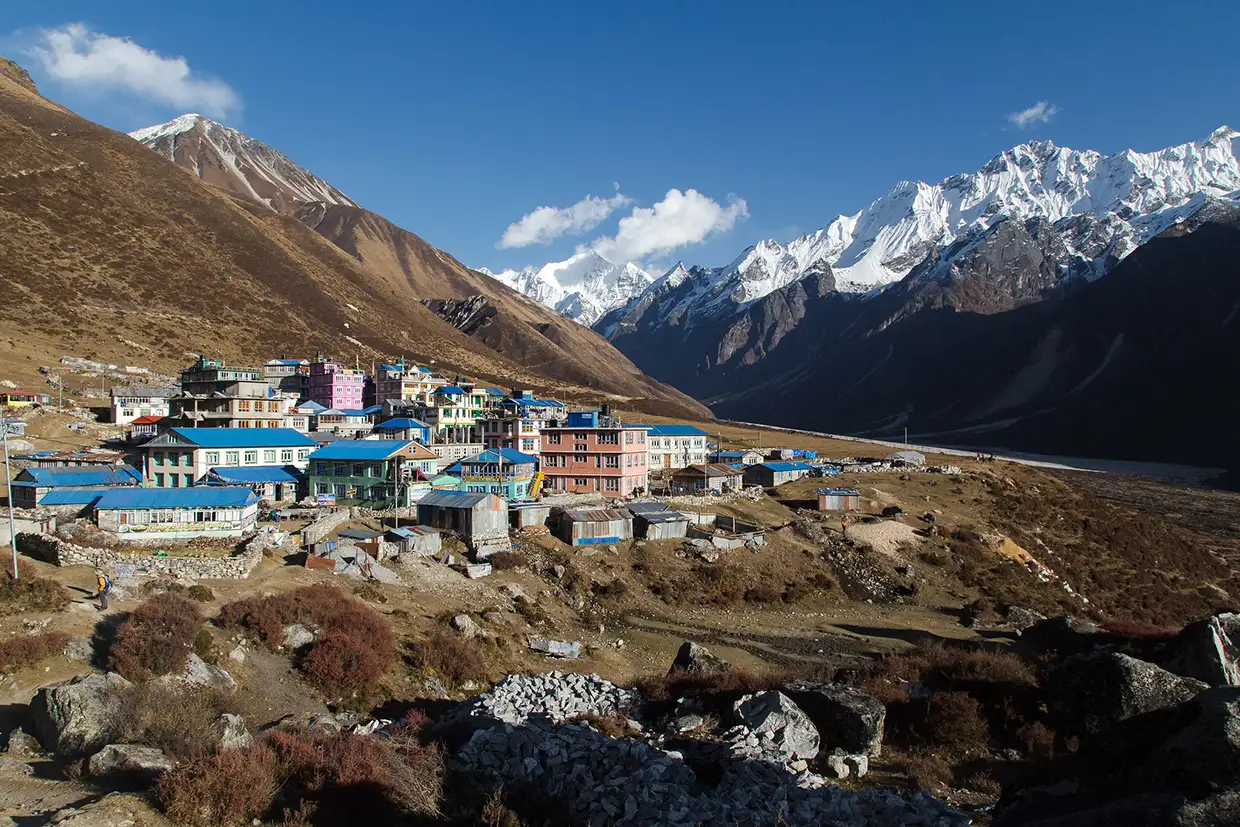
Duration: 12 to 16 days. Max altitude: 5,106 m (Larke La Pass). The Manaslu Circuit opens in spring once snow clears from the pass, usually by late March or April. Fewer trekkers visit Manaslu compared to Everest or Annapurna. The route needs restricted-area permits and a licensed guide.
Spring Hiking in Nepal by Region
Everest Region
Spring brings the energy of the climbing season to the Khumbu. Teahouses buzz with trekkers and expedition support teams. April and early May offer the best spring conditions. Mountain views look sharpest in the early morning. The Everest Base Camp, Gokyo Lakes, and Everest View treks all work well. Early March still feels cold at higher elevations. Lukla flights run frequently during spring but always need buffer days for weather.
Annapurna Region
The Annapurna region offers Nepal’s best spring flower displays. Rhododendron forests around Ghorepani and the lower Annapurna trails bloom beautifully in March and April. Poon Hill, Annapurna Base Camp, Mardi Himal, and the Annapurna Circuit all suit spring hikers. The region is suitable for beginners on shorter routes and for experienced trekkers on longer ones. Spring warmth makes the lower village routes especially pleasant.
Langtang Region
Langtang Valley fills with spring color from forest blooms and alpine wildflowers. The region is close to Kathmandu, so no flights are needed. March and April work best. Tamang culture adds warmth to the trek. The route suits travelers with 7 to 10 days.
Kathmandu Valley
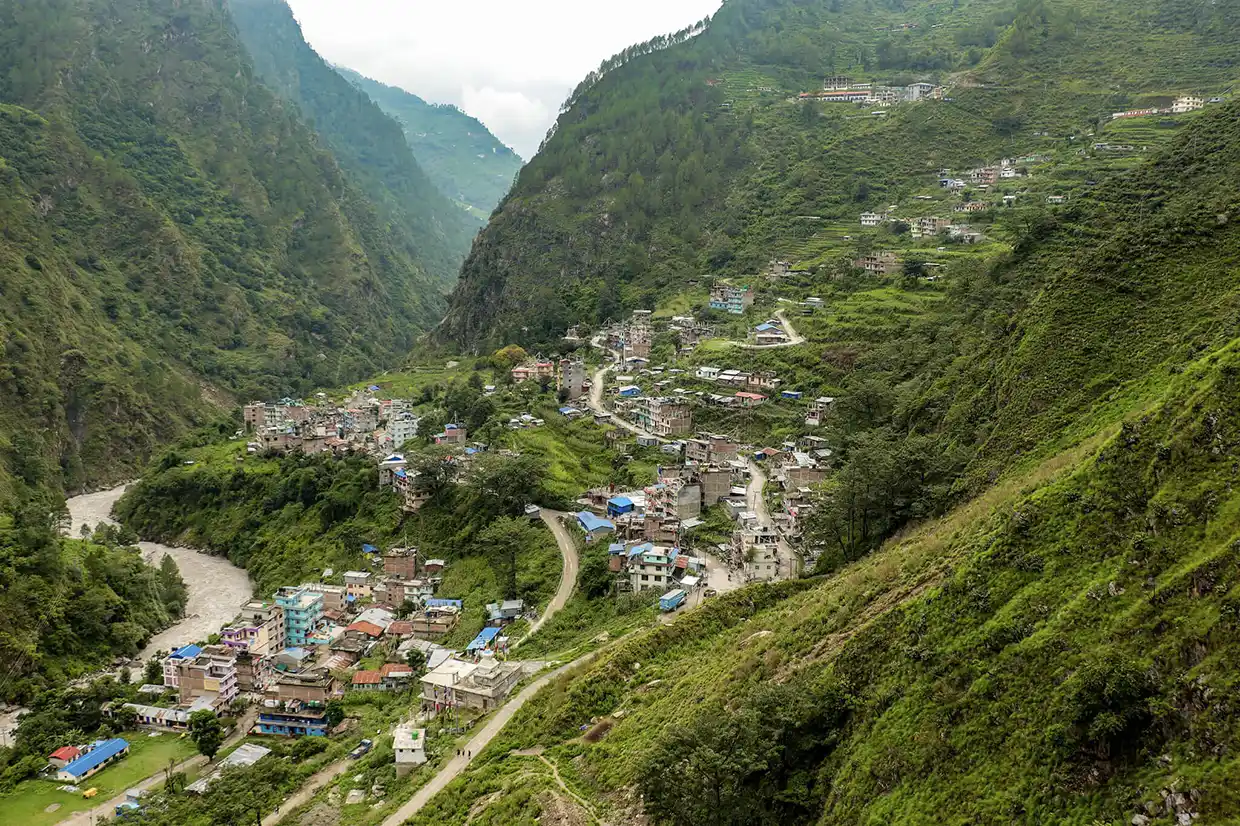
The Kathmandu Valley offers over 50 hiking trails of varying difficulty. Shivapuri, Champadevi, Nagarkot, Nagarjun, and Pulchowki all suit spring day hikers. Warm mornings and clear spring skies make these short hikes rewarding. The trails suit both amateur and experienced hikers.
Pokhara and Nearby Hills
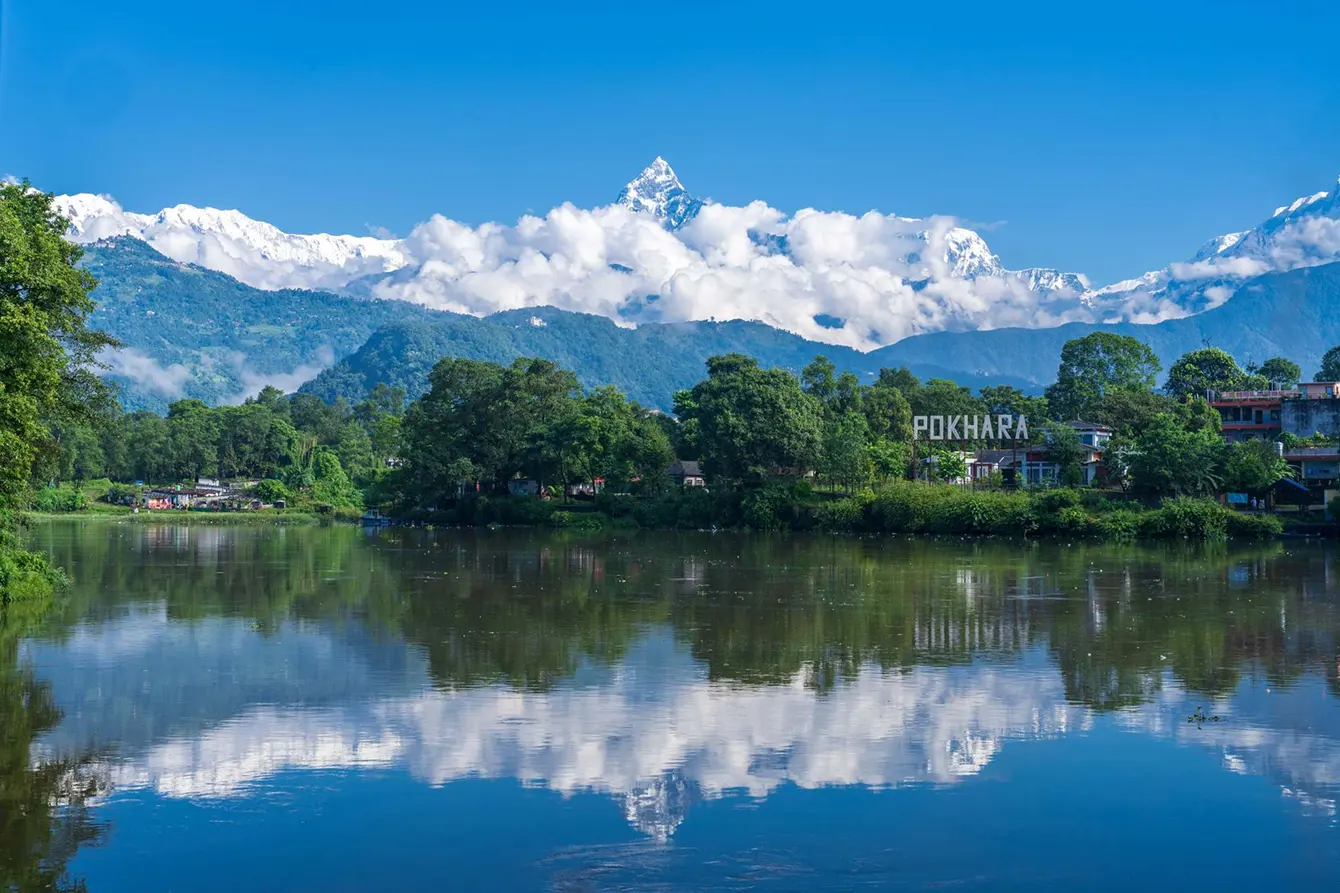
Pokhara serves as the gateway to Annapurna region treks. Short spring hikes to Australian Camp, Sarangkot, and Ghandruk start right from the lakeside city. Longer routes like Poon Hill and Mardi Himal launch from Pokhara with easy logistics.
Rain-Shadow Regions: Mustang and Manang
Mustang and Manang sit behind the main Himalayan range and receive less rainfall than other areas. These regions stay drier even when pre-monsoon moisture increases in May. Upper Mustang opens from late spring and runs strong through the monsoon months. Manang Valley hikes suit spring and early summer.
Spring Hiking in Nepal for First-Time Visitors
Spring ranks among the easiest seasons for first-time hikers in Nepal. Warmer temperatures, blooming forests, and active teahouses create a welcoming trail environment. Most beginner-friendly routes feel their best during spring. Start with a lower-altitude route. Poon Hill, Australian Camp, Nagarkot hikes, and lower Annapurna village routes all suit beginners in spring. These trails give real mountain scenery without extreme altitude or long itineraries.
First-time hikers should avoid overambitious plans. Jumping straight to Everest Base Camp or the Manaslu Circuit without prior hiking experience creates unnecessary risk. Build confidence on a shorter spring route first, then consider a bigger trek later.
Best beginner spring routes: Poon Hill (4–5 days), Australian Camp (1–2 days), Nagarkot to Changunarayan (1 day), Ghandruk village hike (2–3 days), Mardi Himal (5–7 days with good fitness).
Spring Weather and Trail Conditions
Spring weather in Nepal shifts by altitude. Lower valleys feel warm during the day. Higher passes still hold cold air, especially in March. Temperature drops about 6 degrees Celsius for every 1,000 meters of altitude gain.
| Elevation Zone | Daytime Feel | Nighttime Feel | Spring Notes |
|---|---|---|---|
| 1,000–2,000 m | Warm | Mild to cool | Good for short hikes and city stays |
| 2,000–3,500 m | Comfortable | Cool to cold | Ideal range for most spring treks |
| 3,500–5,000 m | Cool | Cold | Needs a down jacket and warm sleeping gear |
| Above 5,000 m | Cold | Very cold | High passes need weather and snow checks |
Mornings usually give the clearest views. Afternoon clouds build at lower elevations, especially in April and May. Start walking early to take advantage of the best light and visibility. Rain and snowstorms still happen during spring—carry a rain layer even on sunny days.
Trail conditions improve steadily from March through April. Mud from winter snowmelt dries as the season progresses. Forest trails feel fresh and green. Higher routes open as snow clears from passes. May trails feel drier at altitude but wetter at lower elevations.
Rhododendron Season and Spring Hiking
Rhododendron forests rank as spring’s biggest advantage over autumn. Nepal’s national flower grows across the middle-hill forests between about 2,000 and 4,000 meters. Colors range from deep red and bright pink to white and pale yellow. The display happens only during spring. Peak bloom timing shifts by altitude. Lower forests near Ghorepani and Ghandruk bloom in March. Higher areas near Tengboche, Lauribina, and upper Langtang bloom in April. Ganesh Himal and Helambu forests also fill with red, pink, and white rhododendrons during spring.
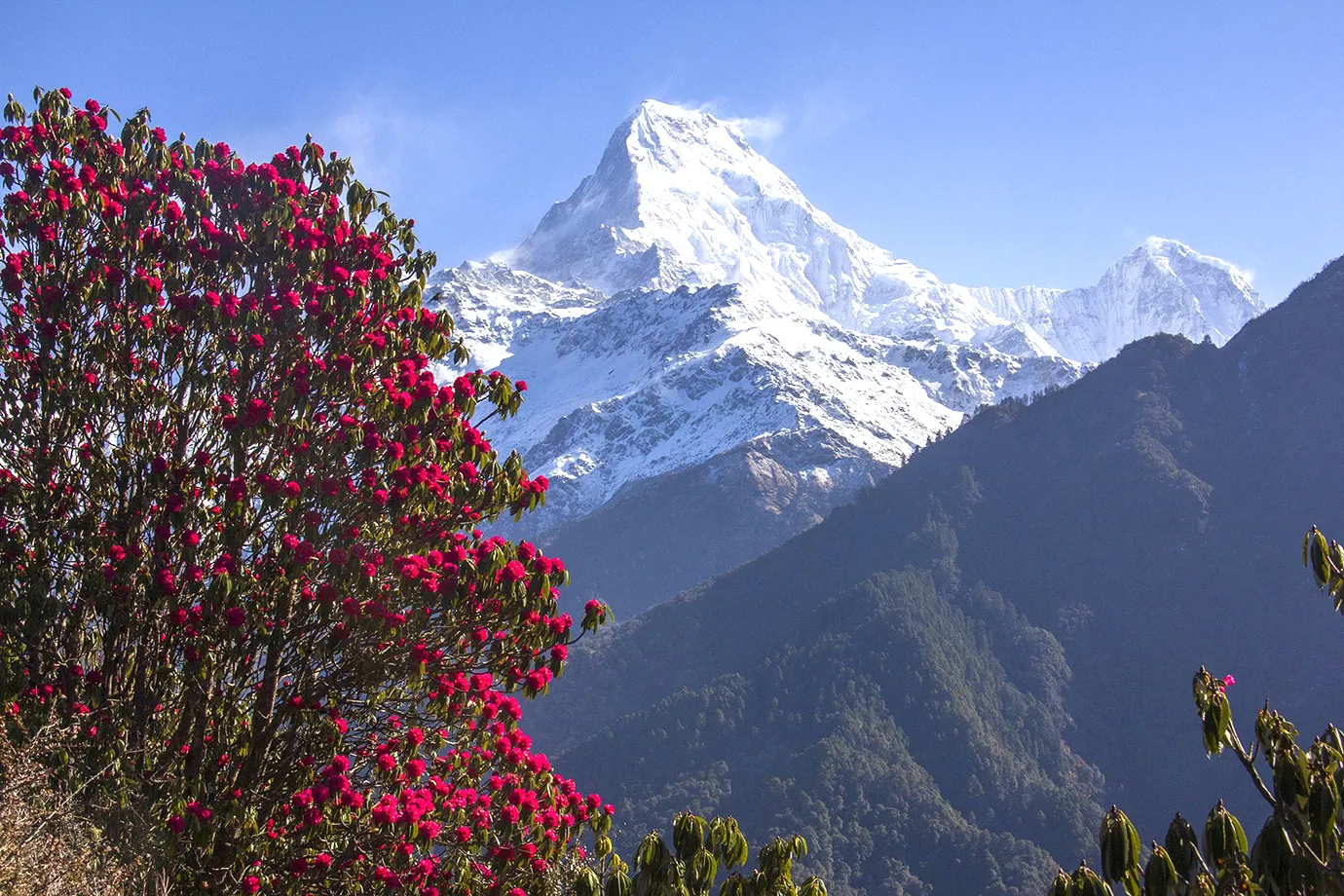
Best routes for rhododendron blooms:
- Ghorepani Poon Hill: March and April
- Annapurna Base Camp lower trail: March and April
- Mardi Himal forest sections: March and April
- Langtang Valley: April
- Helambu: March and April
- Ganesh Himal: April
- Pikey Peak: April
Autumn offers clearer mountain views, but autumn forests show no flower color. Spring hikers often rank the blooming forest sections as the most memorable part of the entire trek.
Spring vs. Autumn Hiking in Nepal
Nepal’s two peak seasons offer different experiences. Both work well. The right choice depends on what you value most.
| Factor | Spring (Mar–May) | Autumn (Sep–Nov) |
|---|---|---|
| Flowers | Rhododendrons bloom beautifully | Less floral color |
| Mountain views | Good, best in the mornings | Clearest after the monsoon |
| Temperature | Warmer days | Cooler and crisp |
| Trail feel | Green and colorful | Dry and golden |
| Best month | April | October |
| Photography | Strong, especially with flowers | Excellent, sharp light all day |
| Crowds | High in April | Very high in October |
| Weather risk | Afternoon haze, late-May instability | Cold November nights |
| Best for | Flowers, warmth, first-timers | Clear views, stable weather |
Choose spring if you want blooming forests, warmer walking days, and the energy of climbing season in the Khumbu. Choose autumn for the clearest mountain views and the most stable trail conditions.
Trekking Rules Spring Hikers Should Know
Many major Himalayan routes require a licensed trekking guide and an agency-issued TIMS card. The revised TIMS provision took effect on March 31, 2023. Restricted areas such as Manaslu and Upper Mustang need special permits from Nepal’s Department of Immigration.
| Route | Common Permit Needs |
|---|---|
| Annapurna routes | ACAP and applicable local permits |
| Everest routes | Sagarmatha National Park permit and local permits |
| Langtang routes | Langtang National Park permit |
| Manaslu Circuit | Restricted-area permit, MCAP, ACAP, licensed guide |
| Upper Mustang | Restricted-area permit and ACAP |
Spring ranks as the main trekking season. Guides, porters, and teahouse rooms book up on popular routes—especially in April. Arrange permits and logistics early. Himalayan Rescue Association aid posts at Pheriche (Everest region) and Manang (Annapurna Circuit) operate during the spring and autumn seasons. Permit rules change periodically. Confirm current requirements through your trekking operator before booking.
What to Pack for Spring Hiking in Nepal
Spring weather varies by altitude and week. Pack layers that handle cool mornings, warm midday, and cold evenings at higher camps.
Clothing
- Moisture-wicking base layers
- Fleece mid-layer
- Light down jacket (essential above 3,000 m)
- Waterproof and windproof shell
- Trekking pants (zip-off legs help in warm weather)
- Sun hat and warm hat
- Light gloves for mornings at altitude
- Buff or neck warmer
Sun and Rain Protection
- Sunscreen (SPF 50+)—UV intensity increases with altitude
- Lip balm with UV protection
- Sunglasses with UV protection
- Rain jacket—spring showers arrive without warning
Gear Essentials
- Broken-in trekking boots
- Trekking poles
- Headlamp with spare batteries
- Power bank (20,000 mAh minimum)
- Reusable water bottle
- Water purification tablets
- Small first-aid kit
- Sleeping bag liner (adds warmth at higher teahouses)
Sun protection matters more in spring than travelers expect. Spring sunshine reflects off snow at higher elevations, and UV intensity increases sharply with altitude.
Sample Spring Itineraries
3-Day Beginner Spring Itinerary (Pokhara Area)
| Day | Route | Highlight |
|---|---|---|
| Day 1 | Drive Pokhara to Kande, hike to Australian Camp | Mountain views at sunset |
| Day 2 | Hike to Dhampus, explore the village | Annapurna panorama |
| Day 3 | Hike down to Phedi, drive to Pokhara | Easy return |
5-Day Classic Spring Trek (Ghorepani Poon Hill)
| Day | Route | Highlight |
|---|---|---|
| Day 1 | Drive Pokhara to Nayapul, trek to Tikhedhunga | Enter the trail |
| Day 2 | Trek to Ghorepani | Rhododendron forests |
| Day 3 | Sunrise at Poon Hill, trek to Tadapani | Mountain panorama |
| Day 4 | Trek to Ghandruk | Gurung village culture |
| Day 5 | Trek to Nayapul, drive to Pokhara | Return to the lakeside |
10-Day Classic Spring Trek (Annapurna Base Camp)
| Day | Route | Highlight |
|---|---|---|
| Day 1 | Fly from Kathmandu to Pokhara | Transfer day |
| Day 2 | Drive to Nayapul, trek to Ghandruk | Start the trek |
| Day 3 | Trek to Chhomrong | Mountain village |
| Day 4 | Trek to Bamboo | Forest trail |
| Day 5 | Trek to Deurali | Valley approach |
| Day 6 | Trek to Annapurna Base Camp via MBC | Base camp arrival |
| Day 7 | Explore ABC, trek down to Bamboo | Morning views |
| Day 8 | Trek to Jhinu Danda | Hot springs |
| Day 9 | Trek to Nayapul, drive to Pokhara | Return |
| Day 10 | Fly Pokhara to Kathmandu | Departure |
FAQ
Q: Does spring work for hiking in Nepal?
A: Spring is widely considered one of Nepal’s finest seasons for outdoor exploration. From March through May, the landscape transforms with vibrant rhododendron blooms and manageable walking temperatures. April generally stands out as the month with the most favorable conditions for a variety of routes. It is an ideal time for those who enjoy warmer days and a colorful natural environment.
Q: Spring or autumn—which suits Nepal hiking better?
A: Both seasons offer distinct advantages for trekkers visiting the Himalayas. Spring provides warmer weather and famous floral displays throughout the forests. Autumn is typically preferred by those seeking the sharpest mountain visibility and the most stable atmospheric conditions. You should choose spring if you want warmth and color, while autumn is better for clear, high-definition views of the peaks.
Q: Which spring hikes suit beginners best?
A: Beginners have several excellent options for spring adventures in Nepal. Routes like Poon Hill, Australian Camp, and the trails around Ghandruk village are highly recommended. These paths offer breathtaking mountain scenery without the physical risks of extreme altitude. Short hikes near Nagarkot or along the lower Annapurna trails also provide a rewarding introduction to the region’s beauty during April.
Q: Does April rank as the best spring month?
A: April is often cited as the premier month for spring trekking because of its perfect balance. It features peak rhododendron blooms and consistently warm weather across all major hiking regions. Most high-altitude trails are fully accessible by this time, making it the strongest choice for most hikers. The combination of natural beauty and reliable trail access creates an optimal trekking window.
Q: Do rhododendrons bloom during spring hikes?
A: Vibrant rhododendron forests are a major highlight between 2,000 and 4,000 meters. Lower-elevation forests usually begin blooming in March, while higher elevations reach peak bloom in April. For the most spectacular floral views, target routes such as Poon Hill, Ghorepani, and the Langtang Valley. Walking through these colorful forests is a truly memorable spring experience.
Q: What goes in a spring hiking pack?
A: Your spring pack should include layered clothing and a fleece to handle variable weather. Essential items include a light down jacket, a rain shell, sturdy boots, and full sun protection. Do not forget a headlamp, gloves, and a water bottle with purification tablets. Since mountain weather shifts between warm afternoons and cool nights, these items ensure you stay comfortable and safe.
Q: Do short hikes near Kathmandu work in spring?
A: The Kathmandu Valley has over 50 accessible trails perfect for day trips. Routes like Shivapuri, Champadevi, and Nagarjun are particularly rewarding during the spring months. Warm mornings and clear skies often provide beautiful views of the surrounding hills and distant peaks. These short hikes offer a great way to experience nature without needing a long, multi-day expedition.
Q: Do spring hikers need a guide in Nepal?
A: Many protected areas in Nepal now require travelers to hire a licensed guide and obtain a TIMS card issued by an agency. Restricted trekking zones also demand special permits that must be organized in advance. It is important to confirm the current regulations before you start your journey. A professional guide provides essential support for safety, logistics, and maintaining a good walking pace.
Plan Your Spring Hike in Nepal
Spring hiking in Nepal delivers blooming forests, warming trails, and strong route access across every major region. March marks the start of the season with cooler days and early color. April brings peak flower displays and the best all-round conditions. May suits higher routes before the monsoon arrives. Poon Hill, Mardi Himal, Annapurna Base Camp, Langtang Valley, Everest Base Camp, and dozens of shorter hikes in Kathmandu and Pokhara all offer excellent spring experiences. The best route depends on your time, fitness, comfort with altitude, and travel style.
Planning a spring trek? Choose your month first. Match it to a route that fits your experience level and goals. Book guides and flights early for April trips. Pack layers for changing altitude weather. And give yourself enough days to acclimatize properly on high routes. A well-planned spring trip delivers some of Nepal’s finest trail days.