


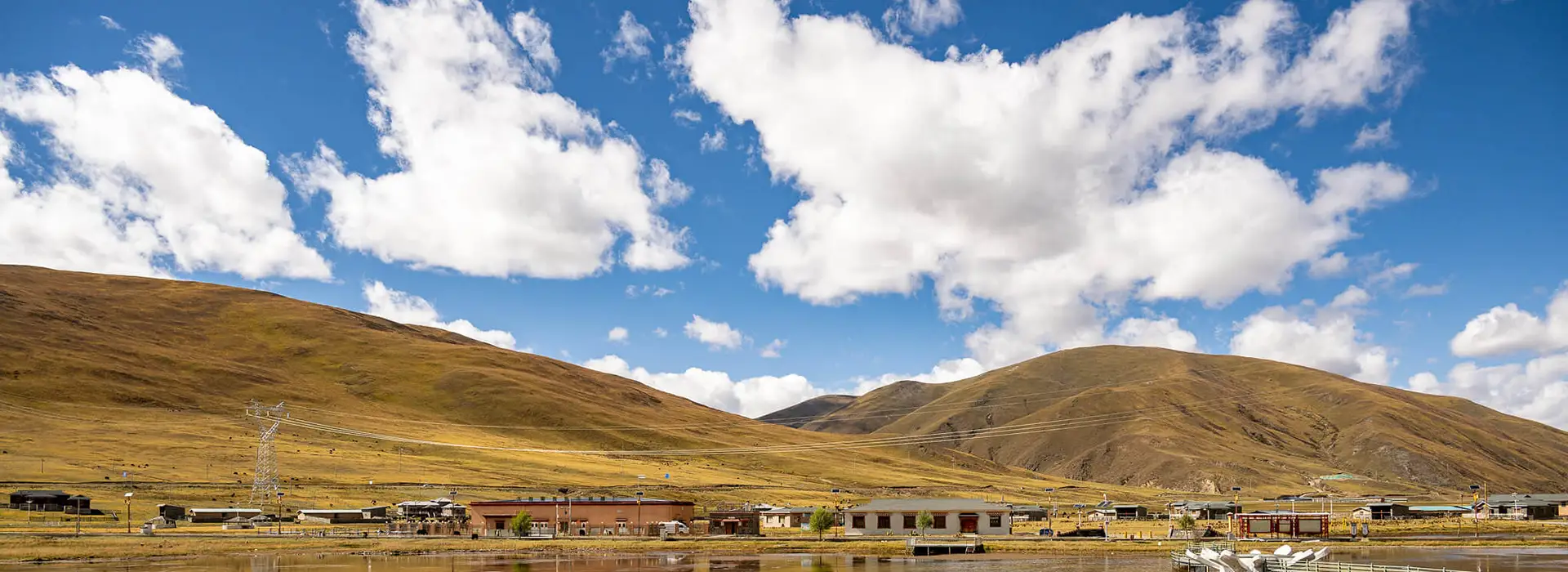

Tibet features intense sun, dry air, and massive temperature swings. The high plateau sits above 4,000 meters. The towering Himalayas block monsoon rain from the south. This geography creates an arid, high-altitude desert environment. A proper Tibet Packing List requires careful planning. Weather shifts dramatically across different regions.
Lhasa enjoys relatively mild conditions. Namtso Lake experiences freezing winds. Mount Kailash faces severe cold. Altitude changes dictate your daily clothing needs. Your gear must match your specific route perfectly. We break the Tibet Packing List into distinct seasons. We categorize items by travel style. Read this guide to prepare perfectly.
Quick Facts
- Biggest mistake: Travelers pack only for daytime warmth.
- Most important items year-round: Layers, sun protection, lip balm.
- Best approach: Pack light, layer smart.
Tibet Packing List Basics
Every traveler needs a reliable core set of gear. These items work flawlessly in every season. Start your Tibet Packing List with these basic categories.
Clothing System (Layers)
Layering offers the best protection against temperature swings. You add or remove items rapidly. A reliable Tibet Packing List builds upon three distinct layers.
- Base layer (warmth): Merino wool or synthetic fabrics work best. Wool resists odors naturally. You wear merino wool for several days without washing it. Synthetic fabrics dry very fast. These materials pull sweat away from your skin. Cotton traps sweat and chills the body. Avoid cotton shirts completely.
- Mid layer (fleece or light down): Fleece jackets trap body heat effectively. Light down jackets pack easily into small spaces. These provide essential warmth during cold mornings. You remove the mid-layer during sunny afternoons.
- Outer layer (windproof/water-resistant): A hard shell jacket blocks harsh winds. It stops light rain and unexpected snow. High altitude winds cut right through normal knitted sweaters. Look for breathable, waterproof fabrics.
Why this matters: Layering prevents overheating during the day and freezing at night.
Sun and Dry-Air Protection
High altitude environments feature extremely thin air. Thin air filters very little ultraviolet radiation. The intense sun quickly burns unprotected skin. The dry environment causes severe lip cracking. For your Tibet travel essentials, you need serious skincare products.
- Sunglasses: Polarized lenses protect your eyes from intense glare. Snow reflection damages unprotected retinas. Wraparound styles block side glare effectively. UV400 rating ensures complete protection.
- Sunscreen: Choose SPF 50 or higher products. Apply it frequently throughout the day. Physical barriers made of zinc oxide perform better than chemical sunscreens at high altitudes. Cover your neck and ears thoroughly.
- Lip balm: Buy a brand featuring high UV protection. Reapply the balm constantly. The wind strips moisture from your lips rapidly. Prevent bleeding lips early.
- Moisturizer: Bring rich, heavy creams. Light lotions dry out too fast in the plateau air. Look for ingredients like ceramides. Avoid water-based products. Water-based lotions freeze in cold weather.
Why this matters: Sunburn and cracked skin ruin travel experiences rapidly.
Daily Travel Essentials
Keep these items close at hand. A well-prepared daypack makes daily exploration comfortable.
- Refillable bottle: Hydration effectively prevents altitude sickness. Insulated bottles keep water from freezing. Warm water aids your digestion. The body loses water quickly at high altitudes.
- Power bank: Cold weather drains phone batteries quickly. A high-capacity 20,000mAh power bank keeps devices running. Keep the power bank close to your body. Body heat keeps the battery warm.
- Wet wipes and sanitizer: Public restrooms often lack toilet paper. Remote facilities lack soap. Carry your own hygiene supplies everywhere. Pack extra hand sanitizer.
- Small daypack: A 20-liter bag holds your daily gear perfectly. Keep your water, high-energy snacks, and extra layers inside. Choose a bag featuring padded shoulder straps.
Why this matters: Remote regions lack convenience stores and basic facilities.
Packing by Season
A Tibet packing list by month helps you anticipate exact weather conditions. Different months demand completely different gear. We organize the Tibet travel essentials into four main seasons.
Spring Packing List (Mar–May)
Spring brings warming temperatures but retains bitter winter chills. Expect cold mornings, freezing evenings, and intense wind on the mountain passes. Clear days offer excellent mountain visibility. In March, daytime highs in Lhasa are around 12 degrees Celsius. Nighttime temperatures drop to minus 3 degrees Celsius. May warms up to 20 degrees Celsius during the afternoon. The Mount Kailash region remains covered in deep snow. A proper Tibet spring packing list prepares you for rapid changes.
What to wear
Travelers need versatile clothing for spring excursions. Combine a thermal base layer with a thick fleece pullover. Keep a heavy down jacket ready for the dark evenings. Wear windproof hiking pants during the day. Layering remains absolutely critical.
Key gear
- A warm wool beanie protects your ears from biting winds.
- Insulated gloves keep your fingers warm during early morning temple visits.
- Light rain protection helps during sudden spring showers.
- A thick neck gaiter blocks dust and cold air on the road.
Common mistakes
Many visitors underestimate the fierce spring wind. They bring light jackets and suffer on high mountain passes. Some tourists forget thermal underwear. A correct Tibet spring packing list prioritizes complete wind protection.
Summer Packing List (Jun–Aug)
Summer features warmer days and cooler nights. Rainfall is frequent in certain southern and eastern regions. July and August see the highest precipitation levels. Midday temperatures in Lhasa reach 25 degrees Celsius. Nights cool down to a comfortable 10 degrees Celsius. Nyingchi experiences heavy rain and high humidity. Nyingchi reaches 22 degrees Celsius in July. Ngari and Nagqu remain quite cool even in mid-summer. Your Tibet summer packing list requires serious rain protection.
What to wear
Choose breathable, moisture-wicking shirts. Add a light fleece pullover for the evening hours. Wear quick-dry hiking pants. Carry a reliable rain jacket at all times. Avoid heavy denim jeans. Denim takes days to dry.
Key gear
- Breathable layers prevent uncomfortable sweat buildup.
- A high-quality rain jacket keeps you dry during sudden summer downpours.
- Quick-dry socks prevent painful blisters after walking through puddles.
- Waterproof trail shoes provide excellent grip on slippery monastery steps.
Common mistakes
Tourists often pack heavy winter coats for summer trips. They carry unnecessary weight across the plateau. Others forget rain gear entirely. A good Tibet summer packing list focuses on waterproof, breathable layers.
Autumn Packing List (Sep–Nov)
Autumn offers incredibly stable weather and crystal clear skies. Nights grow progressively colder as the season advances. September remains pleasantly mild. November feels exactly like deep winter. In Lhasa, October highs reach 15 degrees Celsius. November nights drop to minus 5 degrees Celsius. The golden landscapes look beautiful. The frost returns quickly after sunset. The Tibet autumn packing list focuses on thermal retention.

What to wear
Start your outfit with a medium-weight base layer. Add a warm fleece mid-layer over the base. Use a windproof shell jacket on sunny days. Switch to a thick down jacket immediately after sunset. Wear sturdy hiking trousers.
Key gear
- A warm mid-layer provides versatile insulation against the crisp air.
- A windproof shell completely blocks the biting autumn breeze.
- Thick gloves and a warm beanie become essential daily items again.
- Strong sun protection remains critical under the cloudless skies.
Common mistakes
People ignore the rapid temperature drop in late autumn. They assume October feels just like summer. They pack inadequate nighttime clothing. Your Tibet autumn packing list relies on serious cold-weather items.
Winter Packing List (Dec–Feb)
Winter brings extreme, punishing cold. Days remain sunny but remarkably chilly. Nights feature brutal sub-zero temperatures. The air feels incredibly dry. January temperatures in Lhasa hover around 7 degrees Celsius during the day. Nights plummet to minus 10 degrees Celsius. Nagqu and Ngari experience temperatures well below- 20 degrees Celsius. Travel to certain remote areas comes to a halt entirely. A Tibet winter packing list demands premium survival gear.
What to wear
Wear heavy thermal underwear constantly. Layer a thick fleece under a heavy down parka. Choose insulated, windproof trousers. Wear thick wool socks every single day. Add a second pair of socks for extra warmth.
Key gear
- A heavy down jacket guarantees your survival in freezing temperatures.
- Thermal layers trap your body heat directly against the skin.
- Warm winter boots prevent frostbite on the frozen ground.
- Extra skin-care products help combat the extreme winter dryness effectively.
Common mistakes
Travelers mistakenly wear cotton base layers. Cotton traps sweat and freezes against the skin. Some visitors forget warm, insulated footwear. A proper Tibet winter packing list demands high-quality, fully insulated gear.
Seasonal Comparison Table
| Season | Day Feel | Night Feel | Wind/Rain | Must-Pack Items |
|---|---|---|---|---|
| Spring | Cool | Very Cold | High wind | Windproof shell, gloves |
| Summer | Warm | Cool | Frequent rain | Rain jacket, quick-dry pants |
| Autumn | Crisp | Cold | Moderate wind | Fleece mid-layer, beanie |
| Winter | Cold | Freezing | Dry/Clear | Heavy down parka, thermal wear |
Tibet Packing List by Trip Style
Knowing what to pack for Tibet depends heavily on your daily activities. A gentle city tour requires different items than a rigorous hike. We provide specific packing add-ons based on your travel style. Use these additions to the Tibet packing list to customize your luggage.
Lhasa City Tour (Easy Pace)
City tours involve exploring palaces, sacred temples, and local markets. The walking pace remains very relaxed. You spend your nights in comfortable, heated hotels. You carry very little gear during the day.
- Comfortable walking shoes support your feet on uneven cobblestone streets.
- Modest clothing is required in sacred monasteries.
- A light daypack holds your camera and your water bottle.
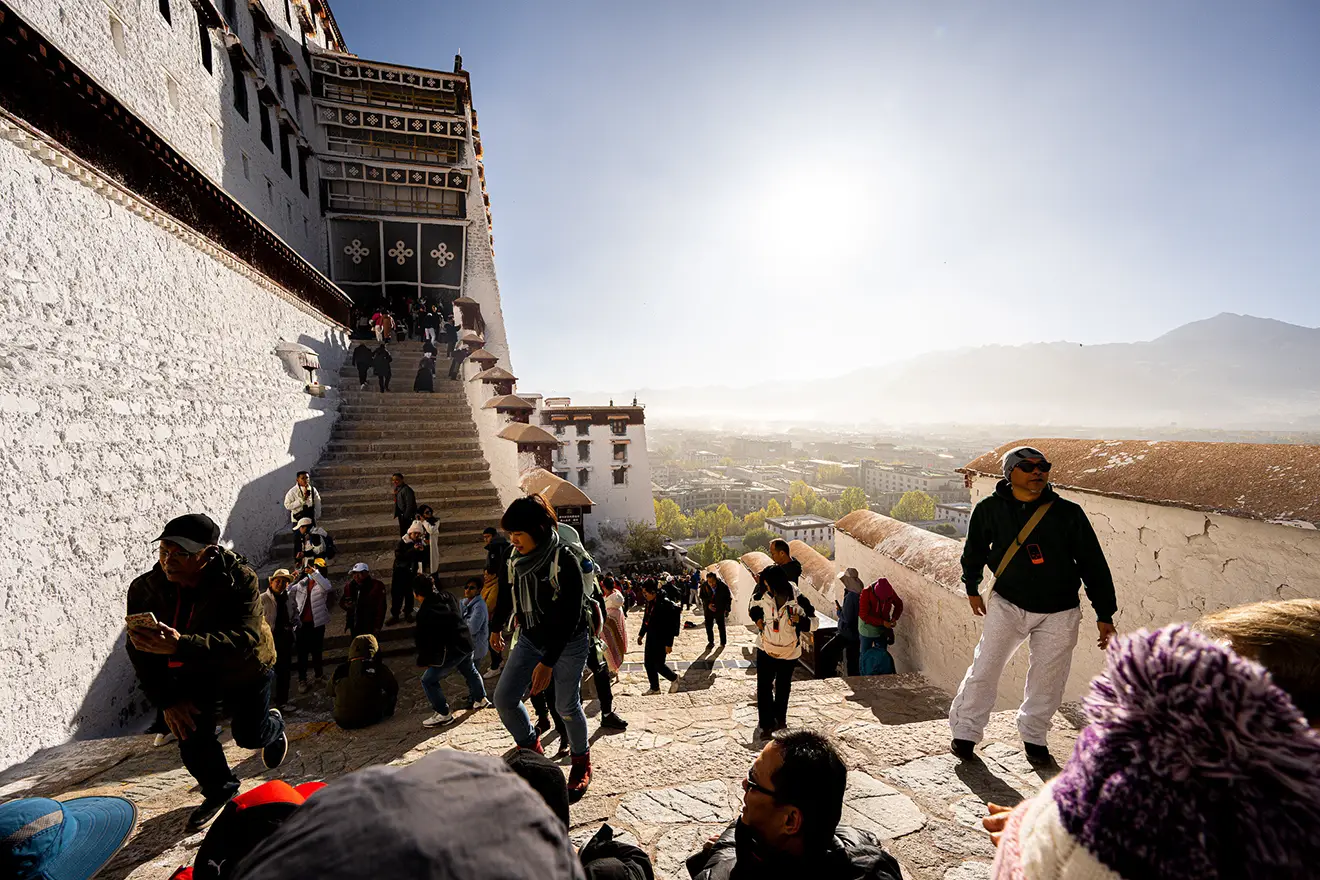
Why it matters: Proper footwear prevents fatigue, and modest clothing ensures entry into religious sites.
Road Trip Itinerary (Long Drives)
Overland trips involve countless hours inside a vehicle. You drive across vast, empty plateaus. A Tibet road trip packing list prioritizes passenger comfort. You sit for long stretches.
- A neck pillow prevents severe stiffness during long, bumpy drives.
- High-energy snacks keep your hunger away between remote towns.
- Motion comfort items help travelers prone to car sickness.
- A warm layer stays in the vehicle for sudden rest stops.
Why it matters: Comfort items transform a grueling drive into a pleasant sightseeing experience.
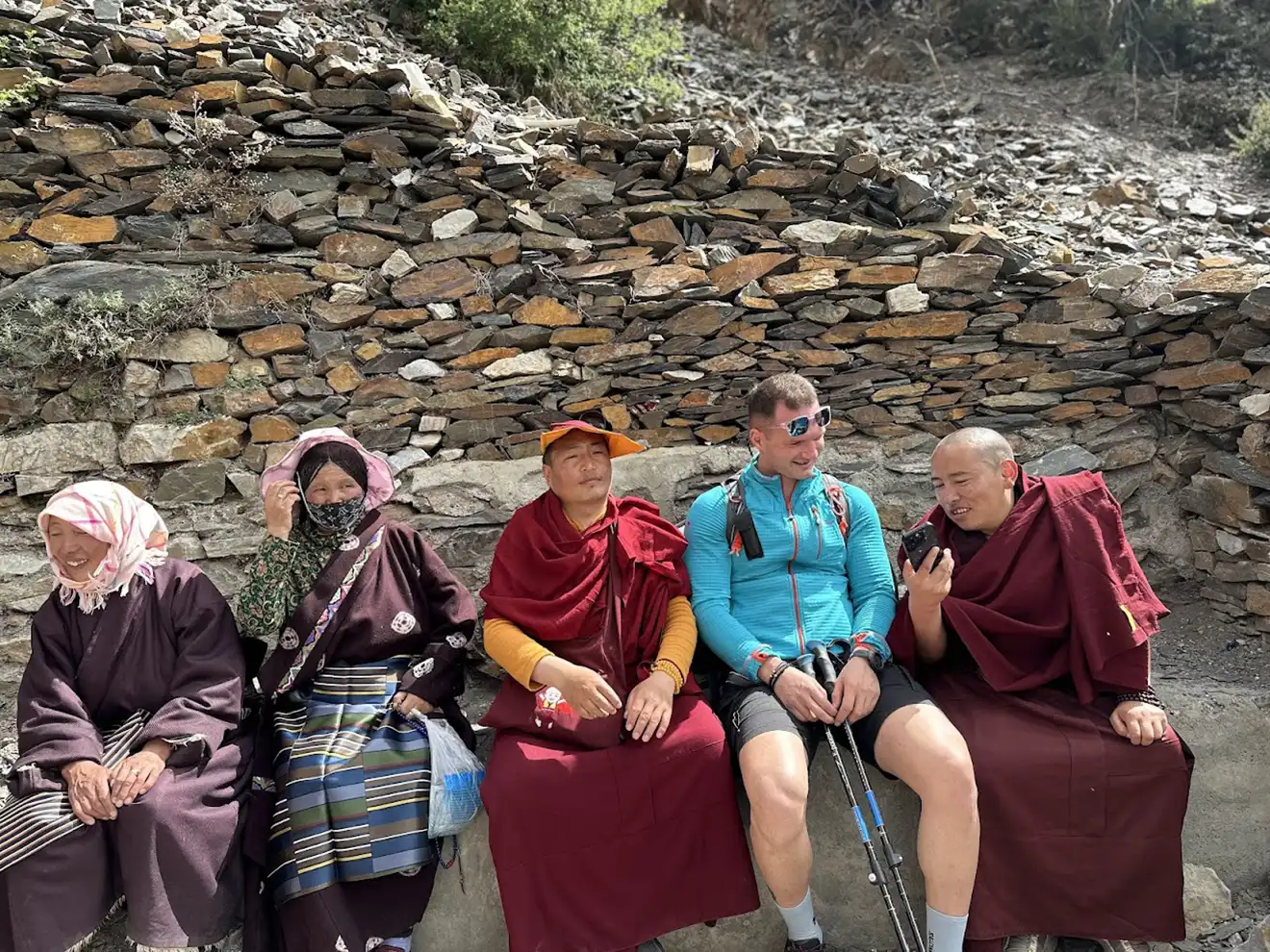
Trekking or Hiking Routes
Wilderness trails demand technical gear. You walk over extremely uneven terrain. You face rapid weather changes far from any shelter. A Tibet trekking packing list focuses on durability and safety. You carry your own supplies.
- Sturdy trekking boots protect your ankles on loose rocky paths.
- Trekking poles reduce strain on your knees during steep descents.
- A bright headlamp illuminates dark paths and campsite tents.
- A comprehensive blister kit saves your feet during long daily hikes.
- A zero-degree sleeping bag keeps you warm only if your specific trek style requires camping.
Why it matters: Technical gear prevents serious injuries on remote mountain trails.
Everest Region or Very High Routes
Base camps and high passes are characterized by brutal weather conditions. Wind speeds increase dramatically at high elevations. Temperatures drop below freezing even in the middle of summer. The Mount Kailash circuit reaches 5,600 meters. The air lacks oxygen.
- Extra warm layers double your bodily insulation.
- A premium windproof outer layer completely stops freezing gales.
- Warm gloves and a thick hat prevent heat loss from your extremities.
Why it matters: High-altitude cold can cause rapid hypothermia without proper protection.
Trip-Style Add-ons Table
| Trip Type | Add-on Items | Why it Matters |
|---|---|---|
| City Tour | Walking shoes, modest clothes | Ensures comfort and cultural respect |
| Road Trip | Neck pillow, snacks, motion pills | Enhances comfort during long drives |
| Trekking | Boots, poles, blister kit | Protects feet and joints on rough trails |
| High Routes | Extra layers, extreme wind shell | Prevents hypothermia at high altitude |
What to Wear in Tibet
Deciding what to wear in Tibet confuses many people. The climate demands highly flexible outfits. You change clothes frequently throughout the day. Use these simple templates for daily dressing. They provide perfect examples for your Tibet Packing List.
Warm Day Outfit
Start with a moisture-wicking base t-shirt. Add a light fleece mid-layer over the shirt. Keep a windproof shell jacket tied around your waist. Wear breathable, quick-dry hiking pants. Choose lightweight trail shoes. Wear a wide-brimmed sun hat.
Cold Morning Outfit
Wear long thermal underwear bottoms. Put on a warm long-sleeve base shirt. Add a thick fleece jacket. Top it with a warm down jacket. Wear your windproof shell over the down jacket. Wear thick wool socks. Wear waterproof boots.
Windy Pass Stop Outfit
Keep your base and mid-layers fully intact. Zip your windproof shell all the way up. Put on insulated winter gloves. Pull a warm beanie tightly over your ears. Wrap a buff around your neck and face.
Temple Visit Outfit
Wear a modest, long-sleeve top. Shoulders must remain fully covered. Wear long trousers reaching your ankles. Avoid shorts and skirts completely. Choose easy slip-on shoes. Monasteries require visitors to remove their shoes in certain specific areas. Remove your hat and sunglasses immediately inside. Walk silently.
Health and Comfort Items (Altitude + Dry Air)
Tibet altitude packing tips always highlight critical health gear. The high elevation affects every single traveler. The extremely dry air severely impacts your skin. Prepare your medical kit carefully. Add these items to your Tibet Packing List.
Hydration Support
Your body loses water rapidly at high altitudes. Bring a one-liter reusable water bottle. Insulated bottles perform best. Drink water constantly throughout the day. Dehydration accelerates altitude sickness symptoms. Drink warm water to aid digestion.
Lip Balm and Moisturizer
Pack heavy-duty lip balm featuring UV protection. Bring a rich, thick skin moisturizer. Aloe vera gel helps soothe painful sunburns. Saline eye drops relieve dry, itchy eyes. Avoid water-based lotions completely. They freeze quickly in cold temperatures. Local Tibetan women use yogurt and flower juice to protect their skin. Emulate their focus on heavy hydration.
Basic First-Aid Kit
Prepare for minor trail injuries. Pack blister care pads. Include standard bandages and antiseptic wipes. Carry medication for mild headaches. Pack anti-diarrheal pills. Include electrolyte tablets to maintain hydration. Add cotton swabs and basic medical tape.
Personal Meds
Bring enough prescription medicine for your entire trip. Remote pharmacies lack international brands. Keep your medications inside your daypack. Never pack essential pills inside checked luggage. Checked bags get lost occasionally. Consult a doctor regarding altitude sickness pills. Acetazolamide helps many travelers adjust to the thin air. Ibuprofen relieves basic tension headaches.
Hand Sanitizer and Tissues
Public toilets offer very basic facilities. Carry hand sanitizer everywhere you go. Pack several small tissue packets. Toilet paper rarely exists in rural bathrooms. Women need to pack feminine hygiene products from home. Disposal requires wrapping items in toilet paper and plastic bags. Burn pits remain the only disposal option in many rural villages.
High-Energy Snacks
Long drives and hikes demand sustained energy. Pack dried yak beef for a high-protein boost. Nuts and seeds provide slow-burning, healthy fats. Bring walnuts, almonds, and pumpkin seeds. Avoid high-sugar snacks. Sugar causes rapid energy spikes. Severe crashes follow sugar spikes quickly. Energy bars help maintain stamina during steep trail climbs.
Documents and Money (Don’t Forget Section)
Missing documents halt your travel immediately. The region enforces strict entry rules. Ensure your Tibet travel essentials include all vital paperwork. Add these items to the very top of your Tibet Packing List.
Passport and Copies
Carry your original passport at all times. Print several color copies of the main photo page. Keep the copies inside a separate bag. Hand a copy to your guide if requested.
Printed and Digital Copies of Key Documents
Foreigners require a Tibet Travel Permit. Your tour guide secures this document. Independent travel remains strictly prohibited. Keep a printed copy for yourself. Save a digital copy on your phone. Obtain a Chinese Group Visa before arrival if entering from Nepal. Pack a printed itinerary. Keep emergency contact numbers written on a physical piece of paper.
Cash for Smaller Towns
Large hotels in Lhasa accept credit cards. Remote towns operate entirely on cash. Bring enough Chinese Yuan for your entire route. ATMs exist only in major cities like Lhasa and Shigatse. Pay for small souvenirs with small bills. Keep your cash secured in a hidden money belt.
Digital Payment Apps
China operates as a mostly cashless society for locals. Foreigners now use apps like Alipay and WeChat Pay. Download these apps before leaving your home country. Link your international credit card. Verify your identity in advance. Prepare backup cash for areas with weak internet signals. Use the scanning function to quickly pay street vendors and small restaurants.
Prohibited Items
Customs officials search bags carefully. Leave political books at home. Do not pack materials critical of the government. Leave professional drones behind. Drones face strict bans across the entire region. Do not bring large amounts of foreign currency without declaring it. Leave sensitive religious materials behind.
Electronics and Charging Plan
Capturing the scenery requires reliable electronics. The cold environment drains batteries fast. Prepare a solid power strategy. Add these technical items to your Tibet Packing List.
Power Bank
Bring a large-capacity power bank. A 20,000mAh unit works perfectly. Keep it inside your inner jacket pocket. Body heat keeps the battery warm. Cold power banks lose their charge instantly. Fully charge the power bank every night at your hotel.
Universal Adapter
The region uses Type A, Type C, and Type I outlets. The standard voltage is 220V at 50Hz. Bring a reliable universal travel adapter. Ensure your electronics are rated for 220V to avoid permanent damage. Most modern phone chargers automatically convert voltage. Check the label on your devices carefully.
Extra Charging Cable
Cables break easily during rugged travel. Pack two extra charging cords for your phone. Bring a dedicated charger for your camera batteries. Keep a spare cable inside your daypack.
Camera Battery Care
Cold weather kills camera batteries quickly. Carry spare batteries in an inner clothing pocket. Use a ziplock bag when bringing a cold camera indoors. Seal the bag outside. This traps condensation on the plastic bag rather than on the camera lens. Let the camera warm up slowly. Pack silica gel packets inside your camera bag. Silica absorbs hidden moisture effectively. Use a lens hood to block stray snowflakes.
Offline Downloads
Internet access remains highly limited. The local firewall blocks many international websites. Download offline maps of the entire region. Save your itinerary and booking confirmations offline. Install a translation app featuring offline Chinese and Tibetan language packs. Purchase a reliable VPN before your arrival. Test the VPN thoroughly before flying.
Packing Tips: How to Pack Light for Tibet
Heavy luggage creates absolute misery during travel. High altitudes make carrying bags exhausting. Follow these rules to keep your load light. A smart Tibet Packing List saves you a great deal of physical effort.
Use Layering Instead of Heavy Single Items
Avoid packing multiple heavy winter coats. One good down jacket and several thin layers work much better. You reuse base layers and mid-layers throughout the trip. Layering provides superior warmth. Layering saves tremendous suitcase space.
Choose Quick-Dry Clothing
Merino wool and synthetic fabrics dry overnight. You can easily wash them in hotel sinks. This reduces the number of shirts you need to pack. Avoid cotton completely. Pack concentrated travel soap. Roll wet clothes inside a dry towel to extract excess water. Hang the damp clothes near a heat source. They dry rapidly in the arid climate.
Limit Shoes to 1–2 Pairs
Shoes take up massive space. Bring a maximum of two pairs. Wear your heavy hiking boots on the airplane. Pack one pair of comfortable, soft shoes for hotel evenings. Clean your hiking boots outside before entering hotel lobbies.
Pack Cubes for Organization
Packing cubes compress your clothing tightly. They keep your luggage perfectly organized. Dedicate one cube to base layers and another to outer layers. Finding specific gear becomes much easier. Use a waterproof dry bag for dirty laundry.
Keep One Warm Layer in Your Daypack
The weather on the plateau changes rapidly. Keep a warm fleece inside your daypack at all times. Keep your water and electronics accessible. Never overstuff your daily bag. Maintain extra space for souvenirs.
Suitcase vs Backpack
Suitcases work well for stays at Lhasa hotels. Rolling wheels fail on unpaved gravel paths in remote towns. Backpacks allow hands-free movement. Choose a comfortable 40-liter to 50-liter travel backpack for overland routes. Ensure the backpack features a strong hip belt. The hip belt transfers weight away from your shoulders.
Sock Layering Strategy
Blisters ruin trekking experiences. Implement a smart double-sock system. Wear a thin polyester liner sock against your skin. Wear a thicker merino wool sock over the liner. The liner wicks sweat away. The wool sock provides cushioning. This system displaces friction perfectly. The friction occurs between the socks rather than against your skin.
Common Packing Mistakes in Tibet
Many travelers regret their packing choices. Learn from their errors. Avoid these frequent missteps when building your Tibet Packing List.
Forgetting wind protection
Tourists pack thick sweaters but no windproof shell. Strong plateau winds slice right through knit fabrics. A thin windbreaker offers far more warmth than a thick, porous sweater. Wind chill drastically reduces the perceived temperature.
Bringing no warm layer for evenings
People check the daytime weather and pack t-shirts. They freeze when the sun goes down. Always pack one heavy layer, even in mid-summer. The temperature drops dramatically at night. High altitude deserts lose heat instantly after sunset.
Skipping sunscreen because it feels cold
The cold air deceives travelers. They feel chilly and assume the sun lacks power. High-altitude UV rays burn skin rapidly, regardless of the air temperature. Apply sunscreen every single morning.
Wearing new boots on a trekking route
Trekkers bring brand-new boots to the plateau. The stiff leather destroys their feet. Break in your hiking boots at home for at least a month. Bring quality blister pads just in case.
Overpacking heavy clothing instead of layering
Visitors fill huge suitcases with bulky coats. They struggle to move their bags in thin air. Layering lightweight clothing provides superior warmth. It saves immense space. It allows rapid temperature regulation.
Bringing culturally inappropriate gifts
Many visitors bring items to give to local children. Do not hand out medicines or candy. Handing out candy contributes to severe dental problems in remote areas. Bring small school supplies instead. Pack colored pencils and small notebooks.
Printable Checklist
Use this comprehensive Tibet Packing List. Check off items as you pack them into your bag. Keep your luggage organized and complete.
Core Essentials (Year-Round)
- Moisture-wicking base layers (tops and bottoms)
- Fleece jacket or wool sweater (mid-layer)
- Windproof and water-resistant shell jacket
- Lightweight down jacket
- Breathable hiking pants (2-3 pairs)
- Wool hiking socks (4-5 pairs)
- Comfortable underwear (quick-dry)
- Sturdy hiking boots or trail shoes
- Sunglasses featuring high UV protection
- Sunscreen (SPF 50+) and UV lip balm
- Heavy skin moisturizer
- Refillable insulated water bottle
- Small first-aid kit and personal medications
- Travel-size toiletries and hand sanitizer
- Small daypack (20-30 liters)
Seasonal Add-ons
- Spring: Wool beanie, insulated gloves, neck gaiter
- Summer: High-quality rain jacket, waterproof shoes, quick-dry clothing
- Autumn: Extra fleece layer, warm hat, windproof pants
- Winter: Heavy down parka, extreme cold thermal wear, thick winter boots
Trip-Style Add-ons
- City Tour: Casual walking shoes, modest temple clothing
- Road Trip: Travel neck pillow, motion sickness pills, high-energy snacks
- Trekking: Trekking poles, headlamp, blister pads, sleeping bag
- High Routes: Extreme weather shell, thick winter gloves, extra thermal layers
Documents and Electronics
- Passport (original and printed copies)
- Tibet Travel Permit (printed copies)
- Chinese Visa (original document)
- Cash (Chinese Yuan in various denominations)
- Smartphone featuring Alipay or WeChat Pay installed
- High-capacity power bank (20,000mAh)
- Universal plug adapter (Type A/C/I, 220V)
- Spare charging cables
- Spare camera batteries
- Ziplock bags for electronics protection
FAQs
Q: What is the best Tibet Packing List for first-time visitors?
A: First-time visitors need a versatile layering system. Bring breathable base layers, a warm fleece, a windproof shell, and a down jacket. Add strong sun protection, comfortable walking shoes, and a refillable water bottle. Focus on items that handle both warm sunshine and freezing winds. Pack light and prioritize comfort over fashion.
Q: What should I pack for Tibet in winter?
A: A Tibet winter packing list requires extreme cold-weather gear. Bring heavy thermal underwear, a thick down parka, and insulated windproof pants. Pack thick wool socks, winter-rated boots, a warm beanie, and insulated gloves. Include heavy moisturizers to combat the harsh, freezing, dry air. Double your thermal layers for extremely cold nights.
Q: What should I pack for Tibet in summer?
A: A Tibet summer packing list focuses on rain protection and breathable fabrics. Bring moisture-wicking t-shirts, light hiking pants, and a reliable waterproof rain jacket. Pack a light fleece for cooler evenings. Choose quick-dry socks and waterproof trail shoes for sudden summer showers. Avoid heavy denim fabrics completely.
Q: Do I need a down jacket for Tibet?
A: Yes, a down jacket remains essential year-round. Nighttime temperatures drop significantly. High-altitude locations like Everest Base Camp experience freezing temperatures constantly. A packable down jacket provides crucial warmth without adding excessive weight to your luggage. Buy a compressible jacket that fits easily inside your daypack.
Q: What shoes are best for a Tibet tour?
A: The best shoes depend on your specific itinerary. Standard city tours require comfortable, supportive walking sneakers. Overland road trips and light hiking require sturdy, low-cut trail shoes. Serious trekking routes demand high-cut, waterproof hiking boots featuring excellent ankle support and aggressive tread. Break your shoes in thoroughly before flying.
Q: What should I pack for the high altitude and dry air in Tibet?
A: Tibet altitude packing tips emphasize constant hydration and skin protection. Pack an insulated water bottle to drink throughout the day. Bring altitude sickness medication. Pack SPF 50 sunscreen, heavy-duty UV lip balm, rich skin moisturizers, and saline eye drops to fight the extreme dryness. Avoid alcohol and drink warm tea frequently.
Q: How many layers should I bring for Tibet?
A: A proper Tibet Packing List includes three main layers. Bring two to three moisture-wicking base layers. Pack one or two insulating mid-layers, such as a fleece or a wool sweater. Include two outer layers: one windproof rain shell and one insulated down jacket. Mix and match these layers to efficiently control your core body temperature.