


Americans lack the right to independent travel in the region. You must book a Tibet Tour from the USA through a registered travel agency. A Tibet Travel Permit is mandatory for all foreigners.
Travelers require a Chinese Tourist Visa or a Group Visa for entry. Most visitors fly through mainland China or transit through Nepal. Travel experts recommend a trip of 7 to 12 days.
Clear answers significantly improve your travel preparation. You organize your paperwork several months in advance. You carefully select your exact travel route. A Tibet tour package from the USA manages all complex logistics. Peregrine Treks and Tours handles the strict permit details perfectly for you. You enjoy a seamless trip without administrative stress.
Why Visit Tibet from the USA?
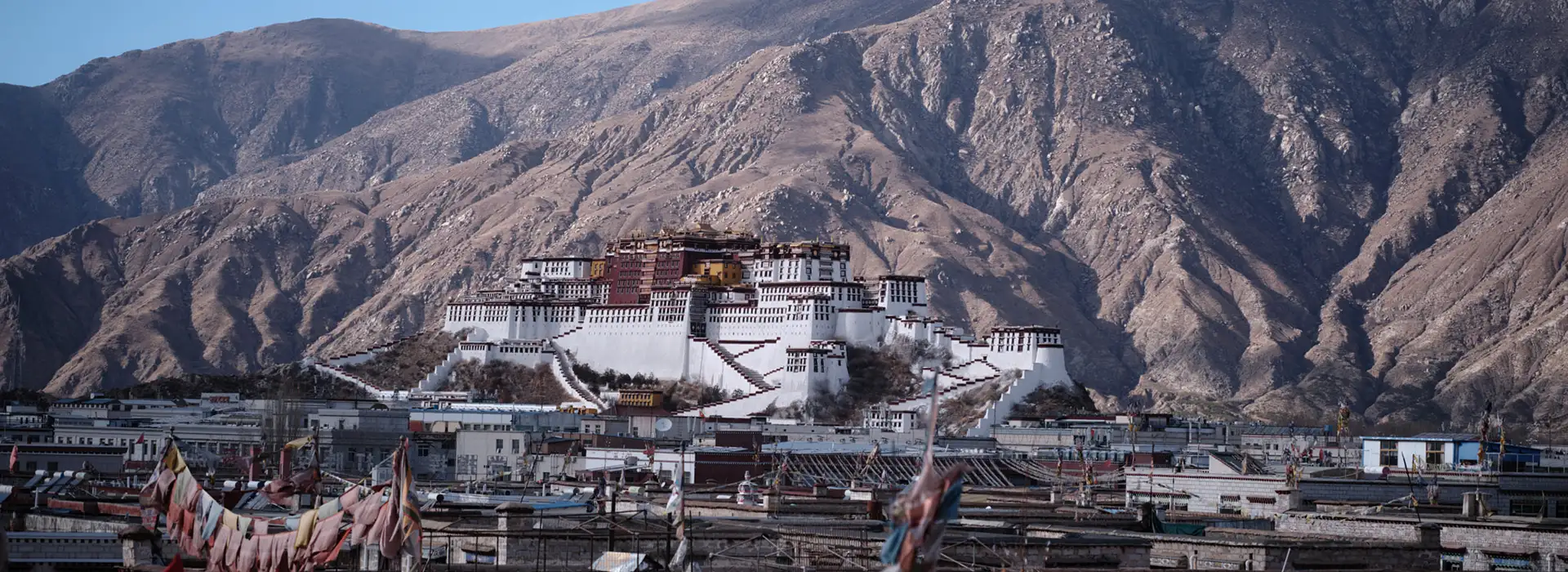
A Tibet Tour from the USA offers unmatched Himalayan scenery. You see the tallest mountain peaks on Earth. The region holds ancient and mysterious Buddhist heritage. You visit the famous Potala Palace in the center of Lhasa. Builders constructed the massive palace at 3700 meters above sea level. The structure contains thirteen floors and dominates the city skyline.
The building houses more than 1,000 individual rooms. Workers paint the outer walls every year with milk and honey. The White Palace serves as the monks’ administrative center.
The Red Palace houses sacred religious stupas and statues. You look directly at the massive north face of Mount Everest. Everest Base Camp attracts thousands of adventurous visitors each year.
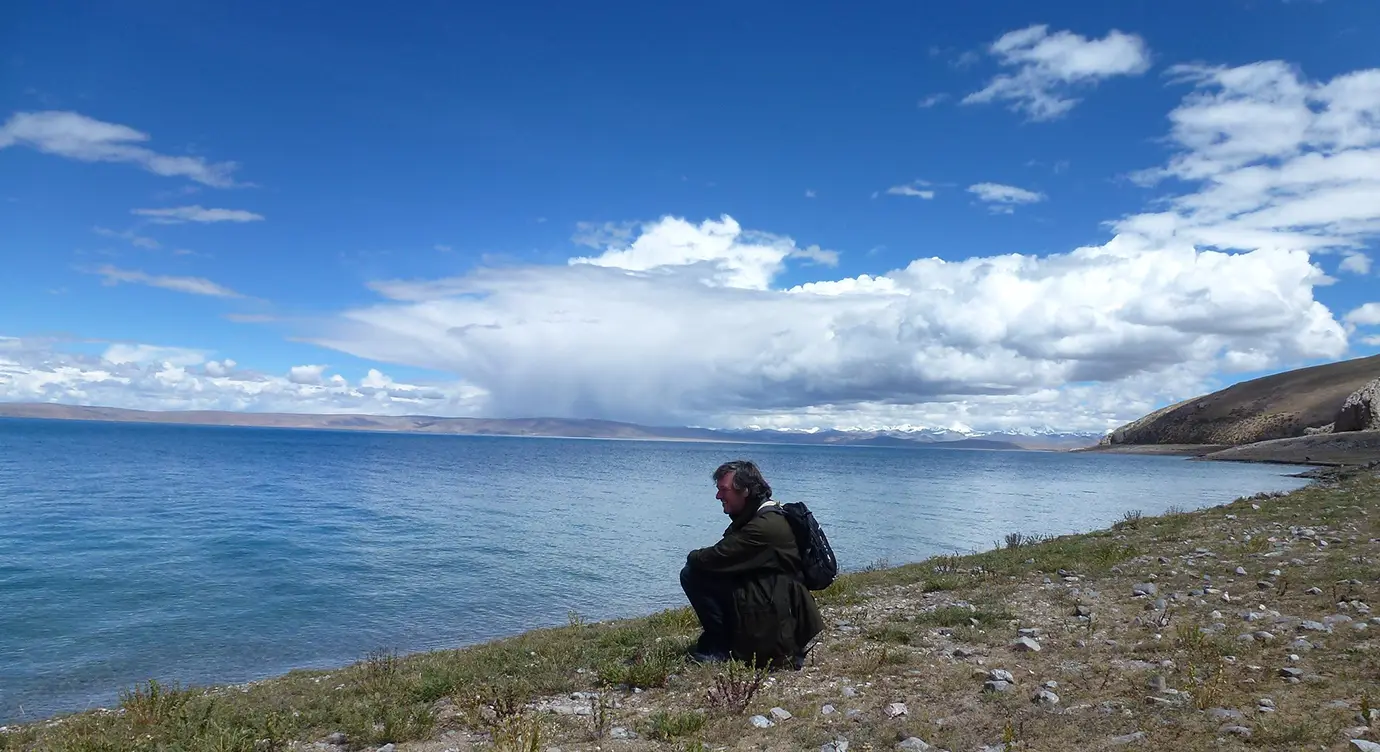
You sleep in traditional yak-hair tents near the base of the mountain. The cold wind blows fiercely across the high plateau. The Mount Kailash pilgrimage challenges experienced hikers physically and mentally. You walk fifty-two kilometers around the holy mountain base. The trekking trail crosses the high Dolma La Pass at 5630 meters. A Tibet tour package from the USA brings you close to raw nature. You experience breathtaking high-altitude saltwater lakes. Yamdrok Lake features bright turquoise waters surrounded by snowy peaks. Namtso Lake reflects the blue sky perfectly like a giant mirror.
Ancient monasteries dot the rocky hillsides and valleys. Sera Monastery hosts daily afternoon debates among monks. Monks clap their hands loudly during the energetic debates. They test their deep philosophical knowledge against one another. You hear the loud voices echo in the shaded stone courtyard. The local people welcome foreign guests warmly and sincerely. They offer hot butter tea to tired visitors. You eat traditional yak meat and roasted barley flour.
A Tibet Tour from the USA delivers unforgettable personal moments. You connect with a completely different way of human life. The best Tibet tour from the USA changes your worldview entirely. You return home with incredible memories of the plateau.
Entry Routes for a Tibet Tour from the USA
You choose between two main entry routes for your trip. The first option takes you through the gateway cities of mainland China. The second option takes you through Nepal, a neighboring country. Each route requires different visas and specific entry procedures. You plan the entry for your Tibet Tour from the USA very carefully.
Option 1: Fly from the USA to Mainland China
Many tourists prefer the standard route to mainland China. You fly into major gateway cities first. Beijing, Shanghai, and Chengdu serve as popular transit hubs. You spend a few days adjusting to the new time zone. You eat local Chinese food and rest in your hotel. You take a connecting domestic flight directly to Lhasa. Flights from Chengdu take only two hours to reach the plateau. You also have the famous train option to Lhasa. The Qinghai-Tibet Railway offers spectacular views of the grasslands.
The Z21 train runs directly from Beijing to Lhasa. The long trip takes about forty hours to complete. You watch the green grasslands pass by your large window. Soft sleeper tickets offer four beds per private cabin. Hard sleeper tickets offer six beds per open cabin. The train pumps fresh oxygen into the cabins for safety. A Tibet tour package from the USA often includes the scenic train ride. You relax and watch wild Tibetan antelopes run near the tracks.
Option 2: Enter Tibet from Nepal
Some travelers combine Nepal and Tibet into one massive trip. You fly from the USA to Kathmandu first. You rest in the bustling capital city of Nepal. Travelers require a special Chinese Group Visa in Kathmandu. Your local travel agency handles the paperwork entirely for you. You wait three working days in Nepal for the visa approval. You then fly directly to Lhasa Gonggar Airport. The short flight takes exactly ninety minutes. You see the peak of Mount Everest from the airplane window.
You also have an exciting overland driving option. You drive from Kathmandu to the Kerung international border. You cross the border bridge on foot with your luggage. Your Tibetan guide meets you on the other side of the bridge. You drive through the high Himalayas to reach Lhasa. Travel to Tibet from the USA requires physical stamina for the overland route.
Visa and Permit Requirements for US Citizens
A Tibet Tour from the USA demands strict compliance with regional laws. You follow the official rules closely to avoid being denied entry. You secure specific legal documents before booking flights.
Chinese Tourist Visa
You apply for the Chinese Tourist Visa in the USA. You complete the application before your international departure. You submit your physical passport to the nearest Chinese embassy.
Carefully complete the detailed online application form. You provide your round-trip flight receipts and hotel booking records. The embassy processes standard visas in about 1 week.
A Tibet visa for US citizens usually means the standard L Tourist Visa. The L Visa allows regular tourist activities within Chinese borders. You need a passport valid for at least six months.
You need two completely blank visa pages in your passport book. The government does not offer visa-free entry to Americans. You must pay the application fee and secure the sticker.
Tibet Travel Permit
The Tibet Tourism Bureau issues the official Tibet Travel Permit. A Tibet permit for Americans remains absolutely mandatory for entry. You never apply for the permit yourself as a foreigner. A registered travel agency handles the entire application process. You email a scanned copy of your passport to the agency. You email a clear color copy of your Chinese visa. The agency submits the paperwork to the government bureau. Processing takes around fifteen to twenty working days. The agency mails the physical paper permit to your hotel in China.
Show the permit at the airport check-in counter and at the train station security gate, and then you will board the transport to Lhasa successfully. A Tibet Tour from the USA fails instantly without the official permit.
Additional Permits
Some restricted areas require extra official documents. The Alien’s Travel Permit grants access to the Shigatse region. You need the document to legally visit Everest Base Camp. Your local guide gets the paper for you upon arrival in Lhasa. The Military Permit allows entry to sensitive border zones. You need the military document for the Mount Kailash trek. The agency secures these complex permits in advance. A Tibet tour package from the USA includes all permit fees in the total price. Peregrine Treks and Tours arranges everything seamlessly for clients.
Step-by-Step Planning Timeline
You follow a strict planning timeline for success. A Tibet Tour from the USA requires months of advance preparation. You avoid travel stress by acting early and decisively.
Two to Three Months Before
Choose your exact travel itinerary first and decide the total duration of your upcoming trip. You pick the best Tibet tour from the USA for your personal budget. You contact a registered Tibetan travel agency. You agree on the final tour price with the travel agent. You pay the tour deposit via an international wire transfer. You book your international flights from the USA. You select dates that align with your confirmed tour schedule.
Six Weeks Before
You apply for the Chinese L Visa immediately. You gather all necessary supporting documents in a folder. You submit them to the nearest Chinese consulate in your state. You receive your passport back with the shiny visa sticker. You check the visa dates and personal details carefully. A Tibet visa for US citizens requires careful attention to detail.
Three to Four Weeks Before
You email your passport scan to the travel agency. You email the agent a scan of your Chinese visa. The agency starts the official Tibet permit application process. You start packing your travel bags at home. You buy specialized high-altitude gear from outdoor stores. You purchase a thick down jacket for the freezing nights. You break in your new hiking boots around your neighborhood. You visit your primary doctor for medication for altitude sickness. You ask for a specific Diamox prescription.
One Week Before
You confirm all final documents with your agent. You check the permit delivery status online. The agency sends the permit to your Chinese hotel address. You pack your medications safely in your carry-on bag. You print your flight tickets and hotel vouchers on paper. You review the daily itinerary for your Tibet Tour from the USA. You feel completely ready for the upcoming adventure. You double-check your camera batteries and memory cards.
Best Tibet Tour Itineraries from the USA
Tourists choose from several excellent route options. The best Tibet tour from the USA fits your personal schedule perfectly. A Tibet tour package from the USA offers many distinct variations. We outline the most popular routes below.
Tibet itinerary options vary by trip length, route highlights, and physical challenge. This table compares popular Tibet tours by duration, major attractions, and difficulty level to help travelers choose the right trip based on interest and fitness.
| Itinerary Name | Duration | Highlights | Difficulty Level |
|---|---|---|---|
| Lhasa Cultural Tour | 5 Days | Potala Palace, Jokhang Temple, Sera Monastery | Easy |
| Everest Base Camp | 8 Days | Yamdrok Lake, Karola Glacier, Mount Everest | Moderate |
| Tibet Highlights | 11 Days | Namtso Lake, Tashilhunpo Monastery, Everest Base Camp | Moderate |
| Mount Kailash Kora | 15 Days | 52 km trek, Lake Manasarovar, Dolma La Pass | Hard |
5 Days Lhasa Cultural Tour
Travelers spend five days exploring the capital city. The short itinerary suits tourists with limited vacation time. The altitude stays around 3650 meters the entire time.
- Day 1: You arrive at Lhasa Gonggar Airport. The local guide greets you with a white Khada scarf. The driver takes you to your city hotel. You rest for the remainder of the day to adjust to the altitude.
- Day 2: You visit the Potala Palace in the morning. You walk through the White Palace and the Red Palace. You see the golden tombs of past Dalai Lamas. You visit Jokhang Temple in the afternoon.
- You see the famous Jowo Rinpoche statue. You join the pilgrims on Barkhor Street.
- Day 3: You travel to Drepung Monastery. You see the giant thangka painting display area on the mountain. You visit Sera Monastery in the afternoon. You watch the famous monk debates. The monks clap hands to emphasize philosophical points.
- Day 4: You explore the Norbulingka Palace. The site serves as the traditional summer palace. You visit the Tibet Museum to learn local history. You shop for souvenirs in the local outdoor markets.
- Day 5: You pack your travel bags. The driver takes you to the airport. Your short Tibet Tour from the USA concludes smoothly.
7 to 8 Days Lhasa and Everest Base Camp
Most tourists pick the eight-day overland route. You spend the first three days in Lhasa. You adjust your body to the thin air safely.
- Day 1: You arrive in Lhasa and check into your luxury hotel. You drink plenty of water and rest quietly.
- Day 2: You explore the Potala Palace and Jokhang Temple. You walk around the Barkhor Street circuit with locals.
- Day 3: You visit Drepung Monastery and Sera Monastery. You watch the monks debate in the stone courtyard.
- Day 4: You drive to Shigatse. You cross the Kamba La Pass at 4794 meters. You view the stunning Yamdrok Lake. You stop at the Karola Glacier at 5010 meters. You visit the Pelkor Chode Monastery in Gyantse. You arrive in Shigatse by evening.
- Day 5: You drive from Shigatse to Everest Base Camp. You cross the high Gyawula Pass. You see five mountain peaks above 8000 meters. You arrive at the Rongbuk Monastery. You check into the tent guesthouse. You watch the sunset over Mount Everest.
- Day 6: You wake up early to see the Everest sunrise. You take photos of the massive north face. You board the eco-bus back to the main parking lot. You drive back to Shigatse for the night.
- Day 7: You visit the Tashilhunpo Monastery in Shigatse. You see the giant Maitreya Buddha statue. You drive back to Lhasa along the Yarlung Zangbo River.
- Day 8: You depart from Lhasa Gonggar Airport. A Tibet Tour from the USA feels complete with an Everest visit.
10 to 12 Days Tibet Highlights Tour
You can easily expand the standard eight-day trip. You add a scenic visit to Namtso Lake. Namtso translates to “Heavenly Lake” in Tibetan.
- Day 1 to 7: You follow the standard Everest Base Camp route. You return to Lhasa safely on day seven.
- Day 8: You drive north to Damxung County. You cross the Nagenla Pass at 5190 meters. You arrive at Namtso Lake. You see the bright blue water against the snowy Nyenchen Tanglha mountains. You walk along the rocky shoreline.
- Day 9: You watch the sunrise over the saltwater lake. You drive back to Lhasa. You visit the Yangpachen Hot Springs on the way. You relax in the warm thermal water.
- Day 10: You spend a free day in Lhasa. You buy gifts for your family back home. You eat dinner at a nice Tibetan restaurant.
- Day 11: You depart for your home country. Traveling to Tibet from the USA feels less rushed on an extended trip.
12 to 15 Days Mount Kailash Tour
You start an epic route to the far west. You drive past Everest toward the Ngari prefecture. You reach the dusty town of Darchen.
- Day 1 to 6: You follow the Everest Base Camp itinerary. You see the massive peak and return to the main highway.
- Day 7: You drive from the Everest region to Saga. You cross vast grassy plains. You see wild Tibetan donkeys and sheep.
- Day 8: You drive from Saga to Darchen. You catch your first view of Lake Manasarovar. You see the peak of Mount Kailash in the distance.
- Day 9: You start the first day of the Kailash Kora. You walk from Darchen to Dirapuk Monastery. You hike for six hours. You cover thirteen kilometers. The trail gains two hundred meters in altitude. You see the north face of Kailash.
- Day 10: You face the hardest trekking day. You hike from Dirapuk to Zutulpuk Monastery. You walk twenty-four kilometers. You climb the steep Dolma La Pass at 5630 meters. You see the green Gauri Kund lake. You descend into the deep valley.
- Day 11: You finish the final kora day. You walk twelve kilometers back to Darchen. You drive to Lake Manasarovar to rest your muscles.
- Day 12: You drive from Lake Manasarovar back to Saga.
- Day 13: You drive from Saga back to Shigatse.
- Day 14: You return to Lhasa from Shigatse.
- Day 15: You fly back to the USA. Traveling from the USA to Kailash requires extreme physical fitness.
Cost of Tibet Tour from the USA
You budget carefully for the entire trip. A Tibet Tour from the USA involves several major expenses. You separate the tour cost from the international airfare. We use tables to clearly show the exact price ranges.
Tibet travel costs from the USA can vary based on flight routes, transport choice, visa fees, tour style, and daily spending. This table shows common Tibet travel expenses in USD, along with estimated costs and helpful details for budget planning.
| Expense Category | Estimated Cost in USD | Details |
|---|---|---|
| International Flights | 800 to 1500 | Round-trip flights from the USA to China |
| Domestic Flights | 150 to 400 | One-way flight from Beijing or Chengdu to Lhasa |
| Train Tickets | 100 to 150 | Soft sleeper train from Xining or Beijing to Lhasa |
| Chinese Visa | 140 | Standard L tourist visa fee for U.S. citizens |
| Tibet Travel Permit | 0 | Usually included free in the tour package |
| 8-Day Group Tour | 900 to 1200 | Covers guide, vehicle, hotels, and entry tickets |
| Daily Meals | 15 to 30 | Estimated daily cost for lunches and dinners |
| Guide and Driver Tips | 18 to 25 | Total suggested daily tip amount per traveler |
Average Daily Tour Costs
Travelers pay a reasonable average daily cost. A standard group tour costs 120 to 180 US dollars per day. A private customized tour costs significantly more. You share the vehicle and guide costs in a group setting. A Tibet tour package from the USA includes an English-speaking guide. The package includes the tourist vehicle and a professional driver. The price covers the cost of the hotel rooms. The agency pays for all the required attraction tickets. The hotel provides a simple daily breakfast.
International Flights and Trains
You buy your international flights separately. Flights from the USA cost between 800 and 1,500 US dollars. Domestic flights from Beijing to Lhasa cost 150 to 400 US dollars. The train from Xining to Lhasa costs 100 to 150 US dollars. You secure soft sleeper train tickets months in advance.
Visas and Extra Expenses
A Tibet visa for US citizens costs around $ 140. You pay for comprehensive travel insurance. Good insurance costs 50 to 150 US dollars. You budget for daily lunches and dinners. Food costs 15 to 30 US dollars daily. You plan for standard guide tipping. You tip the guide 10-15 US dollars per day. You tip the driver 8-10 US dollars per day. You bring extra cash for local souvenirs. The best Tibet tour from the USA provides clear pricing upfront.
Best Time to Visit Tibet from the USA
You pick the right season for your trip. The weather heavily affects your Tibet Tour from the USA. You review the seasonal changes carefully.
Peak Season Travel
The peak travel season runs from May to October. The weather stays relatively warm and pleasant. The oxygen levels rise slightly due to plant growth. The river valleys look green and vibrant. You enjoy very clear skies in May and June. September and October offer the perfect mountain views. The Everest peak looks sharp and distinct without clouds. Most American travelers book their Tibet tour package from the USA during these months.
Winter Travel Options
The cold winter runs from November to March. The nightly temperatures drop well below freezing. The days feel surprisingly warm under the strong sun. You face far fewer tourist crowds at the major sites. The local hotels offer much lower room prices. The regional government often waives entrance fees to monasteries. You save significant money on your Tibet Tour from the USA. You pack extra warm clothes to survive the cold evenings.
Festival Travel Periods
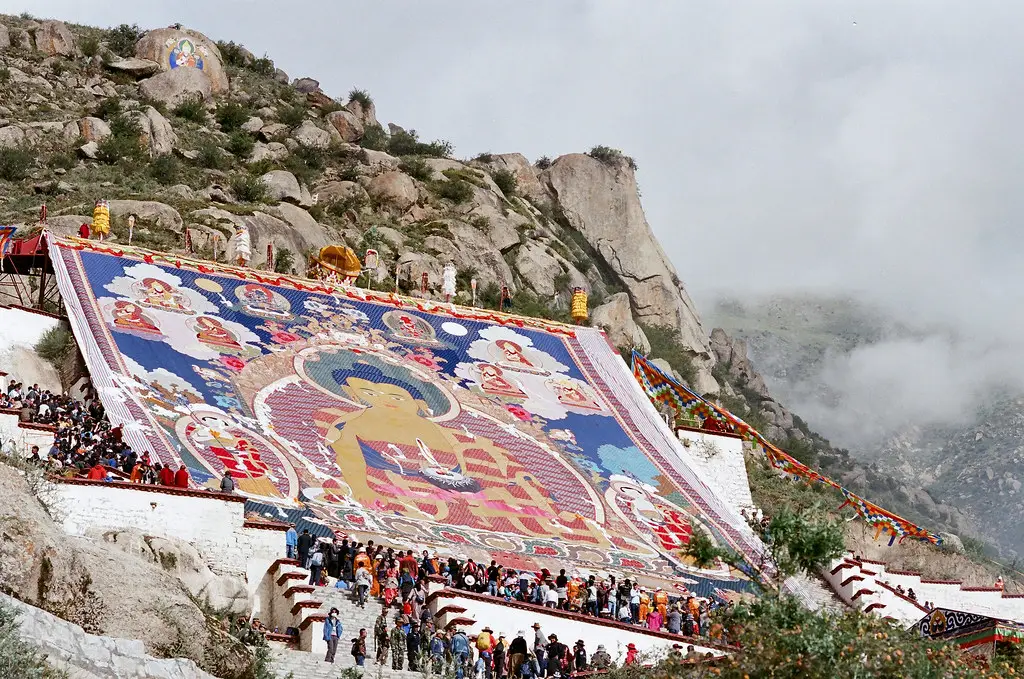
You plan your trip around major Tibetan festivals. The Saga Dawa Festival happens in May or June. The next Saga Dawa Festival falls on May 31, 2026. Thousands of pilgrims gather at Mount Kailash. They erect a giant prayer flagpole together. The Shoton Festival takes place in August. The next Shoton Festival runs from August 12 to 18, 2026. Monks display a giant Buddha painting at Drepung Monastery. Local families eat sweet yogurt and watch Tibetan opera. The festivals add deep cultural value to your trip. You book early for these popular festival dates. A Tibet permit for Americans requires extra processing time during holidays.
Flight Options from the USA to Tibet
You manage a long international transit. A Tibet Tour from the USA requires multiple connecting flights. You plan the long layovers wisely.
Flights to Mainland China
You depart from major US aviation hubs. Los Angeles, San Francisco, and Seattle offer excellent connections. You fly directly to Beijing, Shanghai, or Guangzhou. The transpacific flight takes twelve to fifteen hours. You rest in the transit city for one night. You board a domestic flight to Lhasa the next day. Air China and Sichuan Airlines operate daily flights over the plateau. The domestic flight takes three to four hours. Total travel time spans twenty to thirty hours.
Flights to Lhasa operate from several major gateway cities in China. This table shows common departure cities, airlines, and approximate flight duration to Lhasa to help travelers compare the fastest air routes into Tibet.
| Gateway City | Airline | Flight Duration to Lhasa |
|---|---|---|
| Beijing | Air China | 4.5 hours |
| Chengdu | Sichuan Airlines | 2.5 hours |
| Shanghai | China Eastern | 5.5 hours |
Flights via Nepal
You fly from the USA to Kathmandu. You transit through the Middle East or Europe. Doha and London serve as common layover airports. You spend a few relaxing days in Nepal. You wait for the Chinese Group Visa approval. You take the short flight from Kathmandu to Lhasa. Himalaya Airlines flies the specific route. The flight takes exactly ninety minutes. You cross the majestic Himalayan mountain range. Travel to Tibet from the USA via Nepal works very well.
The New Singapore Route
A brand new flight route opened recently. You fly directly from the USA to Singapore. You catch a direct flight to Lhasa via Chongqing. West Air operates convenient flights. The total flight time from Singapore is around 10 hours. The option simplifies travel to Tibet from the USA for many people.
Altitude and Health Considerations
You respect the extremely high elevation. A Tibet Tour from the USA takes you to the roof of the world. You prepare your body carefully for the shock.
Understanding Altitude Sickness
Lhasa sits at 3650 meters above sea level. The air contains significantly less oxygen than at sea level. Your body reacts quickly to the thin air. You experience mild physical symptoms initially. Headaches, dizziness, and extreme fatigue affect many visitors. You feel short of breath during normal walks. Sleep becomes difficult on your very first night. The symptoms represent normal bodily adjustments to the environment.
Strict Acclimatization Rules
You follow strict rules to adjust safely. You rest completely on your first day in Lhasa. You walk very slowly and avoid running entirely. You drink three to four liters of plain water daily. You avoid all alcohol for the first three days. You eat light meals with high carbohydrates. You avoid long, hot showers on the first night. The best Tibet tour from the USA builds in mandatory rest days.
Medical Preparations
You visit your doctor before leaving the USA. You ask for a Diamox prescription. Diamox speeds up the natural acclimatization process. You start taking the pills before arriving in Lhasa. You pack pain relievers for altitude headaches. You bring throat lozenges for the extremely dry air. You inform your tour guide immediately if symptoms worsen. The guide carries emergency oxygen tanks in the vehicle. All luxury hotels in Lhasa provide oxygen machines in the rooms. You descend to a lower altitude if severe sickness hits. Peregrine Treks and Tours prioritizes your health at all times.
Accommodation Standards in Tibet
You set realistic expectations for local hotels. A Tibet Tour from the USA brings you to remote regions. The hotel quality varies dramatically by location.
Hotels in Lhasa
Lhasa offers the best accommodation options in the region. You find international luxury brands in the city center. The St. Regis Resort offers five-star luxury amenities. The Shangri-La Hotel provides excellent customer service. The premium hotels feature oxygen-pumped rooms. You sleep much better with the extra oxygen. They offer large indoor swimming pools. You eat grand buffet breakfasts every morning. Four-star local hotels are abundant.
The Gang-Gyan Hotel sits very close to Barkhor Street. The Thangka Hotel offers great views of the Potala Palace. Three-star hotels provide clean beds and private Western bathrooms. They serve simple toast-and-egg breakfasts. A Tibet tour package from the USA includes three-star hotels by default. You upgrade to five-star hotels for a premium price.
Hotels in Shigatse and Nyingchi
Shigatse serves as the second-largest city in Tibet. You can easily find decent four-star hotels here. The Qomo Langzong Hotel stands out for its quality. The rooms feature modern heating systems for the winter. Nyingchi sits at a much lower altitude. You find lush green forests around the hotels. The Hilton Linzhi Resort provides pure luxury in Nyingchi. You enjoy very comfortable beds in the major cities. You take hot showers easily.
Guesthouses in Remote Areas
The living standards drop significantly in remote areas. You face very basic conditions at the Everest Base Camp. You sleep in a large communal yak-hair tent. You share the tent space with other foreign travelers. You sleep on simple cots with thick, heavy blankets. The local hosts burn dried yak dung for heat. You use communal outdoor pit toilets. The toilets completely lack running water. You skip showering at the base camp entirely.
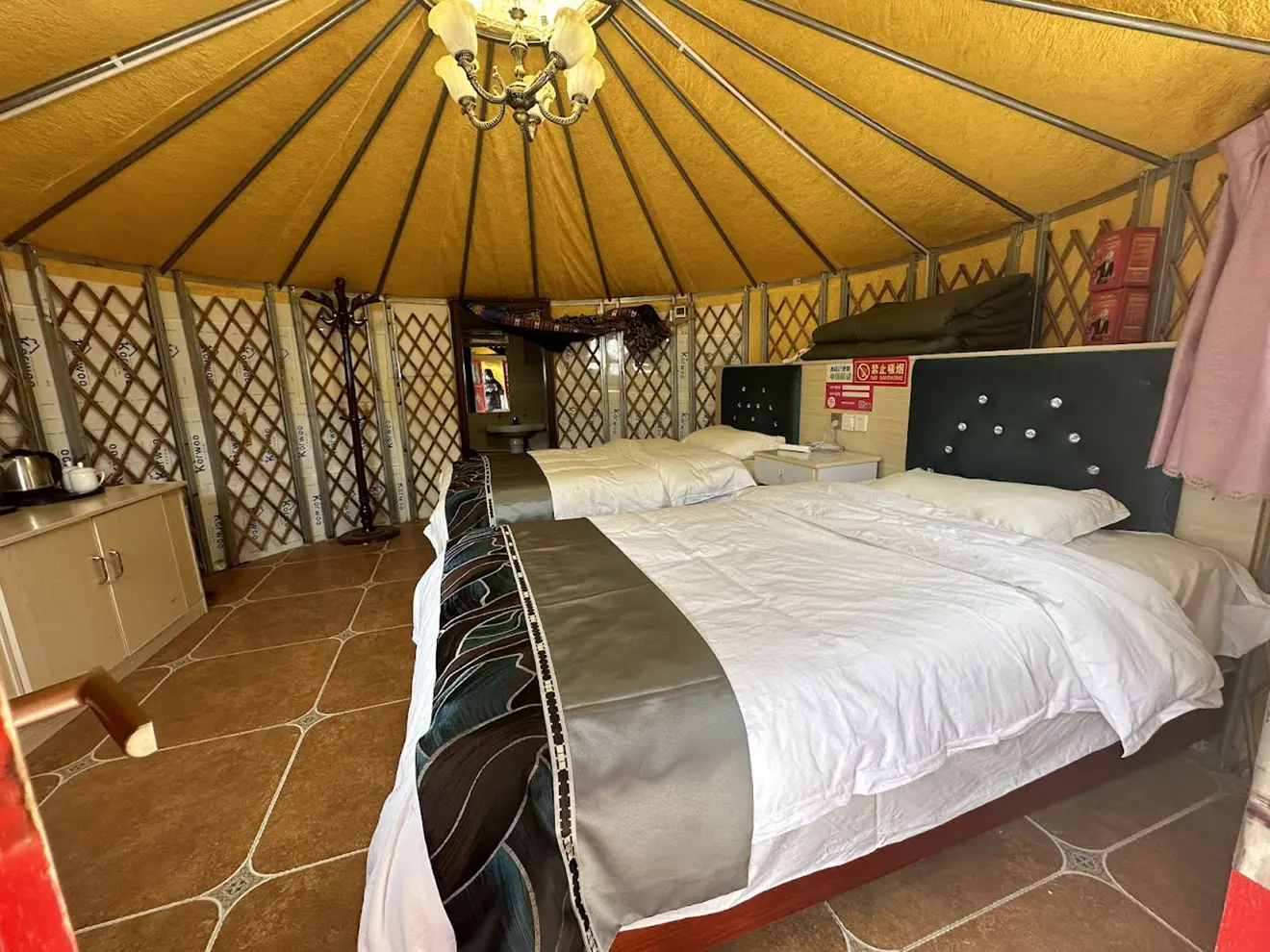
You will face similar rough conditions at Mount Kailash. The monastery guesthouses offer very spartan rooms. You sleep on extremely hard beds. You rely on your own sleeping bag for extra warmth. The electricity cuts out frequently during the night. You bring heavy power banks to charge your phones. You accept the conditions as part of the rugged outdoor experience. Travel to Tibet from the USA requires strong personal adaptability.
Travel Insurance and Safety
You prioritize your physical and financial safety. A Tibet Tour from the USA requires comprehensive travel protection. You face unique environmental and logistical risks.
Mandatory Travel Insurance
You purchase travel insurance before your trip begins. The Chinese visa process often requires proof of insurance. You choose a policy with specific altitude coverages. You ensure the policy covers high-altitude mountain trekking. Many standard policies exclude any altitudes above 4000 meters. World Nomads and Snowcard provide excellent high-altitude coverage. You check the contract’s fine print carefully. You absolutely need emergency medical evacuation coverage. A helicopter mountain rescue costs tens of thousands of dollars.
You need coverage for unexpected trip cancellations. Flight delays happen frequently in the unpredictable Himalayas. You protect your large financial investment. You print the physical insurance certificate. You carry a copy in your daily backpack. You give a backup copy to your tour guide.
Medical Facilities in Lhasa
You rely on very basic medical care outside of Lhasa. Lhasa features modern, well-equipped hospitals. The Tibet Autonomous Region People’s Hospital handles serious medical cases. Local doctors speak limited English. Your guide translates all medical terms for you. Shigatse also features a large, capable hospital. Small clinics exist in the minor towns. They treat minor ailments and dispense bottled oxygen. Remote areas completely lack immediate medical help. You carry a personal first-aid kit everywhere. You pack bandages, painkillers, and stomach medicine. You bring all your personal prescriptions from the USA. Pharmacies in Tibet do not stock foreign brands of medicine.
Political Sensitivity Advice
Tibet remains an incredibly safe destination for tourists. Violent crime against foreigners basically does not exist. You walk safely in the streets of Lhasa at night. Petty theft is rare in crowded markets. You keep your wallet secure in Barkhor Street. You strictly follow local and regional laws. You carry your passport at all times. You carry your Tibet permit with you wherever you go. Police checkpoints line the major highways.
Patiently show your documents to the officers. You avoid all political discussions completely. You skip photographing military installations or bases. You skip photographing police officers on duty. A Tibet Tour from the USA runs smoothly when you follow the rules.
Cultural Etiquette and Travel Tips
You respect the local traditions deeply. A Tibet Tour from the USA introduces you to a unique ancient culture. You behave politely in all sacred spaces.
Monastery Rules
You follow strict behavior rules inside the monasteries. You take off your hat before entering a chapel. You take off your sunglasses indoors. You wear modest, conservative clothing. You cover your shoulders and knees entirely. You skip wearing shorts or short skirts. You walk in a clockwise direction around all Buddhist shrines. You spin the heavy prayer wheels clockwise only. You avoid touching any sacred statues or artifacts.
Never point the soles of your feet toward an altar. You step carefully over the wooden door thresholds. You never step directly on the threshold piece. You speak quietly to respect the praying monks. You ask the local monks before taking any indoor photos. Some temples charge a small fee for indoor photography.
Photography Restrictions
You ask for clear permission before taking photos of people. You smile and point to your camera first. Some locals ask for a small cash tip for photos. You happily pay five or ten Chinese Yuan. You never take photos inside monastery chapels without permission. Some specific monasteries charge a fee for photography. You pay the fee to the monk at the front door. You respect the signs forbidding cameras entirely. You put your phone away during sacred religious rituals. A Tibet Tour from the USA provides beautiful photos when you ask politely.
Currency and Digital Payments
China operates as a mostly cashless society today. You use digital payment apps everywhere you go. You download Alipay or WeChat Pay before leaving the USA. You link your foreign US credit card to the app. You scan merchant QR codes to pay for souvenirs. You scan codes to buy sweet tea in cafes. You bring some physical cash for the remote areas. You exchange US Dollars for Chinese Yuan at the bank. You carry small-denomination bills in your wallet. You use physical cash for tipping your guide. You tip the driver in physical cash. A Tibet visa for US citizens allows you to easily set up payment apps.
Tibetan Dining Etiquette
You experience traditional Tibetan dining customs. The local host pours hot, sweet tea for you. You wait for the host to finish pouring entirely. You respectfully accept the cup with both hands. You sip the tea slowly. The host refills your cup immediately after you drink. You never leave an empty cup on the table. You leave a small amount of tea at the bottom when finished. You eat yak meat and traditional tsampa. Tsampa consists of roasted barley flour. You mix the flour into the butter tea with your fingers. You eat your food quietly. You wait for the eldest person to start eating first.
Can US Citizens Travel to Tibet in 2026?
You wonder about current travel restrictions and rules. A Tibet Tour from the USA remains entirely possible. The current policies welcome foreign tourists openly.
Current Travel Policies
The Tibet Tourism Bureau regularly issues permits to Americans. Visitors face no special bans based on US nationality. Thousands of Americans visit Tibet every single year. You simply follow the standard agency booking process. You travel with your designated local guide. Foreign passport holders do not have the legal right to explore the region independently. You cannot rent a car or a motorcycle. You cannot hike alone in the mountains. The guide accompanies you outside the hotel limits. The driver manages the transportation between cities. A Tibet tour package from the USA guarantees full compliance with local rules.
Permit Approval Trends
The government approves permits efficiently for organized groups. You expect a smooth process when you provide clear documents. The authorities require exact matching details on your visa and passport.
You avoid typos on your application forms. The travel agency checks your paperwork before submission. Early planning ensures high approval rates. A Tibet permit for Americans faces no additional scrutiny than for other nationalities.
The Annual March Seasonal Closure
You plan your trip around the annual regional closure. The government usually closes Tibet to foreigners in March. Officials halt permit processing in late February. They resume permit processing in early April. The closure aligns with sensitive political anniversaries. The traditional Tibetan New Year also happens around the same time. Local guides take long vacations during the closure period. Rumors sometimes suggest Tibet stays open in March. You ignore the rumors and plan for an April trip instead. You avoid booking a Tibet Tour from the USA for March. A Tibet permit for Americans is automatically denied in March.
Common Mistakes to Avoid
You learn from the past errors of other travelers. A Tibet Tour from the USA requires precise execution. You avoid the major pitfalls for a flawless trip.
Booking Flights Before Permit Approval
Many eager travelers buy non-refundable tickets to Lhasa too early. You need the Tibet Travel Permit to board the plane. You face a massive financial loss if the permit is delayed. You always consult your travel agency first. You wait for the permit application to start officially. You buy flexible flight tickets when possible. You ensure you have a solid backup plan.
Underestimating the High Altitude
Some tourists ignore the physical toll of high altitude. They run around the Potala Palace on day one. They suffer severe altitude sickness on day two. You respect the thin mountain air. You take the acclimatization process very seriously. You drink massive amounts of warm water. You skip the evening alcohol entirely. You communicate any headaches to your guide immediately.
Applying for the Wrong Chinese Visa
You need the standard L Tourist Visa. Some travelers mistakenly apply for business or student visas. The special visas require extra paperwork for the Tibet permit. You must provide an official letter from your Chinese employer or school. You unnecessarily complicate the simple permit process. Stick with the L Visa for a smooth experience. A Tibet visa for US citizens works best strictly as a tourist visa.
Packing the Wrong Clothing
Travelers assume summer means hot weather everywhere. They pack only thin t-shirts and light shorts. They freeze at the Everest Base Camp. The temperature drops below freezing at night, even in July. You pack in practical layers. You bring a thick down jacket. You bring thermal base underwear. You pack a good waterproof windbreaker. You bring a wide sun hat and strong sunscreen.
The UV rays burn skin quickly at high altitudes. You pack sturdy walking shoes.
Not Allowing Enough Planning Time
Tourists try to book a trip two weeks in advance. The Tibet Tourism Bureau needs at least fifteen days to process the permit. The mailing process will take a few more days. You failed to get the permit in time. You start planning your Tibet Tour from the USA 3 months in advance. You sent your documents early. You secure the best tour guides. You get the best train tickets.
FAQs
You have many questions before your trip begins. You find the direct answers to common queries below. A Tibet Tour from the USA requires clear information.
Q: Can US citizens travel to Tibet?
A: Yes, US citizens frequently travel to Tibet. Visitors face no passport restrictions. You must book a tour through a registered travel agency. You obtain the necessary permits through the agency. Thousands of Americans complete a Tibet Tour from the USA every year.
Q: Do Americans need a special permit?
A: Yes, you need the official Tibet Travel Permit. The Tibet Tourism Bureau issues the document. You cannot board a flight or train to Lhasa without the permit. You also need an Alien’s Travel Permit for regions outside Lhasa. A Tibet permit for Americans functions as the ultimate entry ticket.
Q: How long does it take to get a Tibet permit?
A: The entire permit process takes fifteen to twenty days. You send your passport and visa copies to the agency well in advance. The agency submits the paperwork to the government. The government reviews your specific itinerary. Officials issue the paper permit. The agency mails the document to your hotel in China. You allow at least three weeks for the process.
Q: Is Tibet safe for Americans?
A: Tibet stands as an extremely safe destination. Violent crime against tourists is almost unheard of. You walk safely in the cities at night. You secure your valuables against rare pickpockets in crowded markets. You follow local laws and respect police checkpoints. You avoid sensitive political topics. Your personal safety during a Tibet Tour from the USA remains very high.
Q: How much does a Tibet tour cost from the USA?
A: A standard eight-day group tour costs around $1,000. You add international flights for $1,000 to $1,500. You pay 140 US dollars for the Chinese visa. You budget $300 for food and tips. The total cost ranges from 2,500 to 3,000 US dollars per person. A private Tibet tour package from the USA costs significantly more.
Q: Can I visit Tibet without a tour?
A: No, independent travel remains illegal for foreign passport holders. You cannot backpack alone in Tibet. You cannot rent a car or take public buses between cities. You must travel with a licensed tour guide. You must use a registered tourist vehicle with a designated driver. The best Tibet tour from the USA provides legal services.
Q: What is the best route from the USA to Tibet?
A: The most popular route goes through mainland China. You fly from Los Angeles or New York to Beijing or Chengdu. You rest for a day or two. You take a domestic flight or the Qinghai-Tibet train to Lhasa. The route offers the most flight options. It provides the easiest acclimatization schedule for traveling to Tibet from the USA.
Q: Can I combine Tibet and Nepal?
A: Yes, many tourists combine both destinations. You fly to Kathmandu first. You obtain a Chinese Group Visa in Nepal. You take a flight to Lhasa or drive across the overland border. The overland route lets you see Everest Base Camp on the way to Lhasa. A Tibet Tour from the USA pairs beautifully with a Nepal trip.
Q: What happens if I get altitude sickness?
A: Immediately communicate your symptoms to your guide. The guide provides you with bottled oxygen. You rest in your hotel room. You drink plenty of water. You take Diamox if your doctor prescribes it. The guide takes you to the local hospital for severe symptoms. You descend to a lower altitude if the sickness persists.
Q: Do I need to bring physical cash?
A: You will be using digital payment apps like WeChat Pay or Alipay for most purchases by linking your US credit card to the apps. Still, bring some physical Chinese Yuan for tipping your guide and driver. You will need cash in remote areas where internet connectivity is unreliable.