


Travelers dream of visiting the high plateau to see ancient monasteries and massive mountains. Nepal Hiking Company provides expert travel services for global tourists. Securing a Tibet Visa can be confusing for many international visitors. The regional government strictly regulates all foreign tourism. Foreigners rely on registered travel agencies to handle all legal paperwork. Understanding the exact Tibet Visa rules ensures a smooth vacation. A successful vacation requires careful preparation and accurate documents. The following guide explains every detail of the Tibet Visa application.
Quick Facts About the Tibet Visa
- Main Requirement: Travelers need a Tibet Visa and a confirmed tour package.
- Entry Routes: Tourists enter through mainland China or the Nepal border.
- Planning Timeline: Visitors submit documents eight to ten weeks early.
- Key Documents: Passports and China entry tickets remain strictly mandatory.
- Operator Role: Registered travel operators apply for the Tibet Visa directly.
Define the Tibet Visa Clearly
International tourists often search for “Tibet Visa” on search engines. The phrase “Tibet Visa” actually represents multiple official documents. Foreigners need permission to enter the Chinese mainland first. A standard tourist entry ticket serves the mainland entry requirement. Citizens of certain countries currently enjoy visa-free entry. Visa-free tourists still require regional permits to visit the plateau. The second required document involves the official Tibet Travel Permit. The regional tourism bureau issues the paper Tibet Travel Permit.
Foreigners require a Tibet Travel Permit to travel locally. Train conductors check the Tibet Travel Permit before opening doors. Airline staff demand the Tibet Travel Permit at the boarding gate. People combine these two concepts into the single phrase “Tibet Visa.” Using the phrase “Tibet Visa” creates confusion for new planners. Understanding the separate documents helps travelers prepare properly. A registered agency manages the entire Tibet Visa application process. Travelers provide clear passport scans to the travel agency well in advance. The agency securely submits the paperwork to government offices. The government approves the Tibet Visa after several working days. The agency then mails the Tibet Visa to the tourist.

Who Needs a Tibet Visa and Special Rules
Almost all international passport holders require a Tibet Visa. Tourists from the United States and Europe need a permit. Citizens of Asian and African countries face the exact same rules. The rule applies equally to tourists and foreign business workers. Expatriates living in mainland China follow the same procedures. Resident expatriates provide work certificates alongside their passport scans. Expatriates also supply employer letters to prove their local status.
Indian citizens hold different requirements based on their destination. Ordinary Indian tourists visiting Lhasa follow the standard Tibet Visa process. Indian pilgrims visiting Mount Kailash follow a completely different system. The Pilgrim Center manages the Tibet Visa for Indian pilgrims. Diplomats and journalists face unique restrictions when applying for a Tibet Visa. Standard travel agencies refuse Tibet Visa applications for journalists. Government officials apply directly through the foreign affairs office.
Visa-free entry to the mainland is available to citizens of certain countries. French, German, Italian, and Spanish tourists can easily enter the mainland. Australian and Malaysian citizens also skip the mainland entry ticket. Visa-free tourists still require the official Tibet Visa. The visa-free policy simply removes the requirement for a mainland entry ticket. The Tibet Visa remains mandatory for every foreign visitor regardless of nationality.
Entry Routes That Change the Tibet Visa Process
The chosen travel route completely changes the steps for the Tibet Visa application. Many readers first search for the best entry route. The system creates two clear pathways for international travelers.
Route A: Enter from Mainland China
Tourists often enter the plateau from mainland Chinese cities. The sequence starts with securing a mainland entry ticket. Travelers then book a tour with a registered operator. The operator uses the entry ticket to apply for the Tibet Visa. The Tibet Visa ties directly to the confirmed travel itinerary. The agency mails the physical Tibet Visa to a mainland hotel. Tourists show the original paper to board trains or flights. The mainland route offers easy flights from Beijing, Shanghai, or Chengdu. The mainland route also provides access to the famous high-altitude railway.
Route B: Enter from Nepal
Entering from Nepal changes the entire Tibet Visa procedure. Tourists skip the standard mainland entry ticket application entirely. The travel operator arranges a specific China Group Visa instead. The Chinese Embassy in Kathmandu issues the China Group Visa. Travelers wait in Kathmandu for several days while their applications are processed. The operator coordinates the Tibet Visa simultaneously in the background. Tourists receive the documents before crossing the border. The Nepal route offers thrilling overland driving through the Himalayas. The Nepal route also offers short international flights from Kathmandu to Lhasa.
Which Route Should I Choose?
- Best for budget: Mainland China trains save travel money.
- Best for scenery: The Nepal overland route offers views of massive mountains.
- Best for simpler logistics: Mainland flights provide faster arrivals.
Step-by-Step Tibet Visa Process
The Tibet Visa process involves several clear steps. Travelers and operators work together to secure the documents. The following steps guarantee a smooth Tibet Visa application.
- Choose travel dates and select key destinations carefully: Travelers decide between a short Lhasa tour or longer routes. The operator needs the exact dates to start the process.
- Pick a registered Tibet operator and confirm the itinerary: Tourists hire an agency like Nepal Hiking Company. The operator finalizes the daily schedule with the client.
- Send the required documents to the travel agency promptly: The traveler emails clear passport scans and a digital photo. Expats send copies of their work residence certificates.
- The operator applies for the Tibet Travel Permit: The agency submits the documents to the tourism bureau. The bureau reviews the route and issues the Tibet Visa.
- Arrange China entry permission or Nepal entry documents: Travelers apply for a mainland entry ticket in their home country. Nepal entrants wait for the operator to arrange group papers.
- Receive confirmations and book final flights and hotels: The operator securely confirms the Tibet Visa approval. Travelers then purchase non-refundable flight tickets safely.
- Arrive and follow check procedures during the tour: Tourists show the Tibet Visa at hotels and road checkpoints. The local guide manages the paperwork daily.
Process Responsibility Table
Tibet permit processing follows a fixed sequence, and each step matters for a smooth trip. This table explains the main permit-related action steps, who handles each task, and the important notes travelers should know before booking Tibet travel.
| Action Step | Who Performs the Action | Important Note |
|---|---|---|
| Confirm the itinerary | Traveler and operator | Later changes can affect permit validity. |
| Submit passport scans | Traveler | Use clear, color scans. |
| Apply for the permit | Tour operator | Independent travelers cannot apply directly. |
| Book final flights | Traveler | Wait for permit approval first. |
| Manage daily checkpoints | Local tour guide | The guide usually carries the original paper permit. |
Essential Documents Checklist for the Tibet Visa
Missing documents significantly delay the processing time for Tibet Visas. Travelers prepare specific items before contacting an operator. The agency needs perfect copies to submit the Tibet Visa request.
- Valid Passport: The passport must have at least 6 months of remaining validity.
- Blank Pages: The passport needs two empty pages for stamps.
- Recent Photo: The digital photograph requires a plain white background.
- Entry Ticket: Tourists provide a scan of their mainland entry paper.
- Work Proof: Expatriates supply employer letters and residence certificates.
- Tentative Itinerary: Lists all planned stops and hotels.
- Occupation Details: Journalists and government workers face strict reviews.
Warning: Do not book non-refundable flights early. Wait until the operator confirms the Tibet Visa timeline.
Tibet Permits Explained for Different Regions
The Tibet Visa acts as the main entry pass. Specific regions require extra permits beyond the basic Tibet Visa. The operator arranges all necessary papers based on the route.
- The Tibet Travel Permit permits entry to Lhasa city. The basic Tibet Visa covers nearby lakes and local monasteries. The Public Security Bureau issues the Alien’s Travel Permit. Tourists need the
- Alien’s Travel Permit to visit Shigatse. The Alien’s Travel Permit also covers Everest Base Camp. The local guide processes the Alien’s Travel Permit upon the tourist’s arrival.
- The military bureau issues the strict Military Permit. Travelers need the Military Permit for sensitive border regions. Mount Kailash and the eastern forests require the Military Permit. The operator applies for the Military Permit weeks in advance.
Destination and Permit Guide Table
Tibet permit requirements vary by destination area and route. This table shows the required permit type for major travel areas in Tibet and identifies the party that usually arranges each permit for foreign travelers.
| Destination Area | Required Permit Type | Arranging Party |
|---|---|---|
| Lhasa City | Tibet Visa (TTP) | Tour Operator |
| Yamdrok Lake | Tibet Visa (TTP) | Tour Operator |
| Shigatse Region | Alien’s Travel Permit | Local Tour Guide |
| Everest Base Camp | Alien’s Travel Permit | Local Tour Guide |
| Mount Kailash | Military Permit | Tour Operator |
| Nyingchi Forests | Military Permit | Tour Operator |
Processing Time and Best Planning Timeline
Travelers want the exact timing for the Tibet Visa application. The tourism bureau requires steady processing days. Peak summer months cause minor processing delays. Complex routes with military papers need extra weeks. Missing passport scans halt the entire Tibet Visa process. Last-minute itinerary changes invalidate the approved Tibet Visa.
Recommended Planning Timeline
- 8–10 weeks out: Choose an operator and finalize the itinerary.
- 4–6 weeks out: Email passport scans to the travel agency.
- 3-4 weeks out: The agency submits the Tibet Visa application to the bureau.
- 1–2 weeks out: The bureau approves the official Tibet Visa.
Final week: The operator mails the paper to the mainland hotel.
Arrival day: The tourist shows the Tibet Visa to board transportation.
Cost Factors for the Tibet Visa and Tour
The government officially issues the Tibet Visa free of charge. Travel agencies include handling fees in the total tour cost. Purchasing a standalone Tibet Visa breaks local travel laws. Several factors drive the overall cost of the vacation. Extra days increase guide and vehicle fees. Remote areas require extra permits and expensive transport.
Private tours cost more than shared group departures. Summer peak months feature expensive hotels and transport. Luxury hotels significantly increase the total budget. The China entry ticket adds an extra cost beforehand. American citizens pay specific embassy fees for entry to the mainland. United Kingdom citizens face different fee structures.
Cost-Saving Tips
- Join group departures to split the vehicle and guide costs.
- Travel during the winter shoulder season for hotel discounts.
- Keep the route simple by staying near Lhasa and Shigatse.
Common Mistakes and How to Avoid Them
Many tourists make errors during the Tibet Visa application. Avoiding these mistakes ensures a smooth start to the vacation. Booking flights too early creates major financial risks. Flights must have exact dates that match the dates on the Tibet Visa. The bureau sometimes alters dates during the Tibet Visa review. Travelers lose money on non-refundable tickets.
Changing the passport after submission invalidates the Tibet Visa. The Tibet Visa lists the exact passport number. A new passport invalidates the approved Tibet Visa instantly. Guards deny boarding if the numbers fail to match. Submitting low-quality passport scans causes instant rejections. The bureau requires clear color images of the data page.
Glare or cropped edges force the agency to restart applications. Applying without a registered operator guarantees failure. Independent travelers attempt to contact the bureau directly. The bureau ignores all individual Tibet Visa requests. The law requires all foreigners to use a registered tour operator. Overpacking during the first days causes severe fatigue. Heavy bags strain the body at high altitudes. Exhaustion negatively affects the planned Tibet Visa itinerary. Tourists pack light bags to conserve energy each day.
Arrival and On-Trip Checks
The Tibet Visa remains important throughout the entire vacation. Travelers expect regular document inspections. Airport staff check the Tibet Visa before issuing boarding passes. Train conductors inspect the Tibet Visa before opening carriage doors. Travelers carry the original Tibet Visa or a color copy. The required format depends on the departure city.
Chongqing and Xi’an train stations demand the original paper. Beijing and Chengdu stations accept clear color copies. Hotels check the Tibet Visa during room registration. The receptionist scans the Tibet Visa for the local police database. Certain regions feature highway police checkpoints. The driver stops the vehicle at the checkpoint barrier.
The tour guide takes the Tibet Visa to the police window. The officers verify the passenger count against the Tibet Visa list. The guide safely holds the Tibet Visa during the tour. The guide ensures the group follows the exact approved route. Deviating from the Tibet Visa itinerary breaks regional laws.
Entering from Nepal: The China Group Visa Process
The Nepal entry route demands a specific China Group Visa. The embassy in Kathmandu processes the China Group Visa exclusively. Visas obtained in home countries lose validity upon entry into Nepal. The embassy cancels existing mainland entry tickets during the application. The China Group Visa requires a minimum group size. Four or five travelers apply together for the China Group Visa.
Tourists visit the embassy in person to provide biometric data. The embassy records fingerprints and takes digital photographs. Processing the China Group Visa takes four working days. Travelers wait in Kathmandu while the embassy holds their passports. The operator secures the Tibet Visa at the same time. The guide brings the Tibet Visa to the airport or border.
Visa-free passport holders do not need to apply for the China Group Visa. Visa-free tourists only need the Tibet Visa to enter. The China Group Visa rule primarily affects ordinary passport holders. The embassy opens on Mondays, Wednesdays, and Fridays for applications. Travelers arrive in Kathmandu early to match the embassy schedule.
Transportation Options: Flights Versus Trains
Reaching the plateau requires choosing between flights and trains. Each option offers unique benefits for the tourist. Flights provide the fastest entry to the region. Chengdu offers numerous daily flights to the Lhasa airport. The flight takes roughly two hours from Chengdu. Air travel limits early altitude acclimatization. Tourists arrive at high elevations very quickly. Kathmandu also offers direct international flights to the region. The Kathmandu flight crosses the Himalayas directly.
Trains offer a gradual approach to the high altitude. The Qinghai-Tibet Railway starts in mainland cities. Beijing, Shanghai, and Xining operate direct trains to the plateau. The train ride takes between twenty and forty hours. The slow climb helps the body adjust to the thin air. Train tickets sell out rapidly during the summer peak season. The operator books train tickets using the approved Tibet Visa. The Tibet Visa number is printed directly on the train ticket.
The Qinghai-Tibet Railway Experience and Oxygen Systems
The Qinghai-Tibet Railway stands as an engineering marvel. The train carriages feature specialized equipment for high elevations. The altitude reaches over five thousand meters during the trip. The train utilizes two different oxygen supply systems. A dispersion system pumps oxygen directly into the carriage air. The system is activated near Golmud.
The dispersed oxygen keeps the cabin air comfortable. A distribution system provides each passenger with personal oxygen. Every bed features an individual oxygen port on the wall. Passengers request disposable tubes from the train staff. The tubes connect directly to the wall ports for breathing. The train offers two main types of sleeping cabins.
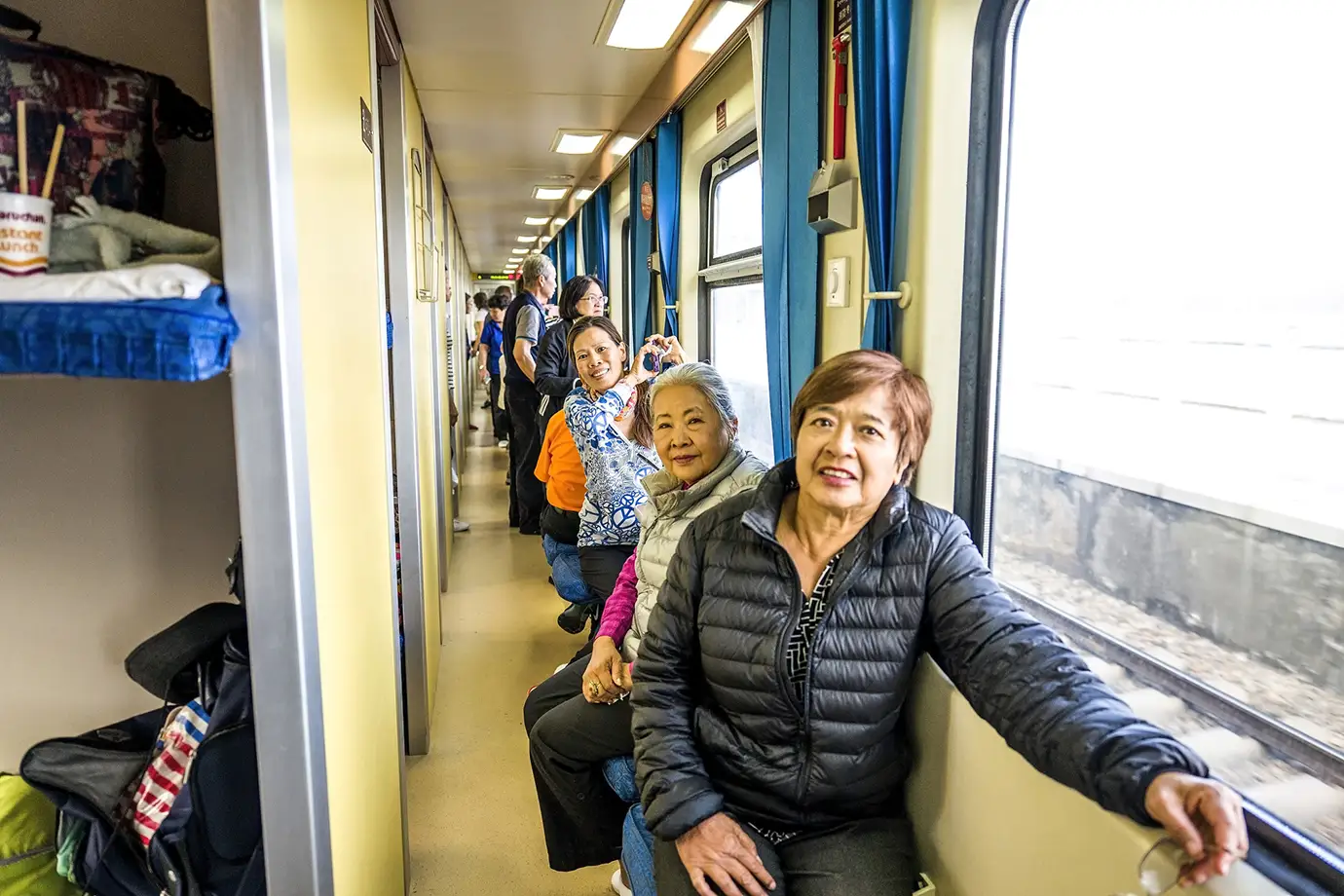
Soft sleeper cabins provide four soft beds behind a locking door. Hard-sleeper cabins feature six beds in an open section. The dining car serves hot meals throughout the long trip. The windows feature special glass to block harsh ultraviolet rays. The train offers stunning views of frozen lakes and grasslands.
Altitude Sickness Prevention and Health Tips
Altitude sickness concerns many visitors planning a trip to Tibet. At high elevations, the thin air and low oxygen levels can be dangerous. Proper preparation prevents severe symptoms of altitude sickness. Tourists rest completely on the first day of arrival. Physical exertion increases the risk of altitude sickness quickly. Travelers walk slowly and avoid running or jumping.
The body needs two days to adapt to the new air pressure. Hydration plays a massive role in altitude acclimatization. Visitors drink large amounts of water throughout the day. Dehydration worsens headaches and fatigue significantly. Tourists avoid alcohol and smoking completely during the first days. Alcohol suppresses breathing and increases altitude sickness risks.
Eating light meals helps the digestive system function normally. Heavy or greasy foods strain the stomach at high elevations. Carbohydrate-rich snacks provide quick energy for walking. Hotels offer oxygen machines in the guest rooms. Tourists breathe supplemental oxygen if minor headaches occur. A rapid descent remains the best treatment for severe symptoms.
Tour guides monitor health levels and adjust itineraries safely. Guides carry emergency oxygen bottles in the tourist vehicles. Tourists inform the guide immediately if headaches persist. Ascending slowly prevents dangerous reactions. Guidelines suggest climbing only a few hundred meters per day.
Weather by Month and the Best Time to Visit
The regional climate changes dramatically across different seasons. The best time to visit depends on the planned activities. Spring lasts from April to May. The weather feels cool and crisp. Clear skies provide excellent views of Mount Everest. Spring attracts fewer tourists than the summer months do.
Summer runs from June to August. The weather feels warm and comfortable during the day. Summer brings the rainy season to the plateau. Most rain falls during the night. Summer represents the peak tourist season. Tibet Visa processing takes longer during the summer.
Autumn occurs in September and October. The autumn weather features stable temperatures and deep blue skies. Autumn offers the best conditions for trekking around Mount Kailash. The changing leaves create beautiful scenery across the valleys.
Winter lasts from November to March. The winter weather brings freezing temperatures at night. Daytime sunshine warms the cities comfortably. Winter offers cheap hotel rates and quiet monasteries. Certain remote areas close due to heavy snow blockages.
Comprehensive Packing List by Season
Proper clothing ensures a comfortable trip after securing the Tibet Visa. The plateau features extreme temperature changes between day and night. Spring and Autumn packing requires versatile layers. Travelers pack thermal underwear for cold mornings. A thick fleece jacket provides warmth during the day. A windproof shell protects against strong mountain winds. Comfortable walking shoes make it easy to handle the monastery stairs.
Summer packing focuses on sun protection and rain gear. The high altitude creates intense ultraviolet radiation. Tourists pack strong sunscreen and a wide-brimmed hat. High-quality sunglasses protect the eyes from snow glare. A lightweight rain jacket handles sudden evening showers. Lip balm prevents cracked lips in dry air.
Winter packing demands serious cold-weather gear. A heavy down jacket serves as the most important item. Wool socks and insulated boots keep feet warm. Thick gloves and a warm beanie protect the extremities.
All seasons require basic toiletry items. Remote guesthouses lack toilet paper and hand soap. Travelers pack wet wipes and hand sanitizer for convenience. Personal medications remain essential throughout the trip. Earplugs help tourists sleep in shared tent guesthouses.
Cultural Etiquette and Taboos for Foreigners
Respecting local customs creates a positive travel experience. The regional culture holds strong Buddhist traditions and specific rules. Tourists always walk clockwise around religious sites. The clockwise direction applies to temples, stupas, and prayer wheels. Visitors remove hats and sunglasses before entering any monastery. Modest clothing remains mandatory for all religious buildings.
Short skirts and sleeveless shirts show disrespect to the monks. Photography requires permission inside religious halls. Most monasteries ban indoor photography completely. Tourists never touch statues or religious texts inside the temples. Visitors keep their hands away from local children’s heads. Touching a person’s head is considered offensive in the local culture.
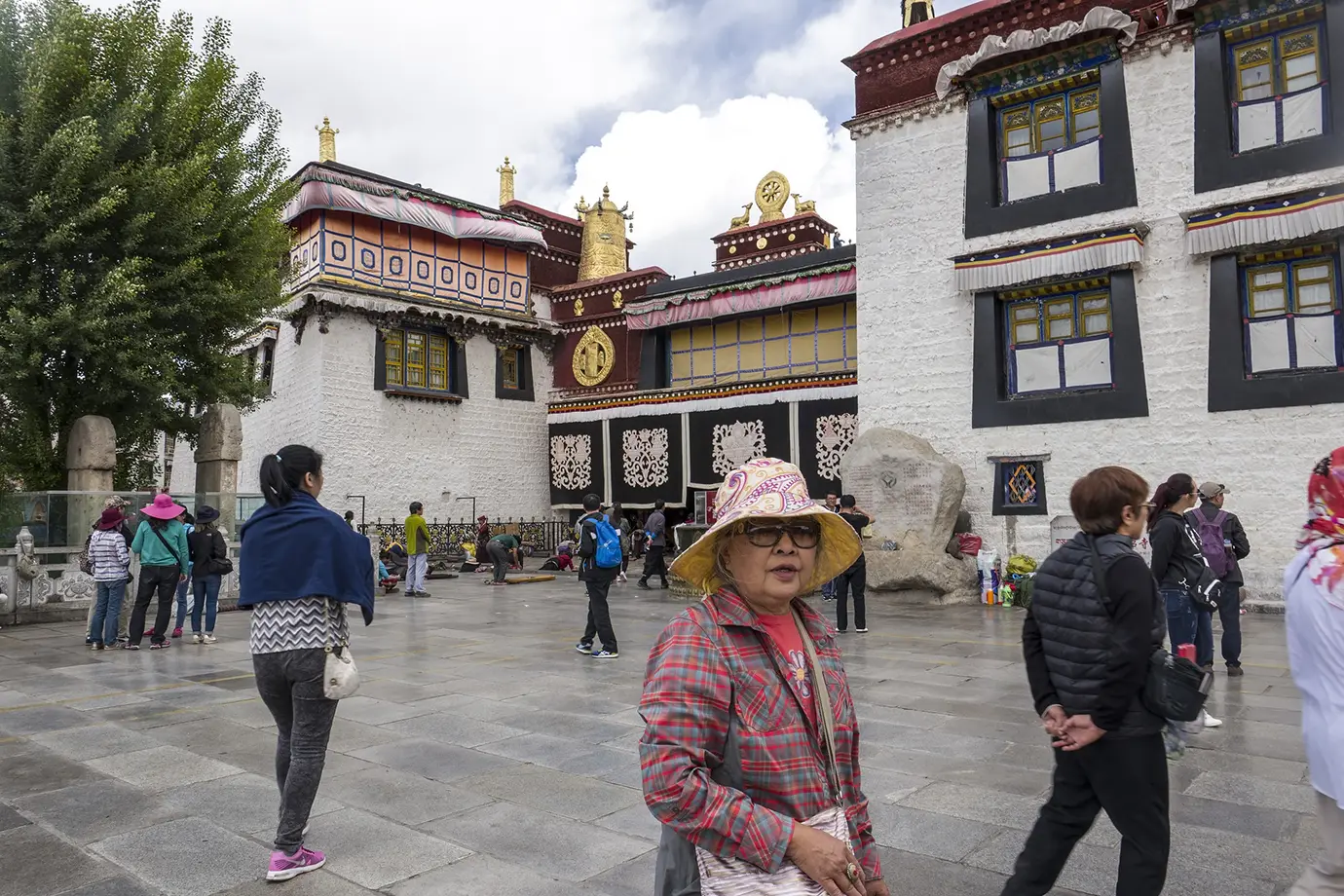
Travelers avoid pointing fingers at religious statues or people. An open palm gestures respectfully toward objects. Monks deserve polite treatment and personal space. Tourists ask permission before taking portraits of local residents. Wild animals, such as yaks and sheep, roam near roads. Tourists keep a safe distance and avoid disturbing the animals. Swimming in holy lakes violates local laws entirely.
Exploring Lhasa: Potala Palace and Sera Monastery
Lhasa serves as the cultural heart of the region. The Tibet Visa allows tourists to explore the city safely. The Potala Palace stands as the most famous landmark. The massive building sits high on a central hill. Visitors climb hundreds of stone steps to reach the entrance. Tourists walk slowly up the stairs to prevent altitude sickness.
The palace limits visiting time to one hour. The interior showcases ancient statues, tombs, and detailed murals. Photography remains strictly forbidden inside the palace walls. The tour guide explains the history of each hall.
Sera Monastery offers a unique cultural experience in the afternoon. Monks gather in the outdoor courtyard to debate Buddhist philosophy. The debates feature loud clapping and energetic physical gestures. Tourists watch the debates from the edge of the courtyard. The debates happen between three and five o’clock in the afternoon.
Visitors arrive early to secure a good viewing spot. The monastery also features beautiful assembly halls and quiet walking paths. The guide translates the basic concepts of the monk debates. Jokhang Temple sits in the city center. Pilgrims prostrate in front of the temple constantly.
The Overland Route to Everest Base Camp
The Tibet Visa permits travel along the famous Friendship Highway. The road trip to Mount Everest takes multiple days. The trip starts in Lhasa and heads west. The car climbs high mountain passes, with prayer flags fluttering. Yamdrok Lake appears suddenly, its water bright turquoise. Tourists stop to admire the lake and take photographs.
The route continues toward Gyantse. Gyantse features a massive stupa with thousands of murals. The tour reaches Shigatse, where it stops for an overnight stay. Shigatse holds the famous Tashilhunpo Monastery. The next morning, the driver navigates winding mountain roads. The Gawula Pass offers stunning panoramic views.
Travelers see five massive Himalayan peaks from the pass. The road finally reaches the Rongbuk Monastery valley. Mount Everest dominates the skyline at the valley end. Tourists ride an electric eco-bus to the base camp marker. The base camp sits at an extreme elevation. Visitors take photos of the famous mountain face. The group sleeps near the base of the mountain.
Food and Dining Guide for International Tourists
The local diet adapts to the harsh high-altitude environment. Tourists taste unique flavors during their Tibet Visa trip. Tsampa serves as the traditional staple food. Locals roast barley flour and mix it with butter tea. The mixture forms a high-energy dough ball. Tsampa provides excellent nutrition for long days of walking.
Yak meat is a staple of local cuisine. The lean meat provides essential protein and calories. Restaurants serve yak meat in stews, curries, and dumplings. Momos represent the most popular local dumpling. Cooks fill momos with spiced yak meat or vegetables. Diners dip the momos in spicy chili sauce.
Thukpa offers a warm, comforting noodle soup. The hot broth helps tourists recover from cold weather. Butter tea functions as the daily local beverage. The tea contains churned yak butter, salt, and black tea. The salty flavor surprises many international tourists. Sweet tea offers a familiar alternative for visitors.
The sweet tea tastes similar to Indian milk tea. Lhasa features many sweet teahouses for relaxing afternoons. Restaurants in Lhasa also serve Indian and Nepalese curries. Dunya Restaurant provides Western food options in the city. Fast food restaurants exist in Lhasa for quick meals.
Accommodation Guide: Luxury Hotels to Tent Guesthouses
The region offers a variety of lodging options for tourists. The Tibet Visa allows stays in registered tourist hotels. Lhasa features several international luxury hotel brands. The St. Regis Resort offers high-end rooms and spa services. The Shangri-La Hotel provides beautiful views of the Potala Palace. The Intercontinental Resort features massive glass pyramids and modern design.
These luxury hotels include central oxygen supply systems. The extra oxygen helps guests sleep comfortably at high altitudes. Luxury hotels serve massive breakfast buffets with Western food options. The Shambhala Palace offers a traditional boutique hotel experience.
Shigatse offers comfortable four-star hotels for overnight stops. The rooms feature private bathrooms and soft beds. Everest Base Camp provides very basic accommodation options. Tourists sleep in traditional yak-hair tent guesthouses. The tents feature shared sleeping areas and simple blankets. A central stove burns dried yak dung for heat.
The tents lack running water and private toilets. Guests use the nearby outdoor public toilets. Visitors bring personal sleeping bags for extra warmth. The tent owners cook simple meals like fried rice and noodles.
Shopping in Lhasa and Barkhor Street
Shopping provides a fun activity after the Tibet Visa tour. Barkhor Street serves as the main shopping district in Lhasa. The street forms a ring around the Jokhang Temple. Vendors sell countless souvenirs and local handicrafts. Tourists buy brightly colored prayer flags to take home. Authentic Thangka paintings require a visit to a specialized gallery.
Thangka paintings feature detailed Buddhist scenes on canvas. Tibetan incense makes a popular and inexpensive gift. The incense contains saffron, musk, and mountain herbs. Shoppers find many jewelry stalls along Barkhor Street. The stalls sell turquoise stones and silver bracelets. Buyers actively negotiate prices with street vendors.

Bargaining forms an expected part of the local shopping culture. Buyers offer half the asking price to start the negotiation. Tourists respect the religious nature of Barkhor Street. Pilgrims walk the street constantly to pray. Shoppers walk clockwise to follow the flow. Visitors avoid blocking the path of praying pilgrims.
History and Purpose of the Tibet Visa
The regional government introduced the Tibet Visa system decades ago. The system manages the heavy flow of international tourists. The local infrastructure struggles to support the daily influx of visitors. The Tibet Visa limits daily arrivals to protect the fragile environment.
The permit system ensures tourists travel with licensed professionals. Professional guides keep travelers safe in extreme high-altitude conditions. The strict rules protect ancient historical sites from overcrowding. The tourism bureau updates the Tibet Visa rules yearly. Nepal Hiking Company constantly studies the latest policy changes.
The agency ensures full legal compliance for every customer. The Tibet Visa guarantees a structured and secure travel experience. The government tracks tourist movements through the Tibet Visa system. The tracking prevents tourists from wandering into dangerous mountain areas. The Tibet Visa maintains order across the vast and remote plateau.
The Essential Role of the Local Tour Guide
The Tibet Visa mandates the presence of a local guide. The guide handles much more than basic translation duties. The guide protects the original Tibet Visa document during travel. The police demand the Tibet Visa at regular checkpoints. The guide quickly presents the Tibet Visa to the security officers.
The guide explains deep historical facts at every monastery. The guide speaks fluent Tibetan to interact with local monks. The guide closely monitors each tourist’s health. The guide recognizes the early signs of altitude sickness immediately. The guide adjusts the daily schedule to match group energy levels.
The guide ensures tourists follow all cultural rules respectfully. The guide helps tourists buy local food and souvenirs safely. The guide solves minor travel problems during the trip. The guide acts as the main bridge between tourists and locals.
Overland Travel Vehicles and Road Safety
The Tibet Visa guarantees safe transport through registered vehicles. Independent public buses refuse to accept foreign passengers. Tour operators provide licensed tourist vehicles for the entire route. Small groups travel in comfortable minivans or large SUVs. Large groups ride in spacious tourist buses with large windows.
The government monitors all tourist vehicles using GPS tracking systems. The law enforces strict speed limits on all mountain highways. The driver stops the vehicle at regular police checkpoints. The police issue a speed ticket to ensure slow driving.
The vehicles carry emergency oxygen tanks for passenger safety. The drivers possess years of experience navigating snowy mountain passes. The vehicles undergo strict mechanical inspections before every tour. The driver cleans the vehicle daily for passenger comfort. The safe vehicles allow tourists to relax and enjoy the scenery.
Best Photography Spots in Lhasa City
Tourists love taking photographs after securing their Tibet Visa. Lhasa offers several famous locations for beautiful pictures. Chakpori Hill provides the most famous view of the Potala Palace. Photographers climb the hill early to catch the sunrise. The morning light paints the palace walls in bright colors.
Potala Palace Square offers a massive open space for wide shots. The square features musical fountains during the summer evenings. Zongjiao Lukang Park sits directly behind the Potala Palace. The park features a calm lake with swimming ducks. The lake reflects the palace perfectly on quiet mornings.
Photographers capture stunning reflection shots from the park bridges. Barkhor Street provides excellent opportunities for street photography. Photographers capture the vibrant colors of local market stalls. Tourists always ask permission before taking pictures of the local people. The bright plateau sunlight creates high-contrast images constantly.
Understanding Mainland Entry Ticket Types
The Tibet Visa requires a valid mainland entry ticket first. Tourists apply for different entry tickets based on their plans. The standard L-type entry ticket serves vacation tourists perfectly. The applicant provides the embassy with flight tickets and hotel bookings.
The M-type entry ticket serves international business travelers. Business travelers need invitation letters from mainland companies. The Z-type entry ticket belongs to foreign workers. The X-type entry ticket belongs to international students. Workers and students face stricter requirements for Tibet Visas.
These residents must provide school letters or employment certificates. The letters prove the resident holds good standing in the country. The tourism bureau reviews resident Tibet Visa applications very carefully. The agency submits the resident letters alongside the Tibet Visa application. The bureau approves the Tibet Visa after verifying the employment status.
Currency and Money Matters During the Tour
Financial preparation ensures a smooth Tibet Visa tour. The local economy relies on the Chinese Yuan currency. Large hotels accept international credit cards for room payments. Small shops and local restaurants accept only cash. Tourists withdraw cash from ATMs across Lhasa.
ATMs become rare outside of the main cities. Travelers carry enough cash before leaving for Everest Base Camp. Tent guesthouses and rural vendors refuse electronic payments completely. Tipping the guide and driver remains a common practice. Tourists hand tips in cash at the end of the tour.
Mobile payment apps usually require a linked mainland bank account. Tourists exchange foreign currency at the Bank of China in Lhasa. The hotel reception desk also exchanges foreign money for guests. Carrying small bills makes it easier for tourists to buy cheap souvenirs.
Communications and Internet Access
Staying connected matters to tourists on a Tibet Visa trip. Hotels in Lhasa provide free wireless internet access. The internet speed allows basic messaging and email checking. The mainland firewall blocks many international social media websites.
Tourists purchase special roaming plans from their home providers. International roaming easily bypasses local internet blocks. Remote areas like Everest Base Camp often have weak mobile signal coverage. The signal drops completely during drives through high mountain passes.
Tourists inform their families about the limited contact beforehand. The tour guide carries a local phone for emergencies. Tourists purchase local SIM cards at mobile shops in Lhasa. The local SIM card requires a passport scan for activation. The local SIM provides cheap data for internet browsing. Internet speeds drop significantly in rural areas.
Traveling with Children and Seniors
Families often plan a trip to Tibet together. Children and seniors require special attention during the tour. The high altitude affects young and old bodies differently. Seniors should check with their doctors before applying for the Tibet Visa. Doctors carefully check for heart and lung conditions.
Tour operators design slower itineraries for senior travelers. Seniors skip steep monastery climbs to save energy. In most cases, children adapt to altitude quickly. Parents monitor their children for hidden signs of altitude sickness. Children sometimes fail to communicate their headaches clearly.
The tour guide keeps a close watch on family groups. The agency books comfortable hotels to ensure family rest. The agency provides large vehicles for family luggage space. Families usually avoid the remote Everest Base Camp area. Families prefer the more comfortable Lhasa-Shigatse route instead.
Special Dietary Requirements
Tourists with dietary restrictions manage well on a Tibet Visa tour. The travel agency asks about food allergies before the trip. The agency informs the local guide about the dietary needs. Lhasa restaurants offer vegetarian and vegan menu options easily. Monks frequently eat vegetarian food at local temples.
Restaurants serve potato curries and fried vegetable noodles. Gluten-free diets present a small challenge in rural areas. The local diet relies heavily on barley and wheat noodles. Tourists with celiac disease bring gluten-free snacks from home. The guide helps diners order safe meals at local restaurants.
The guide translates the food allergies to the restaurant kitchen staff. High-end hotels provide diverse allergy-friendly breakfast options. Tourists carry emergency allergy medication in their daypacks. Food safety remains high in registered tourist restaurants. Cooks boil all drinking water to prevent stomach illnesses.
Planning a Return Trip
Many tourists plan a second Tibet Visa trip later. The region offers massive areas for future exploration. A single trip fails to cover the entire plateau. Returning visitors choose new routes for their second Tibet Visa application. Eastern forests offer green valleys and deep rivers.
Western regions offer vast deserts and ancient ruins. The ruins of the Guge Kingdom attract many returning history buffs. The ruins lie far away in western Ngari. Returning tourists know how to better handle altitude sickness. Returning tourists pack their bags more efficiently.
The agency stores the client’s details to speed up the new Tibet Visa application. The agency welcomes returning clients with warm hospitality. The local guides greet returning tourists like old friends. The region rewards multiple visits with new discoveries. Long-tail search keywords help returning visitors find specific new routes.
FAQs
Q: What is a Tibet Visa for international travelers?
A: The Tibet Visa represents the official Tibet Travel Permit. The tourism bureau issues the Tibet Visa to foreign passport holders. The document allows legal entry into the region.
Q: Do I need a Tibet Visa if I already have a China visa?
A: Yes. A standard Chinese entry ticket only allows access to the mainland. The region requires a separate Tibet Visa for all foreigners.
Q: How long does the Tibet Visa process take?
A: The application process takes 8 to 9 working days. Agencies need extra time to mail the physical paper. Travelers start the process 4 to 6 weeks in advance.
Q: Can I travel independently on a Tibet Visa?
A: No. Independent travel remains strictly forbidden. The Tibet Visa requires a booked tour with a registered agency. A tour guide accompanies tourists during the trip.
Q: What documents do I need for the Tibet Visa process?
A: Travelers provide clear passport scans and China entry tickets. Expats submit work certificates and residence permits. A digital photo completes the basic application package.
Q: Can I enter Tibet from Nepal as an international traveler?
A: Yes. Entering from Nepal requires a specific China Group Visa. The Chinese Embassy in Kathmandu issues the group document.
Q: Do I need extra permits to visit places outside Lhasa?
A: Yes. Shigatse and Everest require the Alien’s Travel Permit. Mount Kailash requires a strict Military Permit. The operator handles all extra permits.
Q: Does the Tibet Visa cost money?
A: The government issues the Tibet Visa free of charge. The operator includes the processing fees in the total tour package price.
Q: Do Indian citizens need a Tibet Visa?
A: Yes. Ordinary Indian tourists need the standard Tibet Visa. Indian pilgrims visiting Mount Kailash use a different application system through the Pilgrim Center.
Q: How does the Tibet Visa arrive?
A: The agency mails the original Tibet Visa to a mainland hotel. Nepal entrants receive the documents from the local guide at the border.