

Included Meals
- Breakfast: 4
- Lunch: 4
- Dinner: 4

Unbeatable Holiday Offers – Save Up to 20% on Your Next Adventure!
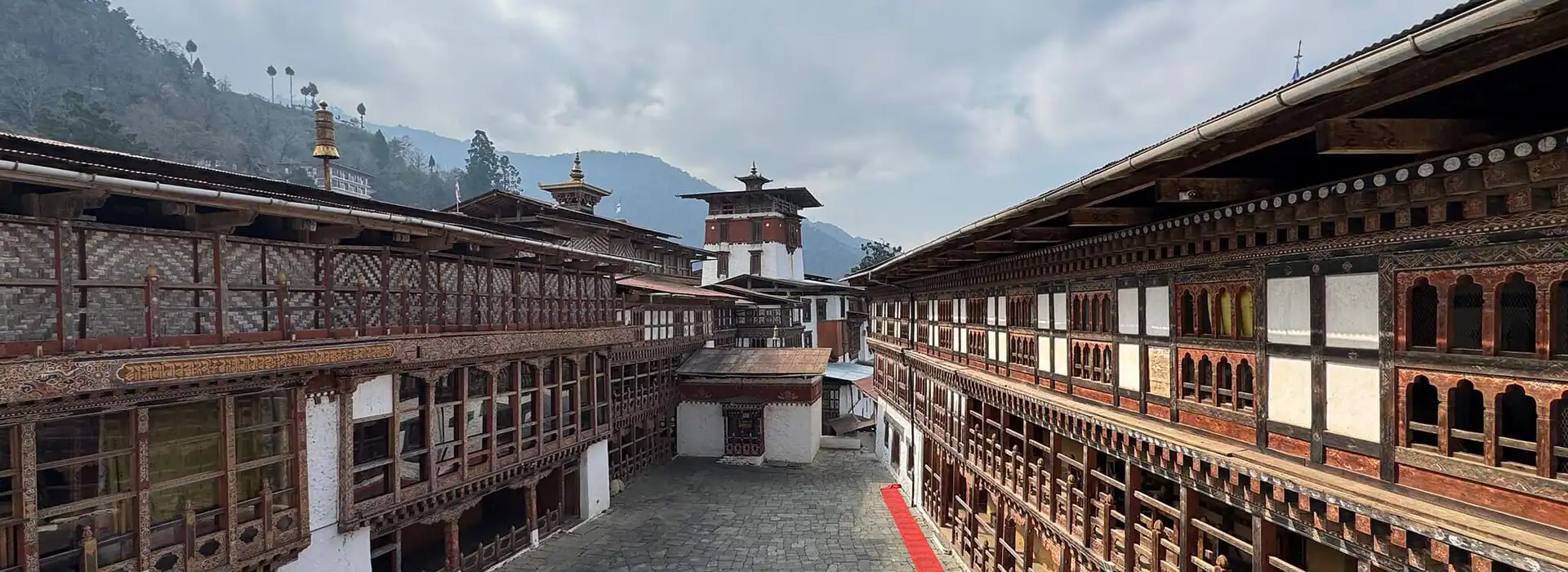
We proudly present the Classic Bhutan Tour Package, designed to offer a seamless introduction to the Himalayan kingdom. From the moment of arrival, every detail is thoughtfully arranged so the journey flows effortlessly through ancient fortresses and sacred temples. Over five days, this Bhutan tour covers the essential cultural landmarks of the western valleys, allowing travelers to connect with the country’s rich heritage at a comfortable pace. Along the way, each group is supported by a dedicated guide and private driver, ensuring both convenience and a deeper understanding of every destination.
The itinerary is designed with a relaxed pace, making it ideal for travelers of all ages, while each day unfolds with a balance of exploration and comfort. Visitors wander through vibrant local markets, connect with local life, and enjoy moments that feel both authentic and unhurried.
Along the way, gentle hikes lead to scenic mountain trails, while every stop introduces the rich flavors of Bhutan through carefully prepared regional dishes. The Classic Bhutan Tour Package also includes thoughtfully selected accommodations, allowing guests to choose from standard, premium, or luxury hotel categories to match their travel style. Over five days, this Bhutan itinerary covers comprehensive sightseeing across three major districts, ensuring a well-rounded journey through the kingdom’s cultural and natural highlights.
The Paro, Thimphu, and Punakha journey brings together the nation’s rich heritage, allowing travelers to experience its culture in a natural and engaging way. As the trip unfolds, each destination reveals a different layer of Bhutan’s identity, culminating in the iconic Tiger’s Nest hike, a truly memorable and adventurous finale.
Throughout the journey, comfort and safety remain a priority, while the tour operates year-round with convenient daily departures. Guests arrive at Paro International Airport, where the local team ensures a smooth welcome and handles all transfers in a comfortable private vehicle. Travel between cities is kept short and manageable, so the itinerary flows with a balanced mix of driving, walking, and well-timed rest. Along the way, travelers experience Bhutan’s unique traditions each day, creating a journey that feels both immersive and effortlessly paced.
The guide explains local customs and religious symbols, while each dzong showcases magnificent architecture. The Classic Bhutan Tour Package includes interactive experiences, such as village walks, during which visitors see locals in traditional garments and monks performing daily rituals in ancient courtyards. The Classic Bhutan Tour Package suits all fitness levels. Families enjoy easy walks and regular rest stops, while seniors appreciate comfortable vehicles and flat temple courtyards. Couples find romance in scenic viewpoints. The Tiger’s Nest hike is moderate, with an option to choose an alternative sightseeing day.

Included Meals

Trip Grade
The Classic Bhutan Tour Package begins at Paro International Airport. A professional guide welcomes guests with a traditional greeting upon arrival. Travelers board a comfortable private vehicle and leave the Paro valley. The road follows the winding Pa Chhu river toward the capital city. Guests observe traditional farmhouses and terraced fields along the scenic highway. The drive provides a perfect introduction to the peaceful Himalayan environment.
The vehicle stops at Simtokha Dzong just before entering Thimphu. Zhabdrung Ngawang Namgyal built this fortress in 1629. The structure holds the title of the oldest surviving dzong in the country. Visitors take beautiful photographs of the intricate woodwork and ancient stone walls. The guide shares legends about a demon trapped inside a nearby rock. After the photo session, the group proceeds to the hotel for check-in.
Guests enjoy a relaxed evening walk through Thimphu town. The capital city famously operates without any traffic lights. White-gloved police officers direct cars at the main intersection. Travelers browse local handicraft shops for authentic souvenirs. The bustling Khaja Throm market offers fresh produce and local snacks. The day concludes with a hearty welcome dinner at the hotel.
Tips of this day: Drink plenty of water to adjust to the altitude. Carry a light jacket for the evening walk. Keep your camera ready during the scenic drive.
Meals Lunch, Dinner
Difficulty
The 5-day Bhutan itinerary continues with morning sightseeing in Thimphu. The group visits the massive Buddha Dordenma statue overlooking the valley. The bronze monument stands 51.5 meters tall and is finished in gold. Inside, the structure houses 125,000 miniature Buddha statues. Next, travelers visit the Memorial Chorten in the city center. Locals gather here daily to spin prayer wheels and chant mantras. The tour then explores Tashichho Dzong, the seat of the national government. The fortress features majestic whitewashed walls and golden roofs.
The vehicle climbs the winding mountain road to reach Dochula Pass at 3,100 meters. The pass displays 108 memorial stupas arranged in three circles. On clear days, the location provides panoramic views of the high Himalayas. The group stops at the pass cafeteria for warm tea and photographs. The road then descends into the warm, subtropical Punakha region.
The lower elevation of Punakha brings warmer temperatures and lush green scenery. The group arrives at the hotel and checks into their rooms. Later, guests embark on a short village walk through the valley. The trail passes through terraced rice fields and rural farming settlements. Travelers observe traditional agricultural methods up close. The peaceful evening ends with a delicious local dinner.
Tip of the day: Apply sunscreen before visiting the Buddha statue. Remove hats before entering the Memorial Chorten. Walk slowly across the Dochula Pass to avoid shortness of breath.
Meals Breakfast, Lunch, Dinner
Difficulty
The Paro Thimphu Punakha tour highlights the majestic Punakha Dzong this morning. Zhabdrung Ngawang Namgyal constructed the fortress in 1637 at the river confluence. The massive building features three separate courtyards and intricate wooden carvings. Visitors enter the main assembly hall to view giant statues of Buddha and Guru Rinpoche. A short distance away, guests cross the famous Punakha Suspension Bridge. The bridge stretches 160 meters across the river and sways gently in the wind.
The itinerary includes an optional walk to Chimi Lhakhang. A pleasant 20-minute hike through mustard fields leads to the temple. Locals call the site the Temple of Fertility. Childless couples visit the shrine to receive special blessings from the monks. The temple honors Drukpa Kunley, the famous Divine Madman of local history. The guide explains the unique cultural symbols painted on the nearby village houses.
Following lunch, the private vehicle departs for the return drive to Paro. The route retraces the scenic mountain pass. Guests enjoy a relaxed evening upon arrival in the Paro valley. Travelers spend time exploring handicraft stores or resting in the hotel lounge. The Classic Bhutan Tour Package prepares guests for the upcoming mountain hike.
Tips of this day: Hold the bridge cables firmly while crossing. Respect local traditions at the fertility temple. Request a window seat for the afternoon drive.
Meals Breakfast, Lunch, Dinner
Difficulty
The Tiger’s Nest tour begins early in the morning. The vehicle drives guests to the base of the mountain trail. The hike covers a round-trip distance of 6.4 kilometers. The trail climbs steeply through a dense pine forest decorated with colorful prayer flags. Most hikers complete the walk in five to six hours, depending on their pace. Walkers gain approximately 520 meters in elevation during the ascent.
Hikers reach the midway cafeteria after about 1.5 hours of walking. The facility offers hot drinks, snacks, and the first clear view of the monastery. Guests rest here before tackling the final stretch of the trail. The path eventually descends a stone staircase past a spectacular 200-foot waterfall. A final climb leads directly to the temple entrance. Guru Rinpoche famously meditated in the cliffside cave during the 8th century.
Non-hikers easily choose alternative sightseeing options in Paro. The guide arranges visits to the National Museum, housed in the ancient Ta Dzong watchtower. Guests also explore the impressive Rinpung Dzong fortress. Another option is a visit to Kyichu Lhakhang, one of the nation’s oldest temples. The whole group reunites in the evening for a celebratory farewell dinner.
Tips of this day: Rent a walking pole at the base. Carry extra water and light snacks. Step aside to let horses pass on the trail.
Meals Breakfast, Lunch, Dinner
Difficulty
The final morning of the Classic Bhutan Tour Package begins with a warm breakfast. Guests pack their belongings and prepare for the flight home. If the flight schedule permits, travelers enjoy a final walk around Paro town. Visitors purchase last-minute souvenirs like local tea, incense, or handmade textiles. The guide assists guests with a smooth check-out.
The private vehicle transports the group to Paro International Airport. The airport sits beautifully nestled between high mountain peaks. The guide and driver bid the guests farewell with traditional white silk scarves. The team ensures all luggage reaches the departure terminal safely. Travelers proceed through security and immigration checkpoints.
Guests board their flights and leave the peaceful Himalayan kingdom. The airplane climbs above the valleys, offering one last view of the stunning scenery. The Bhutan itinerary 5 days concludes successfully. Travelers carry home wonderful memories of ancient fortresses, sacred temples, and friendly local people.
Tips of this day: Keep passports and visa documents easily accessible. Arrive at the airport two hours before departure. Take window seat photos during takeoff.
Meals Breakfast
Difficulty
The Classic Bhutan Tour Package provides flexible lodging options to match any budget. All partner properties maintain strict government quality standards. Hotels feature traditional Bhutanese architecture combined with modern comforts. Guests expect reliable heating, hot water, and Wi-Fi across all categories, with room types available in twin, double, or triple configurations.
Standard 3-Star Hotels: Standard 3-star hotels offer clean, comfortable, and charming local properties. In Thimphu, guests stay at Hotel Pedling or a similar centrally located venue. The property offers 33 rooms with heating, television, and free Wi-Fi. In Punakha, Hotel Vara provides excellent valley views from comfortable rooms. The 19 rooms feature large windows, natural light, and private balconies. In Paro, Mandala Resort or a similar property sits on a scenic hillside, offering free Wi-Fi and heated floors. Standard hotels serve hearty buffet meals and offer reliable room service.
Premium 4-Star Resorts: Premium 4-star resorts elevate the travel experience with spacious rooms and better amenities. Hotel Ariya, or a similar property in Thimphu, features 46 brightly styled rooms. The property boasts a plush spa, a well-equipped fitness center, and expansive banquet halls. RKPO Green Resort, or a similar property in Punakha, overlooks the Chimi Lhakhang temple. The resort offers 38 elegantly decorated rooms with minibars and air conditioning. Tashi Namgay Resort, or similar, in Paro sits on a five-acre compound next to the Paro River. The property includes 58 rooms, a state-of-the-art fitness center, and a traditional hot stone bath facility.
Luxury Hotels: Luxury hotels upgrade the trip to world-class international and boutique brands. Le Méridien Thimphu, or similar, offers 78 spacious rooms with authentic Bhutanese furnishings. The hotel features two Asian restaurants, a 24-hour gym, and an indoor heated pool. Le Méridien Paro Riverfront or similar boasts 59 luxurious rooms located near the Paro Airport. The corner suites offer open floor plans and floor-to-ceiling windows. COMO Uma Punakha or similar sits on a hillside overlooking a bend in the Mo Chhu River. The exclusive retreat features 11 luxury rooms and standalone private villas. The Bukhari restaurant serves seasonal Bhutanese cuisine.
The Royal Government of Bhutan regulates tourism through a unique pricing model. Every international visitor pays a Sustainable Development Fee (SDF). The SDF currently costs USD 100 per person per night. Children aged 6 to 11 receive a fifty percent discount, paying USD 50 per night. Children under five years old enter the country free of the daily charge. The government channels the SDF revenue directly into free healthcare, education, and environmental conservation programs. We handle all SDF payments on behalf of our guests.
The Bhutan visa application process requires coordination through a licensed local operator. Independent travelers are not permitted to apply for the visa directly. A one-time visa processing fee of USD 40 applies to all international tourists. Our team manages the entire application system securely online. Processing normally takes 3 to 5 working days. The government issues an electronic visa clearance letter upon approval.
Guests provide a few essential documents to begin the process. We require a clear color scan of the passport photo page. The passport must have a minimum validity of 6 months from the planned departure date. Travelers also submit a recent digital passport-sized photograph. Finally, we need the confirmed travel dates and international flight schedule. Guests present the electronic visa clearance letter at the airline counter and the immigration desk upon arrival.
Travelers experience four distinct seasons in the Himalayan kingdom. The Classic Bhutan Tour Package operates year-round, but specific months offer different advantages.
Spring: Clear skies and comfortable temperatures bring spring to the valleys. Rhododendrons and wildflowers bloom across the mountain slopes. The warm weather makes the Tiger’s Nest hike highly enjoyable. Beautiful purple jacaranda trees blossom around the Punakha Dzong in May. The vibrant Paro Tshechu festival usually occurs during this period.
Autumn: Autumn offers the best visibility for mountain views. The monsoon rains wash the air clean, leaving crisp, blue skies. Temperatures remain pleasant for the Paro Thimphu Punakha tour. The famous Thimphu Tshechu takes place in September or October. Hikers find the trail to Tiger’s Nest dry and stable. This season serves as the best time for photography.
Winter: Winter offers fewer crowds and incredible solitude. The days feature crisp mountain air and brilliant sunshine. Nighttime temperatures drop significantly, especially in Paro and Thimphu. Punakha stays relatively warm due to its lower elevation. The Tiger’s Nest trail remains open, and the frozen scenery looks magical.
Summer: Monsoon rains bring summer to the region. The valleys transform into a vibrant, deep green space. Rivers swell, and waterfalls rush with incredible power. Travelers need good rain gear during this season. Clouds often obscure the high peaks, but the misty forests feel mysterious and serene. The summer season offers lower travel costs and completely empty tourist sites.
Bhutan roads shape the entire travel experience. The national highway weaves through steep mountains and deep valleys. Travelers expect winding, mountainous roads with sharp bends. The route between Paro, Thimphu, and Punakha features well-paved blacktop surfaces. However, the mountainous terrain limits driving speeds to a safe, slow pace.
The private vehicle advantage proves significant for the journey. Guests request stops at any time to take photographs or stretch their legs. The driver maintains daily drive comfort using the vehicle’s climate control system. All passengers wear seat belts for safety during transit.
The guide schedules frequent rest stops and washroom breaks along the route. The cafeteria at Dochula Pass offers a clean facility midway between Thimphu and Punakha. Travelers prone to motion sickness carry medication and sip water frequently to ensure a pleasant ride. The guide recommends sitting in the front seats and keeping eyes on the horizon.
The Tiger’s Nest hike challenges travelers but rewards them with unforgettable memories. The trail covers approximately 6.4 kilometers round-trip. The starting elevation is 2,600 meters, and the monastery sits at 3,120 meters. Hikers conquer an elevation gain of 520 meters during the continuous uphill climb. The trail is moderate in difficulty. The steep dirt path features switchbacks and rocky sections. The final approach involves a dramatic stone staircase of roughly 700 steps. Anyone with normal mobility finishes the trail by maintaining a slow pace.
Preparation makes the hike significantly easier. The guide advises guests to start early in the morning to avoid midday heat and crowds. Hikers pack a small daypack with two liters of water, energy snacks, and strong sun protection. Walking poles provide essential stability for the steep descent. Layered clothing allows guests to adjust to changing temperatures on the mountain. Travelers who struggle with steep inclines rent ponies at the base. The pony option safely carries guests to the midway viewpoint cafeteria. The final staircase section requires walking. The guide monitors every guest closely and ensures a safe, comfortable experience. Safety tips include drinking water frequently and taking long rest breaks.
Packing correctly ensures comfort throughout the Bhutan itinerary 5 days. The mountain climate changes rapidly from morning to night. Layers provide the best solution for fluctuating temperatures.
Essential Clothing Checklist:
• Warm layers for cool mornings and evenings.
• Comfortable walking shoes for city walks and hikes.
• Rain jacket or poncho during the summer months.
• Modest clothing for monasteries and dzongs.
• Sunglasses and sunscreen to protect against high-altitude glare.
Sturdy walking shoes or hiking boots with good grip prove essential for the Tiger’s Nest trail. Comfortable sneakers are perfect for walking through Thimphu and Paro. Slip-on sandals or loafers allow easy removal at temple entrances. High-SPF sunscreen and lip balm protect exposed skin. A small daypack holds water and cameras securely during daily excursions. A universal power adapter keeps electronics charged.
The national dress holds deep cultural importance. Men wear the gho, a knee-length robe tied at the waist with a cloth belt called a kera. Women wear the kira, a full-length rectangular cloth wrapped gracefully around the body. Tourists need not wear the national dress, but they must follow strict modesty rules. Both men and women cover their shoulders and knees completely. Visitors are advised not to wear shorts, tank tops, or tight clothing. Long trousers and full-sleeved shirts work perfectly. Travelers remove hats and sunglasses before crossing the threshold of any sacred courtyard. Packing a large scarf helps women cover their shoulders quickly when needed.
Bhutanese cuisine brings bold flavors and comforting warmth to every meal. The national dish, ema datshi, combines spicy chili peppers with a rich cheese sauce. Cooks prepare this fiery stew by boiling green or red chilies with onions and garlic. They add local datshi cheese at the end to create a creamy texture. Local chefs serve red rice alongside almost every main course. Farmers grow this nutritious, nutty-flavored grain in the high-altitude valleys.
Other traditional favorites include phaksha paa and jasha maru. Phaksha paa offers a hearty pork option. The chef stir-fries thick pork slices with dried red chilies and radishes. Jasha maru features spicy minced chicken cooked with ginger and tomatoes. Momos provide a popular and delicious snack.
Hotel restaurants serve food in a buffet style. The buffets feature a mix of traditional Bhutanese, Indian, and simple international dishes. Guests can easily find mild options such as roasted vegetables, pasta, or mild curries.
The culinary team effortlessly accommodates vegetarian options. Dishes like kewa datshi and shamu datshi offer hearty meat-free choices. Travelers with specific allergy notes inform the team in advance. The guide communicates dietary needs directly to the hotel chefs to ensure safe and satisfying meals.
Bhutanese culture values respect, modesty, and gentle behavior. Visitors show appreciation by following a few simple rules.
The guide helps guests understand when to make small temple donations. Visitors must respect all ‘no-photography’ signs, especially inside temple shrine rooms.
This 5-day Classic Bhutan tour suits most travelers with normal health. You do light walking on sightseeing days, but you spend time on winding mountain roads. Thimphu and the Paro area sit at a higher elevation than Punakha, so some guests feel short of breath on stairs or uphill paths. Walk slowly, drink water often, and rest when you need it. Proper hydration drastically reduces the chances of altitude discomfort. Travelers drink at least three liters of water daily. Avoiding alcohol and caffeine during the initial ascent helps the body adjust faster.
Tiger’s Nest remains the most active day. Wear shoes with a good grip and start early for a calmer hike. Carry water, light snacks, and a warm layer for changing weather. If you feel unwell or you prefer to skip the hike, we suggest an easier Paro sightseeing plan instead. The guide monitors every guest closely and ensures a safe, comfortable experience.
Bhutan has basic medical services in the main towns, but in remote areas, there are fewer facilities. We recommend travel insurance that covers medical care and emergency support. We provide a licensed guide and an experienced driver, plan safe rest stops, and adjust timing if weather affects road comfort or visibility. The team prioritizes guest safety from arrival until departure.
Before you arrive, confirm your passport details, travel dates, and flight schedule so we can complete Bhutan visa processing and arrange airport pickup on time. Pack layered clothing for cool mornings and warm afternoons, plus comfortable walking shoes for city walks and the Tiger’s Nest hike. Bring personal medicines, travel insurance details, and a small daypack for water, sunscreen, and snacks.
On arrival in Paro, we give a short orientation to set expectations for the week. We review the daily plan, drive times, meal timings, and hotel check-in details. We also explain Bhutan’s temple etiquette, photography rules, and simple tips for comfortable road travel.
Your guide checks your pace preferences and any dietary needs, then confirms the next day’s start time and key stops. This careful preparation ensures a relaxed and perfectly tailored experience. The guide answers any questions and provides assistance with local currency exchange if needed.
How to Book This Trip
What we need from you:
Cancellation Policy
We keep the policy clear and fair. Cancellation charges help cover confirmed reservations and processing work.
If you cancel the tour:
Important notes:
This Classic Bhutan Tour Package is designed as a fully private experience with a licensed guide and professional driver, allowing guests to set the pace of the Bhutan itinerary 5 days with the freedom to stop, rest, and explore at their own comfort during the Paro Thimphu Punakha tour, while the entire journey from arrival to departure focuses on flexibility, comfort, and personalized service.
The local tour team handles all Bhutan visa and restricted area permits, requiring only a passport scan and photo. Guests receive the clearance letter by email and get the visa stamped on arrival at Paro Airport, ensuring a hassle-free experience throughout the Paro Thimphu Punakha tour.
The Sustainable Development Fee (USD 100 per night for international adults) directly supports Bhutan’s healthcare, education, environmental protection, and cultural preservation. Collected by the government, it ensures the country maintains its pristine landscapes and heritage, while tour costs like hotels, meals, transport, and guides are paid separately.
The Tiger’s Nest hike requires moderate fitness, covering 6.4 km with steep dirt and rocky trails plus hundreds of stone steps. Most complete it in five to six hours, pacing steadily with rest stops and optional pony rides for the first half, while walking poles help on the descent. The final staircase must be climbed on foot, and anyone with normal mobility can finish successfully.
The Bhutan itinerary 5 days can be fully customized to suit guests’ interests. Private tours allow adding extra days, upgrading to luxury hotels, or including cultural activities like hot stone baths, archery, or cooking classes. Nature walks, photography timing, and family-friendly adjustments are all accommodated, with the guide fine-tuning the schedule daily for weather and energy levels.
Altitude sickness is rare on the Classic Bhutan Tour Package, as most of the Paro Thimphu Punakha tour stays below 3,000 meters, with Dochula Pass briefly reaching 3,100 meters. Guests prevent discomfort by walking slowly, staying well-hydrated, avoiding alcohol and caffeine, and eating carbohydrate-rich meals. Mild symptoms like headaches are eased by resting, while the guide monitors everyone and adjusts the pace as needed.
Bhutan’s official currency is the Ngultrum (BTN), pegged 1:1 to the Indian Rupee, which is widely accepted except for 500 and 2000 notes. Credit cards work in major hotels and shops, but remote areas require cash. ATMs exist but can be unreliable, so travelers should bring US dollars or Euros to exchange, with the guide assisting. Small Ngultrum denominations are useful for snacks, tips, and temple donations.
Bhutan no longer requires mandatory travel insurance, but it’s strongly recommended. A good policy covers trip cancellations, flight delays, and emergency medical expenses, especially in remote areas where advanced care is limited. Guests should carry a printed copy, which the guide can access quickly in case of emergencies.
The Zorig Chusum represents Bhutan’s thirteen traditional arts, formalized by Zhabdrung Ngawang Namgyal in the 17th century. These include Shingzo (woodwork), Dozo (masonry), Parzo (carvings), Lhazo (religious paintings), Jinzo (clay sculptures), Lugzo (bronze casting), Garzo (ironwork), Troeko (gold and silver jewelry), Tsharzo (cane and bamboo weaving), Thagzo (textile weaving), Tshemzo (tailoring and embroidery), Shagzo (wooden bowls), and Dezo (paper-making from the Daphne plant).
The Tshechu festival, Bhutan’s main religious celebration, features sacred cham dances, traditional dress, community gatherings, and the thongdrol scroll, believed to purify negative karma.
Tipping is common in Bhutan’s tourism industry but not mandatory. Guests typically give guides USD 10–15 per day, drivers USD 5–10, and porters about USD 1 per bag. Restaurants may include a service charge, and small temple donations of 50–100 Ngultrum are appreciated, with the guide advising on timing.
Recreational drones are strictly prohibited in Bhutan to protect the environment, wildlife, local privacy, and religious sites. Customs confiscate drones at airports, and only government agencies may operate them. Tourists use cameras and smartphones for photography, respecting no-photo areas, while guides suggest safe vantage points. Commercial filming requires a rare government permit.