

Popular trek of Bhutan

Unbeatable Holiday Offers – Save Up to 20% on Your Next Adventure!

Popular trek of Bhutan
The Druk Path Trek Bhutan Package delivers an exceptional high-altitude experience across pristine mountain terrain, following ancient trading routes that connect the Paro and Thimphu valleys. Along the way, walkers pass through dense pine forests, then climb exposed ridges and reach remote alpine lakes surrounded by quiet landscapes. We have carefully arranged every detail, so even the most demanding ascents feel well-managed and comfortable. Trekkers also enjoy a balanced experience, combining wilderness camping with restful hotel stays.
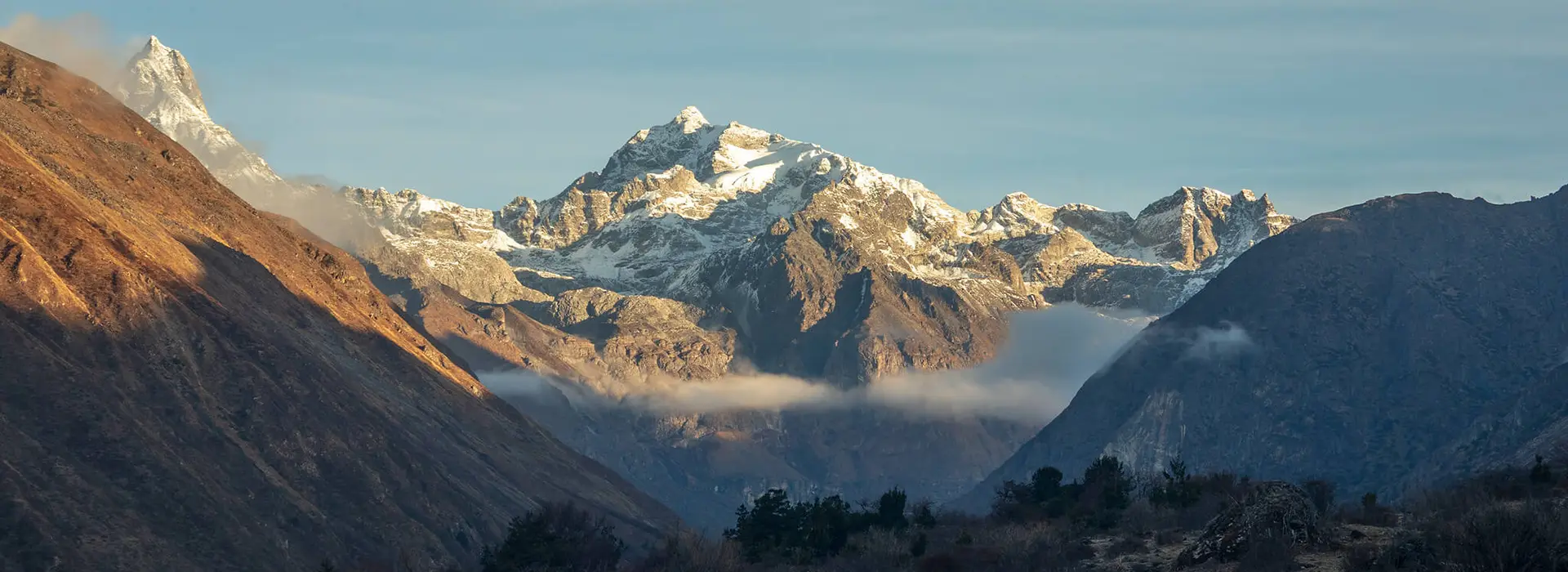
Participants witness the finest natural beauty and historical architecture the country has to offer, while each day introduces a new contrast between landscape and heritage. The itinerary includes an acclimatization hike to the famous Tiger’s Nest monastery, set dramatically on a vertical cliff face, which also prepares hikers for the days ahead. Along the trail, hikers observe giant trout moving through the clear waters of Jimilang Tsho, and when the weather opens up, wide views of Mount Chomolhari and the distant Gangkhar Puensum appear from the high passes. At the same time, ancient sites like Jele Dzong add cultural depth to the route, connecting the mountain experience with Bhutan’s long-standing traditions.
A dedicated crew manages all heavy equipment, so clients carry only light daypacks throughout the trek. Meanwhile, pack animals transport tents, sleeping gear, and fresh food along the steep trails, keeping the load off the hikers. At camp, the cook prepares hot and nutritious meals each evening, helping restore energy after long walking days. The licensed guide maintains a steady pace, keeps an eye on altitude symptoms, and shares valuable insights into local traditions, which adds depth to the experience. Together, this well-organized support system ensures a safe and comfortable trek across the high Himalayas.
We provide highly trained guides who understand mountain safety implicitly. The guides enforce a steady walking pace to prevent dangerous altitude sickness. The strong support crew excels at camp management and at quickly erecting sturdy tents in changing weather. Cleanliness defines the camp kitchen. The cooks follow strict hygiene protocols, using boiled water to wash all ingredients and cooking utensils. Clear evening briefings set realistic expectations for the upcoming day’s mileage and elevation gain. Private vehicle support ensures seamless, comfortable transitions between the muddy mountain trails and the luxury city hotels.

Included Meals

Trip staff

Transport

Accommodation

Trip Grade
Group Size
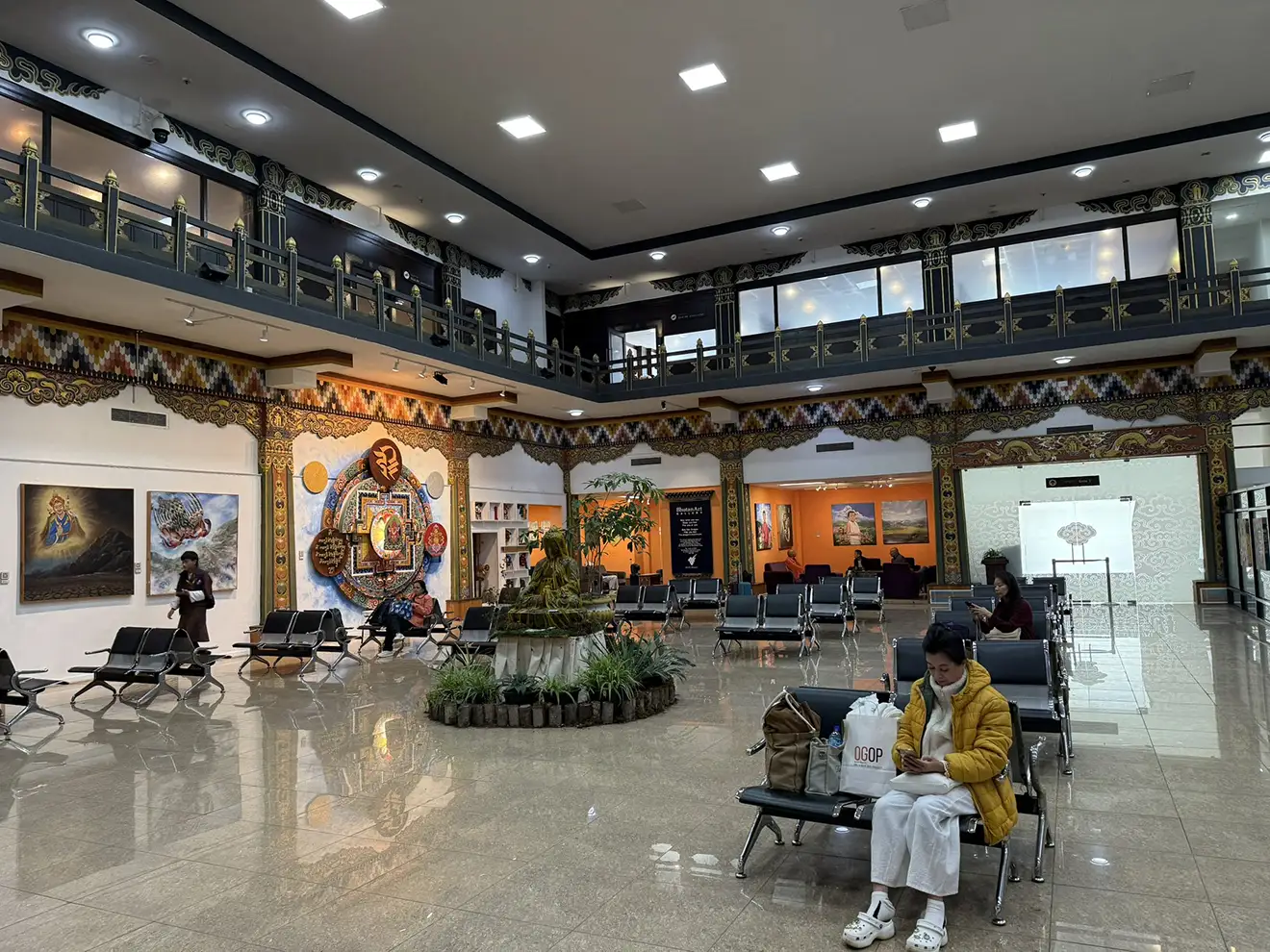
Travelers arrive at Paro International Airport to begin the Druk Path Trek Bhutan Package. Our company representatives greet guests warmly at the terminal exit. A private vehicle transports the group to a comfortable luxury hotel in the valley center. The short drive introduces visitors to the unique Bhutanese architecture lining the quiet streets. Participants check into their rooms, drop their heavy bags, and drink hot ginger tea in the lobby. The guide provides a short welcome briefing regarding the afternoon schedule. Everyone rests for an hour to let their bodies adjust to the 2,200-meter altitude.
The afternoon features a light sightseeing walk to aid acclimatization. The group visits the impressive Rinpung Dzong, a massive fortress guarding the river edge. Monks in red robes walk quietly through the ancient wooden courtyards. Visitors photograph the intricate wall paintings and observe the traditional religious ceremonies. The walk continues to the National Museum, housed in the historic Ta Dzong watchtower. The museum exhibits display ancient weaponry, religious artifacts, and beautiful woven textiles. Walkers learn about local history, study the regional wildlife displays, and appreciate the rich cultural heritage.
Evening descends quickly over the Paro valley as temperatures drop. The group returns to the hotel dining room for their first authentic Bhutanese dinner. The chef serves mild local curries, steamed red rice, and fresh organic vegetables. The guide discusses the next day’s Tiger’s Nest Monastery hike during the meal. Trekkers pack their daypacks, organize their trekking poles, and prepare their camera equipment. Everyone retires to their heated rooms early for a deep, restful sleep. The body requires maximum rest before tackling the steep mountain trails tomorrow.
Meals Breakfast, Lunch, Dinner
Difficulty
A steep dirt trail challenges hikers right from the valley floor. Walkers climb steadily through dense pine forests, their paths lined with colorful prayer flags. The Tiger’s Nest acclimatization hike builds essential lung capacity for the upcoming days. The guide sets a slow, rhythmic pace to prevent early fatigue on the relentless incline. Trekkers stop frequently to drink water, catch their breath, and photograph the valley below.
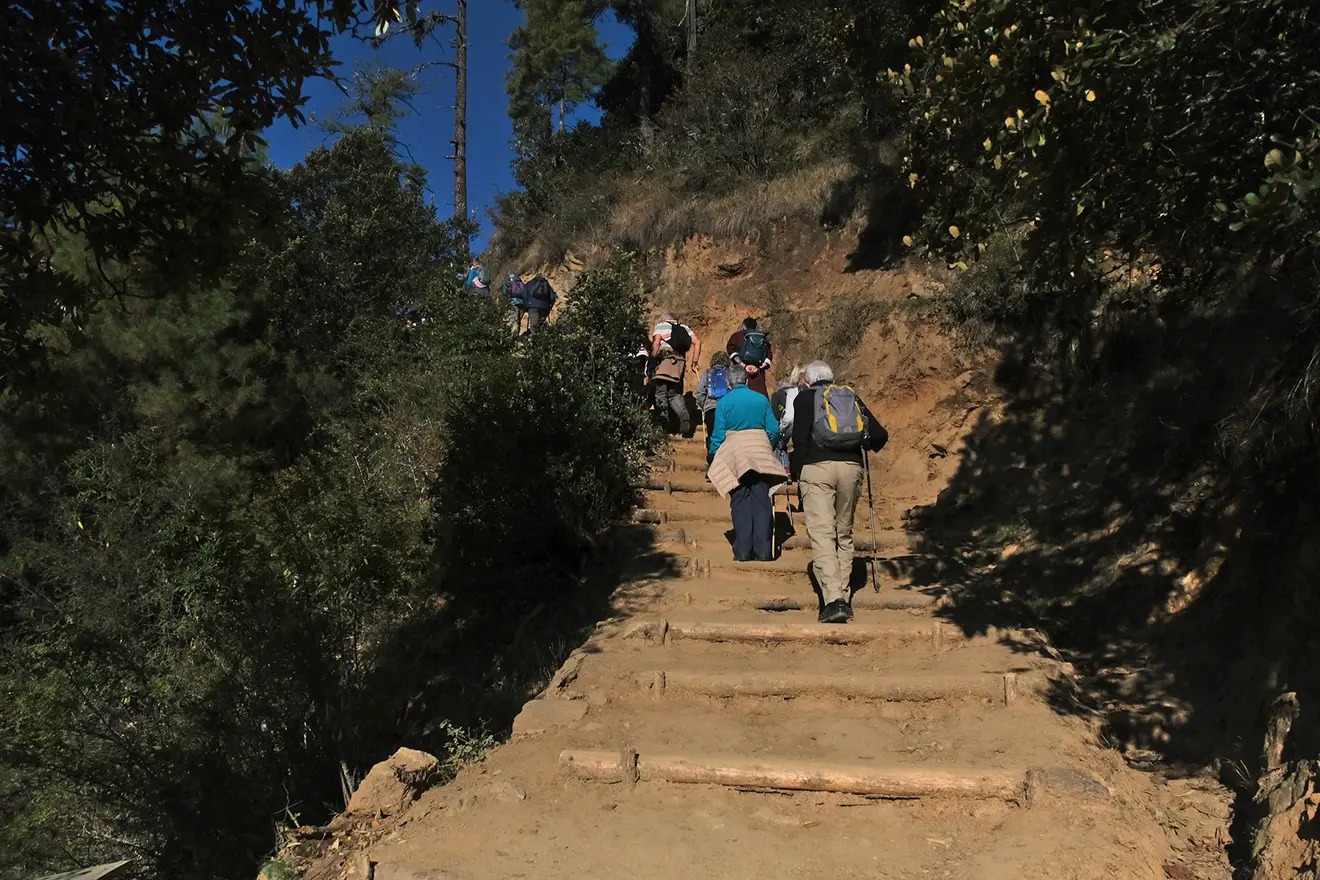
The group reaches the halfway point in the cafeteria after two hours of continuous effort. Participants sit on the wooden deck, drink hot tea, and view the monastery clinging to the rock face. The trail levels out briefly before descending a stone staircase toward a beautiful waterfall. Hikers cross a bridge draped in prayer flags and begin the final, strenuous push to the temple entrance. Security staff collect all cameras and bags before guests enter the sacred inner shrines.
Inside the complex, the guide explains the ancient legends of Guru Rinpoche. Visitors sit quietly in the meditation rooms, absorbing the deeply spiritual atmosphere. The group carefully navigates the steep steps back down to the valley floor. A vehicle waits at the trailhead to return the tired trekkers to the Paro hotel. A hot shower and a heavy dinner complete the final day of physical preparation.
Meals Breakfast, Lunch, Dinner
Difficulty
The Druk Path Trek itinerary, 9 days, starts officially near the Ta Dzong museum. Hikers climb past small farmhouses and enclosed apple orchards. The trail winds upward through thick, lush pine forests. The ascent builds gradually, serving as a solid introduction to the higher elevations. Support animals pass the walking group, carrying the heavy camping supplies up the mountain.
After hours of steady climbing, the trees cleared to reveal the Jele Dzong trek campsite at 3,480 meters. The ancient fortress sits prominently on a high grassy ridge. Trekkers walk up to the stone walls to explore the historic meditation chambers. Clear weather provides incredible views of Mount Chomolhari towering in the distance. The guide shares stories about the protective deities residing in the old temple.
Camp staff erects the sleeping tents in a beautiful alpine meadow just below the fortress. The cook welcomes the tired walkers with hot tea, sweet biscuits, and warm water for washing. Everyone gathers inside the heated dining tent to eat a heavy, restorative dinner. Temperatures drop rapidly as the sun sets behind the peaks. Trekkers retreat to their warm sleeping bags, experiencing their first night under the Himalayan stars.
Meals Breakfast, Lunch, Dinner
Difficulty
The morning begins with hot coffee served directly to the tents. Trekkers pack their duffel bags, eat a hearty breakfast, and hit the trail. The path follows a high ridge line above the main tree zone. Walkers observe vibrant rhododendron shrubs lining the dirt tracks. The guide listens carefully for the calls of Himalayan monal pheasants hiding in the brush.
The route crosses expansive alpine meadows and remote yak pastures. Hikers spot massive yaks grazing peacefully on the tough mountain grass. Clear weather provides excellent views of snow-capped peaks along the Tibetan border. The short walking duration allows for frequent photography stops and relaxed rest breaks. The group arrives at the Jangchulakha camp, sitting at 3,770 meters, well before the afternoon clouds roll in.
The support crew completes the camp setup early, ensuring a comfortable arrival. Trekkers remove their boots, stretch their legs, and enjoy hot soup in the dining tent. The guide conducts a detailed briefing about the high passes expected the next day. A spectacular sunset paints the surrounding peaks in bright orange light. The group goes to bed early to prepare for the longer distance tomorrow.
Meals Breakfast, Lunch, Dinner
Difficulty
Hikers wake to crisp, freezing air and clear mountain skies. The trail leaves the yak pastures and climbs sharply toward the Langye Ja La pass. Trekkers use the high trail to secure the best vantage points of the surrounding valleys. Standing on the pass reveals magnificent views of the Jichu Drake peak. The thin air forces everyone to breathe deeply and walk with extreme care.
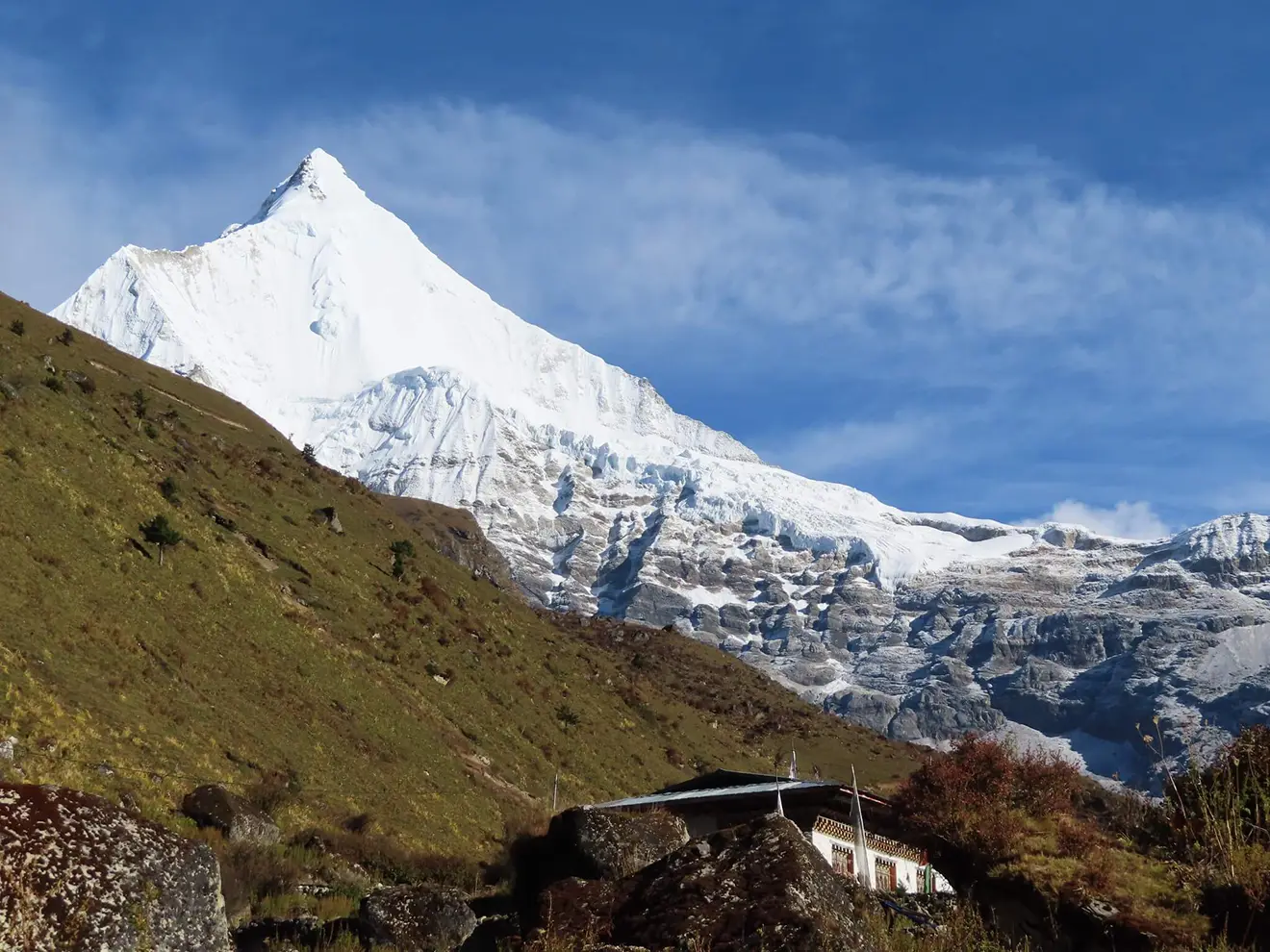
A steep, rocky descent challenges the knees as the group drops down toward the water. The path contours around the mountain folds, eventually arriving at the Jimilang Tsho lake camp. The pristine glacial waters sit perfectly still, reflecting the rugged peaks like a mirror. Giant trout swim close to the shoreline, undisturbed by the arriving trekkers. The camp sits right on the edge of the lake at 3,880 meters.
Wind sweeps across the open water, requiring heavy jackets and warm hats. The cook serves hot ginger tea and popcorn to warm everyone up. Trekkers walk around the lake shore, taking photographs of the dramatic scenery. The dining tent provides a cozy refuge from the biting evening cold. A hot dinner restores energy levels before another freezing night in the tents.
Meals Breakfast, Lunch, Dinner
Difficulty
The route climbs away from the large lake and traverses a rocky ridge. Walkers pass through dense patches of dwarf rhododendron trees dominating the high-altitude terrain. The trail overlooks deep valleys, offering continuous, heart-warming views of the Himalayas. Hikers soon encounter the smaller Janye Tsho lake resting quietly in a deep basin. The guide points out nomadic yak herder camps scattered across the distant hillsides.
The path involves short, sharp ascents and descents across the uneven ground. Trekkers rely on their walking poles to maintain balance on the loose rocks. The group reaches Simkota Lake, near the ruins of an ancient fortress. The crew establishes the highest camp of the trek at 4,110 meters. The extreme altitude demands slow, deliberate movements around the campsite.
The cook prepares a massive dinner of Bhutanese red rice, fresh vegetables, and rich soup. Trekkers eat enthusiastically to counter the effects of thin air. The guide checks everyone’s oxygen levels and asks about symptoms of altitude sickness. Heavy clouds often roll through the camp, creating a mystical, isolated atmosphere. Sleep comes quickly for the exhausted walkers.
Meals Breakfast, Lunch, Dinner
Difficulty
A challenging morning climb pushes trekkers to the Labana Pass at 4,235 meters. This point marks the highest elevation of the entire Druk Path Trek Bhutan Package. The pass rewards the hard effort with a sweeping panorama of the mighty Gangkhar Puensum. Walkers celebrate their achievement, take final group photos, and prepare for the massive descent. The trail drops aggressively, requiring careful foot placement on the dusty tracks.
The long downhill path leads directly to the Phajoding monastery viewpoint. This sprawling meditation complex features ancient temples and small hermitages clinging to the hillside. Trekkers rest their tired legs and explore the serene religious buildings. The view stretches out over the entire Thimphu valley, showing the modern city sitting far below. The final hiking section winds through deep pine forests down to the roadhead.
A comfortable vehicle meets the group at the trail exit, marking the end of the trekking phase. The short drive to the Thimphu hotel feels incredibly luxurious after days in the wild. Participants take long, hot showers and put on clean city clothes. The group walks into the town center to enjoy a massive celebration dinner at a local restaurant. The soft hotel beds provide an incredible night of recovery sleep.
Meals Breakfast, Lunch, Dinner
Difficulty
The Thimphu sightseeing tour showcases the fascinating blend of ancient tradition and modern development. The group visits the massive Buddha Dordenma statue, which dominates the valley skyline. Participants walk around the Memorial Chorten, joining local residents as they spin prayer wheels. The guide explains the intricate religious paintings decorating the temple walls. The city exploration involves minimal physical strain, allowing sore hiking muscles to recover.
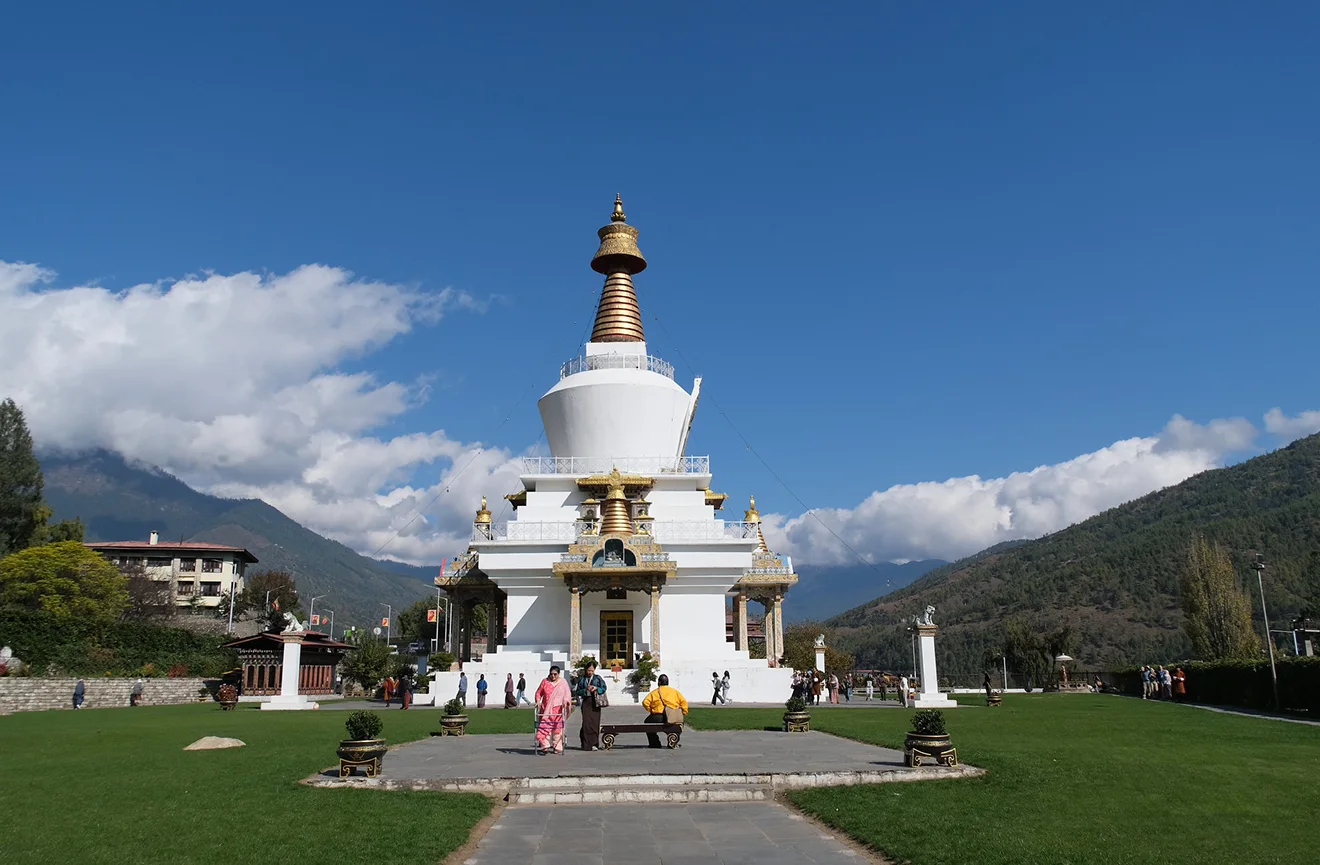
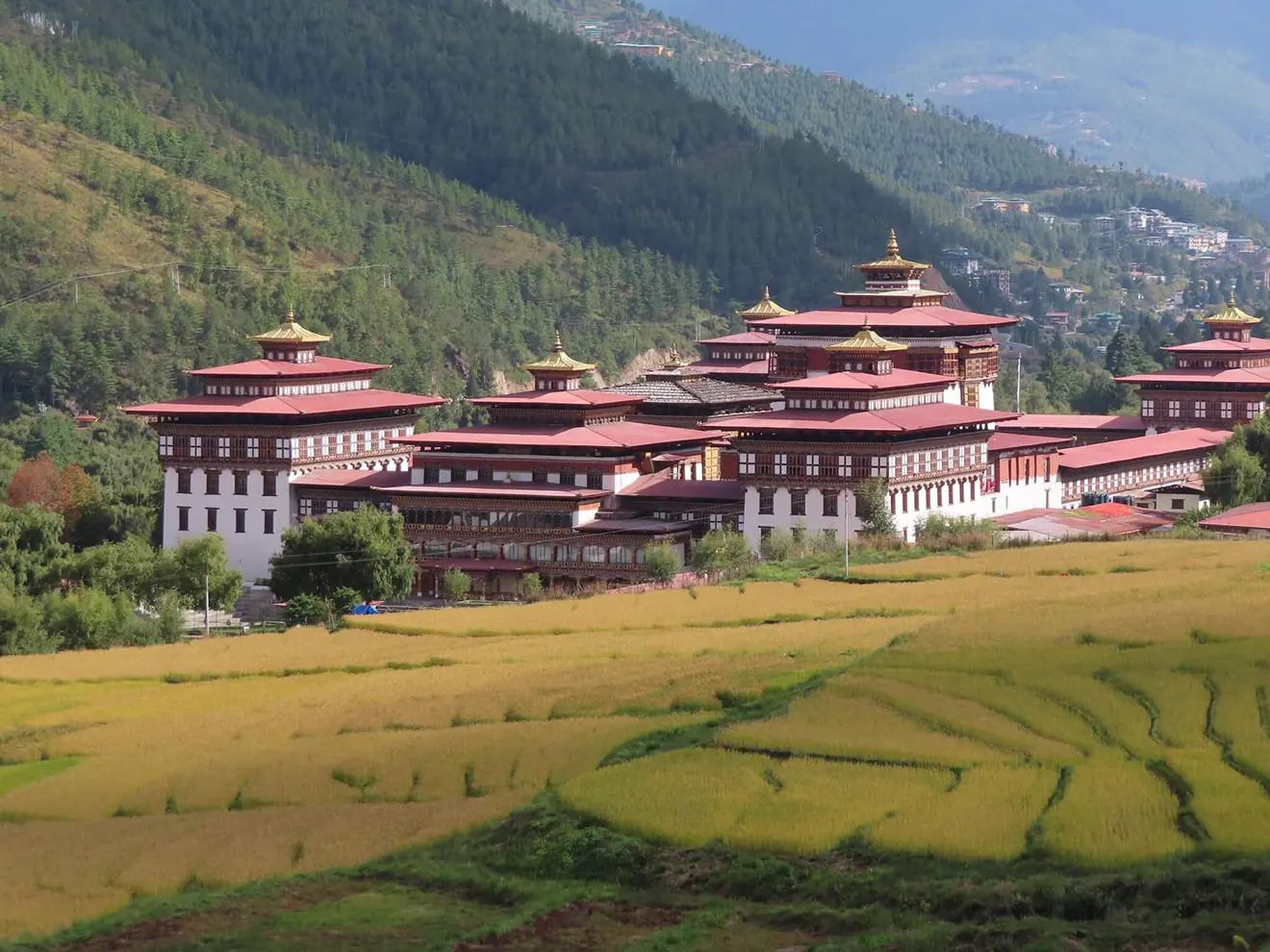
The tour continues to the grand Tashichho Dzong, the center of government and religion. Visitors marvel at the massive wooden architecture and the quiet monastic courtyards. The group explores local craft markets, purchasing woven textiles and carved wooden souvenirs. The guide helps trekkers select the finest handmade items from the local artisans. A hot restaurant lunch features mild Bhutanese specialties.
A smooth afternoon drive transports the group back to the Paro valley. The winding road offers final glimpses of the beautiful river systems and terraced farms. Upon arriving at the Paro hotel, the guide conducts a final trip debriefing. The team shares their favorite memories over a farewell dinner. Travelers pack their luggage, preparing for their international flights the next morning.
Meals Breakfast, Lunch, Dinner
Difficulty
The Bhutan trekking tour, 9 days, concludes with an early morning breakfast at the hotel. Guests enjoy a final cup of Bhutanese tea as they watch the sun rise over the valley. Representatives load the luggage into the vehicles and drive the short distance to the airport terminal.
The guide assists with the check-in process and ensures all travel documents remain in order. Travelers say their final goodbyes to the local support team. Participants walk through airport security, carrying unforgettable memories of the high mountain passes. The flight departs Paro, offering one last aerial view of the majestic Himalayan peaks.
Meals Breakfast
Difficulty
The package blends town comfort with authentic wilderness living perfectly. In Paro and Thimphu, participants sleep in comfortable, government-certified hotels. The standard 3-star properties provide reliable hot showers, clean beds, room heating, and Wi-Fi access. These amenities allow tired hikers to recover fully before and after the mountain crossing. Guests who desire extra luxury may request premium 4-star upgrades during the initial booking phase for enhanced dining and spa facilities.
On the mountain, the support crew establishes full-service campsites. Sleeping tents feature thick foam mats to insulate the body against the frozen ground. A dedicated dining tent provides a warm, communal space for evening meals and morning route briefings. The cook serves hot tea and warm washing water directly to the tents every morning. The crew sets up a separate toilet tent at a respectful distance from the main sleeping area, guaranteeing a hygienic camping experience.
The government strictly mandates a Sustainable Development Fee (SDF) for all international tourists entering the country. This daily fee funds local education, healthcare, and environmental protection programs. We handle the entire payment process seamlessly. The tour operator includes SDF costs in the total package price or lists them as a separate charge at the time of booking.
Travelers avoid navigating complex government payment portals on their own.
Securing the visa requires simple document preparation. Travelers submit a clear color scan of the main page of their passport and a recent digital photograph. Passports must be valid for at least 6 months beyond the intended departure date. Participants provide their exact travel dates to initiate the formal request. The local team submits these details to the Department of Tourism for official review.
Visa processing takes several business days once the agency submits the complete file. Upon approval, the government issues a digital visa clearance letter. Our company emails this critical document directly to the client before their flight. Participants present the printed clearance letter at Paro International Airport. Border officials stamp the passport swiftly, allowing trekkers to exit the airport and meet their waiting guide.
Spring weather offers incredibly stable trail conditions and comfortable daytime temperatures. The months of March, April, and May bring warmth to the high valleys. Trekking during this window guarantees spectacular floral displays. Dwarf rhododendron trees burst into vibrant pink and red blooms across the ridges. The clear morning skies provide perfect lighting for mountain photography. Birds and wildlife become highly active, giving hikers frequent animal sightings along the forest paths.
Autumn ranks as the absolute best time for clear ridge views. The monsoon rains stop by late September, washing all the dust from the atmosphere. October and November deliver sharp, unobstructed views of the highest Himalayan peaks. The cold, crisp air makes the Jimilang Tsho lake act like a perfect mirror, reflecting the surrounding mountains with flawless clarity. The dry trails ensure safe footing on the steep descents. Night temperatures drop significantly, requiring excellent sleeping bags, but the daytime walking remains highly pleasant.
Summer introduces heavy monsoon rains, ruining the trekking experience. The months of June, July, and August turn the dirt trails into dangerous, slippery mud. Thick clouds completely hide the mountain views. Leeches infest the lower forest sections, creating constant annoyance for walkers. We strongly advise against booking the Druk Path Trek from Paro to Thimphu during this wet season.
Winter drops temperatures well below freezing at the high camps. Heavy snow blocks the high passes from December through February. The deep snow prevents the pack animals from crossing the ridges safely. While the skies stay brilliantly clear, the extreme cold makes camping miserable for most people. Only highly experienced hikers attempt the route in early December before the massive snowdrifts accumulate.
We use modern, well-maintained vehicles for all road transfers. Small groups of two to four people ride in comfortable, luxury SUVs such as the Toyota Land Cruiser or Hyundai Santa Fe. Larger parties travel in spacious Toyota HiAce vans or reliable Coaster buses. All vehicles feature strong suspension systems and powerful engines to handle the steep, winding mountain roads smoothly. Experienced local drivers understand the terrain deeply and maintain safe, steady speeds at all times. Clean vehicles remain available throughout the city tours, offering bottled water and air conditioning between cultural stops.
The Druk Path Trek is rated moderate, but the high altitude presents a genuine physical challenge. Trekkers reach elevations above 4,200 meters, where the thin air severely limits oxygen intake. The route demands constant uphill climbs through rocky, uneven terrain. Heavy winds sweep across the exposed ridges, rapidly dropping body temperatures. Cold nights in the tents prevent deep sleep for unprepared campers, making recovery difficult.
Proper fitness preparation guarantees a successful, enjoyable walk. Participants practice climbing stairs and walking steep local hills for several months before arrival. Training with a weighted daypack builds essential core strength and hardens the leg muscles. Cardiovascular exercises like running or cycling significantly enhance lung capacity. A strong heart handles the mountain air much better than a sedentary one.
Gear preparation prevents trail injuries and ruined trips. Walkers break in their waterproof hiking boots thoroughly at home to avoid painful heel and toe blisters. The clothing layering system proves critical for comfort. Hikers wear moisture-wicking base layers, add thick fleece mid-layers, and top them with windproof outer shells. A small blister prevention kit stays in the daypack for immediate access on the trail.
A steady pace strategy conquers the longest, steepest ascents. The guide sets a slow, rhythmic walking speed right from the trailhead. Frequent short rest breaks allow heart rates to return to normal and muscles to clear lactic acid. Trekkers drink three to four liters of water daily to maintain hydration and fight altitude sickness. Drinking warm tea at the campsite helps the body recover core heat before an early sleep.
Beginners can complete this route successfully if they have a strong baseline fitness level. A fit walker handles daily distances easily, but a completely sedentary person struggles on steep mountain passes. The Druk Path Trek for beginners relies heavily on the guide’s expertise and pacing strategy.
The support crew manages all heavy lifting, leaving trekkers to carry only light daypacks. The guide enforces extremely slow walking speeds to help the body acclimatize to the thin air. Extra rest breaks allow novices to catch their breath and photograph the stunning valleys. Daily mileage remains relatively short, setting realistic physical goals for inexperienced high-altitude hikers. If a beginner doubts their physical readiness, the lower-altitude Bumthang Cultural Trek offers a much easier alternative.
Walking from Paro provides a superior, much safer acclimatization profile. The initial days feature a very gradual altitude gain through the lower forests. The Paro start allows hikers to use the Tiger’s Nest acclimatization hike as a perfect physical warm-up before hitting the main trail.
A Thimphu start forces a massive, steep initial climb up to the Phajoding monastery. This rapid ascent strains the cardiovascular system, increasing the risk of altitude sickness. However, the Thimphu direction benefits groups with incredibly tight travel schedules, as it ends directly in Paro near the international airport for rapid departure. Operators strongly recommend the classic route flowing from Paro to Thimphu for maximum safety and enjoyment.
The comparison between these two famous routes highlights vast differences in commitment and danger. The Druk Path requires only six days of walking and hits a maximum altitude of 4,235 meters. The Snowman Trek demands nearly 30 days of relentless walking, crossing eleven brutal passes above 5,000 meters.
The Snowman Trek tests absolute human endurance and requires serious mountaineering stamina. More than half of the people who attempt the Snowman fail to finish it. The Druk Path suits standard vacationers seeking a remote mountain experience without extreme physical exhaustion. Choose the Druk Path for a beautiful one-week adventure; reserve the Snowman Trek for a dedicated, month-long expedition.
Bhutan strictly forbids independent trekking to protect the fragile alpine environment. Every visitor walks alongside a licensed, government-approved Bhutanese guide. We secure the necessary trekking permits from the authorities well before the flight arrives.
The route passes through protected national areas and sensitive wildlife habitats. Trekkers must obey strict rules regarding wildlife interactions and the protection of flora. Groups camp only in designated clearings to minimize environmental impact and prevent soil erosion. Security checkpoints along the road require guides to show route approvals, keeping the journey organized, safe, and entirely legal. Walkers follow the “leave no trace” philosophy, packing out all trash.
Mountain sunsets bring immediate, sharp drops in temperature. Strong winds sweep across the exposed ridges, pushing evening temperatures below freezing during autumn and spring. Sleep comfort depends entirely on good equipment and proper camp management.
The crew pitches all tents before the hikers arrive at the camp. The evening routine centers around the heated dining tent. Cooks serve hot tea and fresh biscuits immediately upon arrival. Trekkers relax in camping chairs, warm their hands around their mugs, and discuss the next day’s route.
A sub-zero-rated sleeping bag guarantees night warmth. Adding a fleece sleeping bag liner traps extra body heat inside the bag. The staff erects a dedicated toilet tent containing a clean portable commode. Trekkers use headlamps to navigate the short distance between tents in the dark. Leaving no trace remains the core rule; staff manage the toilet trenches respectfully and safely.
The trail transitions through distinct, beautiful ecological zones. Lower sections feature dense blue pine and old oak forests. Mid-elevations are home to vibrant dwarf rhododendron shrubs covering the hillsides. The highest passes reveal barren, rocky alpine basins surrounding clear glacial lakes.
Spring walkers witness the hillsides erupting in colorful pink and red blooms. The quiet trail is home to the colorful Himalayan monal pheasant and grazing takin. The high-altitude lakes hold giant native trout swimming near the shores.
Mornings offer the absolute best mountain visibility. Reaching the high passes before the afternoon clouds form provides unobstructed views of Jichu Drake, Mount Chomolhari, and the massive Gangkhar Puensum. The bright sunlight highlights the deep green valleys sitting thousands of meters below.
Nomadic families live in simple stone huts near the high mountain lakes. These herders utilize the rich alpine pastures to graze their massive yaks during the warmer months. Trekkers encounter these camps frequently along the ridges.
Trekkers maintain a highly respectful distance from the large animals. Yaks possess sharp horns and startle easily. Hikers stand quietly and wait for herders to move the animals off the narrow trails before passing.
Simple etiquette guides all human interactions. Visitors ask the guide to translate polite greetings before taking photographs of the herders or their camps. Moving quietly through the pastures respects the nomads’ peaceful mountain lifestyle. Walkers never block the trails or disturb the grazing herds.
Trek clothing layers
Cold-night kit
Footwear plan
Daypack essentials
Personal items
Electronics
Temple dress code
Weight control tips
Hotel restaurants serve a mix of continental, Indian, and mild Bhutanese dishes. Trek meals rely entirely on the camp cook’s expertise. The crew packs fresh vegetables, heavy rice, and meat on the pack animals.
Trek mornings begin with hot porridge, cooked eggs, and toast. The cook provides a packed lunch of fried rice or noodles for the trail. Dinners feature hot soup followed by rice, vegetable curries, and lentils.
The cook accommodates vegetarian diets easily. Guides instruct the kitchen to lower the spice levels for foreign palates. The operator requires notice of food allergies during the booking process.
The crew boils all drinking water. Trekkers fill their bottles each morning. Drinking warm tea at rest stops helps keep core temperature stable on windy ridges.
Altitude affects every walker differently. Symptoms include mild headaches and shortness of breath. Trekkers combat altitude sickness by drinking plenty of water and walking slowly. Cold nights demand a high-quality sleeping bag to prevent hypothermia.
Daily walks last between three and seven hours. The continuous up-and-down movement strains the leg muscles severely. Trekkers treat hot spots on their feet immediately to prevent debilitating blisters.
Mountain weather changes rapidly. Bright sun gives way to cold rain or harsh wind in minutes. Walkers keep rain shells and fleece jackets near the top of their daypacks. Hydration and sun protection prevent severe exhaustion at high elevations.
If a trekker feels dizzy or nauseous, they tell the guide immediately. The guide carries a comprehensive first-aid kit and adjusts the pace. The operator requires travel insurance covering medical evacuation for absolute safety. The crew monitors hygiene rigorously to prevent stomach illnesses.
The operator requires passport scans and photos weeks before arrival to process the visa. Trekkers spend the preceding months building leg strength on stairs and local trails. A strict boot break-in plan prevents ruined trips. Participants wear their boots on multiple practice hikes. A gear check ensures the daypack weight stays manageable.
Upon arrival in Paro, the guide conducts a detailed trip briefing. Topics include the trail route, camp hygiene rules, and meal schedules. The guide explains the daily start times and the routine for packing the duffel bags before breakfast. The team checks dietary preferences one final time before purchasing the fresh trail supplies.
Booking stays simple. Follow these steps:
What we need from you:
Cancellation Policy
We keep the policy clear and fair. Cancellation charges cover confirmed bookings.
If you cancel the tour:
Important notes:
A: The route challenges hikers with long ascents and high altitudes. Participants need strong leg muscles and excellent cardiovascular health. The trail reaches heights above 4,200 meters, forcing the lungs to work harder. Trekkers walk up to seven hours on the longest days. The steep sections demand physical resilience and mental toughness. Travelers prepare by climbing stairs and hiking local hills for months before arrival. A heavy backpack training routine builds the necessary core strength. The slow, steady pace helps manage physical strain effectively. Proper hydration prevents severe fatigue during daily walks. Walkers use trekking poles to protect their knees on steep descents.
A: Yes, fit beginners complete this trail frequently. The key relies on pacing and realistic expectations. The guides walk slowly to manage their heart rates. Because pack animals carry the heavy gear, beginners only manage a light daypack. Inexperienced trekkers must break in their boots and practice hiking at home to avoid blisters and muscle shock. Novices trust the guide to monitor their health. The short daily distances prevent overwhelming exhaustion. Extra rest breaks allow beginners to recover completely. Preparation determines success on the mountain.
A: Starting from Paro provides a safer altitude profile. Hikers spend the first two days acclimatizing in the Paro valley, including the hike to Tiger’s Nest. The gradual ascent toward Jele Dzong allows the body to adjust. A Thimphu start forces a harsh, rapid climb on the first day. The sudden increase in altitude stresses the heart and lungs. Most operators recommend the Paro departure for optimal safety and enjoyment. The Paro route flows logically across the ridges.
A: The routes differ completely in scope. The Druk Path finishes in six days of walking and hits a maximum elevation of 4,235 meters. The Snowman Trek requires nearly a month of walking over 5,000-meter passes. The Snowman ranks among the hardest routes globally. The Druk Path suits standard adventure travelers, while the Snowman requires elite endurance. Vacations fit the Druk Path perfectly. Expeditions tackle the Snowman.
A: Nighttime temperatures drop below freezing during the spring and autumn trekking seasons. The wind on the high ridges makes the air feel much colder. Trekkers stay warm inside the tents using heavy, sub-zero-rated sleeping bags. The support crew provides hot water bottles and warm tea in the dining tent to maintain body heat before sleep. Participants wear thick down jackets and fleece hats inside the camp. Good gear eliminates the cold completely.
A: Bhutan forbids independent hiking to protect the environment and local culture. We secure the official trekking permit before arrival. The licensed guide handles all checkpoint registrations along the route. Walkers stay with the guide and follow instructions regarding trail safety and campsite boundaries. The guide ensures the group leaves no trace. Rules protect the fragile alpine ecosystem.
A: A sub-zero-rated sleeping bag ranks as the most vital piece of equipment. High-quality waterproof boots prevent foot injuries on rocky descents. A windproof outer shell and a thick down jacket provide critical warmth during cold evenings in the dining tent. Trekking poles help protect the knees on steep descents. Headlamps light the way to the toilet tent. Proper gear prevents misery on the mountain. Walkers rely entirely on their equipment.
A: Slow and steady pacing prevents early exhaustion. The guide initiates the walk early in the morning to beat the heat. Walkers take frequent micro-breaks on the steep dirt path. A long rest at the halfway cafeteria allows the legs to recover before tackling the final stone staircases. Rushing the climb causes severe shortness of breath. Patience guarantees success on the cliff.
A: The package includes standard 3-star certified hotels in Paro and Thimphu. These properties provide hot showers, comfortable beds, heating, and Wi-Fi. The clean hotel environment allows trekkers to rest properly before hitting the trail. After descending from the mountain, the hotel feels incredibly luxurious. Guests upgrade to 4-star properties during booking if they desire premium services. The hotels offer great food.
A: The camp sits directly beside a pristine alpine lake at 3,880 meters. The clear water reflects the surrounding mountain peaks beautifully. Giant trout swim freely in the freezing water. The isolation provides an incredibly peaceful camping experience. Photographers capture amazing sunset reflections on the water’s surface. The remote location feels completely untouched by modern life.
A: Walkers ascend slowly to give their bodies time to adjust. The guide enforces a relaxed pace on every climb. Drinking massive amounts of water keeps the blood oxygenated. Trekkers rest frequently and avoid overexertion. The itinerary includes two days in Paro to begin acclimatization. Ignoring symptoms leads to severe illness.
A: The crew erects a dedicated toilet tent at every campsite. They dig a deep trench and place a portable commode over it. The tent sits far away from the sleeping area and the water sources. Staff members manage the waste carefully to protect the environment. Trekkers bring their own toilet paper and hand sanitizer. The setup remains clean and private.
A: The camp cook prepares customized meals for vegetarians and vegans easily. Travelers state their food allergies clearly during the booking process. The kitchen staff packs specific ingredients on the mules to meet these needs. The cook reduces chili spice levels to suit foreign stomachs. Nobody goes hungry on the trail. The hot food restores energy completely.
A: Campsites entirely lack electricity. Trekkers bring multiple high-capacity power banks to charge phones and cameras. The cold mountain air drains batteries extremely fast. Walkers keep their spare batteries inside their jackets, close to body heat. Careful battery management ensures cameras stay active for the whole trip. Solar chargers work well during the clear hiking days.