

Included Meals
- Breakfast: 11
- Lunch: 11
- Dinner: 11

Unbeatable Holiday Offers – Save Up to 20% on Your Next Adventure!
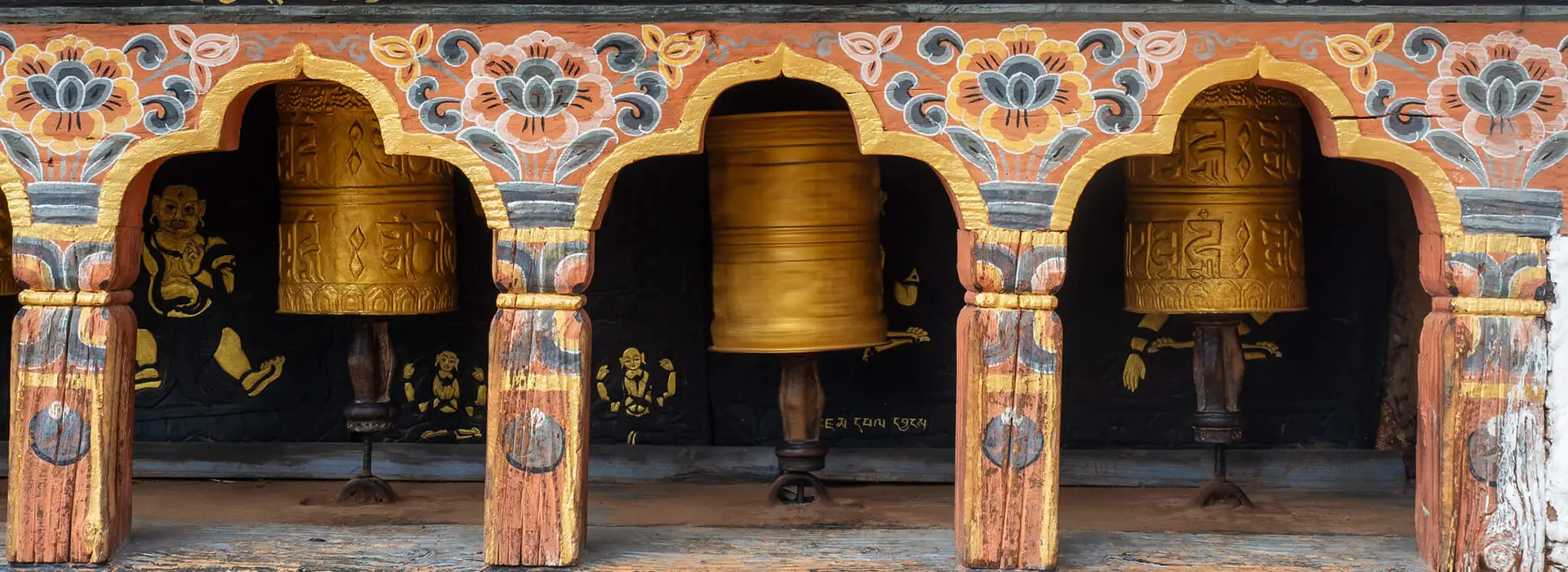
We have crafted the Jomolhari Base Camp Trek for trekkers seeking a supported high-altitude experience with a balanced rhythm of comfort, where demanding mountain sections are paired with calmer cultural days. As the route unfolds, trekkers reach the Jangothang Base Camp area at around 4,080 to 4,100 meters, and later cross a major high pass near 4,890 meters on the loop section, adding both challenge and reward to the journey.
At the same time, the itinerary includes a full acclimatization day at base camp, allowing the body to adjust properly before the higher sections. It also places the Tiger’s Nest hike at the beginning as a smart warm-up before the main trek.
The trek core is focused and efficient, reaching base camp in two trekking days, adding a full acclimatization day, and then completing the loop via the Bhonte La Pass trek and the Soi Yaksa campsite corridor. A supported campsite routine helps preserve energy, as crew members handle tents, meals, and water so you can focus on pacing and recovery. Many comparable Jomolhari programs also run in a fully serviced style with a guide and camp team.
Altitude affects even strong hikers, so health authorities recommend a gradual ascent above 3,000 m, limiting altitude gain during sleep and adding rest days as elevation increases. The Jomolhari Base Camp acclimatization day provides a safety buffer and improves comfort before the high pass day. The loop route also supports “hike high, sleep lower” habits through side walks near base camp and a descent to Soi Yaksa after the pass.
Paro and Thimphu are close enough to connect culture days without long transfers, and the Paro–Thimphu drive usually takes just over an hour, allowing a full sightseeing day without rushing. A Paro Thimphu tour block after the trek supports recovery while keeping the final days flexible. Trekkers also value this buffer time for rest, laundry, and slow walking after multiple nights at camp.
We focus on safe pacing and clean camp routines, with an itinerary that follows a proven acclimatization structure, including an organized base-camp rest day and a controlled pass sequence. At the same time, we maintain a strong camp routine to support overall comfort, providing tents, mats, meals, and guide-led daily briefings that help keep a steady rhythm. Meanwhile, we ensure private logistics remain smooth, with a dedicated vehicle for transfers and a consistent crew on trek days, reducing friction and helping preserve energy for base camp and the pass day.

Included Meals

Accommodation

Trip Grade
Nepal Hiking Company meets you on arrival in Paro and handles airport transfer. Staff review passports and visa clearance details, then confirm the next-day start time for the Tiger’s Nest Monastery hike.
Paro sits above 2,200 m, so the body starts adjusting right away. Keep the first afternoon light, take a short walk, and prioritize sleep over sightseeing.
Pack a small daypack for Day Two and keep warm layers within reach. Night air often cools fast in valley hotels at this elevation, especially outside of summer.
Meals Lunch, Dinner
Difficulty
Day Two builds smart acclimatization before the main trek. The trail climbs to Tiger’s Nest at about 3,120 m, with a moderate effort profile that suits fit trekkers and supports altitude adjustment.
Plan steady steps through the pine forest and take short breaks to keep breathing smoothly. Several guides describe a mid-trail cafeteria-style viewpoint stop that supports a calm rest rhythm before the final climb.
Return to Paro and focus on recovery habits. Eat well, drink warm fluids, and prep duffels for the trek start, since camp staff load pack animals early on Day Three.
Meals Breakfast, Lunch, Dinner
Difficulty
We transfer you up the Paro valley to the trek start point near Shana. Several established itineraries list about 1–1.5 hours of driving from Paro to Shana, including any cultural stop near Drukgyel Dzong.
The Shana to Jangothang trek begins with a long approach day. Byways lists the trek start to Thangthangkha as about 22 km and 7–8 hours, which makes pacing and foot care the top priorities.
Reach camp around 3,610 m and shift into a recovery routine. Change into dry socks, eat a warm meal, and keep a down layer close after sunset since temperatures drop fast at camp altitude.
Meals Breakfast, Lunch, Dinner
Difficulty
Day Four climbs deeper into the high valley and brings the first sustained base-camp feel. Byways lists about 19 km and about 5–6 hours from Thangthangkha to Jangothang, which fits most trekkers with steady pacing and short breaks.
Aim for a calm rhythm as the trail rises. World Expeditions and other operators place Jangothang around 4,100 m and describe a wide alpine environment near the sacred Jomolhari massif.
Settle into camp, then keep effort light in the afternoon. A short walk near camp helps circulation, while a long hike pushes fatigue to the back of the acclimatization day.
Meals Breakfast, Lunch, Dinner
Difficulty
Day Five supports the core goal of the Jomolhari Base Camp Trek Bhutan Package. The rest day protects your body before the high pass and matches widely accepted high-altitude guidance that favors rest days as sleeping altitude climbs.
Choose a short side walk and keep the pace easy. Operators regularly describe day-hike options near Jangothang that offer lake and ridge viewpoints while keeping the same sleeping altitude at camp.
Watch for signs of altitude illness and speak up early. Health guidance recommends staying at the same altitude if symptoms develop and avoiding ascent until symptoms settle.
Meals Breakfast, Lunch, Dinner
Difficulty
Day Six delivers the loop’s biggest physical challenge. Multiple operators place Bhonte La Pass at about 4,890 m and describe a steep climb from the Jangothang valley, followed by a long descent into the Dhumzo Chhu valley near Soi Yaksa.
Plan a controlled pace on the final push. Wind and cold often build near the pass line, so keep a shell layer and warm gloves at the top of your pack.
Reach the Soi Yaksa campsite zone around 3,800 m and shift into recovery. Crew members often serve warm drinks soon after arrival, which supports hydration and eases evening warmth at camp.
Meals Breakfast, Lunch, Dinner
Difficulty
Day Seven keeps the effort strong while staying shorter than the previous day. Operators list Takhung La at around 4,520 m and place the Thombu Shong camp at around 4,180 m, with yak-herder huts nearby.
Treat the day as a “steady climb then controlled descent” stage. Loose ground and cold wind are common near the pass, so focus on foot placement and keep your hands warm for balance.
Reach camp and protect your sleep system. Keep base layers dry, store batteries inside a warm pocket, and drink something warm before bed to support comfort at night.
Meals Breakfast, Lunch, Dinner
Difficulty
Day Eight completes the Bhutan camping trek segment and returns you to hotel comfort. Several operators describe crossing Thombu La around 4,380 m, then descending to the Paro valley trailhead zone for vehicle pickup.
Downhill distance adds strain, even when lungs feel better. Tighten boot laces, shorten stride, and use a walking pole if knees feel sensitive on steep drops.
Arrive in Paro and keep the evening easy. A hot shower, warm food, and early sleep support recovery before the Thimphu day and the final buffer day.
Meals Breakfast, Lunch, Dinner
Difficulty
Day Nine supports recovery after multiple nights at camp. Trekkers often feel delayed fatigue after a high pass and several cold nights, so plan a slow morning and protect rest time.
Sort laundry and dry gear in a clean, shaded area. Check hot spots on feet, treat blisters early, and repack your daybag for the Thimphu sightseeing day.
Choose a gentle walk in the afternoon and keep your effort low. The body continues to adapt and recover after high altitude, so limit hard workouts even when energy returns.
Meals Breakfast, Lunch, Dinner
Difficulty
Day Ten adds the Paro Thimphu tour element to the Jomolhari Base Camp Trek Bhutan Package. Driving charts commonly list Paro–Thimphu around an hour-plus, which supports a full day of stops in the capital.
Plan cultural highlights such as Tashichho Dzong and key city viewpoints, then keep a gentle pace after the trek. Several Thimphu itineraries include the memorial chorten area and major city monuments as core stops.
Return to Paro before late evening and protect sleep time. A calm dinner and a short walk help circulation after the drive without adding fatigue.
Meals Breakfast, Lunch, Dinner
Difficulty
Day Eleven holds space for weather delays, slow recovery, or personal preferences. Many trekking programs build a buffer day around city nights since mountain routes and flights depend on conditions.
Choose light cultural stops if energy stays high. Keep walking easily and avoid strenuous hikes, as the body often needs more time to recover after sleeping above 4,000 m.
Confirm departure logistics with your guide, and pack carefully. Bhutan’s visa application process relies on passport details, so protect your documents and store digital copies safely.
Meals Breakfast, Lunch, Dinner
Difficulty
We schedule airport transfers based on flight times and road conditions. The visa page for Bhutan outlines the online application flow and confirms that travelers can apply directly or through a tour operator or hotel partner.
Keep breakfast light and avoid rushing. Paro airport operations depend on flight schedules and weather, so travelers benefit from an early, calm transfer plan.
Say goodbye to your crew and confirm any forgotten items before leaving the hotel. Pack out all personal waste and keep the final day as tidy as your campsites.
Meals Breakfast
Difficulty
Hotel nights in Paro and Thimphu
Standard 3-star
Expect clean rooms, practical service, and basic heating. Many operators schedule city nights at standard hotels by default.
Premium 4-star
Expect larger rooms, stronger service flow, and better lounge spaces. Hot water and Wi‑Fi still vary by property and season.
Luxury upgrades
Expect quieter rooms, upgraded bedding, and more consistent dining. Availability depends on season and group size.
Camping comfort on the trek
We plan a full camp routine with sleeping tents, a dining setup, and a cooking team. Many established Jomolhari programs follow a similar fully serviced model with tents, mats, meals, and pack animals. Cold nights affect comfort more than walking does. Plan a serious sleep system and keep dry camp layers reserved for evenings only.
Bhutan requires most visitors to arrange a visa before travel, with separate processes for visitors from India, Bangladesh, and the Maldives. The official visa page confirms that online applications can be submitted through the immigration portal and allows a tour operator or hotel to apply on a traveler’s behalf.
The visa process includes payment of the Sustainable Development Fee as part of the application flow, along with a one-time visa fee. Rates vary by nationality and age group, and can change over time, so we confirm the total during booking and list line items clearly on your invoice.
Plan lead time with care. Bhutan’s visa page states that submitted applications go through a review that typically completes within five working days, but banks and payment checks can add delays. We request passport scans, a recent passport-style photo, and your arrival and departure dates as early as possible so staff can submit without last-minute pressure.
Document checklist for smooth processing:
Spring often brings the cleanest mix of trail comfort and natural color on lower sections. Several operators list March–May as a strong window for this route, with April–June also cited as a prime season in many trek notes.
Summer brings warmer valleys and a higher chance of wet trails. Rain increases slip risk on steep descents and extends drying time at camp, so many trekkers favor the shoulder seasons over the peak monsoon period.
Fall often delivers the most stable skies for long mountain views. Many operators list September–November as the best time for clear air and steadier pass conditions, which matter most on the Bhonte La Pass trek day.
Winter usually brings colder nights and potential snow at higher elevations. Trekkers who choose winter need a stronger cold-sleep system and a more flexible schedule around pass conditions.
Photography timing note
Morning often gives calmer wind and clearer air. Plan early starts on pass days and base-camp side walks to increase the chance of clean ridge views.
Transfers cover Paro airport pickup, trailhead access, and day trips to Thimphu. Paro–Thimphu is about an hour-plus by common distance charts, so travelers avoid long road fatigue on tour days.
Trailhead transfers often start early. Operators describe a drive up the Paro valley to the Shana area before trekking starts, with time varying by road conditions and any cultural stops.
Private vehicles support comfort and flexibility. Use seat belts, keep a light layer in reach for shade shifts, and carry water inside the car for dry valley sections.
Altitude drives the real challenge. The route reaches sleeping altitudes around 4,080–4,180 m and crosses a high pass near 4,890 m, so trekkers face thinner air, colder nights, and slower recovery after long days.
Plan training that matches the trek demands. Aim for long hikes, repeated stairs, and steady uphill work, not short gym sessions. World Expeditions grades similar trekking days as moderate and notes that a typical day can include steep climbs and descents on rough terrain.
Fitness prep plan (simple and effective)
Gear prep habits that save trips
Pace strategy that supports acclimatization
Jomolhari Trek Bhutan (base camp and loop)
Druk Path
Snowman
Paro works well as a start point since it sits at a moderate elevation and supports an early acclimatization hike. Many classic itineraries use Tiger’s Nest on Day Two, then move to the trailhead zone on the following day.
The drive to Shana affects the first trek day. A smooth start requires an early breakfast, quick packing, and access to water in the car, since the first trek stage often runs 7–8 hours on the Soe Yaksa loop.
Simple tips for a smooth start:
Bhutan manages tourism and travel through regulated systems. The official visa page confirms online application and notes that a tour operator or hotel can apply on a traveler’s behalf.
For travel within Bhutan, the Department of Tourism’s announcements describe travel with a Bhutanese guide and note that tourists can access trekking routes in restricted areas when accompanied by a DOT-certified trekking guide. That guidance supports the requirement for a licensed guide on high routes.
Expect checkpoints in border-adjacent valleys. Operators describe permit checks at army posts and along the route, so your guide carries trek documents and manages routine endorsements.
Camp comfort depends on routine. Most supported Bhutan camping programs set tents before arrival, serve warm drinks, then run dinner early enough to support long sleep windows.
Temperature drops hard after sunset at camps around 3,800–4,180 m. Plan a cold-night kit and treat dry socks and base layers as “sleep-only” gear.
Hygiene stays simple and respectful. Expect basic toilets or toilet tents, depending on the support plan. Use hand sanitizer before meals and after toilet stops. A clean routine protects the whole group in remote valleys where medical help sits far away.
The trail moves through multiple elevation bands. Operators describe forests in lower sections and a shift to alpine terrain near Jangothang, with juniper and rhododendron zones and open pastures used by yak herders.
Wildlife sightings vary, but several trek notes mention blue sheep on upper slopes. Keep a distance from animals, avoid sudden movements, and keep quiet so herders and wildlife can share the valley without stress.
Morning often yields the best wide views. Clear air windows often open early, then clouds build later, so most operators plan early starts for pass days and ridge-side walks.
Yak herders use summer pastures near the high camps. Several Jomolhari trek descriptions mention yak-herder camps and yak-wool tents around the base camp during the grazing season.
Respect animal space. Give yaks room on narrow trails, avoid sudden movement behind them, and never block a herd’s path. Keep food stored, since animals learn quickly around campsites.
Ask local people before close interaction and avoid crowding huts. A calm greeting and a respectful distance keep the experience positive for everyone.
Hike time range and distance feel
Difficulty and who it suits on Day Two
Start-time plan and pacing strategy
Viewpoint cafeteria stop and rest rhythm
What to carry
Walking pole note and footwear guidance
Alternative plan for non-hikers
Trek clothing layers:
Base layers
Mid layers
Shell layers
Camp warmth
Cold-night kit
Footwear plan
Daypack essentials
Personal items
Electronics
Temple dress code
Weight control tips
Trek meals differ from hotel meals. Trek programs typically serve a warm breakfast, a cooked or packed lunch, and then a hot dinner soon after camp arrival. Several trekking FAQs describe packages that include a guide, cook, meals, and full camping equipment.
Vegetarian support works well on many supported treks. Notify Nepal Hiking Company of any allergies, dietary restrictions, and spice tolerance so the cook team can plan menus and avoid risks.
Hydration matters more at altitude. Health guidance encourages steady hydration, rest, and conservative exertion during acclimatization. Warm drinks at camp also help keep you comfortable on cold nights.
Temple rules:
Photo rules
Kora and sacred sites
Trek etiquette
Local respect
Altitude comfort needs daily discipline. Health authorities advise gradual ascent, rest days, and stopping ascent if symptoms develop. The itinerary supports that approach through a base-camp rest day and conservative pacing guidance from your guide.
Expect long walking hours on key trek days. The loop structure lists 7–8 hours on the first trek day and 6–7 hours on the pass day for many itineraries, so legs and feet need daily care.
Blister prevention saves trips. Dry socks, early tape, and careful boot fit reduce foot damage, which matters most on long descents. If you feel unwell at altitude, health guidance recommends resting at the same altitude and seeking medical help promptly if severe symptoms develop.
Weather risk rises at high passes. Wind, cold, and sudden clouds can build fast, so carry a shell layer, gloves, and sun protection every day on the trek.
Insurance supports safer choices. Bhutan removed the requirement for travel insurance for visa processing, but officials still recommend coverage, and high-altitude trekking benefits from evacuation coverage.
Submit documents early. Bhutan’s official visa page lists required items, including a digital passport copy, a recent digital passport photo, and arrival and departure dates, along with an expected review timeline once submitted.
Train for the real demands. Build longer hikes, stair sessions, and leg strength rather than speed workouts. Practice with a weighted pack to match daypack habits, then keep your pace slow at altitude.
Test gear before you fly. Break in boots, test socks, and confirm your layering system for wind and cold nights. Pack a small repair kit and confirm your headlamp and batteries work.
Our company runs an arrival briefing in Paro. The guide reviews trek routine, camp rules, meal timing, water habits, and next-day start times, then checks your pace preference before the trek begins.
Booking stays simple. Follow these steps:
What we need from you
Cancellation Policy
We keep the policy clear and fair. Cancellation charges cover confirmed bookings.
If you cancel the tour:
Important notes: