

7 Days Peaceful Phobjikha Bhutan Trip

Unbeatable Holiday Offers – Save Up to 20% on Your Next Adventure!

7 Days Peaceful Phobjikha Bhutan Trip
This Phobjikha Valley Nature Tour Package offers a calm, nature-focused experience in Bhutan, where travelers enjoy scenic valley walks, ancient monasteries, and chances to spot rare wildlife, while the relaxed pacing supports comfortable acclimatization and deeper cultural appreciation. The 7-day Bhutan tour package focuses on comfort, allowing photographers to capture soft morning light across glacial valleys, while active seniors benefit from flat, well-defined trails, and the route avoids entirely strenuous high-altitude trekking.
Each day balances short drives with light walking, with the local guide timing them efficiently so guests can enjoy the surroundings without feeling rushed, while the private vehicle maintains a quiet, personal atmosphere. Scenic stops are made on request, creating space for photography and genuine local interactions rather than a fixed, hurried schedule.

Included Meals

Trip staff

Transport

Accommodation

Trip Grade
Group Size
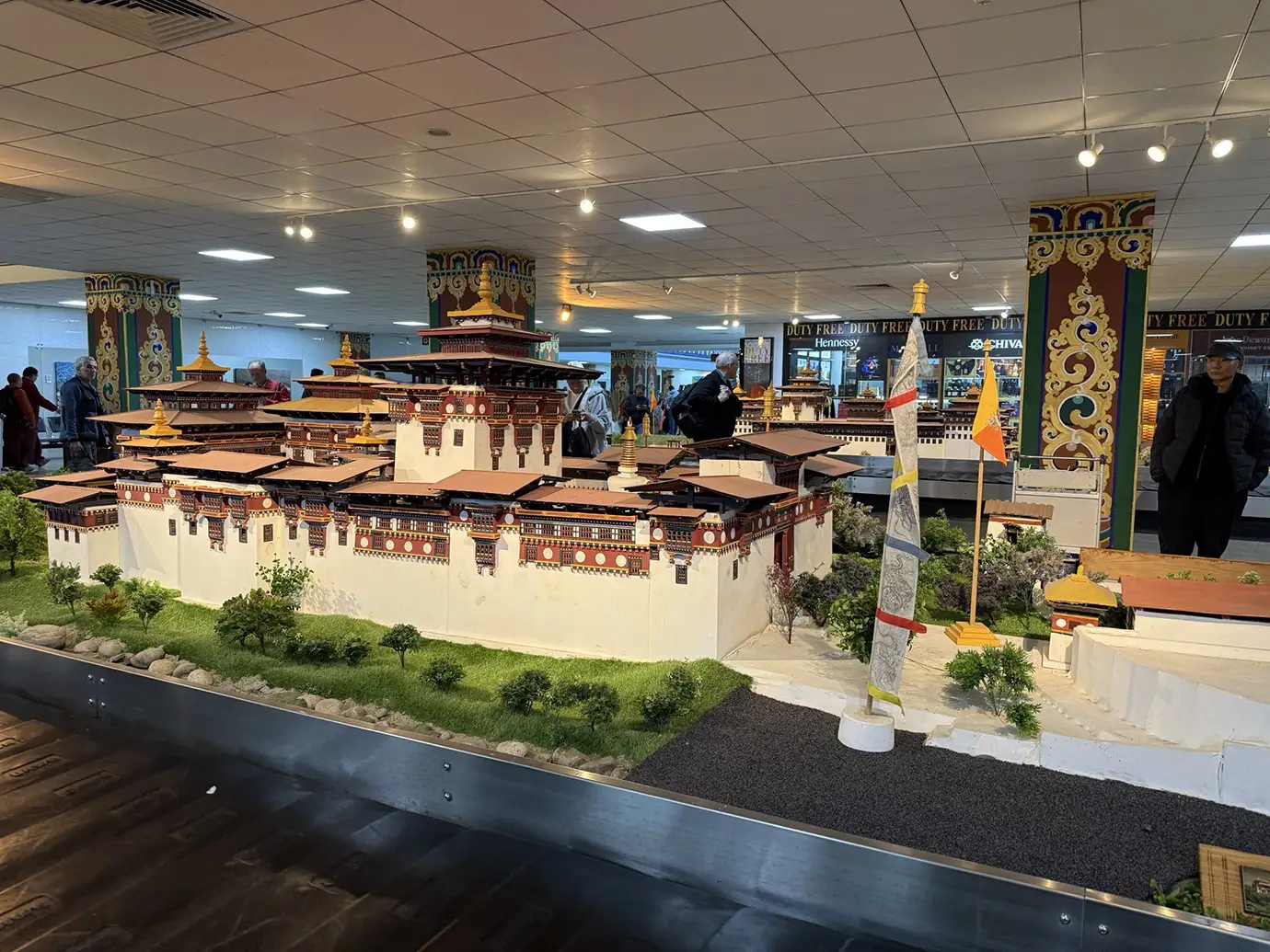
Our company representatives greet guests at Paro International Airport. Private vehicles transfer travelers to Thimphu along winding mountain roads. The capital city introduces visitors to traditional architecture and peaceful streets.
Travelers take a gentle evening walk around the hotel area. The slow pace helps the body adjust to the 2,350-meter altitude. Thimphu offers a quiet introduction to local culture and daily life. Guides recommend drinking abundant water upon arrival to prevent dehydration. Guests wear light layers for the cooler evening air. The first day requires minimal physical exertion from the traveler.
Meals Lunch, Dinner
Difficulty
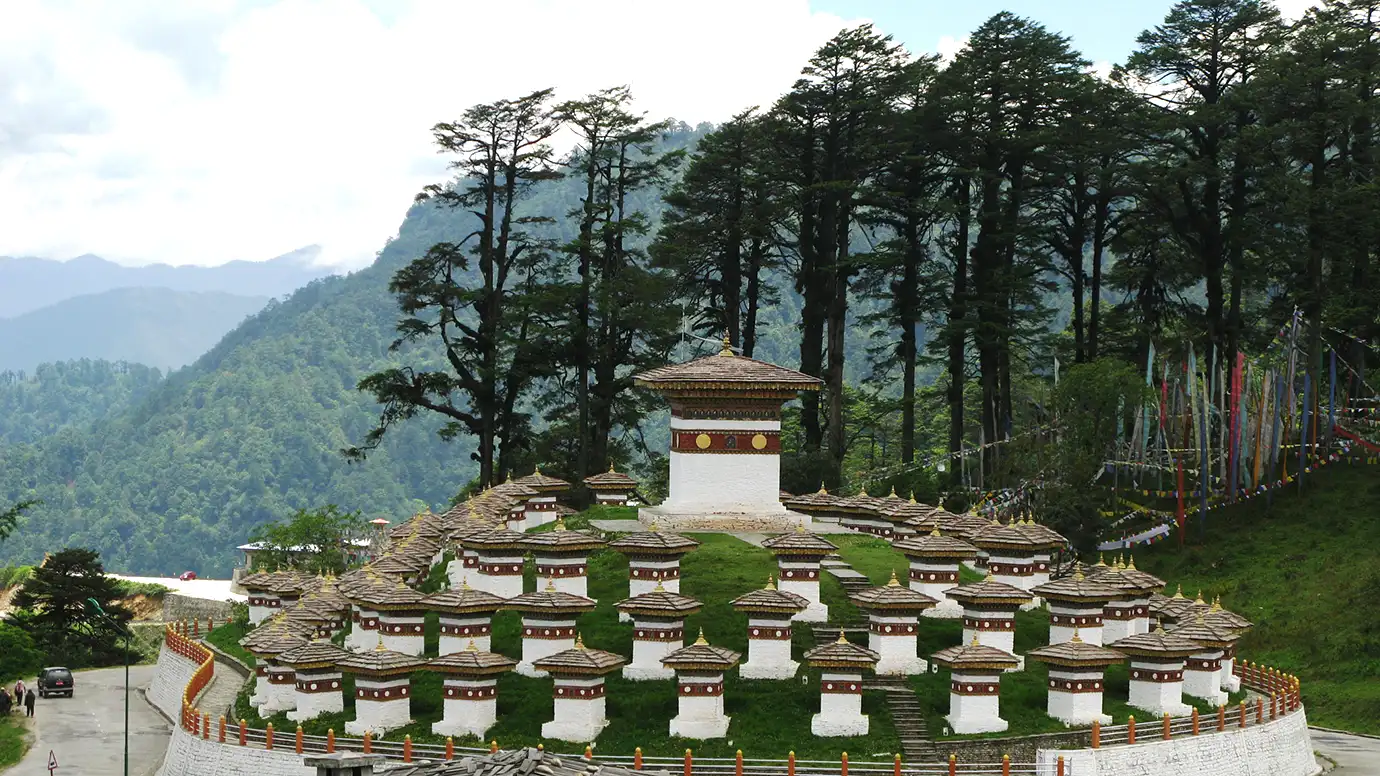
Morning sightseeing begins at the massive Buddha Dordenma statue overlooking the Thimphu valley. The vehicle then climbs toward the Dochula Pass viewpoint at 3,150 meters. Visitors photograph the 108 memorial chortens against the Himalayan backdrop.
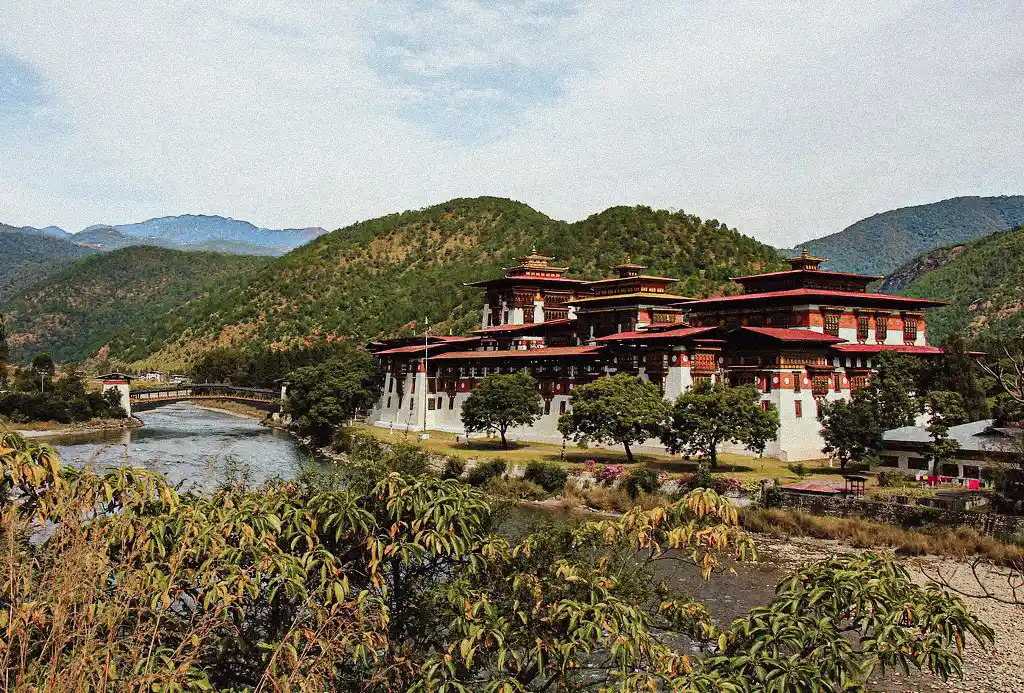
The route descends into the warmer Punakha valley after the pass. The lower altitude of 1,310 meters brings a noticeable temperature change. Travelers walk briefly around the impressive Punakha Dzong beside the river.
A short evening stroll through local villages completes the day. Guides suggest keeping cameras ready for the panoramic views from the Dochula Pass. Layers remain essential due to temperature shifts between Thimphu and Punakha.
Meals Breakfast, Lunch, Dinner
Difficulty
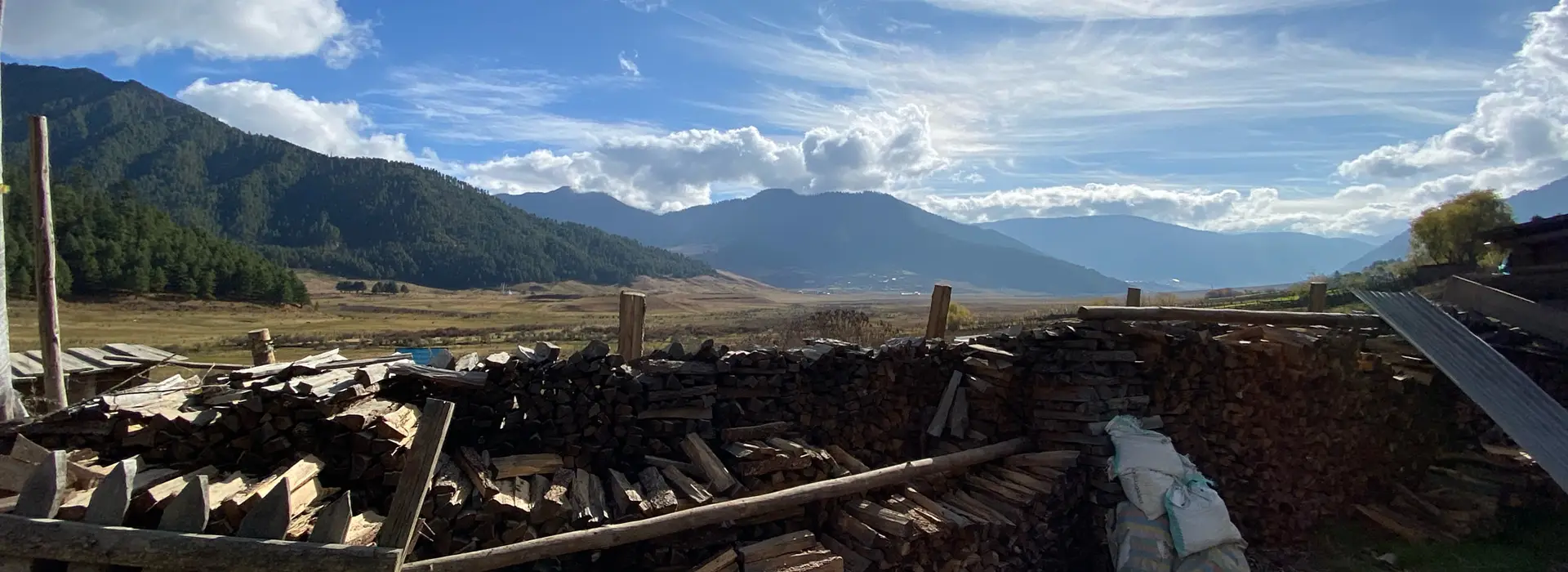
The drive climbs steadily from Punakha toward the Black Mountains. Vehicles maintain a safe, calm pace along the winding forest roads. The route opens dramatically into the broad, U-shaped Phobjikha Valley.
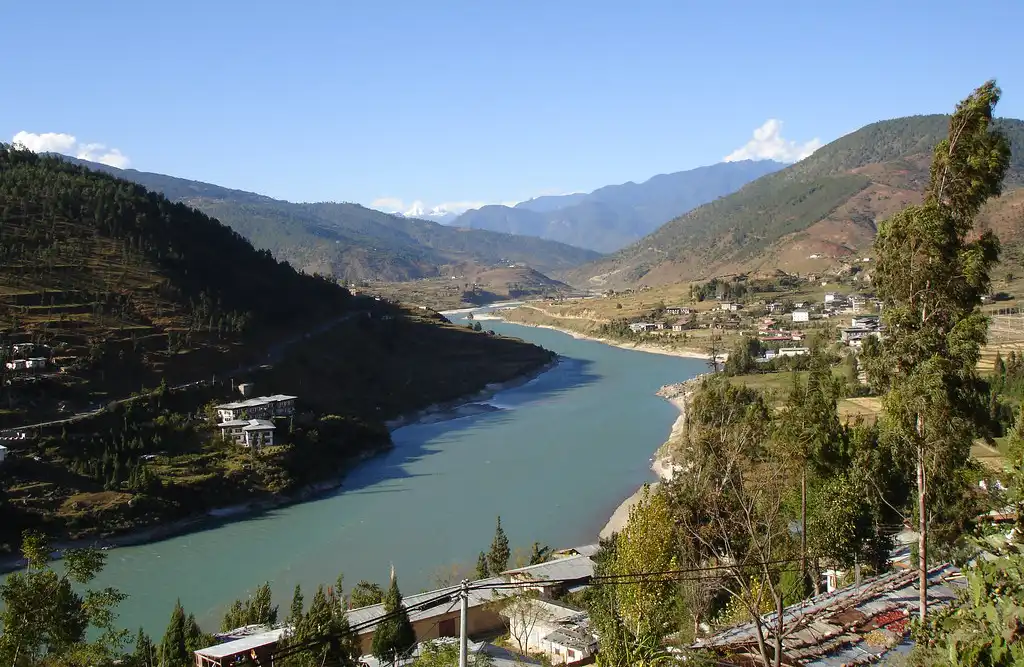
Guests arrive at the glacial valley just before the late afternoon light softens. The timing of the sunset creates excellent conditions for wide-angle valley photography. The high altitude of 2,900 meters cools the air significantly. Travelers check into their valley accommodations for the evening.
Thermal clothing becomes necessary as darkness falls across the region. Guides advise resting early to prepare for the next morning’s nature walk.
Meals Breakfast, Lunch, Dinner
Difficulty
The Phobjikha Valley tour features the Gangtey Nature Trail hike today. The trail spans 4 kilometers and takes roughly 2 hours. Hikers walk through pine forests and dwarf bamboo fields.
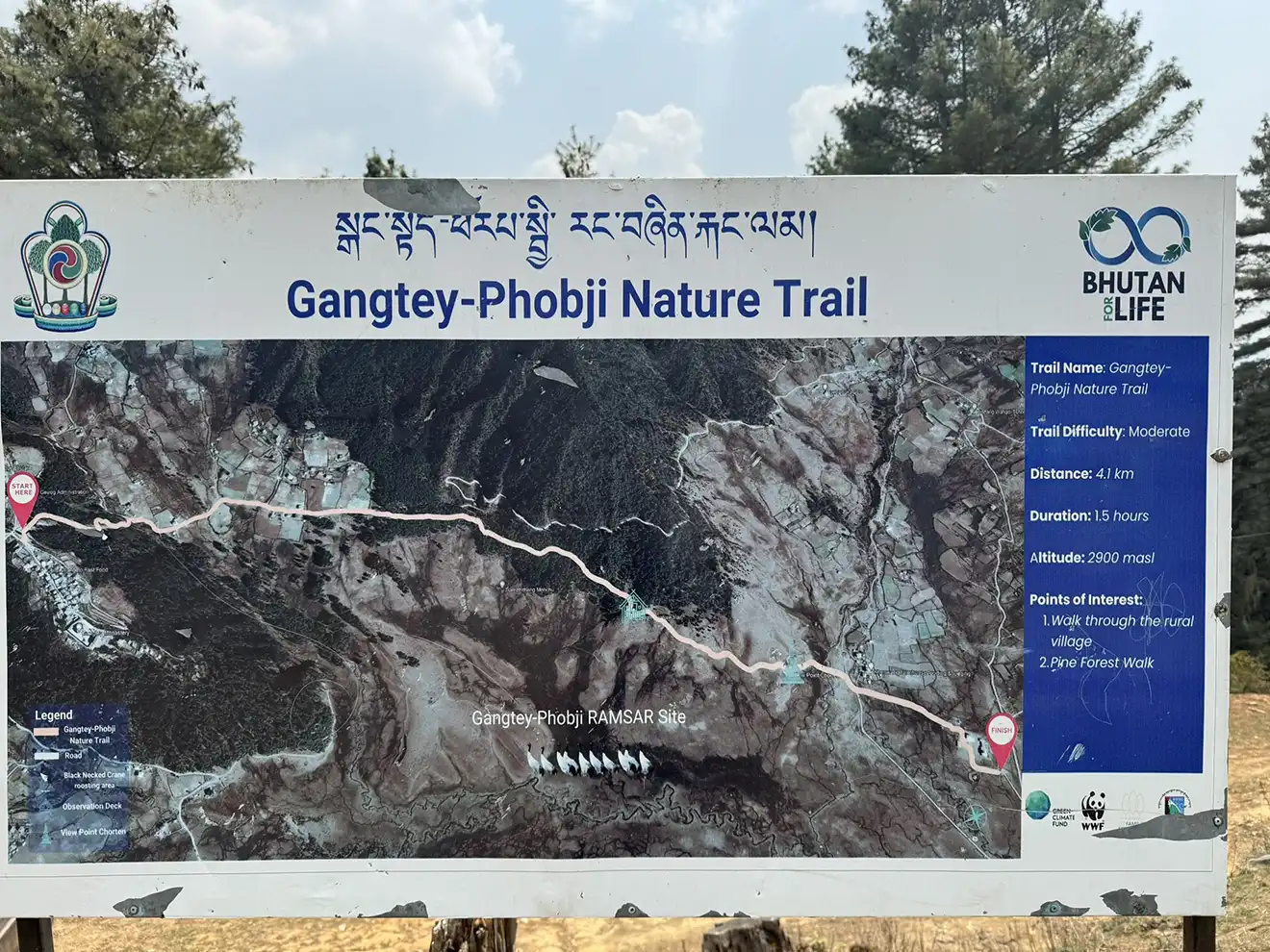
Proper trail etiquette requires visitors to stay on marked paths at all times. Guides enforce a strict distance rule to protect the endangered black-necked cranes. Morning sunlight provides perfect illumination for bird photography and valley panoramas.
The path leads past traditional houses in Semchubara village. Hikers carry a small daypack with water and sun protection. The flat terrain suits visitors seeking a relaxed nature walk in the Gangtey Valley.
Meals Breakfast, Lunch, Dinner
Difficulty
The return drive covers a long distance back to western Bhutan. Drivers ensure smooth pacing with frequent comfort breaks. The vehicle crosses Pele La and passes Dochula again before reaching Thimphu.
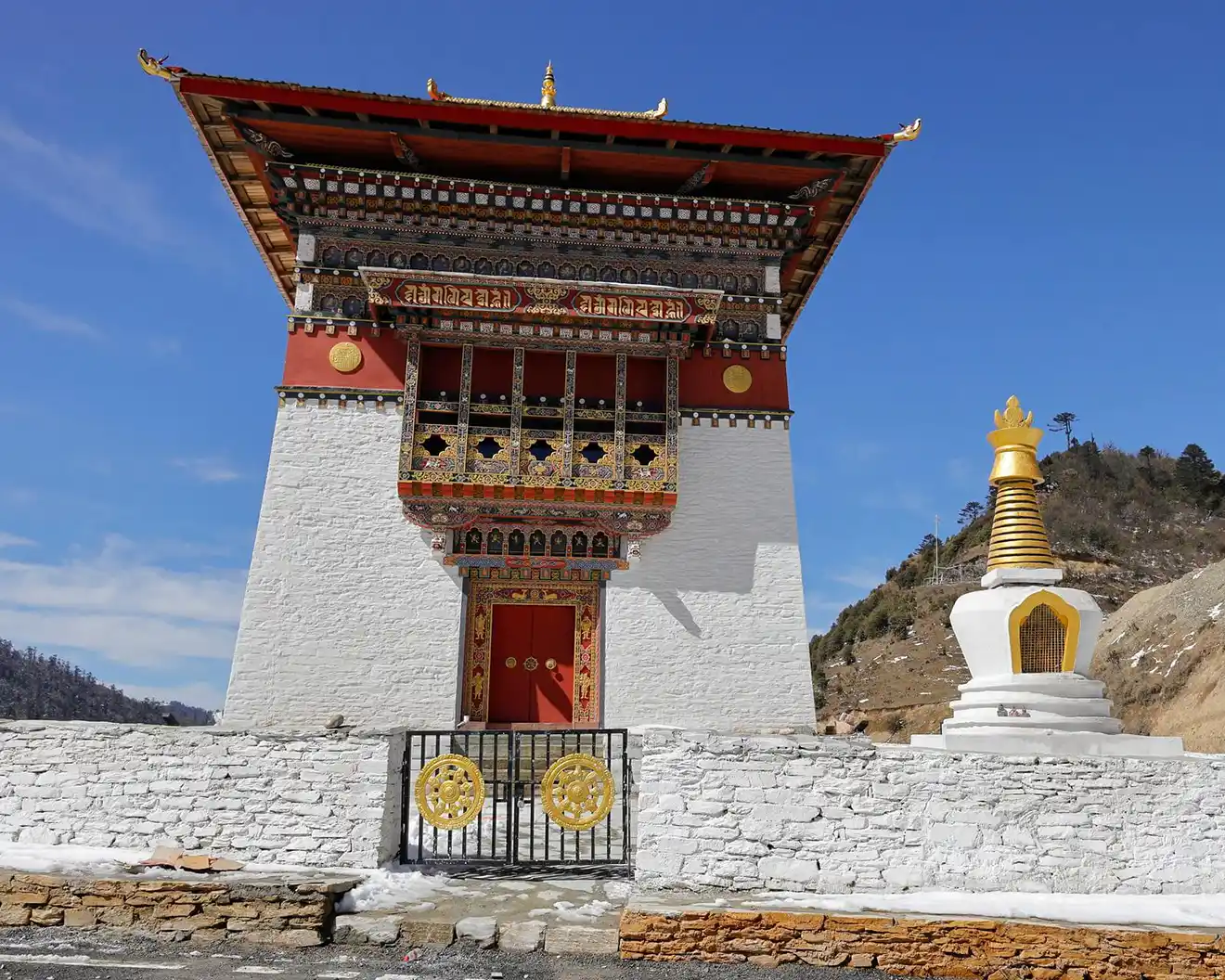
The route continues directly to Paro for a relaxed evening. The lower altitude helps travelers sleep comfortably before the final hike. Guests enjoy dinner near the hotel and prepare daypacks. Guides suggest bringing motion sickness medication for the mountain roads. Comfortable seating in the private vehicle makes the long transit enjoyable. The quiet evening in Paro restores physical energy.
Meals Breakfast, Lunch, Dinner
Difficulty
The Tiger’s Nest Monastery hike demands an early start to secure cool hiking temperatures. The trail covers 6.4 kilometers round trip with a 518-meter elevation gain. The route climbs steadily through shaded pine forests.
Hikers stop at the halfway viewpoint cafeteria for tea and rest. Non-hikers choose a Paro culture day alternative, such as exploring local museums. Those continuing reach the final stairs and cross a bridge decorated with prayer flags.
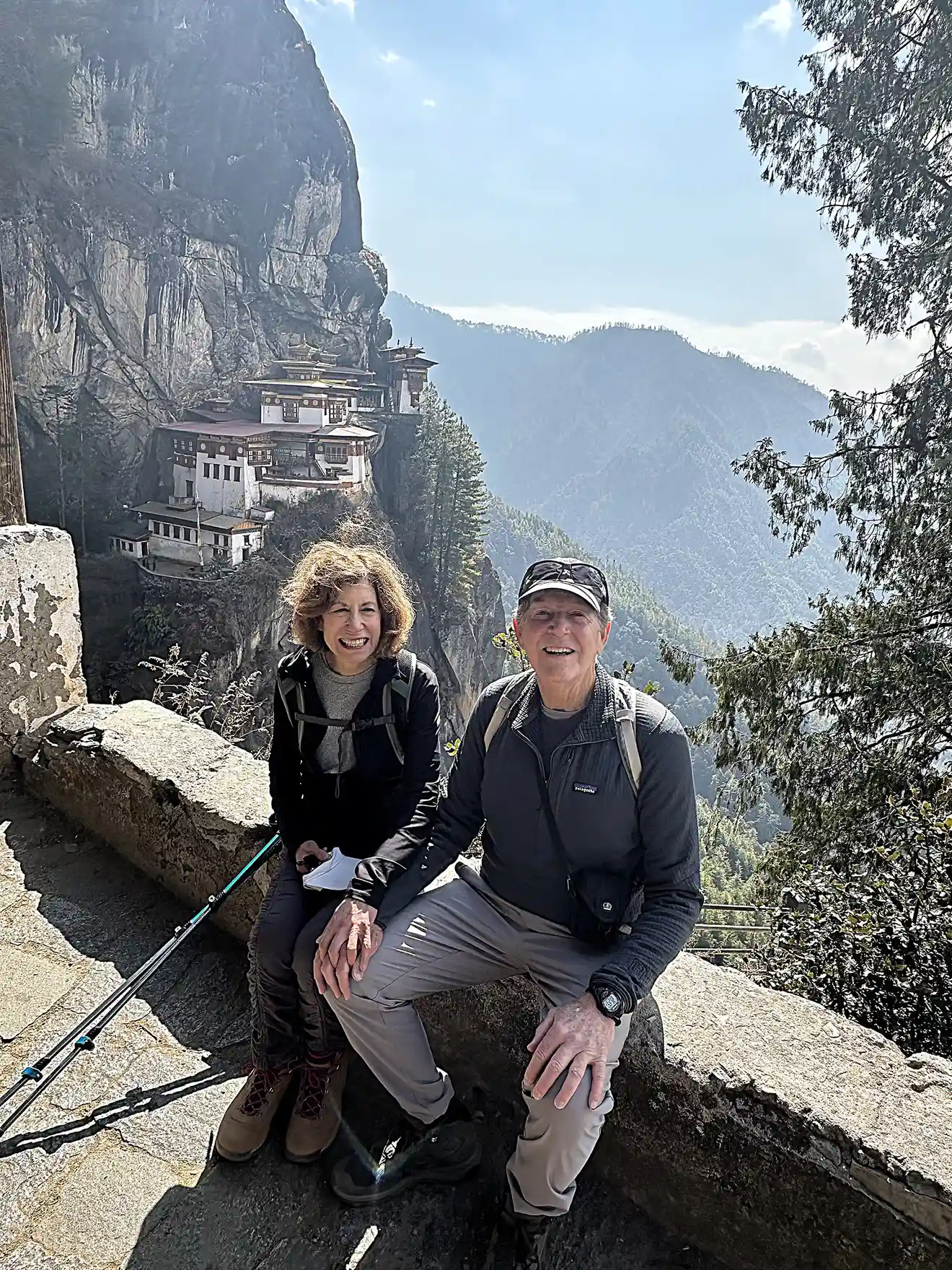
Walking poles offer substantial support for the descent. Layered clothing allows travelers to adjust to warming afternoon temperatures. The group celebrates the successful hike with a farewell dinner in Paro.
Meals Breakfast, Lunch, Dinner
Difficulty
Guests pack their belongings after breakfast. An optional early-morning stroll through Paro offers a final glimpse of Bhutanese daily life. The guide monitors flight schedules to ensure timely arrival at the airport.
The short transfer to Paro International Airport concludes the Bhutan itinerary in 7 days. Representatives assist with luggage and departure procedures. Travelers carry their Bhutanese memories home.
Meals Breakfast
Difficulty
We partner with excellent properties across Bhutan. Travelers select from three distinct comfort tiers to match their preferences.
Standard 3-Star
The 3-star category provides clean, comfortable rooms with traditional Bhutanese decor. Properties such as Lobesa Boutique Hotel and Spirit Village Lodge offer excellent valley views. Rooms feature en-suite bathrooms and basic heating. Wi-Fi connects reliably in lobby areas but varies in rooms.
Premium 4-Star
The 4-star tier upgrades the space and amenities. Properties such as Lemon Tree Resort or The Capital Hotel provide spacious rooms with premium bedding. Central heating ensures warmth during colder months. Restaurants inside these hotels serve diverse international menus alongside local dishes.
Luxury Upgrades
Five-star luxury resorts redefine the Bhutanese travel experience. Brands like Amankora, Six Senses, and Gangtey Lodge operate world-class facilities. These properties feature spa services, private balconies, and exceptional architectural design. Rooms feature underfloor heating and deep-soaking tubs.
Comfort Notes for Phobjikha Nights
Phobjikha Valley sits at 2,900 meters. Temperatures drop rapidly after sunset. Standard 3-star hotels provide wood-burning stoves (bukhari) or electric heaters. Luxury lodges offer superior insulation and robust central heating. Guests pack warm sleepwear regardless of the chosen hotel category to ensure absolute comfort.
Travel to Bhutan requires careful documentation. The government mandates a Sustainable Development Fee (SDF) to support local infrastructure and environmental conservation. Nepal Hiking Company handles all SDF logistics directly.
The daily SDF currently costs $100 per adult. Children aged six to twelve receive a fifty percent discount. The company includes or separates this fee based on the selected booking package. The fee funds essential healthcare, free education, and ecological protection across the kingdom.
A valid Bhutanese visa guarantees entry. A one-time visa processing fee of $40 applies to all foreign visitors. Nepal Hiking Company submits the visa application on behalf of the traveler. Processing requires five working days.
Guests supply specific documents to initiate the process. The team needs a clear color scan of the passport main page. Passports must be valid for 6 months beyond the travel dates. A recent digital passport-sized photo completes the requirements.
Travelers review practical planning timelines before booking. Securing the visa demands finalized hotel choices and flight dates. Early submission ensures smooth processing and peaceful trip preparation.
Selecting the right season determines the quality of a Bhutan nature tour. Each season offers distinct weather patterns and visual experiences.
Spring brings blooming rhododendrons across the hillsides. March through May offers lush greenery and clear skies. The Gangtey Nature Trail hike bursts with colorful flora during these months. Photographers capture vibrant flowers contrasting against the dark green pine forests.
Summer introduces the monsoon rains from June through August. Heavy showers make mountain roads muddy and less predictable. Thick clouds frequently obscure the mountain passes. Nature lovers generally avoid this season for serious hiking.
Autumn shines as the premium travel window. September through November delivers crisp air and excellent visibility. Dochula Pass presents its most spectacular panoramic views of snow-capped Himalayan peaks. Golden rice fields create beautiful foregrounds for cultural photography.
Winter cools the air significantly from December through February. Clear blue skies dominate the days, though nights drop below freezing. Winter is the best time for clear views of the Phobjikha valley. The cold weather creates a pristine, mist-free atmosphere perfect for morning photography.
The black-necked cranes arrive from Tibet during the winter months. The birds reside in the valley from late October until mid-February. This timing makes late autumn and winter the absolute best time for the Gangtey Valley nature walk. Photographers set up equipment in the early morning light to capture the birds feeding among the dwarf bamboo.
Travelers prioritize autumn or winter for the optimal Phobjikha Valley Nature Tour Package experience. The combination of clear views, migrating wildlife, and stable hiking conditions guarantees exceptional travel memories.
Road travel in Bhutan features winding mountain routes and steep ascents. A single national highway connects the western and central valleys. The Paro Thimphu Punakha tour involves constant elevation changes.
The long return drive from Phobjikha to Paro takes roughly 6.5 hours. Drivers manage the tight curves with extreme care. The private vehicle guarantees a personal, uncrowded environment. Travelers request rest stops whenever necessary.
Comfort tips include sitting in the front seats for better visibility. Travelers bring motion sickness medication for the twisting roads. Every passenger wears a seat belt at all times. The driver slows down for crossing wildlife and domestic cattle.
Private transport benefits the traveler immensely. The driver adjusts the internal temperature upon request. The vehicle stops at scenic viewpoints instantly. This flexibility ensures a relaxed and safe transit across the kingdom.
The Gangtey Nature Trail offers the finest short hike in the region. The route begins near the historic Gangtey Goemba and descends gently toward the valley floor. The trail is exactly 4 kilometers long. Hikers complete the journey in approximately two hours. The elevation is very manageable, with a mostly flat path and gentle downhill sections. The terrain mixes soft forest paths under pine trees with open dirt trails through dwarf bamboo fields.
The route suits almost everyone. Active seniors, young couples, and casual walkers find the path exceptionally comfortable. The trail requires no technical hiking skills.
Hikers carry a small daypack containing essentials. Water, sunscreen, a wide-brimmed hat, and a light fleece jacket prepare the walker for changing weather. A camera with a zoom lens captures distant wildlife effectively.
Trail etiquette demands total respect for the environment. Walkers stay strictly on the established paths to protect the fragile wetland ecosystem. Guides enforce a safe viewing distance from the black-necked cranes. Loud noises startle the birds, so hikers maintain a quiet, peaceful presence.
Safety tips include keeping a slow pace to accommodate the 2,900-meter altitude. Layered clothing handles the cool forest shade and the warm open valley sun. Proper sun care prevents unexpected sunburn at high altitude.
The hike to Paro Taktsang represents a major physical achievement. The monastery clings to a sheer cliff 900 meters above the valley.
The trail covers a 6.4-kilometer round-trip distance. The elevation gain totals roughly 518 meters from the base. Hikers require four to six hours to complete the round trip, depending entirely on walking speed. The steep, continuous incline demands a moderate fitness level.
The hike is suitable for visitors who exercise regularly. Average walkers conquer the path by taking frequent rest breaks. Active seniors often complete the journey successfully with patience and determination.
Hikers pack water, light snacks, and a camera. Sturdy walking shoes provide essential grip on the dusty trail. A trekking pole dramatically reduces knee strain during the descent.
A pony option exists for the first half of the ascent. The animal carries the rider to the halfway viewpoint cafeteria. From the cafeteria, every visitor walks the remaining stairs.
Safety relies on a slow, rhythmic pace. An early morning start avoids the intense midday sun. The steady climb requires mental focus and deep, measured breathing.
Essential Clothing
Nature-Walk Extras
Travelers pack daypacks for easy access to layers. Removing a sweater during a sunny hike prevents overheating. Adding a windbreaker at a mountain pass blocks the biting chill. Practical preparation guarantees an enjoyable outdoor experience.
Bhutanese cuisine offers unique flavors centered around chilies and cheese. The national dish, Ema Datshi, combines spicy green chilies with local melted cheese. Kewa Datshi uses mild potatoes instead of chilies, creating a comforting alternative. Red rice accompanies almost every traditional meal.
Tourist hotels and restaurants significantly tone down spice levels. Buffets feature mild Bhutanese dishes alongside familiar Indian and simple international options. Guests can easily find lentil soup, roasted vegetables, and plain rice.
Vegetarian support remains excellent nationwide. Monasteries promote meat-free diets, leading to abundant vegetable dishes. Kitchens accommodate specific food allergies upon request. Guides communicate dietary restrictions directly to chefs.
Temple and Dzong Etiquette
Nature and Trail Etiquette
Travelers maintain good health by understanding the local environment. The winding roads cause drive-day fatigue and occasional motion sickness. Taking preventive medication and requesting frequent rest stops solves this issue.
Cooler Phobjikha mornings shock the system without proper gear. Wearing thermal base layers prevents chills during early outdoor walks. The altitude requires drinking plenty of purified water to avoid dehydration.
Hiking comfort depends on appropriate footwear and sensible pacing. The Tiger’s Nest represents the most active day of the trip. Hikers listen to their bodies and rest frequently on the steep stairs.
We strongly recommend comprehensive travel insurance. Policies handle high-altitude activities and medical evacuation needs. The dedicated guide provides continuous support, monitors guest health, and adjusts the schedule if fatigue sets in.
Thorough preparation guarantees a smooth arrival. Guests organize essential documents weeks in advance. The passport, printed visa clearance, and travel insurance details sit in a secure travel wallet.
Packing requires strategic layering. Guests review the packing list and test their hiking boots before departure. Breaking in new shoes prevents painful trail blisters. The guide conducts a brief orientation upon arrival at the Paro hotel. The briefing covers the upcoming daily timing and standard local customs. The guide explains currency exchange and the use of the local Ngultrum.
A physical pace check happens during the first evening stroll. The guide observes the traveler’s comfort at 2,350 meters. This observation helps the guide manage the speed of future hikes. Clear etiquette guidance ensures travelers enter sacred spaces with total confidence.
How to Book This Trip:
Securing a reservation requires a few simple digital steps.
What we need from you:
Cancellation Policy
Our company enforces a transparent cancellation policy. Changing travel plans incurs specific charges based on the notice period.
The Phobjikha Valley Nature Tour Package is a fully private experience with a dedicated guide and driver, offering complete flexibility in timing, stops, and pace. Guests can take extra breaks or spend more time at preferred sites without group pressure, while the personalized service ensures comfort and a relaxed, unhurried journey throughout.
Yes, the team handles the entire Bhutan visa and permit process, as independent applications are not allowed. Guests submit basic documents, receive a visa clearance letter via email, and have their passports stamped on arrival, ensuring a smooth, stress-free experience with early booking.
Yes, the Sustainable Development Fee is a mandatory government charge, and the team calculates and clearly includes it on the final invoice. The payment is handled during the visa process, so travelers pay nothing extra on arrival, ensuring a smooth and fully compliant experience while supporting the country’s healthcare, education, and environment.
The Gangtey Nature Trail is very easy and relaxing, covering about four kilometers on mostly flat terrain with a gentle downhill slope. The walk takes about 2 hours along soft forest paths and open trails, making it suitable for beginners and seniors, while the slow pace and frequent stops keep the experience comfortable and stress-free for all ages.
Autumn (October to November) and winter (December to February) are the best seasons to visit Phobjikha Valley, as black-necked cranes migrate from Tibet and the skies stay clear for excellent views and photography. While mornings are cold, these months offer the highest chance of wildlife sightings, while spring adds blooming rhododendrons but less wildlife focus.
The hike is moderate to difficult, with a steep 6.4 km route and over 500 meters of elevation gain. Guests can choose a cultural day in Paro instead or ride a pony halfway for views without completing the full climb.
Phobjikha offers everything from cozy 3-star lodges like Spirit Village Lodge to luxury stays such as Gangtey Lodge or Six Senses with spa facilities and valley views. All options provide warm hospitality, and guests can choose based on budget, with advance booking recommended during crane season.
The drive from Punakha to Phobjikha takes about three hours over 78 km via the scenic Pele La Pass, while the return journey to Paro takes about six and a half hours, with rest stops along the way for a comfortable, scenic travel experience.
Card payments are accepted at high-end hotels and major shops in Thimphu and Paro, but in remote areas like Phobjikha, cash is required. ATMs can be unreliable, so travelers are advised to carry US Dollars or Euros to exchange at Paro Airport. Small Ngultrum notes are useful for daily expenses, and the guide helps estimate the right amount of cash for the trip.
The Bhutanese Ngultrum (BTN) is the official currency and is pegged to the Indian Rupee; it is widely accepted, except for larger notes. Guides can help with currency exchange at banks or the airport in Paro, and travelers are advised to use Ngultrum before departure, as conversion back is not possible.
Altitude sickness is rare on this route, as the itinerary is designed for gradual acclimatization, starting in Paro and Thimphu, dropping to Punakha, and then rising to Phobjikha. A slow pace, good hydration, and guide support help minimize any risk.