


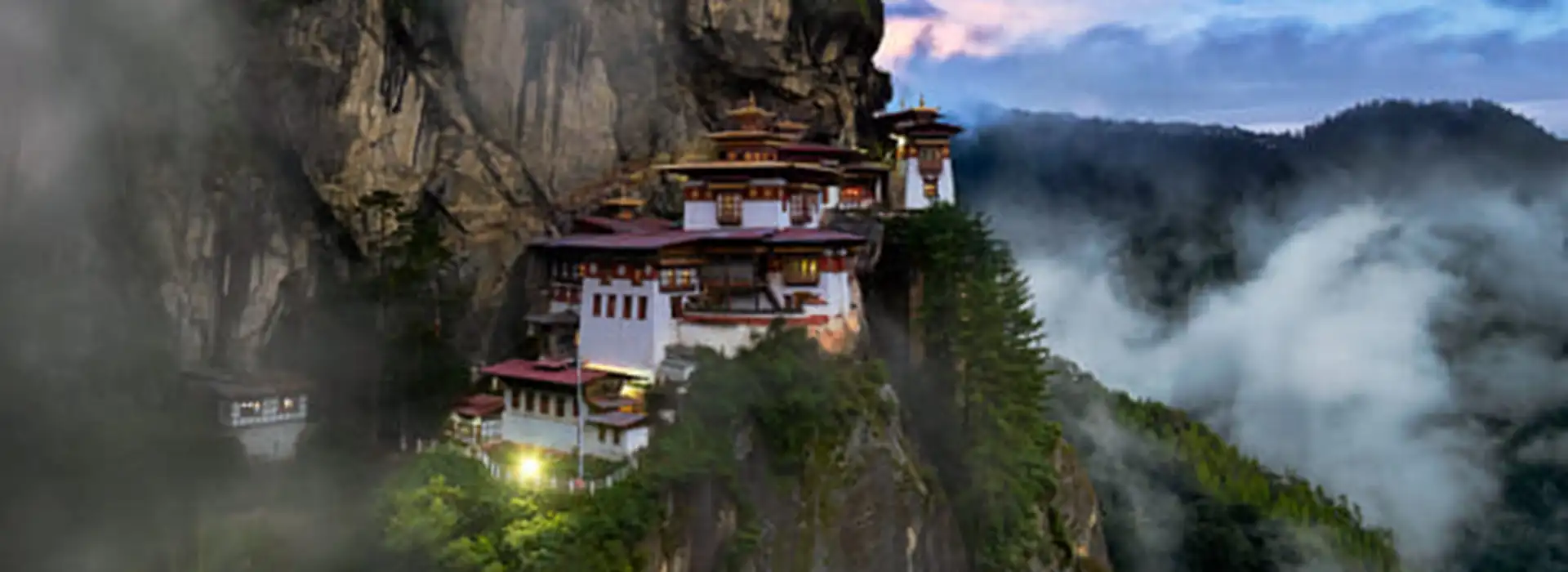

The Tiger’s Nest Monastery Hike stands as a grand experience for world travelers. The site clings to a granite cliff high above the Paro Valley floor. Hikers find the Tiger’s Nest Bhutan at an elevation of 3,120 meters above sea level. The monastery represents the spiritual heart of the Bhutanese nation. Visitors see white walls and golden roofs shining against the dark rock face. The Tiger’s Nest Monastery Hike offers more than just scenic views. It serves as a sacred pilgrimage for Buddhist devotees. Such treks connect nature with ancient religious history. The location provides a sense of peace to every visitor. Travelers cherish the sight of the monastery appearing through the mountain mist.
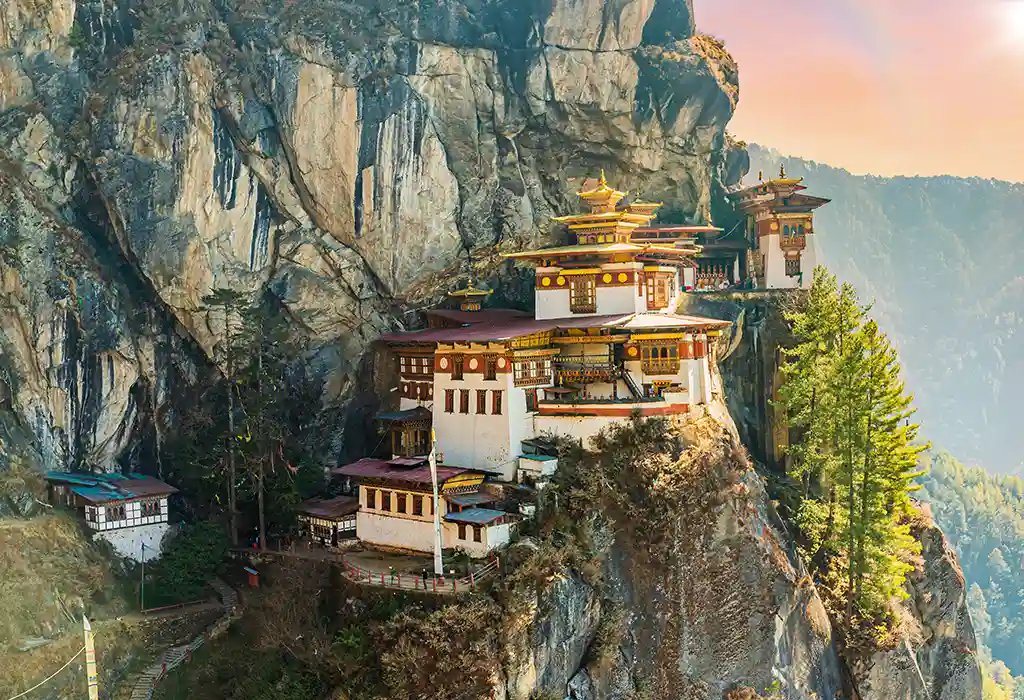
The Tiger’s Nest Monastery Hike requires physical effort and mental focus. People describe the Paro Taktsang hike as the most iconic trek in the kingdom. This sacred site holds stories of miracles and ancient masters. Legend says Guru Rinpoche flew here on a tigress. The Tiger’s Nest in Bhutan honors the man who brought Buddhism to the land. Hikers gain merit with every step they take toward the temple.
| Trek Characteristic | Measurement Detail |
| Starting Elevation | 2,600 meters |
| Maximum Elevation | 3,120 meters |
| Total Elevation Gain | 520 meters |
| Round Trip Distance | 6.4 kilometers |
| Average Hiking Time | 4 to 6 hours |
The Sacred Legend of Guru Rinpoche
The history of the Tiger’s Nest in Bhutan dates back to the eighth century. Guru Rinpoche arrives at the cliff on the back of a flaming tigress. The tigress represents his divine consort, Yeshe Tsogyal, in a fearsome form. He selects a cave on the sheer rock face for meditation. The Guru meditates for exactly three years and three months. He also meditates for three weeks and three days. Such deep practice subdues the valley’s evil spirits.
The Guru emerges in eight different forms to bless the region. These manifestations represent different aspects of his enlightenment. The Tiger’s Nest Monastery Hike leads pilgrims to the very cave of his meditation. Monks call this sacred space Taktsang Senge Samdup. The cave remains the most holy part of the entire complex.
| Form of Guru Rinpoche | Meaning and Manifestation | Key Association |
| Guru Shakya Senge | The Lion of the Shakyas | Historical Buddha form |
| Guru Padmasambhava | The Lotus-Born | Main peaceful form |
| Guru Nyima Ozer | The Rays of the Sun | Mastery of light |
| Guru Pema Gyalpo | The Lotus King | Royal manifestation |
| Guru Loden Chokse | The Wise Seeker | Mastery of knowledge |
| Guru Senge Dradrog | The Lion’s Roar | Subduing of demons |
| Guru Dorje Drolo | The Diamond Guts | The wrathful form of the tigress |
| Guru Padmakara | The Lotus Creator | Pure manifestation |
The first temple building appears in 1508 at the Pelphug site. Sonam Gyaltshen oversees the construction of this original shrine. Zhabdrung Ngawang Namgyel accepts the site in 1645. He founded the nation-state of Bhutan during that century. The Fourth Druk Desi Gyalse Tenzin Rabgye built the formal monastery in 1692. He commissions the temple of the Eight Manifestations of the Guru there.
Best Time to Visit Tiger’s Nest
Weather patterns dictate the success of the Tiger’s Nest Monastery Hike. Clear skies provide the best views of the cliffside temple. The Best time to visit Tiger’s Nest occurs during the spring months. March and April offer mild temperatures for the Paro Taktsang hike. Flowers bloom along the lower parts of the trail during this season. Rhododendrons add splashes of red and pink to the green forest.
Autumn marks another perfect window for the Tiger’s Nest Monastery Hike. September and October bring crisp air and deep blue skies. Visibility remains excellent for photography of the Tiger’s Nest. Travelers see the entire Paro Valley stretching below the viewpoint. The mountains look sharp and clear in the morning light.
| Seasonal Window | Weather Condition | Trail Status |
| Spring (March-May) | Warm days and cool nights | Clear and dry paths |
| Summer (June-August) | Frequent rain and mist | Slippery and muddy trails |
| Autumn (Sept-Nov) | Very clear and sunny | Best for photos |
| Winter (Dec-Feb) | Cold and potential snow | Icy sections on stairs |
Winter provides a quiet experience for the Tiger’s Nest Monastery Hike. Fewer tourists visit the Tiger’s Nest in Bhutan in January and February. Snow sometimes drapes the golden roofs in pure white. Such cold weather requires heavy layers and warm gear. The sun feels warm during the day despite the freezing nights.
Monsoon rains make the Tiger’s Nest Monastery Hike difficult. Clouds often hide the monastery from the viewpoint. Muddy paths create a risk of slipping during the Paro Taktsang hike. Leeches sometimes appear in the dense forest sections. Most guides recommend avoiding the peak rainy months of July and August.
How Difficult Is Tiger’s Nest Hike?
Fitness levels influence the speed of the Tiger’s Nest Monastery Hike. Most fit travelers find the Paro Taktsang hike manageable. The Tiger’s Nest in Bhutan sits at a high altitude. Low oxygen levels make the lungs work harder than usual. Hikers feel the steep incline in their quadriceps and calves.
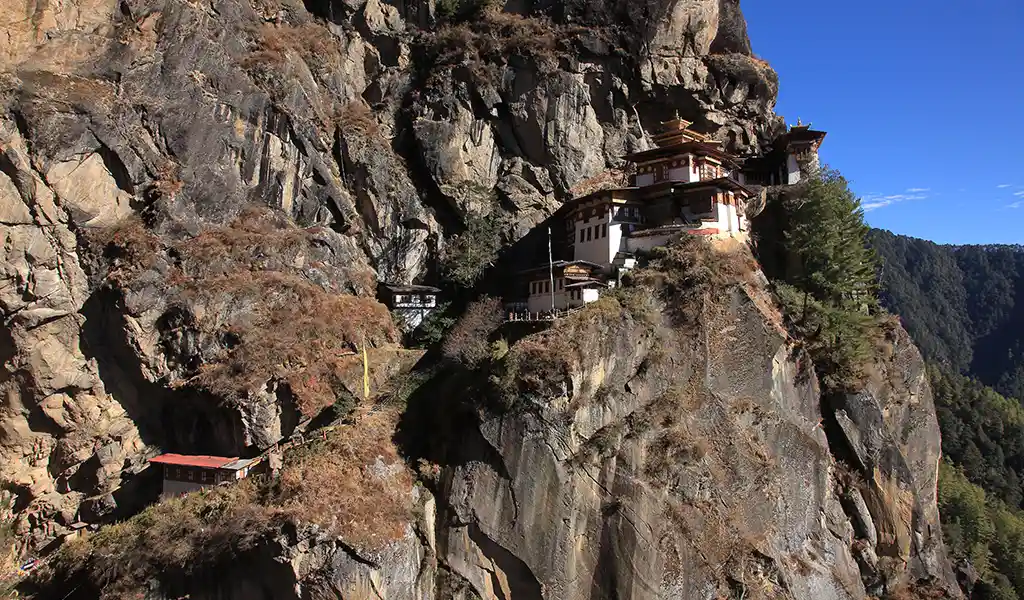
The physical challenge of the Tiger’s Nest Monastery Hike comes from the 520-meter gain. People ask how difficult the Tiger’s Nest hike is before they start. The average gradient measures about 17 percent. Some sections exceed a 30 percent incline. Dirt switchbacks wind through the forest to make the climb easier.
The final section of the Tiger’s Nest Monastery Hike involves many stairs. Hikers descend about 470 stone steps into a gorge. They then climb back up 300 steps to reach the entrance. Total stair count reaches nearly 800 steps in one direction. These steps feel hard on the knees during the return trip.
| Level of Difficulty | Physical Requirement | Recommended Aid |
| Moderate | Regular walking experience | Walking stick |
| Challenging | Cardiovascular stamina | Frequent breaks |
| Technical | No climbing gear needed | Sturdy boots |
Mental stamina also matters for the Tiger’s Nest Monastery Hike. The sight of the temple hanging on the cliff feels intimidating. Beginners take frequent breaks to catch their breath. Pacing remains the key to reaching the Tiger’s Nest. A slow and steady rhythm prevents exhaustion.
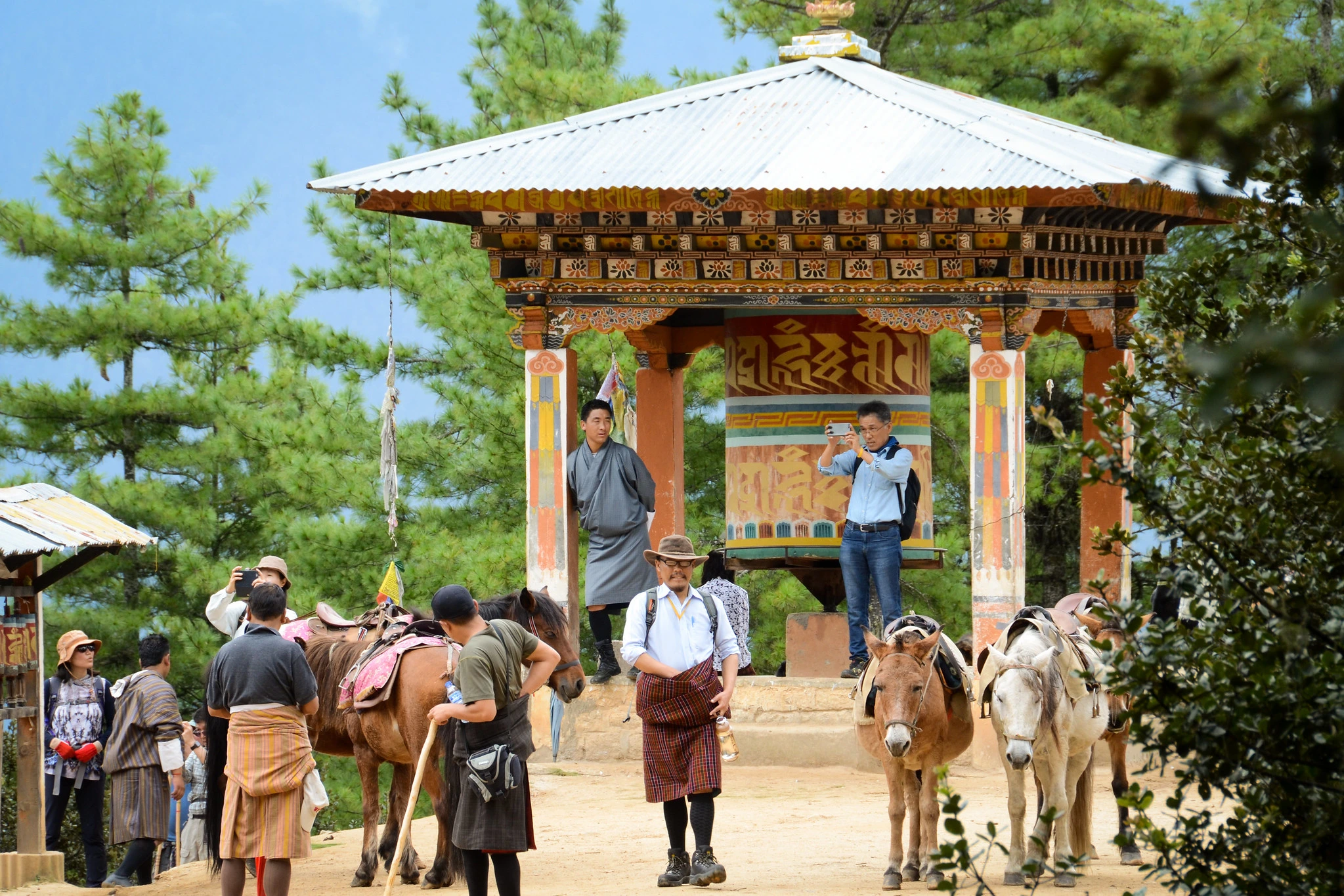
Physical Training Plan for Success
Preparation improves the experience of the Tiger’s Nest Monastery Hike. Fitness ensures that hikers enjoy the views of the Tiger’s Nest. Training should focus on legs and core strength. Cardiovascular health allows for better oxygen use at 3,000 meters. Experts suggest an eight-week plan for the Paro Taktsang hike.
Cardio activities build the stamina needed for the Tiger’s Nest Monastery Hike. Running and walking on hills improve heart health. Stair-climbing machines simulate the final steps to the Tiger’s Nest. Swimming and cycling also help the lungs. Regular exercise makes the Paro Taktsang hike feel easier.
| Training Phase | Main Focus | Weekly Goal |
| Weeks 1-2 | Basic walking and cardio | 3 hours of activity |
| Weeks 3-4 | Hill walks and squats | 5 hours of activity |
| Weeks 5-6 | Weighted pack walks | 7 hours of activity |
| Weeks 7-8 | Stair focus and endurance | 8 hours of activity |
Strength training supports the body during the Tiger’s Nest Monastery Hike. Squats and lunges build thigh power. Planks strengthen the core, improving balance on rocky paths. Calf raises help the lower legs handle the steep sections of the Paro Taktsang hike. Upper-body exercises help hikers who use trekking poles.
Acclimatization remains the most important part of the plan. Spend two days in Paro before starting the Tiger’s Nest Monastery Hike. Paro town sits at 2,200 meters above sea level. This elevation helps the body adjust to the Tiger’s Nest. Rushing the Paro Taktsang hike often leads to altitude sickness.
Trail Section 1: The Forest Ascent
The Tiger’s Nest Monastery Hike begins at the base parking lot. Travelers find the ticket counter and horse rental station here. The path enters a beautiful forest of blue pine trees. Prayer flags stretch between the trunks and dance in the wind. The air smells of fresh pine and mountain soil.
Horses carry some visitors during this part of the Tiger’s Nest Monastery Hike. These animals follow a wide dirt path with many switchbacks. Riders pay between $ 25 and $ 40 for a one-way trip. The horse trail ends at the midpoint cafeteria. No animals go beyond this point for safety reasons.
This first section of the Paro Taktsang hike takes about ninety minutes. Hikers pass water-powered prayer wheels along a small creek. The sound of rushing water fills the forest air. Every few steps, the Tiger’s Nest appears through the trees. Such glimpses motivate hikers to continue their climb.
The incline stays steady and demands constant effort. Small rest stops provide places to sit and drink water. Experienced hikers maintain a rhythmic pace to save energy. The trail feels soft underfoot due to fallen pine needles. Birds chirp in the branches as visitors move higher.
Trail Section 2: The Midpoint Cafeteria
The Taktshang Cafeteria sits at the end of the first section. This rest stop offers a terrace with spectacular views of the Tiger’s Nest. Travelers enjoy hot tea and local snacks here. Some visitors finish their Tiger’s Nest Monastery Hike at this spot. They find the view sufficient for their visit.
The cafeteria serves as a critical spot for recovery. Bathrooms remain available for all hikers at this location. The menu includes fried rice, noodles, and traditional momos. Food costs between 200 and 400 Ngultrum. This nourishment provides fuel for the rest of the Paro Taktsang hike.
From here, the Tiger’s Nest Monastery Hike continues toward the viewpoint. The trees become thinner as the altitude increases. Lichen hangs from the branches of rhododendrons. The Tiger’s Nest looks much closer now. This part of the Paro Taktsang hike takes about forty-five minutes.
The path reaches the main viewpoint on the ridge. This spot offers the most iconic photo of the Tiger’s Nest. People see the monastery clinging to the vertical rock wall. The golden spires look brilliant against the grey granite. Hikers pause here to take hundreds of pictures.
Trail Section 3: The Stairs and Waterfall
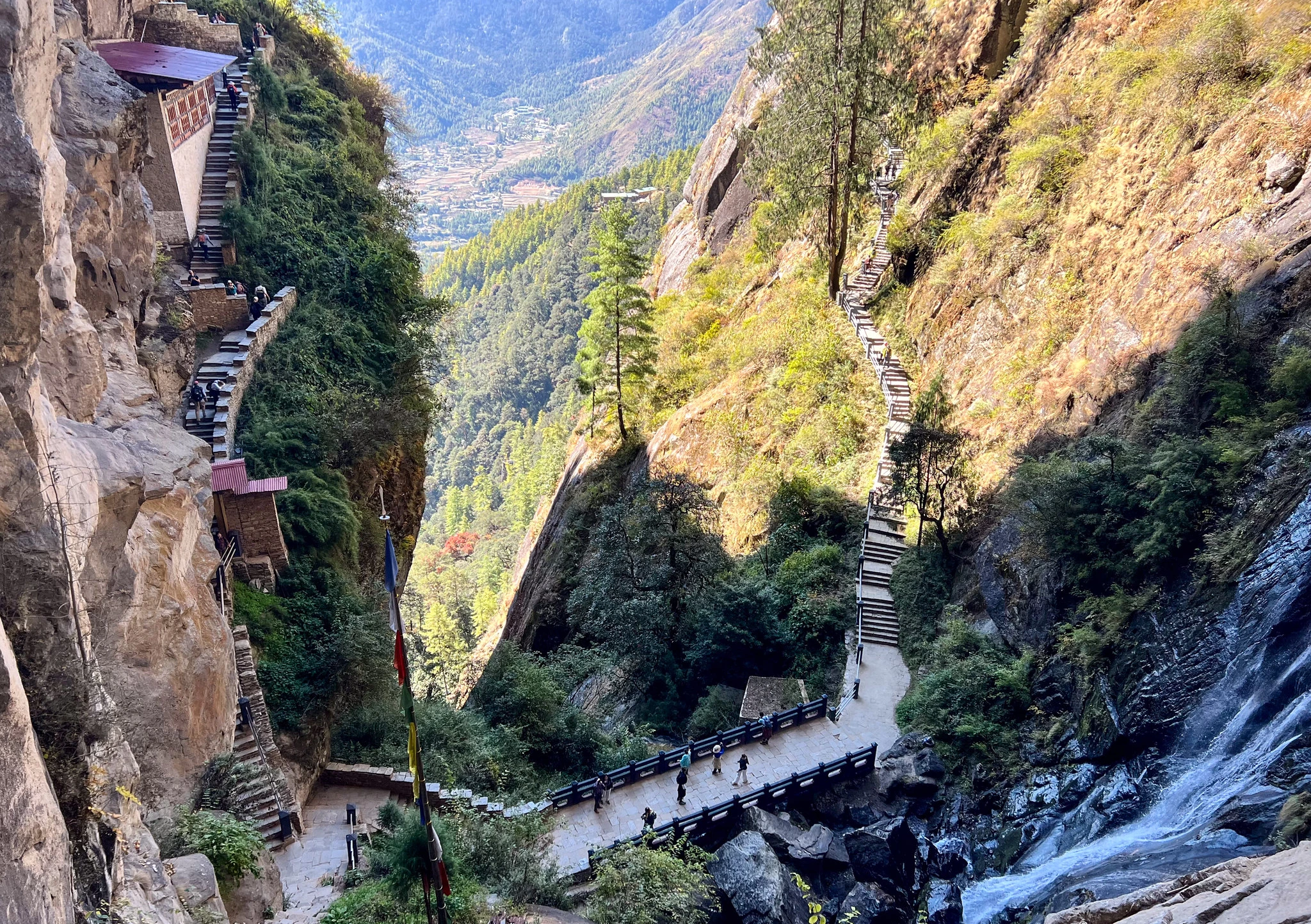
The final stretch of the Tiger’s Nest Monastery Hike feels dramatic. Hikers must descend a steep concrete stairway. These steps lead down into a narrow gorge. A 200-foot waterfall crashes against the rocks at the bottom. Prayer flags wrap around the waterfall in every direction.
A stone bridge crosses the river at the base of the falls. The air feels cool and damp from the water spray. This location marks the lowest point of the final section. From the bridge, hikers look up at the Tiger’s Nest. The monastery appears impossibly high above the waterfall.
The Tiger’s Nest Monastery Hike now requires a final climb. Nearly 300 steps lead back up to the entrance gate. Handrails provide support along the narrow cliff path. This section challenges those who fear heights. The view looks straight down into the Paro Valley.
Upon reaching the top, hikers find the main entrance. Security guards check for cameras and phones. Visitors leave their bags and shoes in free lockers. A sense of deep peace fills the air near the temple. The Tiger’s Nest Monastery Hike concludes at this holy threshold.
Inside the Monastery Temples
The Tiger’s Nest consists of four main temples. These buildings are connected by wooden stairs and rock passages. Murals of Guru Rinpoche decorate every interior wall. The smell of incense permeates the stone rooms. Monks pray and chant inside the quiet chambers.
| Temple or Shrine | Spiritual Significance | Key Item Inside |
| Pelphug Lhakhang | Original meditation cave | Gilded cave door |
| Drolo Lhakhang | Wrathful manifestation | Dorje Drolo statue |
| Guru Tshengyed | Eight forms of the Guru | Eight sacred statues |
| Butter Lamp Hall | Wisdom and light | Hundreds of lamps |
The meditation cave sits deep within the rock complex. Guru Rinpoche meditates here to gain power over demons. Visitors see ancient rock formations inside the sacred space. A golden Buddha statue stands at the front of the cave. Many pilgrims offer prayers and small donations here.
Another room features the sacred spring of holy water. People believe this water possesses healing properties. Monks pour water into visitors’ hands. The Butter Lamp Hall remains a favorite spot for many. Flickering flames create a magical atmosphere in the dark room.
Art remains central to the Tiger’s Nest in Bhutan. Thangkas made of cotton tapestry hang from the ceilings. These paintings teach students the history of Buddhism. Intricate copper carvings line the columns of the main halls. Every detail reflects the devotion of the Bhutanese people.
Birding and Flora on the Trail
Nature lovers enjoy the biological diversity of the Tiger’s Nest Monastery Hike. Signage along the path identifies 33 bird species. Ten of these bird species live here all year. Migratory birds visit the Tiger’s Nest during different seasons. The forest provides a safe habitat for these creatures.
The white-throated laughingthrush often appears near the base. This bird displays brown plumage and social behavior. Hikers see the yellow-billed blue magpie near the cafeteria. Its long tail looks elegant as it flies between the pines. The brilliant Mrs. Gould’s sunbird adds color to the hike.
| Bird Species | Visual Traits | Common Location |
| Mrs. Gould’s Sunbird | Purple and red feathers | Near flowers |
| Snow Pigeon | Grey with white patches | On high cliffs |
| Little Forktail | Black and white plumage | By the waterfall |
| Brown Parrotbill | Small with a thick bill | Lower forest |
Flora changes as visitors climb the Paro Taktsang hike. Blue pine trees dominate the lower elevations. Hemlock and brown oak grow higher up the mountain. Rhododendrons bloom in the spring with bright red petals. Lichen drapes over the branches like Spanish moss.
The forest feels like a fairyland during misty weather. Ferns climb the trunks of the ancient trees. Such plants thrive in the damp air near the waterfall. The Tiger’s Nest Monastery Hike serves as a nature walk. Visitors appreciate the clean air and green valleys.
Fees, Visas, and Sustainable Policies
Bhutan follows a policy of high-value and low-impact tourism. Every visitor pays a Sustainable Development Fee (SDF). This fee supports free healthcare for the Bhutanese people. It also funds the maintenance of the Tiger’s Nest in Bhutan. The SDF helps maintain the land’s carbon-negative status.
| Policy or Fee | Cost in USD | Notes |
| Visa Application Fee | 40 | One-time payment |
| SDF for Adults | 100 per night | Reduced until 2027 |
| SDF for Children (6-11) | 50 per night | Half-price discount |
| SDF for Children (<6) | Free | No daily fee |
| Monastery Entry Fee | Nu. 2,000 | Paid at the base |
The government requires all travel to be pre-arranged. Visitors must book through a licensed tour operator. The operator processes the visa authorization letter in advance. Travelers present this letter at the airport before boarding. The official visa is issued upon arrival in Paro and placed in the passport.
New tax rules apply starting in 2026. A 5 percent Goods and Services Tax (GST) affects tour costs. This tax applies to hotels and transport services. The SDF remains exempt from the new GST. Travelers save money by visiting the Tiger’s Nest Bhutan in 2025.
Permits also apply for travel outside Paro and Thimphu. The guide manages all these documents for the visitor. Route permits ensure safety and environmental monitoring. Such systems keep the kingdom clean and authentic. The Tiger’s Nest Monastery Hike benefits from these strict rules.
Cultural Etiquette and Local Food
Respect remains the core of the Tiger’s Nest Monastery Hike. Visitors must wear modest clothes that cover their shoulders and knees. Hats and sunglasses come off before entering the temple grounds. Silence is golden inside the prayer halls of the Tiger’s Nest, Bhutan. Avoid pointing feet toward Buddha statues during meditation.
Photography remains restricted to the exterior and trail. Never take pictures of the monks without their permission. Walking clockwise around the monastery represents a sign of honor. Prayer wheels should spin clockwise as well. These traditions keep the sanctity of the Paro Taktsang hike alive.
| Bhutanese Food Item | Primary Flavor | Main Ingredients |
| Ema Datshi | Spicy and creamy | Chilies and cheese |
| Red Rice | Nutty and chewy | High-altitude rice |
| Jasha Maru | Aromatic and mild | Chicken and ginger |
| Suja | Salty and buttery | Tea, butter, salt |
| Momos | Savory comfort | Meat or cheese |
Eating like a local improves the Paro Taktsang hike experience. Red rice grows in the fertile fields of the Paro Valley. It provides complex carbohydrates for the Tiger’s Nest Monastery Hike. Ema datshi uses local yak cheese for a rich, distinctive flavor. Chilies act as a vegetable rather than a spice in Bhutan.
Finish the day with a hot stone bath at a farmhouse. Stones from the river get hot in a wood fire. These stones are placed in a tub of water with local herbs. The minerals soothe the muscles after the Tiger’s Nest Monastery Hike. Such baths represent the perfect end to a spiritual trip.
Practical Gear and Safety Tips
The Tiger’s Nest Monastery Hike requires the right equipment. Hiking boots with a good grip prevent slips on rocks. Lightweight layers help manage the changing mountain temperatures. A rain poncho protects against sudden mountain showers. Bring a small backpack to carry water and snacks.
Hydration acts as the best defense against altitude sickness. Drink at least 1.5 liters of water during the Paro Taktsang hike. Sunscreen and a hat prevent burns from the intense mountain sun. Lip balm protects against the dry air at high elevations. Medication for nausea might help if altitude becomes an issue.
| Essential Gear Item | Purpose for the Trek | Availability |
| Bamboo Stick | Stability and balance | Rent at base |
| Hiking Boots | Ankle support and grip | Bring from home |
| Water Bottle | Consistent hydration | Bring 1.5L |
| Sun Protection | Skin and eye safety | Essential |
| Daypack | Carrying essentials | Personal item |
Safety rules keep the Tiger’s Nest Monastery Hike enjoyable. Listen to the guide regarding pacing and breaks. If a headache feels severe, descend to a lower altitude immediately. Never leave the marked trail to avoid getting lost or hurt. Respect the power of nature and the silence of the temple.
Walking sticks help the knees during the descent. The downhill part often feels harder on the joints. Step carefully on loose gravel to prevent falling. Maintain a focus on the path despite the beautiful views. Safety remains the priority for every Paro Taktsang hike.
Comparison with Dzongdrakha Monastery
Travelers sometimes look for a quieter alternative to the Tiger’s Nest Monastery Hike. Dzongdrakha Monastery sits on a cliff near Bondey town. Locals call this site the “Mini Tiger’s Nest.” It offers a similar architectural style without the long climb. The walk to Dzongdrakha feels much easier for beginners.
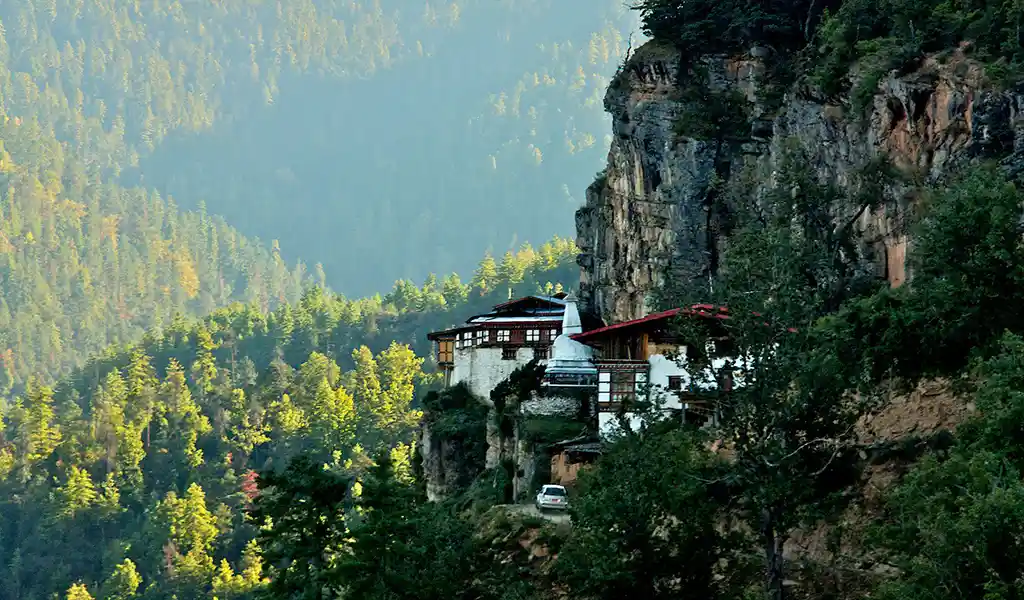
Dzongdrakha features four main temples built into the rock. The site remains very peaceful with very few tourists. Visitors see a different view of the Paro Valley from here. The atmosphere allows for deep meditation and reflection. Such sites provide a hidden gem for curious hikers.
| Feature | Tiger’s Nest Bhutan | Dzongdrakha |
| Hike Difficulty | Moderate to Hard | Easy |
| Crowd Levels | High in peak season | Low |
| Cultural Fame | Internationally known | Locally revered |
| Access | Steep climb | Near the road |
Visiting both sites gives a complete picture of the Paro region. The Tiger’s Nest Monastery Hike remains the primary goal for most. Dzongdrakha serves as a perfect warm-up for the larger trek. Each site holds sacred relics and beautiful paintings. Pilgrims find blessings at both of these cliffside temples.
Itinerary Integration for Travelers
Strategic planning ensures a successful Tiger’s Nest Monastery Hike. Never hike on the very first day in Bhutan. Spend two days exploring Thimphu or Paro town first. This time allows the blood to carry more oxygen. The Paro Taktsang hike should be the highlight of the final days.
A typical five-day tour includes several historic stops. Start in the capital city to see the Giant Buddha. Visit the Punakha Dzong to see the confluence of two rivers. Drive over the Dochula Pass to view the Himalayan peaks. Finally, return to Paro for the Tiger’s Nest Monastery Hike.
| Day Number | Location | Key Activity |
| Day 1 | Paro to Thimphu | Acclimatization |
| Day 2 | Thimphu to Punakha | Dzong and Pass visit |
| Day 3 | Punakha to Paro | Farmhouse visit |
| Day 4 | Paro | Tiger’s Nest Hike |
| Day 5 | Paro | Departure flight |
Short two-day tours also exist for busy visitors. These trips focus purely on Paro and the Tiger’s Nest. Guides manage the pace to ensure everyone reaches the top. Even a short visit leaves a lasting impression on the heart. The Tiger’s Nest Monastery Hike defines the Bhutan experience.
Conclusion on the Tiger’s Nest Journey
The Tiger’s Nest Monastery Hike offers a profound connection to Bhutan. It tests the body and rewards the spirit. Every step on the Paro Taktsang hike builds a sense of awe. The sight of the Tiger’s Nest in Bhutan remains etched in the mind forever. Such sites represent the magic of the Himalayan kingdom.
Preparation makes the Tiger’s Nest Monastery Hike a joy. Follow the advice on the best time to visit Tiger’s Nest. Respect the monastery’s rules and the local people. Enjoy the spicy food and the warm hospitality of the farmers. The Tiger’s Nest Monastery Hike stands as a triumph of faith.
Peregrine Treks and Tours invites you to this sacred land. Experience the mystery of Guru Rinpoche and the tigress. Stand before the waterfall and feel the power of the mountain. The Tiger’s Nest Monastery Hike waits for your arrival. Discover the happiness of the Land of the Thunder Dragon.