

Included Meals
- Breakfast: 10
- Lunch: 11
- Dinner: 11

Unbeatable Holiday Offers – Save Up to 20% on Your Next Adventure!
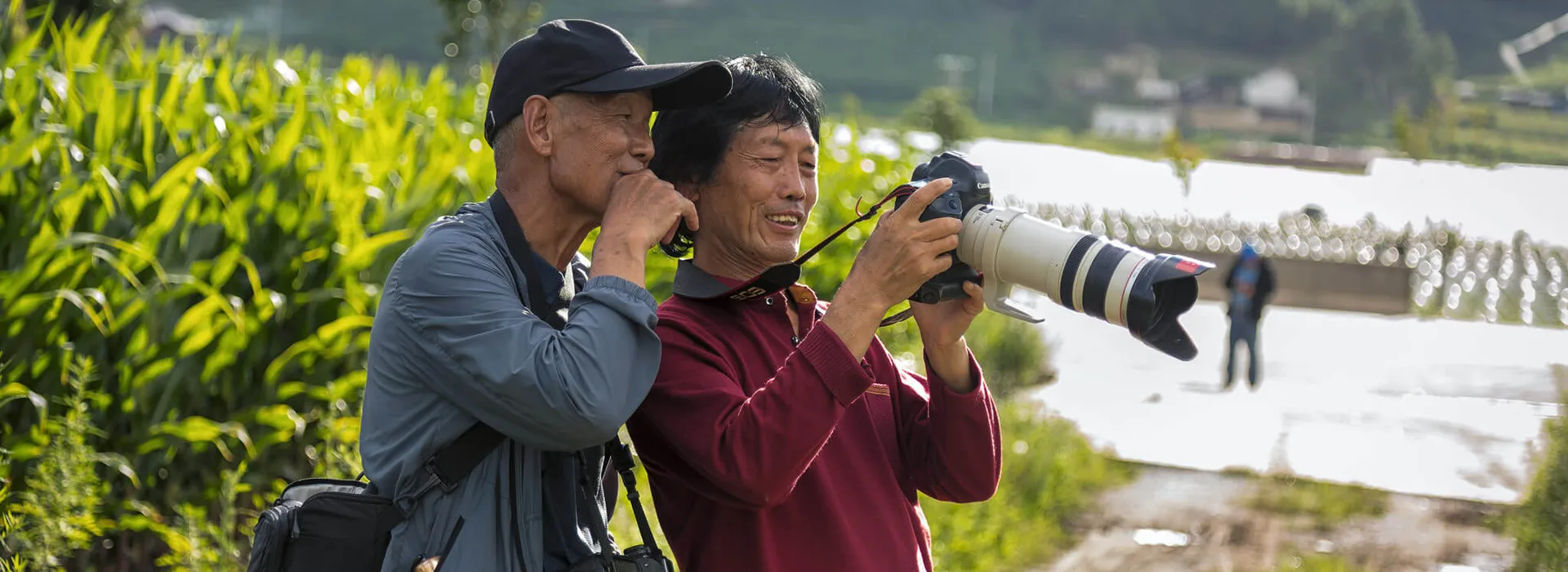
Nepal Hiking Company has designed this Bhutan Bird Watching Tour package to provide travelers with a maximum hands-on experience, featuring a focused, well-paced itinerary for viewing rare endemic species across distinct Himalayan regions. Significant time has been scheduled for premium bird-watching hotspots, Yongkola and Sengor, so that the traveler can get maximum satisfaction.
Travelers pursue rare and highly sought-after species such as Ward’s Trogon, Satyr Tragopan, and the beautiful Nuthatch. Native field guides lead the expedition through dense forests, relying on their acute hearing, years of experience, and deep knowledge of the habitat. The itinerary ensures that the observers spend the prime morning and late afternoon productively.
For wildlife photographers, this tour offers an excellent opportunity for great pictures. The slow pace of the itinerary allows participants to set up their cameras and wait for a clear mid-canopy shot. There is a high chance of photographers capturing images of the Fire-tailed Myzornis in the high mountain passes and the White-bellied Heron in the low valley rivers.
Travelers cross a vast array of ecological zones in the Himalayan region, from the subtropical climate of the Punakha Valley to the freezing heights of the Pele la Pass. Each distinct climate supports different bird species and their population.
Travelers spot the unique Ibis bill in the roaring rivers of Thimphu and Paro, Wren-Babblers and Laughing Thrushes in the lush broadleaf forests of Limithang Valley, and Parrotbills and Nutcrackers in the Lawa la pass near the dwarf bamboo patches (feeding ground).
Travelers can see the rare Black-necked Crane in the marshland of the Phobjikha Valley. The Phobjikha Valley is a massive glacial wetland, protected as a Ramsar site. The variant topography of Bhutan offers different sightings of bird species, making the trip exciting and fresh.
For a better experience, Nepal Hiking Company enforces strict responsible wildlife viewing rules throughout the tour. All participants should listen actively to the guide and avoid loud conversations near active feeding areas, as this may startle the birds. We strictly prohibit the use of playback devices that disrupt wildlife’s natural breeding behaviors.
Travelers need to maintain a proper, respectful distance from all wildlife and prohibit any attempts to feed them. A smaller group size minimizes human impact on sensitive forest trails. Vehicles stay entirely on designated roads, preventing damage to the delicate roadside flora.
The tour follows the explicit “leave no trace” principle to respect and protect Bhutan’s pristine natural environment. Travelers should pack out all their trash, including small items such as tissue paper or snack wrappers, and practice responsible tourism. Upholding these practices ensures that these critical and sensitive habitats remain preserved for future generations of rare bird species.
The Bhutan Bird Watching Tour includes a carefully planned meal plan covering breakfast, lunch, and dinner. Hotel restaurants serve a variety of Bhutanese, Indian, and simple international dishes. Chefs prepare mild versions of local specialties to suit foreign palates. Vegetarian options remain excellent throughout Bhutan. Most traditional dishes feature fresh vegetables, potatoes, and cheese. Kitchens modify meals for specific allergies when travelers notify them in advance. Inform Nepal Hiking Company of any strict dietary requirements during the booking process.
Early breakfast planning proves essential for the birding schedule. Hotels prepare hot meals or boxed breakfasts for 5:00 AM departures. Travelers eat quickly in the vehicle or at the first roadside birding stop. Hot tea and coffee warm participants before the sun rises over the mountain ridges.
This birding tour involves specific physical demands on the traveler. Almost every day, travelers need to wake up early to catch the peak morning birding, which can disrupt their sleep schedule, requiring them to rest early in the evenings. Long drives on winding mountain roads cause fatigue and sometimes motion sickness. During wet months, the forest trails in Yongkola and Sengor become extremely slippery. Hikers wear proper footwear and step carefully over moss-covered rocks and exposed roots.
Altitude affects comfort significantly as the tour crosses passes above 3,400 meters. Travelers sometimes experience mild headaches or shortness of breath. Drink plenty of water and move at a slower pace to acclimatize properly. The Tiger’s Nest hike represents the most active day, requiring sustained effort at high elevation. Nepal Hiking Company requires every tour participant to have travel insurance that covers medical emergencies and high-altitude evacuation. The guide and driver will provide constant safety support to travelers by adjusting the tour’s pace to the group’s physical condition.

Included Meals

Trip staff
Driver
Guide

Accommodation
3-star/4-star/Luxury hotels

Trip Grade
| Day | Route | Drive time | Birding highlights | Hotel |
|---|---|---|---|---|
| Day 1 | Paro Airport → Thimphu | 1.5 hours | Ibisbill, Brown Dipper, water birds | 3-star/4-star/luxury |
| Day 2 | Thimphu → Nearby forests | 1 hour | Rufous-bellied Woodpecker, Wallcreeper | 3-star/4-star/luxury |
| Day 3 | Thimphu → Dochula → Punakha | 3.5 hours | Fire-tailed Myzornis, Rosefinches | 3-star/4-star/luxury |
| Day 4 | Punakha + Wangdue valleys | 1.5 hours | White-bellied Heron, Pallas’s Fish Eagle | 3-star/4-star/luxury |
| Day 5 | Punakha → Pelela → Phobjikha | 4 hours | Himalayan Monal, Great Parrotbill | 3-star/4-star/luxury |
| Day 6 | Phobjikha → Yongkola | 8 hours | Roadside broadleaf forest species | 3-star/4-star/luxury |
| Day 7 | Yongkola prime birding | 1 hour | Ward’s Trogon, Beautiful Nuthatch | 3-star/4-star/luxury |
| Day 8 | Yongkola → Sengor | 2.5 hours | Satyr Tragopan, Himalayan Owl | 3-star/4-star/luxury |
| Day 9 | Sengor → Bumthang/Trongsa | 6 hours | Himalayan Griffon, Mountain Hawk-Eagle | 3-star/4-star/luxury |
| Day 10 | Bumthang → Punakha/Paro | 6 hours | Chestnut-headed Tesia, valley species | 3-star/4-star/luxury |
| Day 11 | Tiger’s Nest hike | 1 hour | Blood Pheasant, alpine pine species | 3-star/4-star/luxury |
| Day 12 | Paro Hotel → Airport | 30 mins | Hotel grounds, common valley birds | N/A |
Our representatives will be waiting outside the Paro airport terminal to welcome travelers. Load your luggage into the private vehicle and drive to Bhutan’s capital city, Thimphu. The route follows the winding river, providing a gentle start to your birding adventure from the vehicle windows.
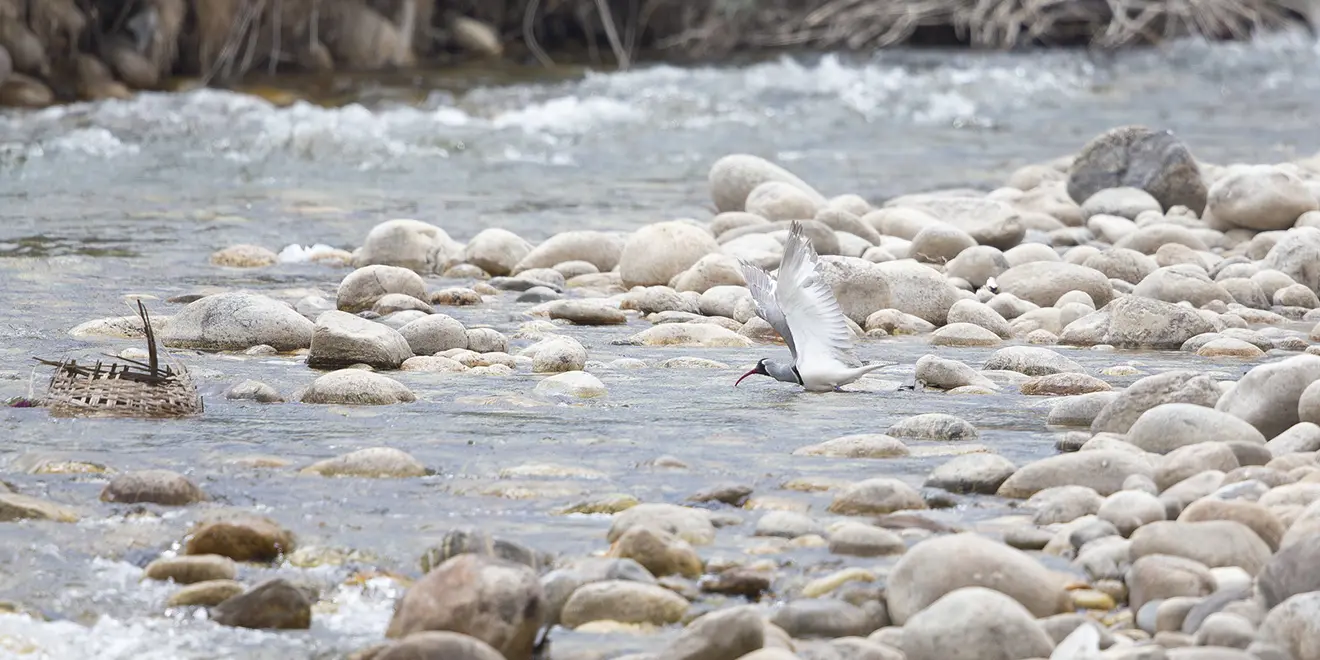
Along the route, your guide will make brief stops near the riverbanks to search for aquatic species, and you may even spot the Ibisbill dipping in the water among the glacial stones. The Brown Dipper and other various wagtails also frequent these cold mountain streams, so keep an eye out for them.
After checking into your hotel in Thimphu, your evening checklist review session begins. Record your first sightings of the day and then enjoy a hearty welcome dinner that Nepal Hiking Company has prepared for you.
Tip of the day: Drink plenty of water to better adjust to the altitude, as you are 2,300 meters above sea level.

Time & Distance 1.5 to 2 hours
Accommodation:
Meals Lunch, Dinner
Difficulty
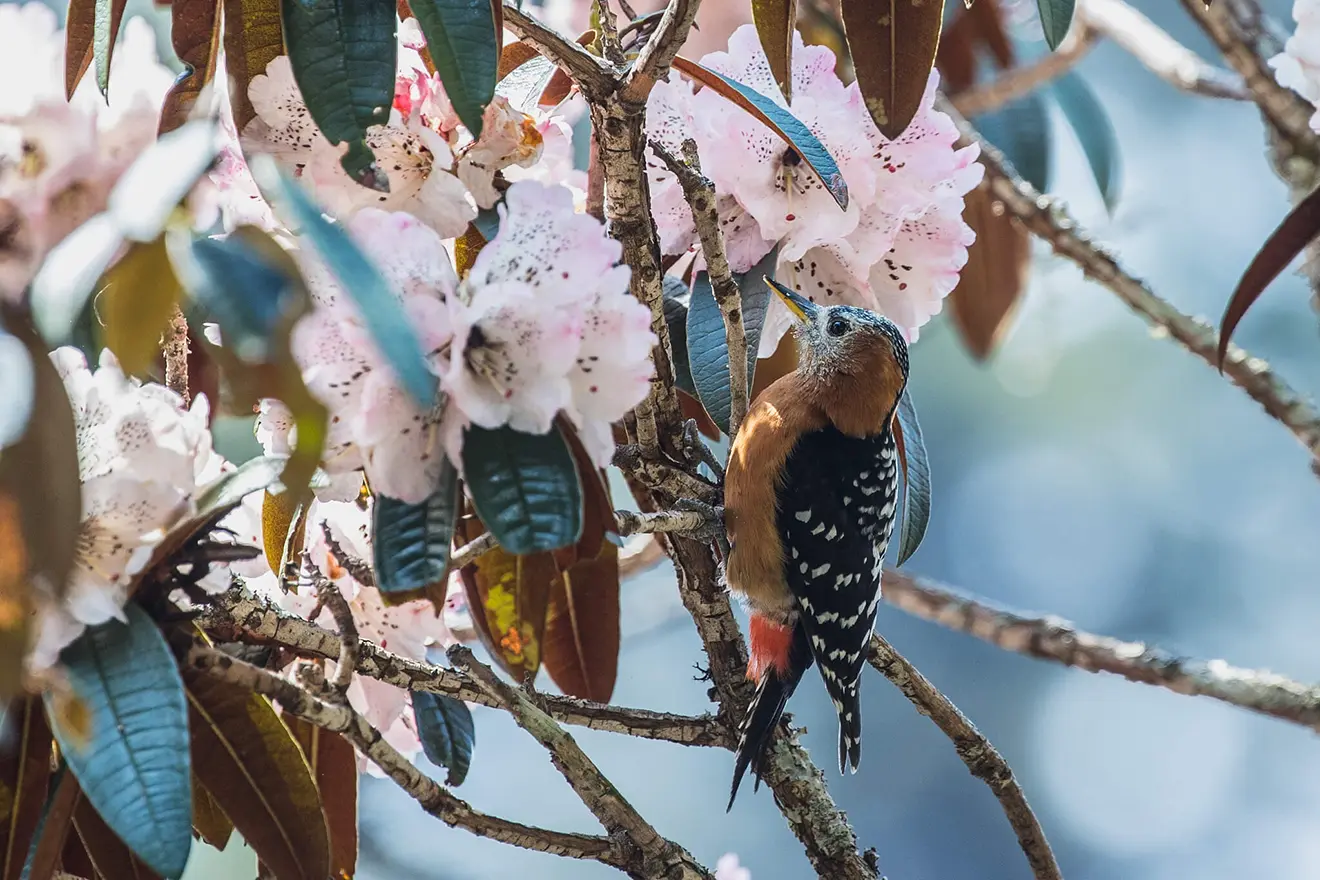
Travelers depart early today to catch the prime morning birding time along the upper Thimphu River. The walk is slow but observant, with your guide leading you to the Cheri Monastery base, near the pine forest, for the Rufous-bellied Woodpecker and yellow-billed Blue Magpie.
Return to the hotel for a midday rest after a productive morning. Later in the day, the journey picks up again near the city’s water treatment ponds, as surprisingly, these quiet water ponds serve as a hotspot for the migratory waders and water birds.
Tip of the day: Focus on optical gear preparation, use a microfiber cloth to wipe the morning dew from your binocular lenses, and wear comfortable walking shoes to safely navigate the uneven forest trails.
Time & Distance 1 hour
Accommodation:
Meals Breakfast, Lunch, Dinner
Difficulty
The vehicle ascends steadily from Thimphu toward the 3,100-meter Dochula Pass. Along the way, the guide makes birding stops in the diverse mixed forests. Observers focus on high-altitude species such as the Fire-tailed Myzornis, several laughingthrushes, and vibrant sunbirds.
The group walks for several hours along the peaceful paths near the 108 memorial chortens. The trail then drops sharply into the sub-tropical Punakha Valley, where the sudden change in elevation brings entirely new vegetation and bird species.
Tip of the day: focus on managing the sharp temperature changes. Bring a windproof jacket and a thermal base layer for the cold conditions at the pass. Remove these heavier layers gradually as the vehicle enters the warmer Punakha region.
Time & Distance 2.5 to 3.5 hours
Accommodation:
Meals Breakfast, Lunch, Dinner
Difficulty
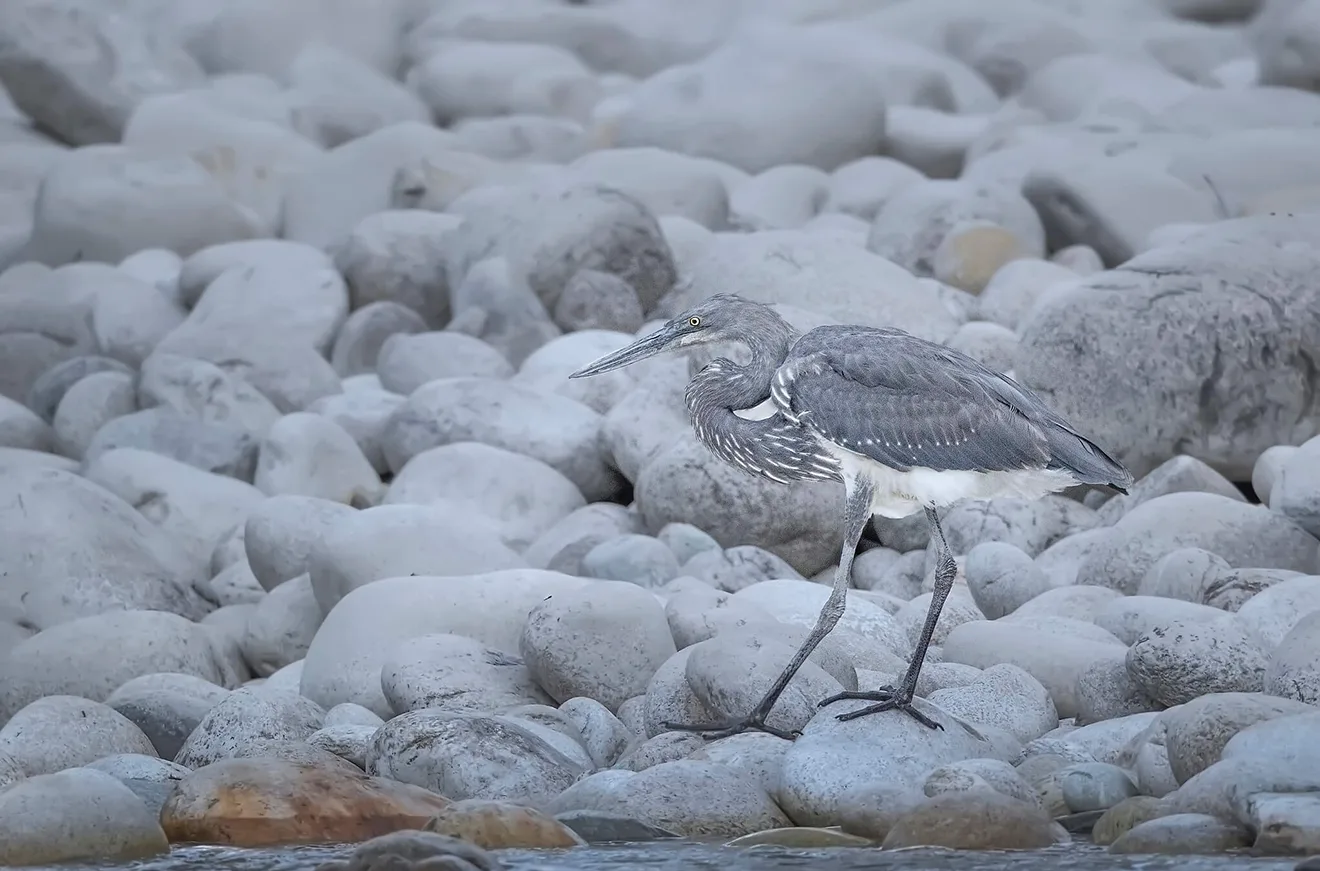
Birdwatching in the Punakha Valley centers on the edges of the Mo Chhu River. The guide carefully scans the water for the critically endangered White-bellied Heron. Observers also watch for the Pallas’s Fish Eagle, the Common Kingfisher, and various species of forktails.
The Wangdue birding tour continues south, leading the group through areas of local farmland where large numbers of wintering birds gather. The vehicle stops at regular intervals near sections of broadleaf forest, allowing time to search for minlas and babblers.
Tip of the day: Focus on maintaining strict quiet along the riverbanks. Speak only in whispers to avoid disturbing the highly sensitive heron species. Neutral-colored clothing is recommended to blend into the natural surroundings.
Time & Distance 1.5 hours
Accommodation:
Meals Breakfast, Lunch, Dinner
Difficulty
The itinerary climbs steadily toward the 3,420-meter Pele la Pass. The vehicle turns onto an old, unused road. It creates the perfect spot for a wildlife stop. Participants walk this quiet stretch, keeping a close eye out for the Himalayan Monal and Blood Pheasant.
As the route nears Lawala Pass, the habitat changes noticeably to dwarf bamboo. The guide scans the dense vegetation for the Great Parrotbill and Spotted Nutcracker. Soon after, the drive descends into the broad, bowl-shaped Phobjikha Valley.
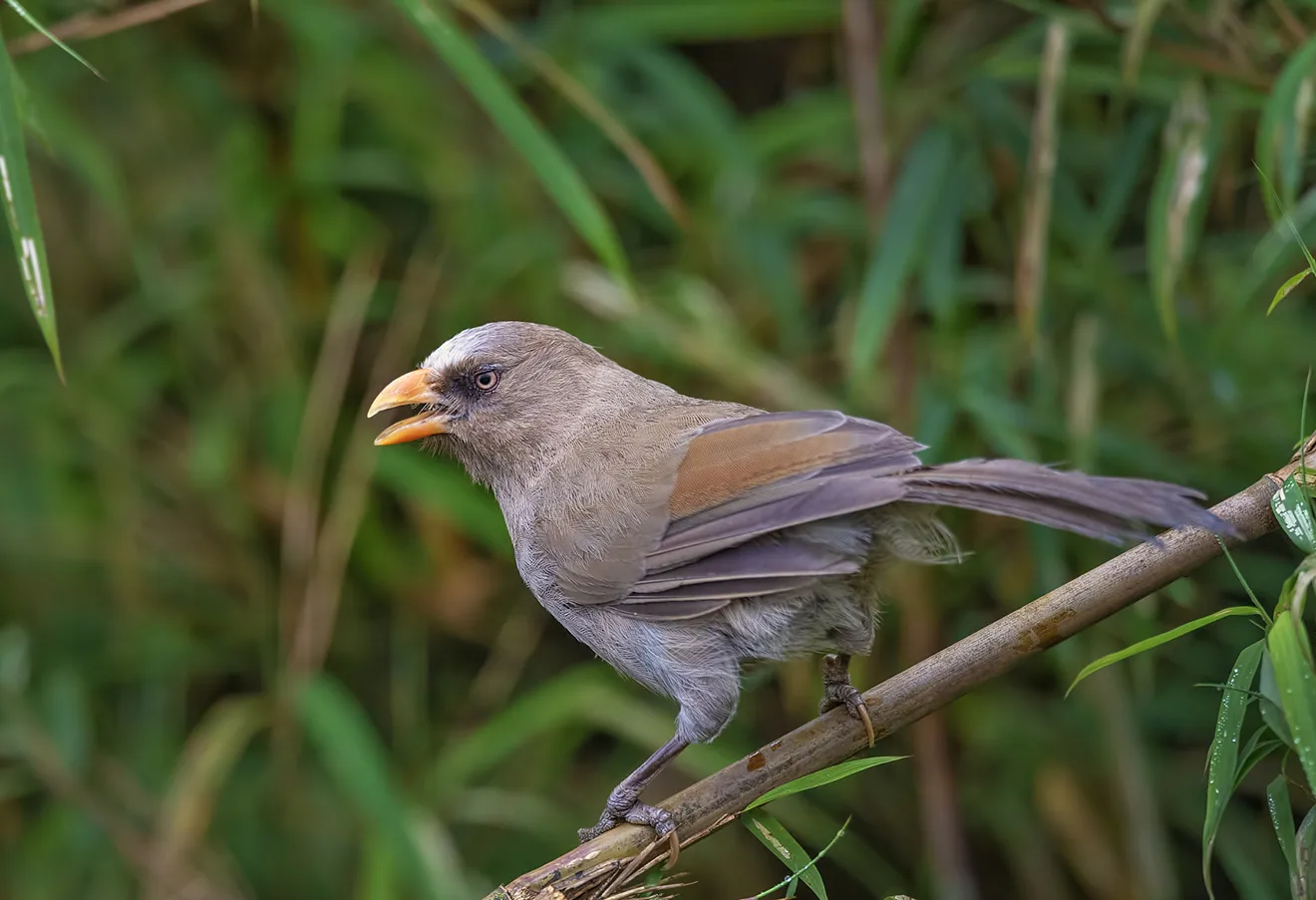
Tip of the day: Focus on staying comfortable during the long drive. Keep a travel pillow and motion sickness remedies within easy reach in your daypack. Take advantage of the frequent birding stops to stretch your legs and stay refreshed.
Time & Distance 3 to 4 hours
Accommodation:
Meals Breakfast, Lunch, Dinner
Difficulty
This full birding transfer day covers a long distance across central Bhutan. The route takes the group through the cultural hubs of Trongsa and Bumthang. Along the way, the vehicle climbs over high mountain passes before descending into the eastern region.
The guide makes the most of the early morning and late afternoon for targeted birding stops. Travelers note changes in the habitat as the landscape shifts from alpine zones to warm broadleaf forests. By dusk, the group reaches Yongkola, ready for the trip’s main birding segment.
Tip of the day: Focus on handling the long travel hours. Rest during the slower midday period while the vehicle covers distance. Make sure camera batteries are fully charged to capture any sudden roadside sightings during the late afternoon descent.
Time & Distance 7 to 8 hours
Accommodation:
Meals Breakfast, Lunch, Dinner
Difficulty
The Yongkola birding experience stands out as one of the best in the Himalayan region. Participants spend the entire day exploring both the upper and lower sections of the quiet, seldom-used road. Birding in the mixed forests produces excellent sightings of many rare endemic species.
The guide uses a slow-walk approach to locate the elusive Ward’s Trogon and Beautiful Nuthatch. Dense undergrowth conceals the Rufous-throated Wren-Babbler and Slender-billed Scimitar Babbler. Each turn along the quiet road brings a new and exciting discovery.
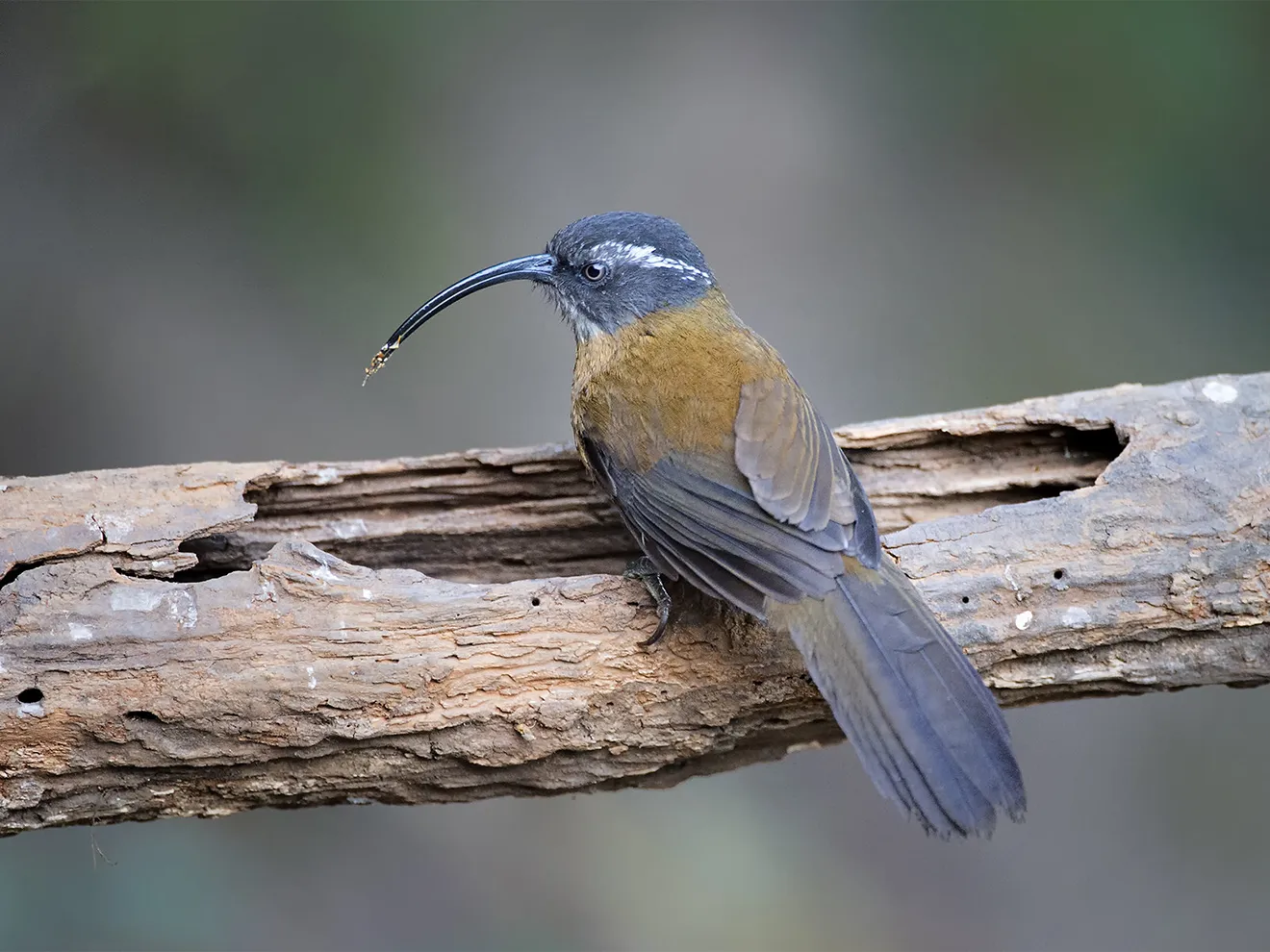
Tip of the day: Emphasize patience and keen observation. Stay completely still when the guide points out a nearby bird call. Keep your binoculars trained on the mid-canopy, where many rare species are most active.
Time & Distance 1 hour
Accommodation:
Meals Breakfast, Lunch, Dinner
Difficulty
The vehicle ascends the mountain, leaving the warm broadleaf forest below. The sharp rise in elevation takes the group to Sengor, around 3,000 meters. Here, the birding session focuses on spotting the near-threatened Satyr Tragopan.
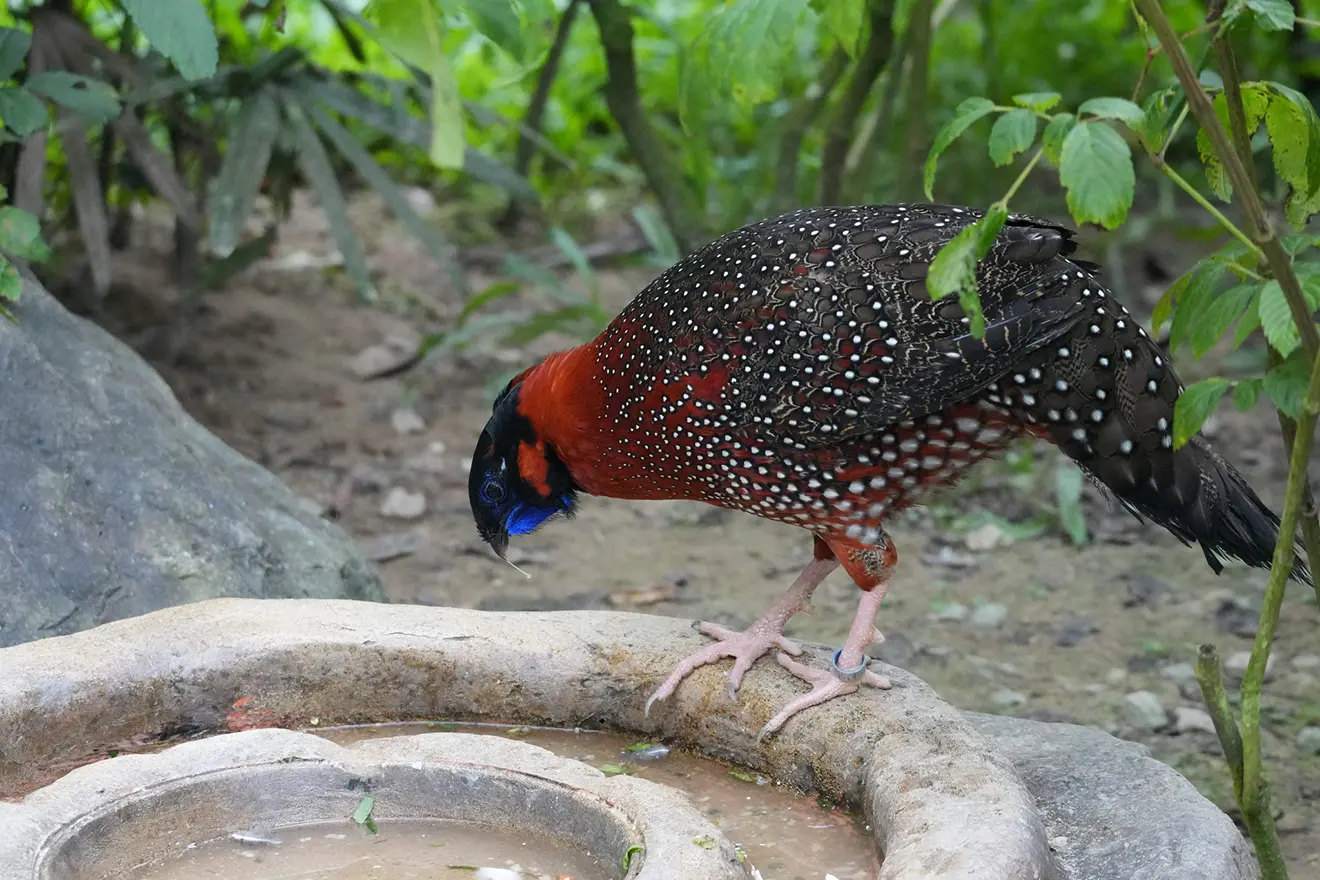
Travelers carefully search the target habitats, paying close attention to the dark, moss-covered forest floor. The area also shelters the Bar-winged Wren-Babbler and Golden-naped Finch. Later, the group looks for the Himalayan Owl during a dedicated evening session.
Tip of the day: Remind travelers to dress warmly. Layer up with thermals and insulated gloves for the chilly mornings. Stay mindful of slippery, damp roads while keeping an eye on the tree line for birds.
Time & Distance 2.5 hours
Accommodation:
Meals Breakfast, Lunch, Dinner
Difficulty
The Bhutan Bird Watching Tour Package starts the long journey back west. The vehicle crosses Thrumshingla Pass, following a focused roadside birding plan. The guide searches for species that were missed on the earlier eastward route.
The driver makes regular stops at scenic mountain viewpoints. Participants watch the skies for soaring raptors such as the Himalayan Griffon and Mountain Hawk-Eagle. The day ends in the cultural centers of Bumthang or Trongsa.
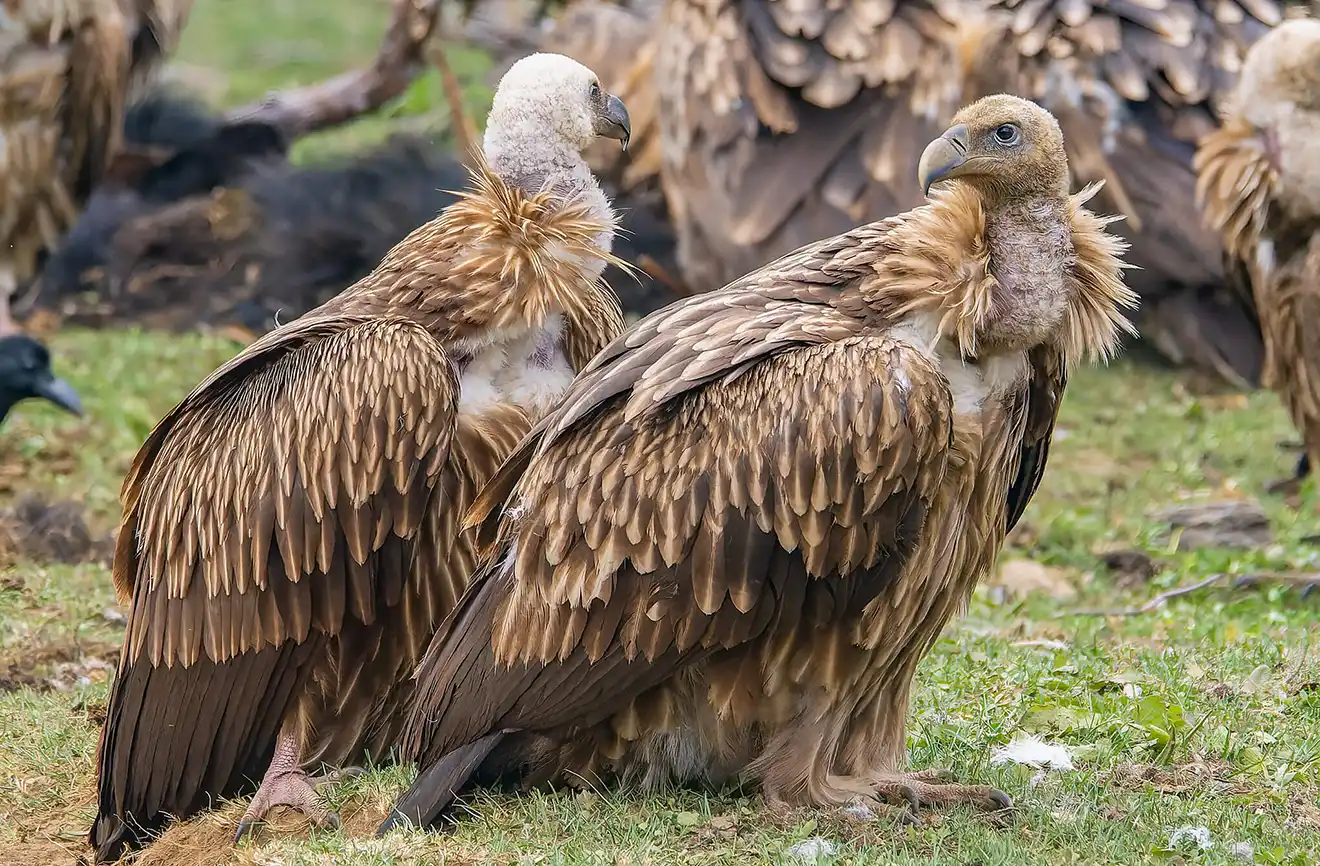
Tip of the day: Focus on keeping your field notes organized. Use the drive time to update your personal species checklist. Keep your main binoculars in a dust-proof case when traveling on dirt roads with the windows open.
Time & Distance 5 to 6 houts
Accommodation:
Meals Breakfast, Lunch, Dinner
Difficulty
The drive progresses steadily toward the western valleys. The guide keeps a flexible stop schedule to take advantage of unexpected bird activity along the highway. Crossing Yotongla Pass provides excellent opportunities to see the Chestnut-headed Tesia.
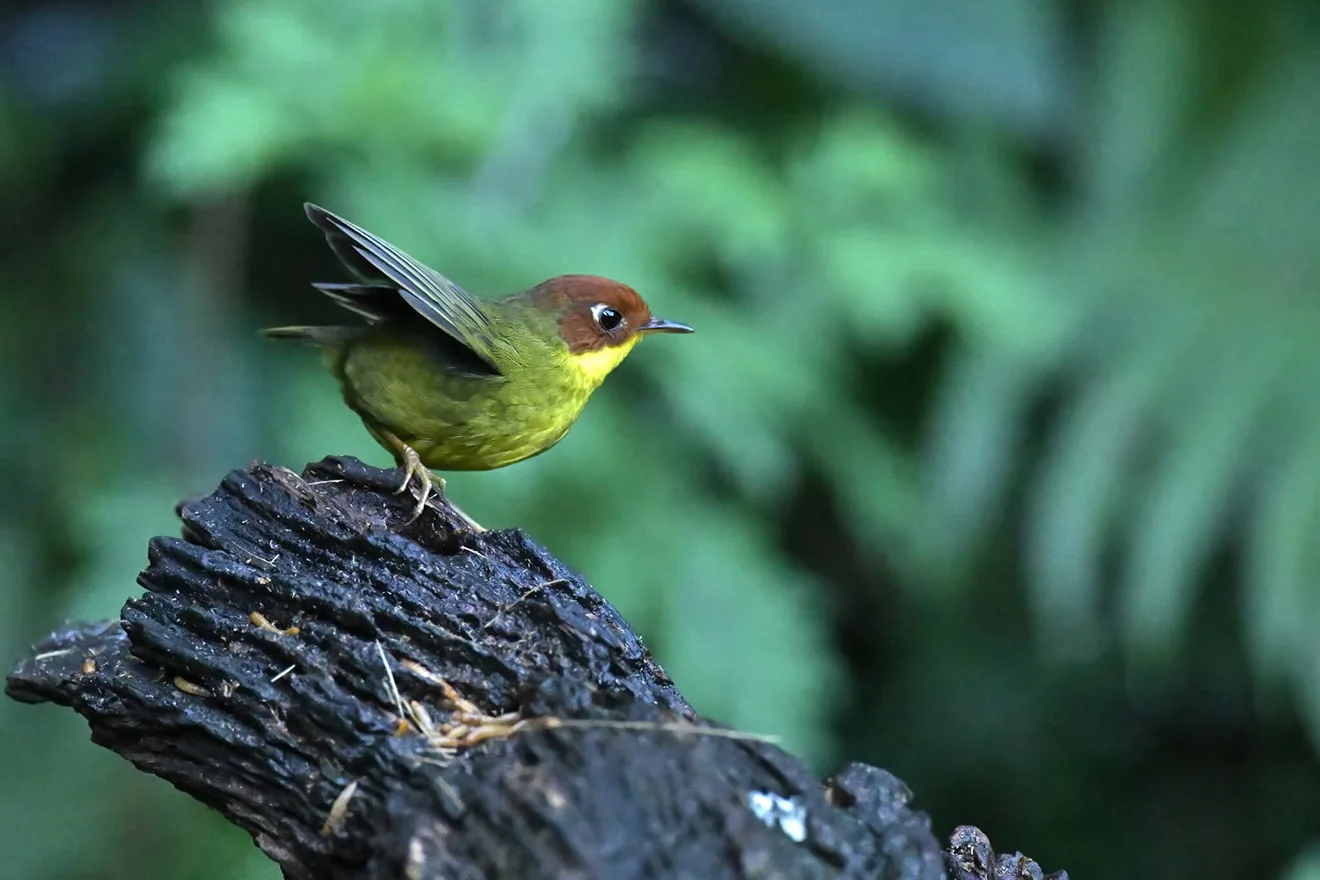
The route descends into the warmer valley habitats of Wangdue and Punakha. The shift in temperature welcomes back familiar sub-tropical species. In the evening, travelers unwind and reflect on the extensive bird list compiled over the week.
Tip of the day: Recommend stowing heavy winter clothing away. The lower elevations bring warmer weather for the final days. Make sure your daypack is ready for tomorrow’s challenging hike.
Time & Distance 5 to 6 hours
Accommodation:
Meals Breakfast, Lunch, Dinner
Difficulty
The Tiger’s Nest tour begins early to avoid crowds and the midday heat. The hike is about 6.4 kilometers round trip, with an elevation gain of 518 meters. The steep climb makes it moderately challenging, suitable for travelers with average fitness.
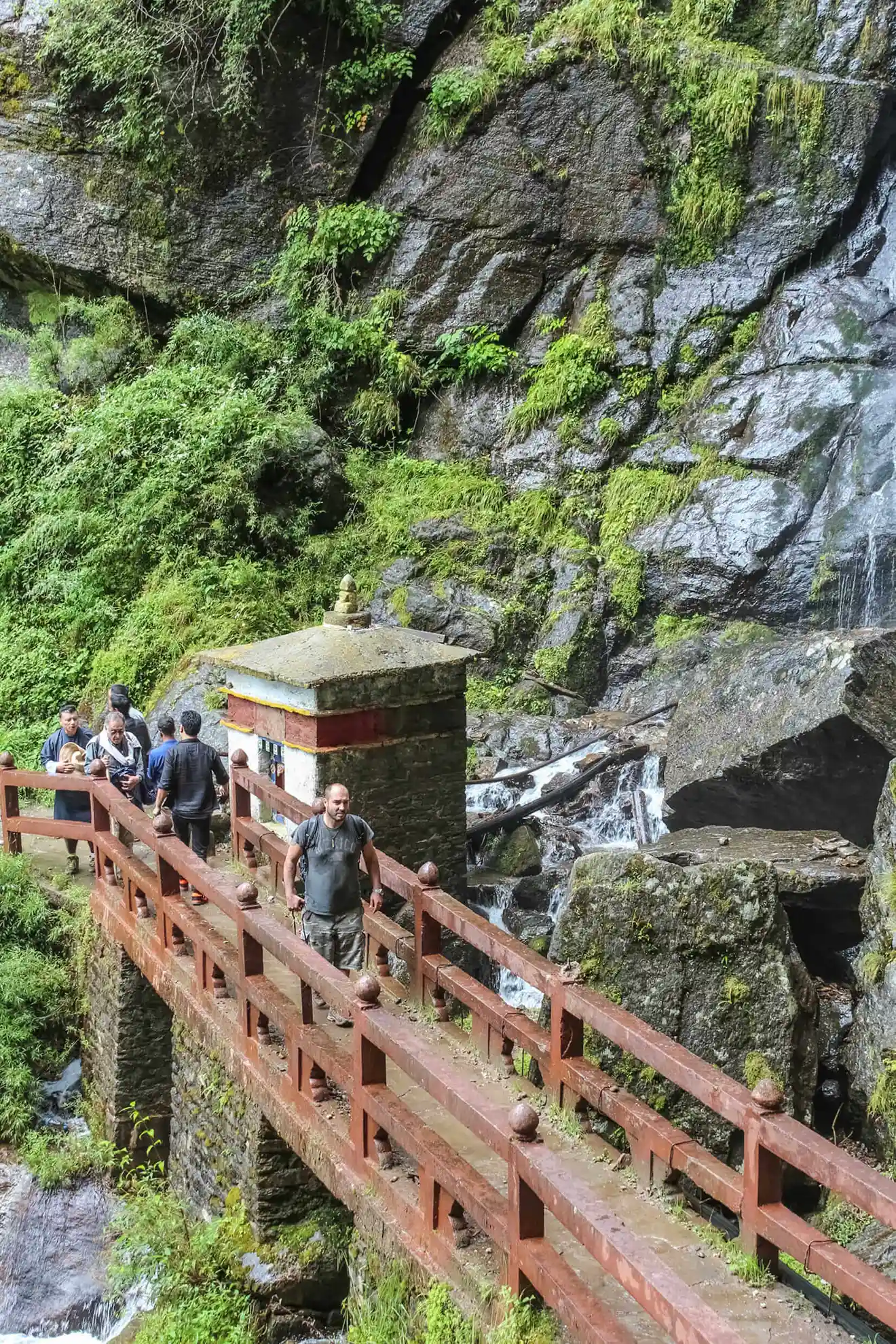
Participants pause at the viewpoint cafeteria halfway up the mountain. Along the trail, birders spot the Blood Pheasant and Himalayan Griffon among pine and cedar forests. Those skipping the hike enjoy a leisurely Paro culture day, visiting the local Dzong and museum.
Tip of the day: Focus on hiking safety. Use a walking pole to support your knees on the steep descent. Dress in layers to manage the heat built up during the climb.
Time & Distance 1 hour
Accommodation:
Meals Breakfast, Lunch, Dinner
Difficulty
The final morning centers on packing and departure preparations. If time permits, an early morning stop in Paro offers one last chance for birding. Travelers search the hotel grounds for common species such as the Eurasian Tree Sparrow and Oriental Magpie-Robin.
The guide and driver coordinate the airport transfer seamlessly. They help with luggage and see travelers off at the departure gate. With that, the comprehensive Bhutan wildlife tour comes to a successful close.
Tip of the day: Focus on travel document readiness. Keep your passport and visa clearance letter within easy reach for check-in. Store delicate optics equipment safely in your carry-on luggage.
Difficulty
The Bhutan Bird Watching Tour Package provides a range of lodging options to suit different comfort levels. Travelers select their preferred category when making their booking.
Standard 3-star accommodations offer clean, comfortable, and authentic stays. Examples include Hotel Zhusa in Punakha and Odiyana Hotel in Phobjikha. These properties showcase traditional architecture and warm local hospitality. Heating is usually provided by wood-burning stoves (bukharis) or simple electric heaters. Wi-Fi is available, though connectivity can be inconsistent in remote valleys.
Premium 4-star accommodations provide upgraded amenities and more spacious rooms. Examples include Norkhil Boutique Resort in Thimphu and Naksel Resort in Paro. These hotels feature reliable central heating, large bathrooms, and consistent hot water. On-site restaurants offer diverse menus that easily cater to international dietary preferences.
Luxury upgrades elevate the tour into a premium retreat. Options include Six Senses, COMO Uma, or Amankora properties. These lodges feature world-class spa services, gourmet dining, and exquisitely designed rooms.
Comfort varies greatly in remote birding areas such as Yongkola and Sengor. Luxury hotels are not available in these protected forest regions. Travelers stay in the best available basic guesthouses or comfortable tented camps. Hot water often requires advance requests, and room heating is simple. Birders embrace these rustic nights to reach some of the most rewarding bird habitats in the country.
Every international visitor to Bhutan must pay a Sustainable Development Fee (SDF) as mandated by the Royal Government of Bhutan. This contribution supports domestic education, healthcare, and environmental conservation across the country. For the Bhutan Bird Watching Tour Package, Nepal Hiking Company handles all SDF calculations and processing. Depending on the booking, travelers may see the SDF included in the package price or listed separately.
International visitors do not apply for their Bhutan visa themselves. Once clients confirm their itinerary, accommodations, and travel dates, our company handles the visa application. Processing usually takes a few business days, provided all submitted information is accurate. Travelers receive a digital visa clearance letter, which must be presented at Paro immigration upon arrival.
The visa application requires precise and clear documentation. Travelers must provide a high-resolution scan of their passport’s main data page, free from cropped edges or glare. The passport should remain valid for at least six months beyond the planned departure from Bhutan. Clients also submit a digital passport-sized photo and confirm their exact travel dates. Providing complete documentation helps ensure a smooth, timely approval from immigration authorities.
The itinerary includes several long transfer days to access the top birding locations. The journey from Phobjikha to Yongkola can take up to eight hours. Roads in Bhutan wind continuously through steep mountain terrain, with very few straight sections. Drivers handle these routes with care, maintaining a steady pace and prioritizing passenger safety.
Nepal Hiking Company arranges a comfortable private vehicle with functioning seat belts. This setup greatly supports the birding experience. Travelers can keep their optics and camera gear ready across the available seats. The driver stops at once when the guide spots a rare species in the roadside canopy.
Travelers prone to motion sickness should follow a proactive comfort plan. Take your preferred remedy about thirty minutes before the drive begins. Keep your gaze on the distant horizon instead of reading inside the moving vehicle. The guide plans regular stops to break up the distance. These pauses take place at scenic viewpoints and also offer good birding opportunities. Early starts allow the group to cover more ground before midday heat reduces bird activity.
The right equipment is key to the success of the Bhutan Bird Watching Tour Package. Travelers bring high-quality optics to spot distant and well-camouflaged species.
The hike to the Tiger’s Nest Monastery provides travelers with a mix of adventure, cultural, and birding experiences. The monastery lies in the sheer cliff face at 3,120 meters above sea level. The hike is about 6.4 kilometers round-trip, with an elevation gain of 518 meters.
The trail follows steep dirt paths and hundreds of uneven stone steps. The hike is moderately challenging, suitable for those with average mobility and cardiovascular fitness. Travelers move at their own pace, taking regular breaks to adjust to the altitude.
Bring a light daypack containing two liters of water, energy snacks, and sunscreen. A walking pole helps maintain stability on the steep descent. Wear sturdy, well-broken-in hiking shoes with good tread.
A pony option is available for those worried about the physical challenge. Horses carry riders from the base to the halfway viewpoint cafeteria. From there, visitors walk the remaining distance, including the final staircase down to the waterfall and up to the monastery.
For safety, maintain a slow and deliberate pace. Additionally, start the hike very early to avoid the intense midday sun. When passing descending hikers or pack animals, stay on the inside of the trail to prevent accidents. Alternatively, travelers who prefer not to hike can enjoy a cultural day visiting Paro Dzong and the local museums.
Essential Packing Checklist:
Dress in neutral layers to blend into the forest and adjust for hot valleys or cold passes. Pack water, snacks, wet wipes, and a power bank in your daypack. Protect optics in dry bags and keep a lens cloth handy. Follow local dress codes at Dzongs: wear long sleeves and long trousers, and remove hats or sunglasses.
Every foreign traveler should respect Bhutan’s culture and traditions for a successful Bhutan Bird Watching Tour.
Cultural rules:
Wildlife viewing requires the same level of respect. Ethical birding practices protect the very species that travelers journey across the globe to observe.
Booking Steps:
Required Documents:
Cancellation Policy
Choosing the right season is key to a successful 12-day Bhutan birding tour. Spring stands out as the best time, with migration peaks and active breeding. Birds show their brightest plumage, and the forests resonate with mating calls. Temperatures are generally pleasant across most elevations, though high mountain passes stay chilly in the mornings. Spring is also popular with birders, so early hotel bookings are recommended for remote locations like Sengor.
Summer brings heavy monsoon rains to the Himalayan region. While the dense forest canopy offers some shelter, wet trails make birdwatching in Bhutan more challenging. Leeches are common in the subtropical areas of Yongkola and Punakha. On the upside, summer provides unique opportunities to see certain resident species that thrive in the wet conditions. Travelers who don’t mind the rain are rewarded with vibrant, green landscapes and virtually no tourist crowds.
Autumn brings the most stable weather, ideal for clear mountain pass views and photography. The deep blue skies provide perfect backdrops for capturing soaring raptors over Dochula and Pele la passes. This season also sees the arrival of Black-necked Cranes in the Phobjikha Valley. In Yongkola, the broadleaf forests offer excellent visibility as the undergrowth thins. Cool temperatures call for warm layers, especially during early morning birding sessions.
Winter limits access to the highest mountain passes because of heavy snowfall. Yet, the season drives high-altitude species down into the warmer valleys. Birdwatching in the Punakha Valley becomes especially rewarding during these months. Flocks of wintering birds gather in the agricultural fields and along the unfrozen riverbanks. Travelers who endure the cold nights are rewarded with clear, crisp days and dense concentrations of birds at lower elevations.
Nepal Hiking Company runs the Bhutan Bird Watching Tour as a fully private experience. Small groups move quietly for better birding, while the guide focuses on your target species. Private vehicles carry optics safely, allow instant stops for rare sightings, and adapt to your pace.
Nepal Hiking Company handles all visas and permits. Travelers submit a passport photo and a passport scan, and the company provides the digital clearance letter before the flight. Guides carry restricted-area permits and present them at checkpoints, so travelers avoid waiting in offices.
The Sustainable Development Fee (SDF) is a mandatory government charge funding Bhutan’s healthcare, education, and conservation. Nepal Hiking Company handles the SDF payments during visa processing, ensuring a smooth immigration process. The fee applies per person, per night, with child discounts where applicable.
Participants must bring high-quality binoculars (8×42 or 10×42) for spotting birds in dense forests. A spotting scope is optional; the guide carries one for shared use. Travelers who pack light use binoculars, while photographers often rely on telephoto lenses.
Daily birding walks range from easy to moderate, mostly along roadsides. Travelers walk slowly with frequent stops, navigating slight inclines and uneven ground. Only Day 11, the Tiger’s Nest hike, requires sustained uphill walking; otherwise, anyone with average mobility handles the walks comfortably.
For Yongkola and Sengor, pack waterproof boots, a neutral rain jacket, and a dry bag for optics. Use a chest harness for binoculars, bring a small, powerful flashlight, insect repellent, and a power bank. Wear moisture-wicking base layers and keep a lens cloth handy to manage condensation.
High mountain passes like Dochula (3,100 m) and Pele La (3,420 m) experience extreme cold, frost, and strong winds during early morning birding. Pack a windproof shell, fleece mid-layer, thermal base layer, insulated gloves, and a warm beanie. Dress in flexible layers to adjust as the sun warms the valleys or sudden fog lowers temperatures.
Spring and autumn offer the best birding in Bhutan, with breeding birds, clear skies, and Black-necked Cranes. Winter draws altitudinal migrants to Punakha, while summer brings heavy rains, slippery trails, and leeches.
Comfort drops in remote hotspots like Yongkola and Sengor, which lack luxury infrastructure. Travelers stay in guesthouses, lodges, or tented camps with basic beds, limited heating, and simple bathrooms. Wi-Fi is weak, and hot water is limited. Food focuses on local dishes. Birders accept these rustic conditions for immediate access to prime Himalayan birding.
For the 12-day tour, pack versatile layers for high passes and low valleys, including thermal underwear, fleece, and a waterproof windbreaker. Bring durable hiking shoes, neutral clothing, sun protection, a first-aid kit, and a daypack for water, snacks, and camera gear. Include all optics, dry bags, and cleaning cloths, and keep passports, insurance, and visa letters secure.
Vegetarian meals are widely available, including Bhutanese dishes like Ema Datshi and Indian-style options. The guide communicates dietary needs, and travelers with allergies or vegan requirements should inform Nepal Hiking Company when booking.