


Tibet’s high altitude can affect even healthy travelers. Visiting Tibet means spending days above 3,000 meters (10,000 feet), and many roads and attractions climb above 4,000–5,000 meters. Altitude sickness, or acute mountain sickness (AMS), happens when your body struggles in thin air. Altitude Sickness in Tibet is a real concern, so you need to prepare. This guide covers causes, symptoms, prevention, and what to do if you feel sick. By reading this, you learn practical tips to keep yourself safe and healthy in Tibet’s heights.
Quick Facts:
- The risk of altitude sickness is highest in the first 24–72 hours at new elevations.
- Prevention: go slow, rest often, and drink plenty of water.
- The first acclimatization base is usually Lhasa (3,650m) before going higher.
- Common mistake: rushing to high passes or the Everest base camp too soon.
What Is Altitude Sickness?
Altitude sickness, also known as acute mountain sickness (AMS), happens when you go up to high elevations too quickly. At sea level, air pressure is high, and you breathe more oxygen. At higher altitudes, the air thins out and contains less oxygen. Your body has to adjust. If it cannot get enough oxygen, symptoms appear.
- Why it happens: Thin air means less oxygen gets into your blood and brain. Your body responds by breathing faster and producing more red blood cells, but this takes time. In the meantime, your brain and body may not work as well.
- Symptoms: Can range from mild (like a headache) to severe (confusion, fluid in lungs or brain). We cover symptoms next.
- Not just for unfit people: Even very fit, young travelers can get altitude sickness. It’s a common reaction, not a measure of fitness.
- Medicine warning: We share what people do, but individual reactions vary. Always consult a doctor before taking any medication for altitude. This guide is general advice, not medical advice.
Mini Glossary:
– AMS (Acute Mountain Sickness): The Mildest form of altitude sickness (headache, nausea).
– Acclimatization: The process of adjusting to lower oxygen by your body.
– Altitude Gain: How many meters of elevation you climb. Experts often say to go up ≤500 meters per day above 3,000 m.
– Rest Day: Spending a day at the same elevation to adjust.
Altitude Levels in Tibet
Understanding specific heights helps set expectations:
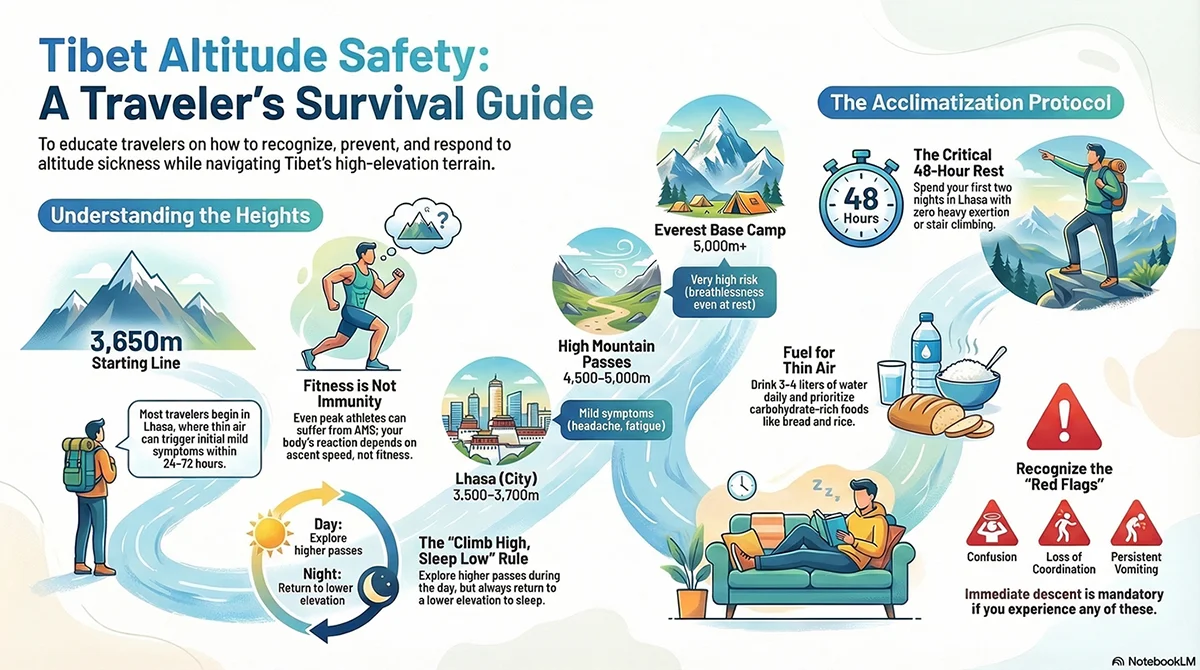
- Lhasa (City): About 3,650 meters. Many travelers start here. Common initial symptoms begin here for some.
- High Passes: Often 4,500–5,000 meters. For example, Gyantse Pass (around 4,794 m) and Kamba La (4,794 m). These can trigger symptoms even if you felt fine in Lhasa.
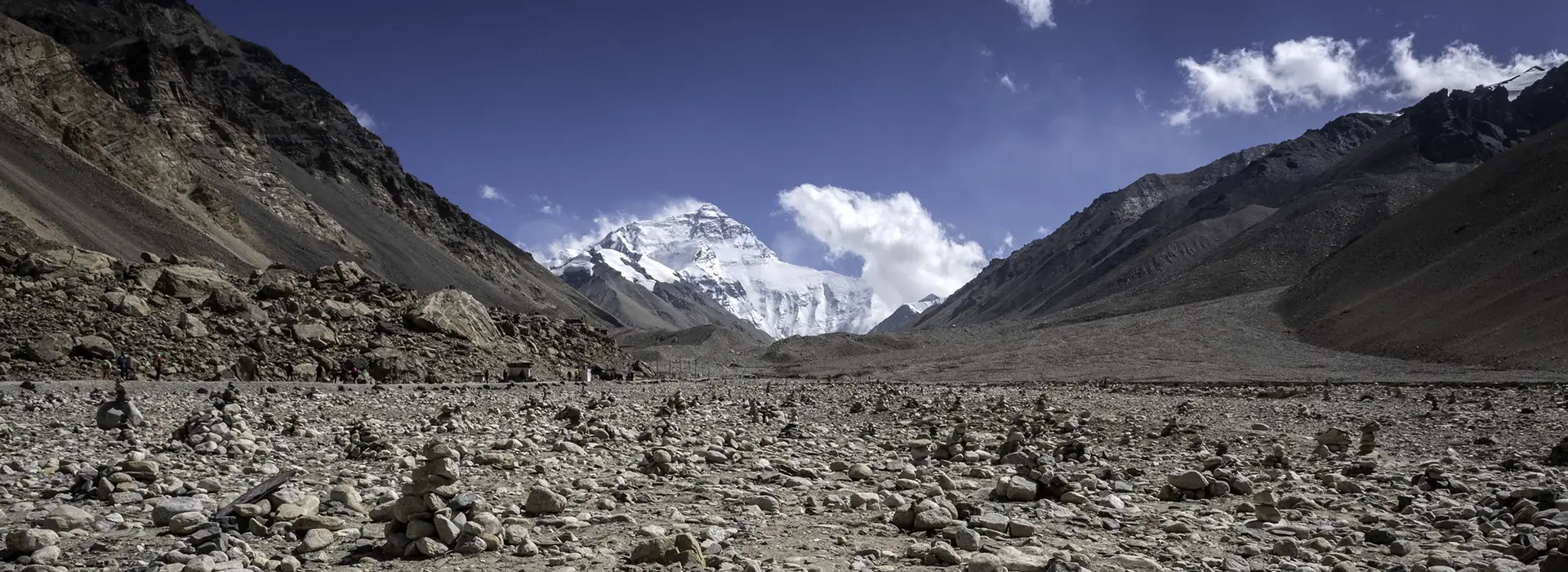
- Everest Base Camp: About 5,200 meters. This is an extreme altitude. Even without trekking, some feel breathless or nauseous here.
- Remote Areas: Some pilgrimage routes and lake areas (such as Mt. Kailash and Lake Manasarovar) are at elevations of 4,000–4,500 m. They pose a high risk.
| Location Type | Elevation Range | Typical Reaction |
| Lhasa (city) | 3,500–3,700 m | Many feel mild symptoms (headache, mild fatigue) |
| Nearby Lakes/Valleys | 4,200–4,500 m | Moderate symptoms are more likely (nausea, breathlessness) |
| High Mountain Passes | 4,500–5,000 m | Significant altitude stress (strong headaches, dizziness) |
| Everest/Kailash | 5,000+ m | Very high risk of serious AMS (shortness of breath even at rest) |
Key point: Sleeping altitude matters most. For example, visiting a 5,000 m pass in the day might be okay if you sleep at 4,000 m or lower that night. But driving to 5,000 m and sleeping there is a big jump. Plan to sleep at the lowest possible altitude each night.
Symptoms of Altitude Sickness
Know what signs to watch for. Symptoms usually appear within 6–24 hours of gaining altitude:
Common (Mild) Symptoms:
- Headache: A throbbing headache is often the first sign. It may feel like a hangover head.
- Fatigue: You may feel unusually tired or weak, even after light activity.
- Trouble Sleeping: Insomnia or waking up gasping. Many people sleep poorly at first.
- Loss of Appetite: Food may not taste right; you might feel nauseous or lose your appetite.
- Dizziness or Lightheadedness: Especially when standing up quickly.
- Short Breath: You may breathe faster even when resting, or feel out of breath climbing stairs.
Serious (Do Not Ignore) Symptoms:
- Increased Headache: If the headache worsens despite rest or painkillers.
- Vomiting/Diarrhea: Especially if persistent; this leads to dehydration.
- Severe Dizziness or Loss of Coordination: Trouble walking straight or sudden unsteadiness.
- Confusion or Behavior Change: Feeling disoriented, unusually irritable, or having trouble thinking.
- Shortness of Breath at Rest: If breathing is hard even sitting still.
- Chest Tightness or Cough: Can be signs of fluid in the lungs (high altitude pulmonary edema).
When to Stop: If symptoms get worse after 1–2 days of rest, stop ascending immediately. Seek oxygen or a lower elevation.
Always err on the side of caution: “mild headache” is normal, but “pounding headache that won’t go away” is a red flag.
Who Is at Higher Risk?
Everyone at altitude is at risk, but certain factors increase the chances:
- Rapid Ascents: Flying straight to Lhasa from sea level jumps ~3,600m in one go. This is a high-risk scenario.
- No Acclimatization Days: Piling on long drives or hikes right after arrival.
- Previous Altitude Illness: If you had altitude sickness before, you’re more likely to get it again.
- Exertion: Strenuous exercise (such as hiking or climbing stairs) before acclimatization can worsen symptoms.
- Dehydration/Alcohol: Dehydration and drinking alcohol make acclimatization harder.
- Medical Conditions: People with heart or lung problems should be extra careful (consult a doctor first). High blood pressure and migraine can also influence the altitude response.
- Medications: Certain medications (like sedatives) can mask symptoms or worsen breathing.
No amount of fitness training removes risk. Fit athletes can and do get altitude sickness. The key is how fast you rise, not how fit you are.
How to Prevent Altitude Sickness in Tibet
Prevention is about planning and habits:
- Climb Gradually: Don’t fly to the highest point on day 1. For example, if possible, consider a flight to Xining or Chengdu first, then a train to Lhasa. Train travel (gradual ascent) helps a bit.
- Arrive Early in Lhasa: Plan at least 2 nights in Lhasa (3,650m) before going higher. Make Lhasa a rest stop.
- Light Activity at First: Walk gently. Skip heavy hiking or long walks on Days 1–2. Use elevators or horses to go to higher altitudes. For example, ascend the Potala Palace slowly, only if you feel okay.
- Stay Hydrated: Drink about 3–4 liters of water per day. Avoid caffeine (coffee, energy drinks) and alcohol for the first days, as they can dehydrate you.
- Eat Light and Healthy: Have small, frequent meals. Carbohydrate-rich foods (bread, rice, porridge) give easy energy. Avoid over-eating or high-fat meals early on.
- Take It Easy: Listen to your body. Stop and rest when you feel a bit tired. It’s normal to feel winded going uphill.
- Use Oxygen if Offered: Some hotels or trains offer supplementary oxygen. It can relieve discomfort but is not a substitute for acclimatization. If available, use oxygen in the evenings for extra rest.
- Altitude Medication: Consider talking to a doctor about taking Acetazolamide (Diamox). It can help prevent symptoms. It’s not mandatory, but many climbers use it.
- Always follow a doctor’s advice.
Altitude-Safe Checklist for First Days:
- Stay seated as soon as you feel tired.
- Drink water continuously (carry a refillable bottle).
- Snack on carbohydrates (nuts, raisins, energy bars).
- Wear sunglasses and a hat outside (strong sun can worsen headaches).
- Avoid sleeping pills – they can depress breathing.
Remember: Prevention works best before you feel sick. Once symptoms set in, the remedy becomes harder.
Acclimatization Plan: First 48 Hours in Lhasa
A step-by-step plan for the crucial initial period:
Day 1 (Arrival):
Check into your hotel and rest. Avoid heavy luggage or exertion.
- Stay hydrated – drink water regularly.
- If you must move, do short walks indoors or around the block slowly.
- Eat a light dinner. Try to go to bed early, even if you’re not tired. Use relaxation techniques if needed (reading, soft music).
Day 2:
- Wake up with gentle stretching. Have a healthy breakfast (porridge, fruit).
- Go for a short sightseeing trip: consider visiting Jokhang Temple or a park. Keep it light.
- Take breaks, sitting or standing, if your heart races.
- Eat lunch and, if possible, nap or rest in the afternoon.
- Avoid climbing many steps. For example, if visiting Potala Palace, let your guide know you’ll go up one level at a time.
- Dinner: soup and vegetables are good. Early bedtime again. Use an eye mask if needed.
Day 3:
- Assess how you feel. If fatigue or headache persists, consider a second rest day in Lhasa. If feeling mostly well:
- Continue gentle tours: maybe take a short hike to a nearby monastery that is only slightly higher.
- Drink continuously, even if you’re not thirsty.
- Keep activity modest. By evening, you should feel more adjusted.
Rule of Thumb: “Climb high, sleep low.” It’s okay to do a daytime excursion to a higher spot (like a nearby pass or viewpoint) if you feel up to it, but plan to return to Lhasa for sleep. This allows your body to get an oxygen boost while resting at a lower elevation overnight.
Safe vs Risky Itinerary Examples
An example to illustrate planning:
Risky Itinerary (Avoid This):
- Day 1: Fly to Lhasa and visit the Potala Palace and Barkhor Street.
- Day 2: Sera Monastery and high-altitude day trip (like Yamdrok Lake at 4,441m).
- Day 3: Fly out or head to the Everest region.
Why It’s Bad: Immediate 3,600m jump in one day. You do heavy sightseeing (climbing Potala, 300m ascent inside) before adjusting. This high pace invites severe symptoms.
Safer Itinerary:
- Day 1: Fly to Lhasa, rest at the hotel. Easy walk in the afternoon.
- Day 2: Short visit to Jokhang and Barkhor. Climb minimal steps. Return to the hotel early.
- Day 3: Light trip to Drepung Monastery (3,700m). No heavy exertion.
- Day 4: Drive to Yamdrok Lake, stay overnight at a moderate altitude (3,900m).
Why It’s Better: Uses multiple days to reach higher elevations gradually. Plenty of rest and low activity early on.
In short, go slow. Add an extra rest day if you feel a headache or fatigue. Cut out activities if needed. It’s better to miss one site than to force your body and risk severe altitude sickness.
What to Do If Symptoms Appear
If you or a travel companion shows symptoms, act fast:
- Stop Ascent: Don’t go to any higher altitude. Sit down and rest immediately.
- Hydrate: Drink water. Continue even if you don’t feel thirsty.
- Rest: Lie down or sit calmly. Slow your breathing.
- Inform Your Guide: Always tell the guide if you feel sick. They can provide oxygen or find a doctor.
- Medication: If you have altitude medicine, take it as directed. Over-the-counter painkillers can relieve headaches temporarily.
- Oxygen: If a portable oxygen bottle is available, use it. This helps alleviate symptoms but isn’t a cure.
- Descend if Necessary: For severe symptoms (confusion, breathlessness), descending even a few hundred meters can save lives. Ideally, return to Lhasa.
- Seek Medical Help: In Lhasa, there are clinics familiar with altitude sickness. In remote areas, guides can contact emergency services (though response might take time).
Never ignore persistent or worsening symptoms. Safe travels rely on good health.
Oxygen in Tibet
Oxygen is often talked about, but here’s what to expect:
- Availability: Many hotels and vehicles carry oxygen canisters for emergencies or heavy-symptom relief.
- Effect: Breathing extra oxygen can ease headaches and help you sleep. People often feel better breathing from an oxygen mask for a while.
- Limitation: Oxygen is a short-term relief. It does not acclimate your body. Once you leave the oxygen, symptoms can return.
- Not a Substitute: Don’t rely on oxygen to push your altitude limit. Rest and hydration are still primary.
- Portable Oximeters: Some travelers bring a pulse oximeter to check blood oxygen levels. It can guide your need for rest, but one should still base decisions on symptoms, not just numbers.
In summary, use oxygen if needed (some people call it a safety cushion), but focus on the basics: slow ascent and rest.
Best Time to Travel for Altitude Comfort
Weather and crowds indirectly affect altitude comfort:
- Spring/Autumn: Generally stable weather. Good for acclimatization, as roads are open and sunny days help improve mood.
- Summer: While warmer, afternoon rain or wind can raise stress on the body. Nighttime cold still affects sleep.
- Winter: Very cold nights and possible snow may prompt travelers to go more slowly, which actually helps acclimation. However, days are short.
- Festivals: Peak times (e.g., Tibetan New Year, July tourist season) mean packed tours, less flexibility. Travel more slowly if there are crowds.
| Season | Altitude Comfort | Tip |
| Spring | Good (milder, clear) | Still pack for cold nights |
| Summer | Warm days, rain possible | Avoid heavy exertion in the rain |
| Autumn | Great (clear, crisp air) | Book early; avoid National Day |
| Winter | Cold nights | Bundle up; road delays are possible |
Overall, April–May and Sept–Oct provide ideal climbing conditions without the crowd crush.
Packing List for Altitude Comfort
Pack these essentials to help your body adjust:
- Sun Protection: High SPF sunscreen, sunglasses (UV index is high), and a wide-brimmed hat.
- Hydration Gear: A reusable water bottle; hydration salts or electrolyte packets can help prevent dehydration.
- Layered Clothing: Thermal base layers, mid-weight shirts, fleece or sweater, and a warm winter jacket. Even in summer, nights freeze.
- Respiratory Aids: Lip balm and moisturizer for dry air. If you have sinus issues, consider a saline nasal spray.
- Medications: Bring any regular prescriptions plus acetazolamide (after doctor’s approval). Pain relievers (like ibuprofen) are good for headaches.
- Snacks: Easy, quick-energy snacks (nuts, granola bars, chocolate) for when you feel weak between meals.
- Sleep Aids: Earplugs or an eye mask can help you rest if needed.
- Emergency Kit: A basic first aid kit, including band-aids, antiseptics, and a thermometer. Don’t forget a flashlight and some extra batteries.
Pack lightly but thoughtfully. One piece of warm clothing is worth its weight in gold on a cold night.
Special Tips: Families, Seniors, Solo Travelers
Altitude affects everyone, so plan according to your group:
- Families: Children can also get AMS. Plan more rest for kids. Carry snacks and water, and avoid making them walk far on the first day.
- Seniors: If over 60, consider a private tour so you control the pace. Ask for hotel rooms on lower floors (save stairs) and request handrails if needed.
- Pregnant Women: Avoid travel to Tibet; altitude stress is risky. Consult a doctor well before planning a trip.
- Solo Travelers: Join a group or private tour. Don’t go it alone; having a guide or tour group provides support if you feel ill.
- Chronic Conditions: If you have heart or lung issues, get a medical check-up. A travel doctor can advise if extra precautions or medications are needed.
Regardless of who you travel with, always listen to your body. Rest a bit longer if needed.
Myths vs Facts
Clear up some common misconceptions:
- Myth: “Only old or sick people get altitude sickness.”
- Fact: Age or fitness doesn’t guarantee immunity. Young, healthy people often get AMS. It’s about altitude gain, not personal strength.
- Myth: “If I start feeling sick, I should push through.”
- Fact: Ignoring symptoms is dangerous. Rest and descend early; symptoms worsen quickly if untreated.
- Myth: “Oxygen tanks let me skip acclimatization.”
- Fact: Oxygen can ease symptoms short-term, but your body still needs time. Think of oxygen as pain relief, not a cure.
- Myth: “Mountains look closer from altitude so that I won’t get sick.”
- Fact: Altitude affects breathing, not how far you see. The clearer air in Tibet may make distant peaks visible, but your body still needs oxygen.
By knowing the facts, you’ll make safer decisions on your trip.
FAQs
Q: What are the main signs of altitude sickness in Tibet?
A: Common early signs include headache, dizziness, nausea, and fatigue. If any severe symptoms (like confusion or shortness of breath at rest) occur, stop ascending immediately.
Q: How long does altitude sickness last?
A: Mild symptoms often appear within 6–12 hours and may subside in 1–2 days if you rest. Severe symptoms require descent and medical care.
Q: How can I prevent altitude sickness in Tibet?
A: Go slow and rest. Spend a couple of days in Lhasa before higher hikes. Hydrate well, eat light, and consider altitude medication after consulting a doctor.
Q: Is Lhasa high enough to cause altitude sickness?
A: Yes. Lhasa sits at 3,650 meters (12,000 feet). Many travelers feel mild symptoms in Lhasa, so acclimatize there before going higher.
Q: Can I go to Everest Base Camp right after Lhasa?
A: No. The Everest region is above 5,000 meters. You need extra acclimatization days. Fly or take the train to Xining first, or spend several days resting before heading to Everest.
Q: Does breathing oxygen mean I won’t get altitude sickness?
A: Not exactly. Oxygen can relieve symptoms, but it won’t replace acclimatization. You should still ascend slowly and rest.
Q: Is altitude sickness common on a Tibet tour?
A: Yes, many people experience some symptoms. With proper precautions, most cases are mild. Severe cases are rare but possible, which is why planning is key.
By following these guidelines and listening to your body, you can enjoy Tibet safely despite its high altitude. Safe travels!