


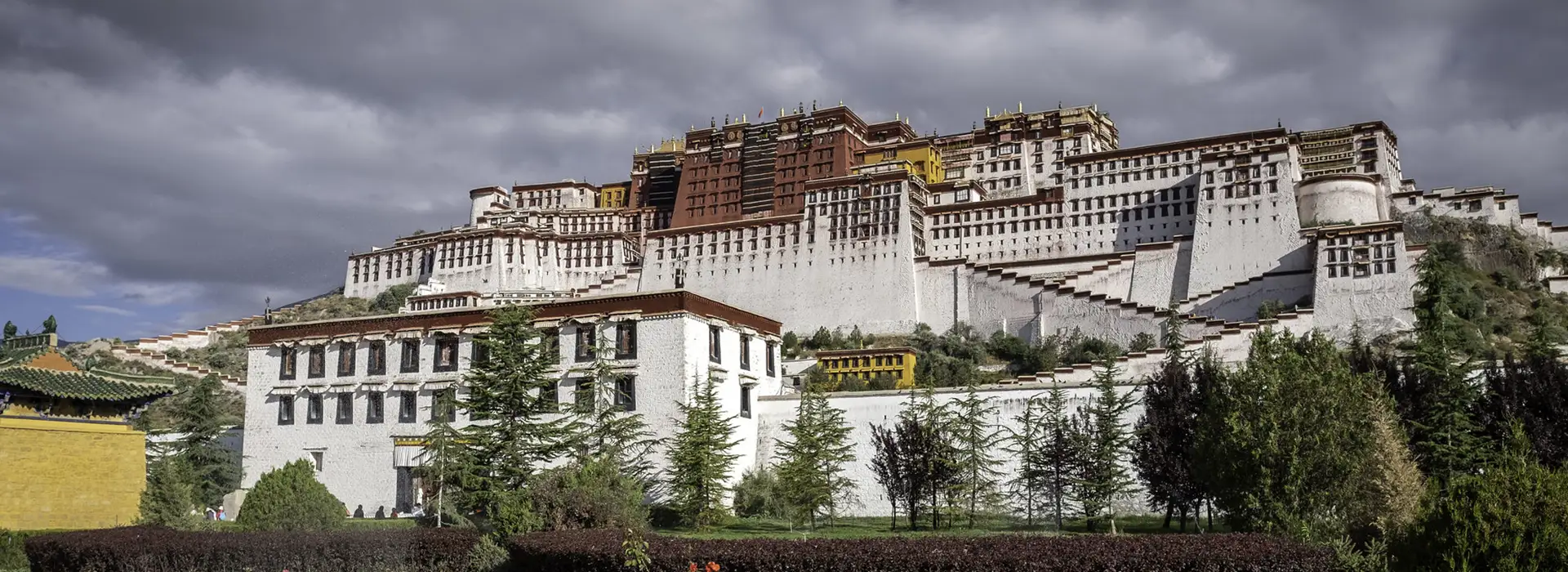

The Tibet Acclimatization Plan is essential for anyone traveling to high elevations on the Tibetan Plateau. Visiting Tibet means spending days above 3,000 meters (nearly 10,000 feet). Many roads, passes, and attractions climb to elevations of 4,000–5,000 meters. Low oxygen at these heights can cause altitude sickness, even in fit travelers. A carefully planned acclimatization helps reduce discomfort and keeps your trip on track. You will learn about symptoms, prevention, pacing, and how to adjust your itinerary. The guide uses clear daily templates and safety checklists to help you enjoy Tibet safely.
Quick Facts:
- Best first base: Lhasa (3,650 m) – use it to ease in.
- Risk window: First 24–72 hours at high altitude.
- Key strategy: Go slow with short activities, rest often, and stay hydrated.
- Big mistake to avoid: Rushing to high passes or strenuous hikes early.
What Acclimatization Means
Acclimatization is how your body adjusts to lower oxygen levels at high altitude. When you arrive in Tibet, the thinner air means less oxygen reaches your blood. Your body gradually adapts by increasing your breathing rate and the number of red blood cells. But this takes time. Pushing hard or ascending too fast can overwhelm the adjustment process.
Sleeping altitude is especially important. For example, climbing to a high viewpoint during the day but returning to a lower altitude to sleep is safer than sleeping high immediately. In simple terms, go slow and allow rest. Each person adapts differently, so listen to your body. “Climb high, sleep low” is a good rule: hike up during the day, but sleep at a lower elevation when possible.
Glossary:
- Acclimatization: Gradual bodily adaptation to high altitude.
- AMS (Acute Mountain Sickness): Common term for altitude sickness.
- Altitude gain: Elevation increase.
- Rest day: A travel day with minimal activity to recover.
Altitude Reality in Tibet
Tibet’s cities and roads are already very high. Lhasa, the capital, sits at about 3,650 meters. You may feel mild symptoms even there. Day trips or passes climb even higher – up to 4,500–5,000 meters. For example, crossing the Karo La Pass reaches about 5,000 meters. In these areas, oxygen levels are roughly half of sea-level levels.
| Risk Factor | Why It Matters | Safer Alternative |
|---|---|---|
| High altitude | Lower oxygen levels can cause headaches, fatigue, and other altitude symptoms. | Stay longer in Lhasa (3,650 m) to allow your body to acclimatize. |
| Low medical access | Remote areas often have limited hospitals or emergency medical services. | Focus travel around major cities such as Lhasa and Shigatse. |
| Long drives | Extended road travel may cause fatigue and motion sickness. | Choose a slower itinerary with breaks and travel in a private vehicle. |
| Cold nights | Low nighttime temperatures can reduce sleep quality and increase hypothermia risk. | Pack warm layers and confirm heated rooms when possible. |
| Dry air | Dry air can cause dehydration, dry skin, and breathing discomfort. | Drink plenty of water and use a humidifier when available. |
| Fixed itineraries | Strict travel plans make it difficult to adjust the route if someone feels unwell. | Add buffer days and travel with a flexible guide. |
Most itineraries reach these heights quickly, which is why planning is crucial. Remember: the higher you sleep each night, the more strain on your body. Try not to increase sleeping altitude more than ~500 meters per night above about 2,500 meters.
Who Needs Extra Acclimatization Time?
Everyone should acclimatize, but it’s especially important for:
- First-time visitors to high altitude: Your body has not experienced this before.
- People with prior altitude issues: If you felt sick in the mountains before, take extra care.
- Families and seniors: Older or young bodies may adapt more slowly. Add extra rest days.
- Tight itineraries: If your plan jumps in altitude quickly, add buffer days.
- Long flights or train rides: Getting off a plane or train can drop you suddenly into 3,600 m. Give yourself a day to relax.
- Strenuous plans: Plans that include long hikes, heavy packing, or intense activities early on.
If any of the above apply, build more rest and slow days into your trip. It’s better to extend the trip by a day or two than to get stuck ill.
Core Rules of a Tibet Acclimatization Plan
Follow these simple rules to stay safe and comfortable:
- Keep Day 1 light: Do almost no strenuous activity. A gentle walk around Lhasa city or no sightseeing at all.
- Go slow: Walk at a comfortable pace. Take many breaks. Avoid running, quick climbs, or heavy workouts.
- Hydrate constantly: Drink water frequently (more than usual). Dehydration makes altitude symptoms worse.
- Eat lightly: In the first days, prefer simpler meals. Rich, heavy foods can be hard to digest at altitude.
- Rest early: Evenings, get to bed early to help recovery.
- Sleep low: If possible, avoid sleeping at a much higher altitude than you’ve been previously.
- Add buffer days: Build at least one extra day for weather or weakness. Don’t book tight connections on the first days.
Do’s and Don’ts:
- Do walk slowly and speak lightly in the first few days.
- Do drink boiled or bottled water.
- Do dress in layers (you can be hot in the sun but cold in the shade).
- Don’t ascend more than ~500m overnight once above 2,500m.
- Don’t push to climb or hike on Day 1 or 2.
- Don’t drink too much alcohol or skip meals early on.
Day-by-Day Tibet Acclimatization Plan
Below is a sample plan that readers can follow or adapt. This is aimed at a first-time visitor spending about a week in Tibet, starting in Lhasa. You can adjust it for longer or shorter trips by adding extra rest days or side trips after Day 4.
Day 1 (Arrive Lhasa, 3,650m):
- Fly or train to Lhasa. Take it easy. Rest at your hotel. Avoid sightseeing, even if you arrive early.
- Short, gentle walks only (e.g., stroll around hotel area, step outside for fresh air). No climbing steps or long walks yet.
- Drink water and eat light. Have a simple dinner and go to bed early.
- Optional Xining start: If your travel schedule allows, fly to Xining (2,300m) on Day 1 instead. Stay overnight in Xining. On Day 2, take the overnight train to Lhasa. This spreads out the altitude gain (2275m to 3650m) over two stages.
Day 2 (Light Lhasa: 3,650m):
- If you stayed overnight in Lhasa, start with very easy activities in the morning, like walking on flat areas near your hotel.
- Visit one or two gentle sights in Lhasa (e.g., Barkhor Street, Jokhang Temple). Walk slowly. Sit down often and breathe deeply.
- Avoid high steps or full-day tours. Climbing the Potala Palace should not happen today – even walking to lower monasteries can be taxing.
- Afternoon rest/nap if needed. Continue to drink plenty of water.
- Head back early, and go to bed early. If in Xining, take the evening train to Lhasa and aim to sleep on the train.
Day 3 (More Lhasa, catch up rest: 3,650m):
- If you arrive in Lhasa early in the morning by train or plane, take this day very slowly. Consider the morning for optional indoor or flat activities only (e.g. Jokhang, Norbulingka gardens).
- In the afternoon, keep activities mild. A guided car tour can help you see sights without having to walk too much.
- Stay hydrated and avoid caffeine or heavy alcohol.
- By evening, you should feel more adjusted. If you have booked a panoramic tour by vehicle, allow breaks to avoid too much sun.
- Aim for an early dinner and bedtime again. This extra day in Lhasa shores up your acclimatization.
Day 4 (Short out-and-back trip):
- Now you can handle a bit more. Possible options: drive to NamTso Lake area (a few hours away) or to a nearby monastery. Turn back to Lhasa in the afternoon.
- For example, take a half-day trip to the outskirts of Lhasa or to Sera Monastery just outside the city. Keep morning rest and start outing mid-morning after a hearty breakfast.
- Walk only as needed. For instance, a short circuit around Sera’s courtyard and back. Sit and rest at cafes.
- Return to Lhasa by early afternoon. Take it easy the rest of the day. Consider a gentle stroll in a park like Norbulingka.
- Sleep in Lhasa. You might extend your stay here another night if you feel any dizziness.
Day 5 (Moderate altitude road trip):
- Depart Lhasa for Gyantse (3,900m) via Yamdrok Lake (4,441m). Start early and drive slowly, with stops.
- At Yamdrok Lake, take a short walk to stretch and enjoy the view. Break for rest and lunch at a stop with shelter.
- Continue to Karo La Pass (5,010m) – no strenuous hiking. Stop briefly, then descend to Gyantse and spend the night.
- In Gyantse, if you’re feeling well, you could explore the town center or relax at the hotel. Early dinner.
Day 6 (Gyantse to Shigatse):
- Morning visit to Pelkor Monastery (3,900m) in Gyantse for a short walk. Return for brunch.
- After lunch, drive to Shigatse (3,836m) via a scenic route. Include one or two short breaks to avoid long continuous sitting.
- Arrive in Shigatse mid-afternoon. Stay in a hotel and relax. Have a light dinner.
Day 7 (Shigatse or return):
- If your trip is longer, use this day for a gentle side trip (e.g., local market or Phalkor Monastery) or simply to rest.
- If returning to Lhasa today, leave Shigatse early after breakfast and drive back slowly. Stop for lunch on the way.
- Take short breaks to walk around and stretch, but mostly relax during the drive.
(If your trip includes Lhasa only, you would end or depart on Day 6 or 7 after an extra rest day in Lhasa. If heading toward Everest, add more days between Gyantse and Shigatse for stops like Tingri or Base Camp, and include extra rest days.)
Adjusting the Plan by Route
Every tour is different, so adapt the above template to your specific route:
- Lhasa city & nearby sights: (Most common, 5–7 days) – Stay 2–3 nights in Lhasa first. Follow Days 1–3 above. If you only go to the Lhasa highlights, you could finish on Day 5 or 6 after easing in.
- Lhasa + cultural corridor (Gyantse/Shigatse): (8–10 days) – Use Days 1–4 in Lhasa, then Days 5–6 driving to Gyantse/Shigatse as above. You might add one more rest day either in Lhasa before leaving or in Gyantse if needed.
- Everest-route (Tingri/EBC): (10–12 days) – After Day 4 in Lhasa, add: Day 5 drive to Tingri (4,300m) via Saga (practice gentle ascent). Overnight at Tingri. Day 6: Optional Everest base camp short visit and back to Tingri or Saga. Day 7 onward return via Shigatse/Lhasa. Plan an extra rest day at Tingri or Saga before visiting the high passes.
- Treks or Kailash routes (higher, remote): (12–16 days) – You need more buffer. Consider adding a day of rest at Saga (3,600m) or Tashi Dzom (4,500m) on the way to Everest, or a rest day in Saga en route to Kailash. Build in easy days after each hard day.
Example: The “Sky Train via Xining” plan above is a 7-day version of this: Day 1 in Xining (2,275m), Day 2 train to Lhasa (arrive Day 3), then 4 days in Lhasa before departing. It splits the altitude gain over 3 nights.
How to Tell if You Need More Time
Watch yourself carefully. Even if you feel fine, it’s wise to be conservative. Warning signs you’re pushing too hard include: headache, nausea, dizziness, unusual tiredness, or poor sleep. If any mild symptoms appear, pause and rest more. Add extra breaks or a full rest day.
For example, one rule is not to raise your sleeping altitude by more than ~500m per night once you’re above 2,500m. Some train routes (like Golmud to Lhasa) jump over 800m in one go, which is very steep. If your plan includes such a jump, move more slowly around that part. A doctor may even recommend preventive medication in extreme cases, but always discuss with a medical professional first.
First 48 Hours: Do’s and Don’ts
Do:
- Stay well-hydrated (sip water frequently).
- Eat light, energy-rich snacks (nuts, fruit) if you don’t feel like big meals.
- Rest or nap when you feel tired.
- Take it very easy – gentle walking only.
Do Not:
- Start any intense exercise or long hikes.
- Visit high-altitude passes or peaks (the Potala climb is a bad idea now).
- Overcommit on sightseeing – pace out temples and markets slowly.
- Drink alcohol or smoke heavily (they worsen oxygen intake).
Even if you feel okay, keep up the easy pace. The goal is to manage symptoms so they don’t worsen.
Related Article:
Who Should Avoid Traveling to Tibet? Health, Altitude, and Safety Guide
What to Do if Symptoms Appear
If you feel mild symptoms (headache, fatigue, mild nausea, poor sleep), don’t ignore them. Stop ascending immediately. Lie down, rest, and give your body time. Slow down activities even more, or take an extra easy day. Take paracetamol for a headache if needed (over-the-counter). Drink fluids and stay warm.
If symptoms worsen to the point of strong breathlessness, inability to walk straight, confusion, or vomiting, treat it as serious. Descend to a lower altitude as soon as possible (even a few hundred meters can help). Seek medical help – your guide or hotel staff can assist. Many hotels in Lhasa or Shigatse have oxygen available for guests if needed. Remember, a short delay is better than risking health.
Oxygen, Hydration, and Comfort
- Oxygen: Supplemental oxygen in vehicles or hotel rooms can ease discomfort but is not a substitute for acclimatization. Use oxygen to ease breathing if available, but still follow the slow-up plan. Do not rely on it to climb faster.
- Hydration: Dry air and altitude increase water loss. Keep drinking throughout the day, even before you feel thirsty. An electrolyte drink or adding a pinch of salt to water can help maintain balance.
- Sun and cold: The sun is stronger at altitude. Wear a hat, sunglasses, and sunscreen on exposed skin. The air is also very dry – lip balm and moisturizer help. Even on mild nights, mountain nights can get cold quickly. Bring warm layers for evenings.
Packing List for Acclimatization
Clothing & Gear:
- Layered clothing: T-shirts under fleeces/jackets to adjust as you warm up/cool down.
- Windproof jacket: Even on warm days, freezing winds can hit high passes.
- Warm hat and gloves: Crucial for mornings and evenings.
- Sunglasses and sunscreen: Protect against strong UV.
- Lip balm and hand moisturizer: Combat dry air.
- Comfortable shoes: Broken-in walking shoes or hiking boots.
- Walking poles (optional): Help stability at altitude.
Essentials for Health and Comfort:
- Refillable water bottle: Carry and fill with boiled or bottled water.
- Portable charger (power bank): Cell service can be spotty; keep gadgets charged.
- Wet wipes/tissues & hand sanitizer: Toilets and rest stops may lack facilities.
- Headlamp or small flashlight: For early mornings/late evenings (power cuts can happen).
- Personal meds: Pack any prescription meds you take. Also consider painkillers (ibuprofen) and anti-nausea (meclizine) for mild symptoms.
- Copies of documents: Keep a paper copy of your passport and permits in case of loss.
Acclimatization Tips by Traveler Type
- Families: Kids and older family members adapt more slowly. Plan shorter driving days and frequent rests. Book comfortable hotels (with heating) so everyone sleeps well.
- Seniors: Opt for private tours. Guides can adjust plans on the fly. Take longer in Lhasa (3+ nights) before moving on. Avoid high passes whenever possible.
- Solo Travelers: Consider joining a reputable small group tour for safety. A private guide is ideal to tailor the pace. Use local SIM cards to stay reachable. Keep an eye on the weather and health via apps or a guide.
- Adventurers: If trekking or going off-road, add extra buffer days at each leg. Accommodations may be simpler; carry snacks. Even if fit, respect easy-paced days as per the plan above. Always notify your guide if you feel off.
Common Mistakes to Avoid
- High Passes Too Early: Don’t rush to Namtso or Karo La on Days 1–2. Wait until Day 4+ and only if feeling very good.
- Overpacked Itineraries: Trying to see everything quickly can push you too hard. It backfires with fatigue or illness.
- Skipping Fluids: Dehydration compounds the effects of altitude. Carry water and sip frequently.
- Ignoring Guide Advice: If your guide or driver suggests rest or a late start, follow it. They’re familiar with local conditions.
- Tight Schedules: Booking flights or trains back-to-back leaves no room for delays. Always leave a buffer day at the end in case of altitude delays or bad weather.
Frequently Asked Questions
Q: What is the best Tibet acclimatization plan for first-timers?
A: Plan 2–3 days in Lhasa with no heavy activity. Walk slowly, rest often, and stay hydrated. Then add one rest day before long drives. A route like: Arrive Lhasa – easy; Day 2 – more Lhasa; Day 3 – long drive; Day 4 works well. Avoid huge altitude jumps at first.
Q: How many acclimatization days do I need in Lhasa?
A: At least 2 full days in Lhasa (3 nights) are recommended for first-time visitors. For very cautious travelers (families, seniors), add a third night. Use these days for light city tours or rest only.
Q: Can I visit the high passes right after arriving?
A: Not on Day 1 or 2. High passes like Kamba La (~4,794m) should be waited for until at least Day 4. You need time to adapt to even Lhasa’s 3,650m before going higher.
Q: Does oxygen help prevent altitude sickness?
A: Oxygen provides comfort but does not prevent illness on its own. It can ease symptoms, but the key is to acclimatize slowly. Always keep hydrating and pacing, even if using oxygen.
Q: What should I pack for acclimatization?
A: Pack layers (for warm days/cold nights), sunscreen, lip balm, moisturizer, sunglasses, and a refillable water bottle. Also, bring a hat, a warm jacket, and comfortable walking shoes. Snacks like nuts or energy bars help if your appetite lags.
Q: Is Tibet safe at high altitude?
A: Yes, with proper precautions. Almost all travelers adapt well to a slow pace. The risks lie in neglecting acclimatization. Follow the plan above, and Tibet’s high-altitude roads and sites can be enjoyed safely.
Q: When should I see a doctor about altitude?
A: If you have known heart/lung issues, consult a doctor before traveling. For altitude symptoms, if you experience severe breathlessness, confusion, or inability to walk, descend and seek medical help immediately.
Q: How do I handle jet lag and altitude?
A: When arriving in Lhasa, try to get some daylight. Drink plenty of water on the flight. Eat a modest meal. Follow the early bedtime rule – sleep early to recover from altitude and any travel fatigue.
Final Tip
Go slow and be kind to your body. Tibet is a land of high plateaus and beautiful sights. A carefully planned acclimatization lets you enjoy it fully. Take each day at a relaxed pace, listen to your body, and build in flexibility. That way, your Tibet tour stays safe, enjoyable, and memorable.